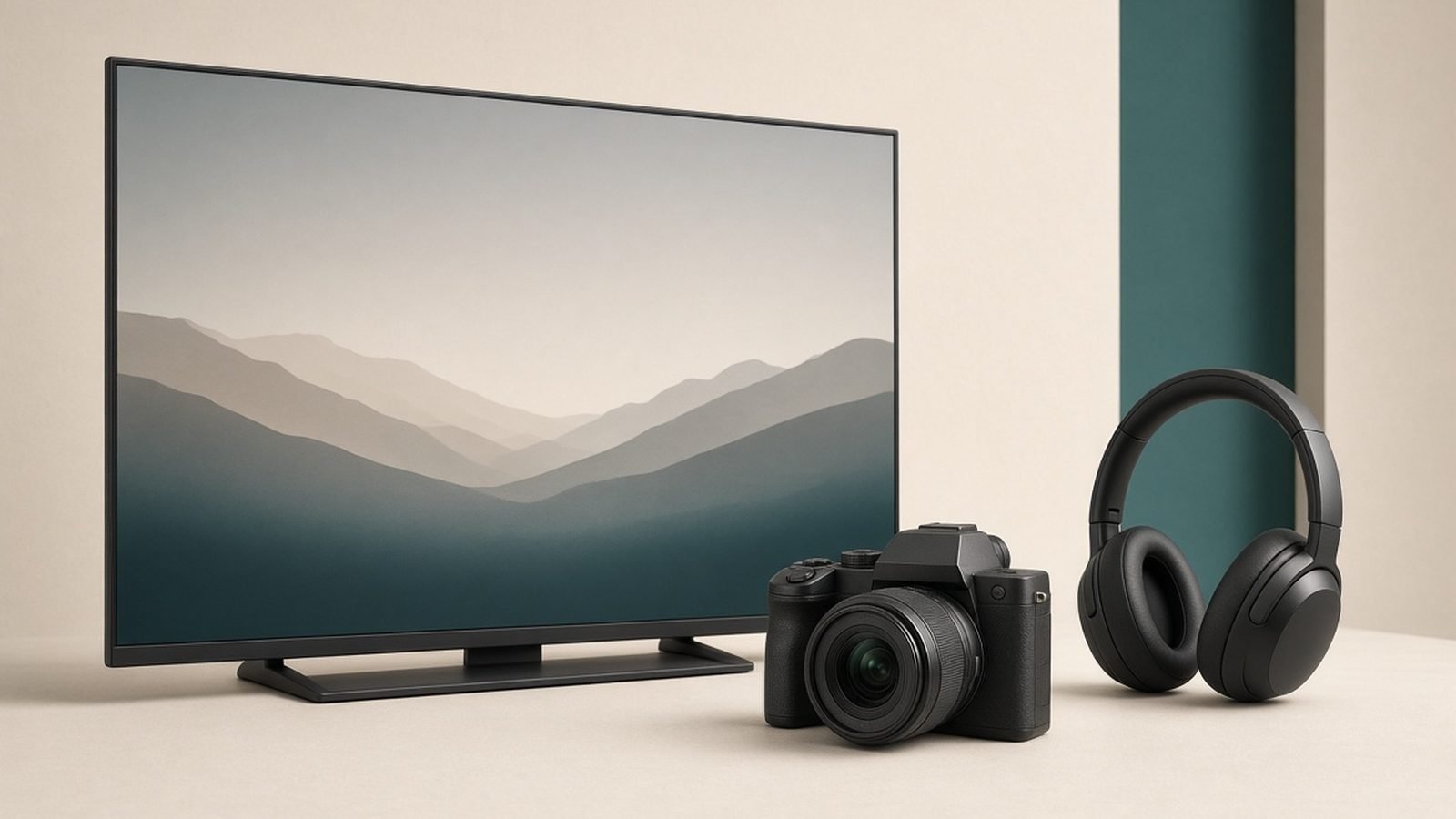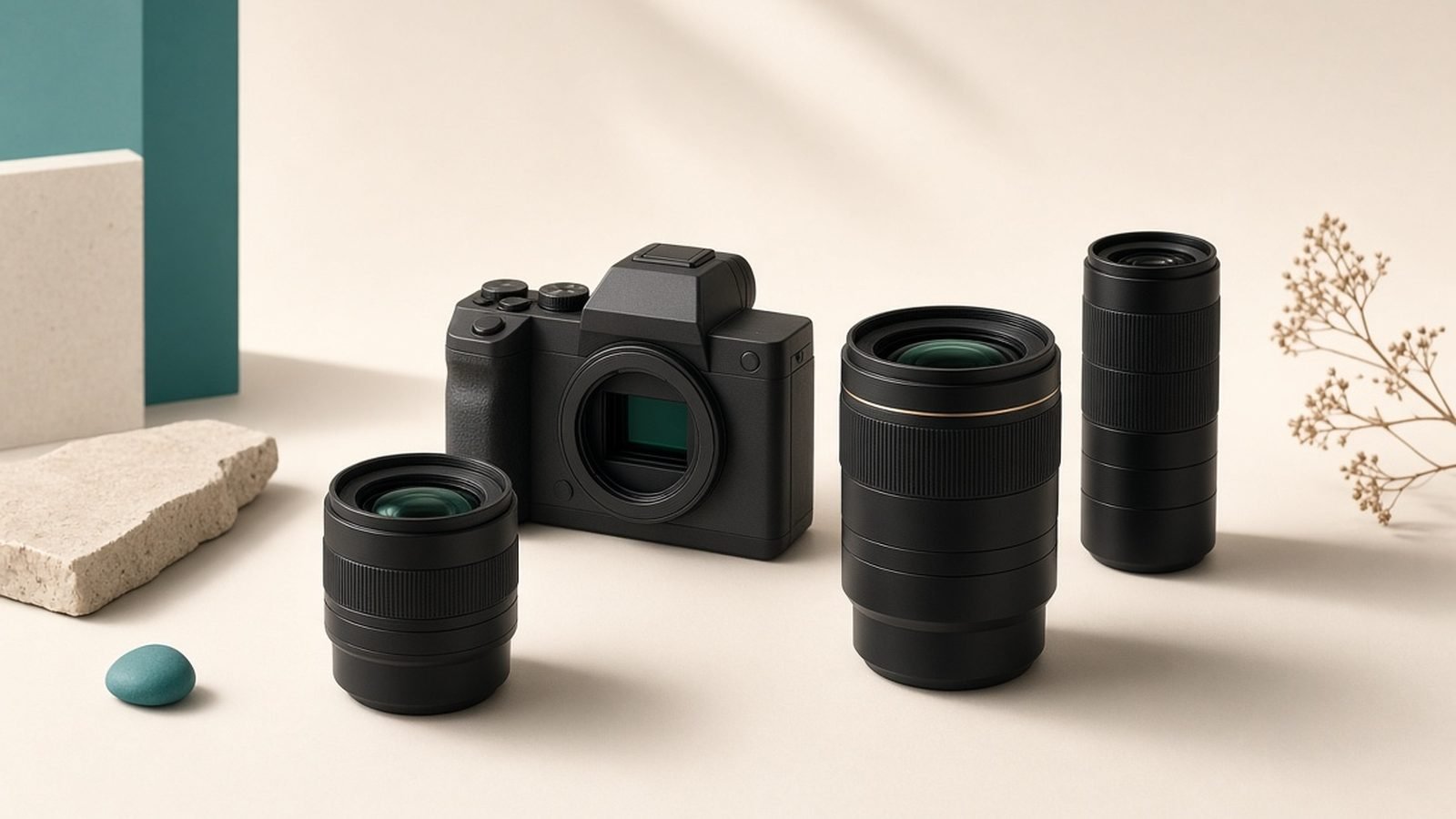
Hasselblad is the luxury name in photography — a Swedish medium-format maker whose cameras deliver some of the most beautiful image quality money can buy, wrapped in minimalist, jewel-like design. In 2026 its mirrorless X-system cameras produce enormous, richly detailed files with a color rendering many photographers describe as unmatched. But this is unapologetically a premium, specialist brand: prices run into five figures for a body and lens, the cameras are slow and deliberate, and the ecosystem is small. For studio, landscape, fashion and fine-art photographers who prize ultimate quality over speed or value, Hasselblad is exceptional; for almost everyone else, it is aspirational.
Verdict: The pinnacle of considered, high-resolution image quality with iconic design. Best for professionals and serious enthusiasts who want the best files and can afford them; the caveats are very high prices, slow operation, and a limited lens and accessory range.
Company overview
Hasselblad is a Swedish company founded in 1841 as a trading business and established as a camera maker by Victor Hasselblad, with the modern camera company dating to the mid-20th century and headquartered in Gothenburg. It carries extraordinary historical prestige: Hasselblad cameras famously accompanied NASA astronauts and were used on the Apollo Moon landings, cementing the brand’s association with precision and reliability at the highest level. Today Hasselblad is owned by DJI, the Chinese drone and imaging giant, which took a majority stake in the late 2010s — an ownership fact worth knowing, as DJI’s resources have helped fund Hasselblad’s modern mirrorless development while the cameras remain designed and assembled in Sweden.
In plain terms, Hasselblad’s reputation is that of the ultimate luxury imaging brand. It is respected for medium-format image quality, its distinctive and understated “Scandinavian” design language, and its Hasselblad Natural Colour Solution, a color-science approach widely praised for producing pleasing, true-to-life tones straight out of camera. The honest caveats are equally clear: the cameras are extremely expensive, deliberately slow and contemplative rather than fast, and supported by a comparatively small lineup of lenses and accessories. This is gear bought for what it produces, not for versatility or value.
What Hasselblad makes
Hasselblad’s range is small, focused and premium:
- X-system mirrorless cameras — compact medium-format bodies (the X-series) built around large sensors and minimalist controls.
- 907X / CFV modular cameras — a distinctive body-and-digital-back combination that nods to Hasselblad’s classic V-system heritage and can mount on historic bodies.
- XCD lenses — a curated line of high-quality autofocus lenses designed specifically for the X-system.
- H-system (legacy) gear — the larger, professional H-series and its lenses, historically aimed at high-end studio and commercial work.
- Accessories — control grips, viewfinders, adapters and other precision add-ons for the modular cameras.
The mirrorless X-system is the heart of the modern brand and where most new buyers begin.
Standout Hasselblad products in 2026
The product that best represents modern Hasselblad is the X2D 100C, a 100-megapixel medium-format mirrorless camera that anchors the top of any serious Best Mirrorless Cameras 2026: Full-Frame & APS-C discussion. Based on published specs and reviews, it pairs an enormous, detail-rich sensor with in-body stabilization, built-in storage and Hasselblad’s acclaimed color science, producing files prized by landscape, studio and fine-art photographers.
Across the rest of the range:
- Hasselblad X2D 100C — the flagship 100MP mirrorless body, the definition of considered, high-resolution shooting and a standout in the premium tier of the Best Mirrorless Cameras 2026: Full-Frame & APS-C landscape.
- Hasselblad 907X & CFV 100C — a modular, retro-inspired body and digital back that blends heritage design with modern medium-format quality.
- XCD lenses — a small but excellent range of primes and zooms, including fast standard and wide options renowned for rendering.
- X-series bodies — earlier and more accessible X-system cameras that bring medium format to a (relatively) lower entry point.
Here is the flagship body most medium-format buyers consider first:
Strengths
Class-leading image quality. Hasselblad’s large medium-format sensors capture exceptional detail, dynamic range and tonal depth. For studio, landscape and fine-art work, few systems can match the sheer quality of the files.
Renowned color science. The Hasselblad Natural Colour Solution is widely praised for producing accurate, pleasing skin tones and colors with minimal editing — a genuine workflow advantage for portrait and commercial shooters.
Iconic, minimalist design. Hasselblad cameras are beautifully built and understated, with a considered control philosophy and premium materials that make them a joy to handle for deliberate shooting.
Heritage and prestige. Few brands carry Hasselblad’s history — from fashion studios to the surface of the Moon — and that pedigree comes with a reputation for precision engineering.
Modular heritage options. The 907X and CFV system lets photographers blend modern digital backs with classic design and even historic bodies, a unique appeal for enthusiasts.
Weaknesses & criticisms
Extremely high prices. A Hasselblad body plus a lens routinely costs as much as a car, with figures around $8,000 / £7,000 and up for a body alone. This is the single biggest barrier and puts the brand out of reach for most photographers.
Slow, deliberate operation. Medium-format cameras like Hasselblad’s are not built for speed. Autofocus, burst rates and buffer clearing lag well behind full-frame rivals, making them poorly suited to sports, wildlife or fast action.
Limited lens and accessory range. The XCD lineup, while excellent, is small compared with full-frame systems. Photographers needing specialized optics — long telephotos, exotic primes — will find fewer choices.
Small ecosystem and support footprint. As a niche luxury brand, Hasselblad has fewer service centers, third-party accessories and used-market options than mainstream makers, which can matter for repairs and resale.
Ownership optics. DJI’s ownership is uncontroversial for image quality, but some buyers and institutions weigh the geopolitics of a Chinese-owned brand; it is a fact worth knowing rather than a performance flaw.
Reliability & support
Based on aggregated user feedback, Hasselblad cameras are well-built and dependable within their intended use, reflecting the brand’s precision-engineering heritage. The most common frustrations are not failures but the deliberate limitations — slow autofocus, modest burst speeds and a small lens range — that come with medium format. Build quality is superb, with premium materials and tight tolerances that justify the handling reputation.
Support is where the niche nature shows. Hasselblad offers professional warranty coverage and service, but its network of service centers is far smaller than mainstream brands’, so repairs can mean longer waits and shipping to specialized facilities depending on your region. Firmware updates arrive periodically and have historically added meaningful features to existing bodies, a positive sign of ongoing support. Net: Hasselblad gear is reliable and beautifully made, but owners should plan for a boutique support experience and factor service logistics into the (already high) cost of ownership.
Who should buy Hasselblad
Buy Hasselblad if you: are a studio, landscape, fashion or fine-art photographer who prioritizes ultimate image quality and color rendering, work at a deliberate pace, and have the budget for a premium medium-format system. For the right professional, the files and the shooting experience are genuinely special and can be worth every penny.
Look elsewhere if you: need speed for sports, wildlife or events, want a versatile all-rounder, shoot on a tight budget, or value a large lens ecosystem. A high-resolution full-frame camera or a rival medium-format system like Fujifilm’s GFX will serve most people better for far less money. Compare options in our Best Mirrorless Cameras 2026: Full-Frame & APS-C guide before committing.
FAQ
Is Hasselblad a good brand?
Yes, within its niche it is outstanding. Hasselblad makes luxury medium-format cameras with some of the best image quality and color rendering available, plus iconic design and a storied heritage. The caveats are severe for most buyers: very high prices, slow operation and a small lens range. It is a specialist tool, not an all-rounder.
Is Hasselblad reliable?
Generally yes. Hasselblad cameras are precision-engineered and well-built, reflecting the brand’s history of dependable, high-end equipment. The main limitations are deliberate — slow autofocus and modest speed — rather than reliability problems. The bigger practical consideration is a small service network, which can mean longer repair times.
Where is Hasselblad from and who owns it?
Hasselblad is a Swedish company based in Gothenburg, with roots going back to 1841 and a camera legacy that includes the Apollo Moon missions. Since the late 2010s it has been majority-owned by DJI, the Chinese imaging and drone company, though its cameras continue to be designed and assembled in Sweden.
Is Hasselblad worth the money?
For a professional or serious enthusiast who needs the best possible image quality and color, and who shoots deliberately, it can be worth it — the files are exceptional. For almost everyone else, a high-resolution full-frame camera delivers most of the quality at a fraction of the price, so Hasselblad is best seen as a specialist luxury purchase.
Hasselblad vs Fujifilm GFX: which is better?
Both are medium-format systems with superb image quality. Fujifilm’s GFX line is generally more affordable, faster and backed by a larger lens range and support network, making it the more practical choice for many. Hasselblad counters with higher-end design, its acclaimed color science and a more luxurious shooting experience. Budget and priorities decide it.
Can Hasselblad cameras shoot action or sports?
Not really. Medium-format cameras like Hasselblad’s have slower autofocus, lower burst rates and smaller buffers than full-frame rivals, so they are poorly suited to fast action, sports or wildlife. They excel at studio, landscape, portrait and fine-art work where a deliberate pace is fine.
Zen Tech Hub may earn a commission from links on this page, at no extra cost to you.