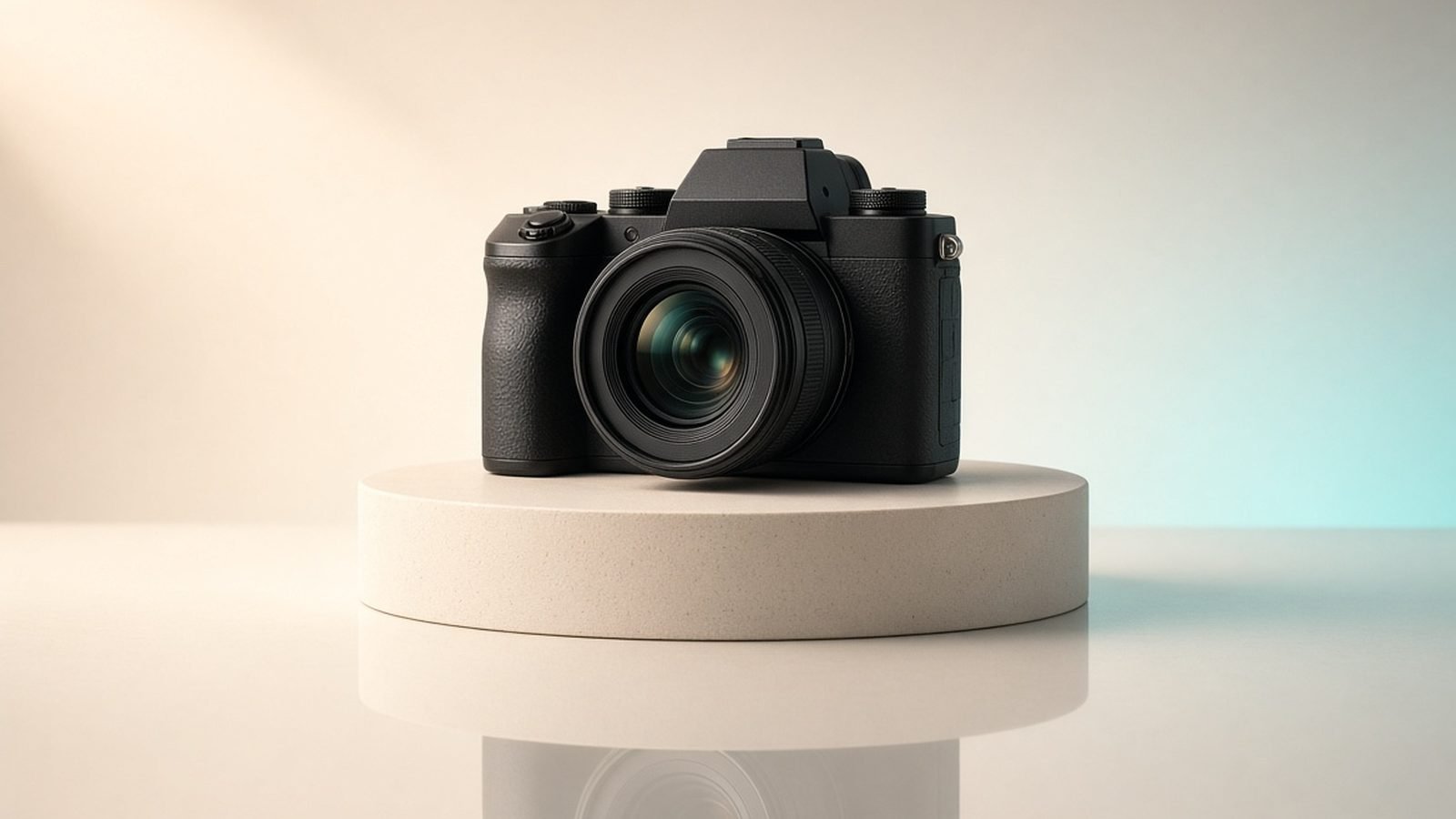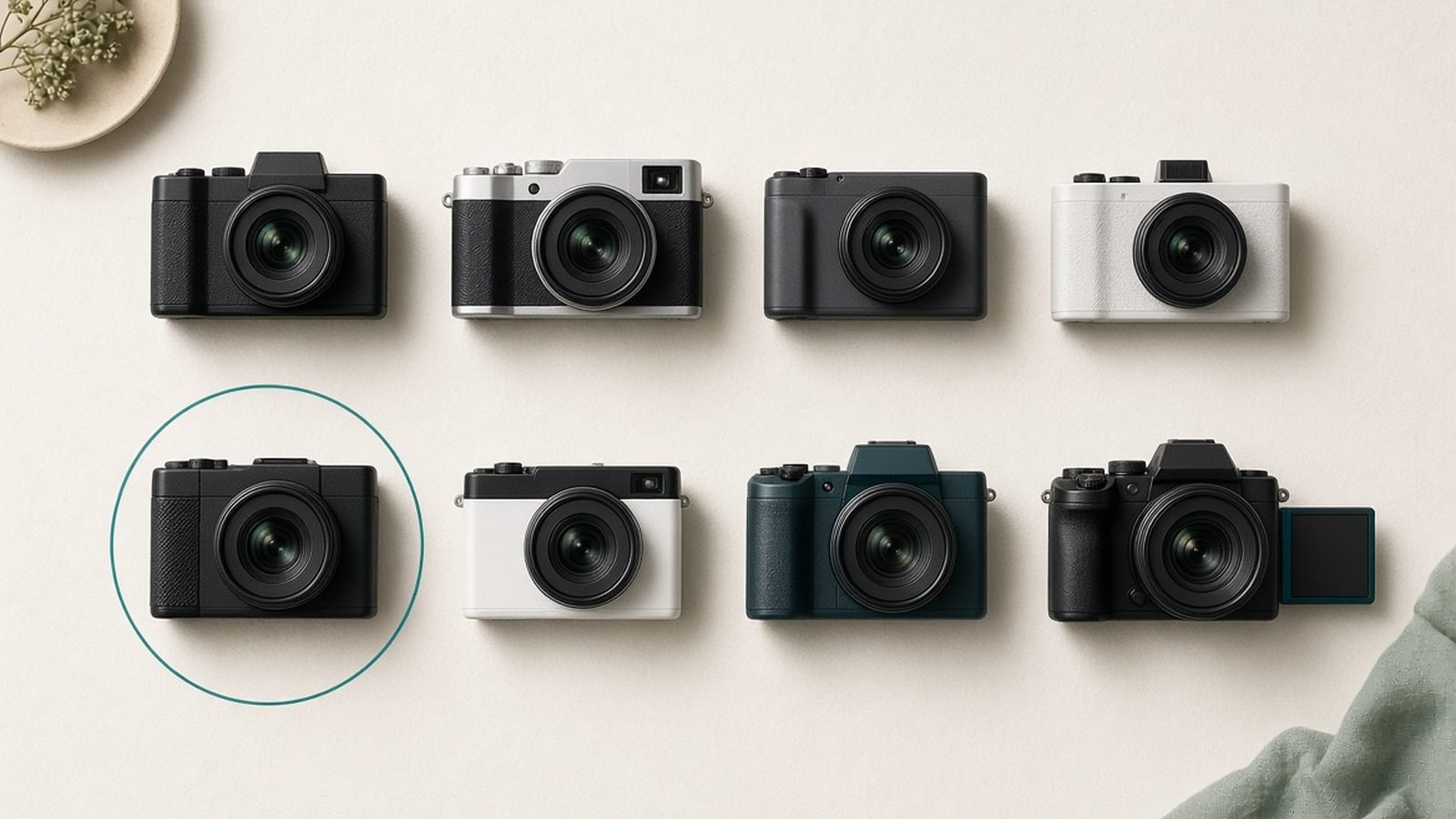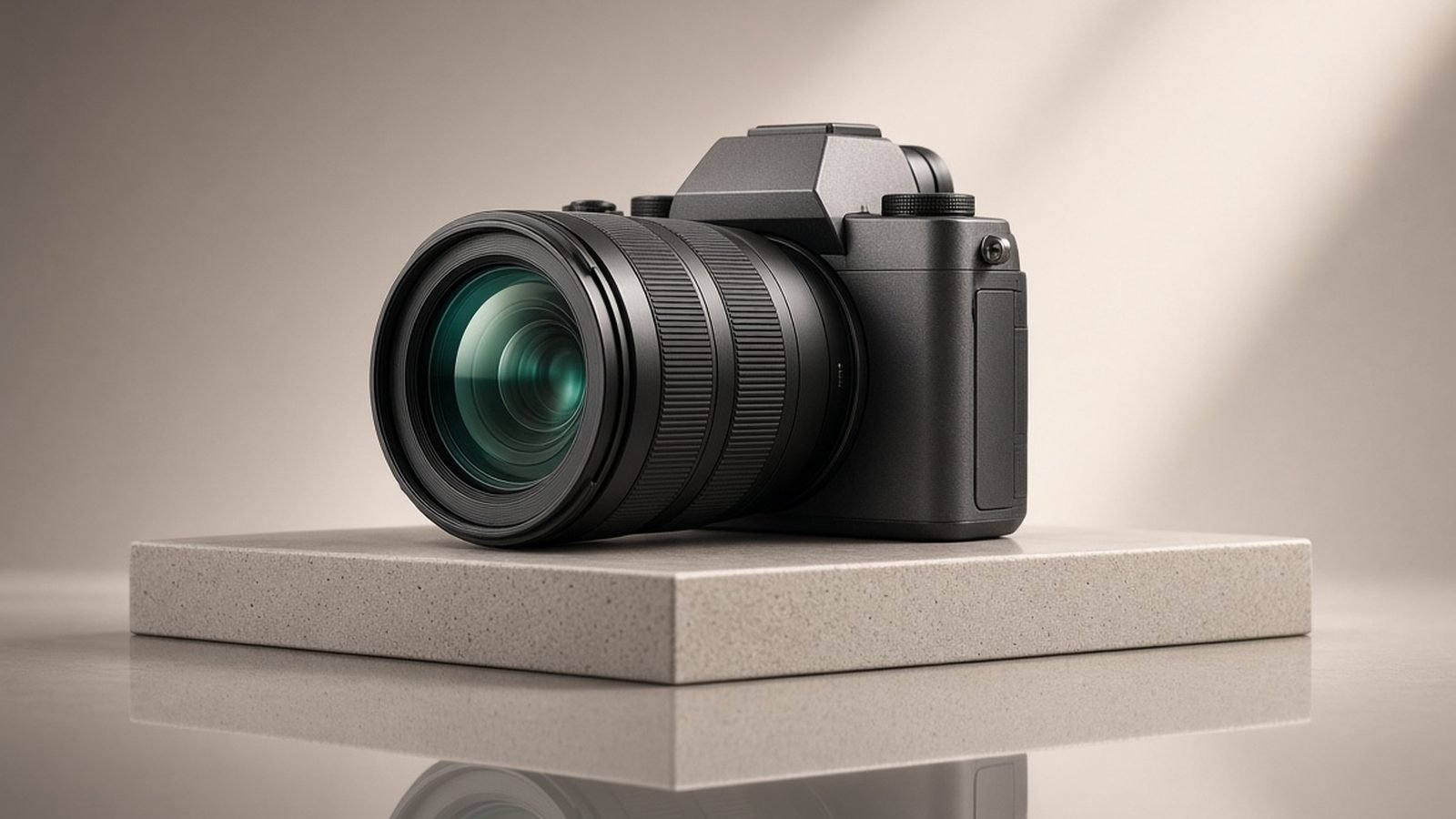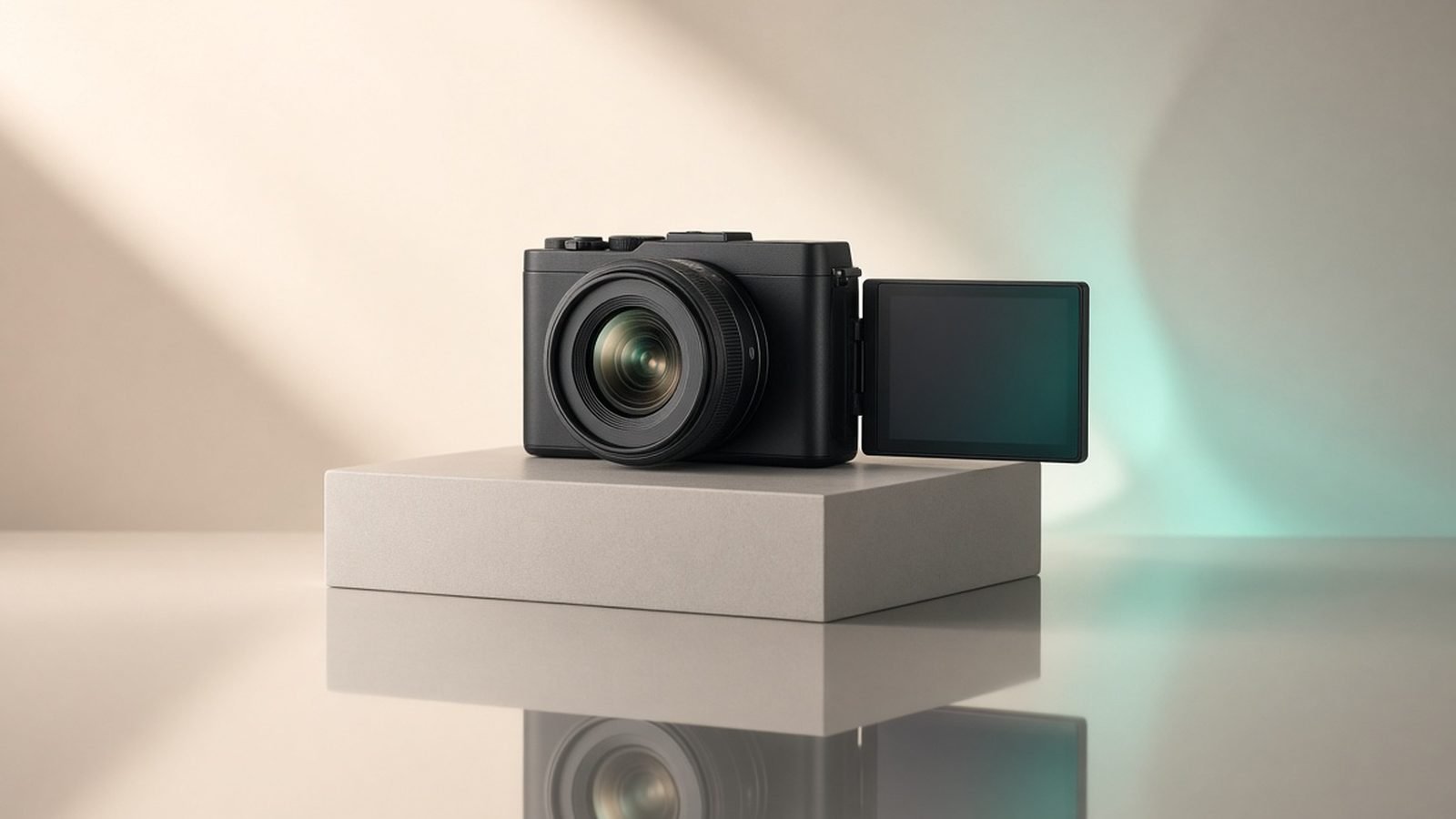
The best mirrorless camera for most people in 2026 is the Sony A7 V. It is the rare all-rounder that shoots high-resolution stills, professional-grade 4K and even 8K video, and tracks subjects with class-leading autofocus, all in a body you can live with day to day. Around $2,499 / £2,399, it is not cheap, but it does almost everything well.
Most buyers do not need a $2,500 body, though. This guide spans full-frame powerhouses and lighter, more affordable APS-C cameras, and it tells you exactly who each one is for. If you shoot mostly stills, want the best hybrid, or are building a first serious system, there is a right answer below.
Best mirrorless camera at a glance
| Pick | Camera | Sensor | Best for | Price (US / UK) |
|---|---|---|---|---|
| Best overall | Sony A7 V | Full-frame 33MP | Do-it-all hybrid shooters | ~$2,499 / £2,399 |
| Best hybrid | Canon EOS R6 Mark III | Full-frame ~24MP | Photo + video pros | ~$2,499 / £2,499 |
| Best for stills | Nikon Z6 III | Full-frame 24MP | Photographers who also film | ~$2,499 / £2,499 |
| Best APS-C | Fujifilm X-T5 | APS-C 40MP | High-res stills, smaller kit | ~$1,699 / £1,699 |
| Best APS-C value | Sony A6700 | APS-C 26MP | Hybrid creators on a budget | ~$1,399 / £1,449 |
| Best entry | Canon EOS R50 | APS-C 24MP | First serious camera | ~$679 / £689 |
Prices reflect body-only cost at publication except the R50, which is a kit. Expect movement during seasonal sales.
How we picked
We do not run a test lab, so we will be straight about our method. These rankings come from close analysis of published specifications, cross-referenced US and UK pricing, and a wide read of owner feedback and professional reviews over the past year. Where we flag a weakness — overheating, rolling shutter, buffer limits — it reflects recurring themes in real-world reports rather than a benchmark we invented.
We judged each camera on image quality, autofocus, video capability, handling, lens ecosystem and value. A mirrorless camera is a long-term commitment to a lens mount, so ecosystem depth carried real weight. Full-frame and APS-C are judged on their own terms rather than against each other.
Best overall: Sony A7 V
33MP full-frame sensor · 8K and oversampled 4K video · AI autofocus · around $2,499 / £2,399 body.
The A7 V is the camera we would recommend to the most people who can afford it, because it refuses to specialize. The full-frame sensor delivers detailed 33MP stills with wide dynamic range, and the video spec is genuinely high-end, with 8K capture and beautifully oversampled 4K. Few cameras straddle photo and video this convincingly.
Sony’s dedicated AI processing unit powers the autofocus, and it is the standout in aggregated owner reports: eye, animal and vehicle recognition that locks on and simply does not let go. Add in-body stabilization, a bright viewfinder and the deepest full-frame lens lineup on the market, and you have a body that grows with you for years. Our full Sony A7 V Review 2026: The All-Rounder Full-Frame digs into the detail.
The trade-offs are the price and, for some, the complexity: Sony’s menus and sheer feature count can overwhelm newcomers. It is also a serious investment once you factor in quality glass. But as a do-everything tool, nothing here is more complete.
Pros:
- Superb hybrid: high-res stills plus 8K/oversampled 4K
- Class-leading AI autofocus and subject tracking
- In-body stabilization and the deepest lens ecosystem
Cons:
- Expensive body, and lenses add up fast
- Feature-dense menus intimidate beginners
- More camera than casual shooters need
Who it’s for: Enthusiasts and pros who want one camera that does high-end stills and video without compromise.
Best hybrid: Canon EOS R6 Mark III
~24MP full-frame sensor · 4K up to 60p oversampled · Dual Pixel AF II · around $2,499 / £2,499 body.
The R6 Mark III is Canon’s answer to the do-it-all full-frame body, and it is arguably the most balanced hybrid here. The sensor prioritizes speed and low-light performance over sheer megapixels, which pays off in fast, clean autofocus and excellent high-ISO results. For weddings, events, wildlife and run-and-gun video, that balance is exactly right.
Canon’s Dual Pixel autofocus is intuitive and sticky, in-body stabilization is strong, and the video feature set is deep without the heavy crops or short record limits that hampered earlier Canon bodies. Handling is a highlight too — Canon’s ergonomics and menu logic are among the friendliest in full-frame. Our Canon EOS R6 Mark III Review 2026: Hybrid Powerhouse covers the full picture.
The compromises are a lower resolution than the Sony and Nikon rivals, which matters if you crop hard or print large, and an RF lens ecosystem that is excellent but pricier and more locked-down than Sony’s. For most hybrid shooters, neither is a dealbreaker.
Pros:
- Beautifully balanced stills-and-video performance
- Fast, reliable Dual Pixel autofocus
- Excellent ergonomics and low-light quality
Cons:
- Lower resolution than key rivals
- RF lenses are pricey with limited third-party options
- Not the pick if you need maximum detail
Who it’s for: Hybrid photographers and videographers who value speed, autofocus and handling over raw megapixels.
Best for stills: Nikon Z6 III
24MP partially-stacked full-frame sensor · 6K RAW video · around $2,499 / £2,499 body.
The Z6 III is the photographer’s full-frame pick. Its partially-stacked sensor delivers fast readout, which means less rolling shutter, quicker burst shooting and snappier autofocus than previous Nikon bodies. Nikon’s color science is a long-standing favorite, files have generous latitude for editing, and the electronic viewfinder is one of the brightest and clearest on the market.
It is no slouch at video either, with internal 6K RAW capture that punches above its price, plus strong in-body stabilization. Nikon’s Z lens lineup has matured into a genuinely excellent range of sharp, well-priced optics, and F-mount classics adapt cleanly.
The honest notes: Nikon’s autofocus, while much improved, still trails Sony and Canon by a hair for the very stickiest subject tracking, and the Z system has fewer exotic third-party lenses than E-mount. For a photographer who occasionally films, it is a superb, well-rounded choice.
Pros:
- Excellent stills quality with class-leading viewfinder
- Fast sensor readout reduces rolling shutter
- Internal 6K RAW video and strong stabilization
Cons:
- Autofocus tracking trails Sony/Canon slightly
- Smaller third-party lens selection
- No standout weakness, but no single killer feature either
Who it’s for: Photographers who want top-tier stills and a bright viewfinder, with capable video as a bonus.
Best APS-C: Fujifilm X-T5
40MP APS-C sensor · 6.2K/30p video · in-body stabilization · around $1,699 / £1,699 body.
The X-T5 proves you do not need full-frame for stunning stills. Its 40MP APS-C sensor resolves remarkable detail, the tactile dial-led controls make shooting a pleasure, and Fujifilm’s Film Simulations give you beautiful color straight out of camera. It is smaller and lighter than the full-frame bodies here while still including in-body stabilization and a weather-sealed build.
For landscape, travel, street and portrait photographers, the combination of resolution, portability and character is hard to match at the price. The X-mount lens range is deep, with many compact, affordable primes that suit the smaller sensor.
The compromises are sensible: 40MP demands good technique and sharp lenses to shine, autofocus is very good but a step behind the best full-frame systems for fast action, and video, while strong, is not the main event. As a stills-first camera with a smaller footprint, it is our favorite APS-C option.
Pros:
- Class-leading 40MP APS-C detail
- Superb handling with physical dials and film looks
- Smaller and lighter than full-frame rivals
Cons:
- High resolution demands sharp lenses and good technique
- Autofocus trails the best for fast action
- Video is capable but secondary
Who it’s for: Stills-focused photographers who want maximum detail and character in a compact, weather-sealed body.
Best APS-C value: Sony A6700
26MP APS-C sensor · 4K up to 120p · AI autofocus · around $1,399 / £1,449 body.
The A6700 brings Sony’s flagship autofocus brain into a smaller, cheaper APS-C body, and that alone makes it a standout for hybrid creators. The 26MP sensor is excellent, subject tracking is nearly as good as Sony’s full-frame cameras, and the video spec is generous, with 4K up to 120p for slow motion and 10-bit color for grading.
In-body stabilization, a fully articulating screen and a compact form make it a versatile all-rounder for photographers and videographers who do not want to carry or pay for full-frame. It slots neatly alongside creator cameras — see our Best Vlogging Cameras 2026: Creators' Picks guide if video leads your priorities.
The trade-offs: a single card slot and a somewhat cramped body with smaller controls, plus the usual APS-C low-light gap versus full-frame. For the money, the blend of autofocus, video and portability is excellent value.
Pros:
- Flagship-level AI autofocus in an affordable body
- Flexible 4K up to 120p with 10-bit color
- Compact, stabilized and versatile
Cons:
- Single card slot
- Cramped controls for larger hands
- Full-frame still wins in low light
Who it’s for: Hybrid creators who want top-tier autofocus and strong video without full-frame cost or bulk.
Best entry: Canon EOS R50
24MP APS-C sensor · 4K/30p · guided interface · around $679 / £689 with kit.
If this is your first serious camera, the R50 is the easiest way in. Canon’s guided menus explain settings in plain language, the subject-detection autofocus is genuinely reliable, and the tiny body is a joy to carry. It shoots clean 24MP photos and decent 4K, and it opens the door to Canon’s RF lens system so you can grow.
It is clearly an entry model: no in-body stabilization, a slow kit lens and short battery life. But as a low-cost, low-friction start to a real interchangeable-lens system, nothing here is friendlier. See our full Best Cameras for Beginners 2026: Easy & Affordable guide for more first-camera options.
Pros:
- Friendliest interface and guided learning tools
- Reliable subject-detection autofocus
- Small, light and affordable
Cons:
- No in-body stabilization
- Short battery life
- Entry-level build and slow kit lens
Who it’s for: Newcomers who want an easy, affordable entry into a full mirrorless system.
How to choose a mirrorless camera
Full-frame or APS-C? Full-frame gives better low-light performance, shallower depth of field and more resolution headroom, at the cost of size, weight and money. APS-C is lighter, cheaper and, with a camera like the X-T5 or A6700, still produces professional results. Be honest about whether you need full-frame or just want it.
Match the sensor to your subject. High-megapixel bodies (X-T5, A7 V) reward landscape and studio work but demand sharp lenses. Speed-focused sensors (R6 Mark III, Z6 III) suit action, events and low light. There is no single “best” — only best for what you shoot.
Weigh the lens ecosystem. You are buying into a mount for years. Sony E-mount has the widest choice, including affordable third-party lenses. Canon RF is superb but pricier and more restricted. Nikon Z and Fujifilm X are both strong and increasingly well-served.
Think about video needs. If you film seriously, prioritize record limits, 10-bit color, overheating behavior and autofocus in video mode. The A7 V and R6 Mark III lead here; a stills-first buyer can happily ignore some of it.
FAQ
What is the best mirrorless camera in 2026?
For most buyers who can afford it, the Sony A7 V is the best all-rounder, blending high-resolution stills, 8K and oversampled 4K video, and class-leading autofocus at around $2,499 / £2,399. If you want a pure hybrid, the Canon EOS R6 Mark III is just as compelling, and the Fujifilm X-T5 is the best APS-C pick for detail and portability.
Is full-frame really better than APS-C?
Full-frame offers better low-light performance, more resolution headroom and easier shallow depth of field, but APS-C cameras like the Fujifilm X-T5 and Sony A6700 produce professional-quality results in smaller, cheaper bodies. For travel, street and everyday shooting, many photographers genuinely prefer APS-C. The right choice depends on your subjects and budget, not on specs alone.
Which brand has the best mirrorless system?
There is no single winner. Sony has the widest lens ecosystem and the strongest autofocus. Canon has the friendliest handling and excellent color. Nikon leads on viewfinders and stills files. Fujifilm offers unmatched character and value in APS-C. Pick based on the lenses you want and how the camera feels in your hands, not just the badge.
Do I need in-body stabilization?
It helps a lot for handheld video and low-light stills, and every full-frame camera here includes it. Among APS-C, the X-T5 and A6700 have it while the R50 does not. If you film handheld or shoot in dim conditions without a tripod, prioritize in-body stabilization; for tripod and daylight work it matters less.
Are these cameras good for video as well as photos?
Yes, though to different degrees. The Sony A7 V and Canon R6 Mark III are true hybrids built for serious video. The A6700 is an excellent APS-C hybrid. The X-T5 and Z6 III shoot strong video but lean stills-first. If video is your main goal, also read our Best Vlogging Cameras 2026: Creators' Picks guide for creator-focused bodies.
How much should I spend on a mirrorless camera?
You can start a real system for under $700 / £700 with the Canon EOS R50, step up to serious APS-C around $1,400–$1,700 with the A6700 or X-T5, and reach full-frame at roughly $2,500 / £2,500. Remember to budget for lenses, which shape your results more than the body and often cost as much over time.
Zen Tech Hub may earn a commission from links on this page, at no extra cost to you.