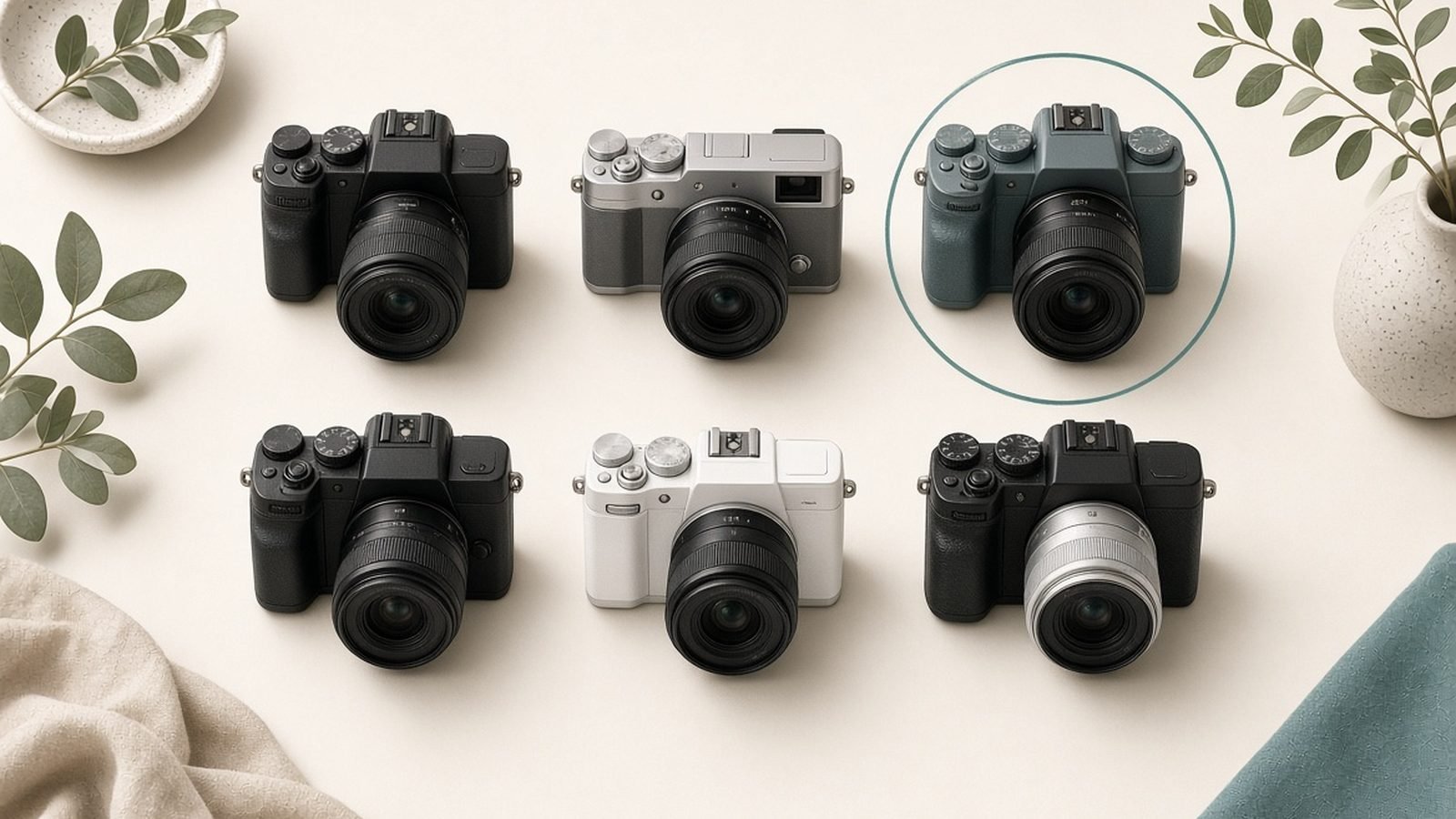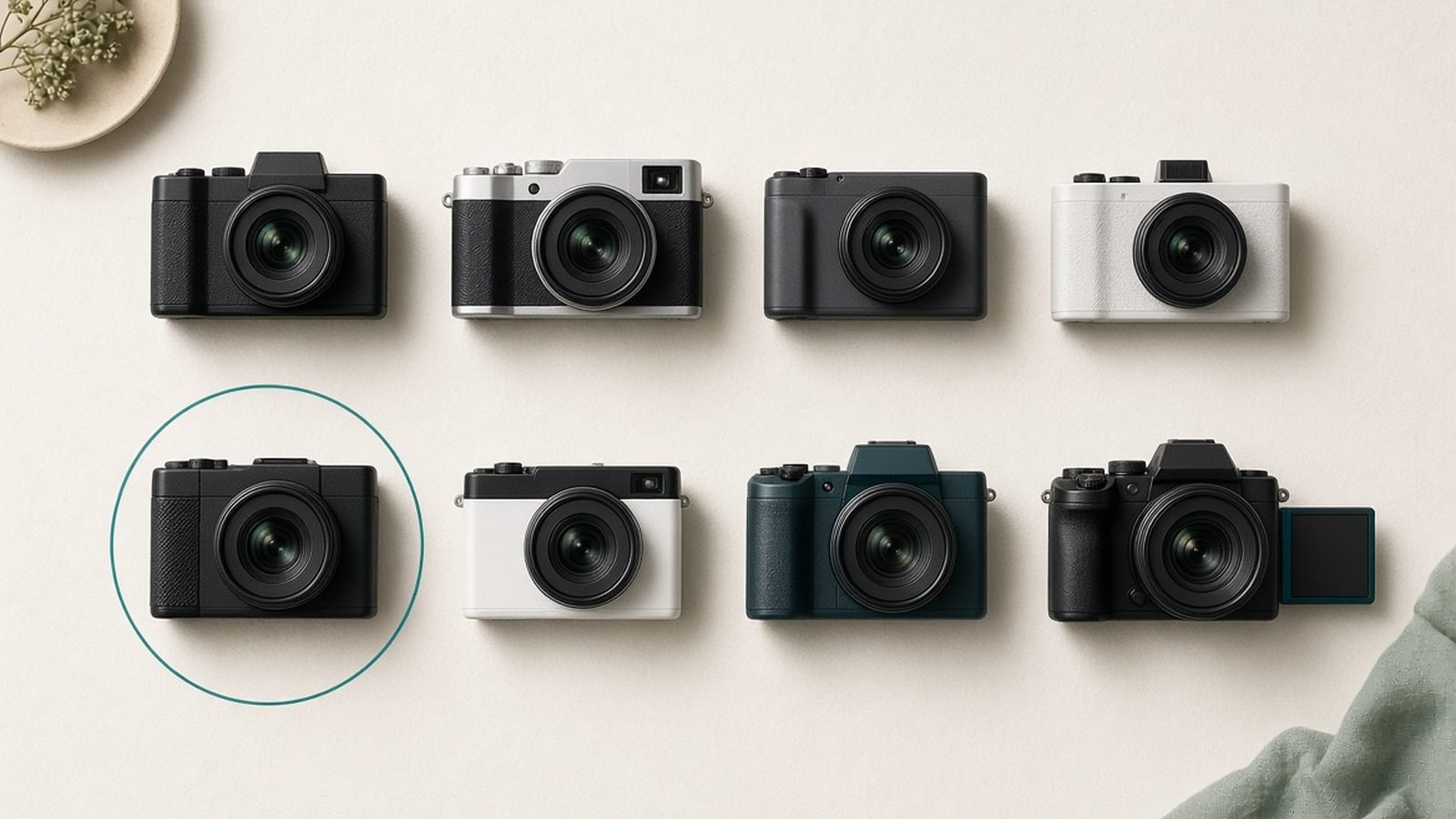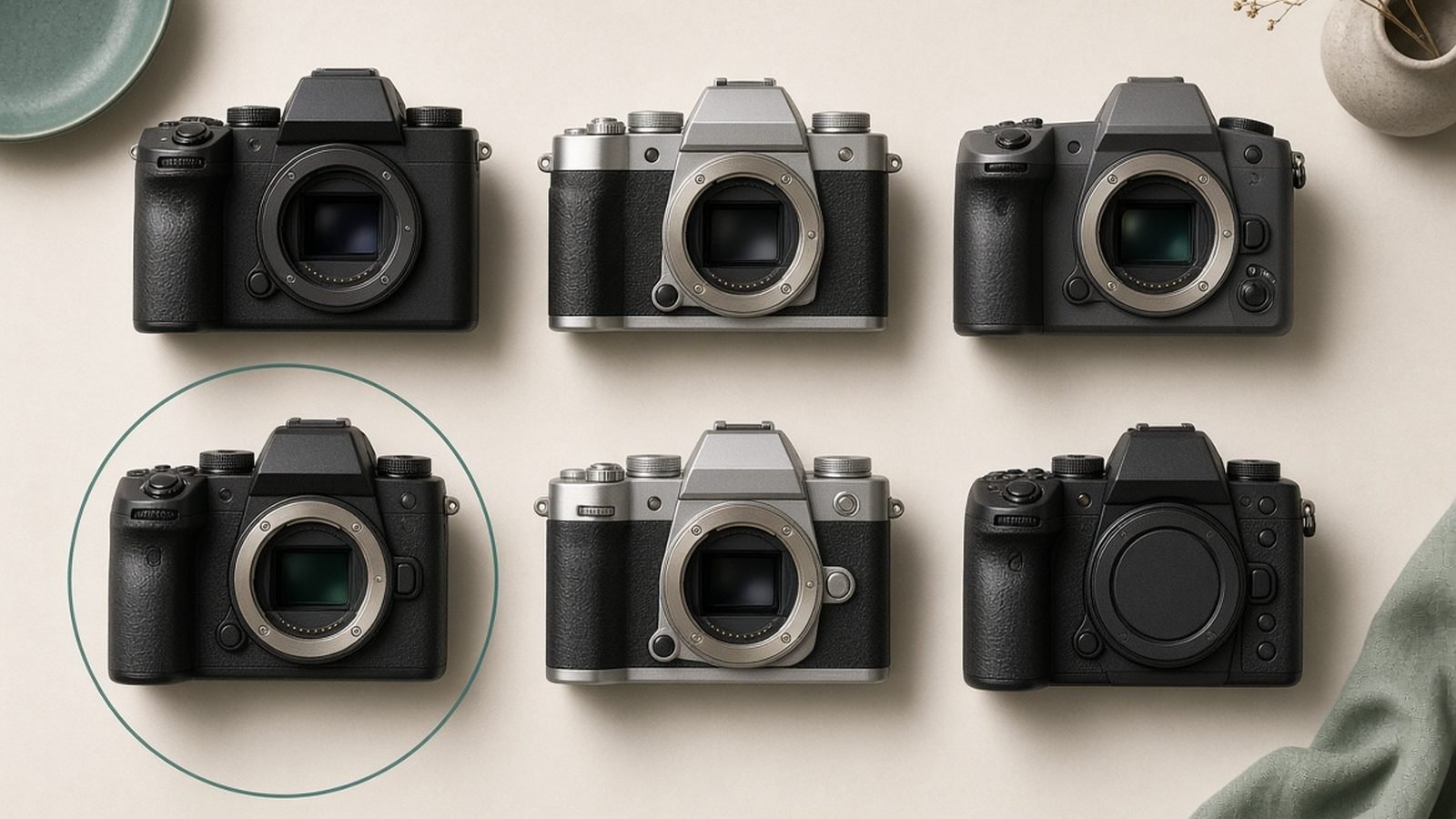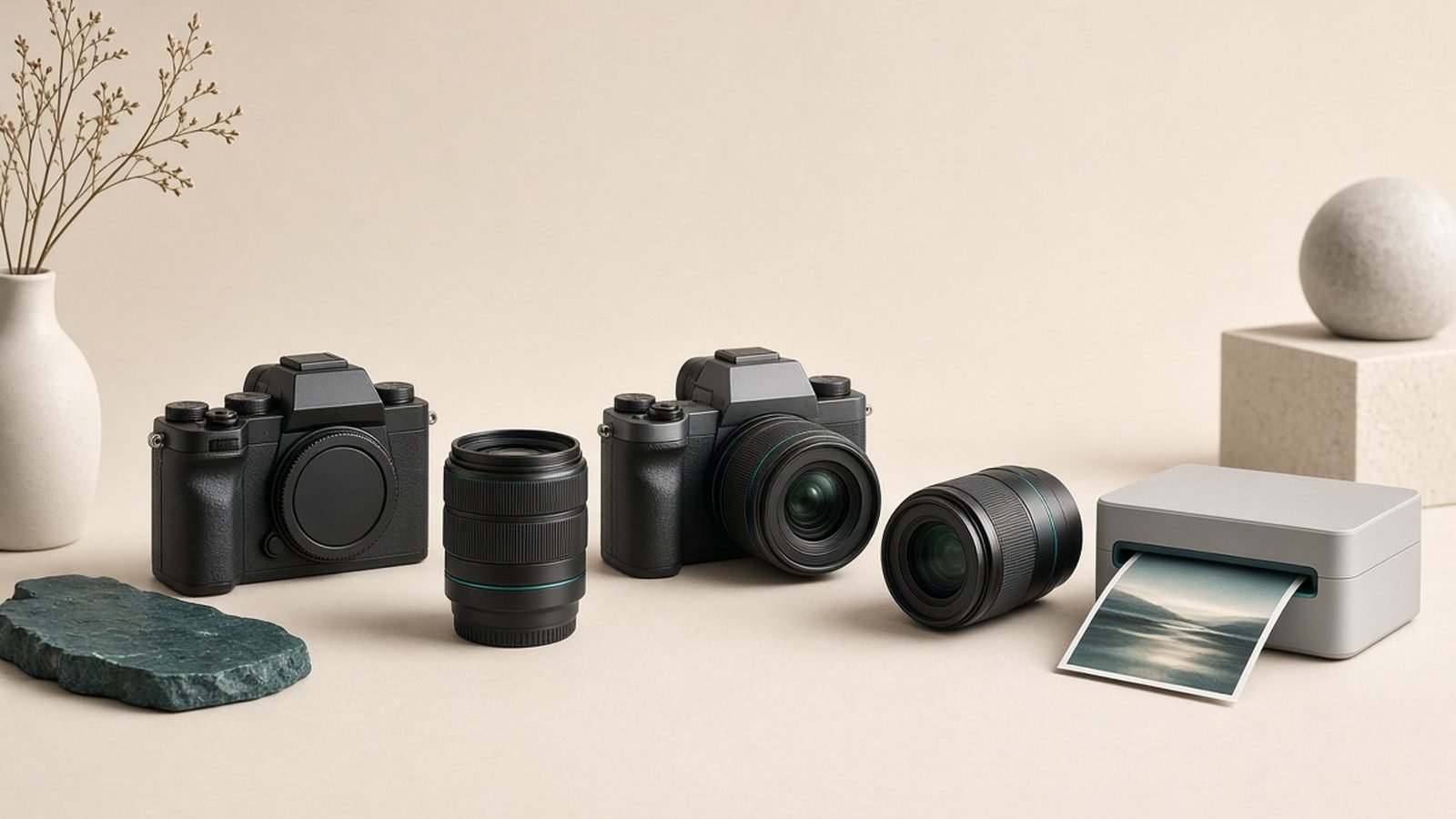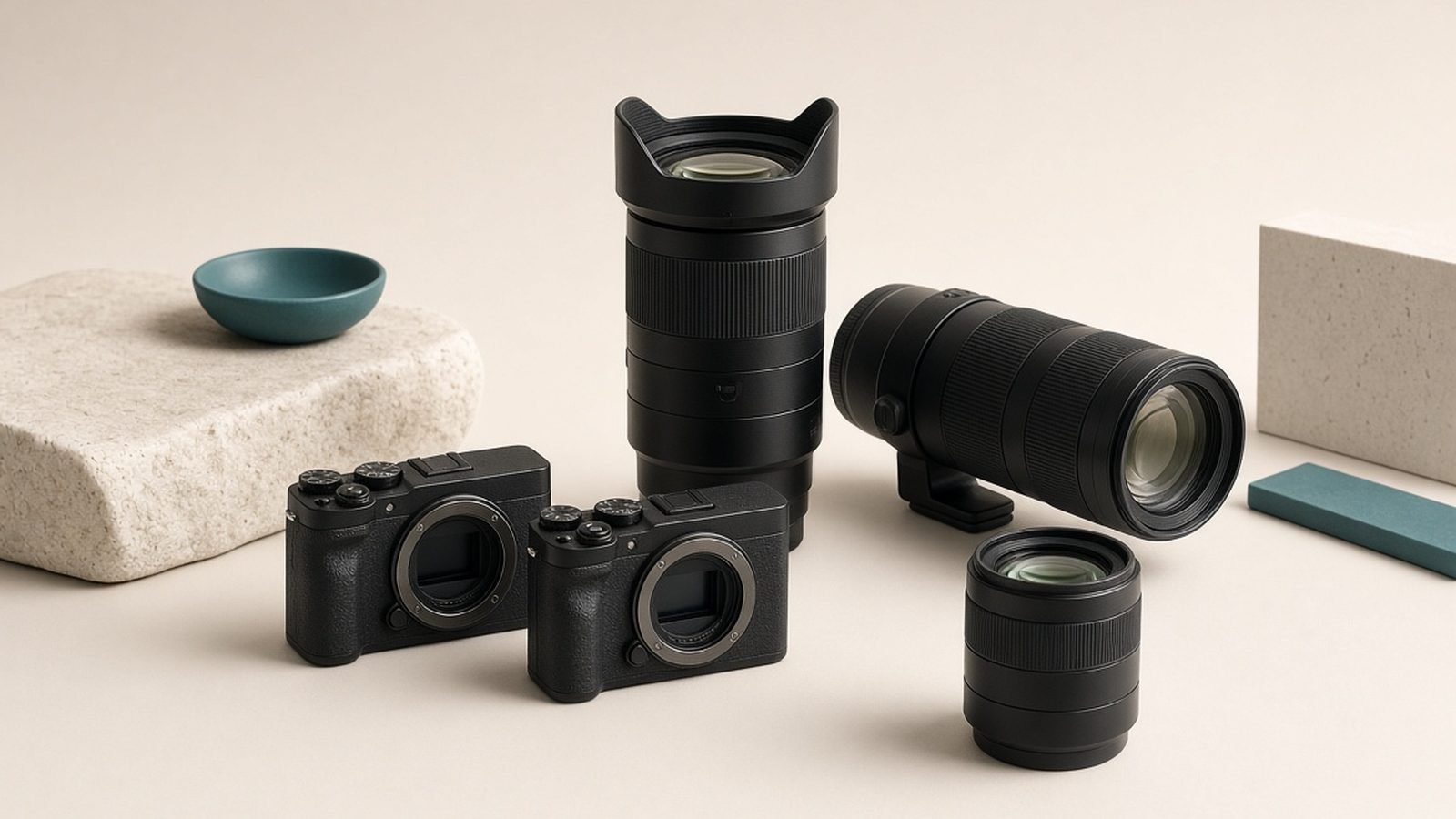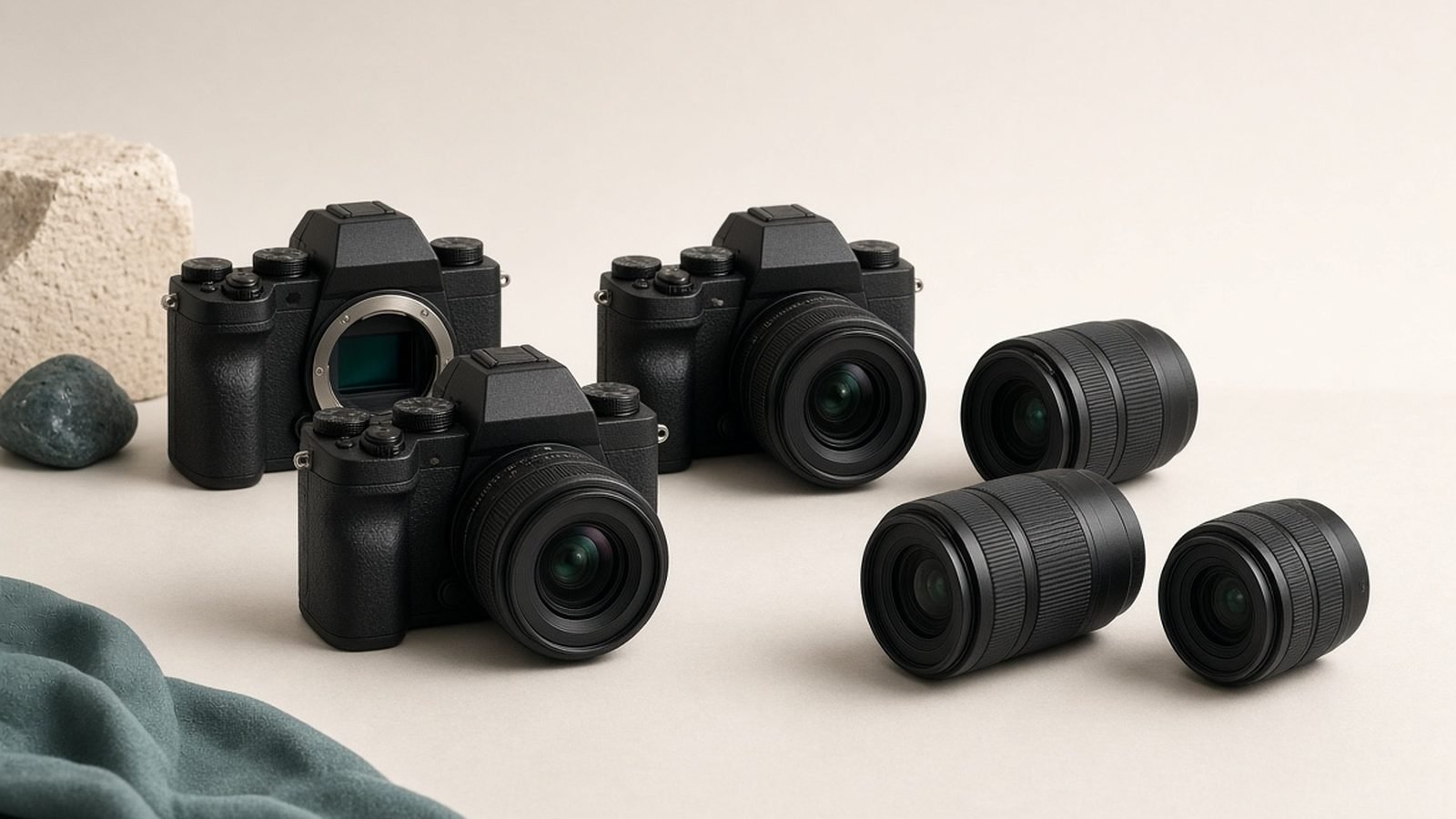
Fujifilm is the camera brand people fall in love with, and in 2026 it makes some of the most desirable, characterful cameras you can buy — if you can find them in stock. Its film-simulation color profiles produce gorgeous, ready-to-share images straight out of camera, its retro dial-led bodies are a joy to shoot, and its APS-C X-series and medium-format GFX systems both punch above their weight. The caveats are real, though: hype-driven models like the X100VI have been chronically hard to buy at retail price, some bodies have crept up in cost, and Fujifilm’s autofocus and video, while much improved, still trail Sony and Canon at the sharp end.
Verdict: The best brand for shooting enjoyment, out-of-camera color and design. Caveats are patchy stock on popular models, rising prices, and autofocus that trails the leaders.
Company overview
Fujifilm Holdings is a Japanese company headquartered in Tokyo, founded in 1934 as a photographic film manufacturer. It is a large, diversified, publicly traded corporation — and this matters: after the collapse of the film market, Fujifilm reinvented itself, and today the majority of its business is actually in healthcare, medical imaging, and materials, not cameras. That diversification gives the imaging division financial security and a distinctive identity rooted in decades of expertise in color and film chemistry.
Fujifilm’s reputation in plain terms: cameras with soul. The brand is beloved by enthusiasts, street photographers and creators for its film-simulation color science (digital recreations of its classic film stocks like Velvia, Provia and Classic Chrome), its tactile retro designs, and its decision to focus on APS-C and medium format rather than compete head-on in full frame. The flip side is that its popularity has outstripped supply, and it is a smaller player than Canon, Sony or Nikon in absolute scale.
What Fujifilm makes
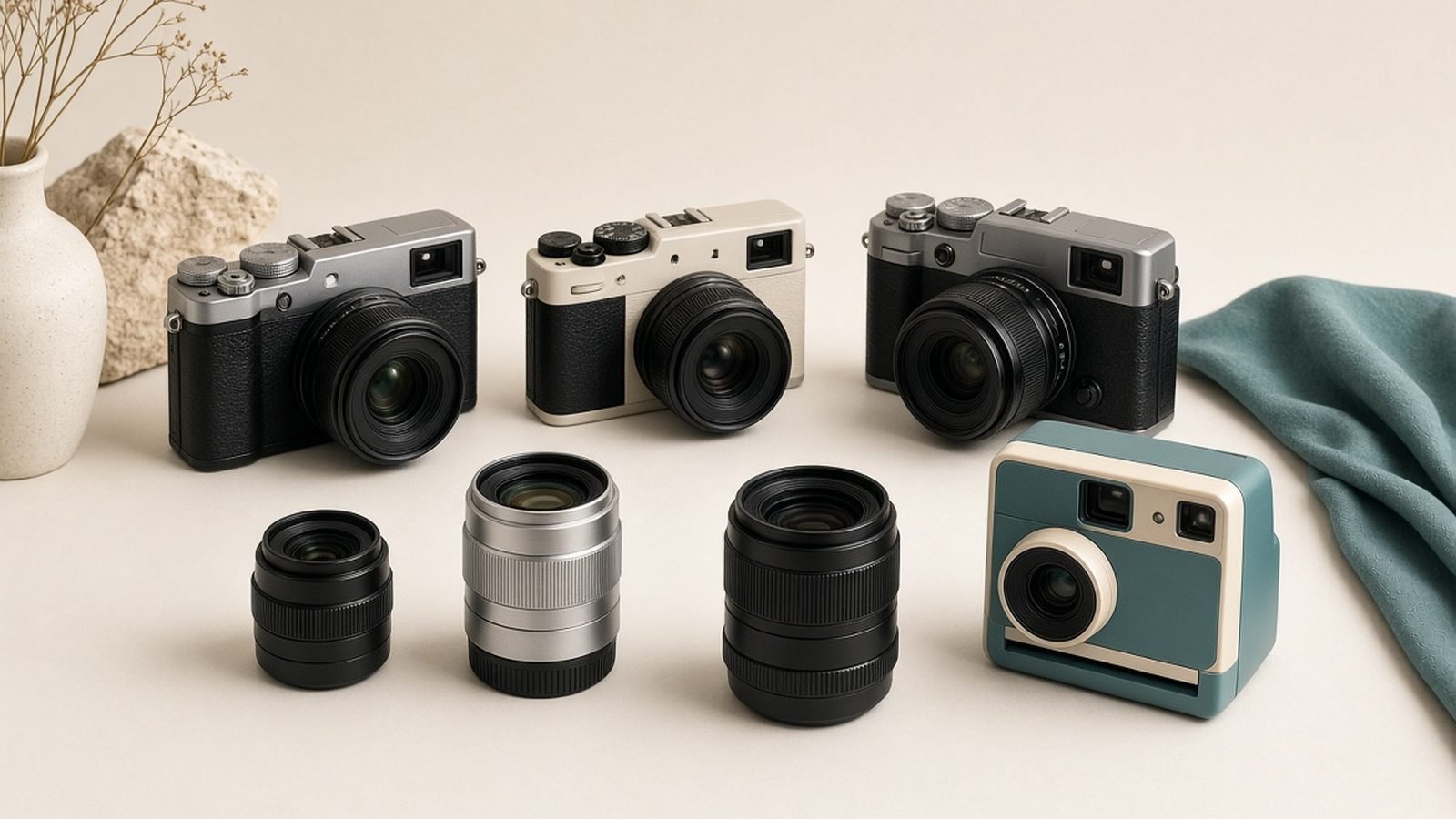
Fujifilm’s camera range is distinctive and focused:
- X-series mirrorless cameras — its core APS-C system, from compact everyday bodies to enthusiast and pro models, all built around film simulations.
- X-mount lenses — a mature, well-regarded APS-C lens lineup, plus growing third-party support from Sigma, Tamron and Viltrox.
- GFX medium-format cameras — larger-sensor bodies delivering exceptional detail at prices far below traditional medium format.
- X100 series — fixed-lens premium compacts that became a cultural phenomenon.
- Instax instant cameras and printers — hugely popular consumer instant photography, a major business in its own right.
- Imaging and healthcare — plus film, medical imaging and materials outside the consumer camera line.
The unifying idea is color and experience: Fujifilm sells the pleasure of photography as much as the specs.
Standout Fujifilm products in 2026
The camera that defines the brand is the Fujifilm X100VI, a fixed-lens compact that became one of the most in-demand cameras of the decade and features across our Best Cameras for Beginners 2026: Easy & Affordable and enthusiast coverage. Based on published specs and broad user sentiment, its blend of a sharp 35mm-equivalent lens, in-body stabilization, film simulations and pocketable retro design explains the waiting lists.
Across the rest of the range:
- Fujifilm X-T5 and X-T50 — dial-led APS-C bodies that anchor much of our Best Mirrorless Cameras 2026: Full-Frame & APS-C enthusiast picks.
- Fujifilm X-S20 — a compact, creator-friendly hybrid that appears in Best Vlogging Cameras 2026: Creators' Picks for its battery life, autofocus and video modes.
- Fujifilm X-M5 — a small, affordable, vlog-oriented body that lowers the entry price into the system.
- Fujifilm GFX100 II and GFX100RF — medium-format bodies delivering extraordinary resolution for studio, landscape and commercial work.
For the quintessential Fujifilm experience, the X100VI is the icon:
Strengths
Film-simulation color science. Fujifilm’s out-of-camera JPEGs are the best in the business for many shooters, letting you produce beautiful, finished images with little or no editing — a genuine workflow and creative advantage.
Design and handling. Retro bodies with dedicated shutter-speed, ISO and aperture dials make shooting tactile and fun, and the cameras are objects people genuinely enjoy owning and using.
Strong APS-C and medium-format value. By skipping full frame, Fujifilm offers excellent APS-C bodies and lenses, plus GFX medium format at prices that undercut traditional medium-format systems dramatically.
A mature, high-quality lens system. X-mount has a broad, well-regarded native lens range and increasingly good third-party support, so glass is not a limitation.
Instax and creator appeal. The Instax line and the brand’s aesthetic have made Fujifilm hugely popular with younger creators and hobbyists, giving it a vibrant community and resale demand.
Weaknesses & criticisms
Chronic stock shortages. The biggest practical problem: flagship and popular models like the X100VI have been extremely hard to buy at MSRP, with long waitlists and scalper markups a recurring complaint.
Rising prices. Several recent bodies and the X100 line have climbed in price, eroding some of Fujifilm’s historic value advantage over full-frame rivals.
Autofocus and video trail the leaders. Fujifilm has improved autofocus and video substantially, but subject-tracking reliability and video feature depth still lag Sony and Canon at the high end, which matters for fast action and pro video.
No full-frame option. For buyers who specifically want full-frame low-light performance and depth-of-field control, Fujifilm simply does not compete — you go APS-C or jump to pricier medium format.
Smaller service footprint. As a smaller camera player, Fujifilm’s repair and professional-service network is less extensive than Canon’s or Nikon’s in many regions.
Reliability & support
Based on aggregated user feedback, Fujifilm cameras are generally well-built and reliable, with the enthusiast and pro bodies (X-T and X-H series, GFX) offering solid weather sealing and durable dials and mechanisms. The brand is also notable for generous firmware support — it has a track record of adding features, new film simulations and autofocus improvements to existing cameras well after launch, which extends their useful life.
Support quality is more variable than the big two. Fujifilm offers a standard manufacturer warranty (typically one year, with regional differences and paid extensions) and repair service, but its network is smaller, so turnaround and availability depend heavily on where you live. The most common owner complaints are about buying the camera in the first place (stock and pricing) and, for demanding users, autofocus consistency in tricky conditions rather than hardware failure. For everyday and enthusiast use, reliability is not a concern; the friction is availability and, occasionally, service reach.
Who should buy Fujifilm
Buy Fujifilm if you: value the shooting experience, love beautiful out-of-camera color, want a beautifully designed camera you will actually carry, and shoot street, travel, portrait or everyday photography. Enthusiasts who prize character and enjoyment over raw specs are the core audience, and GFX is a bargain route into medium format.
Look elsewhere if you: need best-in-class autofocus for sports and wildlife or the deepest video toolkit (Sony and Canon lead), want full-frame specifically, or cannot tolerate hunting for stock and paying above MSRP on popular models. Compare alternatives in our Best Mirrorless Cameras 2026: Full-Frame & APS-C guide.
FAQ
Is Fujifilm a good brand?
Yes. Fujifilm makes some of the most enjoyable, characterful cameras available, with class-leading out-of-camera color, excellent design, and strong APS-C and medium-format value. The main caveats are patchy stock on popular models, rising prices, and autofocus/video that still trail the very best.
Is Fujifilm reliable?
Generally yes. Fujifilm’s enthusiast and pro bodies are well-built and weather-sealed, and the brand is known for generous firmware updates that keep cameras current. Reliability complaints are uncommon; the bigger frustrations are stock availability and service reach in some regions.
Where is Fujifilm from and who owns it?
Fujifilm Holdings is a Japanese company headquartered in Tokyo, founded in 1934 as a film manufacturer. It is independently owned and publicly traded, and today most of its business is actually in healthcare and materials, which gives the camera division long-term stability.
Is Fujifilm better than Sony?
It depends what you value. Fujifilm wins on out-of-camera color, design and shooting enjoyment; Sony wins on autofocus, video specs, low-light full-frame performance and the widest lens ecosystem. Many creators own both. See our Best Mirrorless Cameras 2026: Full-Frame & APS-C guide to compare.
Why is the Fujifilm X100VI so hard to buy?
The X100VI went viral for its design, film simulations and pocketable quality, and demand has far outstripped Fujifilm’s production, creating long waitlists and scalper markups. If you want one, buy from an authorized retailer and expect to wait rather than pay inflated resale prices.
Do Fujifilm cameras use a smaller sensor than full frame?
Most Fujifilm X-series cameras use APS-C sensors, which are smaller than full frame but keep bodies and lenses compact and affordable. For maximum resolution, its GFX line uses larger medium-format sensors. Fujifilm deliberately does not make full-frame cameras.
Zen Tech Hub may earn a commission from links on this page, at no extra cost to you.