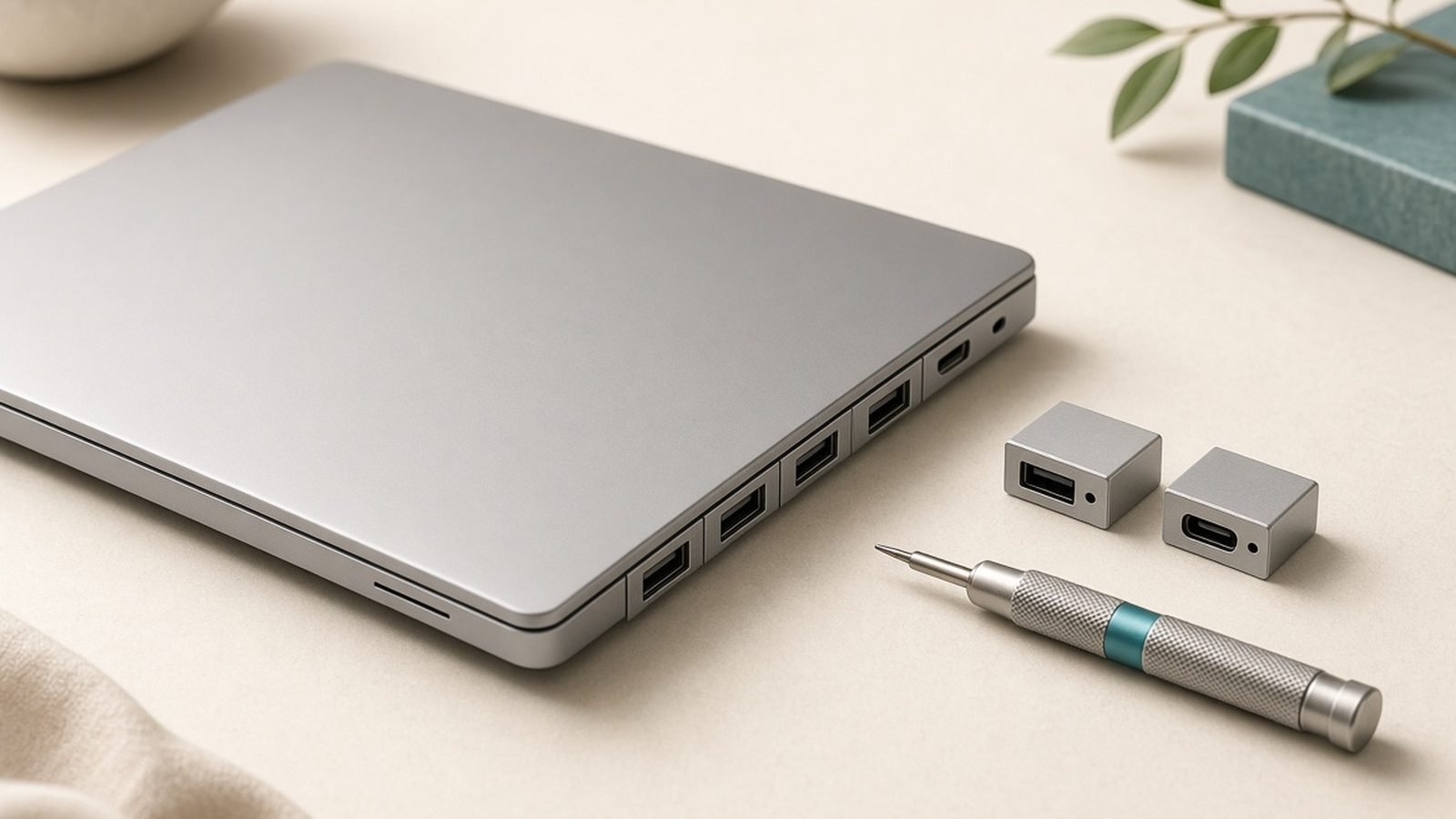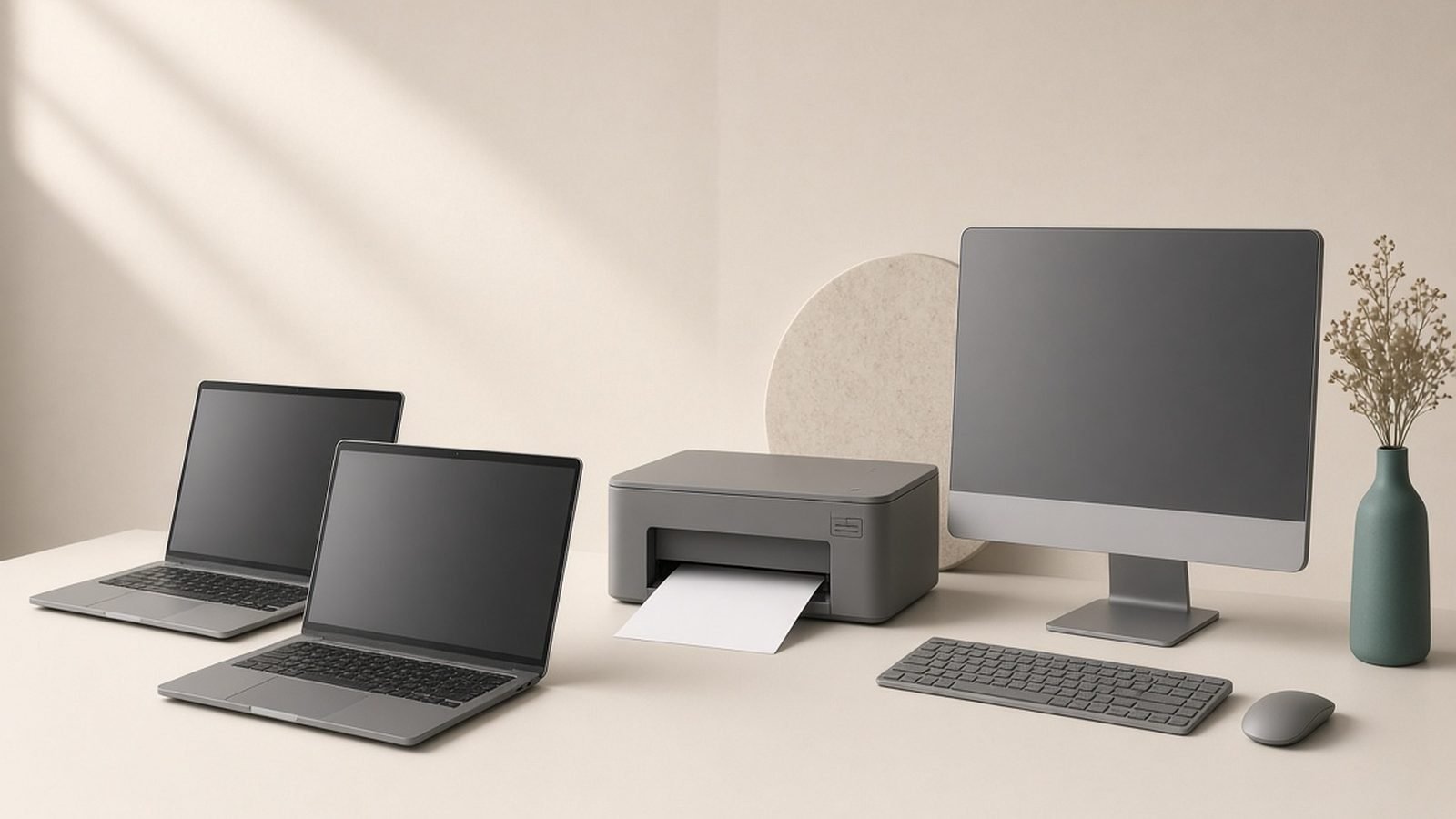
Yes, HP is a good brand — one of the two or three biggest PC makers on earth, with premium OmniBook (formerly Spectre) ultrabooks, Omen gaming machines, and a vast business laptop range. The one-line verdict: HP makes genuinely excellent premium laptops and solid business machines, but its quality varies sharply by tier, and its printer division’s aggressive ink and subscription practices have hurt the brand’s goodwill.
HP’s strength is breadth and design polish at the top end — few Windows laptops feel as premium as a well-specced OmniBook. Its weaknesses are inconsistent budget models, some preinstalled software, and a printer business whose DRM-style ink restrictions and Instant Ink subscription have generated real customer frustration. As a laptop brand, though, HP is a safe, mainstream choice.
Company overview
HP Inc. is headquartered in Palo Alto, California. Hewlett-Packard was founded in 1939 by Bill Hewlett and Dave Packard in a Palo Alto garage now regarded as the birthplace of Silicon Valley — one of the oldest and most storied names in tech.
In 2015, the original company split in two: HP Inc. (personal computers and printers) and Hewlett Packard Enterprise / HPE (servers, storage, enterprise services). When people talk about HP laptops and printers today, they mean HP Inc. This profile is about HP Inc.
HP Inc. is a US public company and remains a top-tier global PC vendor, consistently trading the #1 and #2 spots with Lenovo and Dell. It is also the world’s largest printer maker. In recent years HP acquired Poly (formerly Plantronics/Polycom) to strengthen its hybrid-work peripherals and conferencing business.
What HP makes
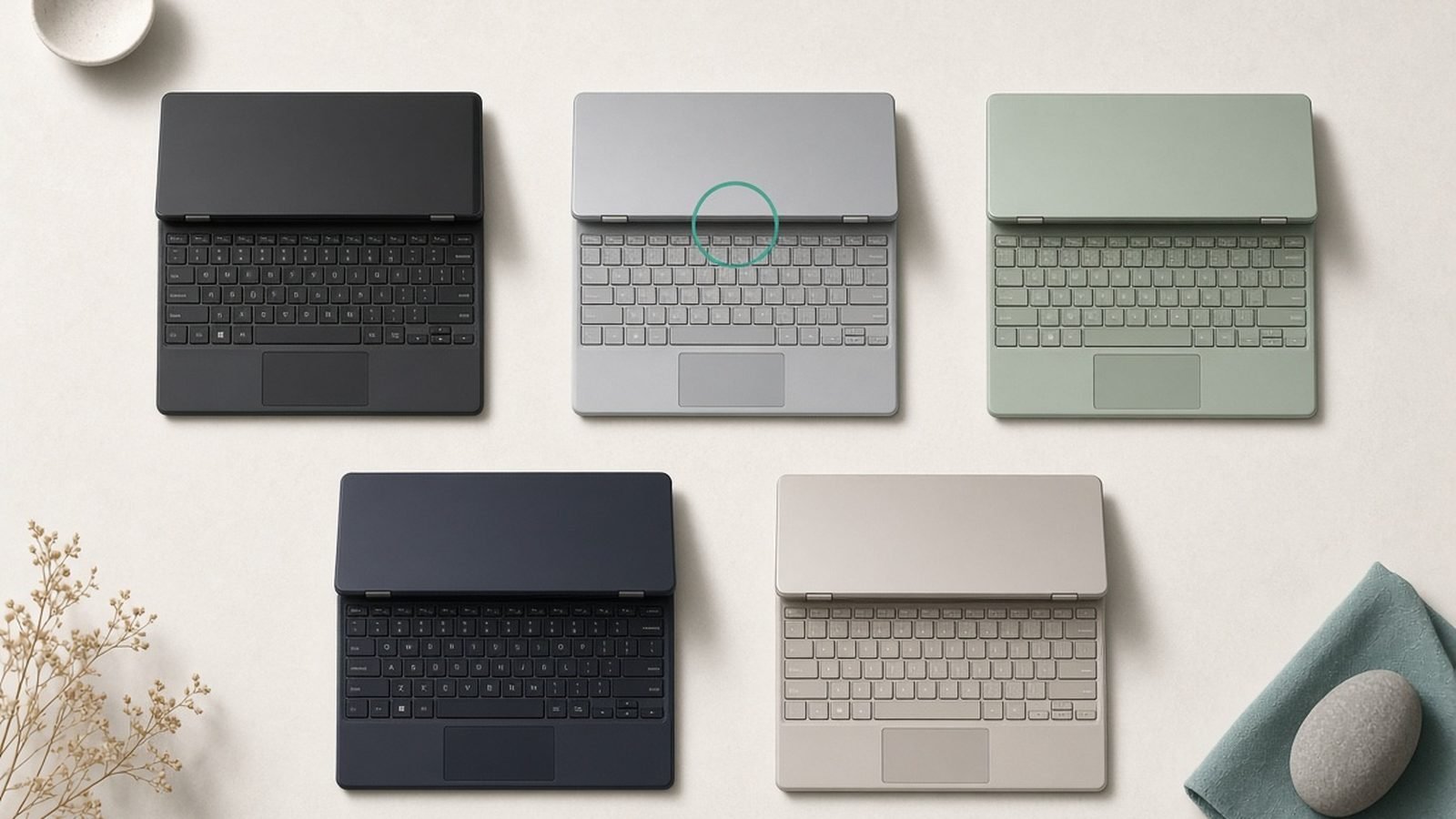
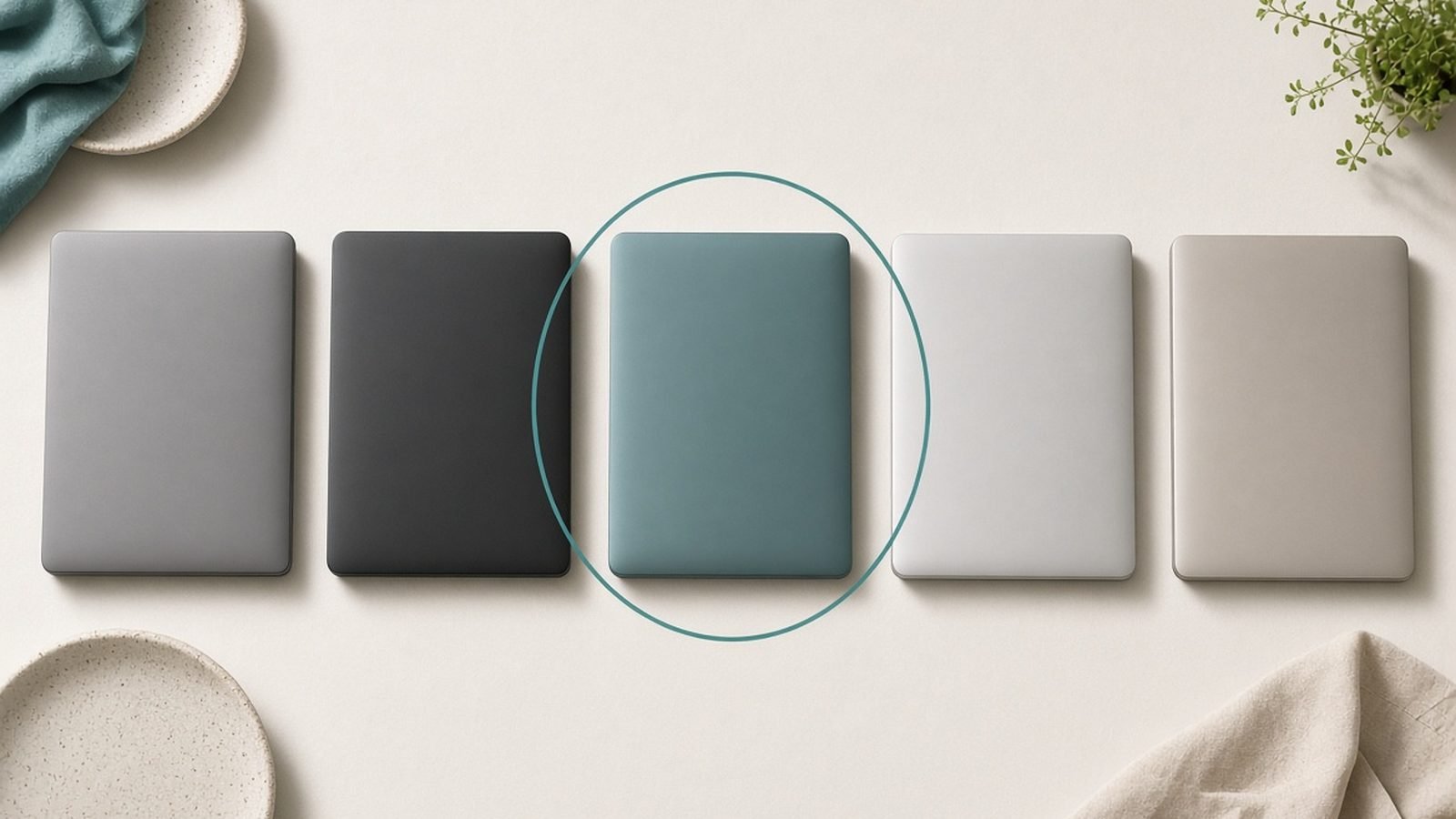
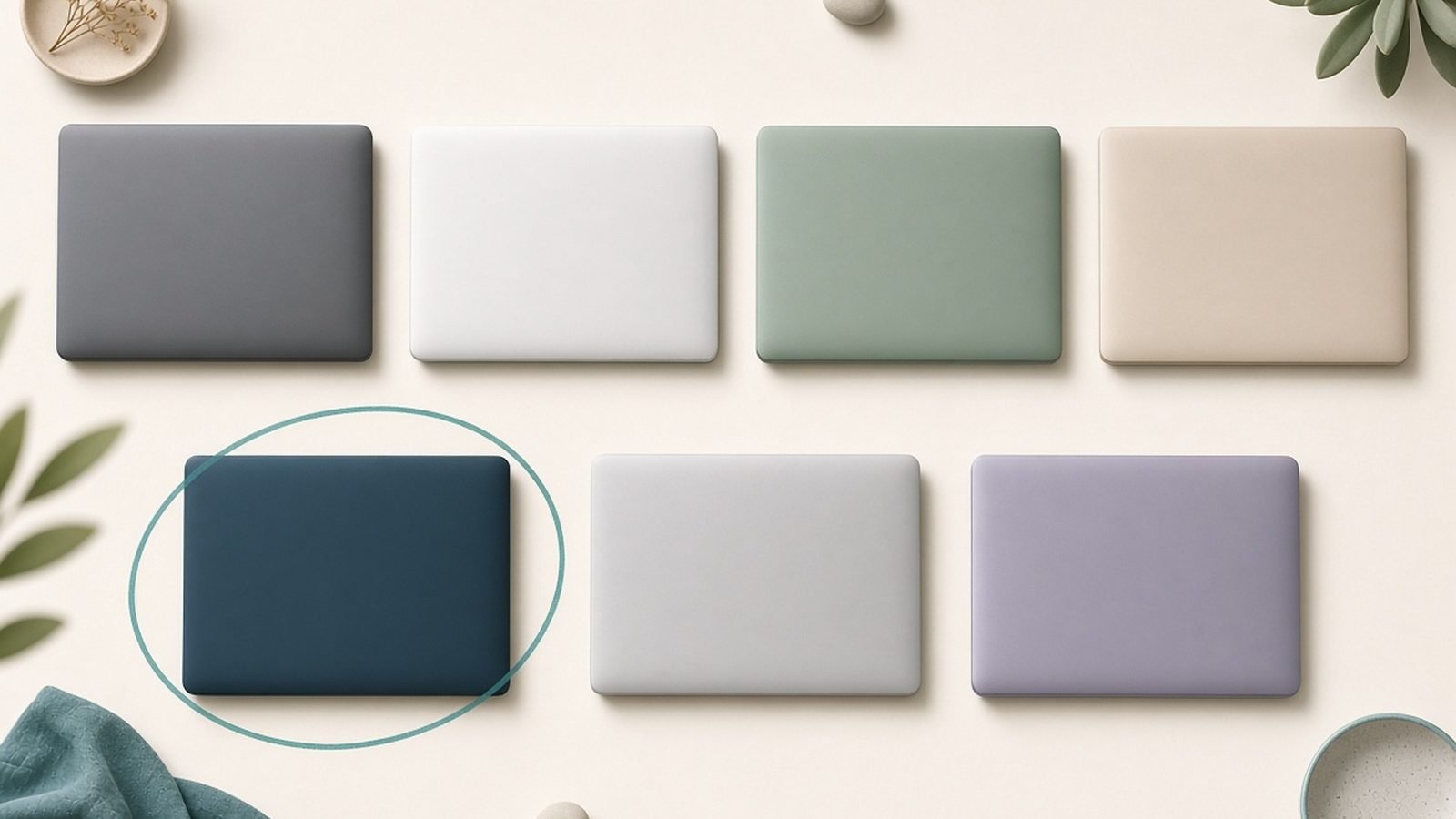
HP’s laptop lineup spans four broad tiers, and in 2024 HP consolidated its consumer branding under the revived OmniBook name (retiring “Spectre,” “Envy” and “Pavilion” as distinct brands, replaced by OmniBook tiers such as OmniBook Ultra, X, 7, 5 and 3):
- OmniBook Ultra / OmniBook X — premium ultrabooks (the successors to the acclaimed Spectre line). Machined aluminum, OLED options, gem-cut design, Copilot+ silicon.
- OmniBook 3/5/7 — mainstream consumer laptops replacing the old Pavilion and Envy ranges.
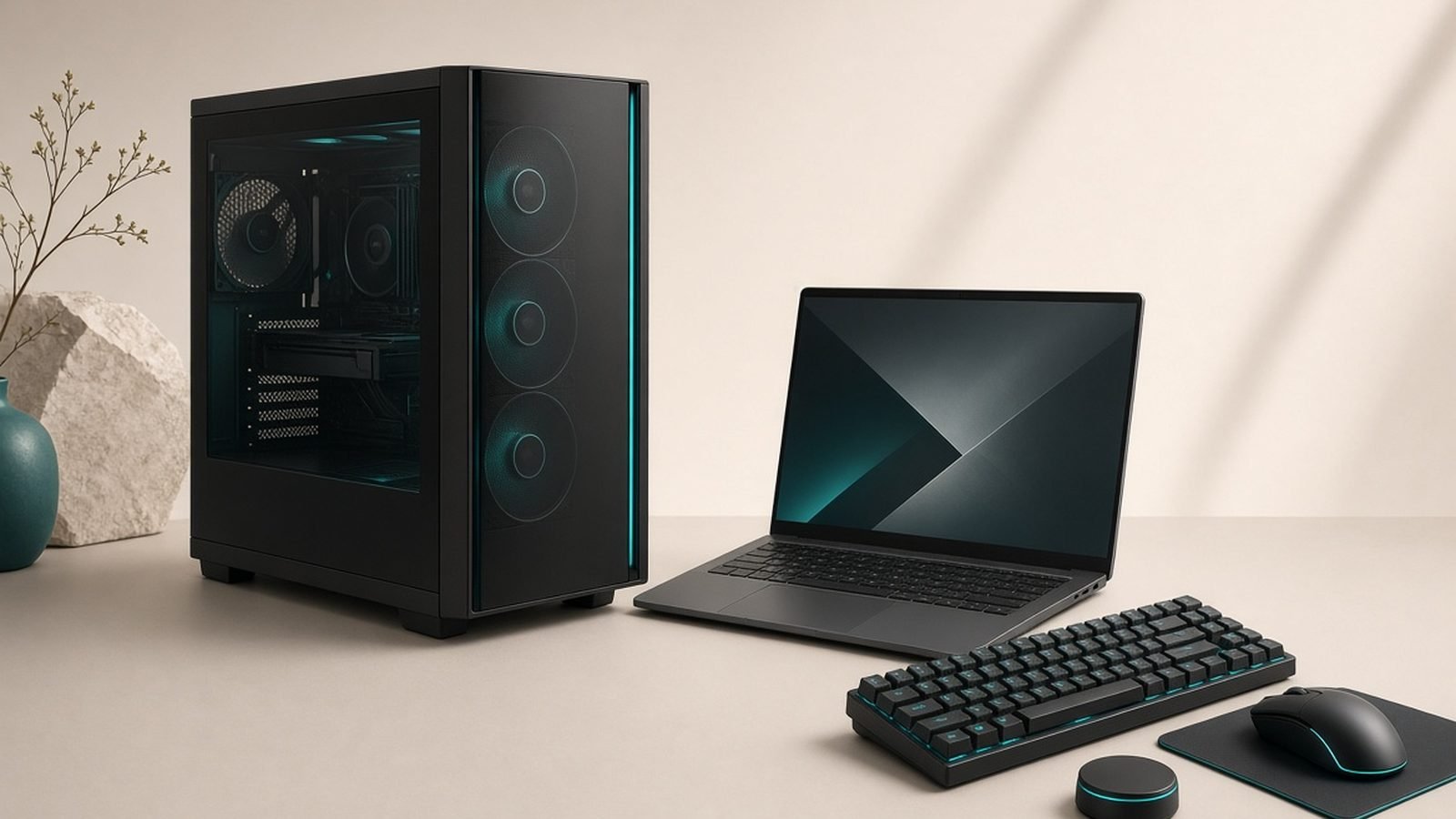
- Omen and Victus — gaming laptops and desktops. Omen is the premium gaming line; Victus is the more affordable gaming tier.
- EliteBook / ProBook — business laptops. EliteBook is premium/secure; ProBook is the value business tier.
- Dragonfly — ultralight premium business laptops.
Beyond PCs, HP is the dominant name in printers — inkjet, LaserJet, and the Instant Ink subscription service — plus monitors, workstations (Z-series), Poly conferencing gear, and a large accessories catalog.
Standout products in 2026
HP OmniBook Ultra 14 / Ultra Flip: HP’s flagship consumer ultrabooks, carrying forward the Spectre legacy with premium builds, bright OLED panels and strong Copilot+ performance. These regularly make Best Laptops 2026: Top Picks for Every Need.
HP EliteBook Ultra / EliteBook X: Secure, well-built business laptops with HP Wolf Security and long support cycles — core recommendations in Best Business Laptops 2026: Reliable & Secure.
HP Omen 16 / Omen Transcend 14 (2026): Powerful gaming laptops with RTX 50-series options and improved cooling, plus the thinner Transcend line for people who want gaming power in a more portable, less “gamer” chassis. They feature in Best Gaming Laptops 2026: RTX 50-Series Picks Ranked.
HP OmniBook 5 / Victus 15: Value picks — the OmniBook 5 for everyday computing and the Victus for budget gaming — both candidates in Best Budget Laptops 2026: Great Value Under $700.
Our single top pick for most premium buyers is the OmniBook Ultra 14.
Strengths
Premium design. HP’s top-tier laptops are among the best-looking and best-built Windows machines — the “gem-cut” chassis language from the Spectre era carries into OmniBook Ultra, with excellent OLED displays.
Business security and manageability. HP Wolf Security, self-healing BIOS, and mature fleet tools make EliteBooks a strong, trusted enterprise choice.
Breadth and availability. From a $400 everyday laptop to a $2,000 workstation, HP has an option, sold almost everywhere.
Displays and audio. HP consistently offers strong OLED panels and solid speaker tuning (Poly/B&O collaborations) across its premium range.
Global support footprint. As one of the largest PC vendors, HP has extensive service and warranty infrastructure worldwide.
Weaknesses & criticisms
Printer ink practices. This is the biggest hit to HP’s reputation. HP has used firmware (“Dynamic Security”) to block third-party and refilled ink cartridges, and its Instant Ink subscription can disable printing if a subscription lapses. These practices have drawn lawsuits, regulatory attention and widespread customer anger. If you buy an HP printer, understand the ink model before committing.
Quality inconsistency across tiers. HP’s premium laptops are excellent; some budget models feel cheap, with dim displays, flexy plastics and modest battery life. The brand’s floor is lower than its ceiling.
Bloatware. Consumer laptops often ship with preinstalled software and HP utilities; not the worst offender, but a clean setup is worth doing.
Confusing rebrand. Folding Spectre, Envy and Pavilion into the OmniBook naming has caused confusion about which tier equals the old models.
Reliability & support
Based on aggregated user feedback, reliability surveys and enterprise deployment history, HP laptops are broadly reliable, with the business EliteBook line and premium OmniBook/Spectre models rating best. Budget consumer models are more variable — reliability tracks price, as it does with most brands. HP’s self-healing BIOS and security features on business machines are genuine reliability positives.
Standard consumer warranty is typically one year, with paid upgrades to multi-year, on-site and accidental-damage coverage — worthwhile on premium or gaming purchases. HP’s business support (HP Care Packs) is mature and well-regarded. Consumer support quality varies by region. On printers, reliability of the hardware is generally fine; the frustration is with the ink and subscription policies rather than mechanical failure.
Who should buy
Buy HP if you want a premium, well-designed Windows ultrabook (OmniBook Ultra / former Spectre) or a secure, well-supported business laptop (EliteBook). Omen and Victus are solid choices for gaming across premium and budget tiers — compare them in Best Gaming Laptops 2026: RTX 50-Series Picks Ranked. HP is a safe mainstream pick with wide availability.
Think twice if you’re buying an HP printer without understanding its ink and subscription model, if you want the cheapest possible laptop with consistent quality (budget models vary), or if you prefer a completely bloat-free out-of-box experience.
FAQ
Is HP a good brand?
Yes, for laptops. HP is one of the largest PC makers, and its premium OmniBook (formerly Spectre) ultrabooks and EliteBook business laptops are excellent. Quality varies by tier, and its printer division’s ink practices have hurt overall brand goodwill.
Is HP reliable?
HP laptops are broadly reliable, with premium and business lines rating best in user and enterprise feedback; budget models are more variable. HP printers are mechanically fine, but many complaints center on ink DRM and subscription policies rather than failures.
Where is HP from?
HP is an American company headquartered in Palo Alto, California, founded in 1939 by Bill Hewlett and Dave Packard. The modern laptop-and-printer business is HP Inc., which split from Hewlett Packard Enterprise in 2015.
Why do people dislike HP printers?
HP has used firmware to block non-HP and refilled ink cartridges and its Instant Ink subscription can stop printing if the plan lapses. These practices have prompted lawsuits and widespread customer frustration, even though the printers themselves work well.
Is HP better than Dell?
Both are top-tier US PC makers. HP often edges ahead on premium consumer design; Dell is known for XPS displays and strong business support. For a given need, compare specific models in Best Laptops 2026: Top Picks for Every Need and Best Business Laptops 2026: Reliable & Secure.
What happened to HP Spectre and Pavilion?
HP retired those consumer names in 2024 and consolidated everything under the revived OmniBook brand, with tiers (Ultra, X, 7, 5, 3) indicating premium-to-budget. The Spectre lineage continues as OmniBook Ultra; Pavilion/Envy roles map to lower OmniBook tiers.
Zen Tech Hub may earn a commission from links on this page, at no extra cost to you.