Huawei is a good brand in terms of hardware quality — it makes genuinely excellent cameras, displays, laptops and wearables — but whether it’s a good brand for you depends heavily on where you live and what you need. The one-line verdict: Huawei builds beautiful, well-engineered devices, but US sanctions mean its phones lack Google services outside China, and that single caveat is the deciding factor for most Western buyers.
If you want premium hardware and can live within Huawei’s own software ecosystem — or you’re buying a laptop, watch or earbuds where the Google issue matters less — Huawei is impressive and often distinctive. If you rely on Google apps, the Play Store and seamless Android services, a Huawei phone will frustrate you outside China, no matter how good the hardware is. Read the caveats carefully before buying.
Company overview
Huawei Technologies is a Chinese multinational headquartered in Shenzhen, China, founded in 1987 by Ren Zhengfei. It is one of the world’s largest telecommunications-equipment makers and, for years, was among the top global smartphone brands. Huawei is a private company that describes itself as employee-owned through a union-held share scheme; its exact ownership structure has been the subject of public debate.
Huawei’s reputation is genuinely split. On engineering, it is highly respected: its camera systems (developed with a long-running imaging focus), its displays and its network technology are top-tier. On geopolitics, it is one of the most scrutinized companies in tech. Since 2019, US sanctions have restricted Huawei’s access to American technology, including Google Mobile Services and, for a period, leading-edge chip manufacturing. This has reshaped the company: it built its own HarmonyOS operating system, developed in-house chips, and pivoted hard toward markets and product categories where the restrictions bite less. Understanding Huawei in 2026 means understanding that its hardware ambitions and its geopolitical constraints are inseparable.
What Huawei makes
Huawei’s consumer range is broad and increasingly built around its own software and silicon:
- Smartphones — flagship Mate and P/Pura series known for cameras and design; run HarmonyOS, without Google services outside China.
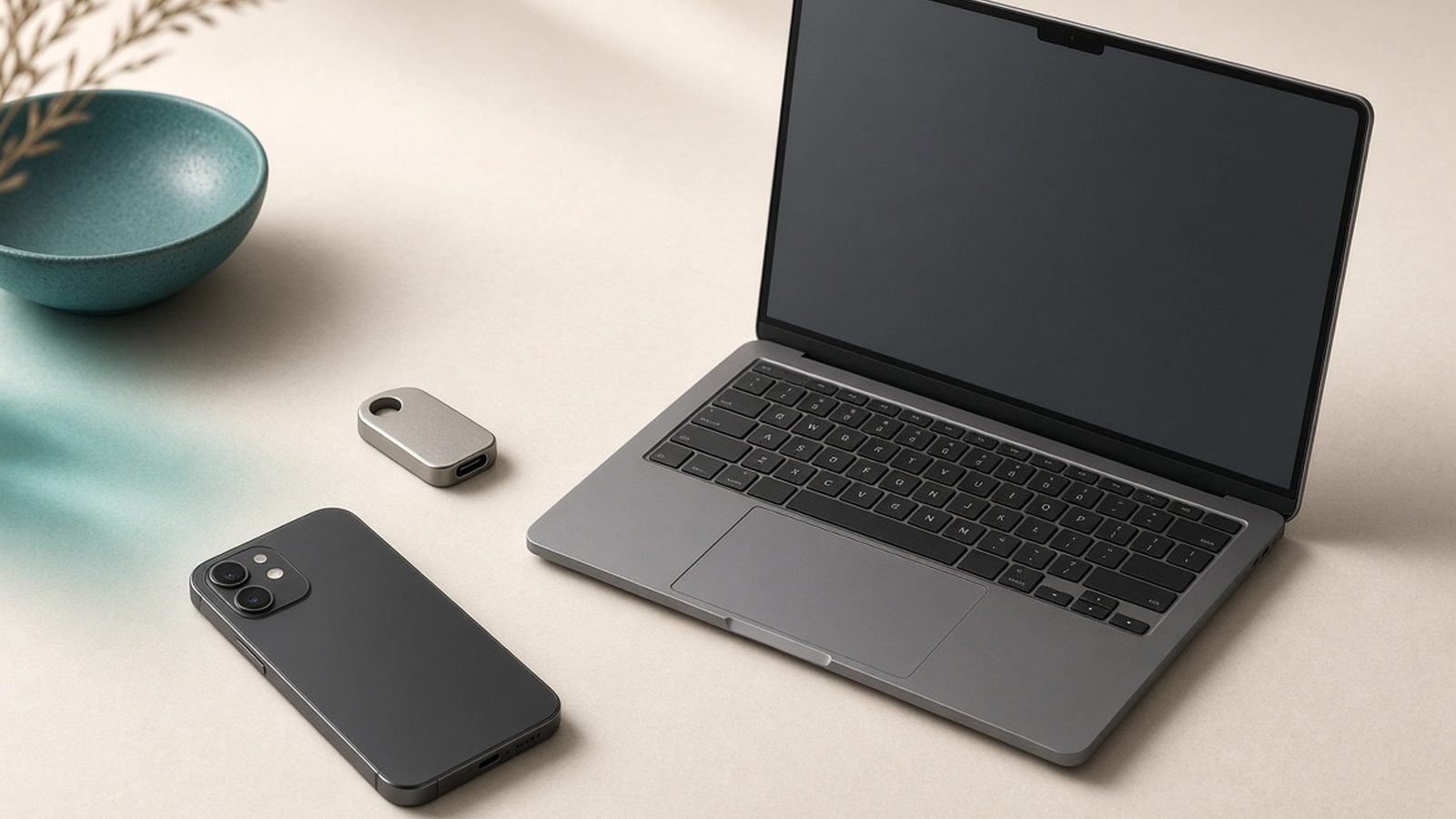
- Laptops — the MateBook line, premium thin-and-light Windows notebooks with excellent displays.
- Tablets — MatePad tablets running HarmonyOS.
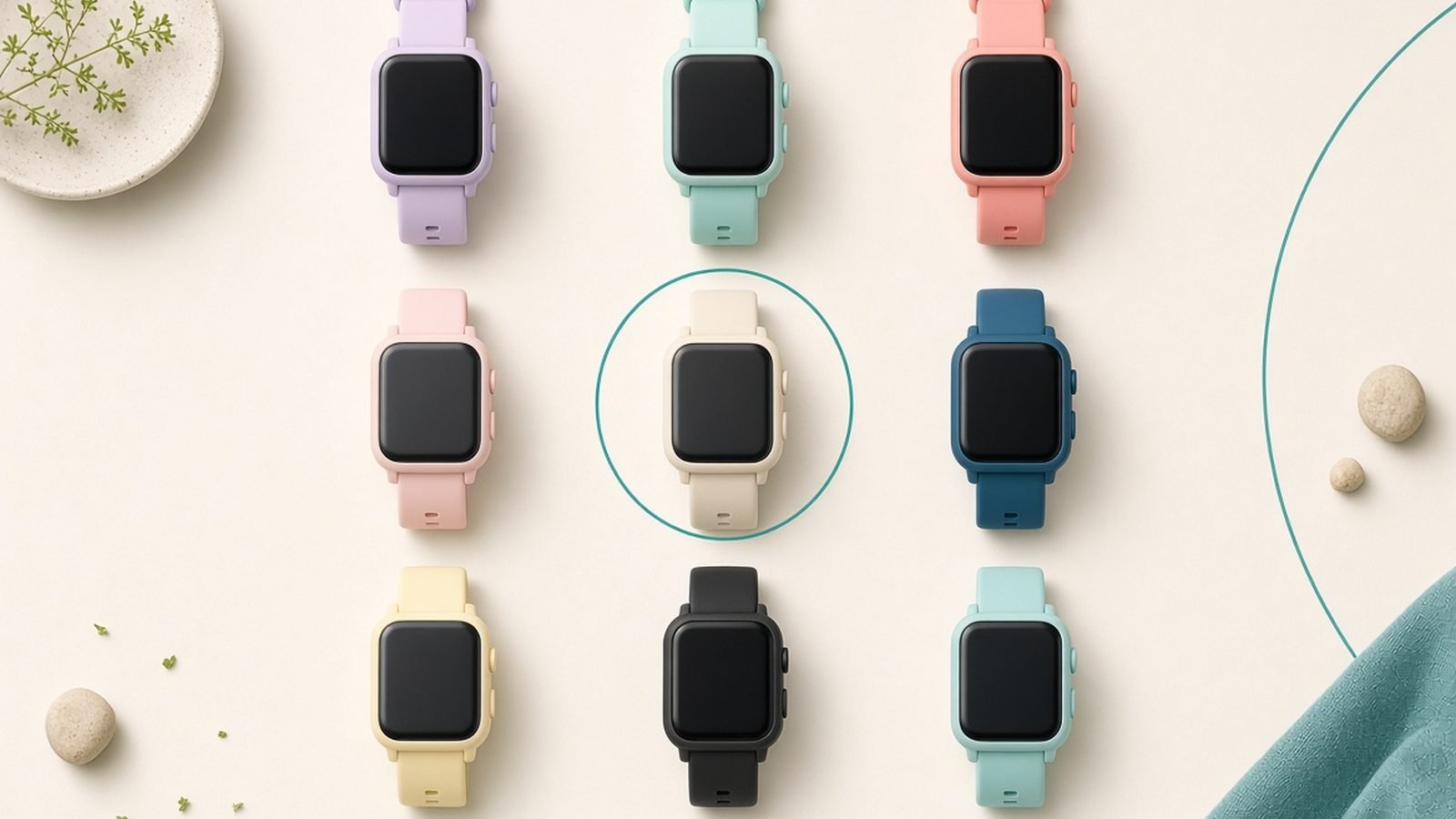
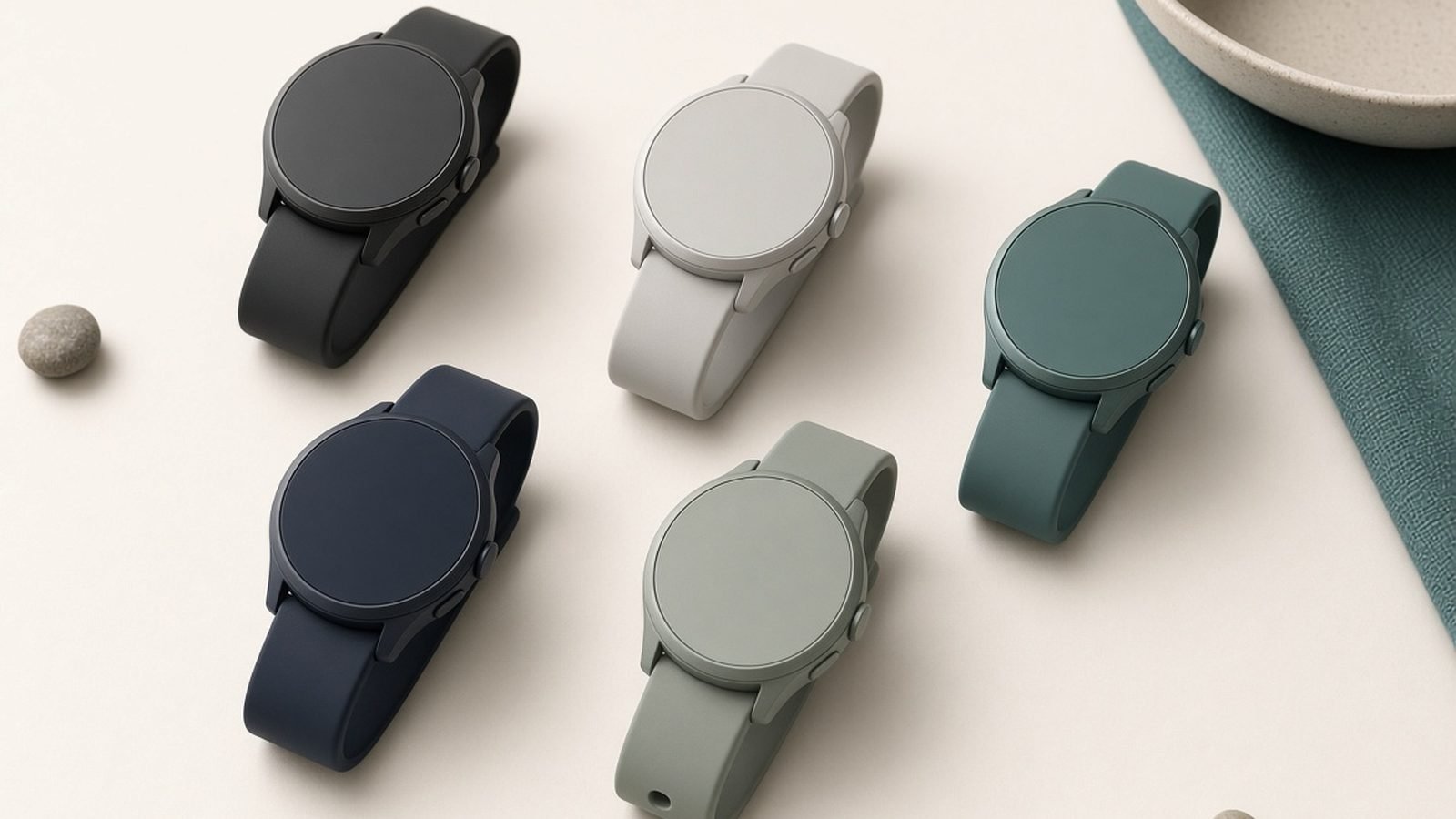
- Wearables — Huawei Watch smartwatches (including the rugged GT and premium Ultimate lines) with strong battery life and health tracking.
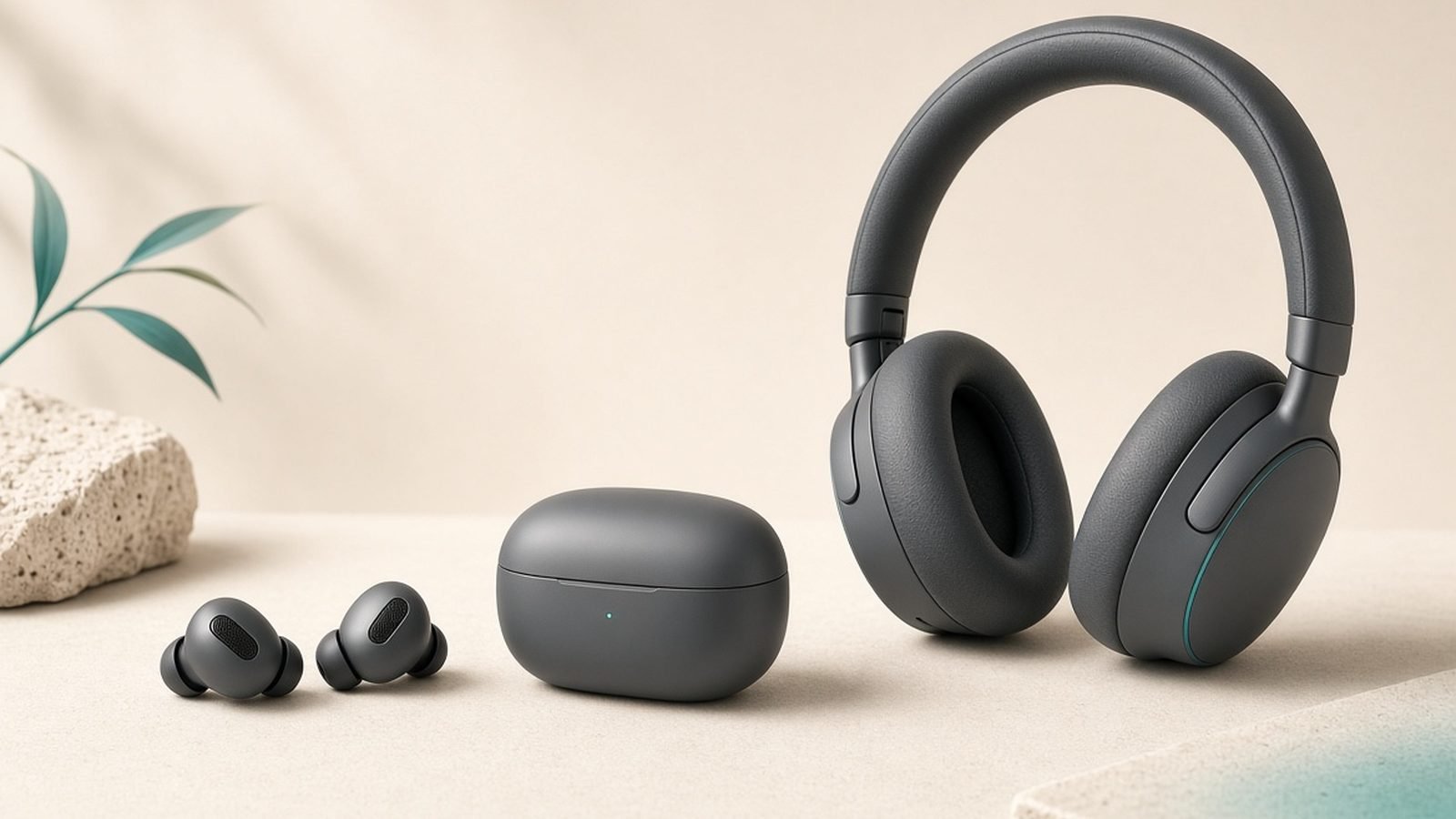
- Audio — FreeBuds wireless earbuds and Sound speakers.
- Networking and accessories — routers, monitors, and a growing smart-ecosystem of connected devices.
- Telecom infrastructure — its original core business, supplying carrier network equipment worldwide (subject to bans in some countries).
Standout Huawei products in 2026
Huawei Mate / Pura flagship (2026): Huawei’s top phones remain camera and design standouts, with class-leading imaging and premium build. The major caveat: outside China they run HarmonyOS without Google services, so no native Play Store, Gmail or Google apps.
Huawei MateBook (2026): The MateBook line is among the more appealing premium Windows ultrabooks — thin, well-built, with excellent high-resolution displays. Because these run standard Windows, the Google-services issue doesn’t apply, making them a more universally recommendable Huawei product and a contender in Best Laptops 2026: Top Picks for Every Need.
Huawei Watch GT / Watch Ultimate (2026): Huawei’s smartwatches are genuinely strong — attractive designs, excellent multi-day battery life and solid health and fitness tracking, with broad phone compatibility.
Huawei FreeBuds (2026): Competitive wireless earbuds with good sound and active noise cancellation at keen prices.
Huawei MatePad tablets: Well-made HarmonyOS tablets, best suited to buyers comfortable in Huawei’s own app ecosystem.
Our single top pick for most Western buyers wanting a standout Huawei product is a MateBook laptop or a Huawei Watch, both of which sidestep the phone software caveat.
Strengths
Camera and imaging. Huawei’s phone cameras are consistently among the best in the industry, the result of a long, serious investment in computational photography and optics.
Hardware design and displays. Premium materials, excellent build quality and outstanding screens across phones, laptops and tablets.
Wearables and battery life. Huawei Watch models offer standout battery life and strong health tracking, and work with both Android and iOS.
Self-reliance. In response to sanctions, Huawei built its own OS (HarmonyOS) and silicon — an impressive engineering achievement that keeps it competitive in China.
Value in audio and wearables. FreeBuds and Watch products often undercut rivals while matching much of the experience.
Weaknesses & criticisms
No Google services on phones (outside China). This is the defining drawback. US sanctions mean Huawei phones ship without Google Mobile Services abroad, so no official Play Store, Gmail, Google Maps or many Google-dependent apps. Workarounds exist but are imperfect and not recommended for most people.
Geopolitical and security scrutiny. Huawei faces bans and restrictions in several countries over security and national-security concerns, particularly around its network equipment. Whatever one’s view of the evidence, the scrutiny affects availability, updates and trust for some buyers.
App ecosystem gaps. HarmonyOS and Huawei’s AppGallery have grown, but outside China the app selection still trails Google Play and Apple’s App Store, and some Western apps are missing.
Uncertain long-term software support abroad. Sanctions create ongoing uncertainty about updates and services for international phone buyers.
Limited official availability. In markets like the US, Huawei consumer products are largely unavailable through official channels, and availability elsewhere can be patchy.
Reliability & support
On pure hardware, Huawei is reliable and well-engineered — its phones, laptops and watches are built to a high standard, and its displays and cameras are among the best you can buy. The reliability question for Huawei isn’t really about the hardware failing; it’s about software and services. For phones sold outside China, the absence of Google services and the uncertainty around long-term updates are the practical risks, not build quality.
Support and warranty vary widely by region because official availability does. In markets where Huawei operates fully, warranty is typically one to two years with normal service channels; in markets where it’s restricted, official support may be limited or routed through third parties. Our honest guidance: for a Huawei phone, only buy if you genuinely understand and accept the no-Google-services reality (or you’re in China). For a MateBook laptop, Huawei Watch or FreeBuds, the software caveat largely disappears and the hardware quality shines — those are the easiest Huawei products to recommend to a Western buyer.
Who should buy Huawei
Buy Huawei if you want premium hardware and you fit one of these cases: you live in China or a market where Huawei operates fully; you specifically want a MateBook laptop (standard Windows, no Google issue) — see how it stacks up in Best Laptops 2026: Top Picks for Every Need; or you want an excellent-value smartwatch or earbuds. Huawei’s cameras, displays and wearables are genuinely top-tier.
Think twice — really, avoid — if you want a Huawei phone outside China and you depend on Google apps, the Play Store or seamless Android services. No amount of hardware quality fixes that gap for most people. Buyers who value maximum official availability, long-term update certainty and freedom from geopolitical uncertainty should look to Samsung, Apple or Google instead.
FAQ
Is Huawei a good brand?
Huawei makes excellent hardware — outstanding cameras, displays, laptops and wearables. As a brand it’s a good choice if you’re in China or buying a MateBook laptop, watch or earbuds. Its phones sold abroad are hampered by the lack of Google services, which is the main reason many Western buyers look elsewhere.
Is Huawei reliable?
Yes, on hardware. Huawei devices are well-built and dependable, with top-tier cameras and displays. The bigger reliability concern is software and services on its phones outside China — no Google services and uncertain long-term updates — rather than the hardware itself.
Where is Huawei from / who owns it?
Huawei is a Chinese company headquartered in Shenzhen, founded in 1987 by Ren Zhengfei. It describes itself as employee-owned through a union-held share scheme, though its ownership structure has been publicly debated.
Why don’t Huawei phones have Google apps?
Because of US sanctions imposed from 2019, Huawei lost access to Google Mobile Services. Outside China, its phones run its own HarmonyOS without the official Play Store, Gmail or Google apps. In China, phones have always used local services, so the change matters most to international buyers.
Is a Huawei MateBook laptop good?
Yes — the MateBook line is one of Huawei’s most recommendable products. These are premium, well-built Windows ultrabooks with excellent displays, and because they run standard Windows, the Google-services issue doesn’t apply. They’re a solid alternative to other premium ultrabooks in Best Laptops 2026: Top Picks for Every Need.
Is Huawei better than Samsung?
For camera hardware and battery-focused wearables, Huawei is highly competitive and sometimes ahead. But Samsung phones have full Google services, wide official availability and long update commitments, which makes Samsung the safer all-round choice for most Western buyers. Huawei wins mainly in China or in specific product categories.
Zen Tech Hub may earn a commission from links on this page, at no extra cost to you.