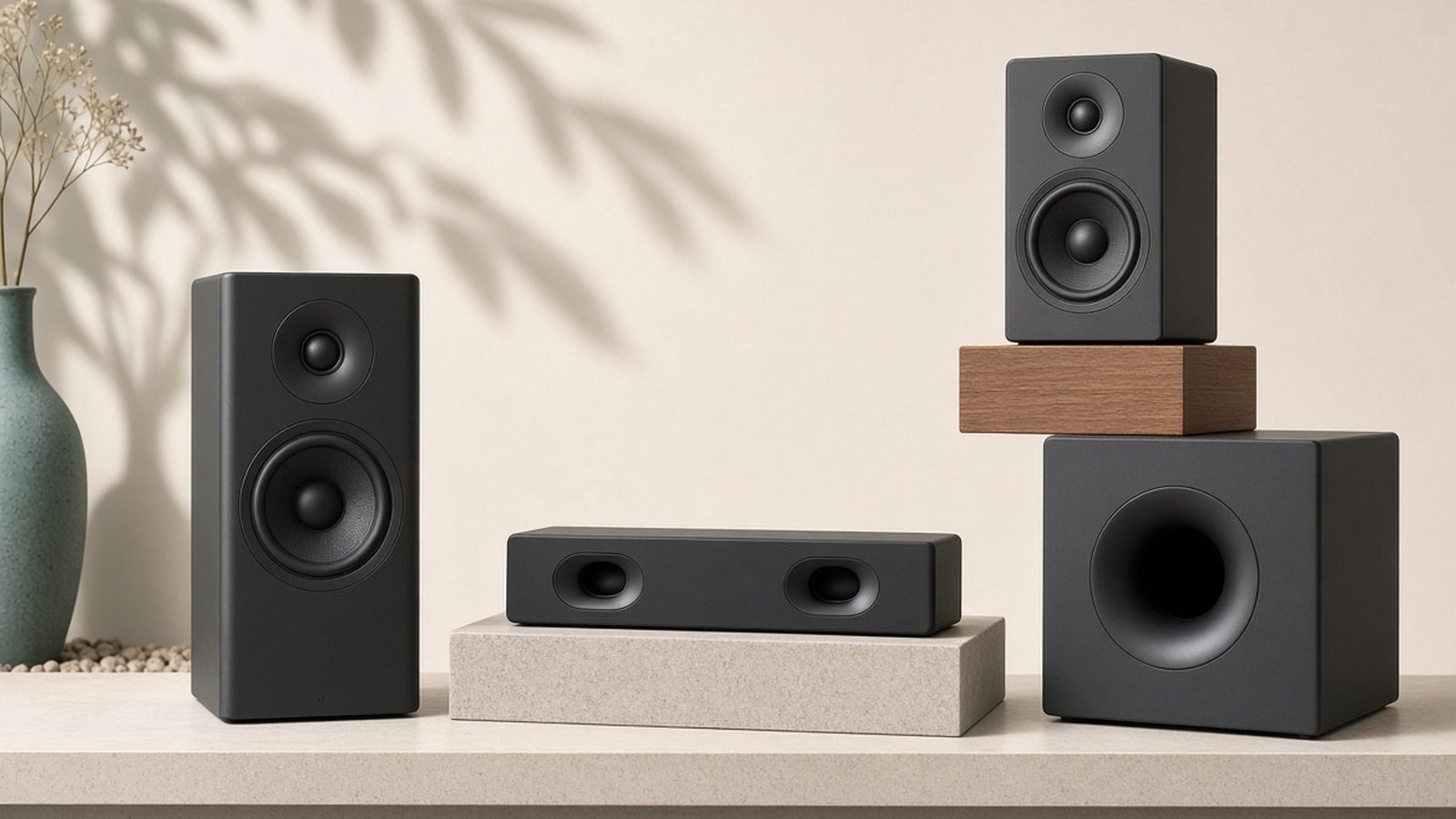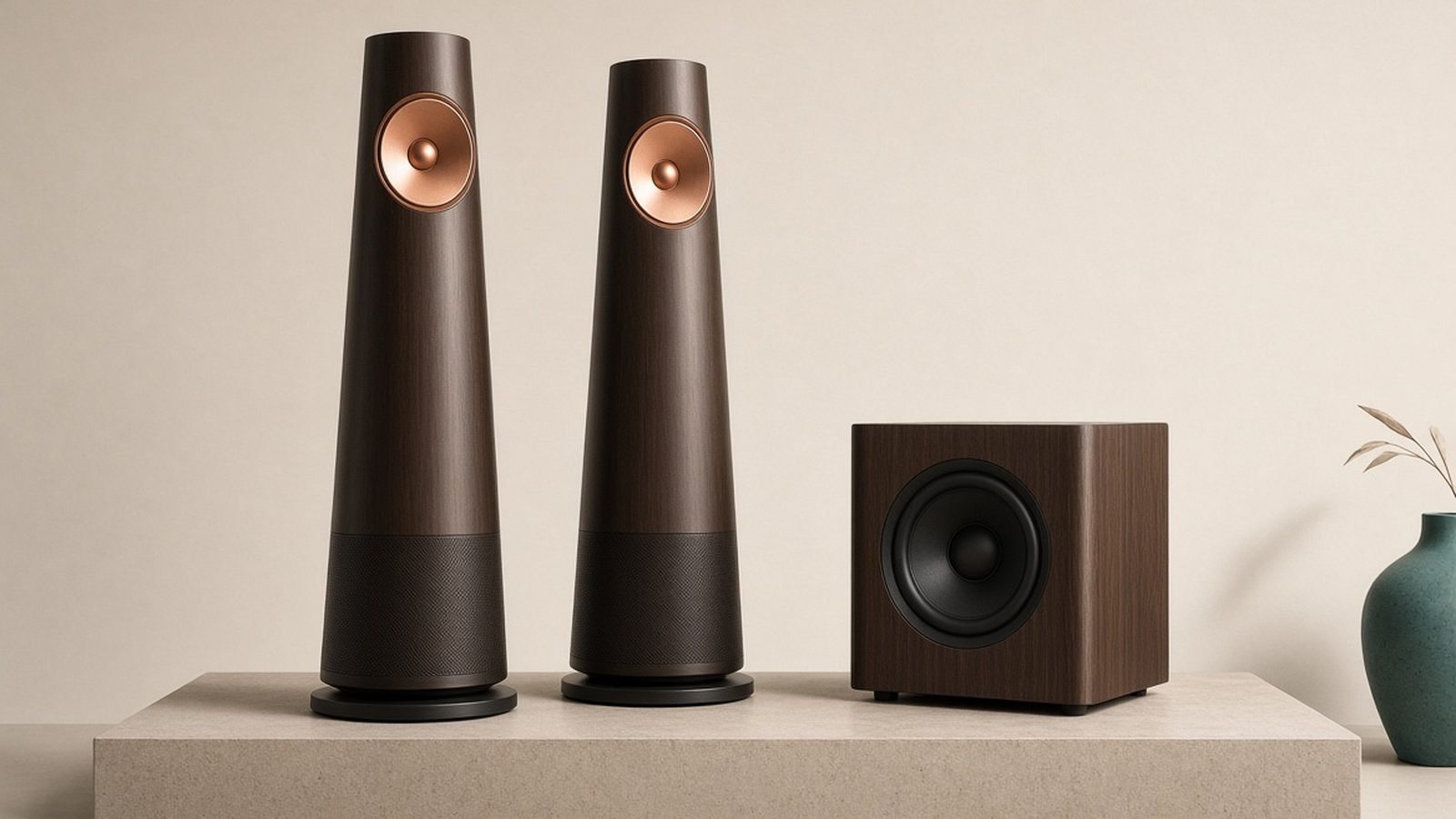
Klipsch is the brand you buy when you want your speakers to sound big, lively, and effortless — the American maker that built its whole identity around horn-loaded efficiency. In 2026 it remains a top choice for enthusiasts who love a dynamic, exciting sound, spanning passive bookshelf and tower speakers, powered desktop and living-room monitors, subwoofers, soundbars, and earphones. The short verdict: Klipsch speakers are extraordinarily efficient and thrillingly dynamic, with a signature horn-loaded presentation that makes music and movies feel alive — but that same forward, bright tuning fatigues some listeners, the build can lean on plasticky trim at times, and its earbuds and wireless gear are a weaker sideline than its speakers.
If you want speakers that play loud with modest power and deliver punchy, room-filling excitement, Klipsch is an easy recommendation. If you want a smooth, laid-back, strictly neutral sound, you’ll want to audition carefully first.
Company overview
Klipsch was founded in 1946 by Paul W. Klipsch in Hope, Arkansas, where he built the legendary Klipschorn — a corner horn speaker still in production today, one of the longest-running speaker designs in history. Paul Klipsch was a genuine acoustics pioneer, and his obsession with horn-loading (using a flared horn to couple a driver more efficiently to the air) defines the brand to this day.
On ownership: Klipsch is no longer independent. It’s owned by Premium Audio Company, a subsidiary of VOXX International, which brought Klipsch together with other audio brands under one umbrella. In practice the Klipsch name, engineering heritage, and signature horn designs have been maintained rather than diluted, and the flagship Heritage line is still assembled in Hope, Arkansas. But buyers should know it’s now part of a larger audio group rather than the family firm it once was.
Klipsch’s reputation is that of a distinctive, enthusiast-favorite brand: high-efficiency, high-sensitivity speakers with a dynamic, upfront sound. People tend to have strong opinions — the “Klipsch sound” is loved and debated in equal measure — but few brands inspire such loyalty among fans of lively, dynamic audio.
What Klipsch makes
Klipsch’s 2026 catalog spans a wide range:
- Heritage speakers — the flagship horn-loaded line (Klipschorn, La Scala, Cornwall, Heresy), still assembled in Arkansas, prized for their size, efficiency, and dynamics.
- Reference bookshelf and tower speakers — the Reference and Reference Premiere series (R-51M, RP-600M II, and larger models), the mainstream enthusiast heart of the range.
- Powered speakers — The Fives and The Sevens active bookshelf monitors with built-in amplification and HDMI, aimed at all-in-one systems.
- Subwoofers — a broad line from compact to high-output models to partner the speakers.
- Soundbars — living-room bars including Dolby Atmos models.
- Earphones and headphones — wired and true-wireless earbuds, a smaller and less-celebrated part of the business.
The consistent thread is horn-loaded efficiency: nearly everything Klipsch makes is built to sound dynamic and play loud without demanding huge amplifier power.
Standout Klipsch products in 2026
Klipsch RP-600M II — around $749 / £649 per pair. The enthusiast favorite: a Reference Premiere bookshelf speaker with a large horn tweeter, high sensitivity, and a punchy, detailed, exciting sound that belies its price. It’s easy to drive and a perennial recommendation in our Best Bookshelf Speakers 2026: Hi-Fi for Any Room guide.
Klipsch R-51M — around $199 / £179 per pair. The value entry point to the Klipsch sound: a compact bookshelf speaker with the brand’s signature horn tweeter and lively presentation, a popular first step for budget stereo and surround systems. A frequent pick in our Best Bookshelf Speakers 2026: Hi-Fi for Any Room roundups.
Klipsch The Fives — around $799 / £699 per pair. Powered bookshelf speakers with built-in amplification, HDMI-ARC, phono input, and Bluetooth — a complete, simple hi-fi system in two boxes, wrapped in an attractive retro design.
Klipsch Cornwall IV — around $6,999 / £6,499 per pair. A Heritage-line floorstander, still built in Hope, Arkansas, delivering the full big-horn experience: huge dynamics, effortless volume, and a room-commanding presence for those with the space and budget.
Klipsch The Sevens — around $1,299 / £1,149 per pair. A larger powered speaker than The Fives, with more output and bass for filling bigger rooms as an all-in-one system.
Klipsch Flexus soundbars — from around $349 / £299. A living-room soundbar range, including Atmos models, for buyers who want the Klipsch name in a simpler TV-audio package.
Strengths
Signature dynamic sound. This is the whole reason to buy Klipsch. The horn-loaded design delivers a lively, punchy, effortless presentation that makes music and movies feel exciting and immediate. Fans describe it as speakers that “come alive.”
Exceptional efficiency. Klipsch speakers are highly sensitive, meaning they play loud with modest amplifier power. That makes them easy to drive, forgiving of budget amps and receivers, and ideal for people who like volume without huge electronics.
Strong value in the Reference line. Models like the R-51M and RP-600M II punch well above their price for sheer excitement and detail, and are among the most-recommended enthusiast bookshelf speakers around.
Heritage craftsmanship and history. The Heritage line is still assembled in Arkansas using decades-old horn designs, giving the brand a genuine, ongoing craftsmanship story that few rivals can match.
Weaknesses & criticisms
Bright, forward tuning isn’t for everyone. The same horn-loaded energy that fans love can sound harsh or fatiguing to listeners who prefer a smooth, laid-back presentation. The treble in particular can be aggressive in bright rooms, and Klipsch is a brand you should ideally audition before buying.
Build and trim can feel budget in places. Outside the Heritage line, some Reference models use plasticky trim, grilles, or finishes that don’t fully match their price, and fit-and-finish is a common point of criticism.
Weaker wireless and earbud offerings. Klipsch’s true-wireless earbuds and headphones have never rivaled Sony, Bose, or Apple, and the personal-audio side gets far less love than the speakers. This is a speaker company first.
Fussy about room and placement. High-efficiency horn speakers reveal a room’s flaws and can sound overly bright if placed poorly or paired with harsh electronics. Getting the best from them takes some setup care.
Reliability & support
Klipsch speakers have a good reliability reputation, as is typical for passive loudspeakers — with no batteries or complex electronics inside, a well-made passive speaker can last for decades, and Klipsch’s older models are still in service in countless homes. The Heritage line in particular is built to be a lifetime purchase. The main reliability caveats sit with the powered and wireless products (The Fives, soundbars, earbuds), which contain amplification and batteries that age like any electronics.
Warranty coverage varies by product type, typically running around five years on passive speaker drivers and shorter (often one to two years) on powered electronics and earbuds — the longer coverage on passive speakers reflects how durable those products are. Customer support under the Premium Audio Company umbrella is generally rated as adequate, and because the core products are simple passive speakers, there’s relatively little that can go wrong or need firmware support. The bigger consideration is fit rather than reliability: make sure the Klipsch sound suits your ears and room before buying.
Who should buy Klipsch
Buy Klipsch if you want a dynamic, exciting, room-filling sound and speakers that play loud without demanding a powerful amplifier. It’s the natural pick for enthusiasts who love a lively presentation, home-theater builders who want impactful movie sound, and anyone pairing speakers with a modest receiver or amp thanks to Klipsch’s high efficiency. The R-51M and RP-600M II are among the best-value ways into serious speakers — see our Best Bookshelf Speakers 2026: Hi-Fi for Any Room guide.
Look elsewhere if you prefer a smooth, neutral, laid-back sound, if you’re sensitive to bright treble, or if premium fit-and-finish at every price point matters to you. In those cases, audition rivals like Polk, KEF, or Wharfedale before deciding — and always try to hear Klipsch first, because it’s a love-it-or-leave-it signature.
FAQ
Is Klipsch a good brand?
Yes. Klipsch is a well-respected American speaker brand known for its efficient, dynamic, horn-loaded sound and strong-value Reference bookshelf speakers. Its main caveats are a bright, forward tuning that doesn’t suit everyone and weaker wireless and earbud offerings than its speakers.
Is Klipsch reliable?
Generally yes. Its passive speakers are simple and durable, often lasting decades, and typically carry a warranty of around five years on the drivers. The powered speakers, soundbars, and earbuds contain electronics and batteries that age like any device, but the core speaker business is low-risk.
Where is Klipsch from and who owns it?
Klipsch was founded in 1946 by Paul W. Klipsch in Hope, Arkansas, where its Heritage speakers are still assembled. It is now owned by Premium Audio Company, a subsidiary of VOXX International, rather than being independent — though the brand’s engineering heritage and signature designs have been maintained.
What does Klipsch sound like?
Klipsch has a signature dynamic, punchy, forward sound thanks to its horn-loaded design. Fans love how lively and effortless it is; critics find the treble can be bright or fatiguing in some rooms. It’s a distinctive, love-it-or-leave-it character, so auditioning before buying is wise.
Is Klipsch better than Polk?
It depends on your taste. Klipsch offers a more efficient, dynamic, forward sound that excels at excitement and volume, while Polk tends toward a smoother, warmer presentation. Buyers who want lively, punchy sound lean Klipsch; those who prefer an easygoing balance often prefer Polk. Both offer strong value.
Which Klipsch bookshelf speaker should I buy?
For most people, the RP-600M II is the enthusiast sweet spot, with a big horn tweeter and detailed, exciting sound. On a budget, the R-51M delivers the core Klipsch character for far less, and both are frequent picks in our best bookshelf speaker guide.
Zen Tech Hub may earn a commission from links on this page, at no extra cost to you.