Tascam is the professional-audio arm of Japan’s TEAC, and the brand behind decades of recorders, mixers and interfaces used in studios, broadcast and film. In 2026 its handheld and Portacapture recorders, Mixcast podcast gear and audio interfaces remain a trusted choice for creators who want a slightly more grown-up alternative to the budget field-recording crowd. The short verdict: Tascam pairs a serious studio heritage with well-built, clean-sounding recorders and genuinely helpful touchscreen workflows on its newer units — but it’s often priced a little above the cheapest rivals, its lineup and model names are confusing, and some of its interfaces and older recorders feel dated next to more modern creator brands.
If you want dependable, good-sounding portable recording with a professional pedigree, Tascam is an easy recommendation. If you want the absolute lowest price on 32-bit float recording or the slickest creator-app ecosystem, Zoom and RODE are worth cross-shopping first.
Company overview
Tascam was established in 1971 as the professional-audio division of TEAC Corporation, founded in 1953 in Tokyo, Japan. The name is a contraction of “TEAC Audio Systems Corporation of America,” reflecting its early US roots, and Tascam became legendary in the 1970s and 80s for bringing multitrack tape recording — the Portastudio — into home and project studios, democratizing music production much as it later did with digital field recorders.
The most important thing to understand about Tascam’s ownership is that it remains part of TEAC, a long-established, publicly listed Japanese electronics company. That gives Tascam deep engineering resources and a heritage brand behind it, but also means it operates as one division of a larger consumer- and pro-electronics group rather than a nimble standalone creator brand. TEAC also owns the Esoteric high-end hi-fi line.
Its reputation is built on professional trust and build quality. Tascam gear has been a fixture in studios, radio stations and film sets for half a century, and the brand carries a sense of grown-up reliability that the budget recording crowd lacks. When you want portable or studio recording with a professional pedigree rather than the cheapest possible option, Tascam is the name many engineers reach for.
What Tascam makes
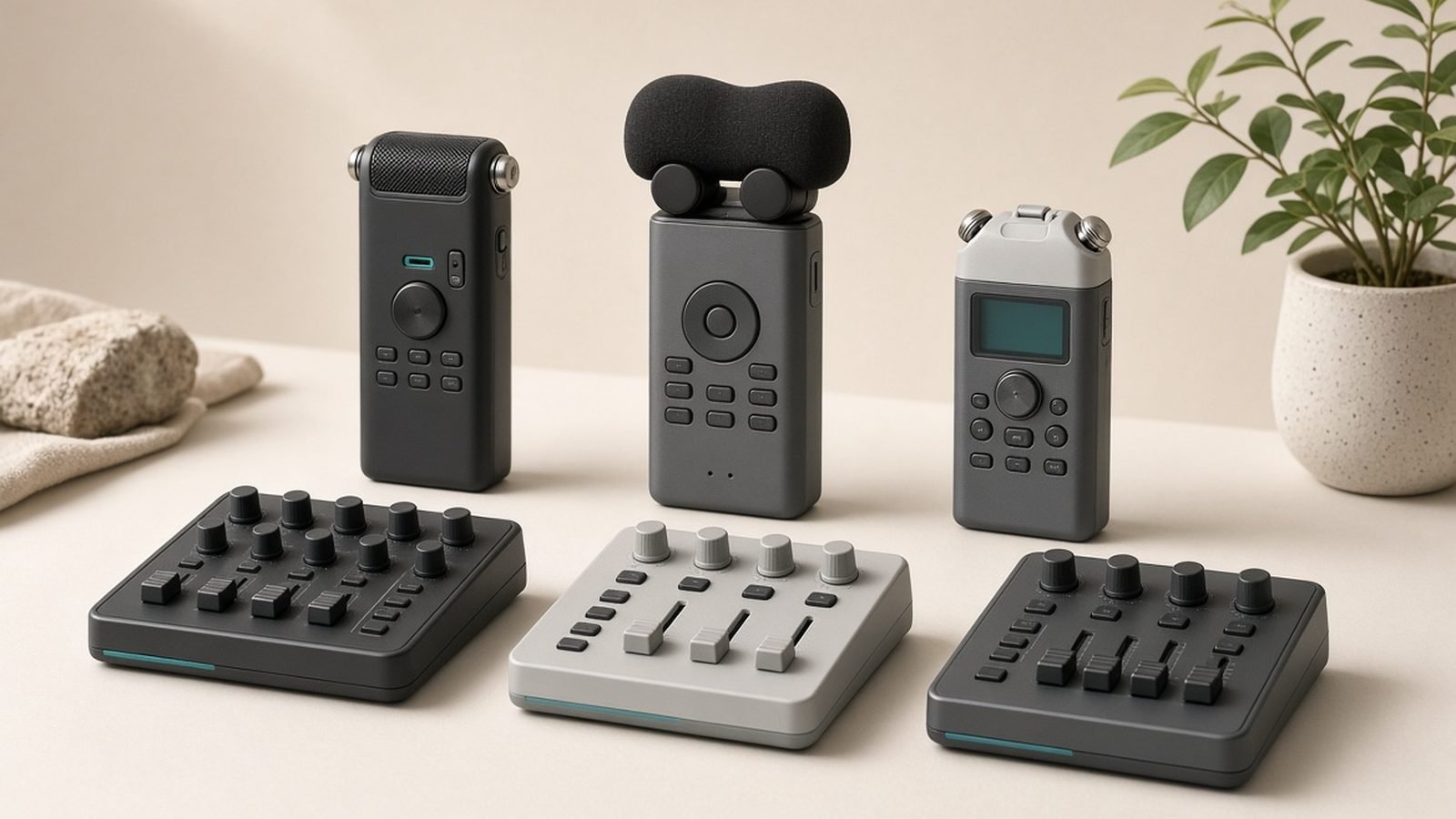
Tascam’s 2026 catalog centers on recording and routing audio:
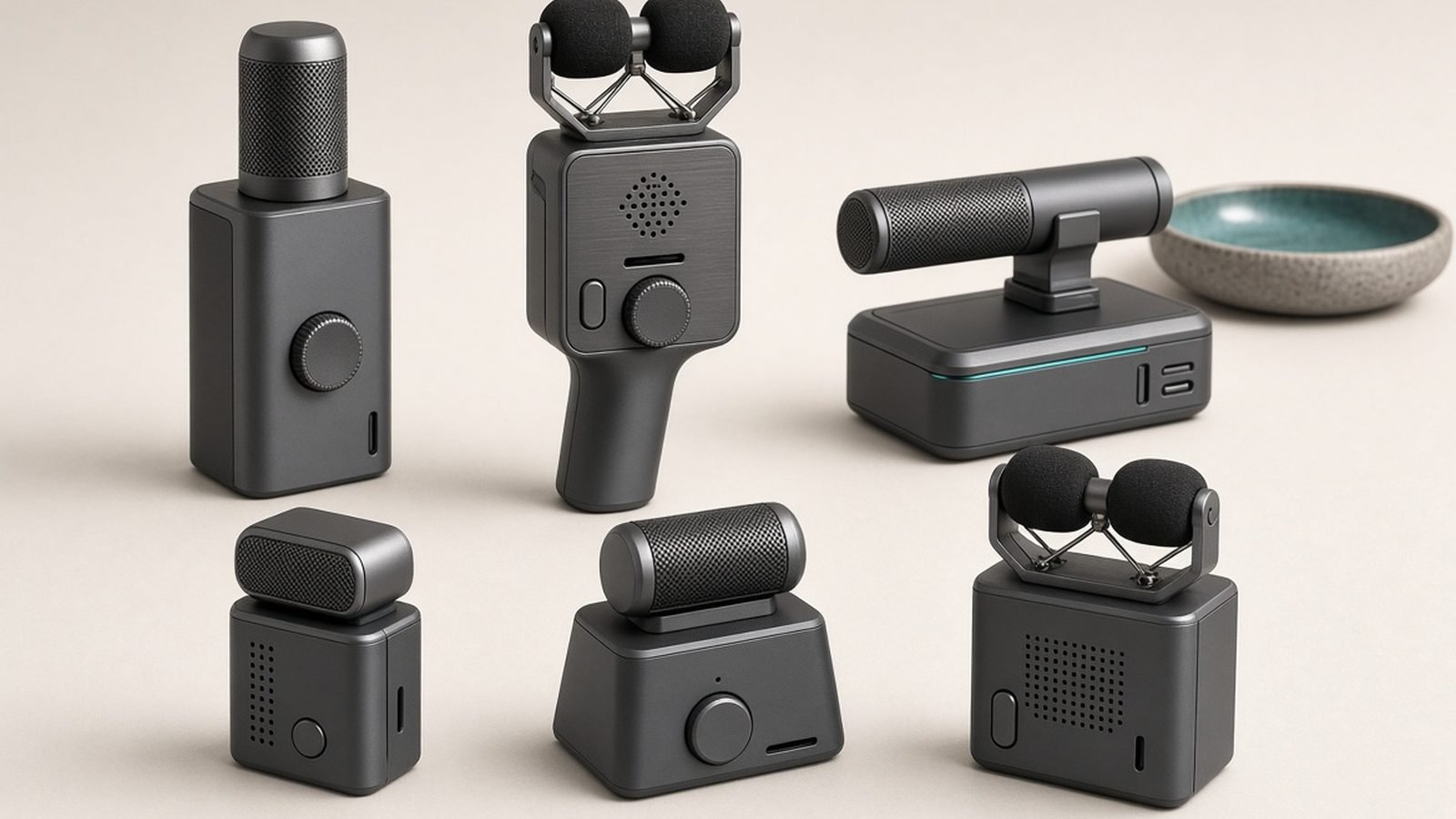
- Handheld field recorders — the DR series (DR-05X, DR-07X, DR-40X) for interviews, music and video sound.
- Portacapture touchscreen recorders — the X6 and X8, modern multitrack recorders with app-like touch interfaces and 32-bit float.
- Podcasting hardware — the Mixcast 4 podcast studio with mic inputs, sound pads and multitrack recording.
- Audio interfaces — USB interfaces for computer recording, including budget and prosumer models.
- Studio and broadcast gear — mixers, rack recorders, CD/SD players and playback units for install and broadcast.
- Accessories — mics, mounts and adapters supporting the recorder ecosystem.
The consistent thread is professional-grade recording and playback: Tascam’s heartland is capturing and routing audio reliably, from a pocket recorder to a broadcast rack.
Standout Tascam products in 2026
Tascam Portacapture X8 — around $499 / £459. A flagship handheld recorder with a large touchscreen, six inputs, interchangeable-app-style recording modes and 32-bit float. Its guided touch interface makes multitrack field recording unusually approachable, and it’s a strong partner for the cameras in our Best Vlogging Cameras 2026: Creators' Picks guide.
Tascam Portacapture X6 — around $349 / £329. A smaller, cheaper touchscreen recorder with the same modern workflow and 32-bit float, aimed at solo creators and musicians who want approachable multitrack capture.
Tascam DR-05X — around $119 / £109. A compact, no-nonsense stereo recorder that’s a longtime favorite as a backup recorder, lecture catch or first serious recording device. Simple, reliable and cheap.
Tascam Mixcast 4 — around $499 / £459. An all-in-one podcast studio with four mic inputs, individual headphone monitoring, sound pads and a touchscreen, competing directly with RODE’s RODECaster. It pairs naturally with the mics in our Best USB Microphones in 2026 for Streaming and Podcasting guide.
Tascam DR-40X — around $199 / £189. A four-track recorder with two XLR inputs and adjustable onboard mics, a durable workhorse for musicians and filmmakers who need flexible capture on a budget.
Tascam US-series interfaces — from around $99 / £89. Straightforward USB audio interfaces for home recording, offering TEAC-grade converters at accessible prices for podcasters and musicians.
Strengths
Serious professional heritage. Tascam has half a century of studio and broadcast credibility behind it, and that engineering pedigree shows in clean converters, solid preamps and dependable behavior under pressure.
Modern, approachable touch workflows. The Portacapture and Mixcast touchscreens make complex multitrack recording genuinely easy to learn, a real usability edge over button-and-menu rivals.
Solid build quality. Tascam recorders generally feel a step more robust and precise than the cheapest competition, with controls and housings that inspire more confidence for regular working use.
Broad, professional ecosystem. Because Tascam spans handheld recorders, podcast studios, interfaces and broadcast gear, it can grow with a creator from a first pocket recorder to an install-grade setup.
Weaknesses & criticisms
Priced above the budget leaders. Tascam often costs a little more than the cheapest equivalent from rivals, so bargain hunters chasing the lowest price on 32-bit float recording may look elsewhere first.
Confusing lineup and naming. Between the DR series, Portacapture X-series, Mixcast and various interfaces, Tascam’s model names and overlapping features can bewilder first-time buyers trying to choose.
Dated corners of the range. Some older recorders and interfaces feel behind the times in screen quality, connectivity and software next to newer creator-focused brands, and the range isn’t refreshed as aggressively.
Smaller creator-software footprint. Tascam lacks the slick companion-app and firmware ecosystem that brands like RODE have built, so the experience away from the hardware itself can feel more utilitarian.
Reliability & support
Reliability is one of Tascam’s stronger cards, backed by TEAC’s long engineering history. Its recorders and interfaces are generally well built, with clean converters and dependable performance that suit regular professional use, and the newer Portacapture units add 32-bit float to protect against clipping. The build quality tends to feel a notch above the cheapest field recorders, which pays off over years of handling.
Warranty coverage is typically a standard one-year limited warranty (varying by region), which is in line with the category, and being part of TEAC means Tascam has established distribution and service infrastructure in most major markets. Firmware and support are competent, if less flashy than the best creator brands, and the long history of the DR series means tutorials, accessories and secondhand units are easy to find. Customer support experiences are generally positive and benefit from TEAC’s scale, though response quality can vary by regional distributor. Overall, Tascam is a low-risk choice whose main trade-off is price rather than dependability.
Who should buy Tascam
Buy Tascam if you want dependable, good-sounding portable or studio recording with a professional pedigree and don’t mind paying slightly more than the budget floor. It’s the natural pick for creators who value approachable touch workflows (Portacapture X6/X8), podcasters wanting an all-in-one studio (Mixcast 4), and anyone who wants a simple, robust pocket recorder (DR-05X). If build quality and heritage matter to you, Tascam is a reassuring default.
Look elsewhere if you want the absolute cheapest 32-bit float recorder, the slickest companion-app ecosystem, or the most aggressively updated range. In those cases, cross-shop Zoom for value and RODE for creator-focused software and podcast gear. Our Best USB Microphones in 2026 for Streaming and Podcasting guide compares the podcasting side of Tascam against those rivals directly.
FAQ
Is Tascam a good brand?
Yes. Tascam is a respected professional-audio brand with a half-century heritage under TEAC, known for dependable recorders, approachable touchscreen workflows and solid build quality in products like the Portacapture X8 and DR-05X. Its main drawbacks are pricing above the budget leaders and a confusing lineup.
Is Tascam reliable?
Very. Backed by TEAC’s engineering history, its recorders and interfaces are well built with clean converters and dependable performance, and newer models add 32-bit float to prevent clipping. Build quality generally feels a step above the cheapest rivals, with a standard one-year warranty.
Where is Tascam from and who owns it?
Tascam was established in 1971 as the professional-audio division of TEAC Corporation, founded in 1953 in Tokyo, Japan. It remains part of TEAC, a long-established, publicly listed Japanese electronics company that also owns the Esoteric high-end hi-fi brand.
Is Tascam better than Zoom?
They trade blows. Tascam generally leads on build quality, professional heritage and (on newer units) approachable touch interfaces, while Zoom usually leads on outright value and price. For many creators the decision comes down to budget and which specific recorder fits their inputs and workflow.
Which Tascam recorder should I buy?
For simple stereo recording, the DR-05X is a cheap, reliable classic. For flexible multitrack capture with a modern interface, the Portacapture X6 or X8 are the standouts, and for podcasting the Mixcast 4 is an all-in-one studio. Match the number of XLR inputs to your needs.
Is the Tascam Mixcast 4 better than the RODECaster?
They’re direct rivals. The Mixcast 4 offers a clean touchscreen, four mic inputs and sound pads with strong build quality, while RODE’s RODECaster Pro II counters with a more mature software ecosystem and features. The Mixcast suits those who prefer Tascam’s hardware feel; the RODECaster leads on app integration.
Zen Tech Hub may earn a commission from links on this page, at no extra cost to you.