RODE is the Australian microphone brand that has become the default choice for a generation of podcasters, YouTubers and filmmakers. In 2026 it spans USB mics, broadcast dynamics, shotguns, wireless lav systems and studio condensers, almost all engineered specifically for content creators. The short verdict: RODE offers outstanding value, brilliant creator-focused features and one of the best warranties in audio — its Wireless GO transmitters practically created the pocket-lav category — but its software-heavy USB mics rely on the RODE Central and RODE Connect apps that can be fiddly, its lower-cost gear uses more plastic than pro rivals, and its very cheapest mics don’t match the top studio brands on absolute sound quality.
If you make videos, podcasts or films and want modern, feature-packed mics that punch far above their price, RODE is an easy recommendation. If you want a heritage broadcast mic with the last few percent of vocal richness or the most rugged all-metal build, Shure and Sennheiser are worth cross-shopping.
Company overview
RODE (styled RØDE) traces back to Freedman Electronics, founded in 1967 in Sydney, Australia, by Henry and Astrid Freedman. The RODE microphone brand launched in the 1990s under their son Peter Freedman and grew rapidly by offering studio-quality condensers at prices that undercut the established names, then expanded aggressively into creator and film audio.
The most important thing to understand about RODE’s ownership is that it has stayed independent and family-controlled. The company remains privately held under Peter Freedman’s ownership and still designs and manufactures a large share of its products in Sydney — unusual in an industry where most brands outsource entirely to Asia. That independence has funded heavy investment in its own manufacturing and a steady stream of category-defining products. RODE also owns Aphex, Event and the software brand SoundField, and has expanded into audio interfaces and mixers.
Its reputation is built on value and creator focus. RODE consistently delivers features and sound that cost far more elsewhere, and it reads the creator market better than almost anyone. When you want a modern mic tuned for podcasting, streaming or run-and-gun video, RODE is the name most creators reach for first.
What RODE makes
RODE’s 2026 catalog centers on capturing voice and creator audio:
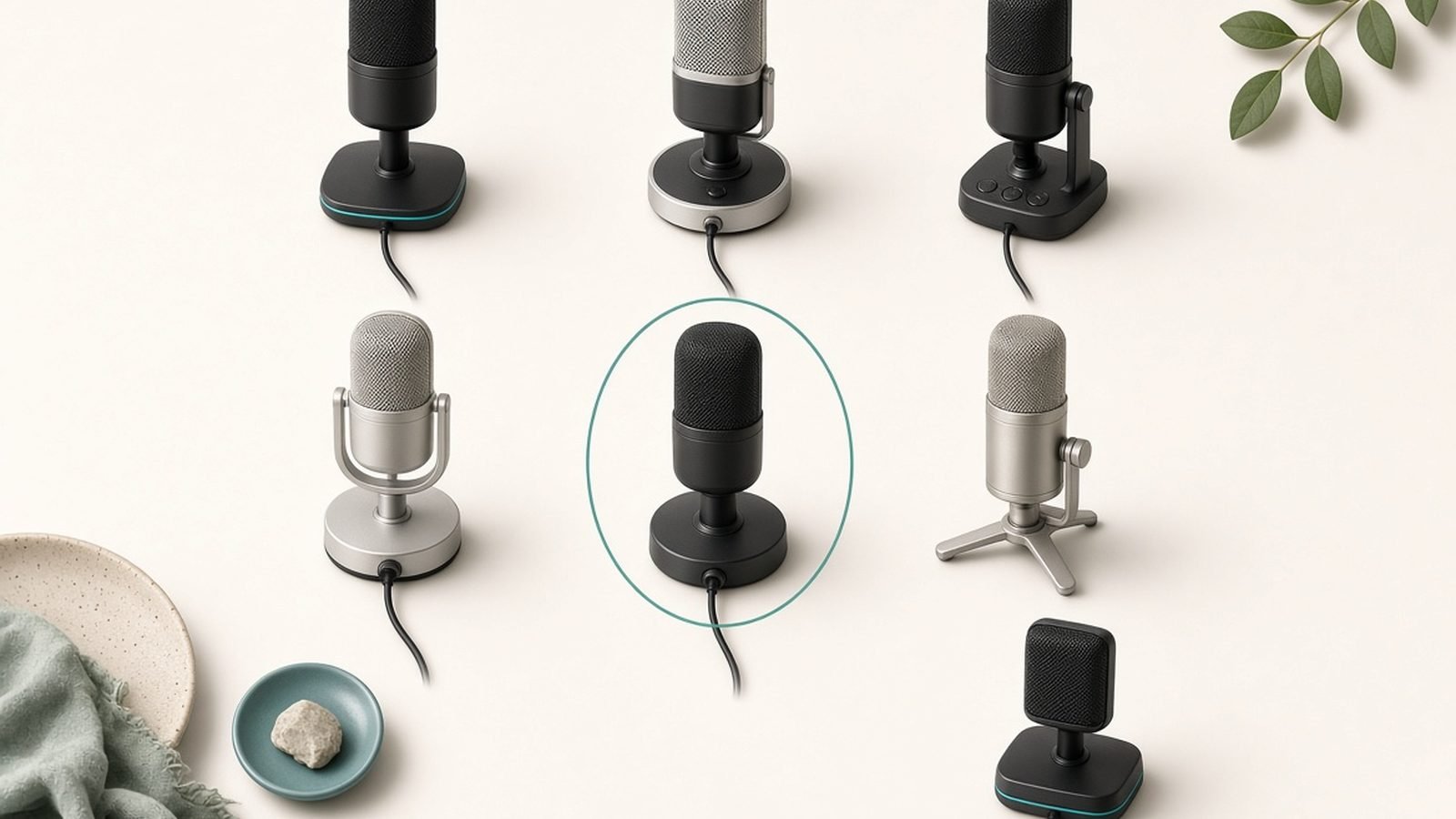
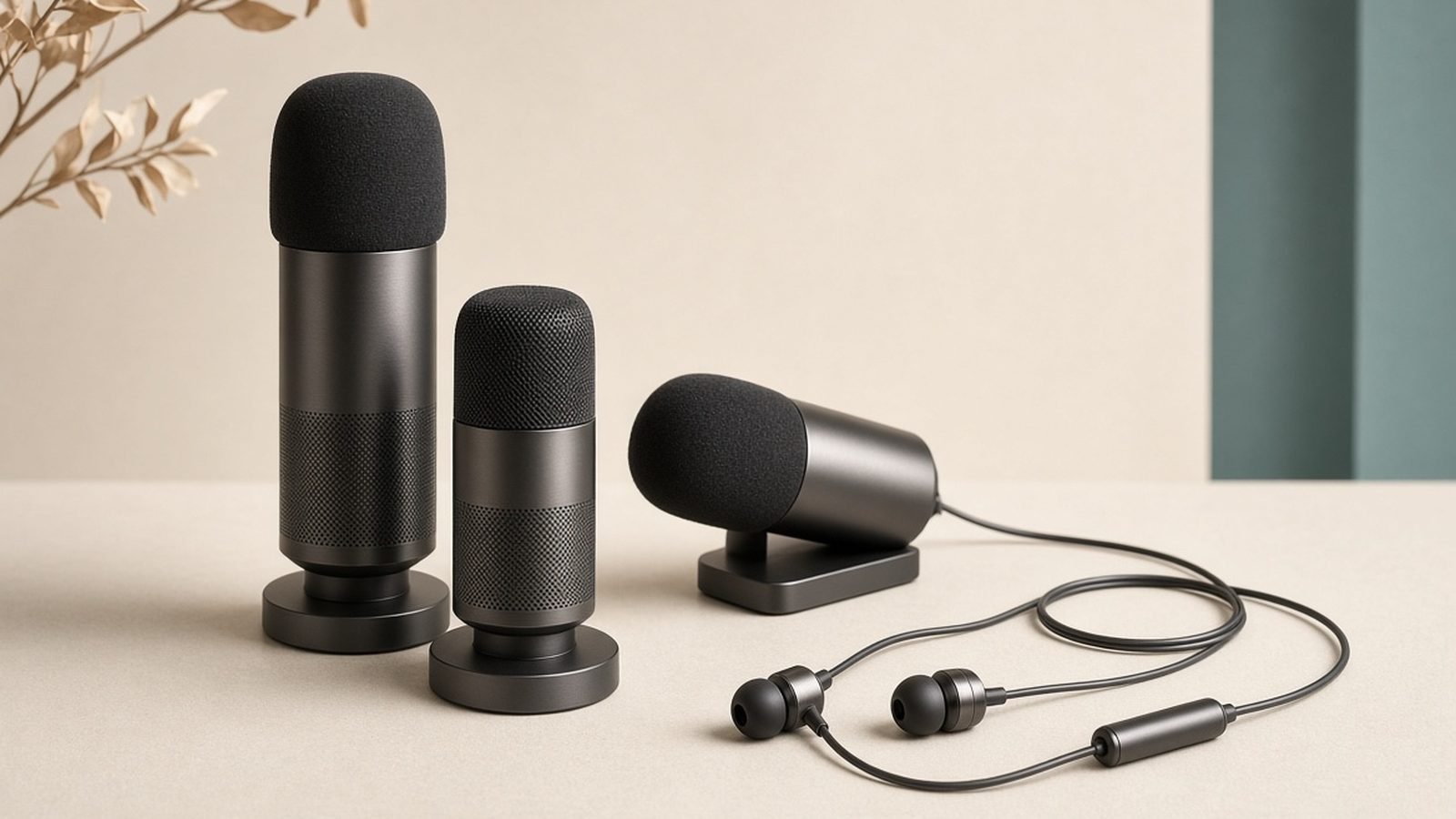
- USB and broadcast mics — the NT-USB+, PodMic and PodMic USB aimed at podcasters and streamers.
- Studio condenser microphones — the NT1 (a modern classic), NT1-A, NT2-A and NT5 pencil condensers.
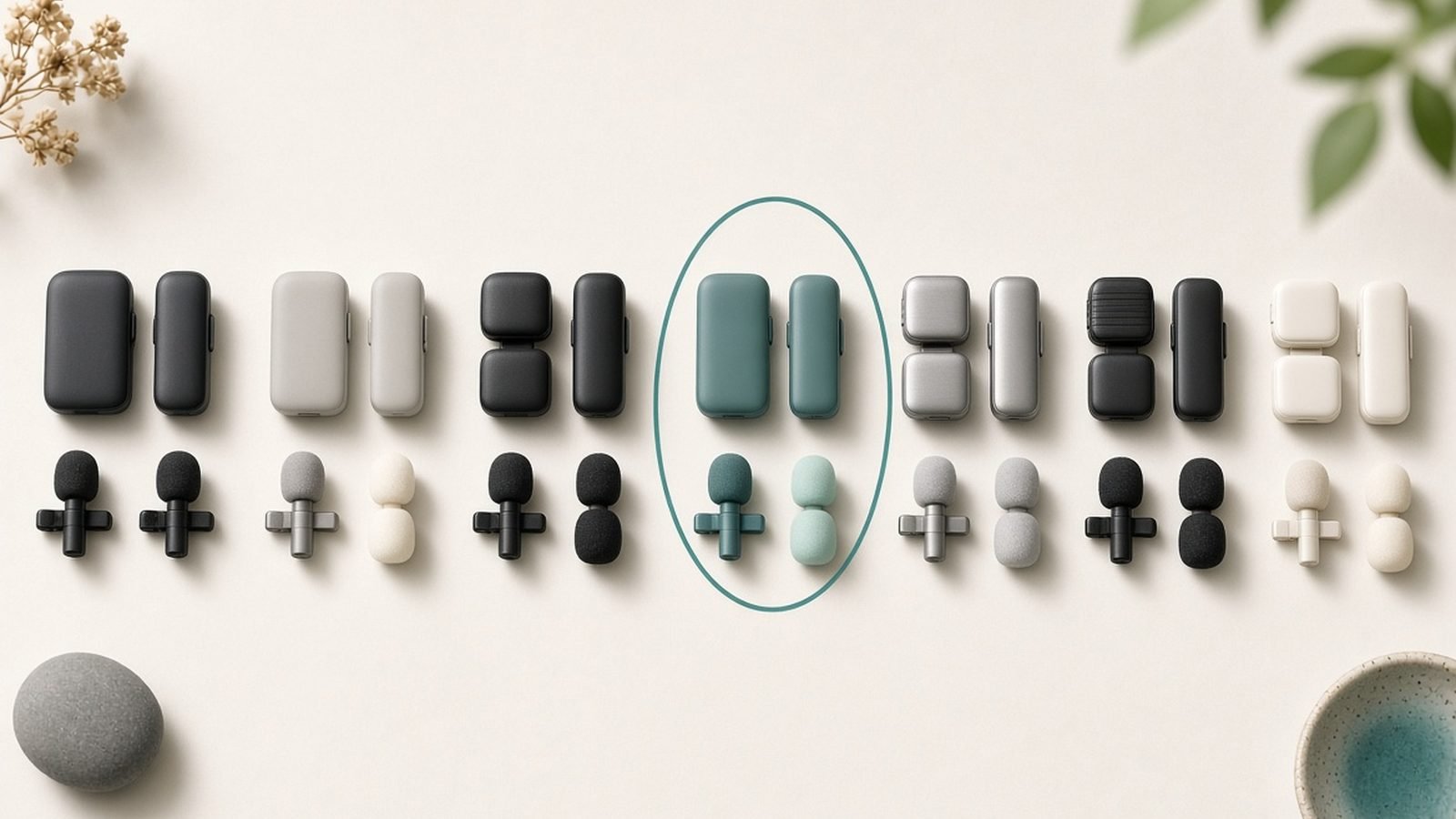
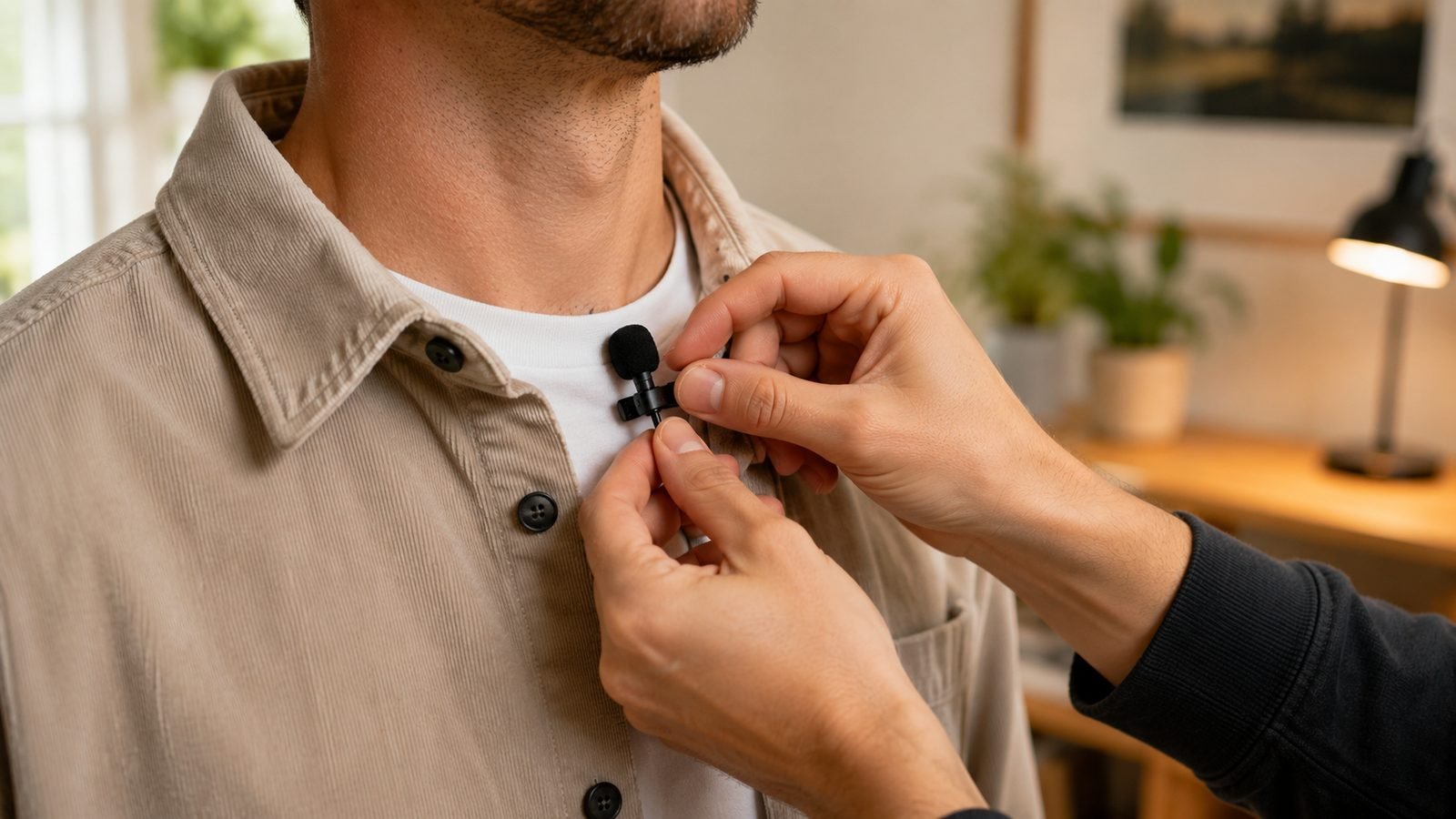
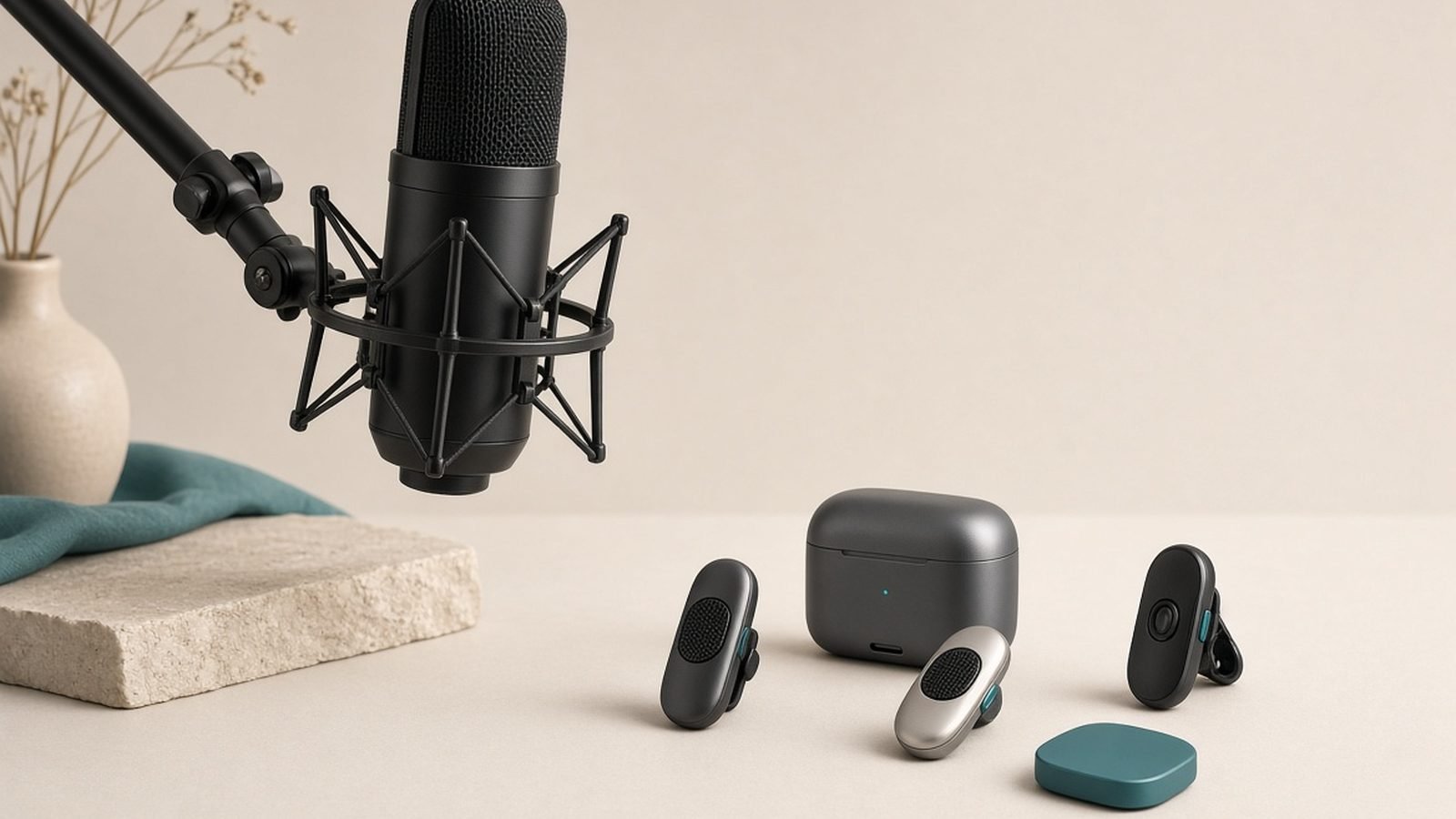
- Wireless microphone systems — the Wireless GO and Wireless PRO clip-on transmitter/receiver systems and the Lavalier GO.
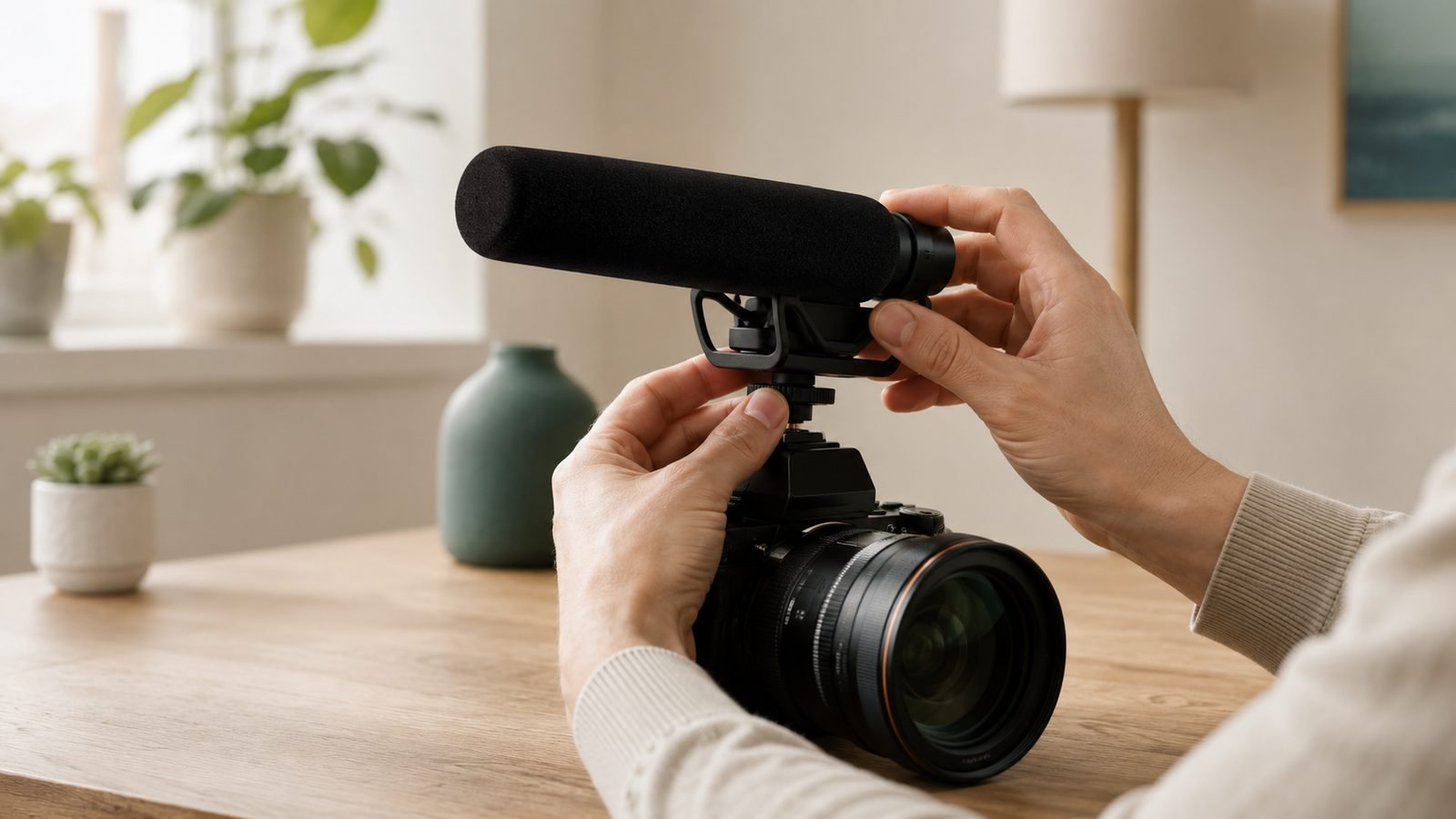
- Shotgun and camera microphones — the VideoMic series and NTG shotgun mics for filmmaking.
- Podcasting and streaming hardware — the RODECaster Pro II and RODECaster Duo production consoles.
- Interfaces, headphones and accessories — the AI-1 interface, NTH-100 headphones, boom arms and accessories.
The consistent thread is creator audio: RODE’s heartland is getting great voice into a video, podcast or stream with the least friction, and it dominates that world.
Standout RODE products in 2026
RODE Wireless PRO / Wireless GO (III) — from around $199 / £179 (GO) to $399 / £369 (PRO). The pocket-sized clip-on wireless system that redefined creator audio, letting you record interviews, pieces to camera and run-and-gun footage without cables. It’s a mainstay for the mirrorless setups in our Best Vlogging Cameras 2026: Creators' Picks guide.
RODE NT1 (5th Gen) — around $259 / £245. A modern studio condenser famous for its low self-noise and clean, versatile sound, with a dual USB/XLR 5th-generation version that makes it a superb first serious mic. It appears across our Best USB Microphones in 2026 for Streaming and Podcasting guide.
RODE PodMic / PodMic USB — around $199 / £189 (USB). A broadcast-style dynamic mic tuned for rich, radio-ready voice, offered in a hybrid USB/XLR version so podcasters can start simple and grow into a full setup later.
RODE VideoMic Go II / NTG — from around $99 / £89. Lightweight on-camera shotgun mics that dramatically upgrade video audio over built-in camera mics, a staple for run-and-gun filmmakers.
RODE NT-USB+ — around $169 / £159. A refined USB condenser with onboard processing, a headphone jack and clean sound, aimed at streamers and creators who want plug-and-play quality.
RODECaster Pro II — around $699 / £649. An all-in-one podcast production console with mic preamps, faders, sound pads and multitrack recording, widely regarded as the benchmark for serious podcasters.
Strengths
Outstanding value for money. RODE consistently offers sound and features that cost significantly more from heritage rivals, especially in condensers and wireless systems. The NT1 and Wireless GO are value benchmarks.
Category-defining creator products. The Wireless GO effectively created the pocket-lav category, and the RODECaster consoles set the standard for podcast production. RODE reads the creator market better than almost anyone.
In-house design and manufacturing. RODE still designs and builds much of its range in Sydney, which supports rapid innovation, quality control and a strong sense of a company that owns its own engineering.
Excellent warranty and support ecosystem. Many RODE mics carry an extendable warranty of up to ten years with registration, backed by extensive documentation, firmware updates and a huge community of creators using the same gear.
Weaknesses & criticisms
App and firmware dependence. RODE’s more advanced USB mics, wireless systems and consoles lean on the RODE Central and RODE Connect software for settings and updates, which some users find fiddly, occasionally buggy, or an unwanted extra step.
Plasticky lower tiers. RODE’s budget mics and some wireless housings use more plastic than the all-metal builds of pro rivals, and while durable enough, they don’t feel as bombproof as a Shure or Sennheiser.
Not the last word in premium sound. For the final few percent of vocal richness or high-end studio character, dedicated broadcast and studio brands still edge ahead; RODE’s strength is value and features rather than absolute top-tier tone.
Feature sprawl. The catalog has grown huge and fast, with overlapping USB, XLR and hybrid variants that can confuse first-time buyers trying to pick the right model.
Reliability & support
Reliability is one of RODE’s strong suits. Its condensers and dynamics are well built and hold up to years of studio and location use, and the company’s in-house manufacturing gives it tight quality control. The wireless systems have proven dependable in the field, though like any battery-powered gear they age with charge cycles, and the app-dependent products occasionally need firmware attention to run smoothly.
Warranty coverage is a genuine highlight: many RODE microphones are covered by a warranty that extends up to ten years when registered, which is among the most generous in the industry and reflects real confidence in build quality. Customer support and documentation are well regarded, firmware updates are frequent, and the sheer ubiquity of RODE gear means troubleshooting help is easy to find. The main reliability caveats are software friction and the shorter useful life of rechargeable wireless units rather than any weakness in the core mics.
Who should buy RODE
Buy RODE if you make content and want modern, feature-rich audio gear that punches far above its price. It’s the natural pick for podcasters (PodMic, RODECaster Pro II), streamers and creators (NT-USB+, NT1), and filmmakers who need wireless and on-camera mics (Wireless PRO, VideoMic). If value, creator features and a great warranty matter most, RODE is hard to beat.
Look elsewhere if you want a heritage broadcast mic with the last few percent of vocal richness, the most rugged all-metal build, or a fully app-free experience. In those cases, cross-shop Shure and Sennheiser for pro mics and Audio-Technica for value condensers. Our Best USB Microphones in 2026 for Streaming and Podcasting guide compares RODE directly against those rivals.
FAQ
Is RODE a good brand?
Yes. RODE is one of the most respected creator-audio brands in the world, known for outstanding value and category-defining products like the Wireless GO, NT1 and RODECaster Pro II. Its main drawbacks are app and firmware dependence and lower-tier builds that feel plasticky next to heritage rivals.
Is RODE reliable?
Very. Its mics are well built with tight in-house quality control, and it offers a warranty extendable up to ten years on many microphones with registration — among the best in audio. The main caveats are software friction on advanced products and the normal battery aging of wireless units.
Where is RODE from and who owns it?
RODE grew out of Freedman Electronics, founded in 1967 in Sydney, Australia. It remains independent and family-controlled under Peter Freedman, and still designs and manufactures a large share of its products in Sydney, which is unusual in the microphone industry.
Is RODE better than Shure?
They lead in different areas. RODE wins on value, creator features and wireless systems, while Shure leads on heritage broadcast mics, all-metal ruggedness and the last few percent of vocal character. Many creators own both — a RODE wireless kit and a Shure studio dynamic, for example.
Which RODE mic is best for podcasting?
For a first serious setup, the PodMic (or hybrid PodMic USB) gives rich, radio-ready voice, while the NT1 5th Gen suits treated rooms. Serious podcasters pair mics with the RODECaster Pro II console for multitrack recording and live production.
Do RODE microphones need an app?
The simplest USB and XLR mics work plug-and-play, but advanced USB mics, wireless systems and the RODECaster consoles use the RODE Central or Connect apps for settings and firmware. Some users find this fiddly, so check whether your chosen model needs software before buying.
Zen Tech Hub may earn a commission from links on this page, at no extra cost to you.