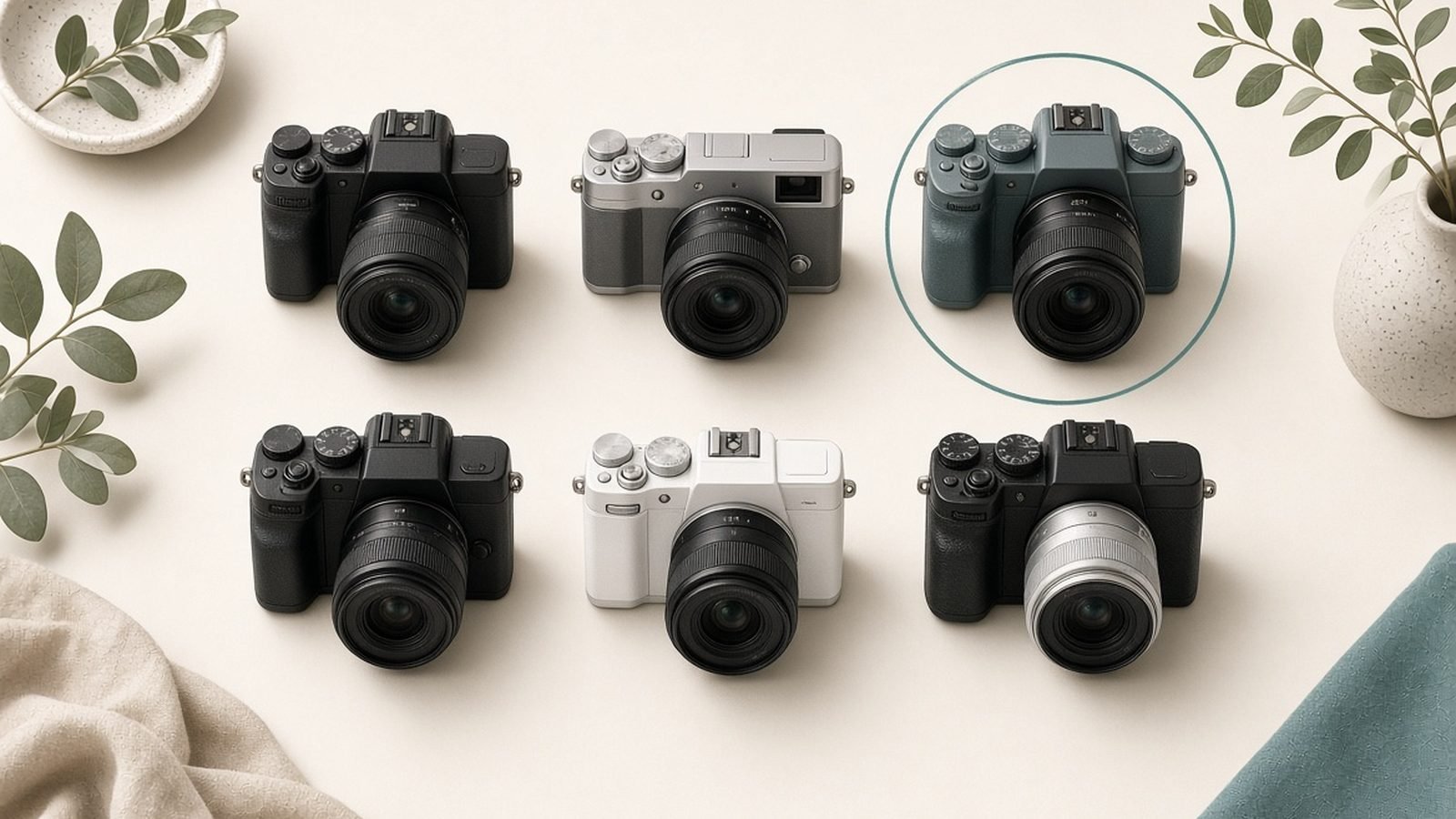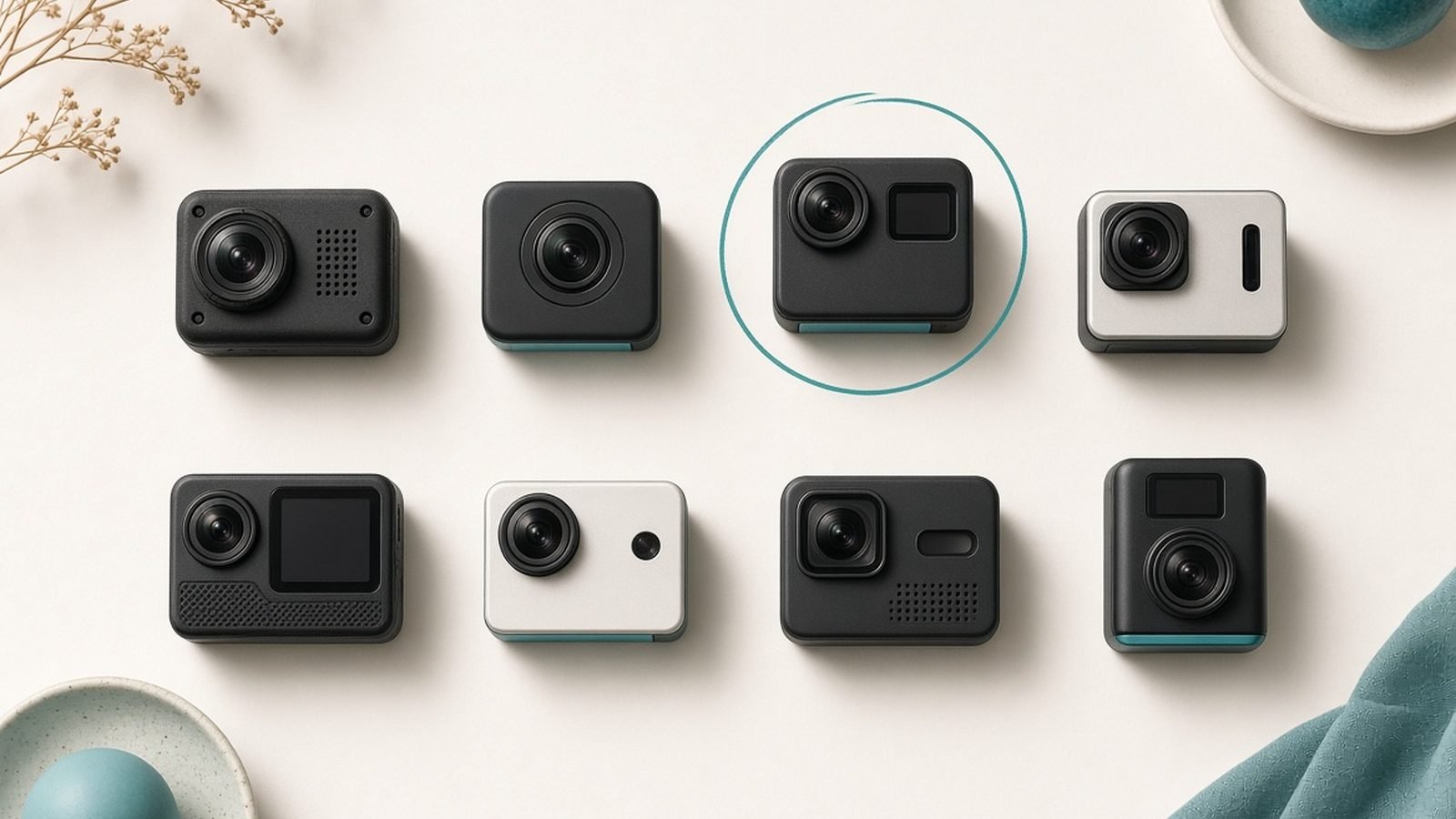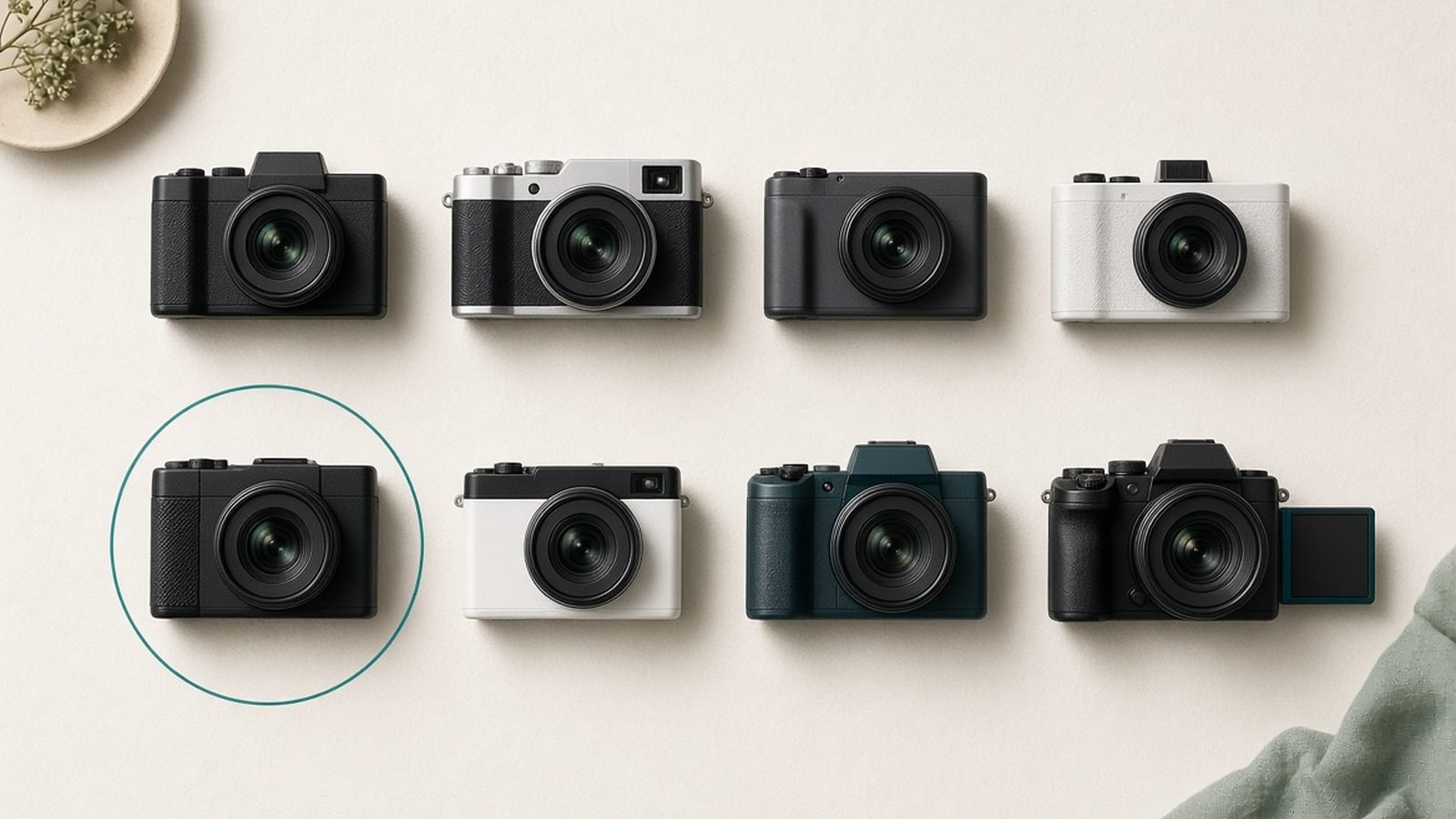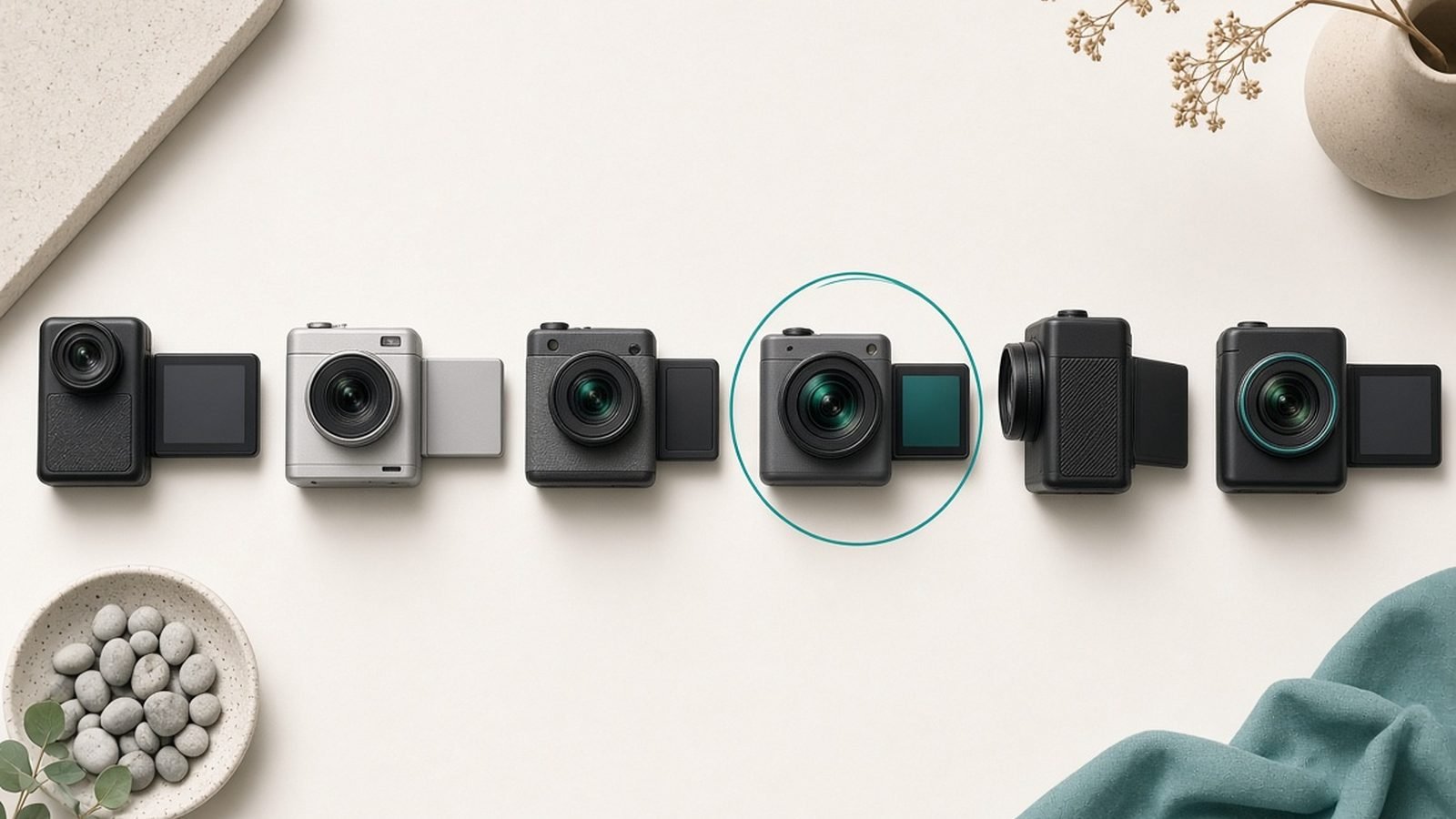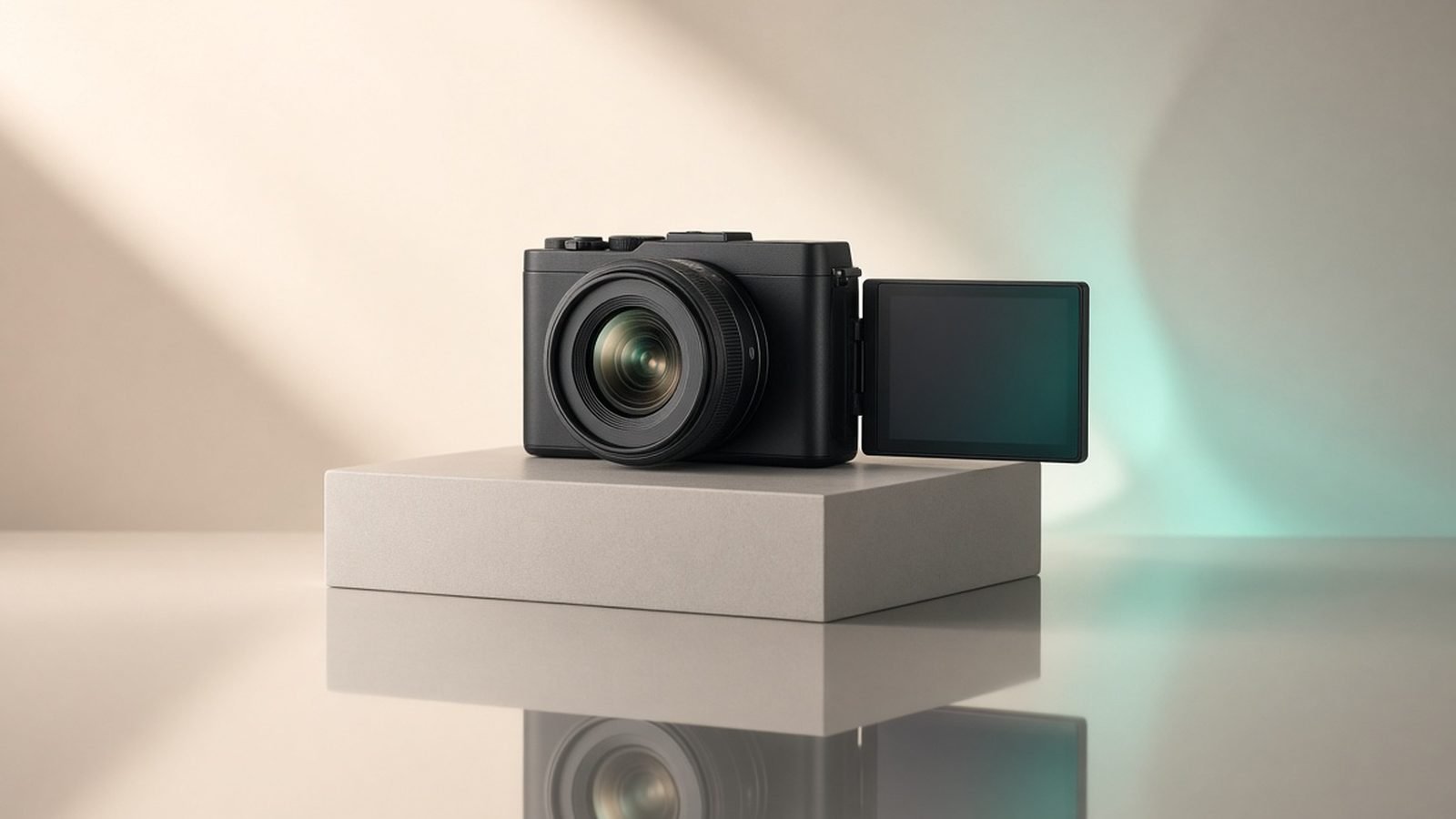
The best vlogging camera for most creators in 2026 is the Sony ZV-E10 II. It combines the best autofocus in its class, a flip-out screen, flexible 4K and interchangeable lenses in a body built specifically for talking to camera, for around $999 / £909. If you want the easiest all-in-one instead, the DJI Osmo Pocket 3 is the pocket-sized answer.
“Best” depends on how you shoot, though. Sit-down YouTubers, run-and-gun travel vloggers and hands-free creators all want different things. This guide ranks five cameras we would happily recommend to real creators and tells you exactly who each one suits, with the trade-offs stated plainly.
Best vlogging camera at a glance
| Pick | Camera | Best for | Stabilization | Price (US / UK) |
|---|---|---|---|---|
| Best overall | Sony ZV-E10 II | Interchangeable-lens YouTube | Electronic + lens OSS | ~$999 / £909 |
| Best all-in-one | DJI Osmo Pocket 3 | Pocketable talking-head vlogs | Mechanical gimbal | ~$519 / £519 |
| Best premium compact | Canon PowerShot V1 | Fixed-lens creators who want quality | Electronic | ~$899 / £959 |
| Simplest | Sony ZV-1F | Absolute beginners | Electronic | ~$499 / £519 |
| Best for action | GoPro Hero13 Black | Active, POV, mounted vlogs | HyperSmooth EIS | ~$399 / £399 |
Prices shift with demand and bundles. The Osmo Pocket 3 in particular often sells above list when stock is tight, so treat these as a snapshot.
How we picked
We are an editorial team, not a testing lab, and we will be upfront about it. These picks come from close reading of manufacturer specs, cross-checked US and UK pricing, and a wide read of creator reviews and owner feedback over the past year. When we flag weak audio or missing stabilization, that reflects recurring patterns in real-world reports, not numbers we invented.
For vlogging specifically, we weighted four things: autofocus that keeps your face sharp, a screen you can see yourself in, stabilization for handheld movement, and audio quality. A great vlogging camera should let you press record, talk, and get a usable clip on the first take. Everything below clears that bar.
Best overall: Sony ZV-E10 II
26MP APS-C sensor · 4K up to 60p · class-leading autofocus · around $999 / £909 body.
The ZV-E10 II is the best vlogging camera for creators who want room to grow. It keeps the flip-out screen, one-touch Background Defocus button and Product Showcase mode that made the ZV line famous, and adds a much larger battery, a sharper 26MP sensor and 4K up to 60p. Because it takes interchangeable lenses, you can start with the kit and upgrade to a bright prime or ultra-wide as your channel matures.
Its standout is autofocus. Sony’s eye detection locks on and holds as you move around the frame, which is exactly what a solo creator needs: set it, step in, and trust the focus. The built-in directional mic is genuinely usable, and there is a proper 3.5mm mic input for upgrades. Our full Sony A7 V Review 2026: The All-Rounder Full-Frame shows where Sony’s full-frame line goes if you ever outgrow APS-C.
The honest catch is the lack of in-body stabilization, so handheld walking footage benefits from a stabilized wide lens or a small gimbal, and rolling shutter shows on fast pans. For seated content, product reviews and everyday vlogs, neither matters much.
Pros:
- Best-in-class autofocus for solo creators
- Flip screen, mic input and creator-focused modes
- Interchangeable lenses and a big battery
Cons:
- No in-body stabilization
- Rolling shutter on quick pans
- Kit lens is the weakest part
Who it’s for: Serious YouTubers and creators who want the best autofocus and the flexibility of changing lenses.
Best all-in-one: DJI Osmo Pocket 3
1-inch sensor · 4K up to 120p · mechanical 3-axis gimbal · around $519 / £519.
The Osmo Pocket 3 is the easiest complete vlogging kit you can buy, and it earns that by pairing a large 1-inch sensor with a real mechanical 3-axis gimbal. That gimbal physically moves to counter your hand shake, so footage looks smooth in a way electronic stabilization still cannot fully match, and it does so without cropping into your image. The rotating touchscreen flips vertical for TikTok and Reels, and face tracking keeps you centered while you walk and talk.
For a talking-head or travel creator, this is close to a full kit in one hand, and the 1-inch sensor gives it the best low-light image of the compact options here. It slips into a jacket pocket and is ready in a second.
The catches are price and availability — it sits near the top of the compact price bracket and periodically sells above list — plus no weather sealing and only fine battery life. It is not the camera for rain or the surf.
Pros:
- Mechanical gimbal for genuinely smooth, uncropped footage
- 1-inch sensor beats other compacts in low light
- Rotating screen and reliable face tracking
Cons:
- Often out of stock or priced above list
- No weather sealing
- Battery life is fine rather than great
Who it’s for: Creators who want the simplest all-in-one for talking-head and travel vlogs without carrying extra gear.
Best premium compact: Canon PowerShot V1
1.4-inch sensor · 4K up to 60p · built-in ND filter · around $899 / £959.
The PowerShot V1 is Canon’s answer for creators who want compact convenience without dropping to a small sensor. Its larger-than-usual 1.4-inch sensor delivers cleaner low-light footage and more depth-of-field control than typical point-and-shoots, the zoom lens starts genuinely wide for selfie framing, and a built-in ND filter lets you keep cinematic shutter speeds outdoors without add-ons.
Canon’s Dual Pixel autofocus is reliable and sticky, the flip screen and creator modes cover the vlogging basics, and a cooling design helps with longer 4K takes. As a fixed-lens camera that punches above the usual compact class, it is a strong middle ground between the pocketable Osmo and the do-it-all ZV-E10 II.
The trade-offs: stabilization is electronic rather than a mechanical gimbal, so it is smoother on a grip than walking freehand, and it costs more than the DJI. But the image quality and built-in ND make it a favorite for creators who value one-piece simplicity with real quality.
Pros:
- Larger sensor than rival compacts for better low light
- Wide zoom lens plus a built-in ND filter
- Reliable Canon autofocus and good heat handling
Cons:
- Electronic stabilization only
- Pricier than the Osmo Pocket 3
- Fixed lens limits long-term flexibility
Who it’s for: Creators who want fixed-lens simplicity but refuse to compromise on image quality.
Simplest: Sony ZV-1F
1-inch sensor · fixed 20mm-equivalent lens · 4K/30p · around $499 / £519.
Not everyone wants to think about zoom ranges or lenses. The ZV-1F is a fixed-lens compact built for creators who want to pull it out, flip the screen and record. The wide 20mm-equivalent view is made for arm’s-length selfie video, the one-inch sensor beats any phone in low light, and Sony’s Background Defocus and Product Showcase modes are built in.
The limits are the flip side of that simplicity: the lens does not zoom, autofocus is good but not Sony’s very latest, and stills are secondary. As the cheapest, easiest genuine vlogging camera here, it is a superb first step. For more first-time options, see our Best Cameras for Beginners 2026: Easy & Affordable guide.
Pros:
- True point-and-shoot simplicity for video
- One-inch sensor outperforms phones
- Flip screen and creator modes built in
Cons:
- Fixed wide lens with no zoom
- Photos are a secondary strength
- Electronic stabilization only
Who it’s for: Absolute beginners who want the easiest possible vlogging camera at the lowest price.
Best for action: GoPro Hero13 Black
1/1.9-inch sensor · 5.3K video · HyperSmooth stabilization · around $399 / £399.
If your vlogs are built around movement — cycling, skiing, hiking, motorbikes — the Hero13 Black is the right tool. Its HyperSmooth stabilization is superb for fast POV footage, it is rugged and waterproof without a case, and no rival matches GoPro’s vast ecosystem of chest harnesses, helmet mounts and clamps. It slots neatly alongside our Best Action Cameras 2026: GoPro, DJI & Insta360 guide.
Where it falls short for vlogging is audio and framing. The built-in mic handles wind and action noise but is weak for clear talking-head voice, so you will want an external mic add-on, and the wide field of view is not flattering for sit-down content.
Pros:
- Class-leading stabilization for fast, active POV
- Unmatched ecosystem of mounts and accessories
- Rugged and waterproof out of the box
Cons:
- Needs an external mic for good spoken audio
- Wide POV look is unflattering for talking-head vlogs
- Smaller sensor than the compacts here
Who it’s for: Active creators whose content is movement and POV rather than sitting and talking.
How to choose a vlogging camera
Match the camera to your content. Sit-down and desk-based creators are best served by the ZV-E10 II or PowerShot V1. Walk-and-talk travel vloggers should look hard at the gimbal-stabilized Osmo Pocket 3. Action and POV creators want the GoPro. There is no single best — only best for your format.
Stabilization matters more than megapixels. For handheld vlogging, smooth footage beats extra resolution. A mechanical gimbal (Osmo Pocket 3) or a stabilized wide lens is worth more to a walking vlogger than a bigger sensor.
Do not ignore audio. On-camera mics vary from good (Osmo Pocket 3, ZV-E10 II) to weak (GoPro). If clear voice matters, plan for a wireless or desktop mic — our Best USB Microphones in 2026 for Streaming and Podcasting guide covers desk setups.
Think about growth. A fixed-lens camera is simpler today; an interchangeable-lens body like the ZV-E10 II grows with you. Be honest about whether you will want to change lenses later. For the wider camera landscape, see our Best Mirrorless Cameras 2026: Full-Frame & APS-C roundup.
FAQ
What is the best vlogging camera in 2026?
For most creators it is the Sony ZV-E10 II, thanks to its class-leading autofocus, flip screen, mic input and interchangeable lenses at around $999 / £909. If you want the simplest all-in-one, the DJI Osmo Pocket 3 with its built-in gimbal is the pocketable pick, and the Canon PowerShot V1 is the best fixed-lens compact for image quality.
What is the best vlogging camera for beginners?
The Sony ZV-1F for the lowest-friction start, or the DJI Osmo Pocket 3 if you want smooth footage in one hand. Both have flip screens, strong creator features and simple operation. If you want an interchangeable-lens camera you can grow into, the ZV-E10 II is beginner-friendly too, just with more to learn.
Do I need a camera with a flip screen for vlogging?
Practically, yes. A screen that flips or rotates toward you lets you frame yourself and confirm focus while recording, which is essential for solo creators. Every camera in this guide offers a front-facing view. Without one, you are guessing at your framing, which leads to a lot of re-shoots.
Is the DJI Osmo Pocket 3 better than a mirrorless camera for vlogging?
For pocketable, walk-and-talk vlogging, the Osmo Pocket 3’s mechanical gimbal produces smoother handheld footage than a mirrorless camera without in-body stabilization. But a mirrorless body like the ZV-E10 II offers a larger sensor, interchangeable lenses and better low-light and depth-of-field control. Choose the Osmo for simplicity and smoothness, mirrorless for flexibility and image quality.
How important is audio for vlogging?
Very. Viewers forgive imperfect video far sooner than bad audio. The Osmo Pocket 3 and ZV-E10 II have usable built-in mics, but for professional results a wireless lav or a good desktop mic makes a bigger difference than almost any camera upgrade. Budget for audio from the start rather than as an afterthought.
Can I use an action camera for vlogging?
Yes, but with caveats. The GoPro Hero13 Black is excellent for active, POV and mounted content, and its stabilization is superb. However, its wide field of view distorts faces for sit-down vlogs and its built-in mic is weak for spoken audio, so pair it with an external mic. For talking-head content, a dedicated vlogging camera is the better tool.
Zen Tech Hub may earn a commission from links on this page, at no extra cost to you.