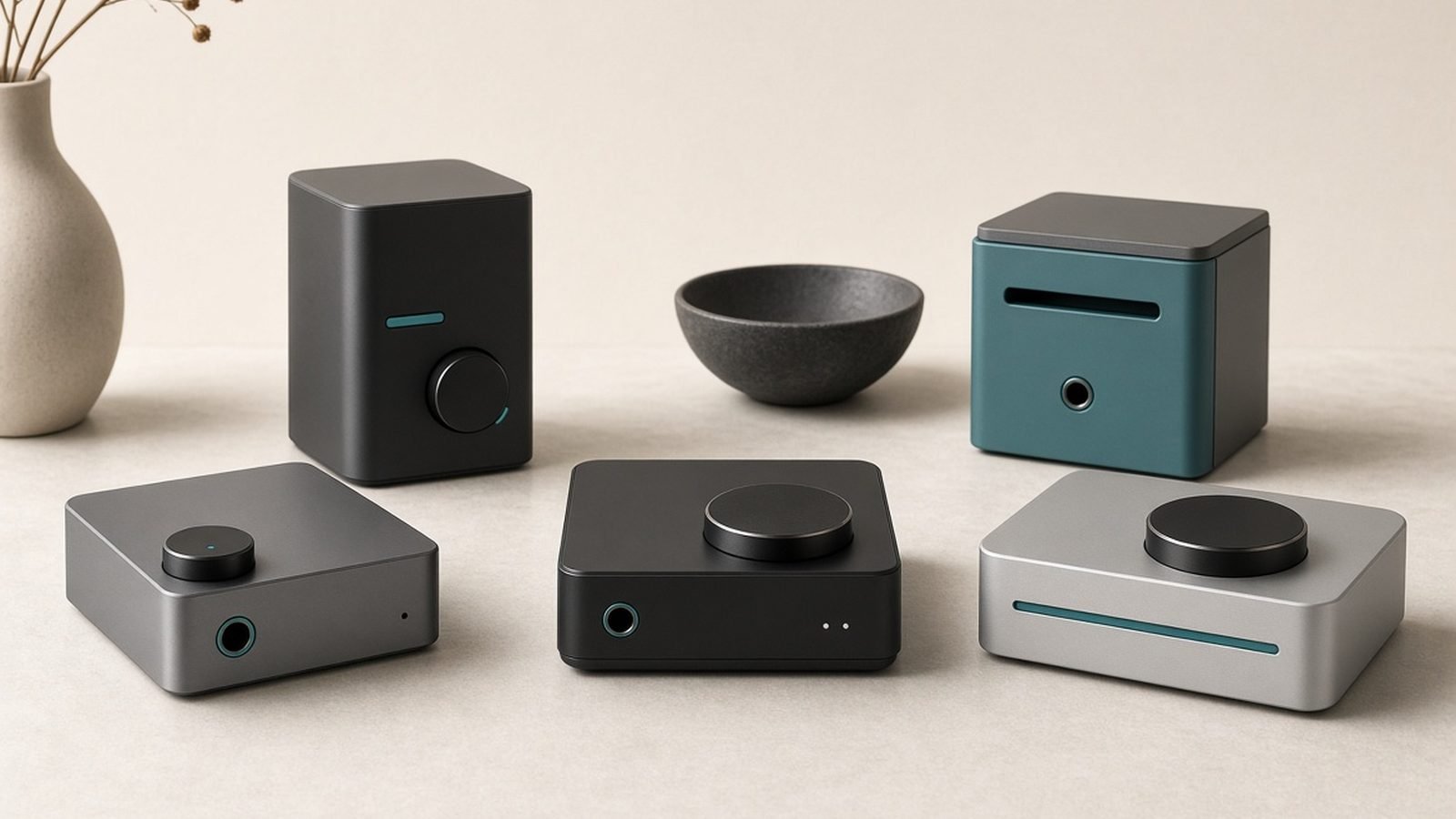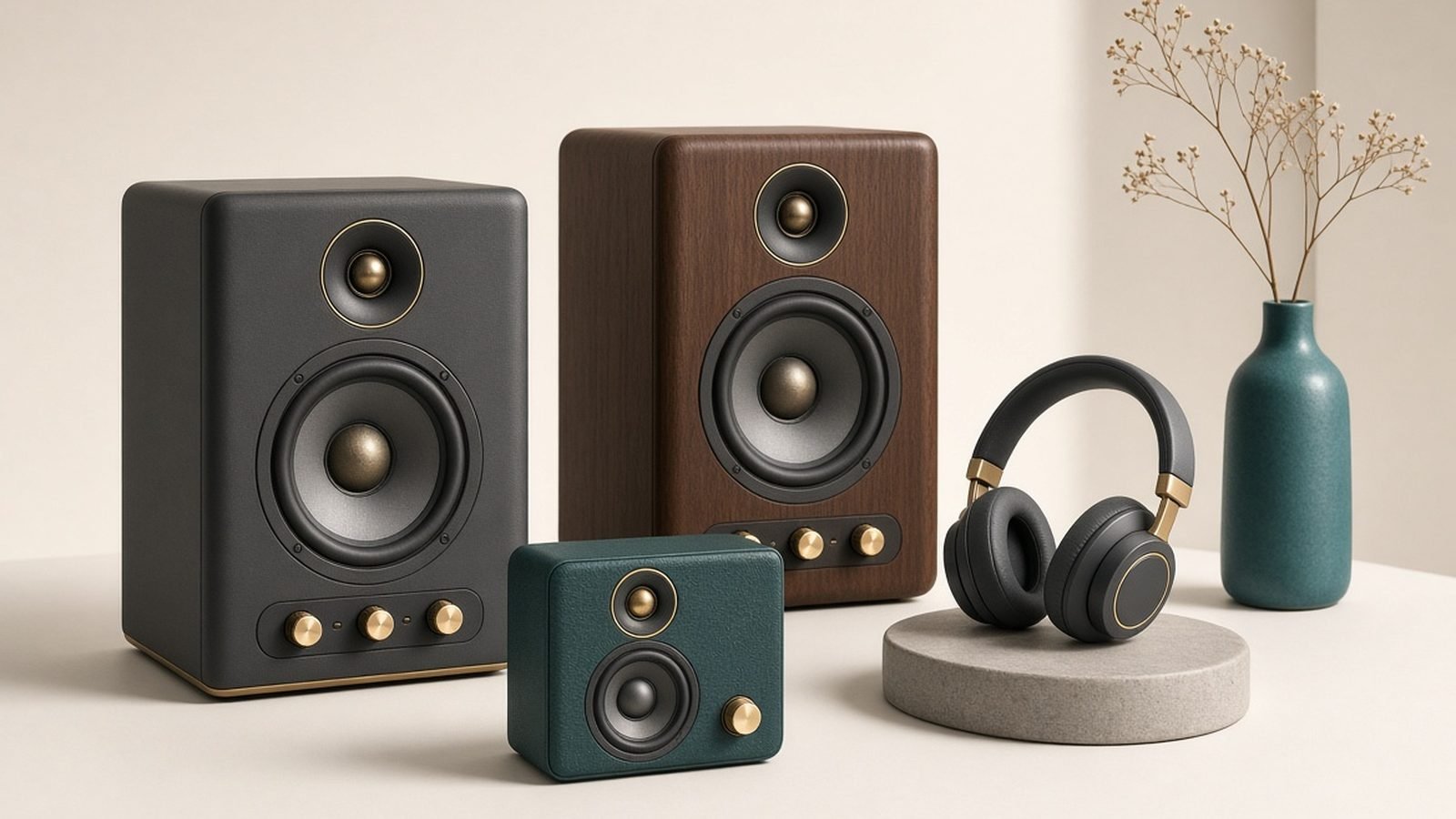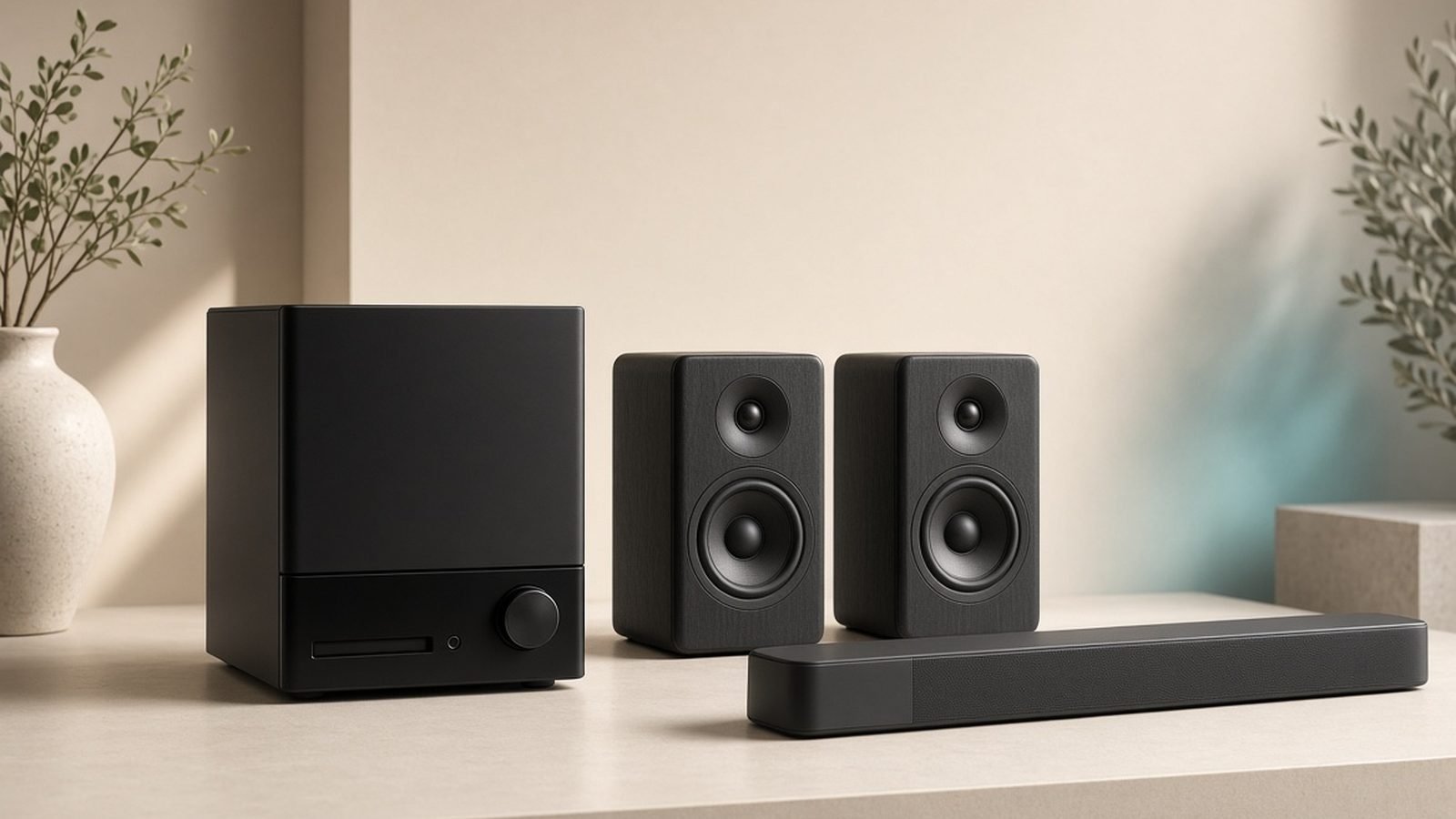
Yamaha is one of the few brands that can put its name on a grand piano, a superbike, and a home-theater receiver — and in audio it’s a genuine heavyweight, not a badge. In 2026 its consumer audio arm remains a top-tier choice for AV receivers, bookshelf speakers, soundbars, and hi-fi components. The short verdict: Yamaha makes clean-sounding, superbly built, feature-rich audio gear with an unusually refined house sound and one of the most reliable reputations in the category — but its MusicCast streaming platform is less slick than Sonos, its receivers use proprietary room correction that trails the best rivals, and its neutral tuning can sound less exciting to buyers who want punchy, bass-forward sound.
If you value clean sound, excellent build quality, and long-term reliability, Yamaha is an easy recommendation. If you want the flashiest app ecosystem or the most aggressive home-cinema sound, cross-shop first.
Company overview
Yamaha Corporation was founded in 1887 in Hamamatsu, Japan, originally making reed organs, and grew into the world’s largest musical-instrument maker. That instrument heritage matters: Yamaha understands sound from the source outward, and its audio division benefits from acoustic expertise most electronics brands simply don’t have.
An important point on ownership and structure: Yamaha Corporation (instruments and audio) and Yamaha Motor (motorcycles, marine engines) are separate, independent companies that share the brand and history but operate distinctly. The audio business sits within Yamaha Corporation, which is publicly listed and independent — it has not been bought and folded into a larger electronics conglomerate the way several audio rivals have. That stability is part of why Yamaha’s product lines evolve steadily rather than lurching between owners.
Yamaha’s reputation in audio is that of a precise, dependable engineer’s brand with a clean, neutral sound. Its AV receivers and speakers are trusted for build quality and longevity, and its instrument pedigree lends real credibility to its tuning philosophy.
What Yamaha makes
Yamaha’s 2026 consumer audio catalog is broad:
- AV receivers — from the entry RX-V line to the premium Aventage (RX-A) series, covering Dolby Atmos, DTS:X, and 8K HDMI, plus flagship separates.
- Bookshelf and tower speakers — the NS series, including the long-running NS-B and NS-600 bookshelf models and floorstanders.
- Soundbars — the SR and True X ranges, including sound-projector models that use beam-steering for virtual surround.
- Hi-fi components — the A-S integrated amplifiers, CD players, and network streamers for two-channel listening.
- Wireless multiroom audio — the MusicCast platform, spanning speakers, receivers, and streaming components.
- Headphones and desktop audio — a smaller selection of personal audio and computer-audio products.
The consistent thread is engineering discipline: Yamaha aims for clean, accurate, well-built products across a wide price range.
Standout Yamaha products in 2026
Yamaha RX-A4A Aventage — around $1,299 / £1,199. The enthusiast Aventage receiver: robustly built with an internal anti-resonance foot, generous HDMI 2.1 connectivity, Atmos and DTS:X, and MusicCast streaming. Its clean, refined sound makes it a favorite for cinema systems and a natural partner for a quality Best Bookshelf Speakers 2026: Hi-Fi for Any Room pairing.
Yamaha RX-V6A — around $749 / £699. The value AV receiver sweet spot: 7.2 channels, 8K HDMI, Atmos, and MusicCast at a mainstream price. It covers what most living-room home cinemas need without the Aventage premium.
Yamaha NS-600 Series bookshelf speakers — around $500 / £449 per pair. Well-reviewed bookshelf speakers with a clean, detailed presentation and Yamaha’s characteristic build quality, a strong choice to anchor a stereo or surround system. They appear regularly in our Best Bookshelf Speakers 2026: Hi-Fi for Any Room discussions.
Yamaha A-S701 integrated amplifier — around $849 / £799. A well-regarded stereo integrated amp with a punchy, clean sound and a built-in phono stage, a popular heart for a two-channel system.
Yamaha True X Bar 50A — around $499 / £449. A Dolby Atmos soundbar with detachable wireless rear speakers and MusicCast integration, aimed at simpler living-room setups that still want surround.
Yamaha WX-021 MusicCast 20 — around $199 / £179. A compact wireless multiroom speaker for whole-home audio within the MusicCast ecosystem.
Strengths
Clean, refined sound. This is the core Yamaha trait. Drawing on its instrument heritage, Yamaha tunes for accuracy and clarity rather than exaggerated bass, which many listeners find more natural and less fatiguing over long sessions.
Outstanding build quality. Yamaha audio gear is known for feeling solid and lasting well. The Aventage receivers in particular are engineered to reduce internal vibration and are among the best-built in their class.
Reliability and stability. Yamaha has one of the strongest reliability reputations in home audio, backed by a stable, independent corporate parent that keeps product lines evolving predictably rather than being disrupted by ownership churn.
Breadth with consistency. From a budget receiver to a high-end integrated amp to bookshelf speakers, Yamaha covers a wide range with dependable quality throughout, letting buyers build a coherent system from one trusted brand.
Weaknesses & criticisms
MusicCast isn’t Sonos. Yamaha’s multiroom streaming platform works, but its app and ecosystem feel less polished and less broadly supported than Sonos. If seamless whole-home streaming is your priority, that gap matters.
Room correction trails the best. Yamaha’s proprietary YPAO room-calibration system is decent but generally considered a step behind the Audyssey implementations on rival receivers, especially for taming difficult rooms.
Neutral tuning can sound “safe.” The same clean, accurate sound that audiophiles praise can feel underwhelming to buyers who want punchy, cinematic bass out of the box. Yamaha rewards good speakers and setup more than it flatters lazy ones.
Dense, overlapping model ranges. Like its rivals, Yamaha ships many similarly named receivers and speakers, and telling the RX-V, RX-A, and various step-up models apart takes real research.
Reliability & support
Yamaha has an excellent reliability reputation across its audio range, particularly for AV receivers and amplifiers, which are known to run dependably for many years. The Aventage receivers’ anti-vibration engineering and generally robust construction contribute to that track record. As with any receiver, adequate ventilation is essential — heat is the main lifespan-shortener — but given airflow, Yamaha units are among the more dependable long-term performers in the category.
Warranty coverage is typically two years in many regions, in line with or slightly ahead of rivals. Firmware support is steady, with updates for HDMI compatibility, streaming services, and MusicCast features arriving over a product’s life, though the app experience remains a weaker point than the hardware. Customer support is generally well regarded, and Yamaha’s corporate stability — as an independent, publicly listed company rather than a division being shopped around — gives added confidence that products will keep being supported.
Who should buy Yamaha
Buy Yamaha if you value clean, accurate sound, excellent build quality, and long-term reliability. It’s the natural pick for home-theater builders who want a well-made receiver with a refined presentation, stereo listeners after a solid integrated amp, and anyone who prefers neutral, non-fatiguing sound to exaggerated bass. Pair an Aventage receiver or A-S amp with quality bookshelf speakers — see our Best Bookshelf Speakers 2026: Hi-Fi for Any Room guide — for a system that will last for years.
Look elsewhere if seamless whole-home streaming is your top priority (Sonos is slicker), if you want the best automatic room correction (some rivals edge Yamaha), or if you crave a punchy, bass-forward sound with no setup effort. In those cases, cross-shop accordingly.
FAQ
Is Yamaha a good audio brand?
Yes. Yamaha is one of the most respected names in home audio, known for clean, refined sound, excellent build quality, and strong reliability across AV receivers, speakers, and hi-fi. Its main weaknesses are a MusicCast streaming platform that trails Sonos and room correction that lags the best rivals.
Is Yamaha audio reliable?
Very. Yamaha’s receivers and amplifiers have a strong track record of lasting many years, helped by robust construction and (on Aventage models) anti-vibration engineering. Given adequate ventilation and backed by a typically two-year warranty, Yamaha is one of the more dependable brands in the category.
Where is Yamaha from and who owns it?
Yamaha Corporation was founded in 1887 in Hamamatsu, Japan, and is the world’s largest musical-instrument maker; its audio division sits within that publicly listed, independent company. Note that Yamaha Motor (motorcycles) is a separate company that shares the brand and history but operates independently.
Is Yamaha or Denon better for a home theater?
Both are excellent. Yamaha leans toward cleaner, more refined sound and superb build quality, while Denon offers a punchier presentation, more features and connectivity per dollar, and stronger Audyssey room correction. Buyers who prioritize accuracy and reliability often pick Yamaha; those who want maximum features and value lean Denon.
What is Yamaha MusicCast?
MusicCast is Yamaha’s wireless multiroom audio platform, built into many of its speakers, receivers, and streamers so you can play music around the home from one app. It works well but is generally considered less polished and less widely supported than Sonos.
Are Yamaha bookshelf speakers good?
Yes. The NS series is known for clean, detailed sound and solid build quality at competitive prices, making them a popular choice to anchor stereo and surround systems. Their neutral tuning pairs well with Yamaha’s own amps and receivers.
Zen Tech Hub may earn a commission from links on this page, at no extra cost to you.