You don’t buy Qualcomm directly — you buy a phone, laptop, or headset with a Qualcomm chip inside — but its Snapdragon silicon shapes how a huge share of premium Android devices and a growing number of Windows laptops perform. In 2026 Snapdragon is the default high-end Android processor and a serious contender in laptops. Verdict: a Snapdragon chip is a strong sign of good performance, efficiency, and connectivity in a phone or laptop, and for most buyers it’s a reassuring name to see on the spec sheet — the caveats are about the wider platform (Windows-on-Arm app compatibility, Qualcomm’s licensing controversies) rather than the silicon itself. As a component brand, Qualcomm is one of the best in the business.
Because Qualcomm sells chips to device makers rather than to you, “should I buy Qualcomm?” really means “should I buy a device built on Snapdragon?” This profile answers that.
Company overview
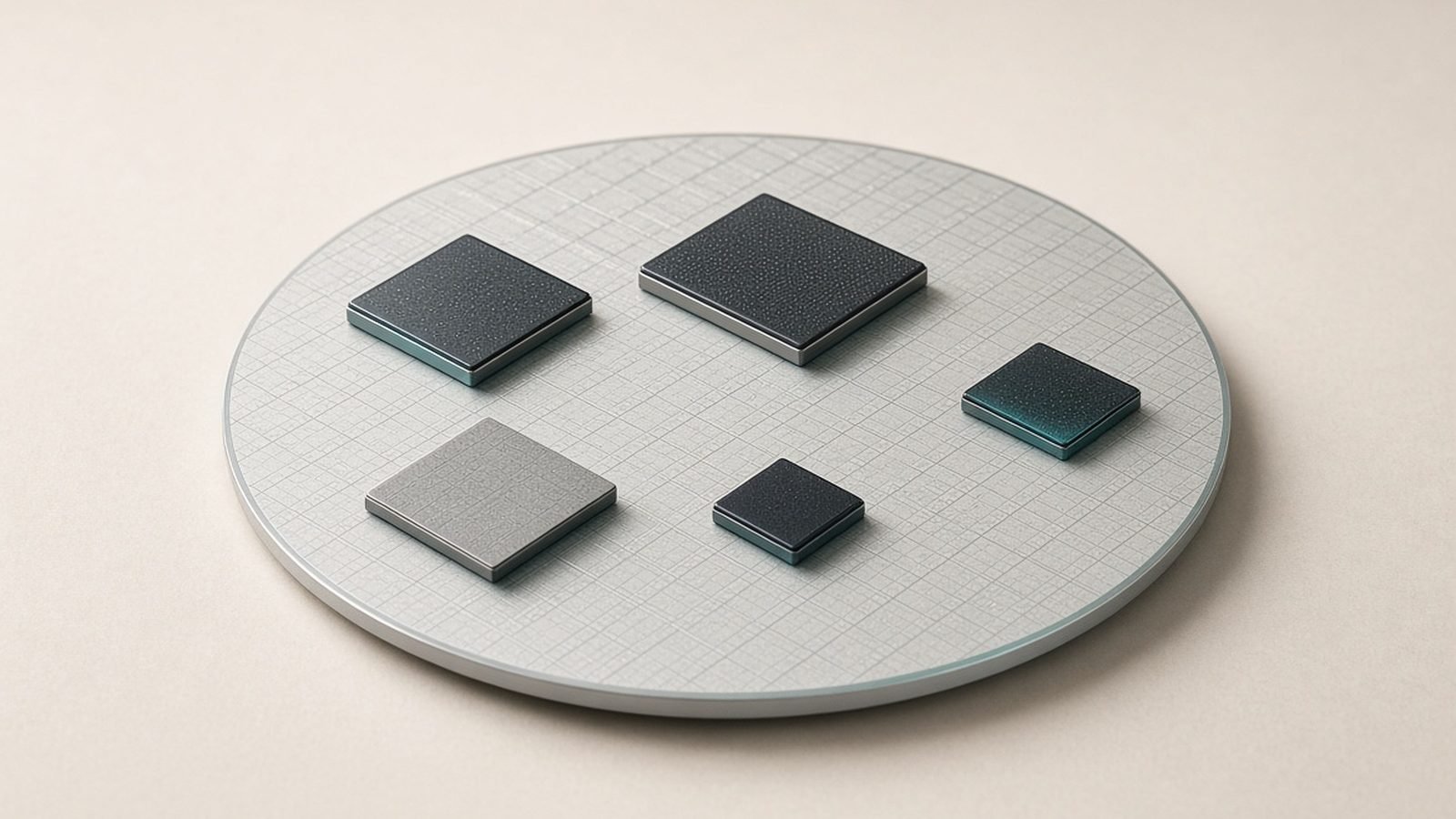
Qualcomm was founded in 1985 and is headquartered in San Diego, California. It’s a publicly traded, fabless semiconductor company — it designs chips and outsources manufacturing to foundries like TSMC and Samsung — and it’s one of the most influential names in mobile technology. Two businesses sit at its core: the chips themselves (branded Snapdragon), and a vast portfolio of wireless patents, especially in cellular standards like 4G and 5G, that Qualcomm licenses to virtually the entire phone industry.
That licensing business is central to understanding the company. Qualcomm earns significant revenue from patent royalties on devices that use cellular connectivity, a model that has drawn regulatory scrutiny and lawsuits over the years (including high-profile disputes with Apple and antitrust cases in multiple regions). For device buyers, though, the day-to-day relevance is the Snapdragon platform: the system-on-chip that combines CPU, GPU, AI accelerator, and modem. Its reputation in plain terms: technically excellent, ubiquitous in premium Android, and increasingly credible in laptops — with a business model that has made it as much a legal-and-licensing story as a chip story.
What Qualcomm makes
Qualcomm’s consumer-relevant products are components, branded and organized as:
- Snapdragon 8 series (flagship mobile): The top-tier phone chips (such as the Snapdragon 8 Elite generation) that power most premium Android flagships.
- Snapdragon 7 / 6 / 4 series (mid-range and budget mobile): Processors for more affordable phones.
- Snapdragon X series (laptops): Arm-based PC chips (Snapdragon X Elite and X Plus) that bring long battery life and strong efficiency to Windows laptops.
- Snapdragon modems (X-series 5G): Cellular modems used across phones and connected devices.
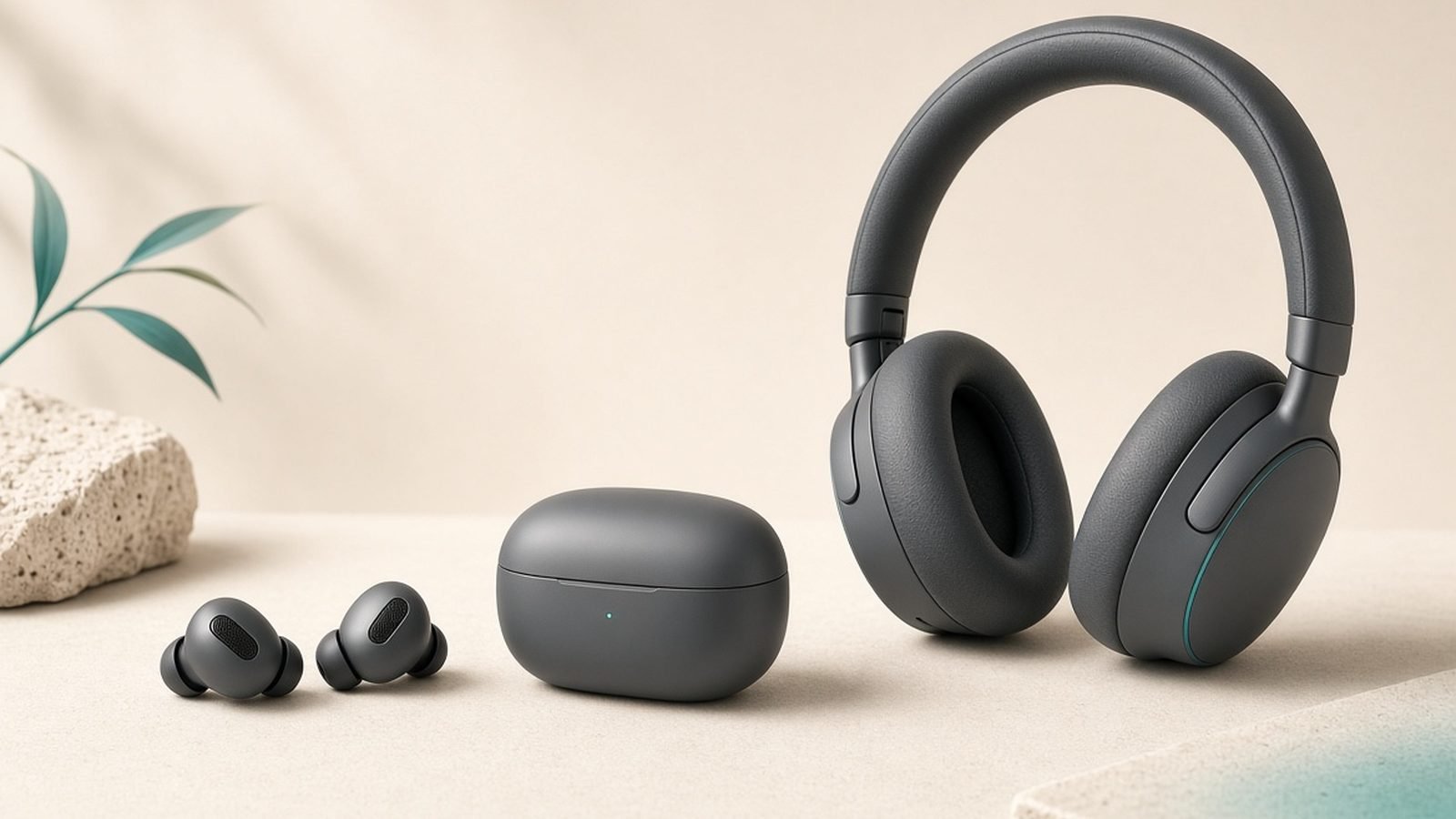
- Snapdragon Sound, FastConnect (Wi-Fi/Bluetooth): Connectivity and audio platforms found in phones, earbuds, and headsets.
- Snapdragon for wearables, XR, and automotive: Chips for smartwatches, VR/AR headsets, and car infotainment/driver-assist systems.
Standout Snapdragon platforms in 2026
Snapdragon 8 Elite (flagship phones). Qualcomm’s top mobile platform powers most premium Android flagships, delivering leading CPU and GPU performance, strong on-device AI, and mature 5G connectivity. When you shop our Best Smartphones 2026: Top Picks for Every Budget and Best Android Phones 2026: Flagship to Budget guides, the high-end non-Samsung, non-Pixel picks are overwhelmingly Snapdragon-powered.
Snapdragon X Elite / X Plus (Windows laptops). Qualcomm’s Arm-based laptop chips brought genuinely all-day battery life and fanless efficiency to Windows, and they’ve reshaped the thin-and-light category. They anchor a growing share of our Best Laptops 2026: Top Picks for Every Need recommendations, especially where battery life is the priority — though buyers should still check app compatibility.
Snapdragon 7 series (mid-range phones). These chips bring much of the flagship experience — good cameras processing, solid gaming, reliable 5G — to more affordable phones, and they’re common in the value picks on our Best Budget Smartphones 2026: Under $400 / £400 shortlist.
Snapdragon for wearables and audio. Qualcomm’s wearable and Snapdragon Sound platforms quietly power many smartwatches and premium wireless earbuds, contributing to features like higher-resolution Bluetooth audio.
Because these are components, the right “purchase” is a well-reviewed device built on the appropriate Snapdragon tier — start from our device guides rather than the chip name alone.
Strengths
Leading mobile performance and efficiency. Snapdragon flagship chips consistently rank at or near the top for Android CPU, GPU, and AI performance, with strong power efficiency.
Best-in-class connectivity. Qualcomm’s modems and Wi-Fi/Bluetooth platforms are an industry benchmark, and its cellular expertise underpins reliable 5G across a huge range of devices.
A credible Arm laptop platform. Snapdragon X chips delivered a real leap in Windows laptop battery life and efficiency, giving the category a genuine alternative to x86.
Ubiquity and ecosystem. Because Snapdragon is in so many devices, software and games are widely optimized for it, and the platform is deeply supported by developers.
Strong on-device AI. Qualcomm has invested heavily in NPUs, enabling on-device AI features in both phones and the “Copilot+” class of Windows laptops.
Weaknesses & criticisms
Windows-on-Arm app compatibility. Snapdragon X laptops run some apps through emulation, and while compatibility has improved, certain pro tools, games, and peripherals still have gaps or performance penalties versus x86.
Licensing controversies. Qualcomm’s patent-royalty model has drawn antitrust cases and major legal disputes over the years, and critics argue it inflates device costs — a reputational and regulatory overhang.
You’re at the device maker’s mercy. The same Snapdragon chip can perform very differently across phones depending on thermal design, so the brand on the chip doesn’t guarantee the experience.
Thermal throttling in thin phones. High-end Snapdragon chips can run hot under sustained load, and slim phones with weak cooling may throttle, reducing sustained gaming performance.
Apple silicon still leads in laptops on peak efficiency. Snapdragon X narrowed the gap impressively, but Apple’s M-series chips generally retain an edge in overall performance-per-watt and app maturity on their platform.
Reliability & support
As a component, Snapdragon silicon is highly reliable — chip-level failures are rare, and the real-world experience depends far more on the device maker’s engineering (cooling, software tuning, and update commitments) than on Qualcomm itself. That’s the key thing to understand: two phones with the same Snapdragon chip can differ significantly in sustained performance and thermals.
Software support is also mostly in the device maker’s hands. On phones, how long you get Android and security updates depends on the manufacturer, not Qualcomm — though Qualcomm has extended the number of OS versions it will support at the chip level, which helps enable longer update windows. On laptops, Windows-on-Arm has matured steadily, with growing native-app support and better emulation, but it’s still worth checking that your must-have apps and peripherals are supported before buying. Qualcomm doesn’t provide consumer warranties or support directly; that comes from whoever built your device. Overall, Snapdragon is a dependable foundation — just research the specific device’s thermal design, update policy, and (for laptops) app compatibility.
Who should buy Qualcomm
Choose a Snapdragon-powered device if you want strong, efficient performance and excellent connectivity: for most premium Android phones outside Apple’s ecosystem, Snapdragon is the default and a reassuring sign of quality. For Windows laptops, Snapdragon X is a great pick if all-day battery life and a cool, quiet, fanless design matter most to you — and your key apps are supported.
Look elsewhere at the platform level if you need guaranteed x86 app compatibility (a traditional Intel or AMD laptop is safer — see Best Laptops 2026: Top Picks for Every Need), or if you’re comparing against Apple’s ecosystem, where Apple silicon still leads on peak efficiency and app maturity. And remember: the device maker’s engineering matters as much as the chip, so anchor your decision on our device guides like Best Smartphones 2026: Top Picks for Every Budget, not the Snapdragon name alone.
FAQ
Is Qualcomm a good brand?
Yes, as a component maker. Qualcomm’s Snapdragon chips are among the best mobile processors available and increasingly strong in laptops, with industry-leading connectivity. You don’t buy Qualcomm directly, so the real question is whether a specific Snapdragon-powered device is well made.
Is Snapdragon reliable?
Very. Chip-level failures are rare, and Snapdragon is a dependable foundation. Real-world reliability and performance depend mostly on the device maker’s cooling, software tuning, and update policy rather than on the chip itself, so research the specific phone or laptop.
Where is Qualcomm from and who owns it?
Qualcomm is an American company founded in 1985 and headquartered in San Diego, California. It’s publicly traded and independent — not owned by a larger group — and operates as a fabless chip designer plus a major wireless-patent licensor.
Is Qualcomm Snapdragon better than MediaTek?
At the very top end, Snapdragon flagship chips generally lead on peak performance, GPU, and connectivity, and dominate premium Android. MediaTek is highly competitive in the mid-range and budget tiers and now has strong flagship chips too. See our Best Smartphones 2026: Top Picks for Every Budget guide for how specific devices compare.
Are Snapdragon X laptops worth buying?
They’re excellent for battery life, efficiency, and quiet fanless designs, and app compatibility has improved a lot. They’re worth it if your important apps run well on Windows-on-Arm; if you rely on niche pro software, older peripherals, or heavy gaming, a traditional x86 laptop may be safer.
What is the Snapdragon 8 Elite?
It’s Qualcomm’s flagship mobile platform generation, the top-tier system-on-chip that powers most premium Android phones. It combines a high-performance CPU, GPU, AI accelerator, and 5G modem, and is what you’ll find in the high end of our Best Android Phones 2026: Flagship to Budget picks.
Zen Tech Hub may earn a commission from links on this page, at no extra cost to you.