If you want the quietest over-ear headphones you can buy in 2026, this Bose QuietComfort Ultra 2 review lands on a clear answer: yes, Bose still owns noise cancelling, and the Ultra 2 pushes its lead a little further. At around $449 / £449, it’s expensive — but based on published specs, Bose’s documentation and aggregated owner feedback, nothing on the market hushes a plane cabin or an open-plan office quite as completely. The headline upgrade this generation is longer battery life with the ANC dialled to maximum, plus refined Immersive Audio spatial processing.
The catch is that Sony’s WH-1000XM6 is right there for similar money, sounds a touch more exciting out of the box, and has a smarter app. So the honest verdict: buy the Bose if silence and all-day comfort are your top priorities; buy the Sony if you care more about sound customization and features. Here’s the full breakdown.
Bose QuietComfort Ultra 2 at a Glance
Around $449 / £449 · Up to ~30 hrs battery (ANC on) · Bluetooth 5.4 · aptX Adaptive · USB-C lossless audio · CustomTune ANC · Immersive Audio
Pros:
- Best-in-class active noise cancelling, especially on low-frequency rumble
- Exceptional long-session comfort — light clamp, plush pads
- Natural, balanced default tuning that’s easy to listen to for hours
- Genuinely useful Immersive Audio spatial mode
- Strong wired and wireless call clarity
Cons:
- Expensive, and rarely discounted early in its life
- Sony’s app offers more EQ and feature depth
- No LDAC (aptX Adaptive instead) — a note for hi-res Android fans
- Folding design is bulkier in the case than some rivals
Design, Build and Comfort
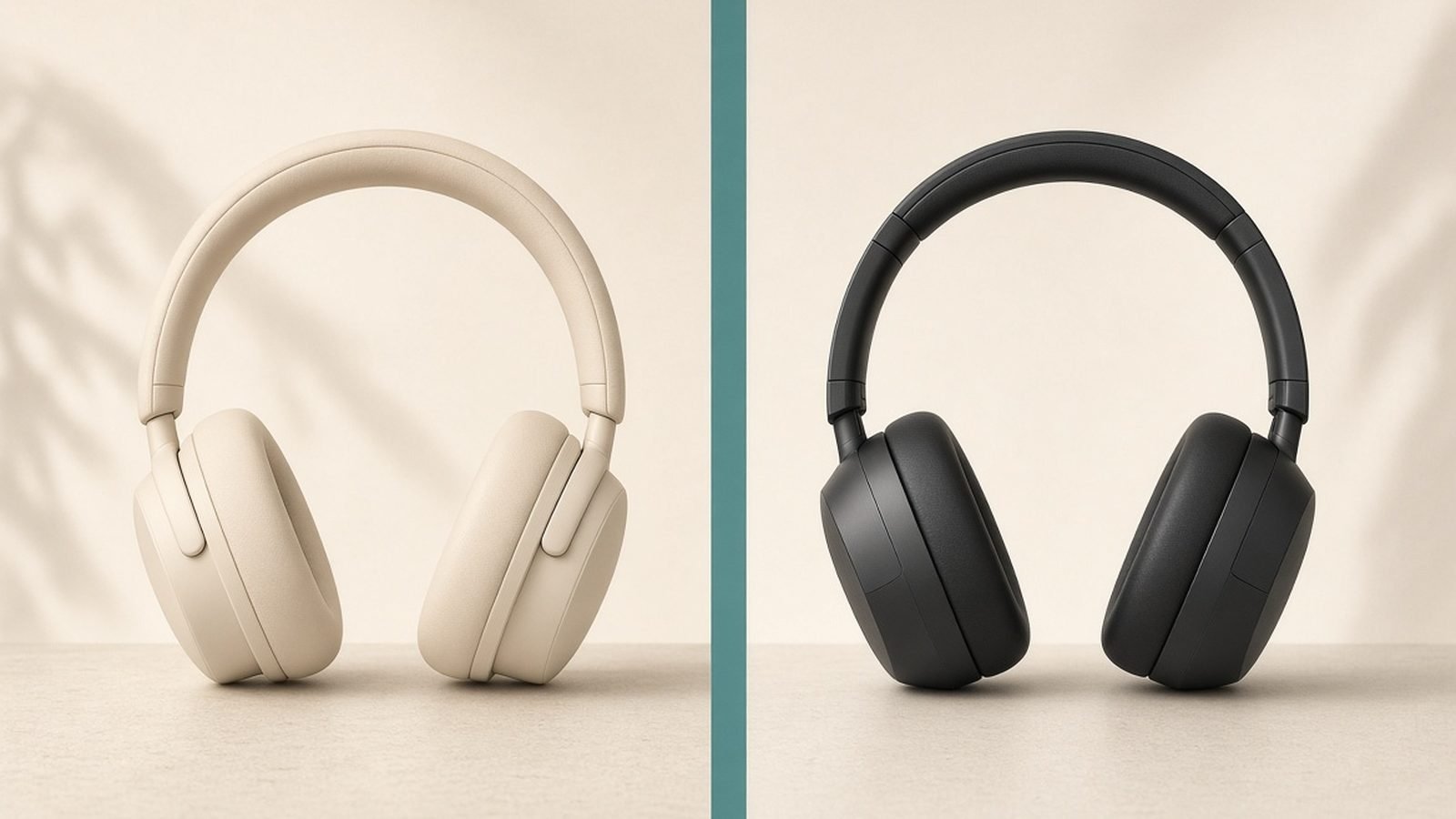
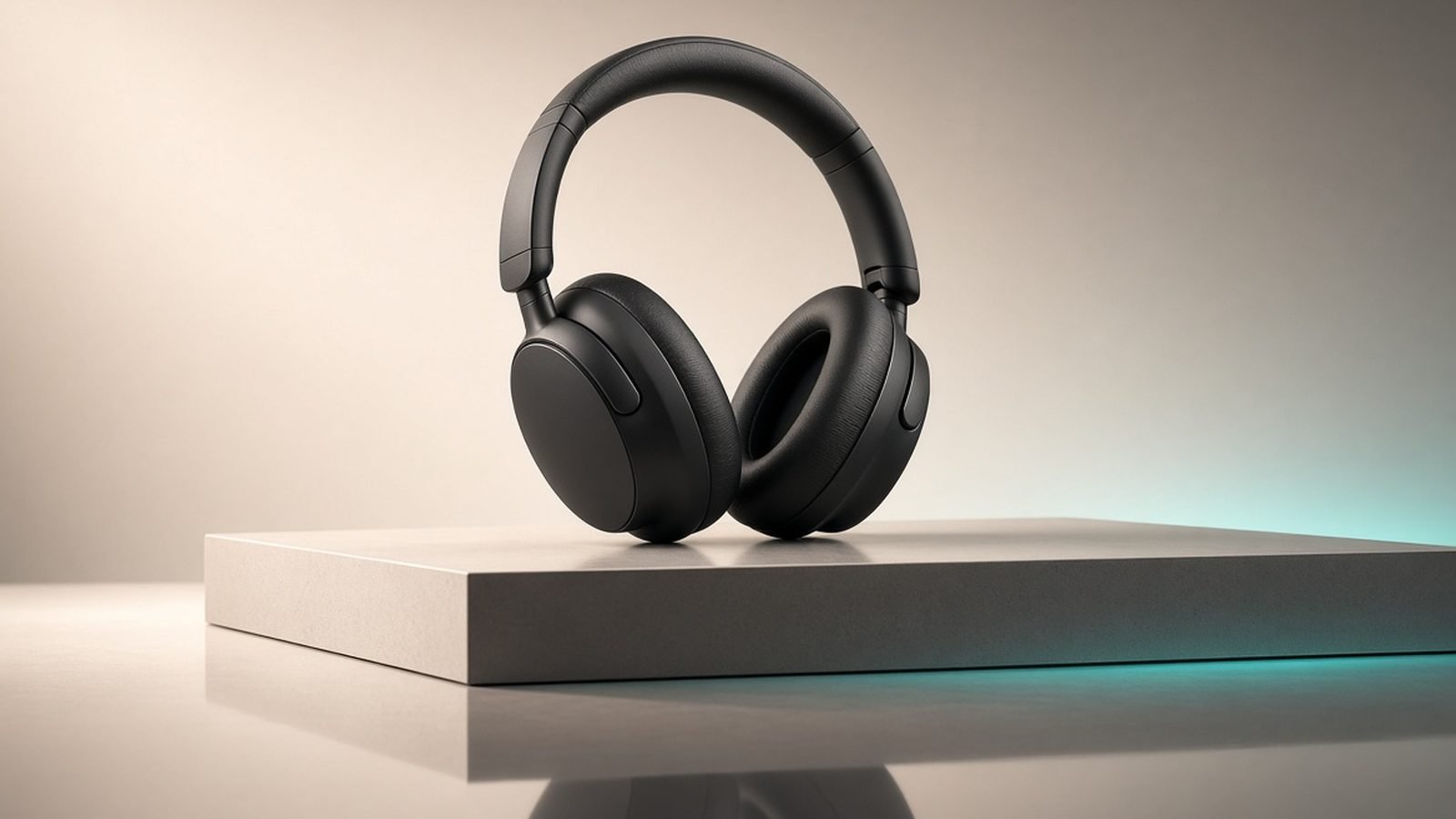
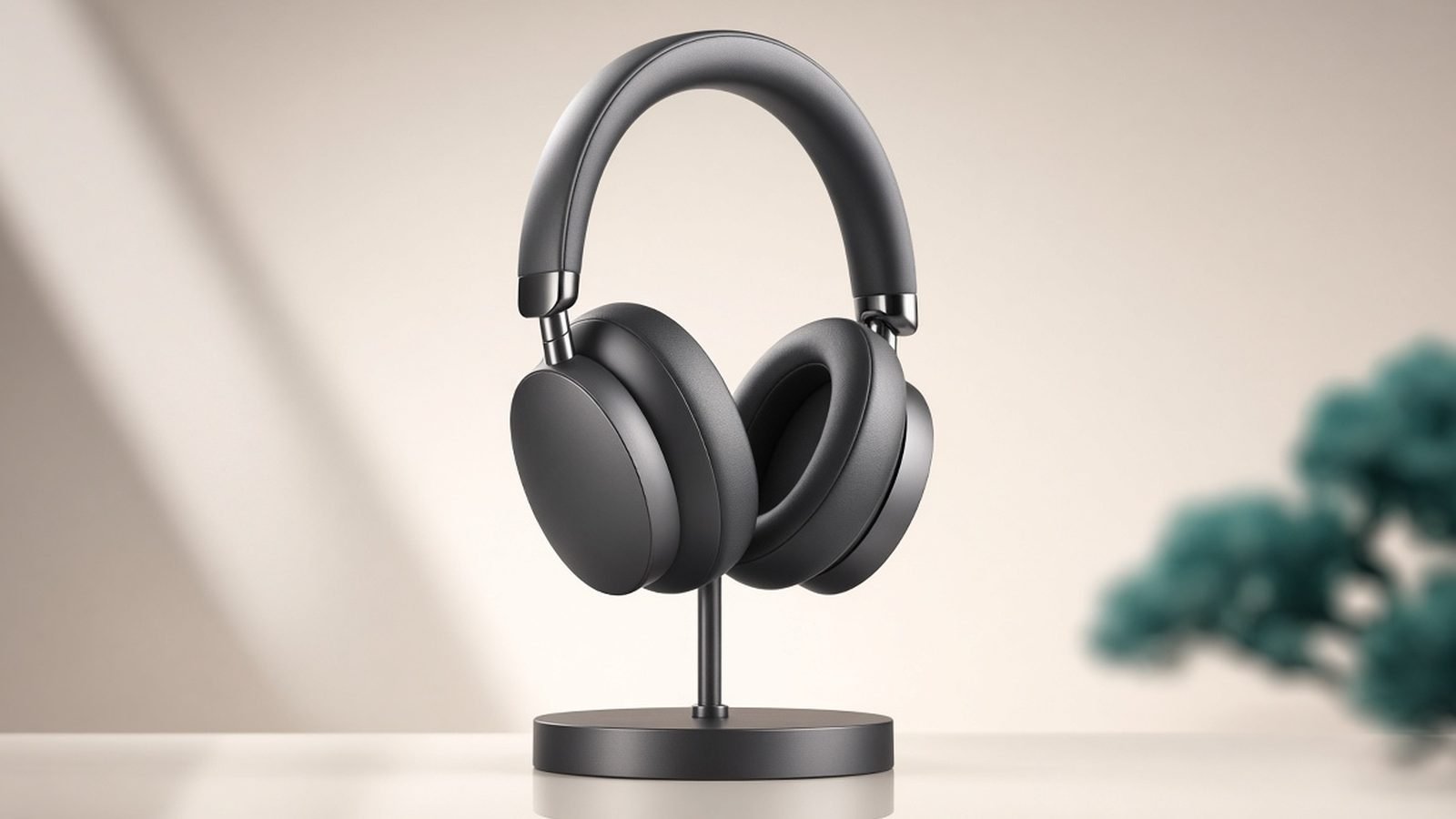
Bose has never chased flashy industrial design, and the Ultra 2 continues that quiet-luxury approach: soft-touch plastics, a slim metal headband slider, and pads that feel like they were engineered by people who wear headphones for ten-hour flights. That’s the point. Comfort is the reason a lot of frequent travelers stay loyal to Bose even when rivals catch up on sound.
The clamping force is gentle without feeling loose, the earcups swivel to sit flat, and the memory-foam pads distribute pressure evenly around the ear rather than on it. Across aggregated owner reports, the recurring theme is the same one Bose has earned for years — you forget you’re wearing them. If you wear glasses or have a larger head, this matters more than any spec on the box.
Controls mix a physical multi-function button with a capacitive volume strip on the right cup. It works reliably, though the touch strip has a small learning curve. Build quality feels appropriately premium for the price, and the folding hinges make the travel case more compact than Sony’s fold-flat-only design, even if the case itself is chunky.
One practical note from owner feedback: the pads are replaceable, which extends the usable life of a $449 / £449 pair considerably. Treat that as part of the value story.
Noise Cancelling: Still the One to Beat
This is where the Ultra 2 earns its name. Bose’s CustomTune system measures your ear canal each time you put the headphones on and tailors the noise-cancelling and audio calibration to your ears. The real-world result, consistent across professional impressions and owner reports, is a class-leading wall of silence — particularly on the low-frequency drone that dominates planes, trains and HVAC systems.
Against the Sony WH-1000XM6, the two are genuinely close, and either will astonish someone coming from older or cheaper headphones. But in the low-frequency band — engine rumble, bus diesel, air-conditioning hum — Bose still tends to edge ahead, cancelling more of the energy your body actually feels. Sony narrows the gap on midrange chatter and does clever things with wind, but for pure “make the world disappear,” the Ultra 2 remains the reference.
Aware (transparency) mode is natural and un-hissy, and there’s an adjustable range of ANC levels plus a wind-resistant setting. If your buying decision hinges purely on silence, this is the product. For a broader look at the category and cheaper alternatives, see our roundup of the Best Noise Cancelling Headphones Under $200 in 2026.
Sound Quality
Out of the box, the Ultra 2 is tuned to be balanced and natural rather than thrilling. Vocals sit forward and clear, the midrange is honest, and the bass is present and controlled without the exaggerated thump some rivals lean on. It’s a tuning you can listen to all day without fatigue — which suits the target buyer perfectly.
That restraint is also the main knock. Straight from the box, Sony’s WH-1000XM6 sounds a little more energetic and detailed to many listeners, and the Bose app gives you less room to reshape the sound (a basic EQ rather than Sony’s deeper controls). If you like to tune your headphones aggressively, that’s a real consideration.
Immersive Audio — Bose’s spatial mode — is one of the better implementations around. It widens the soundstage and can lock the audio to a fixed point in space via head tracking, and unlike some spatial gimmicks it works with any content, not just specially mastered tracks. It costs some battery and isn’t for everyone, but it’s genuinely pleasant for films and live recordings. Wired USB-C playback now supports lossless audio, a welcome addition for desk listening.
Battery, Codecs and Features
Battery life is the meaningful generational improvement: Bose rates the Ultra 2 for roughly 30 hours with ANC on (dropping when Immersive Audio is active), up from the previous generation. That’s competitive with Sony and comfortably covers a week of commutes or a long-haul round trip. A quick charge delivers several hours from a short top-up.
Connectivity is Bluetooth 5.4 with multipoint, so you can stay connected to a laptop and a phone at once and switch seamlessly. Codec support centers on aptX Adaptive alongside SBC and AAC — great for compatible Android and Snapdragon Sound devices, but note there’s no LDAC here, which hi-res-obsessed Android users sometimes want. For most people streaming from Spotify, Apple Music or YouTube, this is a non-issue; if codecs are new to you, our explainer on Bluetooth Codecs Explained: AAC vs aptX vs LDAC vs LC3 is worth a read.
Call quality is strong on both ends, using a beam-forming mic array that isolates your voice well in noisy places. The Bose app handles firmware, ANC levels, EQ and Immersive settings cleanly, even if it’s less feature-packed than Sony’s.
Value and Alternatives
At $449 / £449, the Ultra 2 asks a premium, and it rarely discounts in the first months. Whether it’s worth it depends on how much you value the two things Bose does best: silence and comfort. Frequent flyers, open-office workers and anyone sensitive to low-frequency noise will feel the money. Casual listeners who want the best all-round sound-per-dollar may not.
The obvious rival is Sony. We compare them in depth here: Sony WH-1000XM6 vs Bose QuietComfort Ultra 2: ANC Showdown. In short, Sony wins on features, app depth and out-of-box excitement; Bose wins on raw ANC and comfort. If you prefer earbuds, the flagship in-ear alternative is Sony’s, covered in our Sony WF-1000XM6 Review: The New Earbuds King? (2026) — and budget-minded readers should look at the Best Wireless Earbuds Under $100 (£80) in 2026: Ranked before spending flagship money.
Verdict: The ANC King, With Caveats
The Bose QuietComfort Ultra 2 is the best noise-cancelling headphone you can buy in 2026 — provided silence and comfort top your list. It cancels more low-end noise than anything else, stays comfortable for entire flights, and sounds natural and unfatiguing. The reasons to pause are the price and the fact that Sony’s WH-1000XM6 matches it closely while offering a richer app and a slightly more exciting sound.
Buy the Bose if you’re a frequent traveler, a noise-sensitive commuter, or someone who wears headphones for hours and wants to forget they’re there. Choose Sony if feature depth and sound-tuning flexibility matter more than the last few percent of silence.
FAQ
Is the Bose QuietComfort Ultra 2 worth it?
For the right buyer, yes. If you fly often, work in a noisy space, or wear headphones for hours at a time, the class-leading noise cancelling and all-day comfort justify the around $449 / £449 price. Casual listeners who mainly want great sound-per-dollar may be better served by cheaper models in our best noise-cancelling roundup.
Bose QuietComfort Ultra 2 vs Sony WH-1000XM6 — which is better?
They’re close. Bose leads on raw low-frequency noise cancelling and long-session comfort; Sony leads on app depth, EQ customization, feature breadth and a slightly more exciting default sound. Pick Bose for silence and comfort, Sony for flexibility and features. Our full head-to-head covers every difference.
How long does the Bose QuietComfort Ultra 2 battery last?
Bose rates it at roughly 30 hours with active noise cancelling on, which covers about a week of commuting or a long-haul round trip. Using Immersive Audio reduces that figure, and a short quick-charge adds several hours of playback for last-minute departures.
Does the Bose QuietComfort Ultra 2 support hi-res audio?
It supports aptX Adaptive alongside SBC and AAC, plus lossless playback over a wired USB-C connection. There’s no LDAC, so hi-res Android users who specifically want that codec should note the difference — though for most streaming services the supported codecs sound excellent.
Are the Bose QuietComfort Ultra 2 good for phone calls?
Yes. A beam-forming microphone array isolates your voice well even in noisy environments, and both aggregated owner feedback and published specs point to clear, natural call quality on both ends. It’s one of the better over-ear headphones for regular calls and video meetings.
Can you replace the ear pads on the QuietComfort Ultra 2?
Yes, the memory-foam ear pads are replaceable, which meaningfully extends the usable life of the headphones. Given the premium price, being able to swap worn pads rather than replacing the whole unit is a genuine part of the long-term value.
Zen Tech Hub may earn a commission from links on this page, at no extra cost to you.