Bose tunes for ease rather than analysis. Its products are engineered to sound full and easy to listen to straight out of the box, with no equalizer work required, and the company that popularized consumer noise cancellation still sells calm and quiet as much as it sells hardware. That is why, in 2026, it remains one of the two or three names at the top of any serious noise-cancelling shortlist, alongside Sony and Apple. What you give up is the last drop of audiophile detail, deep customization and the lowest price, and the companion app lags what rivals offer.
If you fly often, work in a loud office, or simply want to press a button and make the world go quiet, Bose is an easy recommendation. If you want deep customization, lossless codecs, or the lowest price, look harder before you commit.
Company overview
Bose Corporation was founded in 1964 by MIT professor Amar Bose and is headquartered in Framingham, Massachusetts. For most of its history it was privately held and unusually secretive about its financials, funneling profits back into acoustic research rather than shareholders. After Amar Bose’s death in 2013, a majority of the company’s shares were donated to MIT.
Bose built its reputation on two things: psychoacoustic research and aggressive marketing. It popularized consumer noise cancellation, helped normalize the idea that small speakers could produce big sound, and made “premium audio” a mainstream aspiration rather than an audiophile niche. That heritage still defines the brand in 2026 — Bose sells a feeling of calm and quiet as much as it sells hardware.
The company competes primarily in personal audio (headphones and earbuds) and home audio (soundbars, portable and smart speakers), and it maintains a separate professional and automotive audio business that supplies sound systems to carmakers.
What Bose makes
Bose’s consumer lineup in 2026 breaks down into a few clear categories:
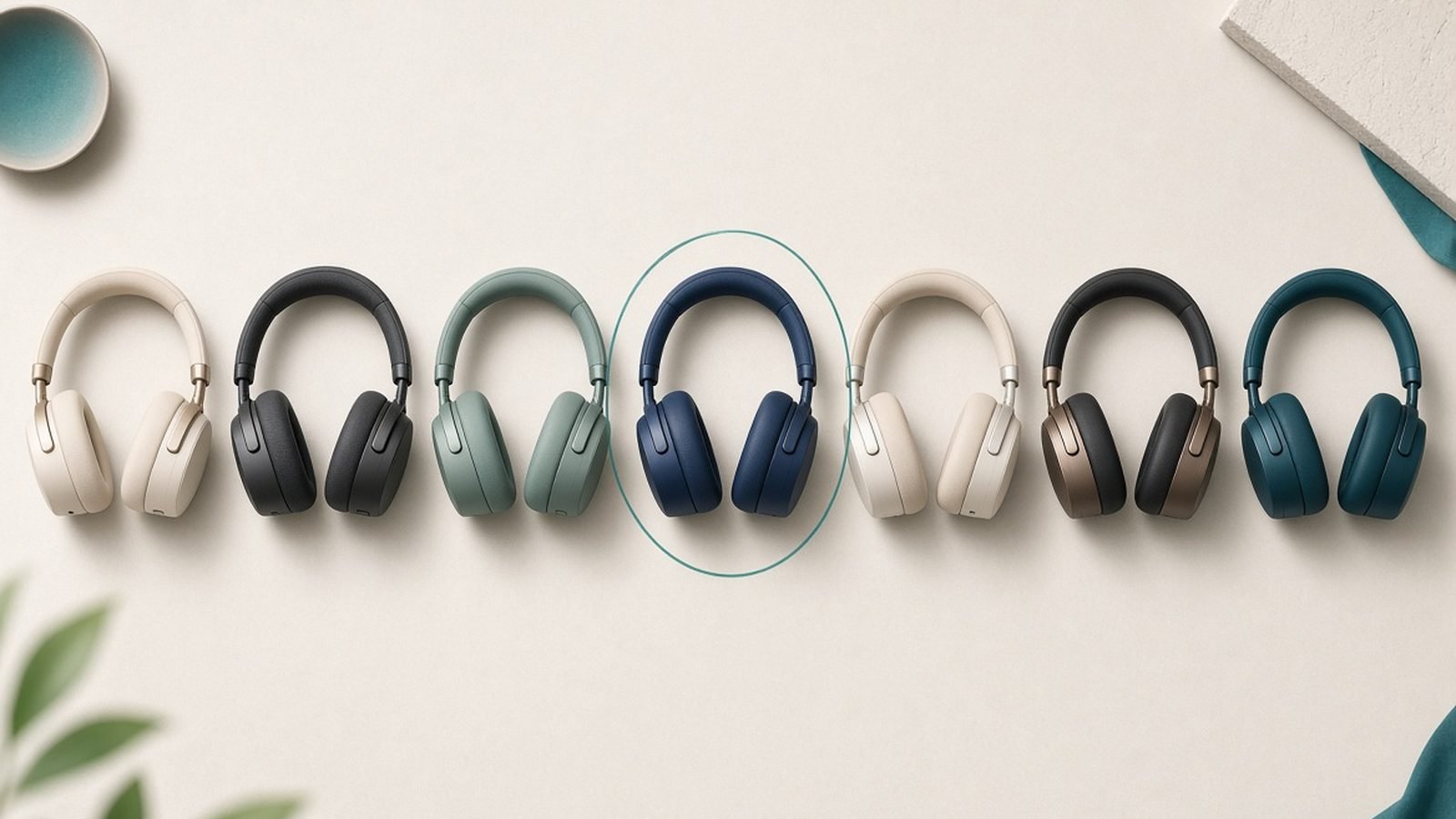
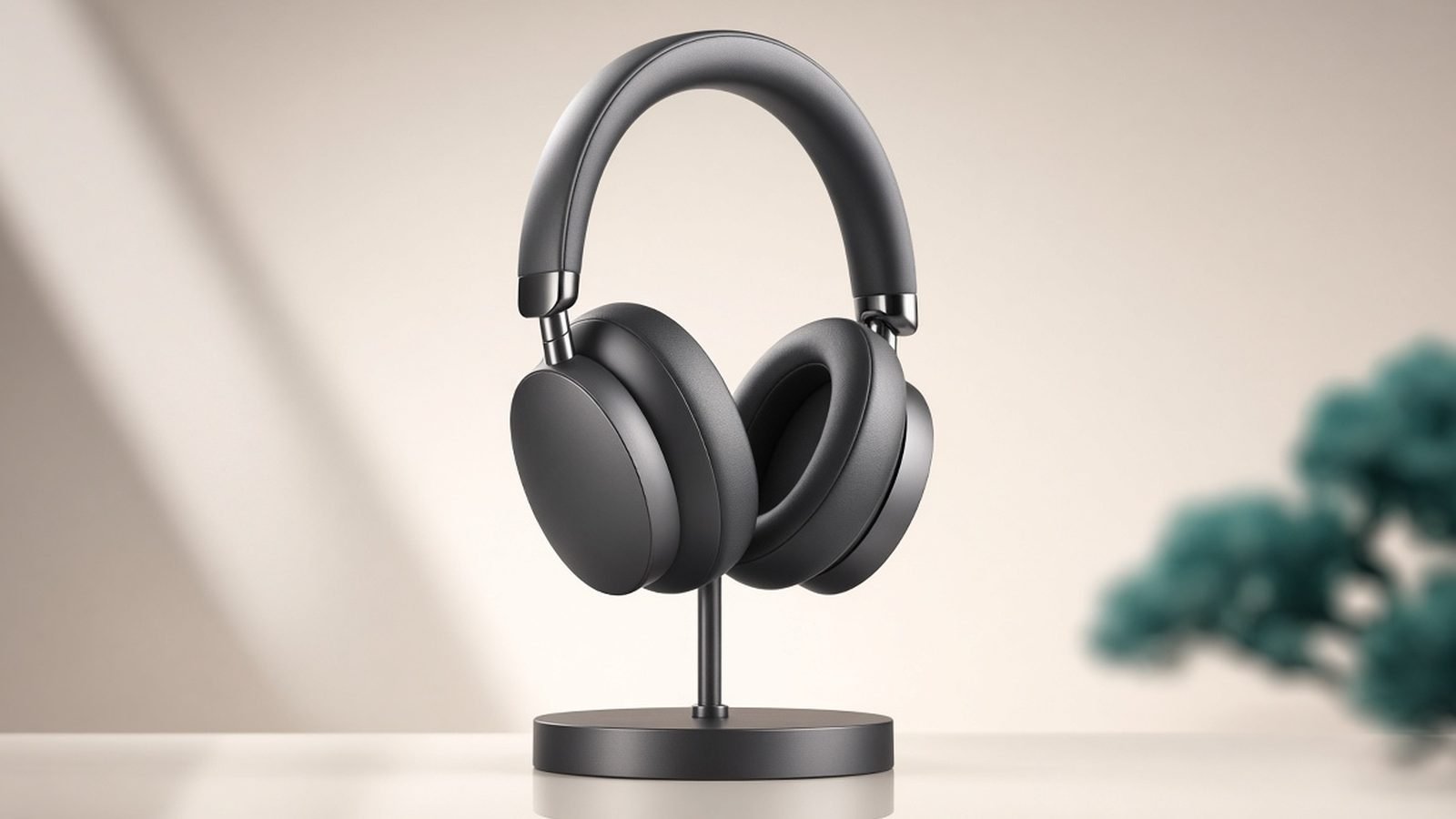
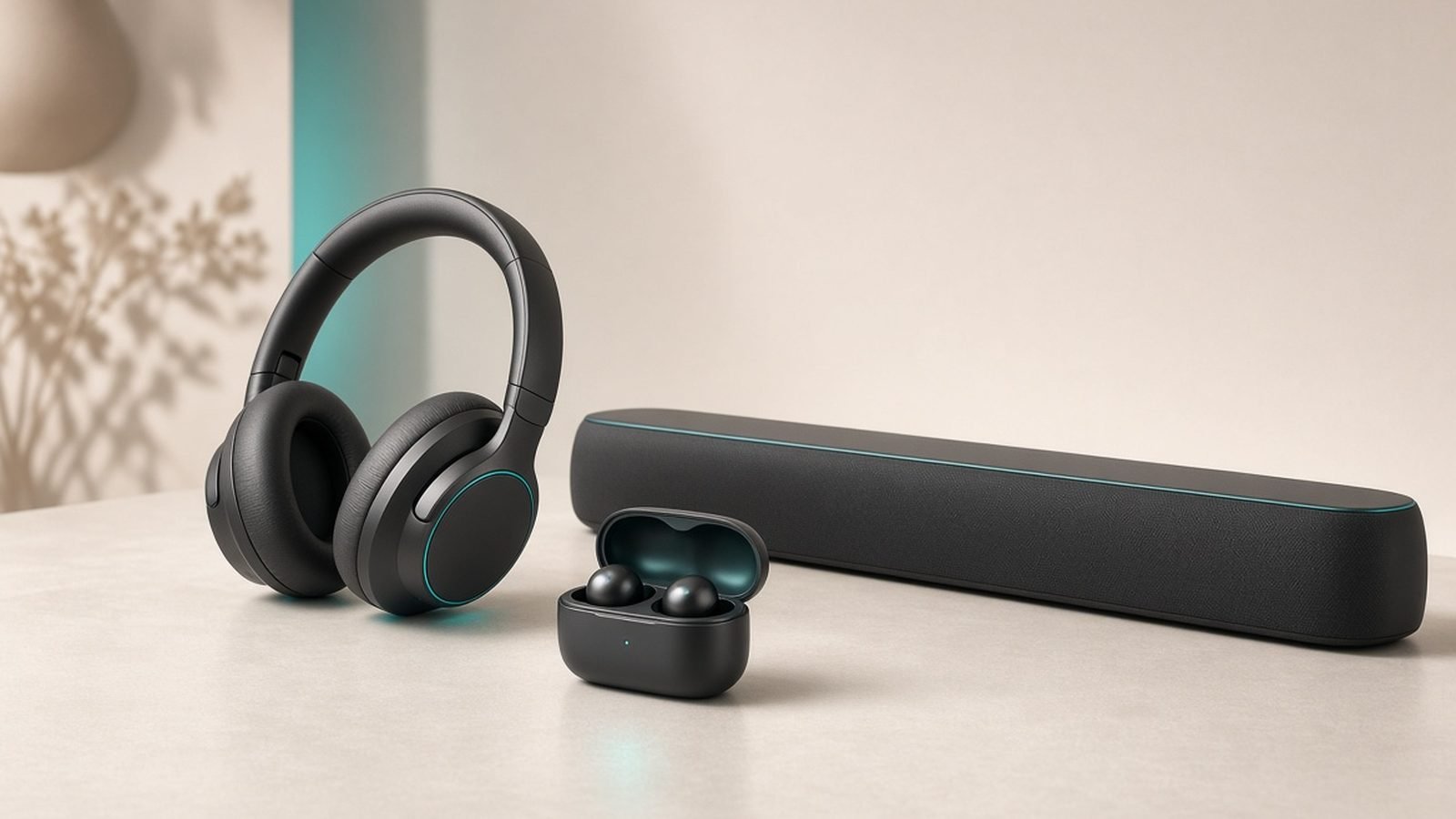
- Over-ear headphones — the QuietComfort family, led by the flagship QuietComfort Ultra Headphones, with the standard QuietComfort Headphones sitting below.
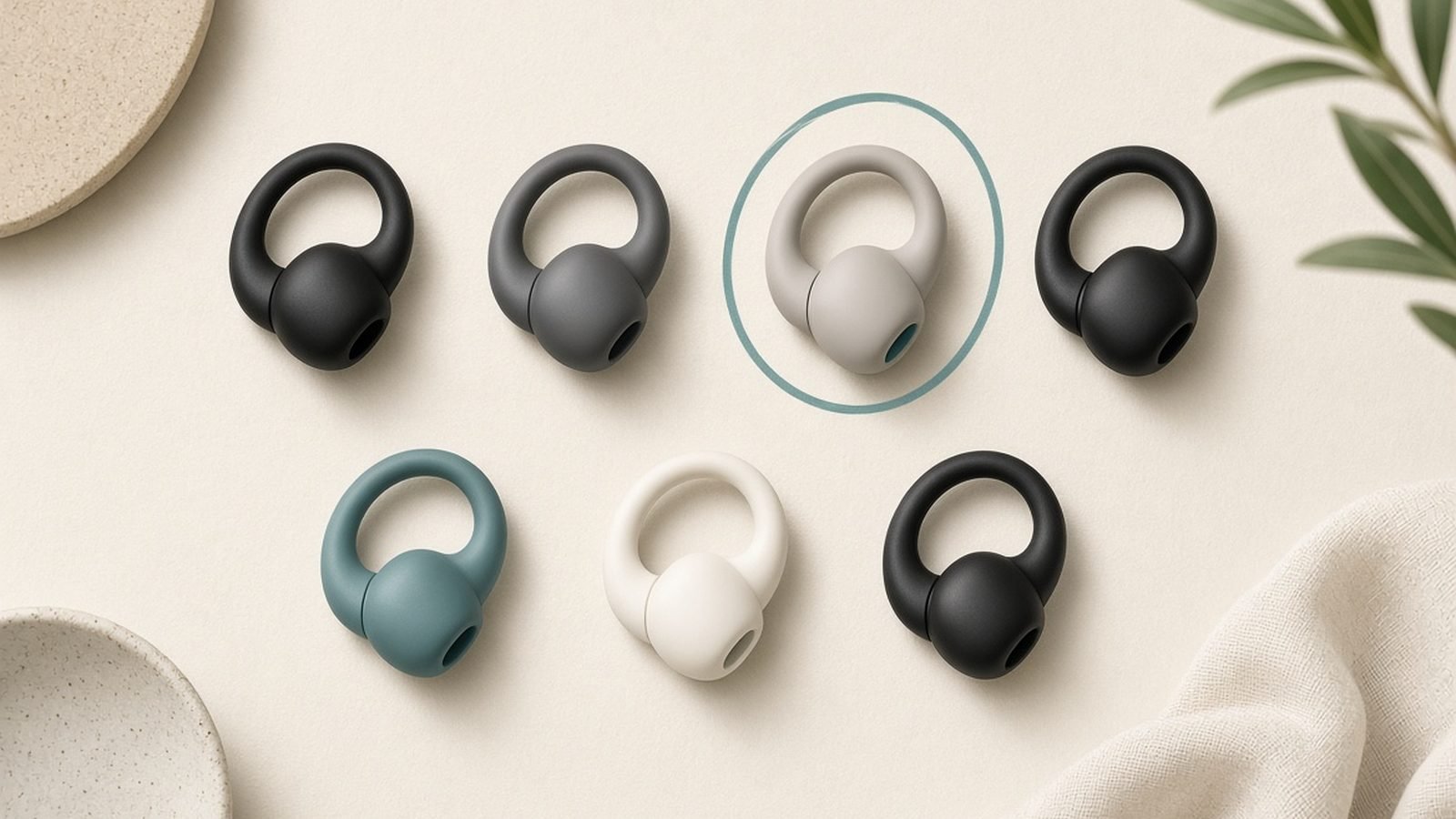
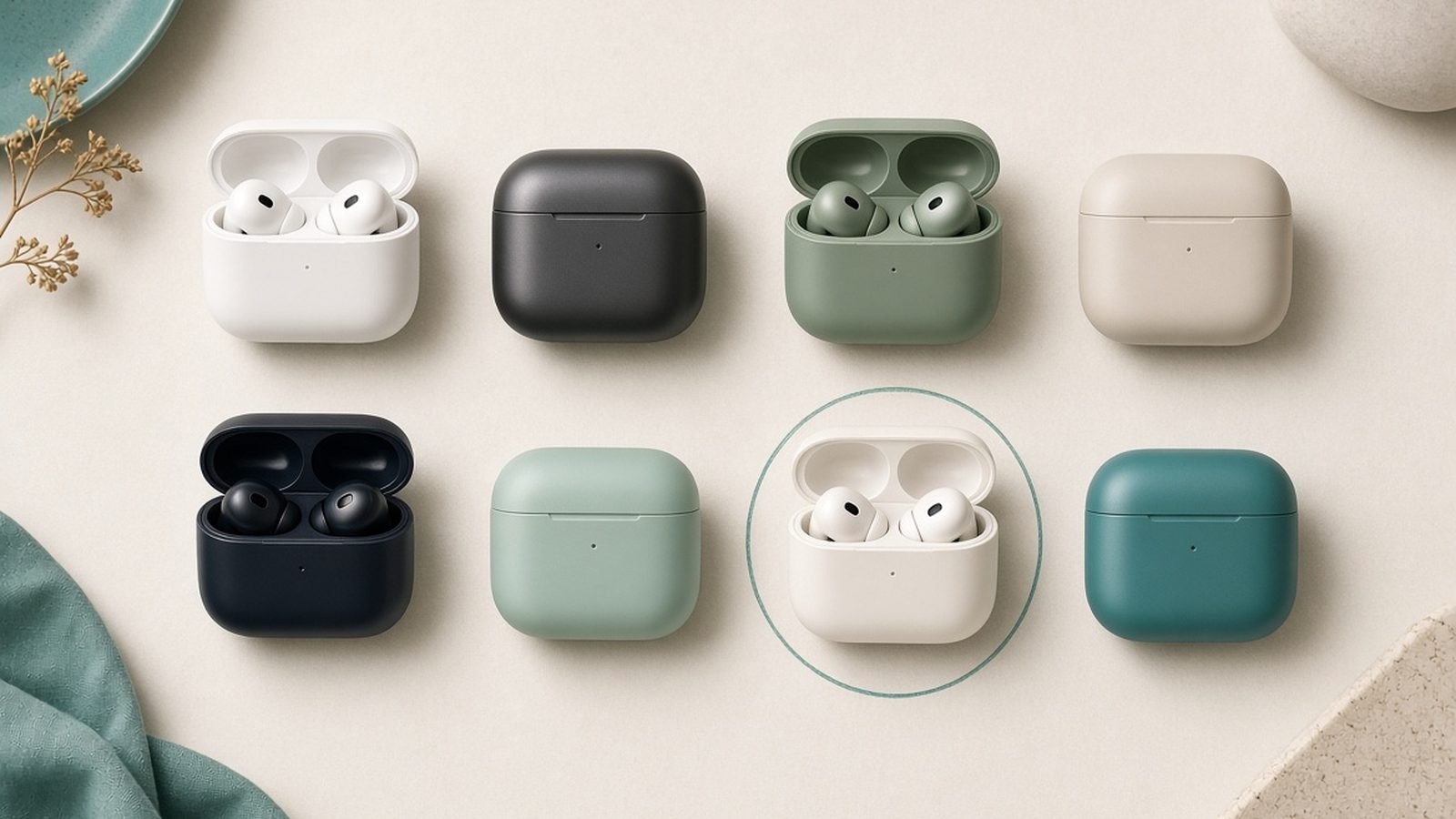
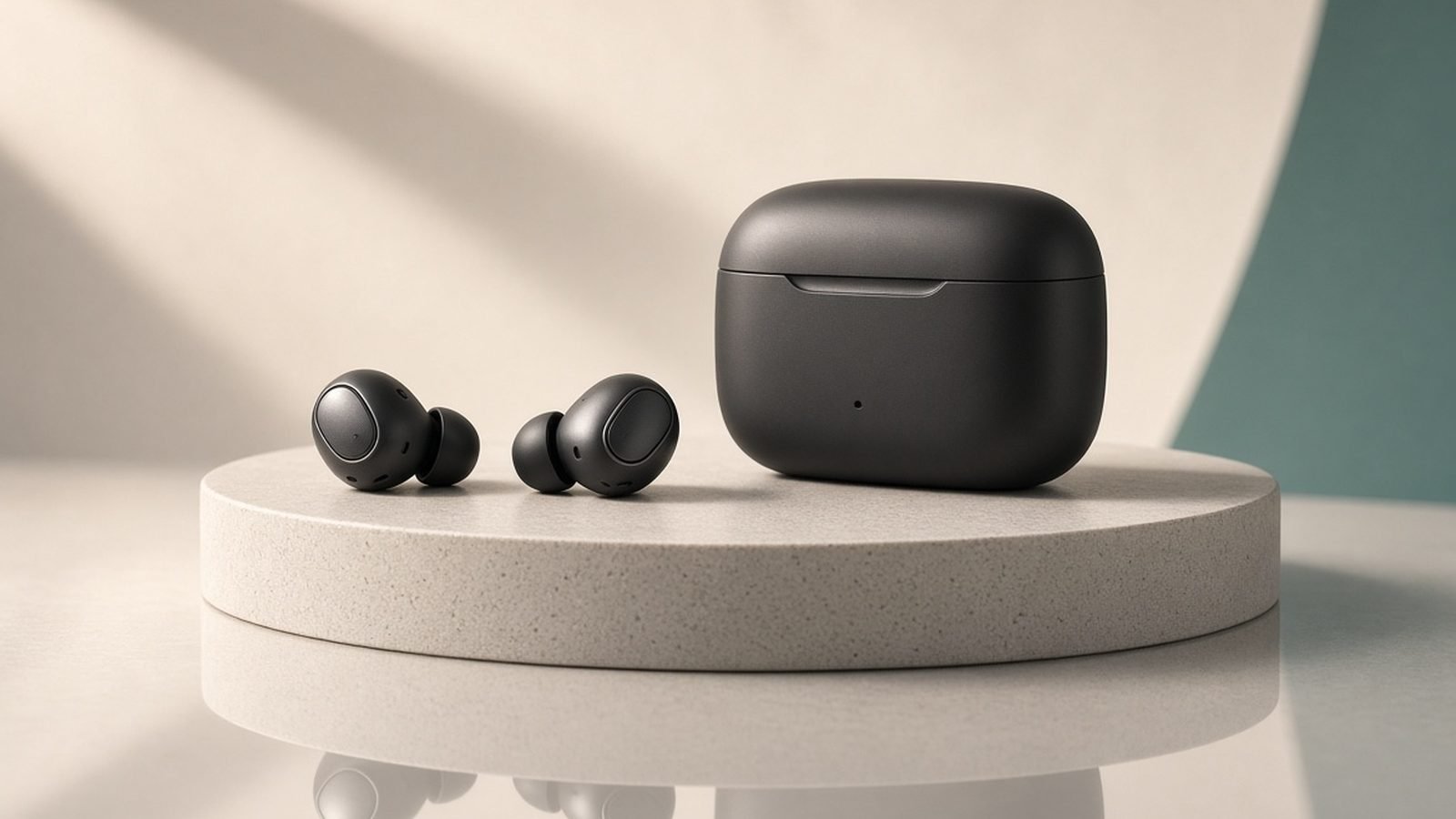
- Wireless earbuds — the QuietComfort Ultra Earbuds and the more affordable QuietComfort Earbuds, plus the open-ear Ultra Open Earbuds for people who dislike in-ear tips.
- Soundbars and home theater — the Smart Soundbar and Soundbar Ultra, paired with optional wireless Bass Module subwoofers and Surround Speakers for a modular home-cinema setup.
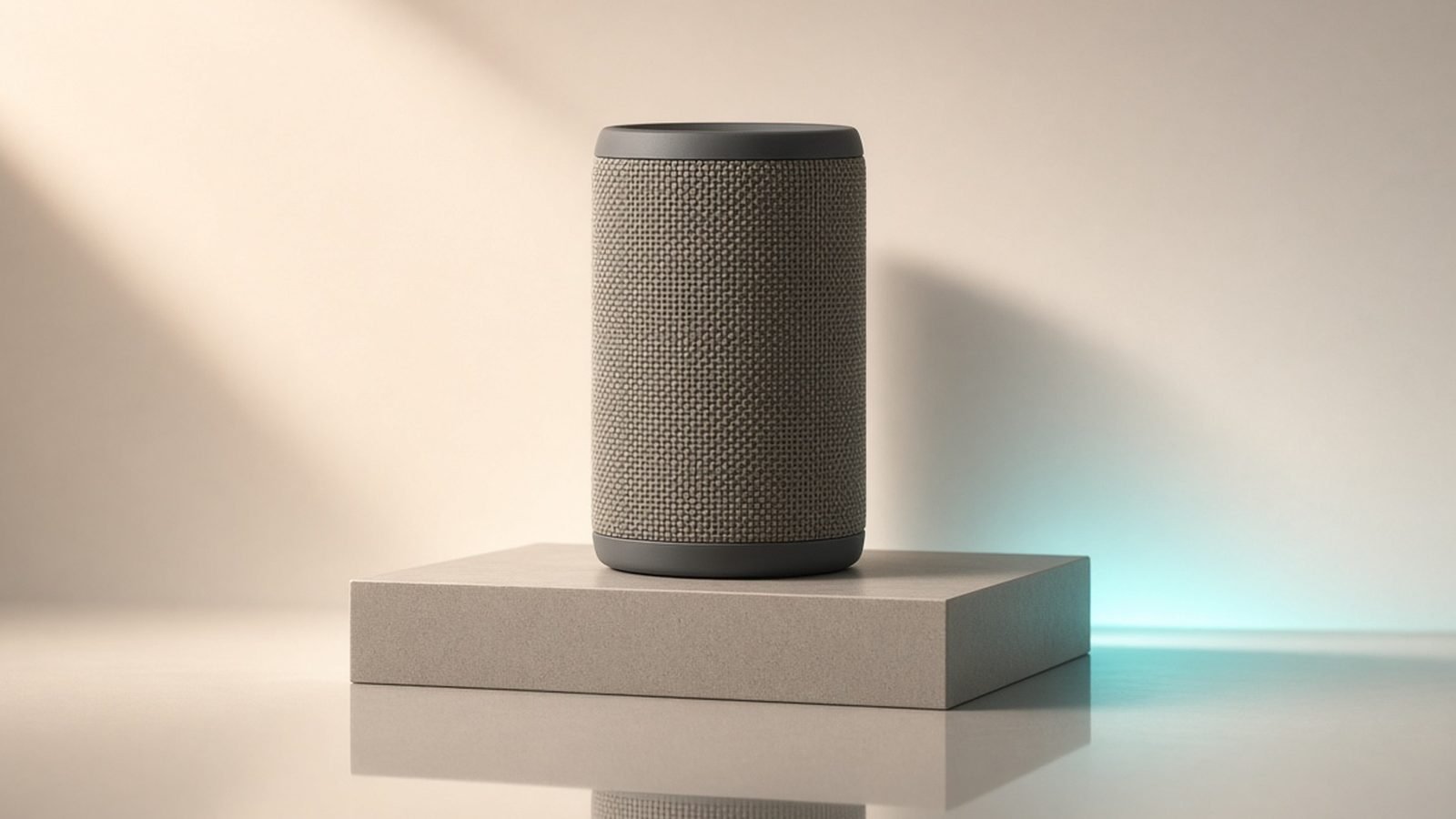
- Portable and smart speakers — the SoundLink line of Bluetooth speakers and the Home Speaker range with Alexa and Google Assistant built in.
- Sport and open audio — sport earbuds and open-ear designs aimed at runners and cyclists who want situational awareness.
Across all of these, the through-line is noise management and tuning: Bose engineers its products to sound full and “easy to listen to” straight out of the box, without demanding that you fiddle with an equalizer.
Standout products in 2026
QuietComfort Ultra Headphones (2nd-gen) — around $429 / £399. These are Bose’s flagship and, for many buyers, the reason to consider the brand at all. Class-leading active noise cancellation, plush comfort for long-haul flights, and the Immersive Audio spatial mode make them a default recommendation on our Best Headphones 2026: Over-Ear Picks for Every Budget and Best Noise Cancelling Headphones Under $200 in 2026 guides. The trade-off is price and the lack of a true lossless wired-quality codec that some rivals now offer.
QuietComfort Ultra Earbuds (2nd-gen) — around $299 / £299. The best-in-class ANC shrinks into earbud form. Excellent isolation and a secure fit make these a fixture on our Best Wireless Earbuds 2026: Top Picks Compared & Ranked and Best Wireless Earbuds 2026: Top Picks Compared & Ranked roundups. Battery life is merely average and the case is chunky, but the noise cancellation is genuinely the quietest you can get in-ear.
Bose Ultra Open Earbuds — around $249 / £249. A cuff-style open-ear design for people who hate the plugged feeling of tips or need to hear traffic while running. They don’t isolate, obviously, but they’re one of the more convincing open-ear options in 2026.
Bose Smart Soundbar and Soundbar Ultra — around $499–$899 / £499–£899. Bose’s home-theater bars punch above their size, with clear dialogue and optional wireless surrounds. They feature on our Best Soundbars Under $300 (£300) in 2026: Big TV Sound, Small Price shortlist, though Sonos and Samsung offer more configuration for the money.
SoundLink portable speakers — around $129–$399 / £119–£379. Rugged, great-sounding Bluetooth speakers that consistently land on portable-speaker shortlists thanks to their balanced tuning and durability.
Strengths
Noise cancellation. This is the single biggest reason to buy Bose. Based on published specs and the weight of aggregated owner and reviewer reports, Bose’s ANC is either the best or tied for best in both over-ear and in-ear categories. If quiet is your priority, Bose rarely disappoints.
Comfort. Bose over-ears are routinely praised as the most comfortable for long sessions — light clamping force, soft earpads, and a design that disappears on your head. For frequent flyers, that comfort matters as much as the ANC.
Tuning out of the box. Bose voices its products to sound pleasant immediately, with a warm, non-fatiguing balance. You don’t need to know what an EQ is to enjoy them.
Brand trust and resale. Bose holds its value and its reputation. It’s a safe gift and a safe personal buy, with wide retail availability and easy servicing.
Weaknesses & criticisms
Price. Bose sits at the top of the market and rarely discounts deeply outside major sale events. You are paying a premium for the noise cancellation and comfort, not for spec-sheet superiority.
Codec and audiophile limits. Bose has historically been conservative about high-resolution codecs. Buyers chasing lossless-quality wireless or the most detailed, analytical sound often prefer Sony, Sennheiser, or a wired setup. See our Sony WH-1000XM6 vs Bose QuietComfort Ultra 2 comparison for the head-to-head.
App and software polish. The Bose app is functional but not as deep or reliable as Sony’s, with fewer customization options and occasional connection or firmware complaints in owner threads.
Value per feature. Rivals frequently offer more features — better multipoint handling, longer battery, richer EQ — at the same or lower price. Bose asks you to pay for refinement, not a spec race.
Reliability & support
Bose hardware has a broadly good long-term reputation. The company backs most products with a standard limited warranty (typically one year in the US), and its customer service is generally rated as responsive and willing to replace faulty units within the warranty window.
The most common long-term complaints, based on aggregated owner reports, mirror the wider wireless-audio industry rather than being unique to Bose: battery capacity fading after a couple of years of heavy use, occasional Bluetooth dropouts fixed or introduced by firmware updates, and — for earbuds — the usual eartip and case wear. Bose’s older QuietComfort earbuds had some documented touch-control and connectivity gripes that later models improved on. Overall, Bose is a low-risk brand for reliability, but like all wireless audio it is not immune to battery aging.
Who should buy
Buy Bose if you are a frequent flyer, commuter, or open-office worker who values silence and comfort above everything, and you’re willing to pay a premium for the best-in-class experience with minimal setup. It’s also a strong pick as a confident gift, because the brand is trusted and the products are genuinely good.
Skip Bose if you’re on a tight budget, if you want the most detailed or customizable sound, or if lossless codecs and deep app control are priorities. In those cases, cross-shop Sony’s flagships or a good wired setup. For a broader look at where Bose fits, our Best Headphones 2026: Over-Ear Picks for Every Budget guide compares it directly against the competition.
FAQ
Is Bose worth the money in 2026?
If noise cancellation and comfort are your top priorities, yes. Bose consistently delivers among the best ANC and the most comfortable fit, and that experience justifies the premium for a lot of buyers. If you care most about price, battery life, or audiophile-grade detail, the value case is weaker and worth comparing against Sony and Sennheiser.
Is Bose better than Sony for headphones?
It depends on what you weigh. Bose usually edges Sony on comfort and pure noise cancellation, while Sony typically wins on sound customization, codec support, battery life, and app features. They trade blows at the top of the market — our Sony WH-1000XM6 vs Bose QuietComfort Ultra 2 comparison breaks down which suits which buyer.
What is Bose’s flagship product?
The QuietComfort Ultra Headphones are the flagship personal-audio product, with the QuietComfort Ultra Earbuds as the in-ear equivalent. In home audio, the Soundbar Ultra headlines the home-theater range.
Are Bose products reliable?
Generally yes. Bose has a solid reliability reputation and responsive warranty support. The main long-term issue is battery capacity fading after a few years of heavy use, which is common across all wireless audio, not specific to Bose.
Does Bose support high-resolution or lossless audio?
Bose has been conservative here compared to rivals. Its products prioritize a smooth, tuned sound and noise cancellation over high-resolution codec support, so committed audiophiles chasing lossless wireless often prefer other brands or a wired setup.
Where is Bose made and headquartered?
Bose Corporation is headquartered in Framingham, Massachusetts, and was founded in 1964. Manufacturing, like most consumer electronics, is handled across a global supply chain rather than in a single location.
Zen Tech Hub may earn a commission from links on this page, at no extra cost to you.