TEAMGROUP is one of those brands that quietly ends up in a lot of budget and mid-range builds without ever being the name people brag about. It makes DDR5 and DDR4 memory, NVMe and SATA SSDs, portable drives and memory cards, split across its enthusiast T-Force gaming sub-brand and the plainer Team consumer line. The short verdict: TEAMGROUP is a genuinely good value brand, frequently offering the lowest price on a given RAM speed or SSD capacity, and its hardware is usually built on the same Samsung, SK Hynix or Micron chips as pricier rivals. The caveat is that you’re buying on price, not polish — software is minimal, some SSD models quietly change their internal NAND between batches, and the enthusiast overclocking support isn’t as deep as G.Skill’s.
Buy TEAMGROUP if you want the most gigabytes or the fastest rated kit for the least money and don’t need hand-holding. Look elsewhere if you want guaranteed binned memory for extreme overclocking or a rich software suite.
Company overview
TEAMGROUP Inc. is a Taiwanese company, headquartered in Taipei and founded in 1997. It’s publicly listed on the Taiwan Stock Exchange and has grown from a memory-module maker into a broad memory-and-storage brand that sells worldwide. Unlike Crucial or Samsung, TEAMGROUP is not a chip fabricator — it buys DRAM and NAND flash from the big three memory manufacturers (Samsung, SK Hynix and Micron) and assembles, tests and brands the finished modules and drives itself.
The company runs two faces. Team (sometimes “Team Group”) is the value-focused consumer label for straightforward RAM, SSDs and flash media. T-Force is the gaming and enthusiast sub-brand, covering RGB memory, higher-clocked kits, gaming SSDs with heatsinks and cooling accessories. Its reputation among builders is that of a reliable budget option: not glamorous, occasionally overlooked, but consistently among the cheapest ways to hit a given spec. In recent years T-Force has pushed harder into the enthusiast conversation with genuinely fast DDR5 kits and some of the first PCIe 5.0 SSDs to hit retail.
What TEAMGROUP makes
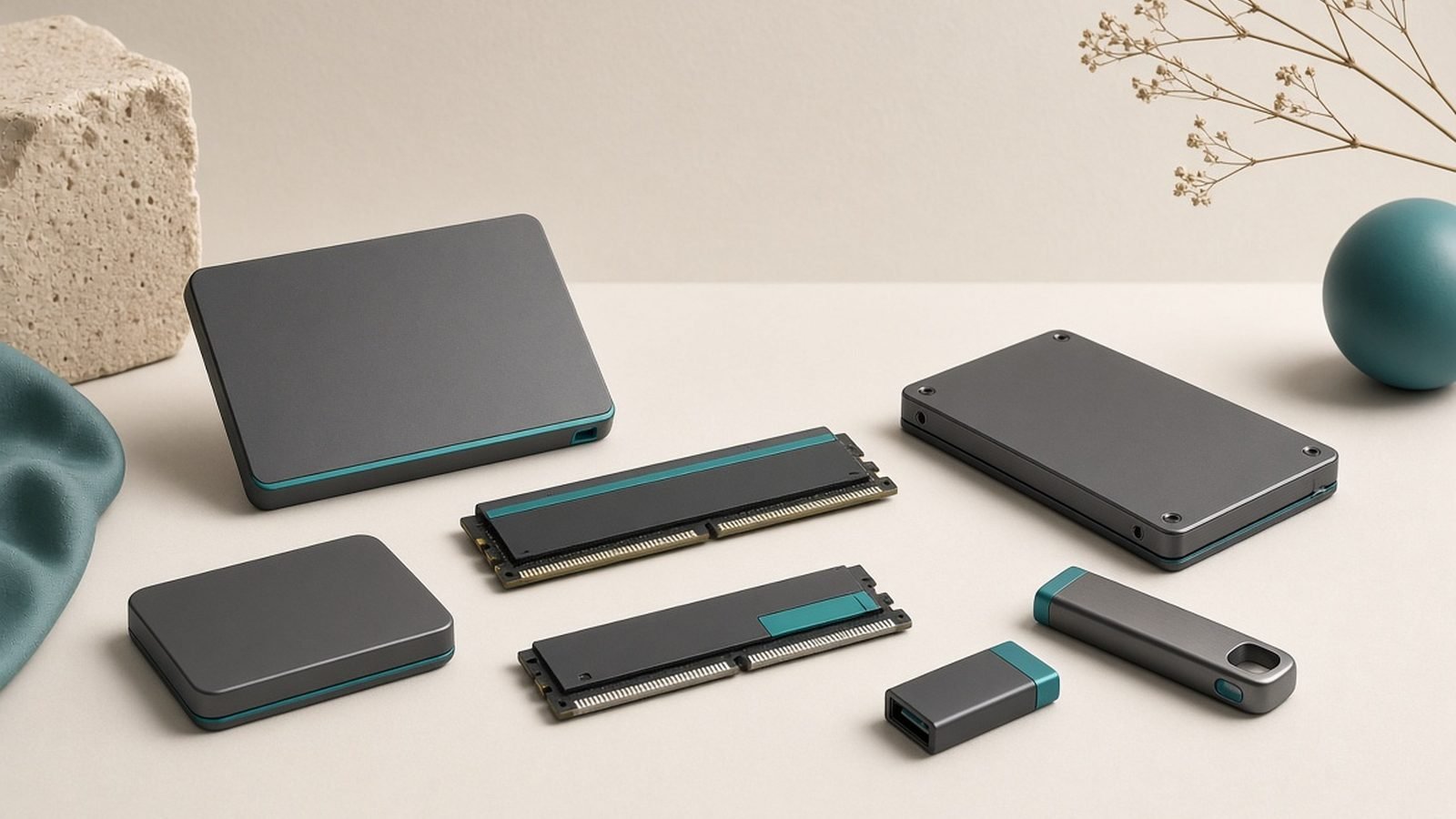
TEAMGROUP’s catalog is focused on memory and storage:
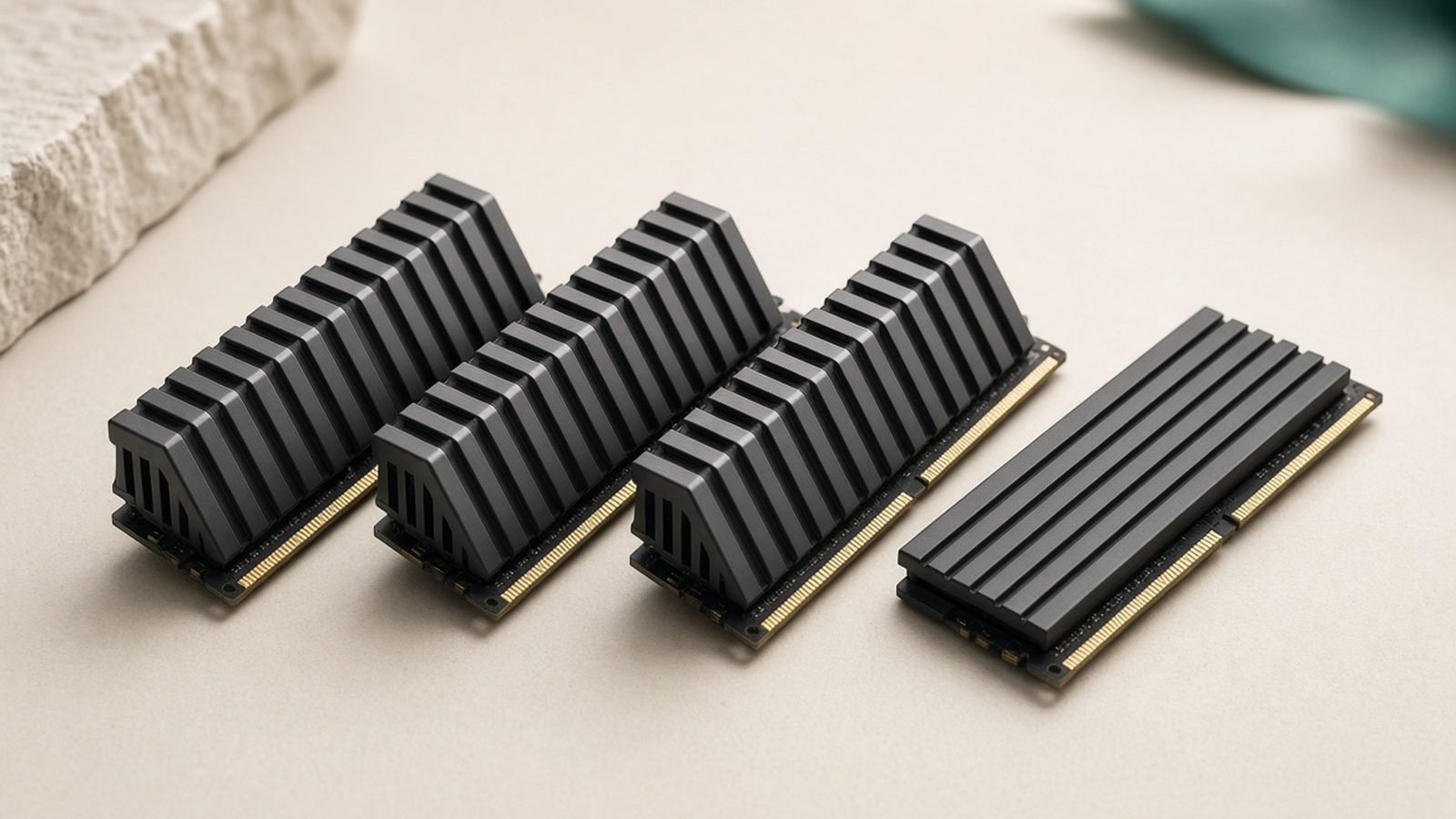
- System memory (RAM) — DDR5 and DDR4 in both plain Team (Elite) modules and T-Force gaming kits (Delta RGB, Xtreem, Vulcan), spanning value sticks to high-speed overclocking kits.
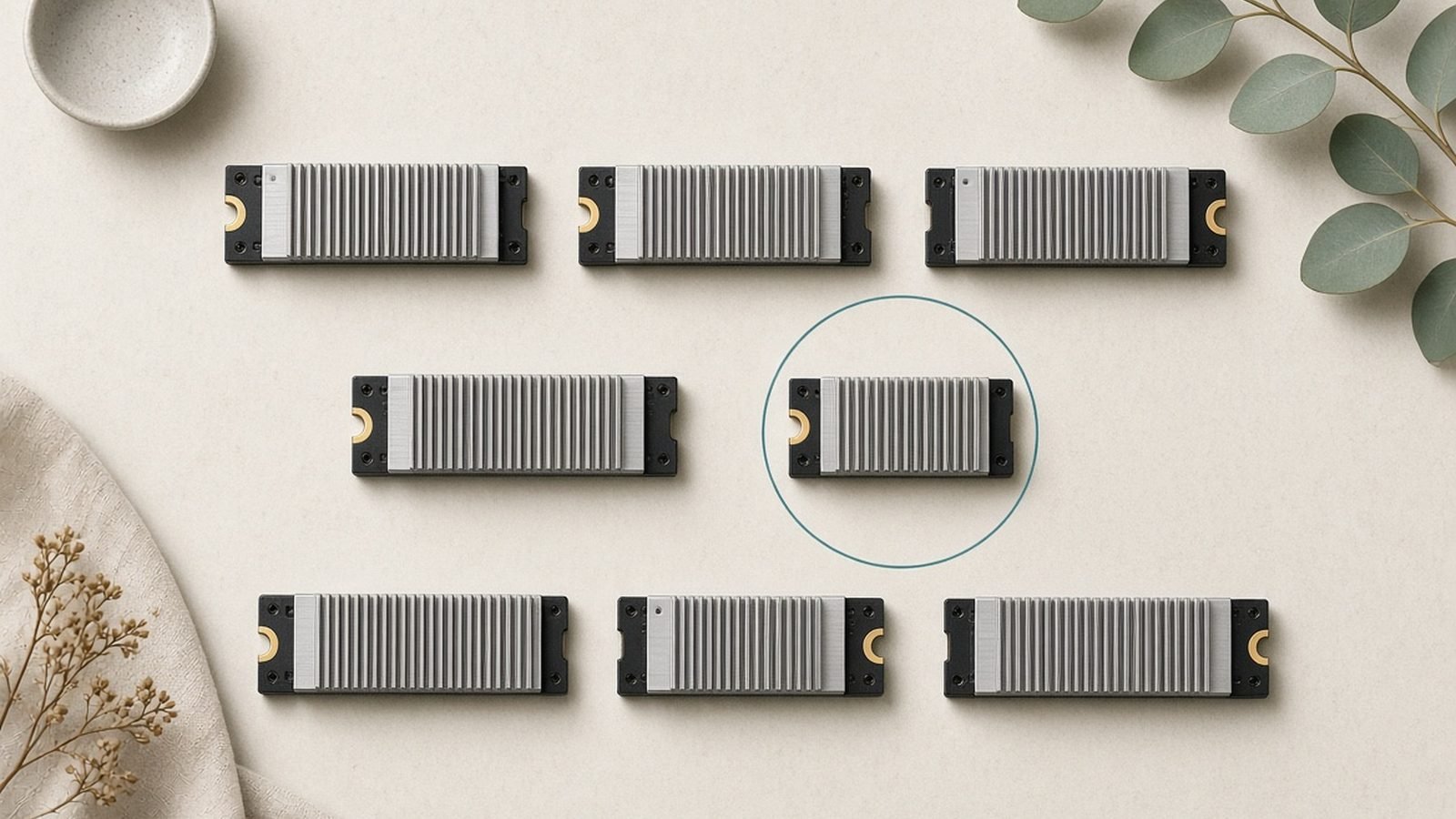
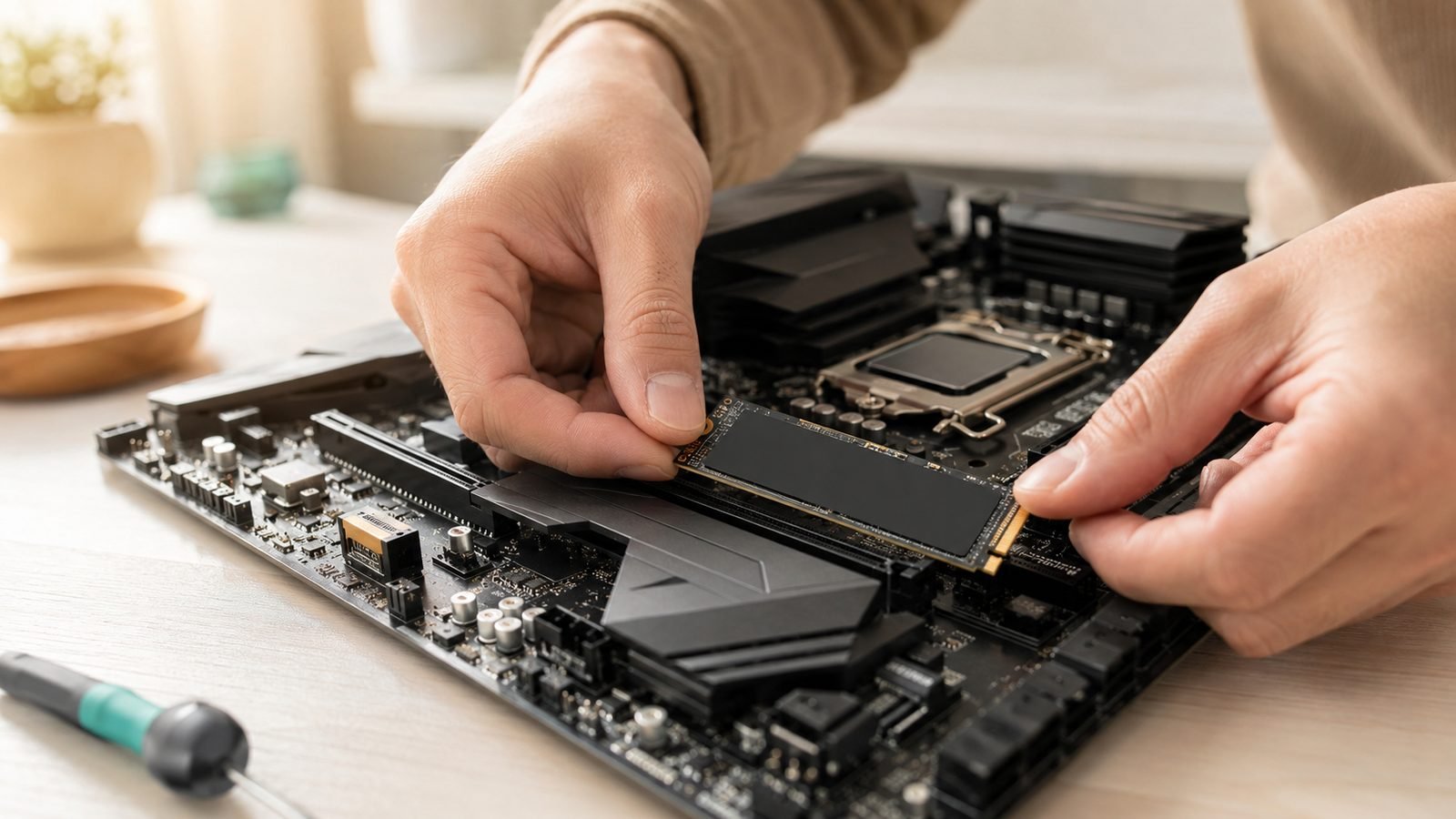
- Internal SSDs — NVMe PCIe 3.0/4.0/5.0 drives (the T-Force Cardea and Team MP-series) and SATA SSDs for older machines.
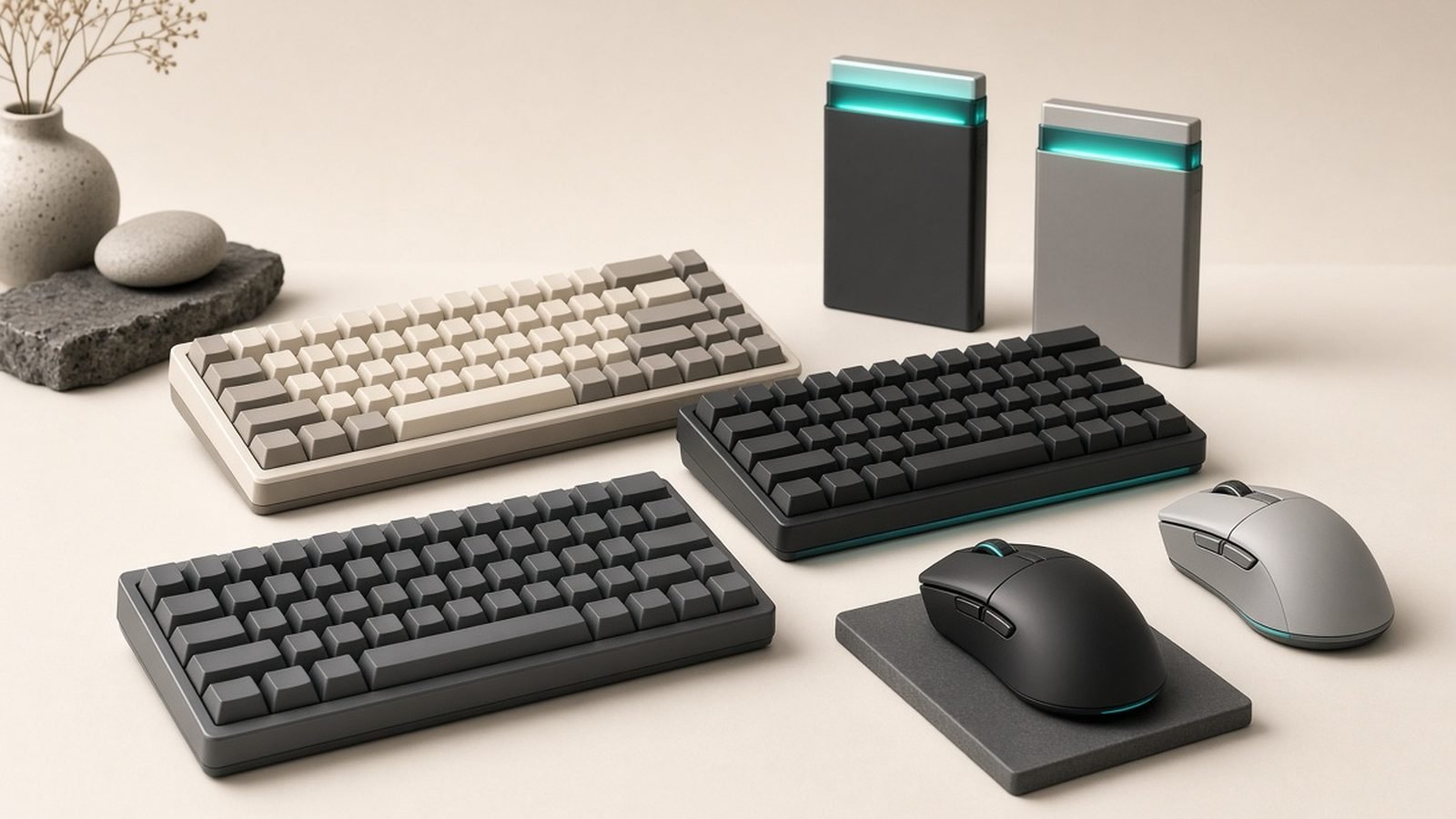
- Portable SSDs and USB drives — external drives and flash media under both labels.
- Memory cards — microSD and SD cards for cameras, handhelds and phones.
- Cooling and accessories — T-Force SSD heatsinks, RAM coolers and the occasional gaming peripheral.
It stays firmly in the memory-and-storage lane and doesn’t spread into cases, power supplies or full peripheral ecosystems.
Standout TEAMGROUP products in 2026
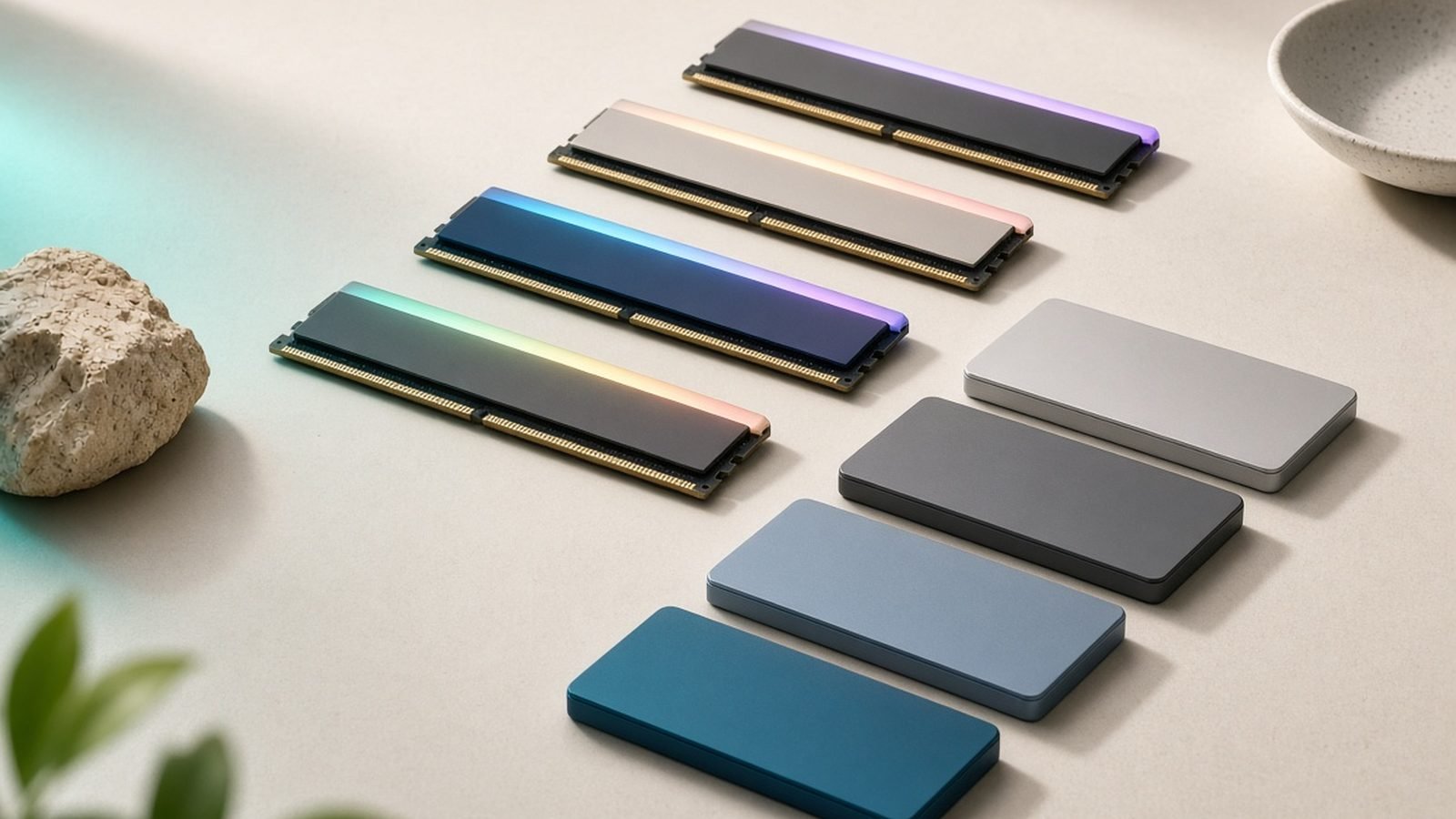
T-Force Delta RGB DDR5 — around $99 / £95 for a 32GB kit. The signature T-Force memory: a wide, even RGB light bar, sensible heat spreaders and EXPO/XMP profiles that make it an easy value pick for AMD and Intel builds. It’s a regular value entry in our Best RAM 2026: DDR5 Kits for Gaming & Work roundup.
T-Force Xtreem DDR5 — around $149 / £139 for a high-speed 32GB kit. TEAMGROUP’s premium enthusiast memory, aimed at low-latency, high-frequency kits for builders chasing benchmark numbers. It shows the brand can play at the top of the DDR5 stack, not just the bottom.
T-Force Cardea / GE Pro PCIe 5.0 NVMe SSD — around $169 / £159 for 2TB. TEAMGROUP was early to retail Gen5 storage, and its flagship NVMe drives are competitive on sequential speed. They feature in our Best SSDs 2026: NVMe & SATA Drives Compared & Ranked comparison as aggressive-value alternatives to Samsung and WD.
Team MP44 / MP-series value NVMe — around $99 / £95 for 2TB. DRAM-less PCIe 4.0 drives that repeatedly land among the cheapest usable NVMe options, popular for handhelds like the Steam Deck and for secondary storage.
Team T-Create memory and SSDs — creator-focused capacity. A line pitched at content creators wanting high-capacity RAM and storage without the RGB, often at a lower price than mainstream “pro” branding.
T-Force microSD / SD cards. Solid, affordable flash media for cameras and handheld consoles, if not the fastest sustained-write cards on the market.
Strengths
- Excellent price-per-gigabyte. TEAMGROUP is one of the most reliable ways to find the cheapest RAM kit or SSD at a given spec, which is why it shows up so often in budget builds.
- Real chips underneath. Because it sources DRAM and NAND from Samsung, SK Hynix and Micron, TEAMGROUP hardware is usually built on the same silicon as much pricier brands.
- Broad speed range. T-Force covers everything from cheap baseline kits to genuinely fast, low-latency DDR5, so the brand isn’t only a budget play.
- Early on new standards. TEAMGROUP has been quick to ship DDR5 and PCIe 5.0 products, sometimes ahead of bigger names.
- Good warranties on core parts. Memory typically carries a limited lifetime warranty and SSDs generally get multi-year coverage.
Weaknesses & criticisms
- Minimal software. There’s no serious equivalent to Samsung Magician or a mature SSD toolbox; RGB is controlled via motherboard software rather than a polished first-party app, which is fine for some but limiting for others.
- NAND lottery on value SSDs. Like several value brands, TEAMGROUP has revised the internal NAND or controller on some drives within the same model name, so a later batch can perform differently from early reviews — worth checking recent owner reports before buying a specific capacity.
- Value NVMe slows when full. Its cheapest DRAM-less drives can drop write speed under sustained load or when nearly full, which is typical at this tier but a real limitation for heavy content work.
- Enthusiast support is shallower. For extreme overclocking, G.Skill’s binned kits and community mindshare are stronger; T-Force is competitive but not the default for record chasers.
- Brand inconsistency. Splitting between Team and T-Force, with overlapping and frequently renamed product lines, can make the catalog confusing to navigate.
Reliability & support
TEAMGROUP’s day-to-day reliability is solid. Because the modules and drives are built on first-party DRAM and NAND from the major fabs, the underlying components are dependable, and aggregate owner feedback on its mainstream RAM and SSDs is largely positive over multi-year use. Failure rates aren’t a standout concern for the core memory and storage lines.
Warranty terms are competitive: most TEAMGROUP and T-Force memory carries a limited lifetime warranty, and SSDs generally come with three-to-five-year coverage depending on the model and endurance rating. The weaker link is support depth and tooling rather than hardware — RMA experiences vary by region and reseller, and there’s no rich management software to lean on. As with most value brands, the honest summary is: buy the mainstream RAM and SSDs with confidence, verify the exact NAND on budget drives if performance matters, and don’t expect premium after-sales polish.
Who should buy TEAMGROUP
Buy TEAMGROUP if you’re building or upgrading on a budget and want the most memory or storage for your money from hardware built on real, name-brand chips. It’s an ideal pick for value and mid-range PC builds, RAM upgrades where you don’t need extreme overclocking, secondary NVMe storage, and flash media for handhelds and cameras. Value-focused builders are its natural audience, and T-Force gives RGB fans a cheaper route to a lit-up build.
Look elsewhere if you want tightly binned memory for record-setting overclocks (G.Skill leads there), a polished software suite (Samsung), or a guarantee that the drive you buy today is identical to the one reviewed a year ago. For most everyday builders chasing value, though, TEAMGROUP is a smart, underrated default.
FAQ
Is TEAMGROUP a good brand?
Yes. TEAMGROUP is a reliable value brand for RAM and SSDs, built on chips from the major memory manufacturers and frequently the cheapest option at a given spec. Its limitations are thin software, occasional mid-life NAND changes on budget SSDs, and shallower enthusiast support than the top overclocking brands.
Is TEAMGROUP reliable?
Broadly yes. Its mainstream memory and SSDs have solid, positive long-term owner feedback because they use first-party DRAM and NAND from Samsung, SK Hynix and Micron. The main caveats are on the cheapest DRAM-less drives, where components can change between batches and speeds can dip when the drive is full.
Where is TEAMGROUP from and who owns it?
TEAMGROUP Inc. is a Taiwanese company, headquartered in Taipei and founded in 1997. It’s publicly listed on the Taiwan Stock Exchange and is an independent memory-and-storage brand — it buys chips from the major fabs rather than manufacturing them.
TEAMGROUP vs G.Skill — which RAM is better?
Both use the same class of DRAM chips. G.Skill is the stronger choice for tightly binned, extreme-overclocking kits and has deeper enthusiast mindshare; TEAMGROUP’s T-Force usually wins on price and is plenty fast for everyday and gaming use. For a value DDR5 kit, TEAMGROUP is hard to beat — see our Best RAM 2026: DDR5 Kits for Gaming & Work guide.
Is TEAMGROUP SSD good?
Its mainstream and Gen5 NVMe drives are competitive and often cheaper than Samsung or WD equivalents. The budget DRAM-less models are fine for secondary storage and handhelds but slow under sustained load, so check the exact model and recent reviews for performance-critical use. See our Best SSDs 2026: NVMe & SATA Drives Compared & Ranked roundup for context.
What’s the difference between Team and T-Force?
Team (or Team Group) is the plain value line for everyday RAM, SSDs and flash media. T-Force is the gaming and enthusiast sub-brand, covering RGB memory, high-speed kits, gaming SSDs and cooling accessories. Both come from the same company.
Zen Tech Hub may earn a commission from links on this page, at no extra cost to you.