Crucial is one of the easiest storage brands to recommend, because it has an advantage most rivals don’t: it’s the consumer arm of Micron, one of only a handful of companies on earth that actually manufactures the NAND flash and DRAM inside its products. That vertical integration means Crucial SSDs and memory are typically well-priced, dependable and made from first-party silicon rather than bought-in bins. The verdict: Crucial is a genuinely good, sensible-default brand for SSDs and RAM, especially if you value reliability and value over flash. The caveat is that Crucial is deliberately unglamorous — thin software, few extras, and product lines that occasionally change internal components between batches.
If you want a straightforward, well-made SSD or a memory upgrade without paying for a premium logo, Crucial should be near the top of your list. Here’s the detail.
Company overview
Crucial is an American brand, and it is not an independent company — it is the consumer-facing division of Micron Technology, a major semiconductor manufacturer headquartered in Boise, Idaho, founded in 1978. Micron is one of the world’s three big memory makers (alongside Samsung and SK Hynix) and produces DRAM and NAND flash in its own fabrication plants. Crucial is simply how Micron sells that memory directly to consumers as branded SSDs and RAM modules.
That ownership is the whole story of the brand. Because Micron makes the underlying chips, Crucial can price aggressively and vouch for the quality of what’s inside — there’s no third-party flash lottery in the way there sometimes is with brands that assemble drives from purchased components. Crucial’s reputation among builders and upgraders is solidly positive: it’s seen as the trustworthy, boring-in-a-good-way choice, the brand you buy when you want something that works and don’t want to think about it.
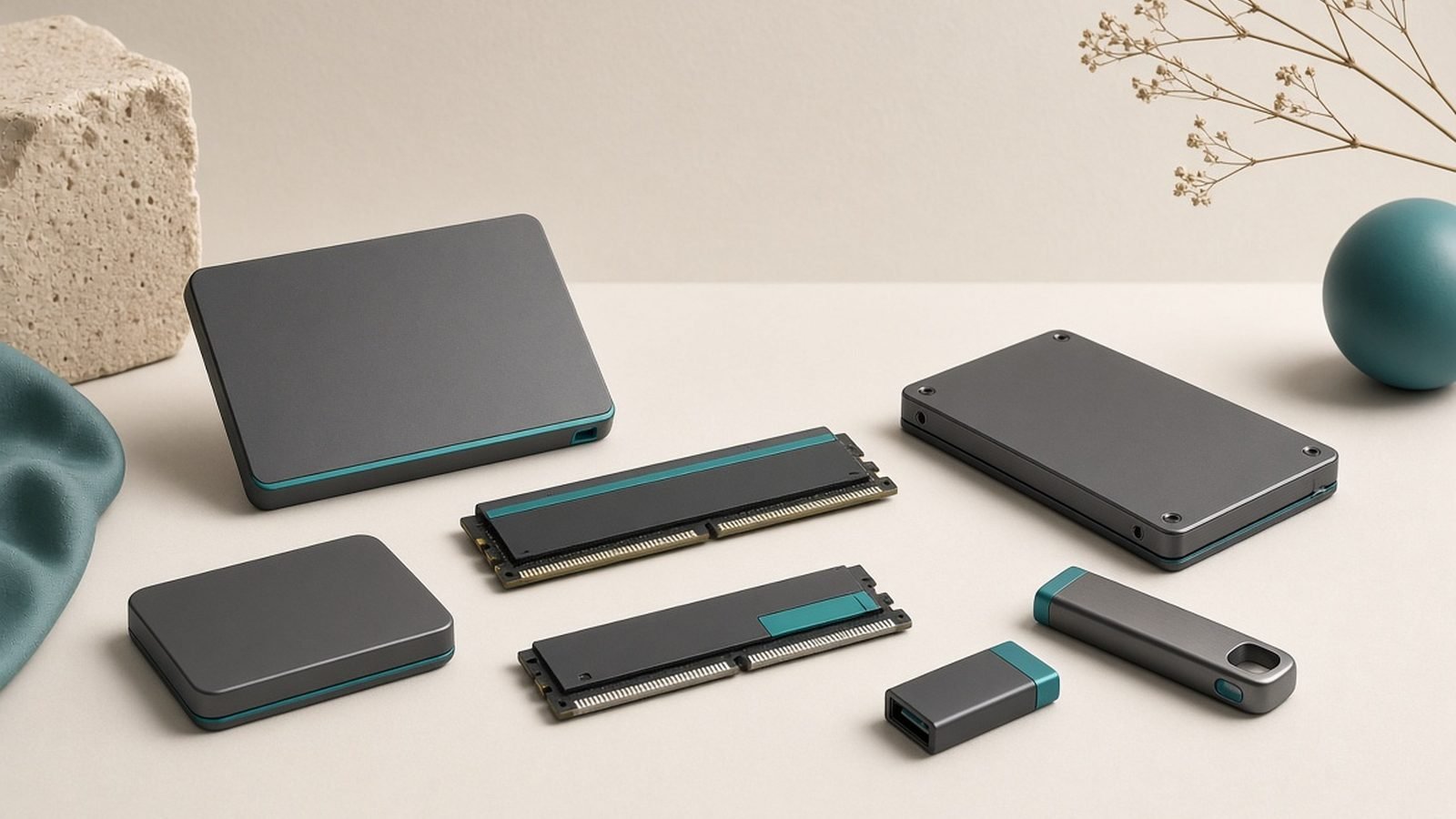
What Crucial makes
Crucial’s catalog is narrow and focused, which is part of its appeal:
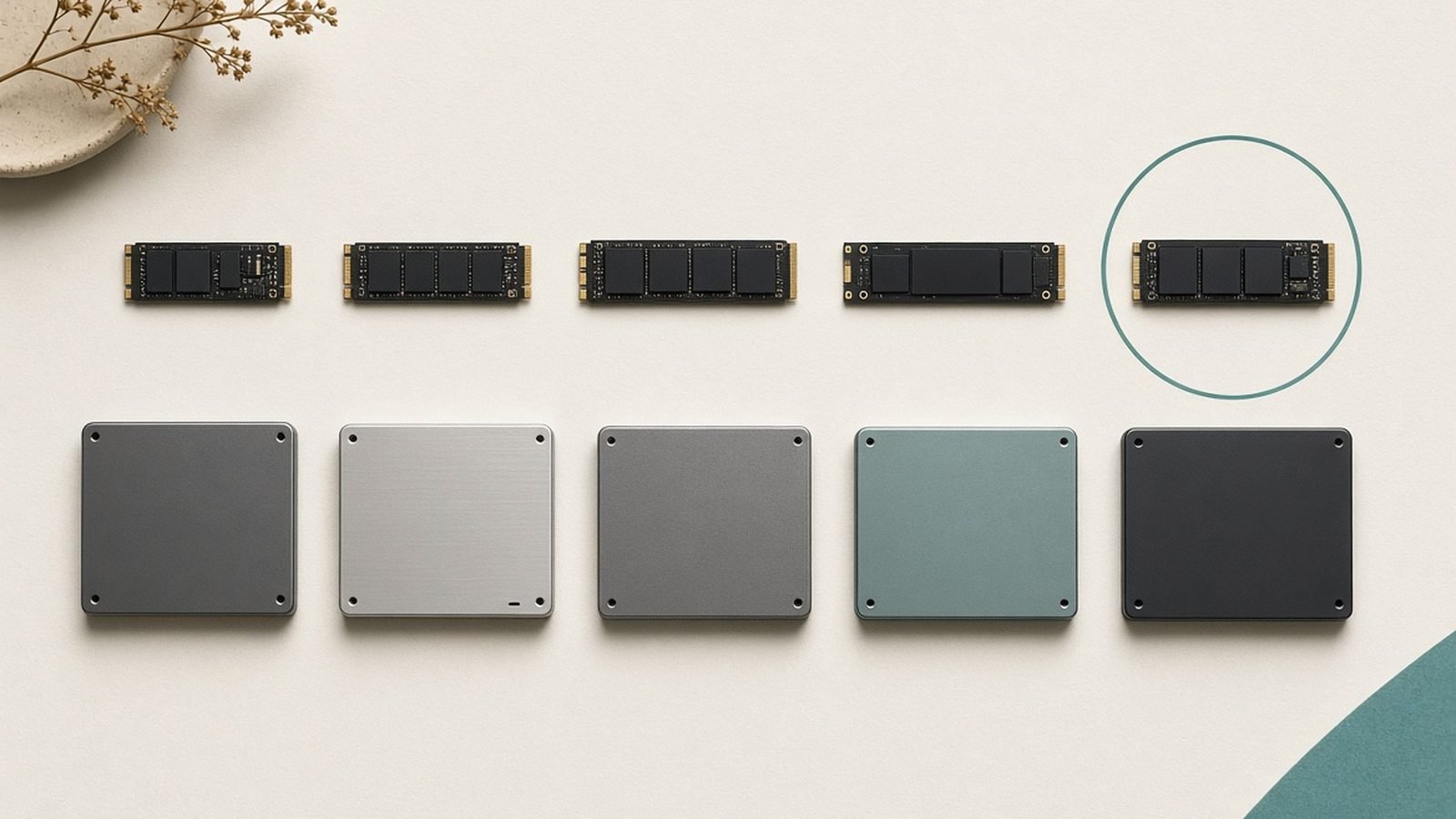
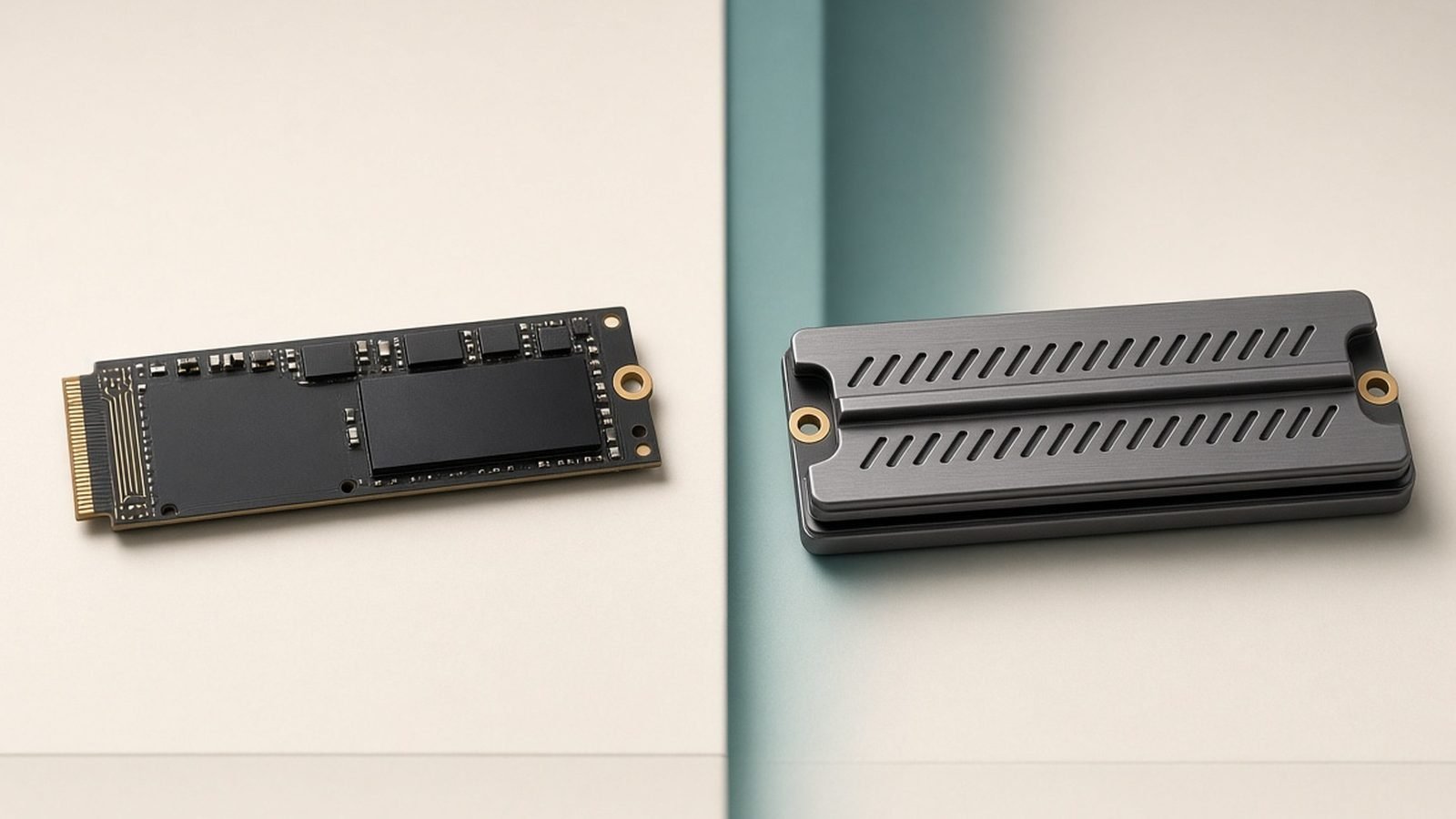
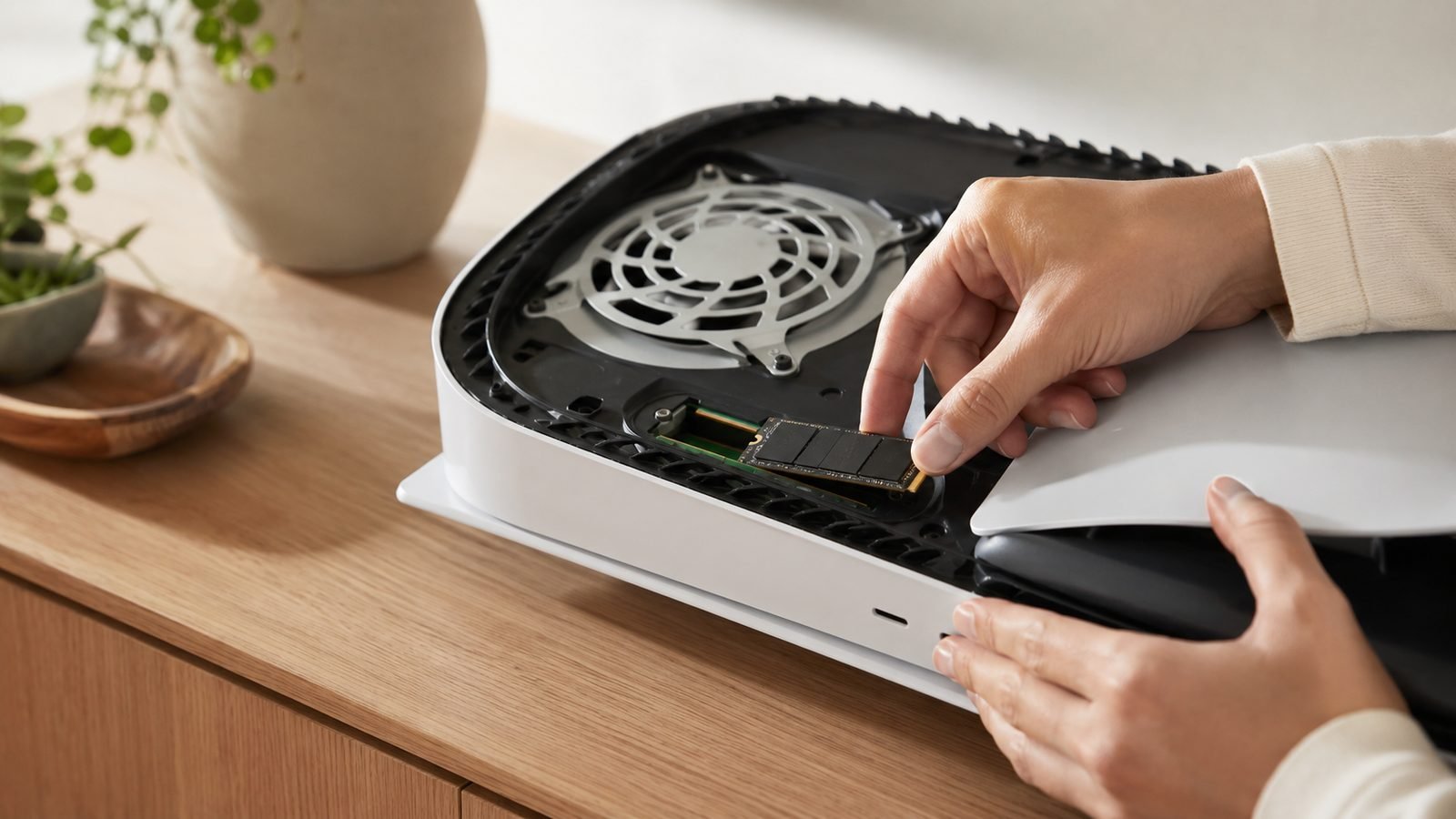
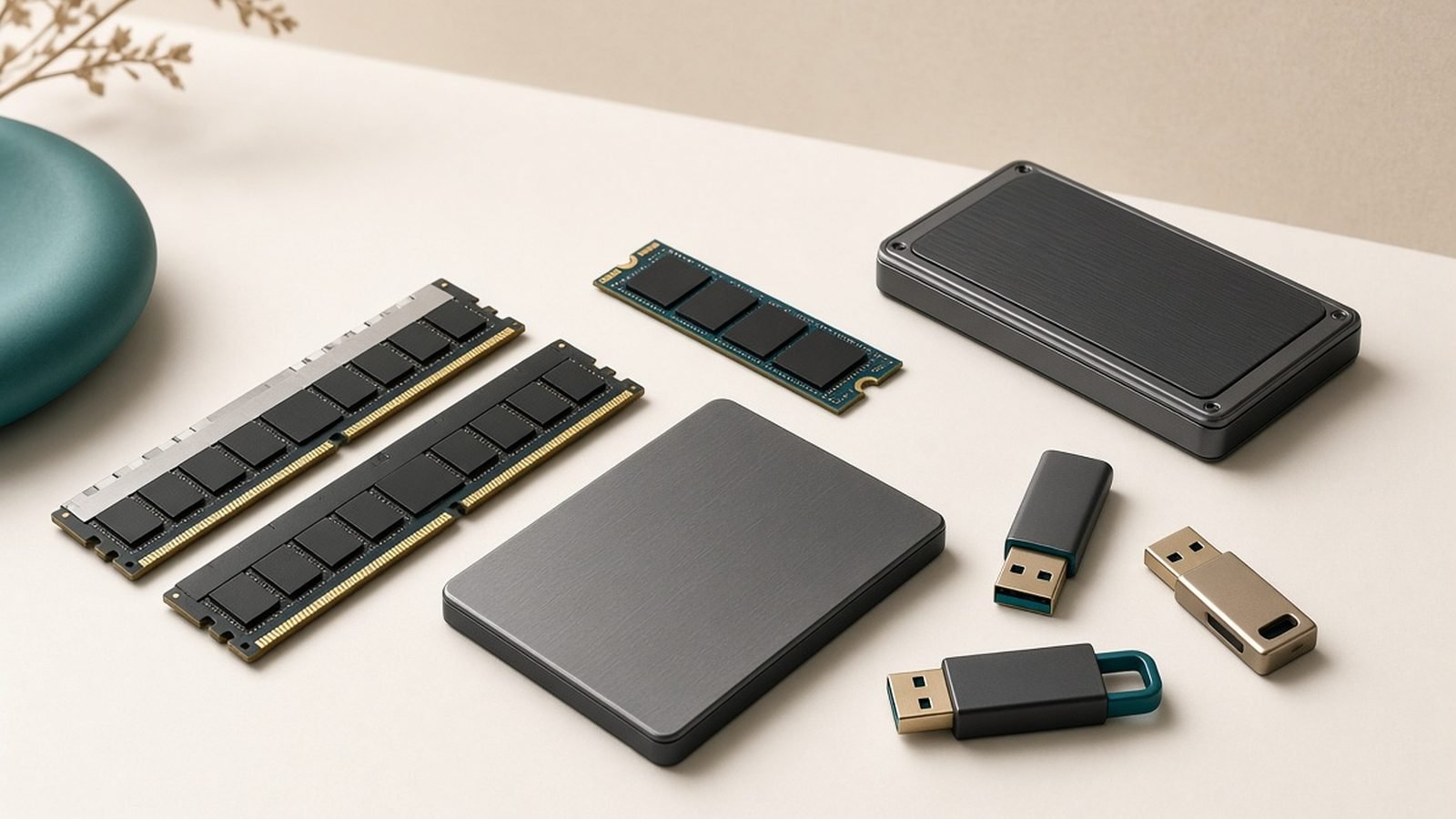
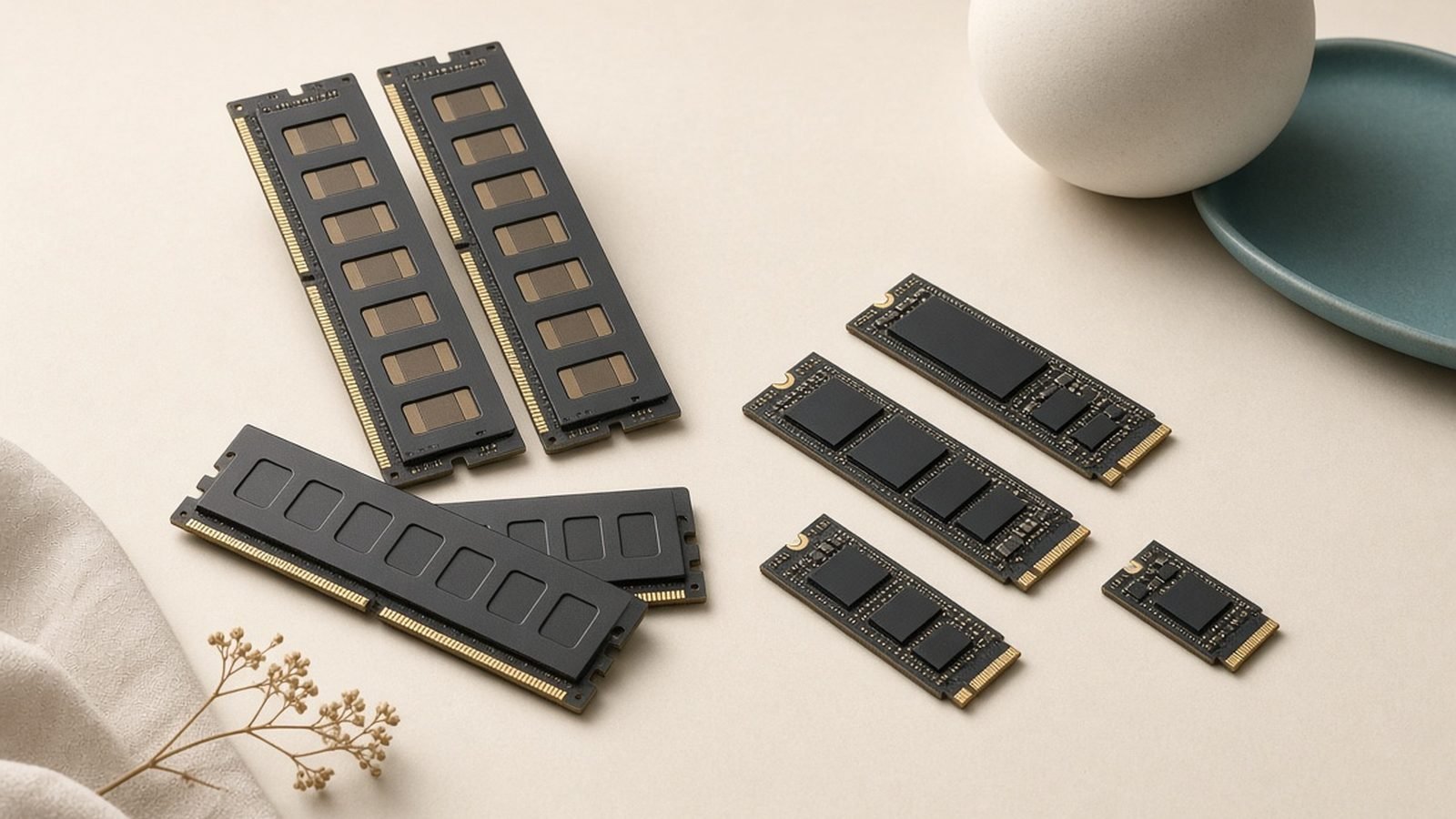
- Internal SSDs — SATA drives (the long-running MX and BX lines) and NVMe PCIe drives (the P-series, including PCIe 5.0 flagships).
- Portable SSDs — the Crucial X-series (X9, X10 Pro and similar) external drives.
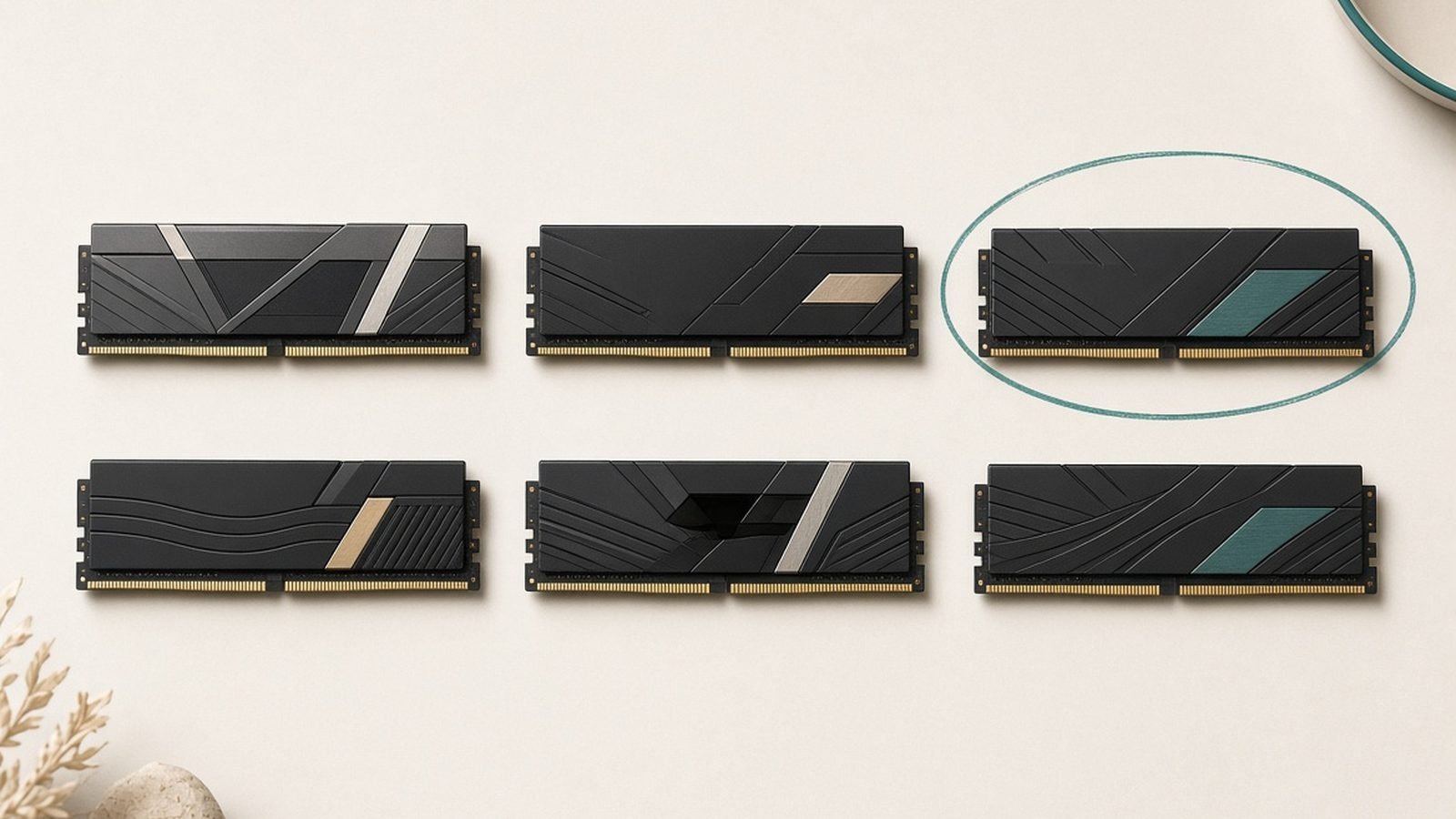
- System memory (RAM) — mainstream DDR4 and DDR5 modules for laptops and desktops, sold plainly by capacity and speed.
- Ballistix (legacy) / Pro overclocking memory — higher-speed gaming RAM, though Crucial has scaled its enthusiast memory branding up and down over the years.
Notably, Crucial does not spread into hard drives, networking, or peripherals — it stays in its lane of solid-state storage and memory.
Standout Crucial products in 2026
- Crucial T-series PCIe 5.0 NVMe SSD (e.g. T705-class) — Crucial’s flagship performance drives, among the fastest consumer SSDs you can buy and a fixture in our Best SSDs 2026: NVMe & SATA Drives Compared & Ranked roundup.
- Crucial P3 Plus / P-series value NVMe — the sensible mid-range PCIe 4.0 drives that dominate “best value SSD” recommendations for laptops and everyday builds.
- Crucial MX500 (SATA) — a long-serving, endlessly recommended SATA SSD for reviving old laptops and desktops that can’t take NVMe.
- Crucial X9 Pro / X10 Pro portable SSD — compact, fast external drives; if you’re weighing portable options, see our Best SSDs 2026: NVMe & SATA Drives Compared & Ranked comparison.
- Crucial DDR5 memory kits — plain, reliable RAM upgrades for modern laptops and desktops, often the cheapest first-party option.
- Crucial NAS/endurance SSDs — solid-state caching or all-flash options for people building a fast NAS; pair with our Best NAS Drives for Home 2026: Backup & Media Picks Ranked guide when planning capacity.
Strengths
- First-party silicon. Because Micron makes the flash and DRAM, Crucial products are built on known-quality memory, and the company can vouch for what’s inside rather than sourcing mystery components.
- Excellent value. Crucial consistently lands among the best price-per-gigabyte options in both SSDs and RAM, without feeling cheap.
- Reliability and simplicity. The brand’s drives and modules have a long track record of just working, with straightforward capacity/speed naming and no gimmicks.
- Wide compatibility. Crucial’s website memory selector and broad module range make RAM upgrades genuinely easy, including for older or unusual machines.
- Strong warranties and endurance. SSDs typically carry five-year warranties with healthy endurance ratings; memory usually carries a limited lifetime warranty.
Weaknesses & criticisms
- Minimal software. Crucial’s Storage Executive SSD utility is functional but basic compared with Samsung Magician or WD Dashboard — light on monitoring, cloning and tuning features.
- Component changes mid-life. Like several value brands, Crucial has occasionally revised the internal controller or NAND of a drive within the same model name, so a later batch may perform slightly differently from early review units.
- Not the outright performance king. Crucial’s flagships are fast, but for the very top of sustained performance or specific workloads, Samsung and WD Black sometimes edge ahead.
- Value drives can slow when full. Its DRAM-less budget NVMe drives (common at this tier) can see write speeds drop under sustained load or when nearly full — fine for typical use, less so for heavy content work.
- Narrow lineup. If you want an ecosystem — external HDDs, NAS units, peripherals — Crucial simply doesn’t make them.
Reliability & support
Crucial’s reliability reputation is one of the best in consumer storage, precisely because there’s a real memory manufacturer behind it. Its SATA drives like the MX500 became default recommendations partly on their long-term dependability, and its NVMe and RAM lines carry that trust forward. Failure rates are low in the aggregate owner feedback, and the brand rarely generates the kind of controversy that dogs some rivals.
Warranty terms are competitive: most Crucial SSDs get a five-year limited warranty tied to a terabytes-written endurance rating, and memory modules typically get a limited lifetime warranty — generous, and reflecting confidence in the parts. Support is handled through Micron’s channels and is generally regarded as adequate: fine for standard RMAs, though not lavish. The main “software update” caveat is that Crucial invests less in SSD firmware tooling and features than the flashiest competitors, so power users who love a rich management app may find it sparse.
Who should buy Crucial
Buy Crucial if you want dependable, well-priced storage and memory from an actual manufacturer, without paying for extras you won’t use. It’s an ideal brand for a value or mid-range PC build, a laptop SSD or RAM upgrade, reviving an older machine with a SATA SSD, or grabbing a solid portable drive. Budget-conscious builders and upgraders are its natural audience.
Look elsewhere if you want the most feature-rich SSD software, a broad storage ecosystem (Crucial makes no HDDs or NAS units), or the absolute peak of sustained performance for professional workloads — where Samsung’s premium drives or WD Black may justify their price. For most people, though, Crucial is a smart, quietly excellent default.
FAQ
Is Crucial a good brand?
Yes. Crucial is the consumer arm of memory manufacturer Micron, which makes it a reliable, well-priced source of SSDs and RAM built on first-party flash and DRAM. It’s a top value pick, held back only by minimal software and the occasional mid-life component revision.
Is Crucial reliable?
Very. Crucial has one of the strongest reliability reputations in consumer storage, backed by Micron’s manufacturing and long-serving products like the MX500 SATA SSD. Failure rates are low and the brand avoids the controversies that affect some rivals.
Who owns Crucial?
Crucial is owned by Micron Technology, an American semiconductor company headquartered in Boise, Idaho. Crucial is simply Micron’s consumer brand for selling its own DRAM and NAND flash as SSDs and memory modules — it is not an independent company.
Crucial vs Samsung SSD — which is better?
Samsung tends to lead on peak sustained performance and offers richer management software (Magician); Crucial usually wins on value and is every bit as reliable for typical use. For most builders, Crucial gives you most of the performance for less money.
Is Crucial RAM good?
Yes. Because Micron manufactures the DRAM, Crucial memory is dependable and usually among the cheapest first-party options, with a limited lifetime warranty and an excellent compatibility selector. It’s a safe default for laptop and desktop upgrades, if not the flashiest overclocking choice.
Crucial vs Kingston — which should I buy?
Both are strong value brands. Crucial has the edge of first-party Micron flash and a slightly stronger SSD reputation; Kingston offers a broader lineup (including data-center and encrypted drives) and equally competitive RAM. On a straight value SSD or RAM upgrade, either is a sound, safe pick.
Zen Tech Hub may earn a commission from links on this page, at no extra cost to you.