Corsair has been building PC memory since its earliest days making cache modules, and that long thread explains the brand’s standing: RAM and power supplies — the two components where failure costs you the most grief — are exactly where Corsair is easiest to recommend, with engineering and warranties to match. The empire that grew around those core parts (cases, coolers, fans, keyboards, mice, headsets, even capture gear) is genuinely good but bought at a premium for the name, and it is tied together by iCUE — software that is capable, undeniably heavy, occasionally buggy, and increasingly hard to avoid once you buy into the RGB ecosystem. Buy the core with confidence; weigh the ecosystem with open eyes.
Buy Corsair if you want proven, warrantied core components and a cohesive, controllable RGB build. Look elsewhere if you’re chasing the best value per dollar, or if you’d rather not run resource-hungry companion software just to sync lighting and fan curves.
Company overview
Corsair was founded in 1994 and is headquartered in Milpitas, California. It began life making Level 2 cache modules and pivoted into enthusiast DRAM, which is still one of its signature categories. The company is publicly traded on the Nasdaq (ticker CRSR) and has been majority-owned by the private-equity firm EagleTree Capital since 2017, which took it public in 2020.
Over the past decade Corsair has grown by acquisition as much as engineering, absorbing brands like Elgato (streaming gear and the Stream Deck), Scuf Gaming (premium controllers), Origin PC (boutique system builder) and Drop (enthusiast keyboards). The result is a company that spans nearly the entire “PC and creator” hardware stack. Its reputation among builders is strong: Corsair is seen as a safe, mainstream premium choice, the kind of brand you buy when you want it to just work and be covered by a solid warranty.
What Corsair makes
Corsair’s 2026 lineup covers most of a modern build:
- Memory — the Vengeance (mainstream) and Dominator (premium, tall-heatsink) DDR5 families, a category Corsair has led for years.
- Power supplies — the RM, RMx, HX and flagship AX series, plus SF small-form-factor units, spanning gold to titanium efficiency and ATX 3.1 support.
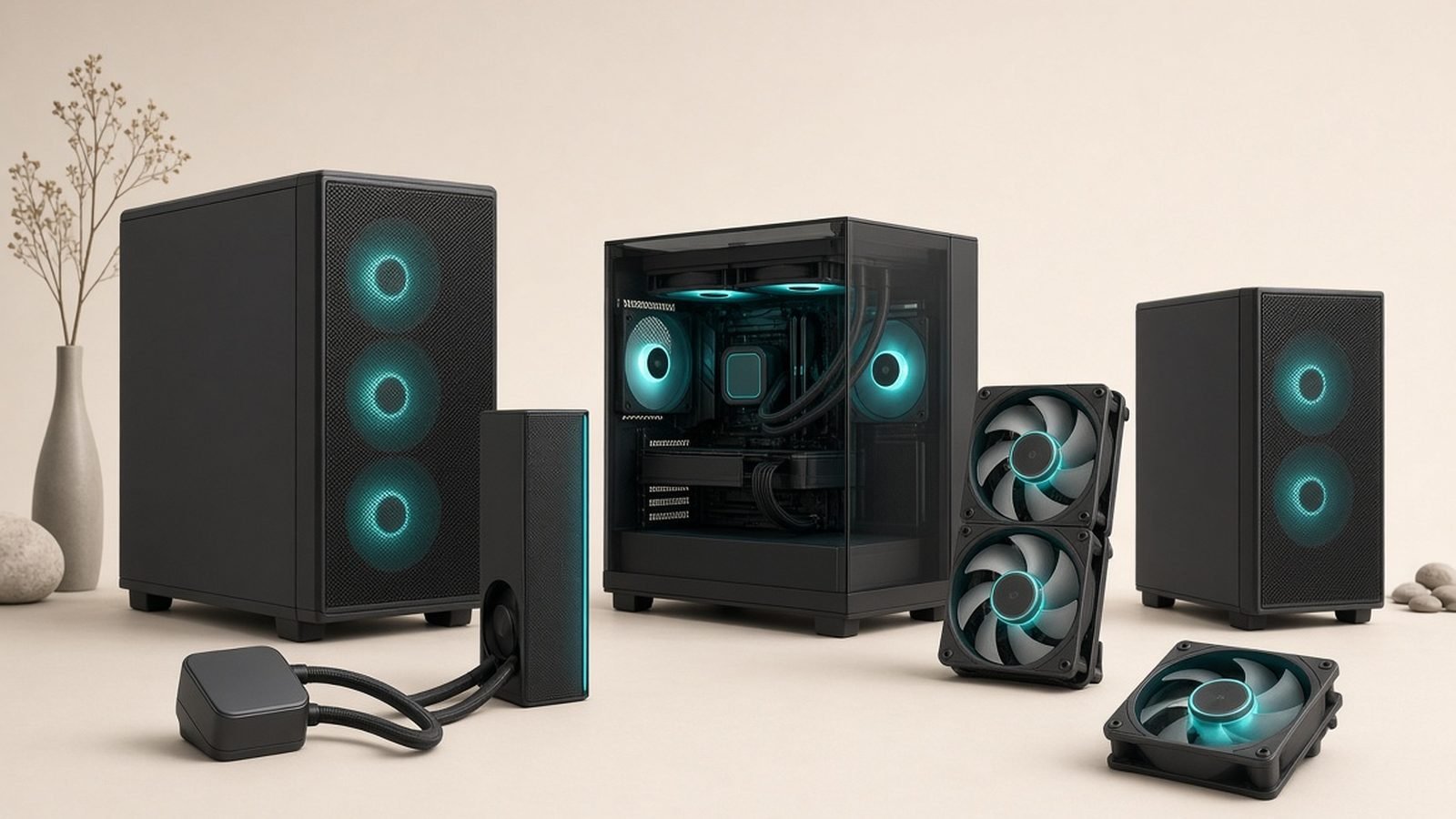
- Cases — the airflow-focused 4000D and 5000D, the showpiece 6500/7000 series, and compact iCUE Link-ready designs.
- Cooling — iCUE Link Titan and H-series all-in-one liquid coolers, plus LL/QL/RS fans and the newer daisy-chaining iCUE Link system.
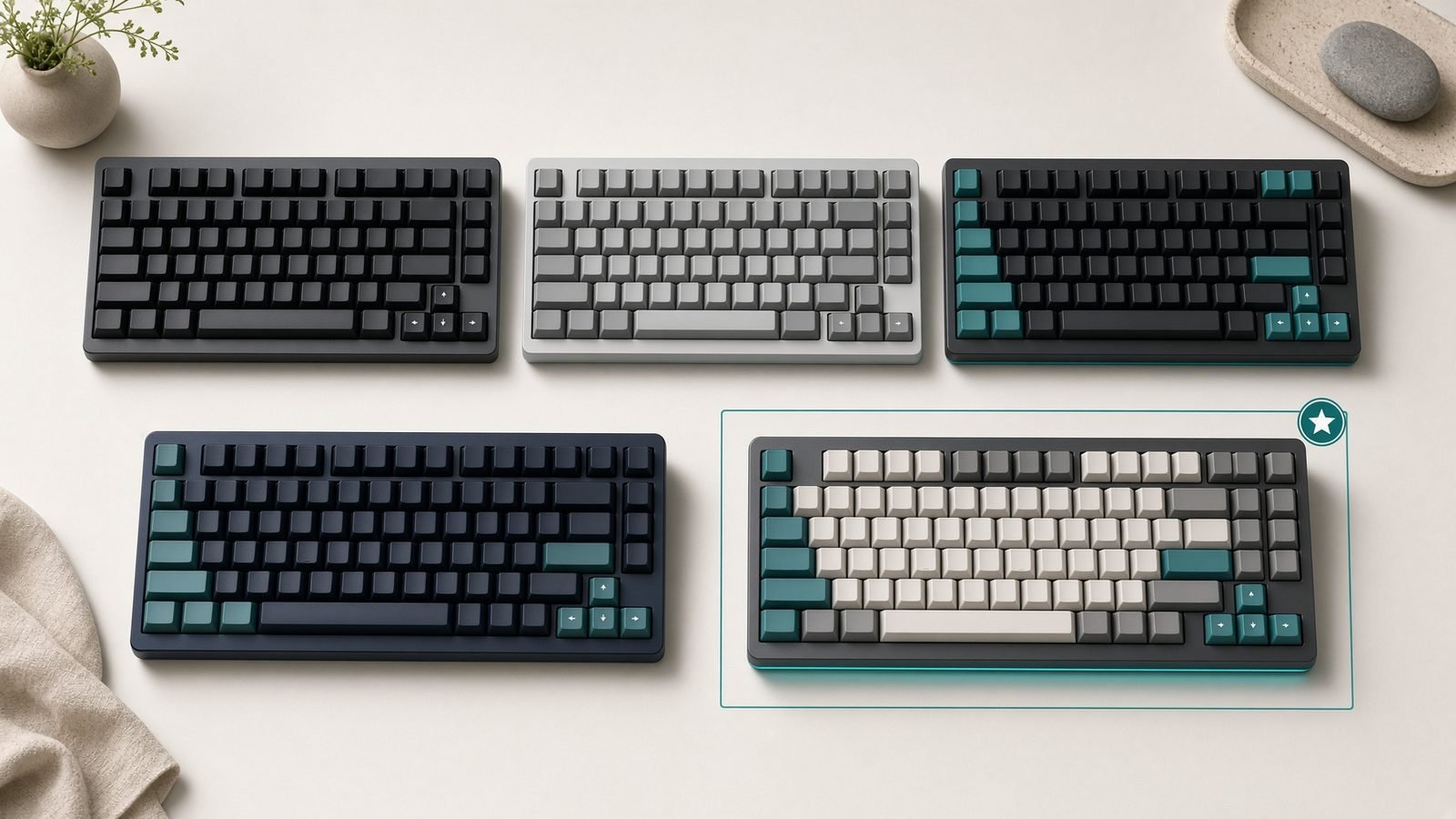
- Peripherals — K70 and K100 keyboards, M65/Scimitar/Katar mice, and Virtuoso and HS headsets.
- Storage and creator gear — MP600 NVMe SSDs, plus Elgato capture cards, Stream Decks, key lights and microphones.
The iCUE software unifies lighting, fan curves, macros and monitoring across all of it.
Standout Corsair products in 2026
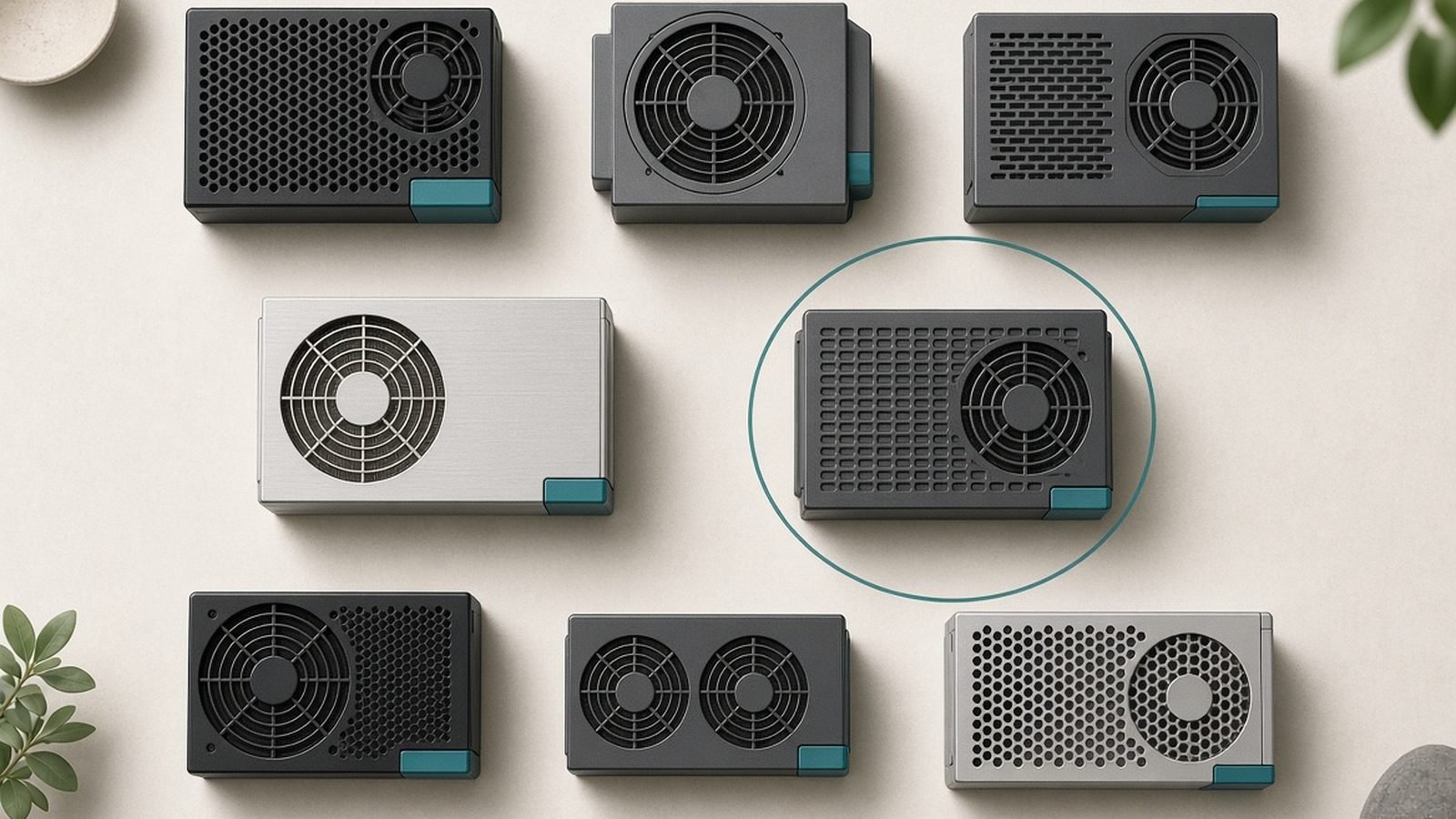
Corsair RM1000x (Shift) — around $189 / £179. A gold-rated, fully modular ATX 3.1 power supply that’s a perennial favorite for its quiet fan, clean cabling and long warranty. It’s a regular on our Best Power Supplies 2026: Reliable PSUs Ranked shortlist and a sensible backbone for most mid-to-high-end builds.
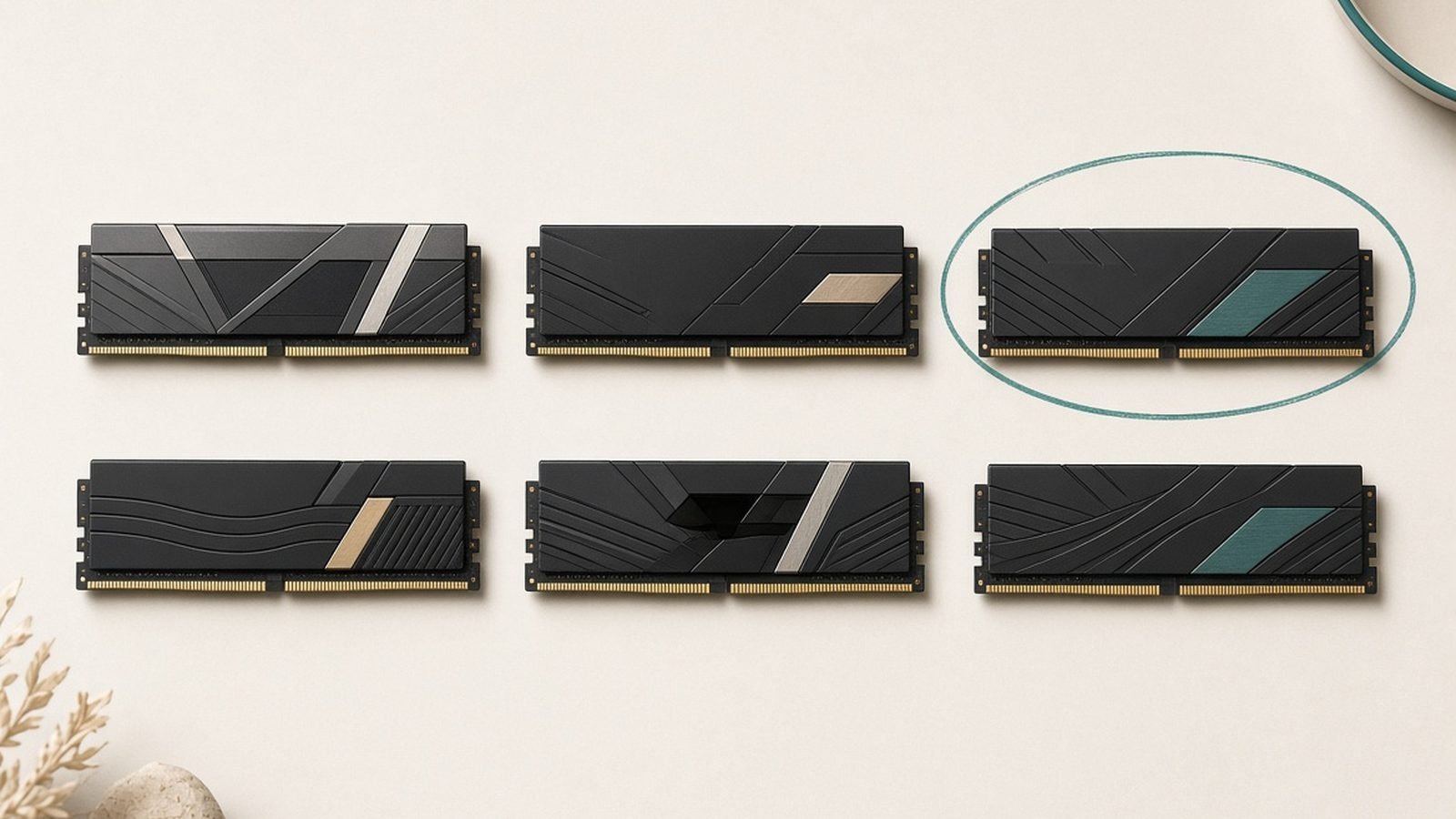
Corsair Vengeance DDR5 — around $95 / £89 for a 32GB kit. The default enthusiast memory choice: reliable, widely compatible, and available in high-speed EXPO/XMP kits that play nicely with current AMD and Intel platforms.
Corsair 4000D Airflow — around $104 / £99. A mid-tower that became a community default for a reason: excellent thermals, easy cable management and a sensible price. It features on our Best PC Cases 2026: Airflow, Looks & Value guide as a safe, no-drama choice.
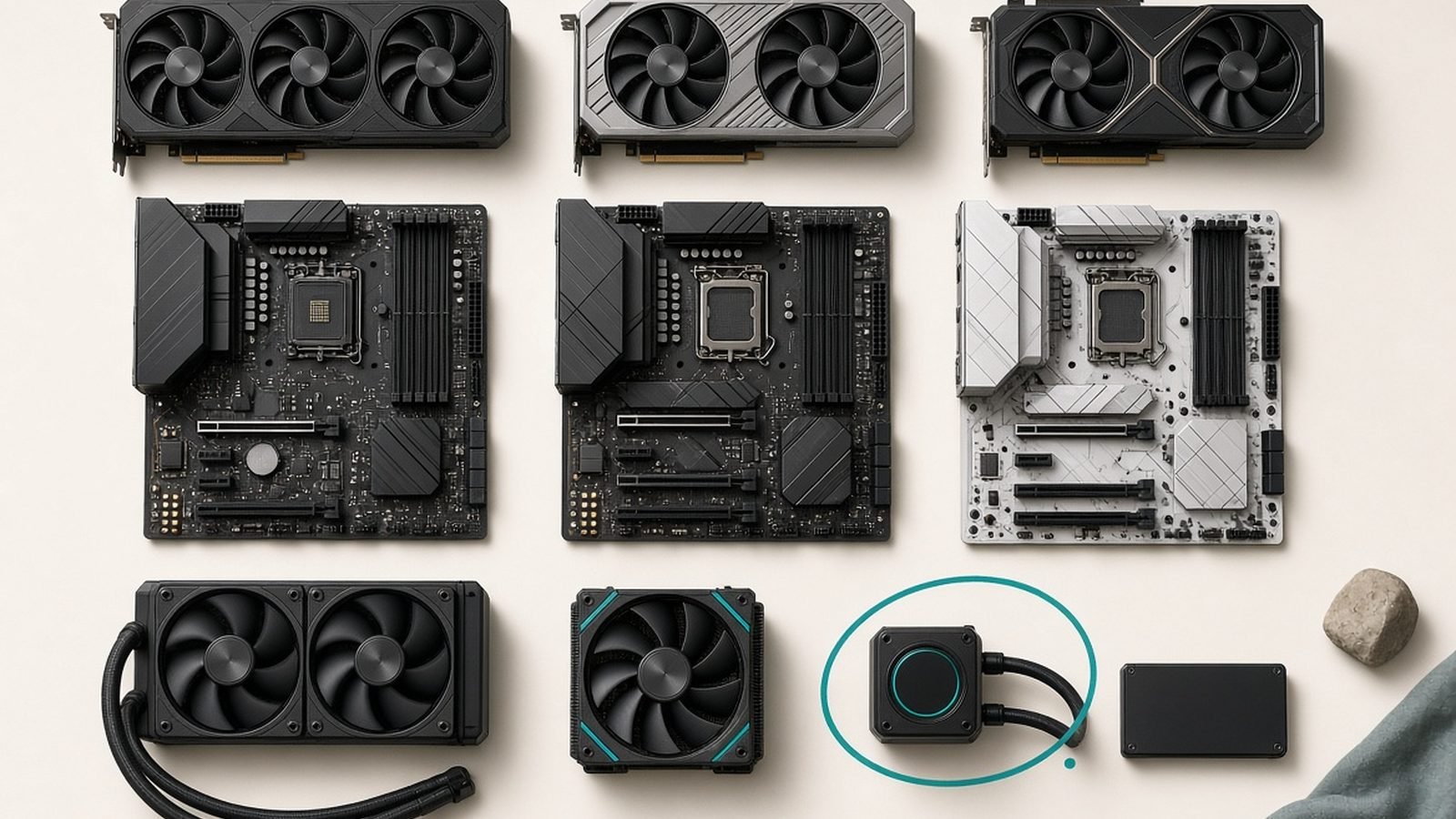
Corsair iCUE Link Titan 360 RX — around $269 / £259. A 360mm AIO built around the tidy iCUE Link single-cable system, aimed at builders who want minimal cabling and heavy RGB. It appears on our Best CPU Coolers 2026: Top Air & AIO Liquid Picks roundup, though liquid coolers of this class command a premium.
Corsair K70 RGB — around $169 / £159. A long-running mechanical keyboard line with solid build quality and per-key lighting, popular with gamers who want a premium board without going fully custom.
Elgato Stream Deck MK.2 — around $149 / £139. Technically an Elgato product, but Corsair-owned and a genuine standout: the macro pad that reshaped how streamers and creators control their setups.
Strengths
Reliable core components. Corsair’s memory and power supplies are among the most trusted in the industry, with long warranties and a strong track record. For the parts of a build you never want to think about again, Corsair is a safe pick.
Enormous ecosystem breadth. Few brands let you kit out an entire PC — RAM, PSU, case, cooler, fans, peripherals and streaming gear — under one name with synchronized lighting and monitoring.
Strong RGB and control. For builders who want a coordinated, addressable-RGB machine, Corsair’s lighting hardware and the iCUE Link system are among the cleanest ways to do it.
Good availability and support presence. Corsair products are widely stocked worldwide, and RMA/warranty processes are established and generally well-regarded for the core categories.
Weaknesses & criticisms
Price premium. Corsair rarely wins on pure value. Comparable RAM, PSUs and cases from rivals often cost less, and you’re paying partly for the brand and the ecosystem.
iCUE software bloat. The most common criticism by far. iCUE is powerful but heavy — it runs background services, can consume noticeable resources, and has a history of updates that break lighting profiles or fan control. Many builders find it the least pleasant part of owning Corsair gear.
Ecosystem lock-in. The iCUE Link system tidies cabling beautifully, but it nudges you toward buying Corsair fans, coolers and hubs specifically, which limits mixing and matching with cheaper third-party parts.
Rebadged internals in places. As with most brands, some Corsair products (certain PSUs, fans) are built on platforms shared or sourced from OEMs, so the “Corsair” premium doesn’t always reflect fully in-house engineering.
Reliability & support
Corsair’s reliability reputation is one of its biggest assets. Its power supplies carry long warranties — commonly 7 to 10 years on the RM and HX lines and up to 10 years on the flagship AX units — and its memory is typically covered by a limited lifetime warranty. Those warranty lengths signal real confidence, and owner reports for the core components are largely positive over multi-year use.
Peripherals and AIO coolers are more of a mixed bag, as with any brand shipping millions of units: occasional keyboard switch or pump failures show up in feedback, but they’re covered under standard warranties (typically two years on peripherals). Corsair’s customer service and RMA experience are generally rated as solid for a company this size, if not flawless. The honest summary: buy Corsair memory, PSUs and cases with real confidence, and treat the software as the weak link rather than the hardware.
Who should buy Corsair
Buy Corsair if you want dependable, well-warrantied core components and a coordinated RGB build with a single control app. It’s an especially strong choice for first-time and mainstream builders who value peace of mind and wide availability over squeezing out the last few dollars of value, and for streamers who benefit from the Elgato side of the family.
Look elsewhere if value is your top priority — you can often assemble an equally capable build for less using other reputable brands — or if you want to avoid heavy companion software. Minimalists who don’t care about RGB will find the ecosystem’s main advantage largely wasted on them.
FAQ
Is Corsair a good brand?
Yes. Corsair is a well-established, reliable premium brand, especially strong in memory, power supplies and cases. Its main downsides are price and the heavy iCUE software, not the hardware itself.
Is Corsair reliable?
Very, in its core categories. Corsair PSUs and RAM carry long warranties (up to 10 years on some PSUs, lifetime on much of the memory) and have strong long-term track records. Peripherals and AIOs are reliable but see the occasional failure, as with any high-volume brand.
Where is Corsair from and who owns it?
Corsair was founded in 1994 and is headquartered in Milpitas, California. It’s publicly traded on the Nasdaq (CRSR) and majority-owned by private-equity firm EagleTree Capital.
Is Corsair better than Cooler Master?
They overlap heavily. Corsair is stronger in memory, premium PSUs and its RGB ecosystem, while Cooler Master often wins on value in cases and air coolers. For a coordinated, software-controlled RGB build Corsair leads; for budget-focused parts, cross-shop both — see our Best PC Cases 2026: Airflow, Looks & Value guide.
Do I have to use Corsair iCUE software?
The hardware works without it, but you need iCUE to control lighting, fan curves, macros and monitoring. It’s frequently criticized for being resource-heavy and occasionally buggy, so it’s worth factoring in if you prefer a lightweight system.
Are Corsair power supplies actually good?
Yes — they’re one of Corsair’s strongest categories. The RM, HX and AX lines are widely recommended, support the latest ATX 3.1 standard, and back it up with long warranties. See our Best Power Supplies 2026: Reliable PSUs Ranked guide for where they land against rivals.
Zen Tech Hub may earn a commission from links on this page, at no extra cost to you.