Fitbit is still one of the easiest ways to start tracking your steps, sleep and heart rate — and for most casual users, that accessibility is the whole point. If you want a simple band or a friendly smartwatch that “just works” and nudges you to move, Fitbit remains a solid pick, especially the excellent Charge 6. The big caveat: Fitbit is now a Google product, and that transition has come with a mandatory Google account, a heavier push toward the Premium subscription, and a steady trimming of once-free features.
So is Fitbit a good brand in 2026? Yes for beginners and habit-builders who value simplicity and battery life over deep sports analytics. Less so for data-obsessed athletes or anyone burned by watching features they relied on get quietly removed. Here’s the honest picture.
Company overview
Fitbit was founded in 2007 in San Francisco and effectively created the mainstream fitness-tracker category with its early clip-on pedometers. For years it was the default name in wearables. In January 2021, Google (Alphabet) completed its acquisition of Fitbit for roughly $2.1 billion, and Fitbit now operates as part of Google’s hardware division alongside Pixel.
That ownership matters. Fitbit’s health features increasingly feed Google’s broader ecosystem, sign-in now requires a Google account (the standalone Fitbit account was retired), and product strategy overlaps with the Pixel Watch line. Fitbit’s reputation today is a mix of genuine affection — millions of loyal long-term users — and frustration from that same base over the Google-era changes. In plain terms: trusted brand, beloved app, but going through an awkward corporate transition.
What Fitbit makes
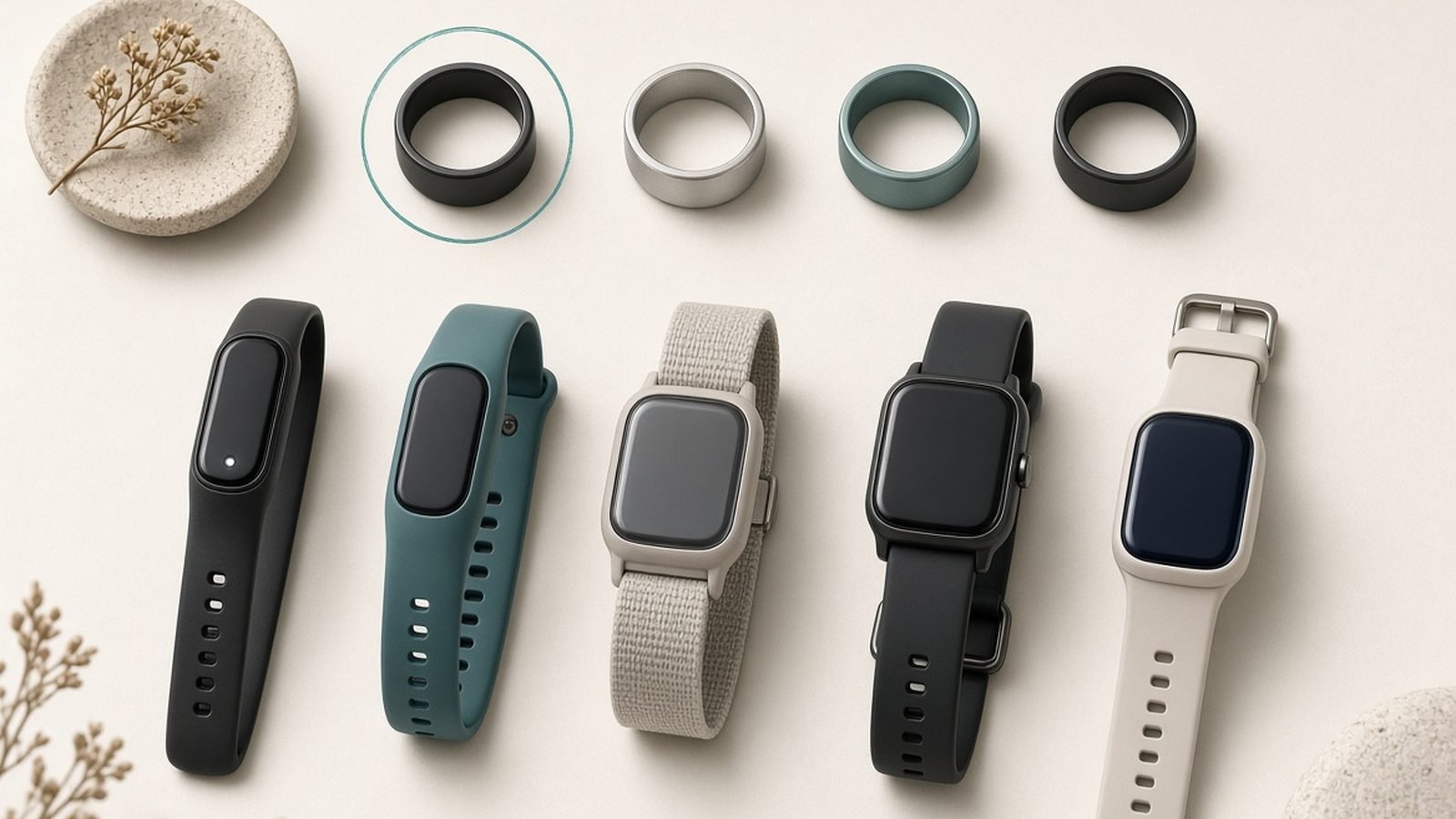
Fitbit’s lineup splits into a few clear categories:
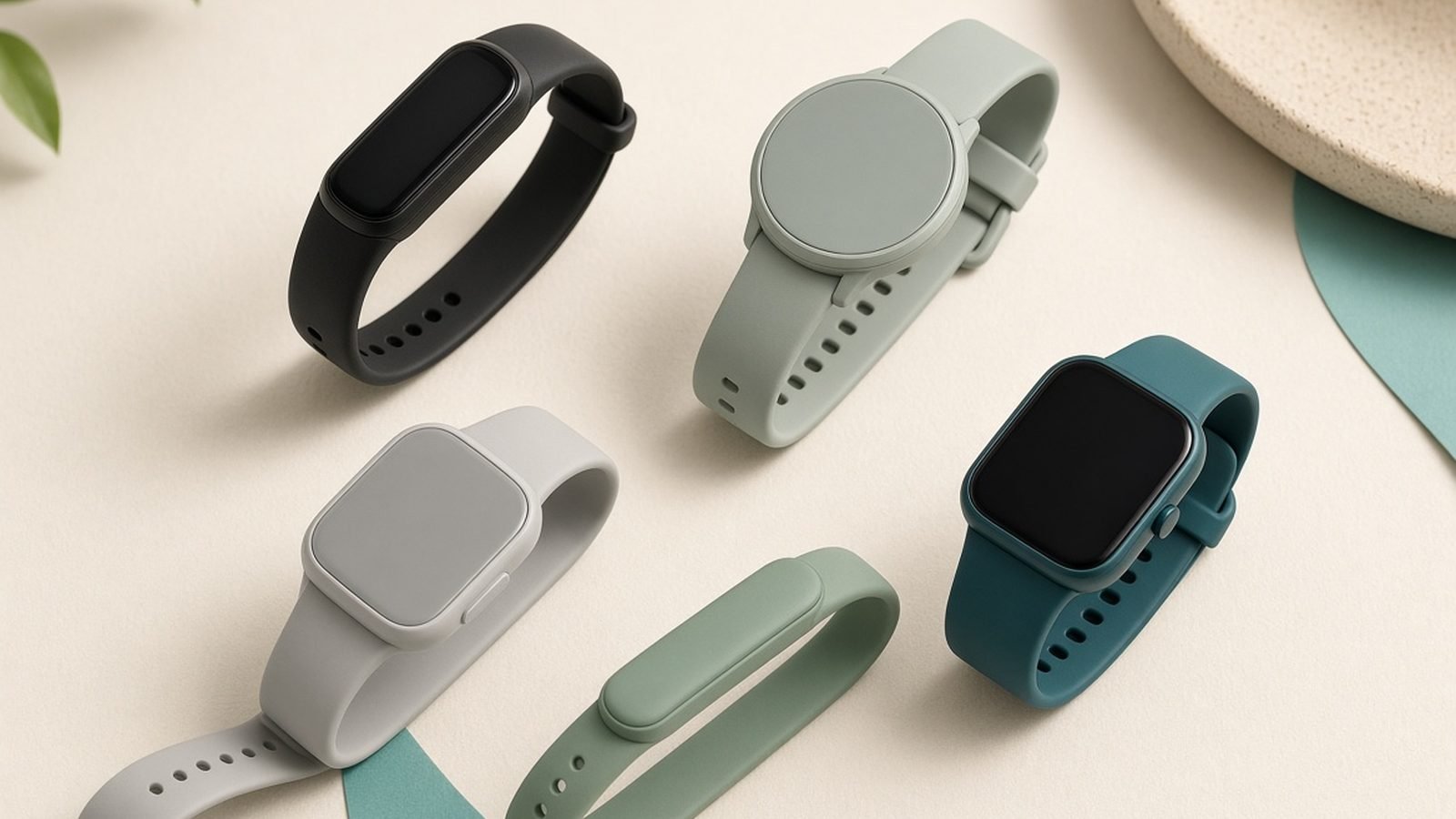
- Fitness trackers — slim wristbands focused on steps, heart rate, sleep and workouts (the Charge and Inspire families, plus the style-led Luxe).
- Smartwatches — larger touchscreen watches with apps, GPS and contactless payments (the Versa and Sense families).
- Kids’ wearables — the Ace line, including the LTE-connected Ace for parental tracking without a phone.
- Software & services — the Fitbit app and the paid Fitbit Premium subscription, which unlocks the Daily Readiness Score, detailed sleep analysis, guided programs and the stress-management tools.
Fitbit’s sweet spot is the affordable, long-battery band — not the do-everything smartwatch, where Google increasingly steers buyers toward the Pixel Watch instead.
Standout Fitbit products in 2026
- Fitbit Charge 6 — the flagship tracker and the one to buy for most people. It added built-in Google Maps, Google Wallet and YouTube Music controls, a more accurate heart-rate sensor, and a physical side button that fixed the touch-only frustration of the Charge 5. Around $159 / £139. A genuinely great all-rounder — see how it stacks up in our Best Fitness Trackers 2026: Bands That Beat Smartwatches guide.
- Fitbit Inspire 3 — the budget entry point: lightweight, up to 10 days of battery, all the core tracking, no GPS. Around $99 / £84.
- Fitbit Versa 4 — the mainstream smartwatch: bright display, GPS, ~6-day battery, though app support is thinner than it once was.
- Fitbit Sense 2 — the health-focused watch with an ECG app, cEDA stress sensor and skin-temperature tracking.
- Fitbit Ace LTE — a kids’ watch with games and location sharing that doesn’t need a paired phone.
- Fitbit Luxe — the fashion-oriented slim tracker for buyers who want jewelry-like styling.
Because Fitbit’s trackers are among the best sleep loggers at their price, they also feature in our Best Sleep Trackers 2026: Rings, Bands & Watches Ranked roundup, and the watches appear in Best Smartwatches 2026: 7 Top Picks for Every Budget.
Strengths
- Beginner-friendly by design. The app is clean, the metrics are explained in plain language, and the setup is painless. No other brand onboards non-athletes as gently.
- Excellent battery life on trackers. Charge and Inspire routinely go 6–10 days between charges — far better than an Apple Watch or Pixel Watch.
- Best-in-class sleep tracking for the money. Sleep stages, a nightly Sleep Score, and (with Premium) a detailed sleep-profile breakdown that’s genuinely useful.
- Big, social ecosystem. Challenges, badges and friend leaderboards keep casual users motivated — the “gamification” Fitbit pioneered still works.
- Google integration on newer devices. Maps directions on the wrist, Wallet tap-to-pay and YouTube Music controls add real convenience on the Charge 6 and Pixel Watch.
Weaknesses & criticisms
- The Premium paywall keeps growing. Around $9.99 / £7.99 a month, Premium locks away the Daily Readiness Score, advanced sleep insights and guided content. Features that used to be free increasingly sit behind it.
- Removed and downgraded features. Google has retired the web dashboard, killed off community Challenges and open Groups, and the Sense 2 launched without the Sense 1’s music storage, third-party apps and Google Assistant. Long-time users are right to feel features have been taken away, not added.
- Mandatory Google account. You can no longer use a Fitbit without a Google login, which is a privacy and principle sticking point for some.
- Not for serious athletes. GPS can be slower to lock than Garmin or Coros, training analytics are shallow, and there’s no advanced running-dynamics or multisport depth.
- Server-dependent. Because so much lives in the cloud, occasional Fitbit server outages have left users temporarily unable to sync or see data.
- Historical hardware issues. Earlier models drew skin-irritation complaints and, notably, the Ionic smartwatch was recalled in 2022 over burn reports. Current bands are better, but the track record is worth knowing.
Reliability & support
Modern Fitbit hardware is reasonably reliable — the Charge and Inspire lines are durable, water-resistant to 50m, and hold up to daily wear. The most common failure points historically have been band clasps, adhesive screens on older units, and battery degradation after a couple of years, which is typical for the category.
Warranty is the standard one year in the US and two years in the UK/EU. Customer-service reputation is mixed: chat and email support exist and honor warranty replacements, but response quality varies and out-of-warranty repair essentially means buying a new device. Software updates are steady but can be slow to roll out, and the Google transition introduced some sync bugs that took time to iron out. On the safety front, Google/Fitbit did act on the Ionic recall — but that recall is the reason many buyers now research reliability before committing.
Who should buy Fitbit
Buy Fitbit if you’re new to fitness tracking, want a lightweight band with long battery life, care most about steps, heart rate and sleep, and value a friendly app over spreadsheet-grade data. The Charge 6 in particular is one of the best value trackers you can buy, and the Inspire 3 is a superb low-cost starter.
Look elsewhere if you’re a dedicated runner, cyclist or triathlete who needs deep training metrics (consider Garmin or Coros), if you refuse to pay a subscription for full functionality, or if you want a true app-rich smartwatch — in which case Google’s own Pixel Watch, or an Apple Watch, is the better spend.
FAQ
Is Fitbit a good brand?
Yes, for its target audience. Fitbit makes some of the most approachable, best-value fitness trackers available and has the friendliest app in the category. It’s a poor fit only if you need advanced sports analytics or object to the growing subscription and the Google account requirement.
Is Fitbit reliable?
Current Fitbit hardware is generally reliable, with strong water resistance and multi-day battery life. The main long-term issues are band wear and battery aging. Note the 2022 Ionic recall over burn reports — a reason to stick with the current, well-reviewed models.
Where is Fitbit from and who owns it?
Fitbit was founded in San Francisco in 2007 and is American. It has been owned by Google (Alphabet) since the acquisition closed in January 2021, and now operates as part of Google’s hardware division.
Is Fitbit Premium worth it?
It’s worth it only if you’ll actually use the Daily Readiness Score, detailed sleep profile and guided programs. Casual users get plenty from the free tier; the paid subscription mainly benefits people who want to act on deeper insights. You can trial it before committing.
Fitbit vs Garmin — which is better?
Fitbit wins on simplicity, price and the app experience for everyday users. Garmin wins decisively for athletes with far deeper training metrics, better GPS and more rugged multisport watches. Choose based on whether you’re tracking habits or training seriously.
Does Fitbit require a subscription to work?
No — core tracking (steps, heart rate, basic sleep, workouts) is free forever. A subscription only unlocks premium analytics. That said, more of the “insight” features now sit behind Premium than in past years.
Zen Tech Hub may earn a commission from links on this page, at no extra cost to you.