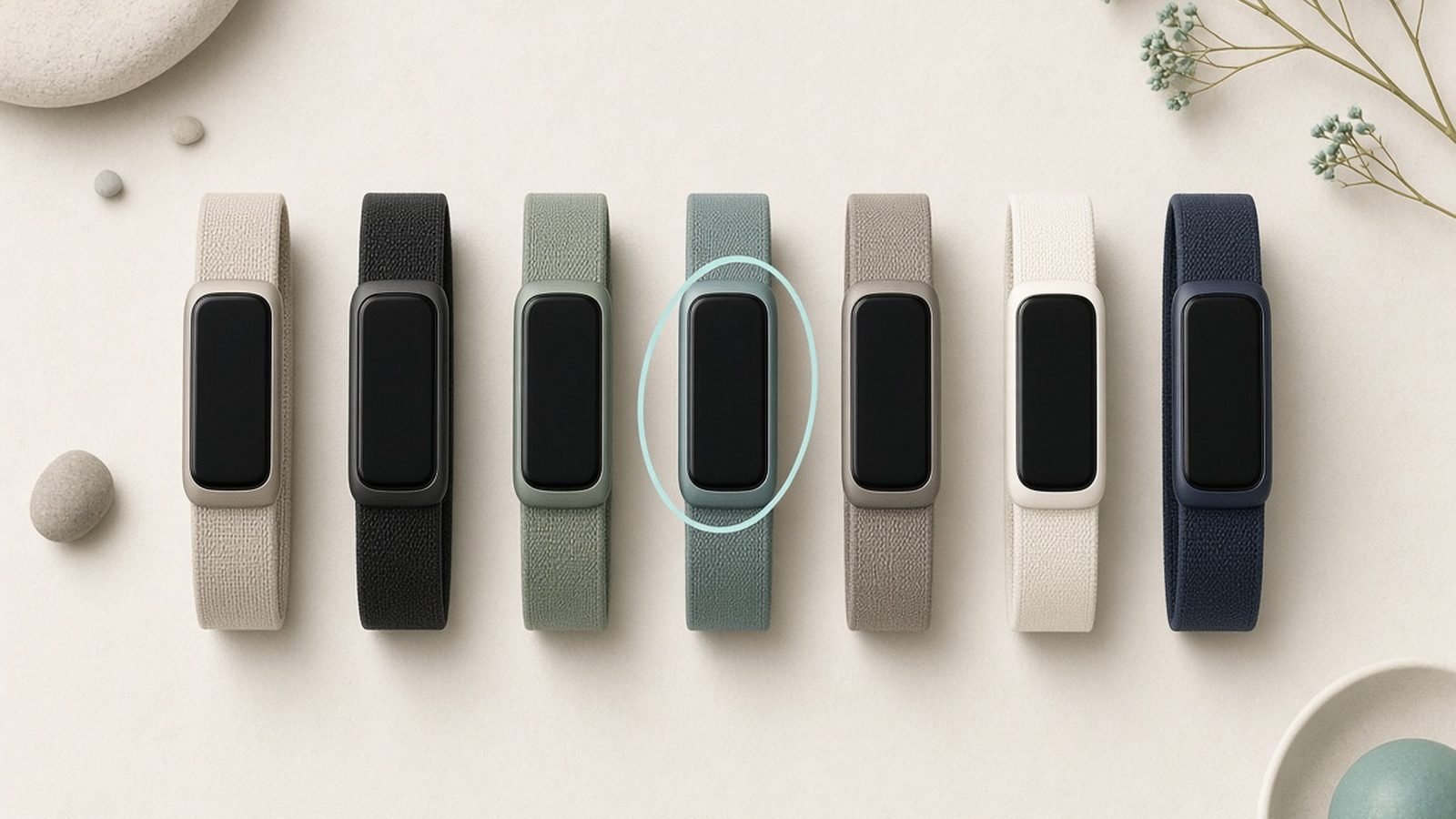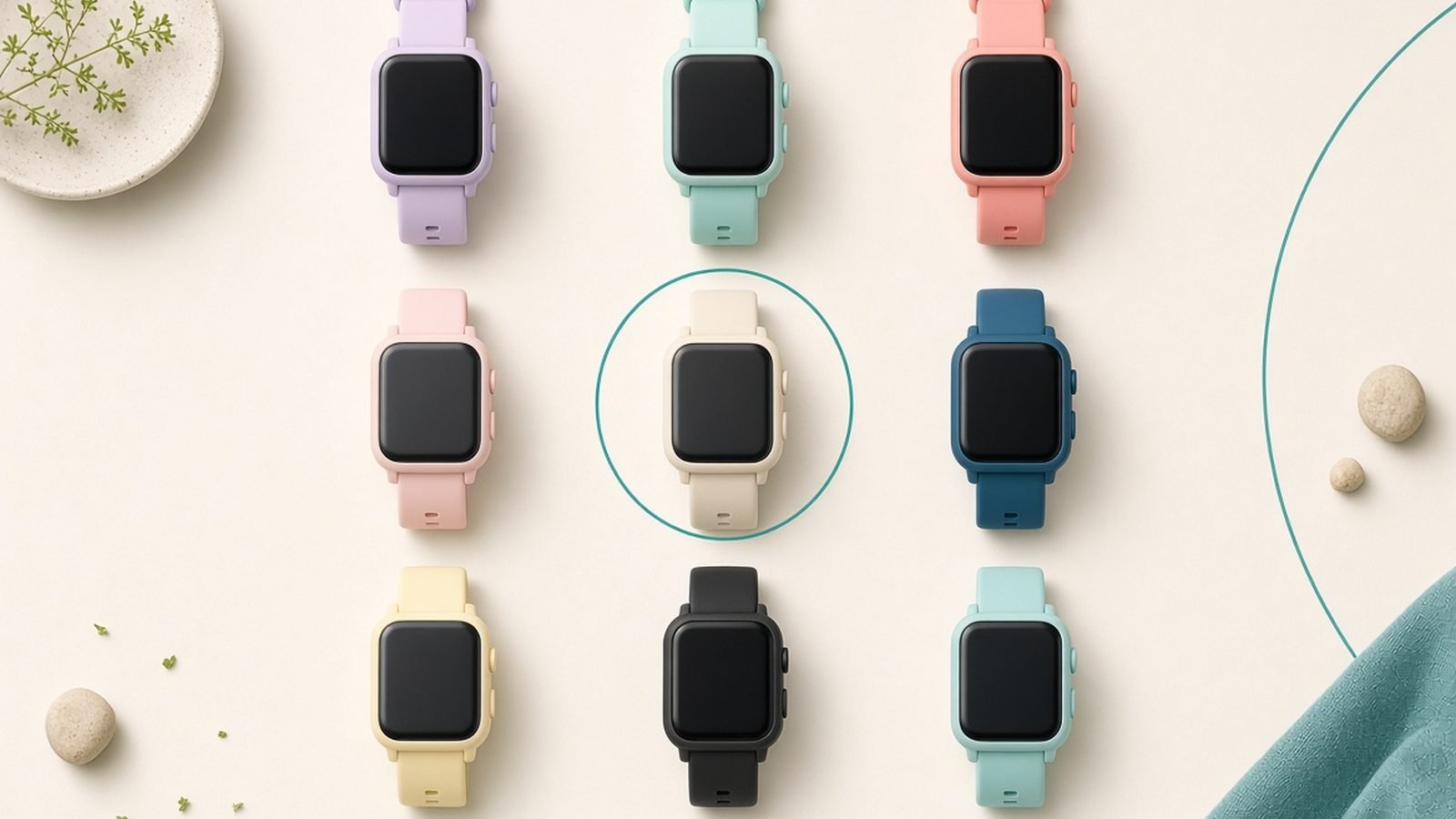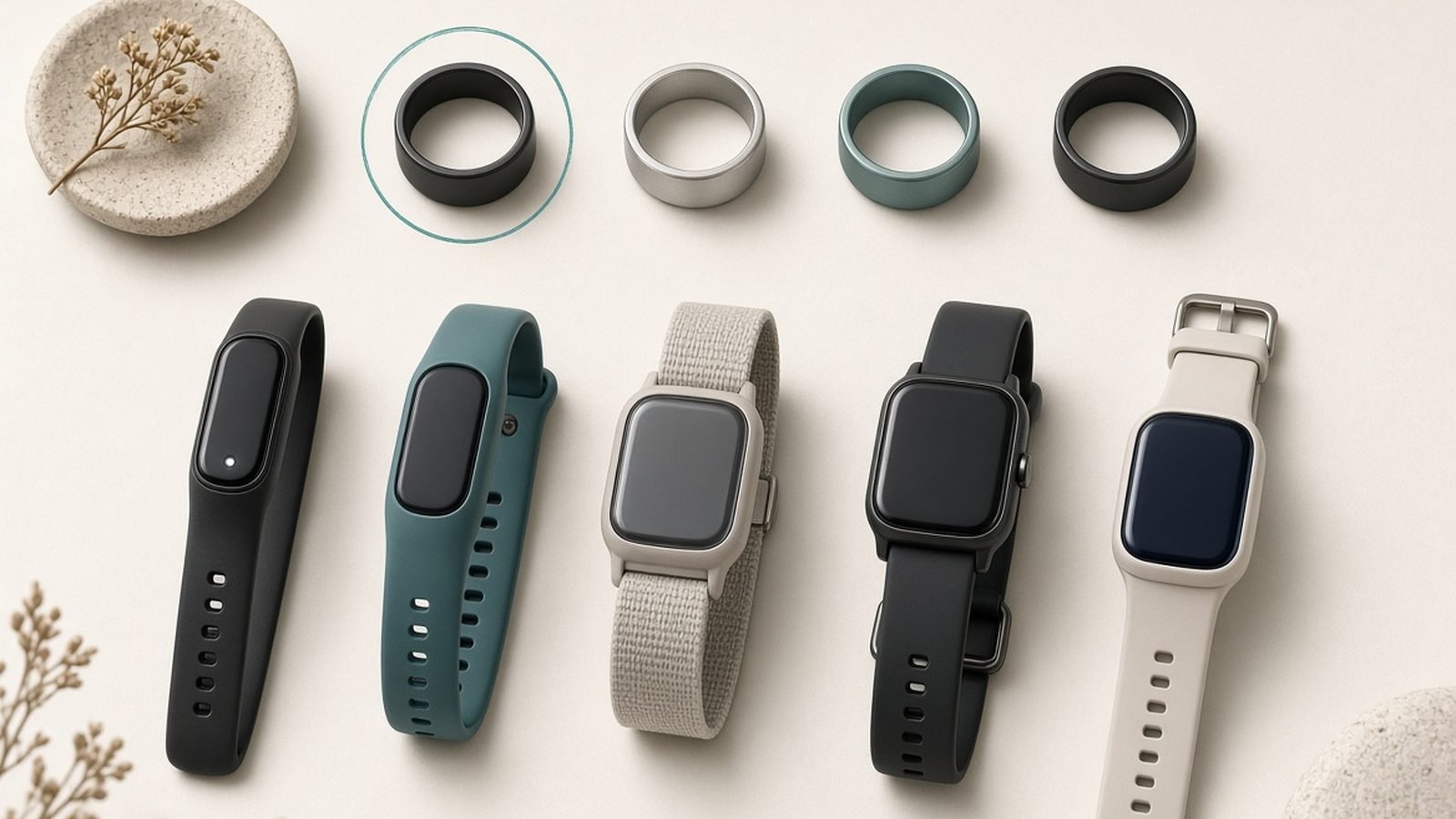
Under $100 / £100 no tracker does everything, so choosing the best budget fitness tracker in 2026 is really a question of which compromises you can live with. Three decide most of this list: whether the band has built-in GPS or leans on your phone for pace and distance, how polished the companion app is, and whether your basic stats sit behind a subscription. On value the Xiaomi Smart Band 9 gives up the least, the Fitbit Inspire 3 trades raw specs for the most approachable app, and the Amazfit Band 7 / Bip range covers buyers who want a watch-style screen. One limit applies to all of them: budget optical heart-rate sensors are less accurate during high-intensity exercise than chest straps or flagship watches.
Below are six trackers worth buying under $100 / £100, each with honest trade-offs. Our analysis draws on published specs, documentation and aggregated owner feedback rather than a fabricated lab test.
Best budget fitness tracker 2026 at a glance
| Pick | Tracker | Best for | Price US / UK |
|---|---|---|---|
| Best overall | Xiaomi Smart Band 9 | Value + features | ~$50 / ~£40 |
| Best app/ecosystem | Fitbit Inspire 3 | Beginners, sleep | ~$99 / ~£85 |
| Best cheap watch-style | Amazfit Bip 5 | Notifications + GPS | ~$60 / ~£55 |
| Best for sleep detail | Amazfit Band 7 | Sleep + battery | ~$45 / ~£40 |
| Best ultra-cheap | Xiaomi Smart Band 9 Active | Bare-bones tracking | ~$25 / ~£25 |
| Best step-up | Amazfit Active 2 | Built-in GPS + AMOLED | ~$99 / ~£89 |
Prices move with sales; treat these as guides. Full breakdowns follow.
How we picked
Under $100 / £100 you can’t have everything, so we focused on what matters most at this price: accurate-enough heart-rate and step tracking, useful sleep data, multi-day battery, a readable screen, and — crucially — no mandatory subscription to see your basics. We leaned on Xiaomi, Fitbit and Amazfit’s published specs plus aggregated owner feedback about real-world reliability. We didn’t run instrumented lab tests, and we’re clear that budget optical heart-rate sensors are less accurate during high-intensity exercise than pricier chest straps or flagship watches.
Best overall: Xiaomi Smart Band 9
Bright AMOLED, ~150 sport modes, ~21-day battery, around $50 / £40.
The Xiaomi Smart Band 9 is the budget tracker to beat. For around $50 / £40 you get a vivid AMOLED display, continuous heart-rate and SpO2 monitoring, sleep tracking, a huge library of sport modes and battery life that stretches toward three weeks. It’s light, comfortable and genuinely pleasant to wear all day and night, and the screen quality shames trackers costing far more.
The trade-offs are ecosystem and GPS. There’s no built-in GPS, so pace and distance rely on a connected phone, and Xiaomi’s Mi Fitness app, while functional, is less polished than Fitbit’s. Notification support is basic. But as a pure “track my steps, sleep and workouts” band, nothing at this price does more.
Pros: Excellent value, bright AMOLED, huge battery, many sport modes, comfortable.
Cons: No built-in GPS, app less polished than Fitbit, basic notifications.
Who it’s for: Anyone who wants maximum tracking and screen quality for minimum money.
Best app and ecosystem: Fitbit Inspire 3
Friendly app, sleep score, ~10-day battery, around $99 / £85.
If you value a welcoming app and a trusted health ecosystem over raw specs, the Fitbit Inspire 3 is the budget pick. Fitbit’s app remains the most approachable in the category, with clear sleep scores, a readable dashboard, gentle reminders and a supportive community. The Inspire 3 adds a color display, all-day heart-rate, SpO2 and around 10 days of battery in a slim, light band.
The honest caveats: some deeper insights sit behind Fitbit Premium, and after Google’s takeover the platform has shed a few social features. It’s also pricier than Xiaomi for similar hardware. But for beginners and anyone focused on building healthy sleep and activity habits, the experience is worth it.
Pros: Best-in-class beginner app, clear sleep scores, slim and light, reliable tracking.
Cons: Some insights need Premium, pricier than Xiaomi, no built-in GPS.
Who it’s for: Beginners and habit-builders who want the friendliest app and trusted ecosystem.
Best cheap watch-style tracker: Amazfit Bip 5
Large 1.9” screen, built-in GPS, Alexa, around $60 / £55.
If you’d rather have a small smartwatch than a slim band, the Amazfit Bip 5 delivers astonishing value. For around $60 / £55 you get a large 1.9-inch display, built-in GPS (rare at this price), heart-rate and SpO2 tracking, Alexa voice support and around 10 days of battery. It looks like a watch, handles notifications well, and the built-in GPS means you can run without carrying your phone.
The compromises reflect the price: the screen is a lower-resolution LCD rather than a crisp AMOLED, the plastic build feels budget, and the GPS lock can be slower than a dedicated running watch. But for a do-a-bit-of-everything tracker with real GPS, it’s hard to beat.
Pros: Built-in GPS, big screen, Alexa, strong battery, watch-style design.
Cons: LCD not AMOLED, plastic build, GPS lock can be slow.
Who it’s for: Value hunters who want a phone-free-run watch look without spending much.
Best for sleep detail: Amazfit Band 7
Detailed sleep breakdown, ~14-day battery, around $45 / £40.
The Amazfit Band 7 is a slim, screen-forward band that punches above its weight on sleep tracking. Amazfit’s Zepp app breaks sleep into stages with a readable score and helpful trends, and the band pairs that with all-day heart-rate, SpO2, stress tracking and around two weeks of battery. At roughly $45 / £40 it’s one of the cheapest ways to get genuinely useful nightly data.
As with its rivals here, there’s no built-in GPS and notification handling is basic. Optical heart-rate accuracy during hard intervals is only okay. But for anyone whose main goal is understanding and improving their sleep on a tight budget, it’s a smart buy — and our Best Fitness Trackers 2026: Bands That Beat Smartwatches guide covers pricier sleep-focused options if you outgrow it.
Pros: Detailed sleep tracking, good app, long battery, very affordable, comfortable.
Cons: No GPS, basic notifications, heart-rate accuracy dips in intense exercise.
Who it’s for: Sleep-focused users who want detailed nightly data without spending much.
Best ultra-cheap: Xiaomi Smart Band 9 Active
Core tracking, ~18-day battery, around $25 / £25.
When budget is the only thing that matters, the Xiaomi Smart Band 9 Active covers the basics for the price of a takeaway. Around $25 / £25 buys step counting, heart-rate and sleep tracking, dozens of sport modes and battery that lasts well over two weeks. It’s the ideal first tracker, a gift, or a no-worry band you won’t mind knocking about.
Corners are cut to hit the price: the display is a larger but lower-resolution LCD rather than AMOLED, there’s no SpO2 on some variants, and everything relies on the phone app. But as a functional entry point into fitness tracking, it’s remarkable that this costs so little.
Pros: Extremely cheap, solid battery, core tracking covered, big display.
Cons: LCD screen, fewer sensors, phone-dependent, basic build.
Who it’s for: First-time trackers, gifts and anyone wanting the cheapest reliable band.
Best step-up: Amazfit Active 2
AMOLED, built-in GPS, ~10-day battery, around $99 / £89.
Right at the $100 / £100 ceiling, the Amazfit Active 2 blurs the line between band and full smartwatch. It brings a sharp round AMOLED display, built-in GPS, offline routes on higher trims, strength-training support and around 10 days of battery. For the money it feels a class above the slim bands, and it’s the pick if you want something that looks and functions like a proper watch while staying on budget.
The trade-offs are subtle: the ecosystem and third-party app support still trail Garmin and Apple, and the smart features are simpler. But as the best value at the top of this budget bracket, it’s an easy recommendation for anyone who wants room to grow.
Pros: AMOLED screen, built-in GPS, watch styling, good battery, strength tracking.
Cons: Smaller ecosystem, simpler smart features, at the top of the budget.
Who it’s for: Buyers who want a near-smartwatch experience without crossing $100 / £100.
How to choose a budget fitness tracker
Four factors settle most decisions under $100 / £100:
Band or watch? Slim bands (Xiaomi Smart Band, Amazfit Band 7) are lighter and better for sleep; watch-style trackers (Amazfit Bip 5, Active 2) suit notifications and phone-free runs.
Do you need built-in GPS? Most budget bands rely on your phone for GPS. If you want to run or cycle without carrying a phone, prioritize the Amazfit Bip 5 or Active 2, which have GPS onboard.
How much do you care about the app? Fitbit’s app is the friendliest for beginners and habit-building; Xiaomi and Amazfit apps are functional but less polished. If motivation and clear guidance matter, Fitbit is worth the premium.
Any subscription? All the basics on these trackers are free, but Fitbit gates some advanced insights behind Premium. If “no subscription” is a hard rule, Xiaomi and Amazfit keep everything free.
If you find yourself wanting deeper training or recovery data, step up to a running watch — our Best Smartwatches 2026: 7 Top Picks for Every Budget and Best Garmin Watch 2026: Which Model Is Right for You? guides cover where to go next.
FAQ
What is the best budget fitness tracker in 2026?
For most people the Xiaomi Smart Band 9 is the best budget fitness tracker in 2026, offering a bright AMOLED display, heart-rate and sleep tracking, many sport modes and up to three-week battery for around $50 / £40. If the app experience matters most, the Fitbit Inspire 3 is the friendliest option, and the Amazfit Bip 5 adds built-in GPS.
Do cheap fitness trackers track heart rate accurately?
Budget optical heart-rate sensors are accurate enough for resting rate, sleep and steady-state activity, but they’re less reliable during high-intensity intervals where the wrist moves fast. That’s true of most wrist-based trackers, not just cheap ones. For precise heart-rate during hard training, a chest strap remains the gold standard regardless of your tracker’s price.
Which budget fitness trackers have built-in GPS?
At this price, built-in GPS is uncommon, but the Amazfit Bip 5 and Amazfit Active 2 both include it, letting you run or cycle without carrying your phone. Most slim bands like the Xiaomi Smart Band 9 and Fitbit Inspire 3 use connected GPS instead, relying on a nearby phone for accurate pace and distance.
Do I need a subscription to use a budget fitness tracker?
No — all the trackers here show your core stats (steps, heart rate, sleep, workouts) for free. Fitbit gates some deeper insights and coaching behind Fitbit Premium, but you can ignore it and still get plenty of value. Xiaomi and Amazfit keep essentially everything free, which is why they appeal to subscription-averse buyers.
Is a fitness tracker or a smartwatch better on a budget?
A budget fitness tracker gives you longer battery, a lighter fit and excellent value for health tracking, while a budget smartwatch adds bigger screens, more notifications and app support. If your goal is steps, sleep and workouts, a tracker is the smarter buy. If you want on-wrist apps and notifications too, see our Best Fitness Trackers 2026: Bands That Beat Smartwatches comparison.
How long do budget fitness tracker batteries last?
Longer than most smartwatches. Slim bands like the Xiaomi Smart Band 9 and Amazfit Band 7 last around two to three weeks per charge, and even watch-style budget trackers manage roughly 10 days. That endurance is one of the biggest advantages of budget trackers over flagship smartwatches, which typically need charging every day or two.
Zen Tech Hub may earn a commission from links on this page, at no extra cost to you.