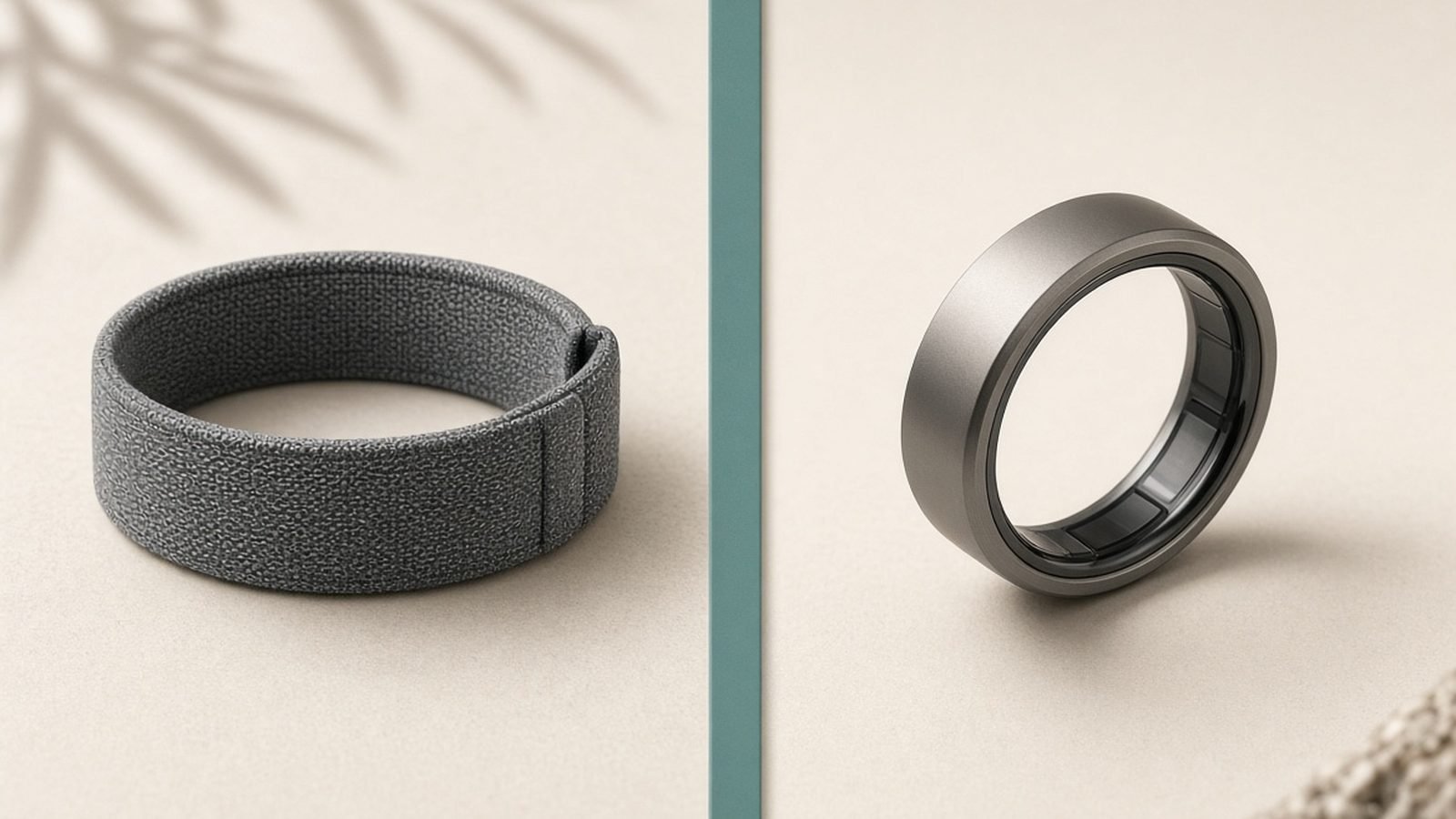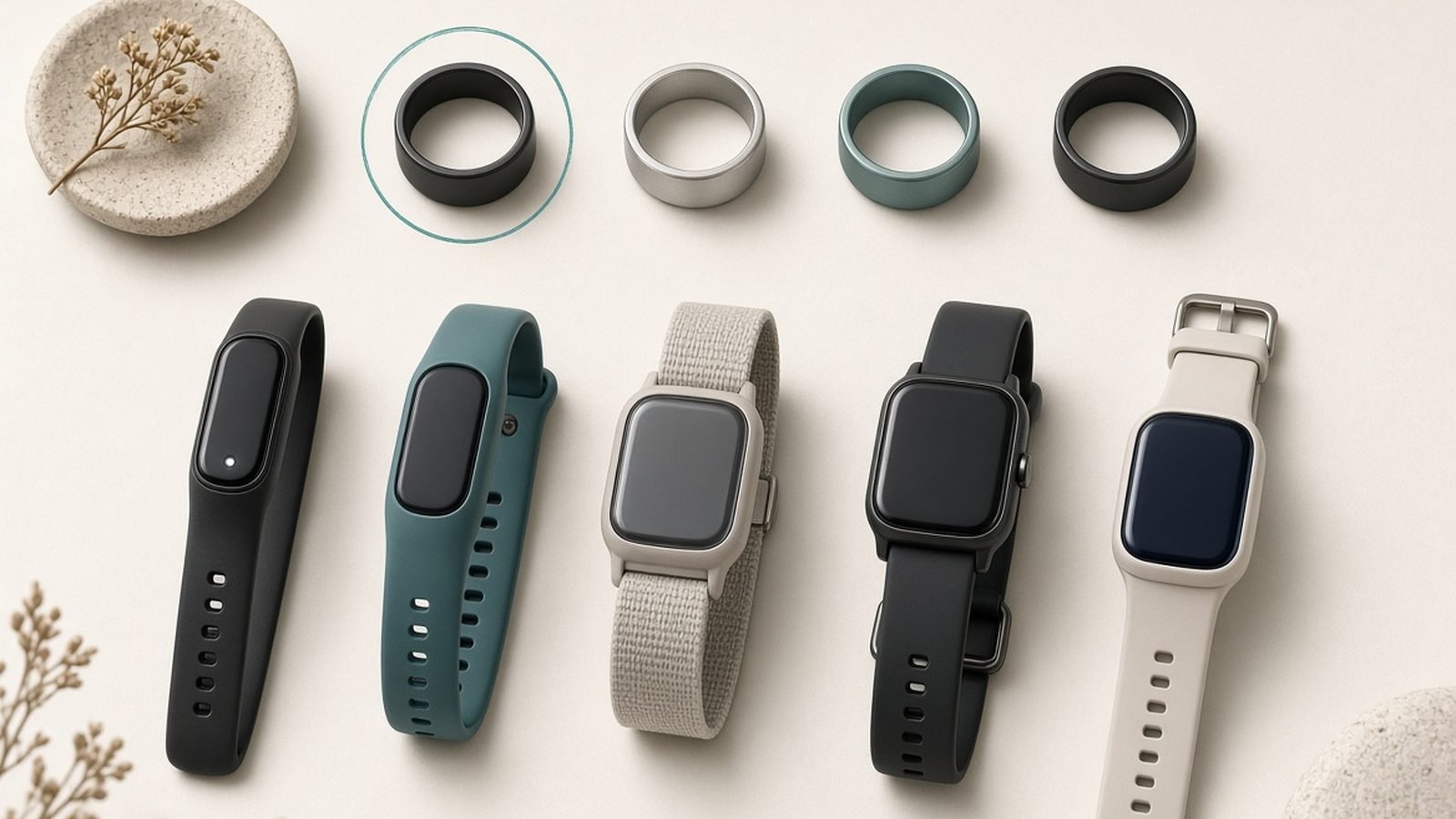
If you want the best sleep tracker 2026 has to offer, the honest answer is: it depends on the finger, wrist, and budget you’re working with. A ring disappears at night but can’t show a screen. A watch does everything but needs a charging plan. A screenless band nails recovery but locks you into a subscription.
We spent weeks cross-referencing spec sheets, manufacturer accuracy claims, and aggregated owner feedback to sort the genuinely useful from the marketing. Below are five picks that lead the category, plus a plain-English guide to what these devices can and can’t tell you about your sleep.
What sleep trackers can and can’t tell you
No consumer wearable measures brain waves. Polysomnography (a clinical sleep study) uses EEG electrodes; your ring or watch infers sleep stages from heart rate, heart rate variability, movement, respiration, and skin temperature. That inference has improved dramatically, but it’s still an estimate.
What modern trackers do well: total sleep time, bedtime consistency, resting heart rate, HRV trends, and night-to-night recovery. Where they wobble: precise light-vs-deep stage boundaries and short wake moments. Treat the trends as gospel and the single-night breakdowns as a rough sketch.
Medical disclaimer: Sleep apnea features on these devices are wellness tools, not diagnostic instruments. They can flag possible breathing disturbances, but only a licensed clinician can diagnose or treat sleep apnea. If you’re consistently exhausted, snore heavily, or get an alert, see a doctor.
Quick comparison
| Product | Best for | Form | Battery | Subscription | Price (approx) |
|---|---|---|---|---|---|
| Oura Ring 4 | Overall accuracy | Ring | ~8 days | Yes ($5.99/mo) | $349 / £349 |
| Whoop 5.0 | Recovery coaching | Band | 14+ days | Yes (membership) | from $199/yr / ~£169/yr |
| Apple Watch Series 11 | Watch users | Watch | ~1 day | No (optional) | $399 / £369 |
| RingConn Gen 2 | No subscription | Ring | 10–12 days | No | $299 / £279 |
| Fitbit Inspire 3 | Budget | Band | ~10 days | Optional (Premium) | $99 / £84 |
Best overall: Oura Ring 4
Oura remains the device to beat for sleep. In our research across independent reviews and validation write-ups, the Ring 4’s sleep-staging consistently tracks closest to clinical references among mainstream consumer wearables, which is why it’s our pick for the most accurate sleep tracker overall.
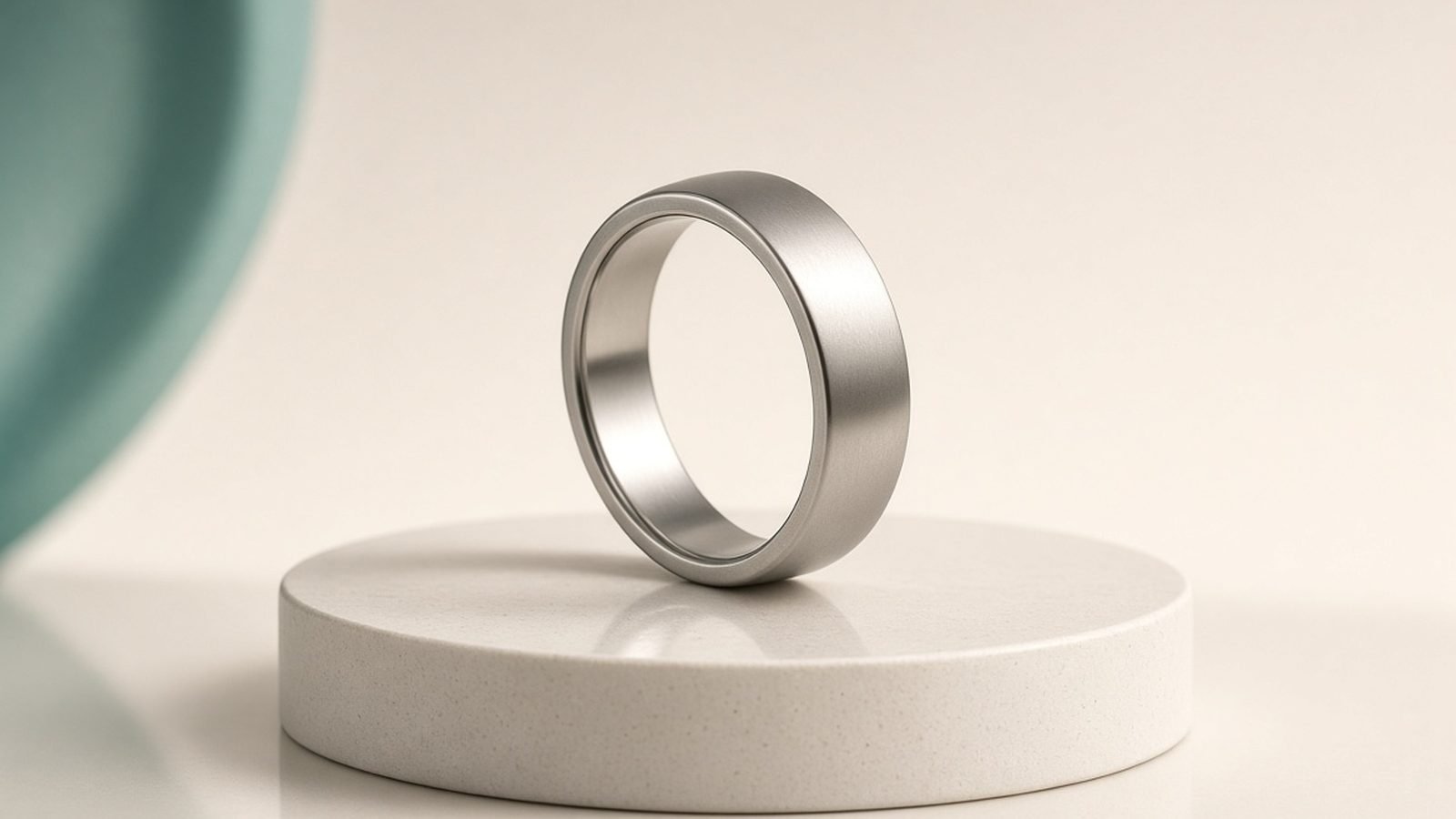
The redesigned sensor array sits flush inside the titanium shell, improving signal contact, and the Readiness and Sleep scores translate messy overnight data into a single “how recovered are you” number that owners actually act on. Battery runs around eight days, and the ring is comfortable enough to forget you’re wearing it, which is exactly what you want at night.
The catch is the membership. After the hardware, insights live behind a subscription of around $5.99 / £5.99 a month. Cancel it and the ring becomes largely a step counter.
Pros: Class-leading sleep staging; clean readiness score; ~8-day battery; genuinely comfortable. Cons: Ongoing subscription; no screen; sizing requires a kit first.
Best for the data-serious sleeper who wants the closest-to-lab picture and doesn’t mind paying monthly for it. If you’re torn between the two big rings, our Whoop vs Oura in 2026: Which Recovery Wearable Wins? and Best Smart Rings 2026: Oura, Galaxy Ring & Cheaper Rivals guides go deeper.
Best screenless band: Whoop 5.0
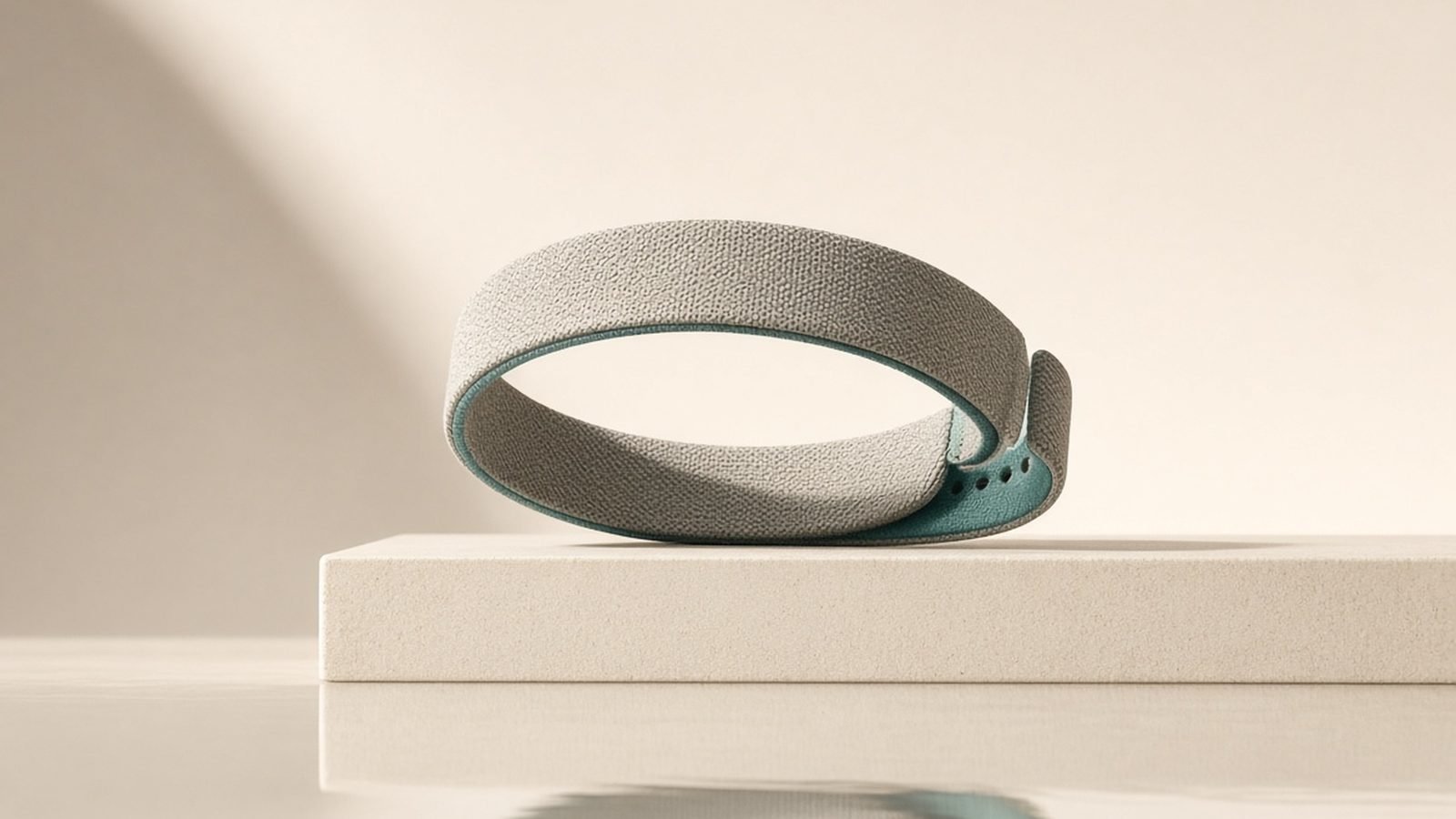
Whoop is the anti-watch. There’s no display at all; the whole point is a fabric band that reads your body and coaches you through an app. For sleep specifically, the Sleep Coach sets a target bedtime based on your accumulated strain and sleep debt, then nudges you toward it, which is behavior change most trackers skip.
Battery life is a standout at 14-plus days, and the newer battery pack slides on without removing the band, so you never break the data stream. The 5.0 generation added Healthspan and broader health metrics that widen its appeal beyond athletes.
The business model is the whole story: Whoop is subscription-only, starting around $199 / ~£169 per year, with the hardware bundled in. No membership, no device. The oura vs whoop for sleep decision usually comes down to this: Oura for the sharpest sleep staging, Whoop for the coaching that changes your bedtime.
Pros: Excellent recovery and sleep coaching; 14+ day battery; screenless comfort; strong strain model. Cons: Subscription-only forever; no glanceable display; overkill for casual users.
Best for athletes and habit-builders who want to be told what to do, not just shown a chart.
Best watch for sleep: Apple Watch Series 11
If you already live in Apple’s world, the Series 11 is the easy answer and arguably the best wearable for sleep tracking for mainstream users who want one device for everything. The new Sleep Score condenses duration, consistency, and stages into a number that syncs straight to the Health app, and the sleep apnea notifications watch for breathing-disturbance patterns over time.
The trade-off is old but real: a watch needs charging, and you can’t charge it while you sleep. The workaround owners use is a quick top-up during a morning shower or evening wind-down so the battery covers the night. Do that and it works fine; forget and you’ve got a dead tracker at 2am.
Pros: Sleep score plus apnea notifications; seamless iPhone integration; huge app and safety feature set. Cons: ~1-day battery demands a charging routine; bulkier on the wrist than a ring or band; iPhone required.
Best for iPhone owners who want a do-everything wearable and will build a charging habit. As a sleep apnea detection wearable, it’s among the most accessible, but see the disclaimer above.
Check price: Apple Watch Series 11
Best sub-free ring: RingConn Gen 2
Not everyone wants a monthly bill, and RingConn is built for exactly that objection. The Gen 2 delivers full sleep tracking and sleep apnea monitoring with no subscription, making it the standout sleep tracker without subscription and our favorite best sleep tracking ring for value.
Battery is superb at 10–12 days, and the titanium build feels close to Oura’s in the hand. Owner reports praise the honest one-time pricing and the apnea feature, which surfaces potential breathing disturbances without paywalling the result.
Where it trails is coaching depth. Oura’s readiness modeling and app polish are still a step ahead, and RingConn’s recommendations are lighter. But for raw sleep data you own outright, it’s hard to argue with $299 / £279 and nothing more to pay.
Pros: No subscription ever; apnea monitoring included; 10–12 day battery; strong build. Cons: Coaching and insights trail Oura; smaller ecosystem; fewer size/finish options.
Best for value-minded sleepers who want ring-form tracking without a recurring charge. Check our Oura Ring Sizing Guide: Get the Right Fit First Time before ordering any ring.
Best budget: Fitbit Inspire 3
You don’t need to spend $300 to track sleep well. The Fitbit Inspire 3 delivers solid sleep stages, resting heart rate, and a Sleep Score for under $100, with a battery that stretches to around 10 days.
It’s the sensible entry point: light, simple, and backed by Fitbit’s long-refined sleep algorithms now under Google. The limitation is that the richest insights, like detailed Sleep Profile analysis, sit behind Fitbit Premium. The free tier is still genuinely useful, which is more than many budget bands manage.
Pros: Excellent value; reliable sleep stages; ~10-day battery; lightweight and unobtrusive. Cons: Best insights need Premium; small display; fewer advanced health sensors.
Best for first-time trackers and anyone testing whether sleep data changes their habits before spending more.
Accuracy: how we assessed the polysomnography claims
We didn’t run a clinical sleep lab, and any site that tells you it did for five devices should raise an eyebrow. Instead, we assessed each device against published manufacturer validation claims, independent third-party accuracy studies, and aggregated owner feedback about real-world consistency.
The pattern that emerges: rings with strong skin contact (Oura, RingConn) tend to lead on staging, wrist wearables do well on duration but can over- or under-call brief wake periods, and every device is more reliable at trends than at any single night. Where a brand claims “polysomnography-grade” accuracy, we read it as a validation target, not a guarantee. For the science behind the metrics, see What Is a Good HRV? Heart Rate Variability Explained.
Verdict by sleeper type
The optimizer: Oura Ring 4. Best staging, cleanest readiness score, worth the subscription.
The athlete: Whoop 5.0. Coaching and recovery modeling that actually change behavior.
The Apple loyalist: Apple Watch Series 11. One device for sleep, apnea alerts, and everything else.
The subscription-avoider: RingConn Gen 2. Ring-form tracking and apnea monitoring, paid once.
The first-timer: Fitbit Inspire 3. Real sleep insight for under $100.
For best sleep tracker UK buyers, all five ship in Britain; RingConn and Fitbit offer the friendliest total cost once you factor in exchange rates and the absence of a Whoop-style annual fee.
FAQ
What’s the most accurate sleep tracker in 2026? Based on our research, the Oura Ring 4 leads mainstream consumer devices for sleep-stage accuracy, thanks to its flush sensor design and refined algorithms. No wearable matches a clinical sleep study, but Oura and RingConn’s ring form gives them a signal-quality edge over most wrist devices for overnight staging.
Can a wearable actually detect sleep apnea? Some can flag possible breathing disturbances. The Apple Watch Series 11 and RingConn Gen 2 include apnea-related monitoring, but these are wellness features, not diagnostic tools. They may prompt you to seek help; only a doctor can diagnose apnea. If you snore heavily or wake unrefreshed, get a proper evaluation.
Oura vs Whoop for sleep, which should I pick? Choose Oura if you want the sharpest sleep-stage data in a ring you barely feel. Choose Whoop if you want active coaching that sets your bedtime and manages recovery. Both charge ongoing fees. Oura sells hardware plus a small monthly membership; Whoop bundles hardware into an annual subscription.
Is there a good sleep tracker without a subscription? Yes. The RingConn Gen 2 offers full sleep tracking and apnea monitoring for a one-time $299 / £279 with no recurring fee. The Apple Watch and Fitbit Inspire 3 also work without paying monthly, though Fitbit’s deepest insights and Apple’s wider health features are richer with their optional memberships.
Do I need a screen to track sleep well? No, and many prefer not to. Screenless devices like the Oura Ring, Whoop 5.0, and RingConn are more comfortable to wear overnight and last far longer between charges. A watch adds glanceable data and daytime versatility but needs nightly-adjacent charging, so pick based on whether you value comfort or all-in-one convenience.
For more comparisons and buying guides, visit our Wearables.
Zen Tech Hub may earn a commission from links on this page, at no extra cost to you.