Godox is the brand that democratized photography lighting, and in 2026 it is the default choice for anyone who wants professional-quality flashes and LED lights without professional-tier prices. Its huge, interoperable ecosystem — speedlights, portable strobes, studio monolights, continuous LEDs and a single unified wireless system — lets photographers and videographers build a full lighting kit for a fraction of what premium brands charge. The trade-offs are the classic value-brand ones: quality control can be inconsistent unit to unit, support and warranty handling vary by region, and it lacks the last few percent of polish and reliability that top-end names guarantee. For most creators, Godox offers unbeatable capability per dollar.
Verdict: The value king of photography and video lighting. Best for enthusiasts, content creators and working pros on a budget who want a huge, interoperable system; the caveats are variable quality control and patchy after-sales support.
Company overview
Godox (Shenzhen Godox Photo Equipment Co., Ltd.) is a Chinese company founded in 1993 and headquartered in Shenzhen, specializing in photographic and video lighting. It is privately held and has grown from a small studio-lighting maker into one of the largest and most influential lighting brands in the world, largely by combining aggressive pricing with a broad, cleverly integrated product range. In some markets Godox gear is also sold under rebadged names — most notably the Flashpoint brand at US retailer Adorama — which are the same products with different branding and local support.
In plain terms, Godox’s reputation is that of the brand that made good lighting affordable for everyone. It is respected for its enormous range, its single unified 2.4GHz wireless system that lets almost all its lights talk to one another across camera brands, and prices that undercut premium rivals dramatically. The honest caveats are equally well known: as a high-volume value manufacturer, Godox’s build quality and reliability can vary from unit to unit, firmware can be quirky, and customer support and warranty service depend heavily on where you buy and which distributor handles it. Buyers get remarkable capability for the money, provided they accept some inconsistency.
What Godox makes
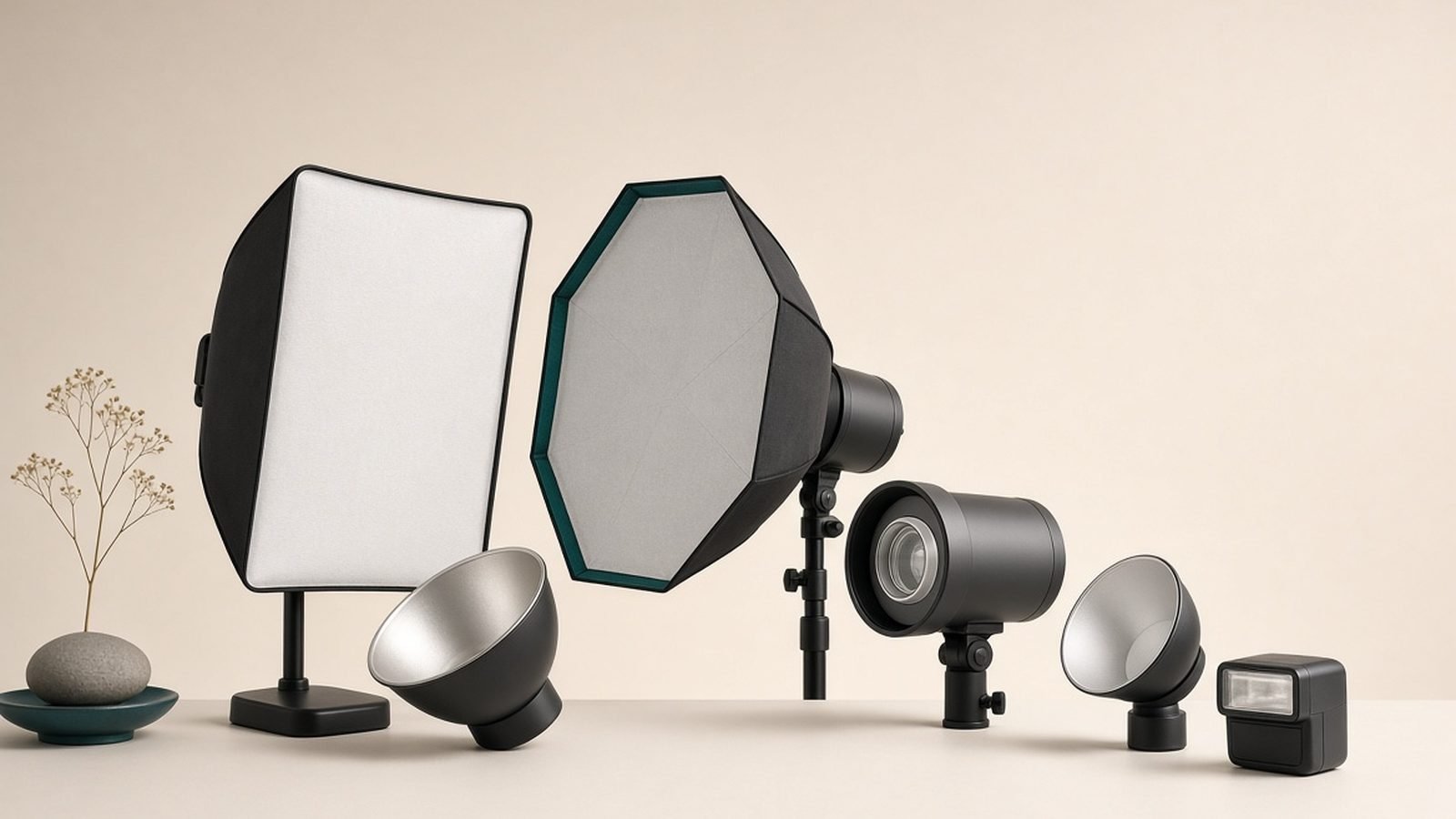
Godox’s range spans nearly every type of photographic and video light:
- Speedlights (on-camera flashes) — compact TTL flashes like the round-head V1 and V860 series for on- and off-camera use.
- Portable strobes — battery-powered off-camera flashes such as the AD-series (AD200 Pro, AD300 Pro, AD600 Pro) popular for location work.
- Studio monolights — mains-powered studio strobes for controlled indoor shooting.
- Continuous LED lights — panels, COB spotlights (the SL and VL series) and tubes for video and hybrid shooters.
- Ring lights and accessories — ring lights, softboxes, triggers (the X-series like the X2 and XPro) and light-shaping tools that tie the ecosystem together.
The unifying feature across almost all of it is the shared Godox 2.4GHz wireless system, which lets a single trigger control a mixed set of lights.
Standout Godox products in 2026
The products that best represent Godox are its portable AD-series strobes and V-series speedlights, which show up constantly in lighting recommendations and complement our Best Ring Lights 2026: Video, Streaming & Selfies and Best Cameras for Beginners 2026: Easy & Affordable guides for creators building a first real lighting setup. Based on published specs and user feedback, the AD200 Pro in particular is a landmark product — a pocketable 200Ws flash with interchangeable heads that punches far above its price.
Across the rest of the range:
- Godox AD200 Pro — the iconic pocket strobe, versatile enough for portraits, events and location work, and a gateway into the wider Godox system.
- Godox V1 / V1 Pro — round-head TTL speedlights praised for pleasing light quality and easy off-camera use across camera brands.
- Godox SL / VL LED lights — affordable continuous COB lights popular with video creators and streamers.
- Godox ring lights and the X-series triggers — accessible lighting and the wireless triggers that unify the whole ecosystem; see our Best Ring Lights 2026: Video, Streaming & Selfies guide for how they fit a creator setup.
Here is the flagship strobe most photographers consider first:
Strengths
Outstanding value. Godox lights consistently deliver capability comparable to far pricier premium brands for a fraction of the cost, which is the core reason the brand exploded in popularity.
A huge, interoperable ecosystem. Godox’s unified 2.4GHz wireless system lets speedlights, strobes and LEDs from across its range work together on a single trigger, making it easy and affordable to grow a kit over time.
Broad range for every need. From tiny on-camera flashes to powerful studio monolights and continuous LEDs, Godox covers almost every lighting scenario, so photographers and videographers can standardize on one brand.
Cross-camera compatibility. Godox supports TTL and high-speed sync across Canon, Nikon, Sony, Fujifilm and other systems, so mixed-brand shooters can use the same lights and triggers.
Constant iteration. Godox releases new and improved models frequently, quickly adopting features like Bluetooth app control, faster recycling and better battery life.
Weaknesses & criticisms
Inconsistent quality control. As a high-volume value manufacturer, Godox can suffer unit-to-unit variation — the occasional dead-on-arrival light, flaky button or early failure. Most units are fine, but the reliability floor is lower than premium brands guarantee.
Patchy support and warranty. After-sales service depends heavily on where you buy and which distributor covers your region. Warranty handling and repair turnaround can be frustrating, and buying from an unauthorized seller can void coverage entirely.
Firmware and app quirks. Godox’s firmware and companion apps can be buggy or unintuitive, and updating firmware sometimes requires specific adapters or fiddly procedures.
Not top-tier consistency for critical work. For high-stakes commercial shoots where absolute reliability and consistent color across units matter, premium brands like Profoto still hold an edge that some professionals will pay for.
Confusing, overlapping lineup. The sheer number of models, versions and naming variants (Pro, II, and rebadged Flashpoint equivalents) can make it hard to know exactly which product to buy.
Reliability & support
Based on aggregated user feedback, Godox lighting is generally reliable and represents excellent value, but it does not match the near-bulletproof consistency of premium brands. The most common complaints are occasional early failures, unit-to-unit variation and firmware glitches rather than widespread design faults — the average Godox light performs well for years, but the odds of getting an off unit are higher than with top-tier gear. Build quality is good for the price, if a step below the ruggedness of flagship professional lights.
Support is the most variable part of the experience. Because Godox sells through many regional distributors (and rebadged brands like Flashpoint), warranty coverage, repair turnaround and parts availability differ significantly by country and seller. Buying from an authorized dealer is important, as gray-market units may lack support. Firmware updates are released regularly and often add features, though the update process can be clumsy. Net: Godox is reliable enough for most creators and unbeatable on value, but buyers should purchase from authorized sellers and accept a support experience that varies by region.
Who should buy Godox
Buy Godox if you: want professional lighting capability on a budget, value a large interoperable ecosystem you can grow over time, shoot across multiple camera brands, or are a content creator or enthusiast building a first serious lighting setup. For most photographers and videographers, Godox offers more capability per dollar than anyone else.
Look elsewhere if you: run high-stakes commercial shoots where absolute unit-to-unit consistency and guaranteed reliability justify premium pricing, or want the most polished support and color accuracy money can buy — in which case a top-tier brand like Profoto may be worth the premium. If you are assembling a creator kit, see our Best Ring Lights 2026: Video, Streaming & Selfies and Best Cameras for Beginners 2026: Easy & Affordable guides to pair lighting with the right gear.
FAQ
Is Godox a good brand?
Yes. Godox is one of the most popular lighting brands in the world because it offers professional-quality flashes and LED lights at value prices, unified by a single wireless system that works across camera brands. The caveats are variable quality control and support that depends on your region and seller, but for most creators the value is exceptional.
Is Godox reliable?
Mostly yes, with caveats. The average Godox light performs well for years, but as a high-volume value brand it has more unit-to-unit variation and occasional early failures than premium names. Firmware can be quirky. Buying from an authorized dealer and accepting a slightly lower reliability floor than top-tier gear is the sensible expectation.
Where is Godox from and who owns it?
Godox is a privately held Chinese company founded in 1993 and headquartered in Shenzhen, specializing in photography and video lighting. In some markets its products are sold under rebadged names — most notably Flashpoint at Adorama in the US — which are the same lights with different branding and local support.
Godox vs Profoto: which should I buy?
Godox offers most of the capability for a fraction of the price and a huge interoperable range, making it the value choice for the vast majority of photographers. Profoto counters with superior build, more consistent color across units, better support and near-bulletproof reliability that high-end commercial pros will pay a large premium for. Budget and how critical your work is decide it.
Is Godox good for beginners?
Yes. Godox is one of the best ways for beginners to get into off-camera lighting affordably, with approachable speedlights like the V1, versatile strobes like the AD200 Pro, and easy-to-use triggers. Its unified system means a starter kit can grow over time. Pair it with the gear in our Best Cameras for Beginners 2026: Easy & Affordable and Best Ring Lights 2026: Video, Streaming & Selfies guides.
Does Godox work with all camera brands?
Largely yes. Godox makes versions of its flashes and triggers with TTL and high-speed sync support for Canon, Nikon, Sony, Fujifilm and other systems, and its unified 2.4GHz wireless lets mixed setups work together. You do need to buy the correct version for your camera’s mount and confirm compatibility for a specific model.
Zen Tech Hub may earn a commission from links on this page, at no extra cost to you.