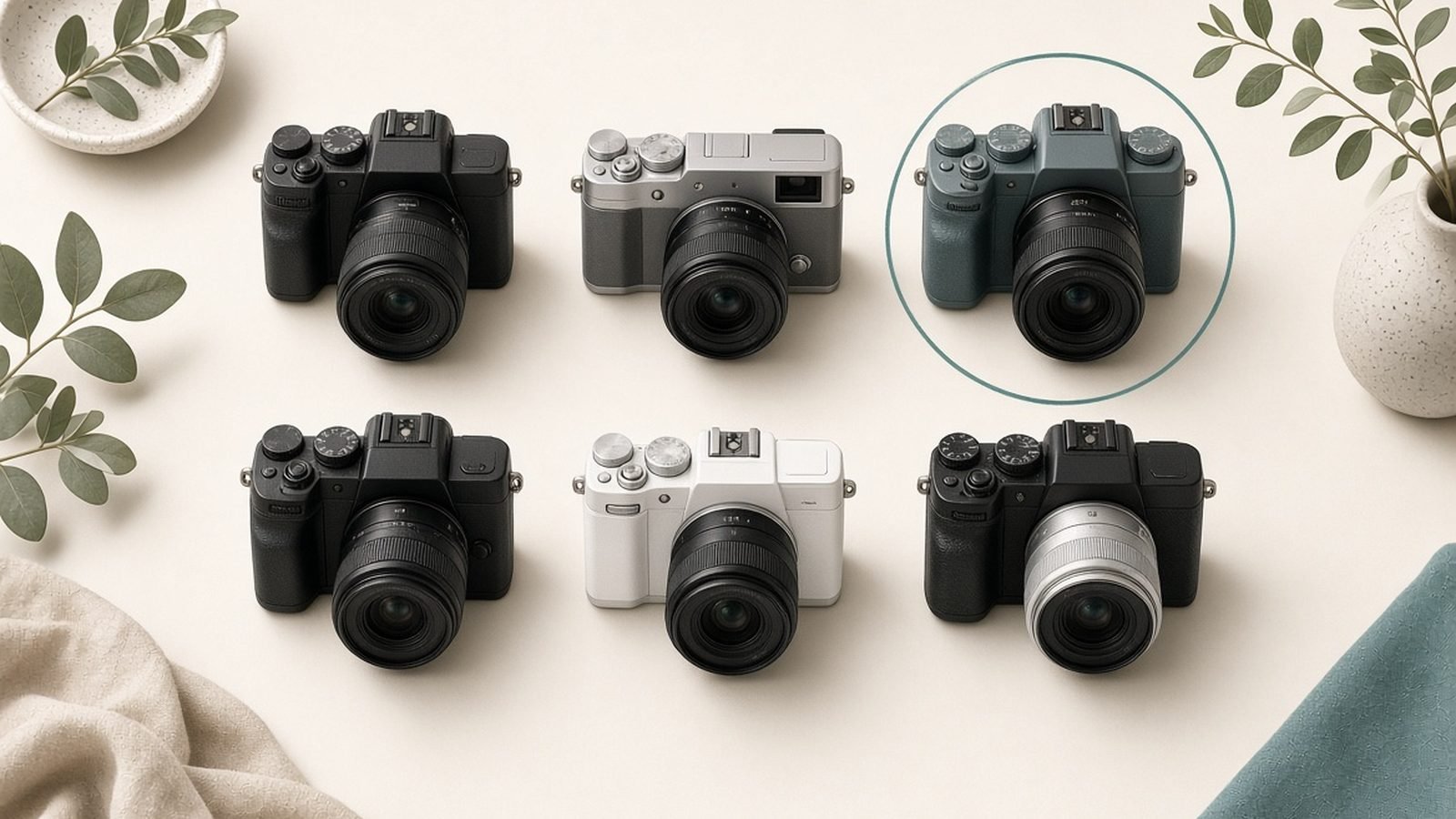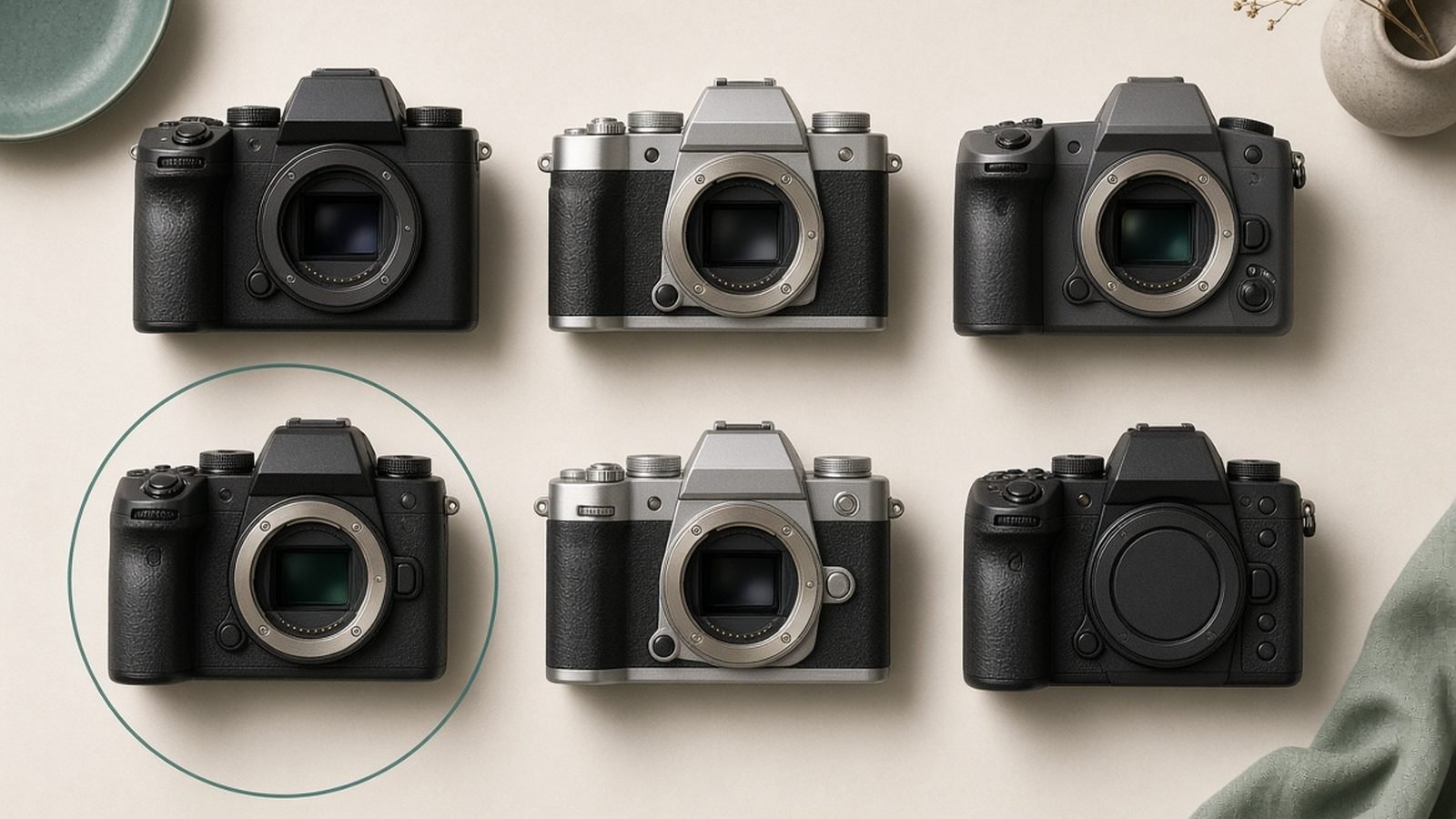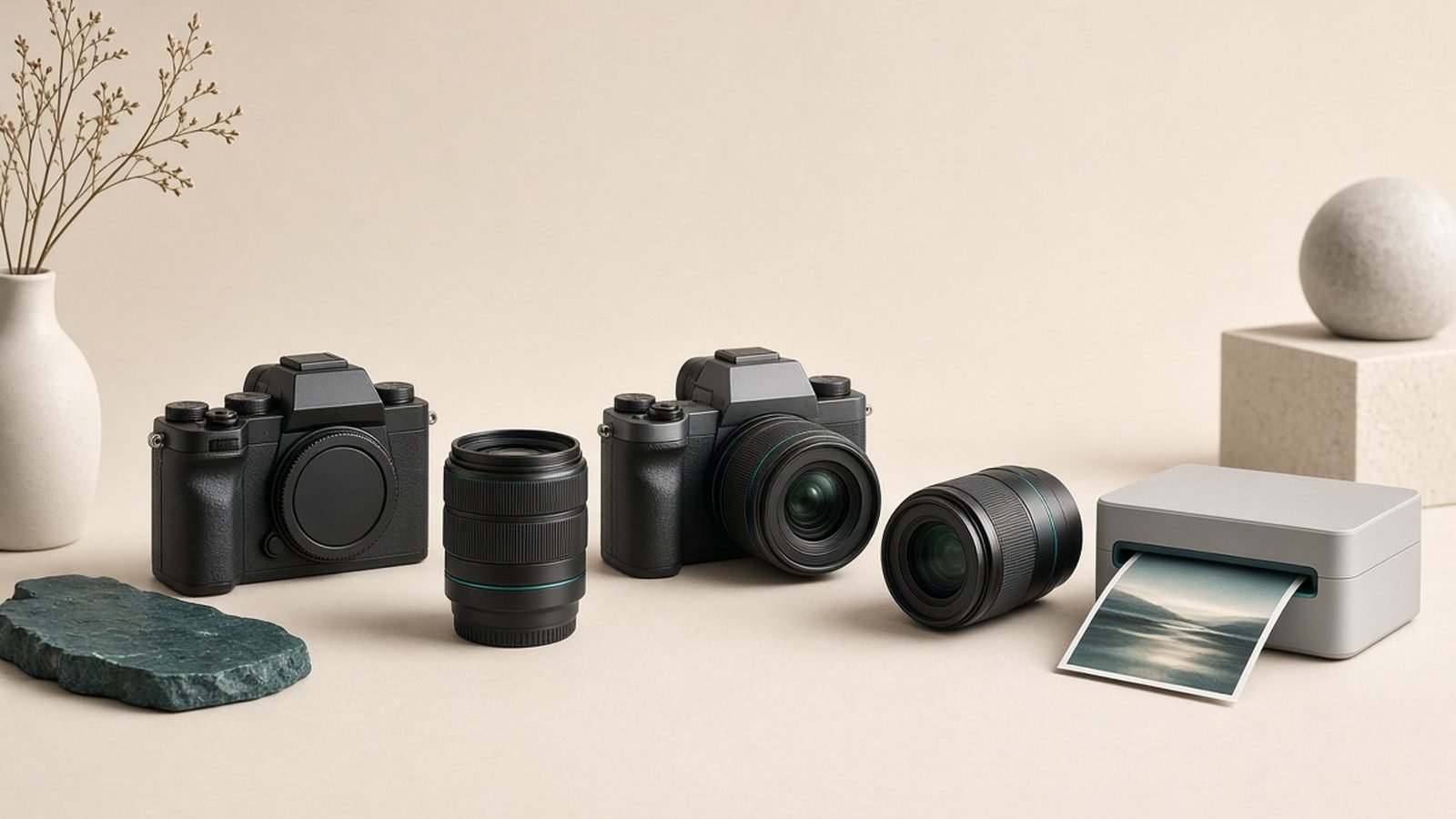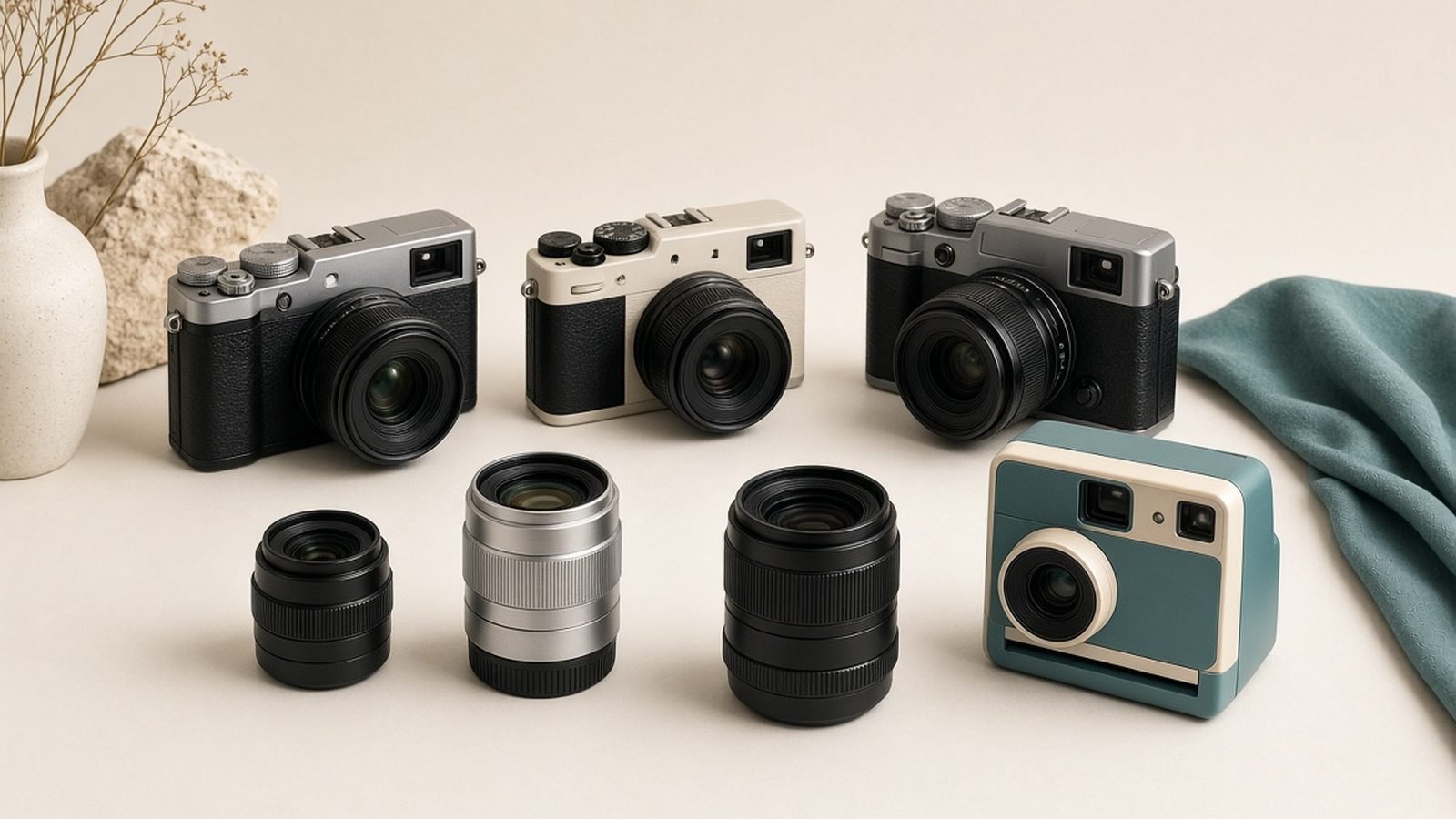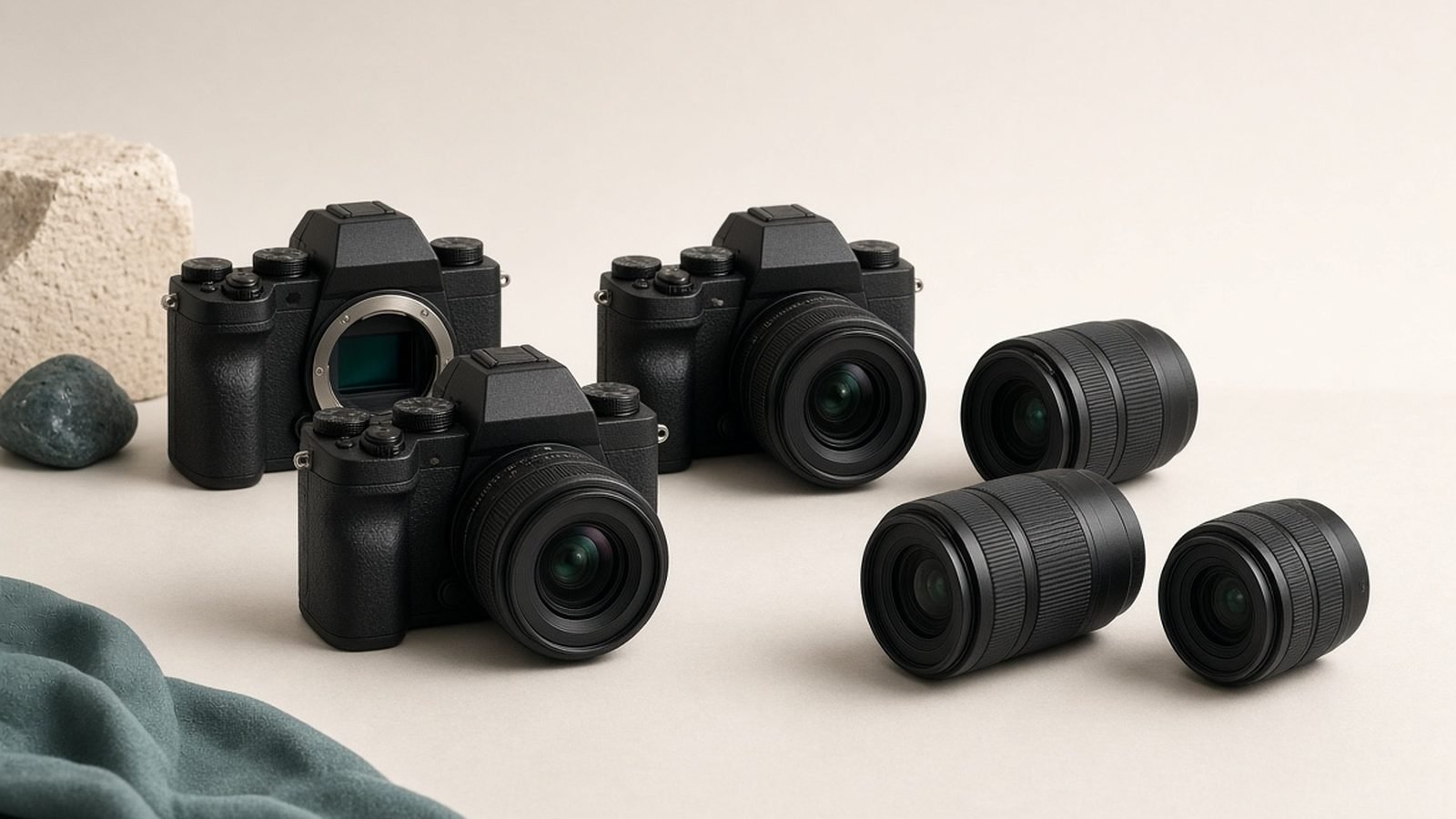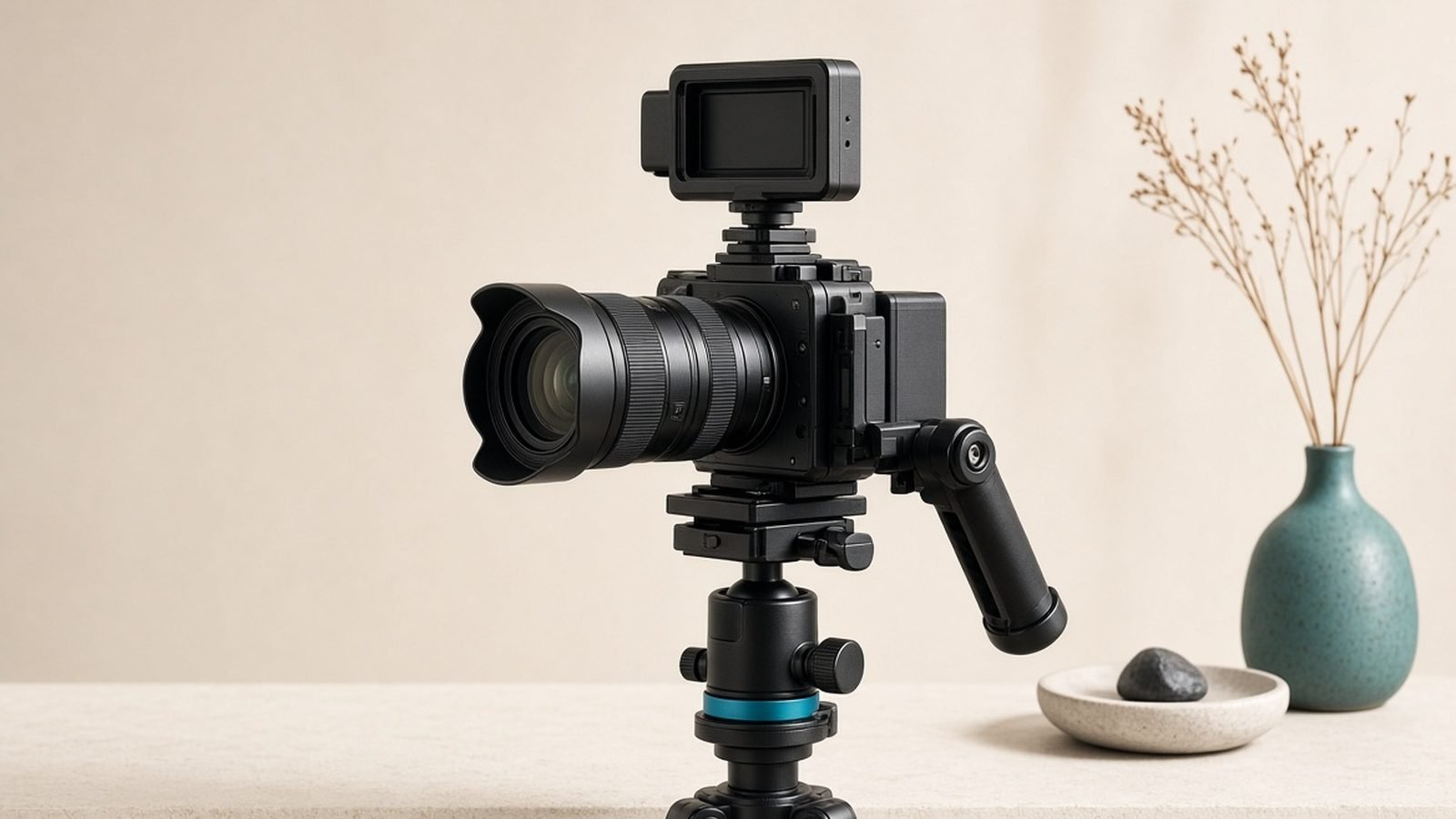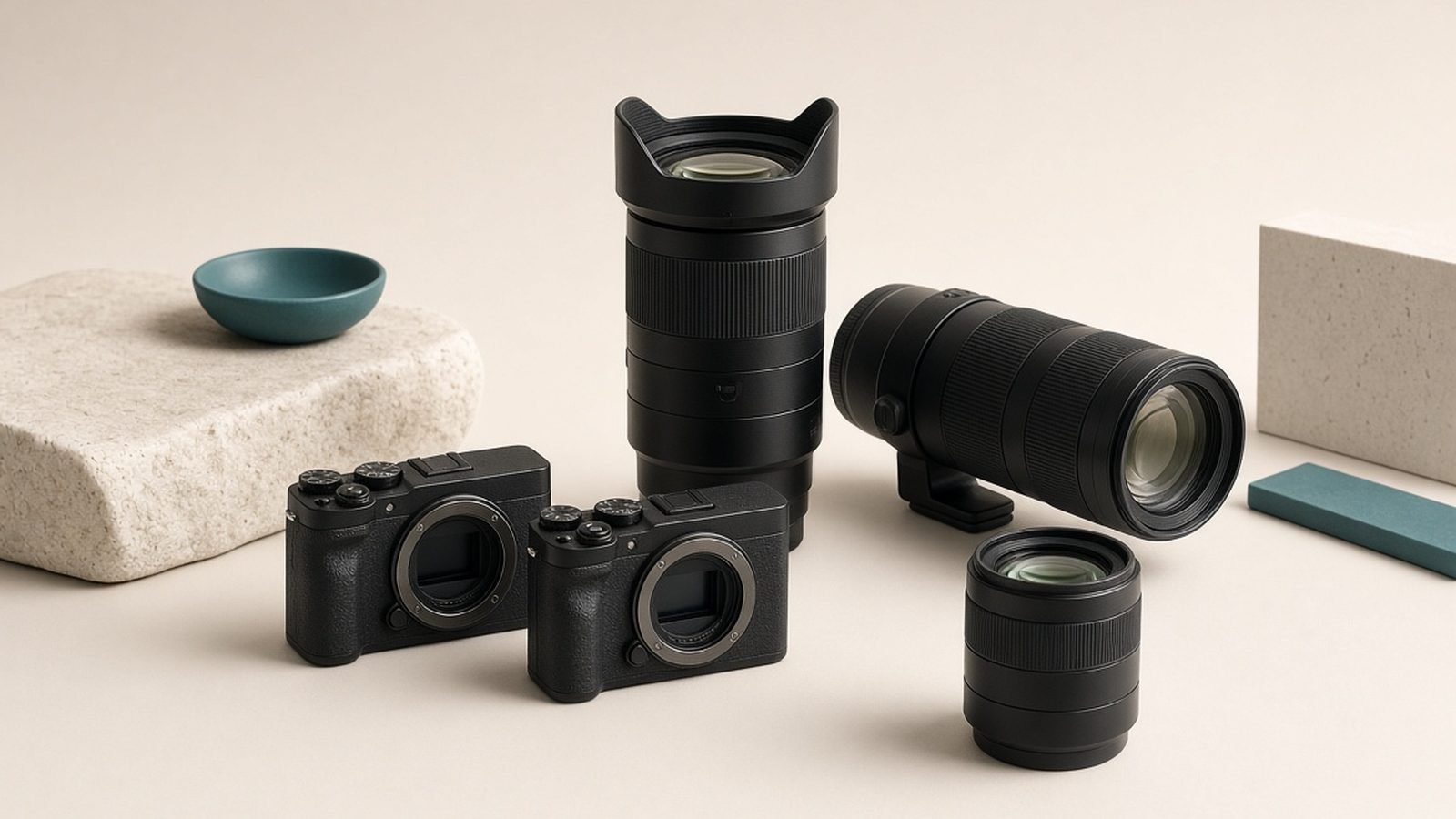
Nikon spent the early mirrorless years playing catch-up, but in 2026 it has arguably the strongest momentum of the traditional camera makers, and its Z-series cameras are an easy recommendation for photographers who prioritize image quality and build. Nikon’s sensors, dynamic range and color are superb, its bodies feel like proper tools, and — crucially — it has opened the Z mount to third-party lens makers, so affordable Sigma and Tamron autofocus glass is available. The main caveat is that the native Z lens catalog, while excellent, is still smaller than Canon’s or Sony’s, and Nikon’s entry-level and video features have historically lagged before catching up.
Verdict: A superb choice for stills-first shooters who want top image quality, great ergonomics and an increasingly open lens ecosystem. The caveat is a younger, smaller native lens range.
Company overview
Nikon Corporation is a Japanese company headquartered in Tokyo, founded in 1917 as Nippon Kogaku (Japan Optical), originally a maker of precision optics and later a legendary name in photojournalism and professional photography. It is an independently owned, publicly traded company, though smaller and more imaging-focused than Canon; alongside cameras it makes semiconductor lithography systems, microscopes and precision instruments, which lend engineering depth but also mean the camera division carries more of the company’s consumer reputation.
Nikon’s reputation in plain terms: outstanding image quality, robust professional bodies and superb glass, with a slightly more serious, enthusiast-leaning character than Canon. After a rocky, slow start in mirrorless and some difficult years financially, Nikon has rebounded strongly — its acquisition of cinema-camera maker RED in 2024 signaled real ambition in video, an area where it was previously weakest.
What Nikon makes
Nikon’s current range centers on:
- Z-series mirrorless cameras — the flagship system, from entry APS-C (DX) bodies to high-resolution and pro full-frame (FX) models.
- Z-mount NIKKOR lenses — the native mirrorless lens line, widely praised for optical quality, now supplemented by third-party options.
- F-mount DSLRs and lenses — the legacy system, still supported, adaptable to Z bodies, with an enormous used-lens market.
- COOLPIX compacts — pocketable point-and-shoots, including long-zoom bridge cameras.
- RED cinema cameras — professional digital cinema gear, now under the Nikon umbrella.
- Action and specialty — plus binoculars, sport optics and precision instruments outside the camera line.
The through-line is optical and sensor excellence: Nikon’s image quality reputation is the core of the brand.
Standout Nikon products in 2026
The camera that best defines Nikon now is the Nikon Z6 III, a full-frame hybrid that features prominently in our Best Mirrorless Cameras 2026: Full-Frame & APS-C coverage. Based on published specs and broad reviewer consensus, its fast sensor readout, strong autofocus and much-improved video make it the body that finally puts Nikon on equal footing with rivals for hybrid shooters.
Across the rest of the range:
- Nikon Z fc and Z50 II — approachable APS-C bodies; the retro-styled Z fc and the capable Z50 II both appear in our Best Cameras for Beginners 2026: Easy & Affordable guide.
- Nikon Z8 and Z9 — professional flagships with pro sports and wildlife performance, essentially a Z9 in a smaller Z8 body.
- Nikon Z30 — a compact, screen-forward body aimed squarely at creators and featured in Best Vlogging Cameras 2026: Creators' Picks.
- Nikon Zf — a full-frame retro body that pairs classic dials with modern autofocus.
For enthusiasts wanting one do-everything full-frame body, the Z6 III is the standout:
Strengths
Outstanding image quality. Nikon’s sensors deliver excellent dynamic range, high-ISO performance and rich color, and its RAW files are a favorite among landscape, portrait and wildlife photographers.
Superb native glass. Z-mount NIKKOR lenses are consistently rated among the sharpest and best-corrected optics on the market, including relatively affordable primes.
An increasingly open mount. Unlike Canon, Nikon has licensed the Z mount to Sigma, Tamron and others, so buyers get access to cheaper third-party autofocus lenses — a big value advantage.
Excellent ergonomics and build. Nikon bodies have deep, comfortable grips, logical controls and durable, well-sealed construction that professionals trust.
Strong pro credibility and video ambition. The Z8 and Z9 are genuine pro tools, and the RED acquisition plus recent firmware show Nikon closing its old gap in video.
Weaknesses & criticisms
Smaller native lens catalog. The Z system is newer, so despite excellent quality, the native lineup — especially specialist and budget options — is still thinner than Canon’s or Sony’s. Third-party support helps but is catching up.
Historically weaker video. Nikon was late and conservative on video features. Recent bodies have closed much of the gap, but the brand’s older reputation as stills-first still lingers and some mid-range models trail on video specs.
Entry-level lineup gaps. Nikon’s cheapest APS-C options and native DX lens selection have at times been limited, making the on-ramp for beginners narrower than Canon’s.
Fewer service touchpoints. Nikon’s professional service and rental network, while good, is not as vast as Canon’s in many regions.
Menu and feature quirks. Some users find certain menu structures and feature rollouts less polished than rivals, though this is a minor, subjective gripe.
Reliability & support
Based on aggregated user feedback, Nikon is one of the most reliable and rugged camera brands, with a long professional heritage built on cameras that survive hard field use. Bodies are well-sealed, mechanisms are durable, and Nikon has a strong record of delivering meaningful firmware updates that add features and autofocus improvements to existing cameras — the Z8 and Z9 in particular have received substantial post-launch upgrades that extend their value.
Support is solid but region-dependent. Nikon offers professional service programs (NPS) for working pros and a standard consumer warranty, typically one to two years depending on market, with paid extensions. Warranty and repair service are generally well-regarded, though in some countries Nikon’s service footprint is smaller than Canon’s, which can mean longer turnaround. The most common complaints concern availability of certain native lenses and, historically, video capability rather than hardware failure. For a stills-focused buyer, Nikon’s reliability reputation is a genuine reason to choose it.
Who should buy Nikon
Buy Nikon if you: are a stills-first enthusiast or professional who wants class-leading image quality, superb lenses and durable ergonomics, and you like the idea of an open mount with affordable third-party glass. Landscape, wildlife, portrait and event photographers are especially well served.
Look elsewhere if you: need the very widest choice of native lenses today (Sony leads), want the most beginner options at the lowest prices with the biggest kit ecosystem (Canon is broader), or are a video-first creator who wants the deepest hybrid feature set out of the box. Compare the trade-offs in our Best Mirrorless Cameras 2026: Full-Frame & APS-C guide.
FAQ
Is Nikon a good brand?
Yes. Nikon is one of the best camera brands for image quality, build and optics, with a resurgent Z-series lineup and an open lens mount that gives buyers affordable third-party options. The main caveat is a younger, smaller native lens catalog and a historically weaker (now much improved) video record.
Is Nikon reliable?
Very. Nikon has a decades-long reputation for rugged, weather-sealed professional bodies and durable lenses, and it delivers strong firmware support that keeps cameras current for years. Reliability is one of the brand’s core selling points.
Where is Nikon from and who owns it?
Nikon Corporation is a Japanese company headquartered in Tokyo, founded in 1917. It is independently owned and publicly traded, with a heritage in precision optics; it also owns cinema-camera maker RED as of 2024.
Is Nikon better than Canon?
They are closely matched. Nikon tends to lead on outright image quality, lens sharpness and an open mount with third-party lenses; Canon leads on autofocus polish, ergonomics for beginners and a larger service and lens ecosystem. Compare specific bodies in our Best Mirrorless Cameras 2026: Full-Frame & APS-C guide.
Which Nikon camera should a beginner buy first?
The Nikon Z50 II or the retro-styled Z fc are the friendliest entry points — capable APS-C bodies with good autofocus and sensible kit lenses. See our Best Cameras for Beginners 2026: Easy & Affordable guide for the full comparison.
Can I use old Nikon F-mount lenses on Z cameras?
Yes. Nikon’s FTZ adapter lets you mount most F-mount DSLR lenses on Z bodies, generally with full autofocus on newer AF-S and AF-P lenses, which makes the huge used F-mount market a cheap way to expand your kit.
Zen Tech Hub may earn a commission from links on this page, at no extra cost to you.