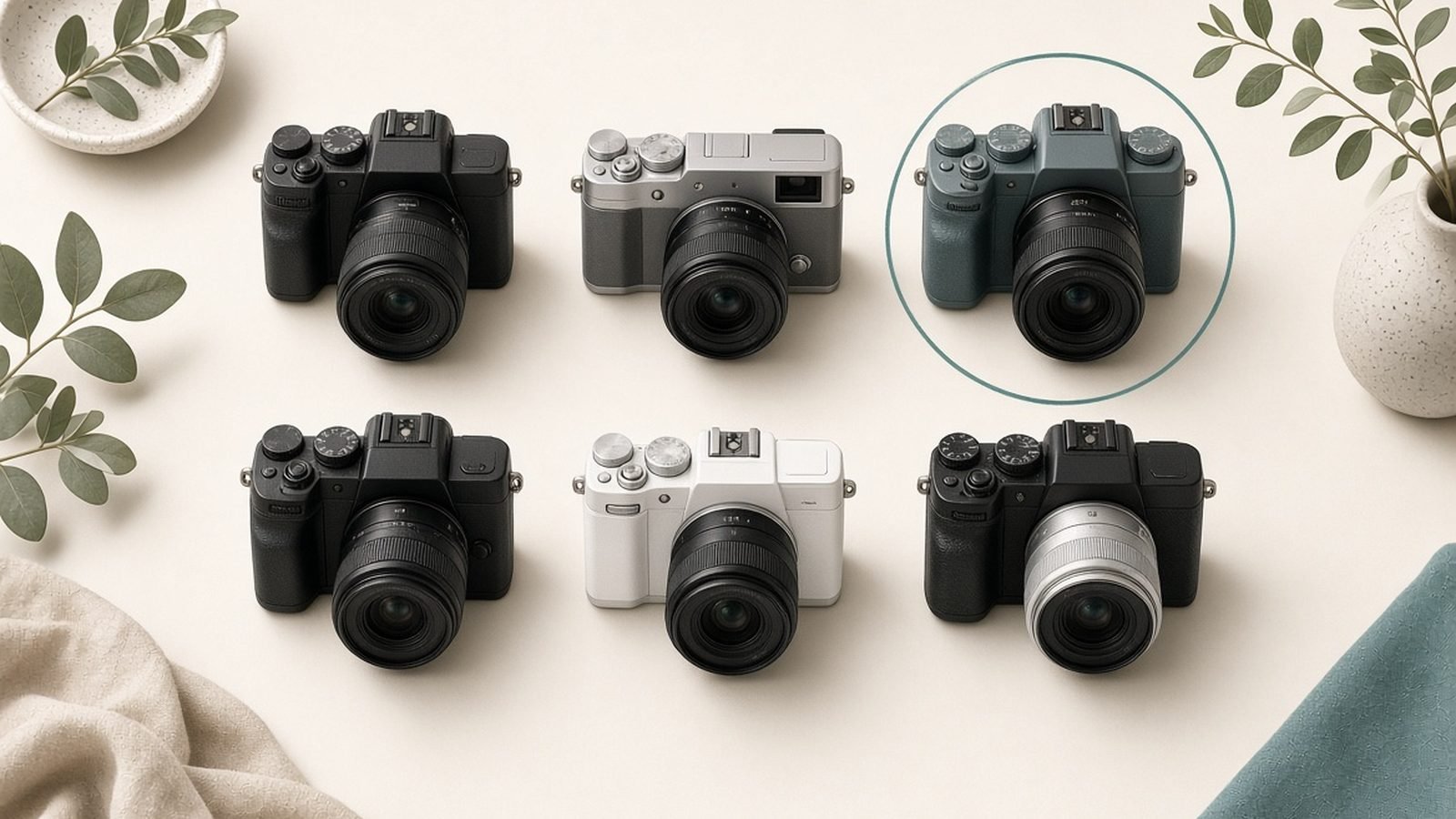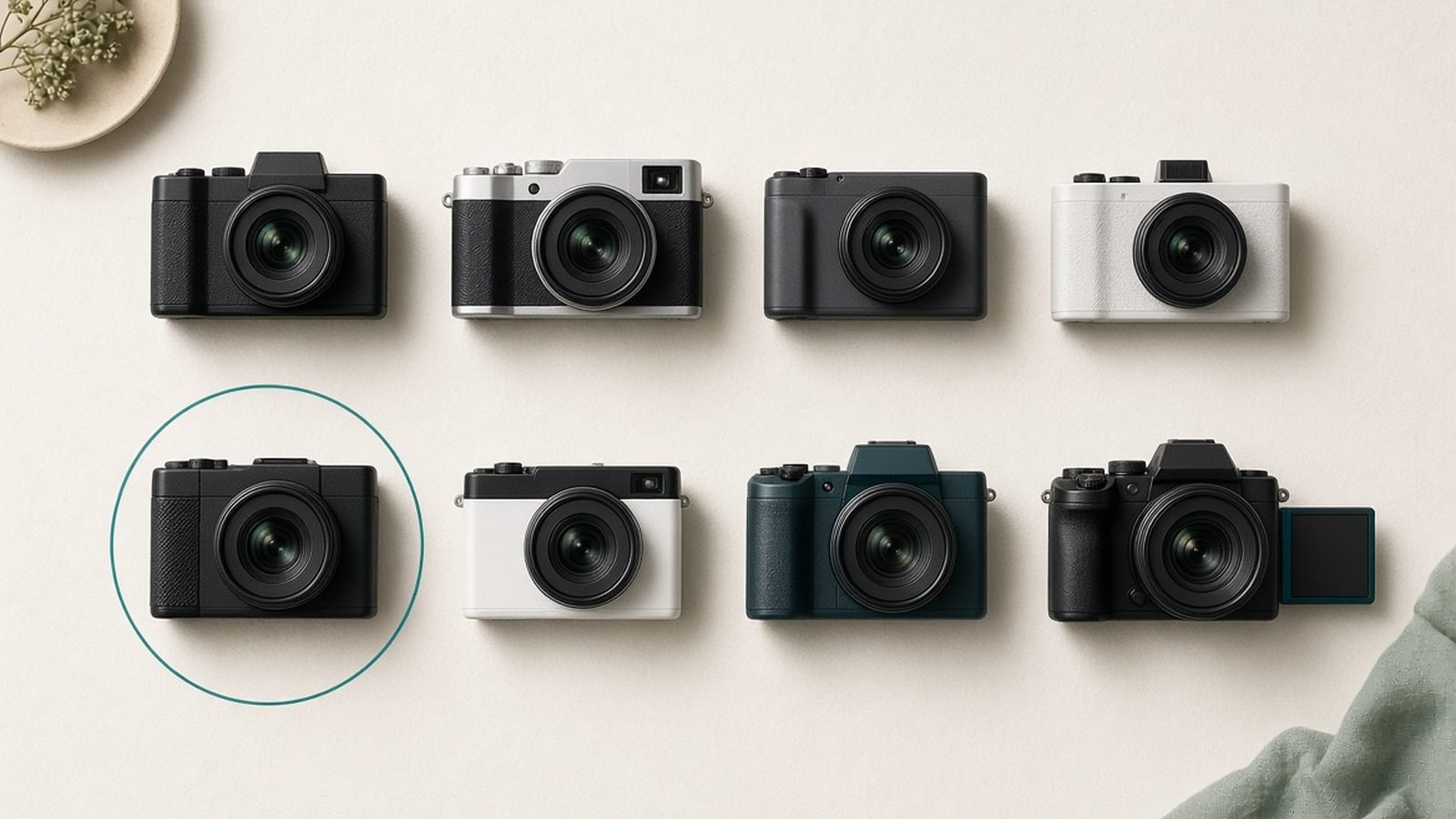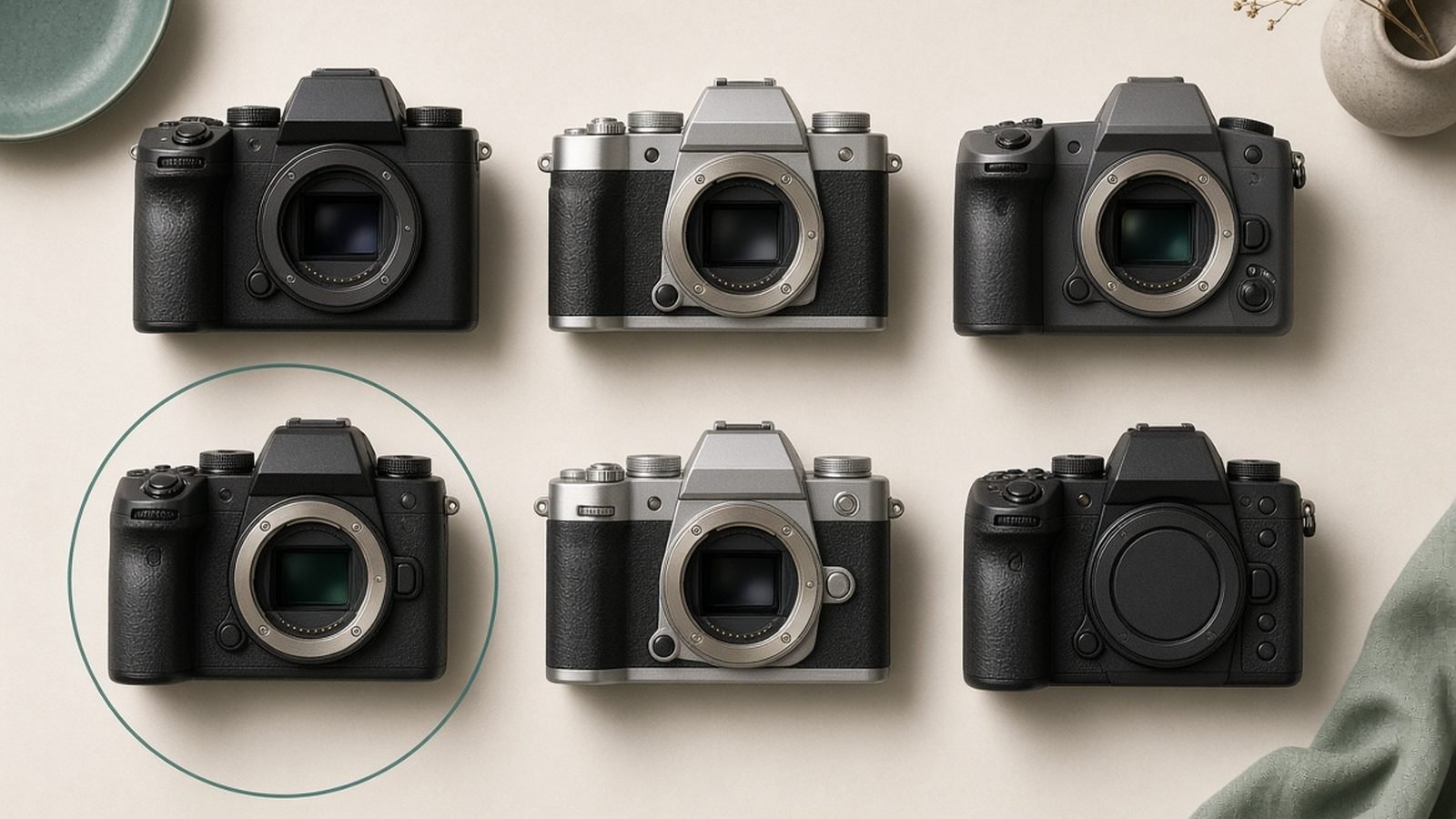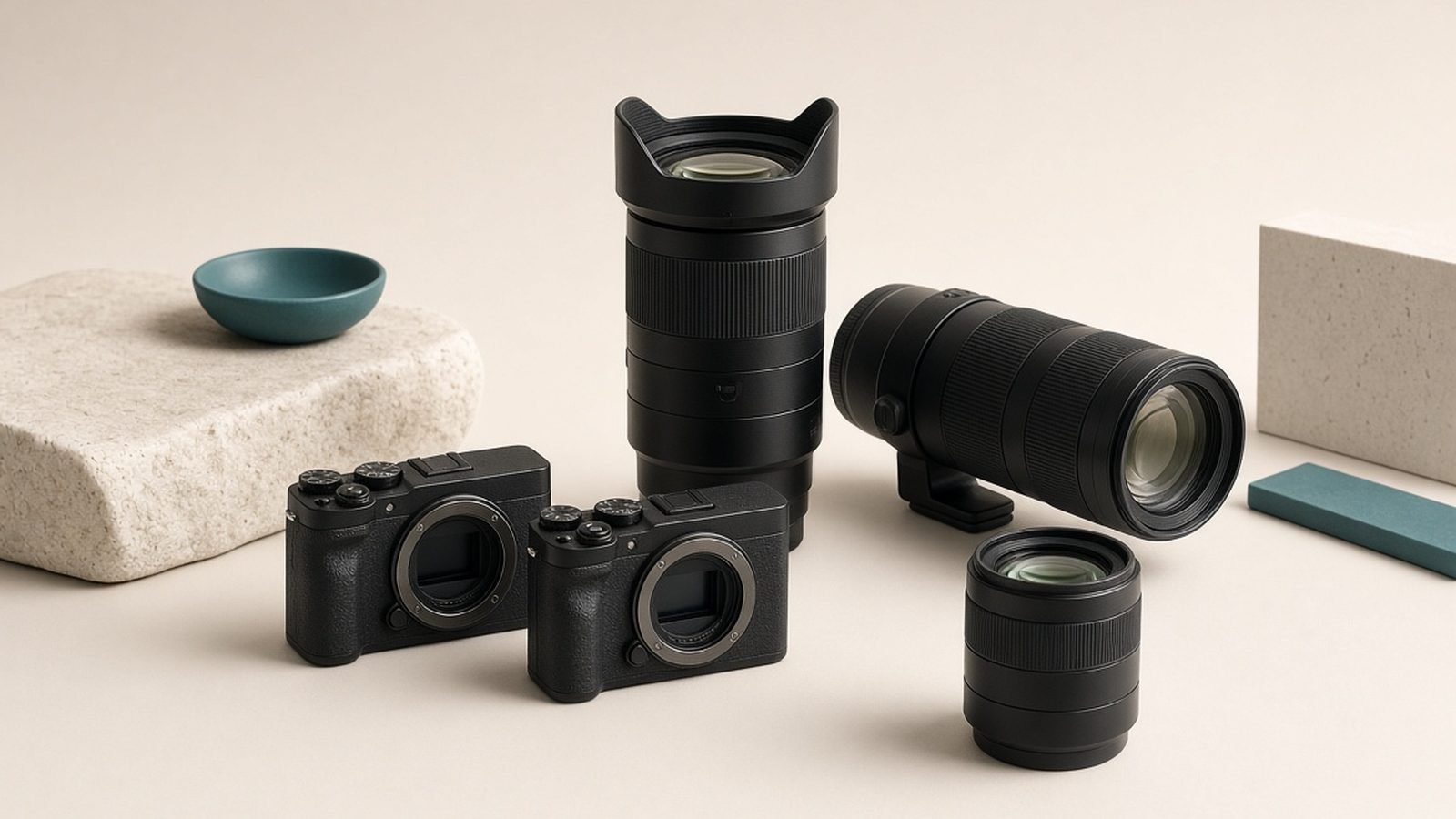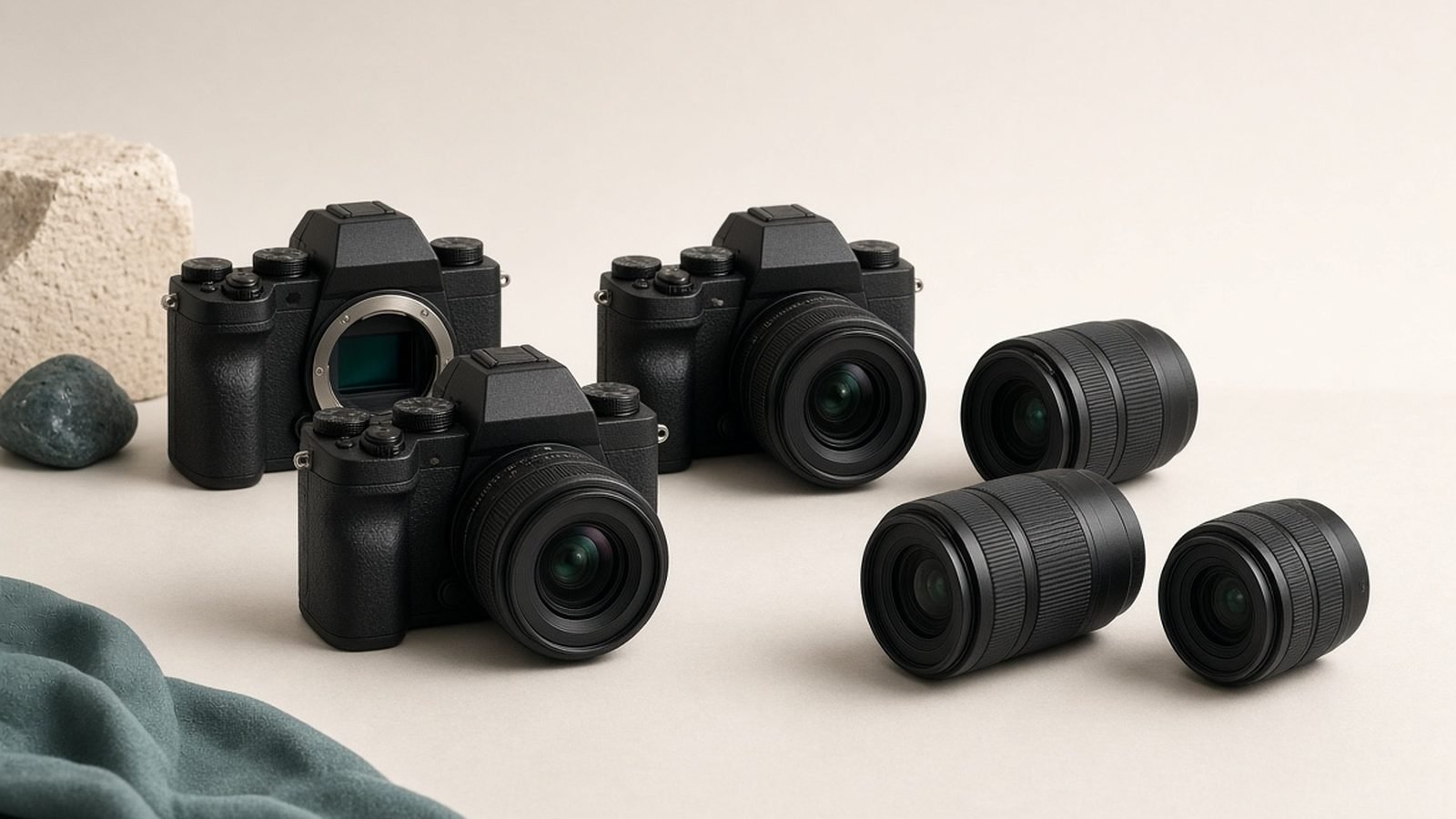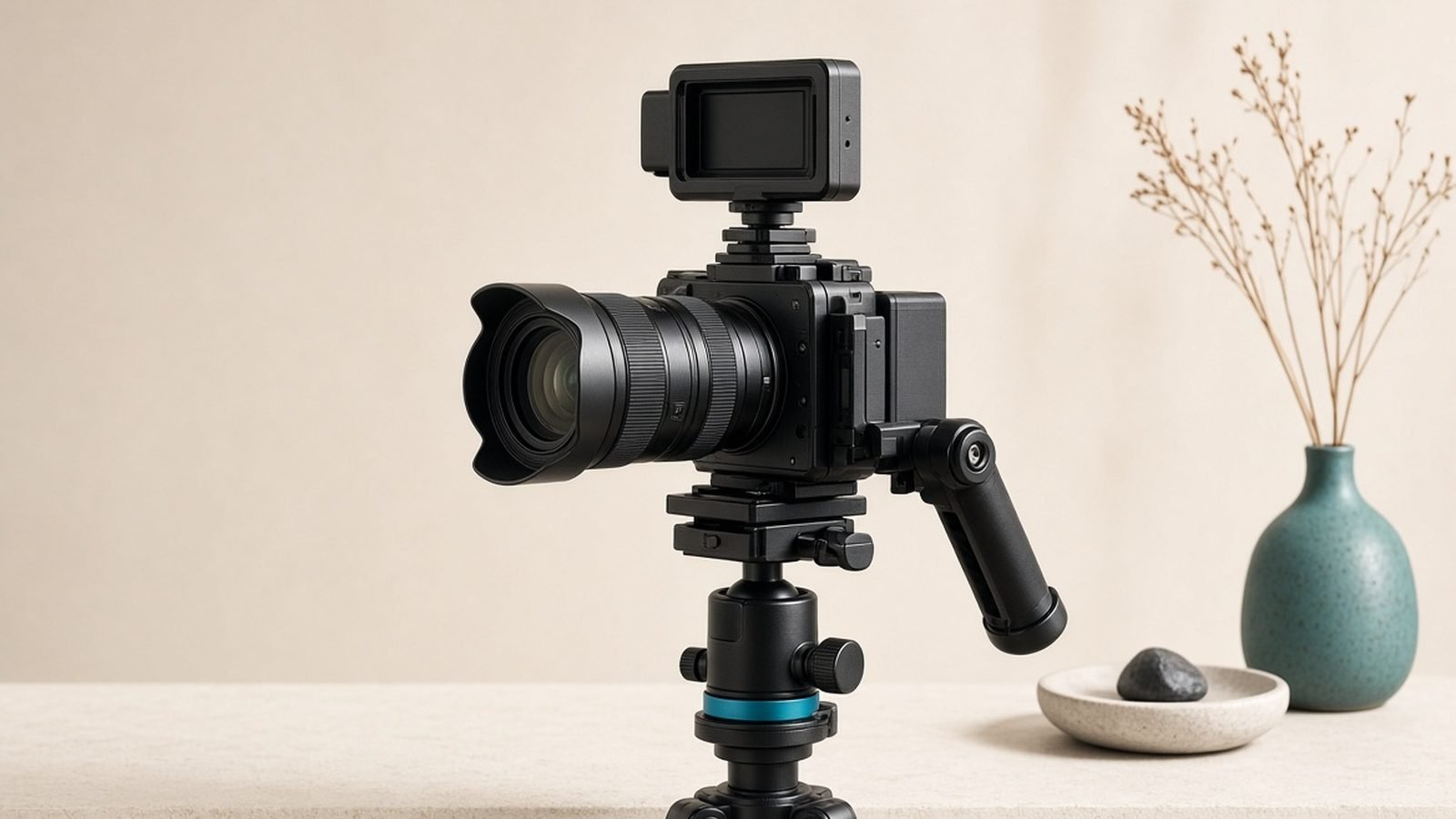
Canon is the world’s most established camera brand, and in 2026 it remains the safest first choice for most photographers and a very strong option for video creators. Its EOS R mirrorless bodies pair approachable ergonomics with the pleasing, reliable “Canon color” that has kept generations of shooters loyal, and its autofocus is among the best in the business. The real caveat is the RF lens mount: Canon has largely locked out third-party autofocus lenses at the consumer end, so you pay Canon prices for glass, and the cheapest RF bodies can feel deliberately limited to protect pricier models.
Verdict: The default recommendation for beginners and hybrid shooters who value color, ergonomics and autofocus. The big caveat is a closed, sometimes expensive RF lens ecosystem.
Company overview
Canon Inc. is a Japanese company headquartered in Ota, Tokyo, founded in 1937 and originally famous for precision optics and, later, office imaging (printers, copiers and scanners) alongside cameras. It is a large, publicly traded, independently owned corporation — not a subsidiary of a bigger group — and imaging is only one of several major divisions, which gives the camera business deep financial stability.
In cameras, Canon has spent decades as the volume leader, first with film SLRs, then the EOS DSLR dynasty, and now the EOS R mirrorless system. Its reputation in plain terms: dependable, beginner-friendly hardware with excellent color rendering and class-leading autofocus, backed by the largest service and dealer network in the industry. The knock against Canon among enthusiasts is that it can be conservative — historically slow to hand shooters cutting-edge specs, and protective of its own accessories and lenses.
What Canon makes
Canon’s imaging range is broad, but the parts that matter to most buyers are:
- EOS R mirrorless cameras — the current flagship system, from entry-level APS-C bodies to full-frame professional sports and cinema cameras.
- RF and RF-S lenses — the native mirrorless lens mount, spanning affordable primes to exotic professional glass.
- EOS DSLRs and EF lenses — the legacy system, still supported and usable on R bodies via adapter, with a vast used-market lens library.
- PowerShot and compact cameras — pocketable point-and-shoots, including the vlog-focused PowerShot V series.
- Cinema EOS — professional video cameras used widely in film and broadcast.
- Printers, scanners and office imaging — a huge, separate consumer and business division.
The common thread is optics: Canon designs and manufactures its own sensors and lenses, and its color science and autofocus are the features that keep buyers in the system.
Standout Canon products in 2026
The camera that best represents Canon today is the EOS R6 Mark II, a full-frame hybrid that anchors much of our Best Mirrorless Cameras 2026: Full-Frame & APS-C coverage. Based on published specs and broad user consensus, it hits the sweet spot of stills and video quality, reliable subject-detection autofocus, and in-body stabilization at a price serious enthusiasts can justify.
Across the rest of the range:
- EOS R50 and R100 — small, affordable APS-C bodies that feature in our Best Cameras for Beginners 2026: Easy & Affordable guide; the R50 in particular is an easy on-ramp for new photographers.
- EOS R8 — a lightweight full-frame body that punches above its price for hybrid shooters.
- PowerShot V10 and EOS R50 V — creator-focused options that appear in Best Vlogging Cameras 2026: Creators' Picks, built around front-facing usability and clean autofocus.
- EOS R5 Mark II — the high-resolution flagship for professionals who need speed and detail together.
For most people upgrading to their first serious full-frame camera, the R6 Mark II is the pick:
Strengths
Color science and out-of-camera JPEGs. Canon’s rendering of skin tones and warm, natural color is its signature strength. Many shooters choose Canon specifically because they like the look with minimal editing.
Class-leading autofocus. Canon’s Dual Pixel AF and subject-detection (eyes, animals, vehicles) are consistently excellent, sticky and confidence-inspiring — a major reason it dominates events, weddings and wildlife.
Ergonomics and beginner-friendliness. Menus, grips and controls are intuitive, and the entry bodies are genuinely easy to learn on. Canon remains the brand most likely to be recommended to a first-time buyer.
Huge ecosystem and support network. The largest dealer, rental and professional service network in the industry, plus a vast library of EF and RF lenses (including a deep used market via adapter).
Reliable video for creators. Recent R bodies deliver strong, usable 4K, good autofocus for run-and-gun video, and clean rolling-shutter behavior in the mid-range, making Canon a genuine hybrid choice rather than a stills-only brand.
Weaknesses & criticisms
Closed RF lens mount. This is the biggest complaint. Canon has restricted third-party autofocus RF lenses at the consumer level, so affordable alternatives from Sigma and Tamron that Sony and others enjoy are limited. You largely buy Canon glass at Canon prices.
Deliberate feature-gating on cheap bodies. Entry-level RF-S cameras have been criticized for missing features (limited native lens choice, some capability held back) that seem designed to push buyers toward pricier models.
Conservative specs at times. Canon has historically trailed rivals on raw specs — resolution, video codecs, high frame rates — before catching up, favoring reliability over headline numbers.
Cost of full-frame RF glass. The best RF lenses are superb but expensive, and the lack of cheap native third-party options means the total system cost can be high.
Overlapping, confusing lineup. With DSLRs, multiple APS-C and full-frame R bodies and PowerShots all on sale, the naming and positioning can be hard for newcomers to parse.
Reliability & support
Based on aggregated user feedback, Canon hardware is among the most dependable in the camera world. Bodies and lenses are well-built, weather sealing on mid-to-high models is solid, and shutters and mechanisms are proven over huge shot counts. Firmware updates are generally stable and Canon has improved at adding meaningful features to existing bodies post-launch, though it is not the fastest at it.
Support is a genuine advantage. Canon operates one of the largest professional service programs (CPS) and consumer repair networks globally, and warranty service is widely available and well-regarded, typically a one-year manufacturer warranty with paid extensions. The most common frustrations are cost of out-of-warranty repair and the expense of the ecosystem rather than failure rates. For buyers who value being able to walk into service, rent lenses locally or get fast turnaround, Canon’s infrastructure is hard to beat.
Who should buy Canon
Buy Canon if you: are a beginner or enthusiast who wants forgiving ergonomics, beautiful color and the best all-round autofocus; a hybrid shooter who wants stills and solid video in one body; or a professional who values the service and rental network. It is the lowest-risk brand to commit to.
Look elsewhere if you: want the widest choice of affordable third-party autofocus lenses (Sony’s E-mount is more open), need the absolute cutting edge in video specs for the money (compare Panasonic and Sony), or are on a tight budget and resent paying Canon prices for glass. Weigh the alternatives in our Best Mirrorless Cameras 2026: Full-Frame & APS-C guide before committing to a mount.
FAQ
Is Canon a good brand?
Yes. Canon is one of the two or three best camera brands in the world, with excellent color science, class-leading autofocus, forgiving ergonomics and the industry’s largest support network. The main caveat is a relatively closed and sometimes expensive RF lens ecosystem, not the quality of the cameras.
Is Canon reliable?
Very. Canon bodies and lenses are known for durable build quality, proven shutters and stable firmware, and the brand’s service network is the largest in the industry. Most complaints concern the cost of repairs and lenses rather than failure rates.
Where is Canon from and who owns it?
Canon Inc. is a Japanese company headquartered in Tokyo, founded in 1937. It is a large, publicly traded, independently owned corporation — not part of a larger parent group — with cameras being one of several major divisions alongside printers and office imaging.
Is Canon better than Sony?
It depends on your priorities. Canon leads on color, ergonomics and out-of-camera results and has superb autofocus; Sony offers a more open, affordable third-party lens ecosystem and often edges ahead on video specs and sensor readout. Compare current bodies in our Best Mirrorless Cameras 2026: Full-Frame & APS-C guide.
Which Canon camera should a beginner buy first?
For most newcomers, the EOS R50 or R100 APS-C mirrorless bodies are the easiest, most affordable entry points — light, simple and paired with capable kit lenses. See our Best Cameras for Beginners 2026: Easy & Affordable guide for the full shortlist.
Can I use old Canon EF lenses on new RF bodies?
Yes. Canon’s EF-to-RF adapter lets you mount the huge library of older EF DSLR lenses on EOS R mirrorless cameras with full autofocus, which makes Canon attractive if you already own EF glass or want to buy it cheaply used.
Zen Tech Hub may earn a commission from links on this page, at no extra cost to you.