Harman Kardon is the brand you buy when you want a wireless speaker that looks as good as it sounds — a heritage American audio name that has leaned hard into striking, design-led lifestyle audio. In 2026 it sits as a premium-lifestyle sibling within a huge audio group, spanning wireless home speakers, soundbars, headphones, and portable Bluetooth speakers. The short verdict: Harman Kardon makes some of the most beautiful, sonically pleasant lifestyle speakers around, with a warm, room-filling sound and genuinely distinctive industrial design — but it commands a premium for that style, its smart-speaker software and ecosystem lag Sonos and the big platforms, and its range is narrower and more fashion-led than serious hi-fi rivals.
If you want a gorgeous speaker with easy, enjoyable sound for a living space, Harman Kardon is a strong pick. If you want the best value, the deepest ecosystem, or audiophile precision, look at the trade-offs first.
Company overview
Harman Kardon was founded in 1953 in the United States by Sidney Harman and Bernard Kardon, and it holds a place in audio history as a pioneer of the integrated hi-fi receiver. Over the decades it became known for design-forward, lifestyle-oriented audio — speakers meant to be seen as well as heard, often with transparent housings and sculptural shapes.
On ownership: Harman Kardon is a brand within Harman International, the audio giant that also owns JBL, AKG, Infinity, and others. Harman International itself was acquired by Samsung in 2017, so Harman Kardon is ultimately a Samsung-owned brand today. In practice it functions as the more premium, design-led sibling to the mass-market JBL, sharing engineering resources within the group while carrying a more upscale, lifestyle image. Buyers should know it is part of one of the world’s largest audio conglomerates rather than an independent boutique.
Harman Kardon’s reputation is that of a stylish, premium-lifestyle brand: speakers with genuine sonic quality wrapped in eye-catching design, aimed at buyers who care about how audio looks in their home as much as how it sounds.
What Harman Kardon makes
Harman Kardon’s 2026 catalog is focused on lifestyle audio:
- Wireless home speakers — the iconic Aura Studio transparent-dome speakers and the Citation smart-speaker line.
- Soundbars — the Citation and Enchant series for TV audio, some with Dolby Atmos.
- Portable Bluetooth speakers — the Go + Play and Luna portable models.
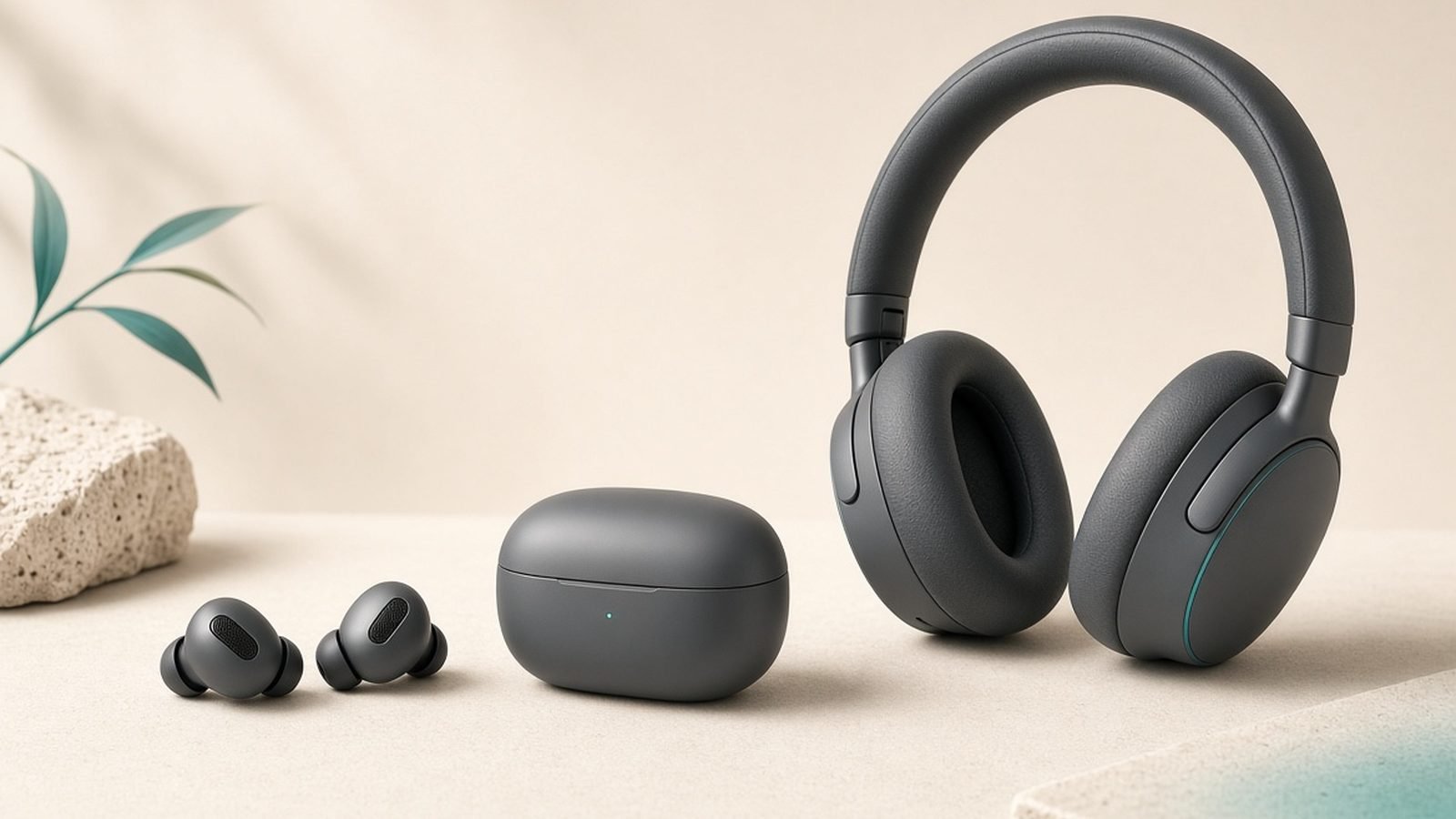
- Headphones and earbuds — over-ear and true-wireless models, a smaller sideline.
- Smart speakers — Citation models with voice assistants and multi-room streaming.
The consistent thread is design-led, lifestyle-oriented audio: pleasant, warm, room-filling sound in distinctive, showpiece enclosures.
Standout Harman Kardon products in 2026
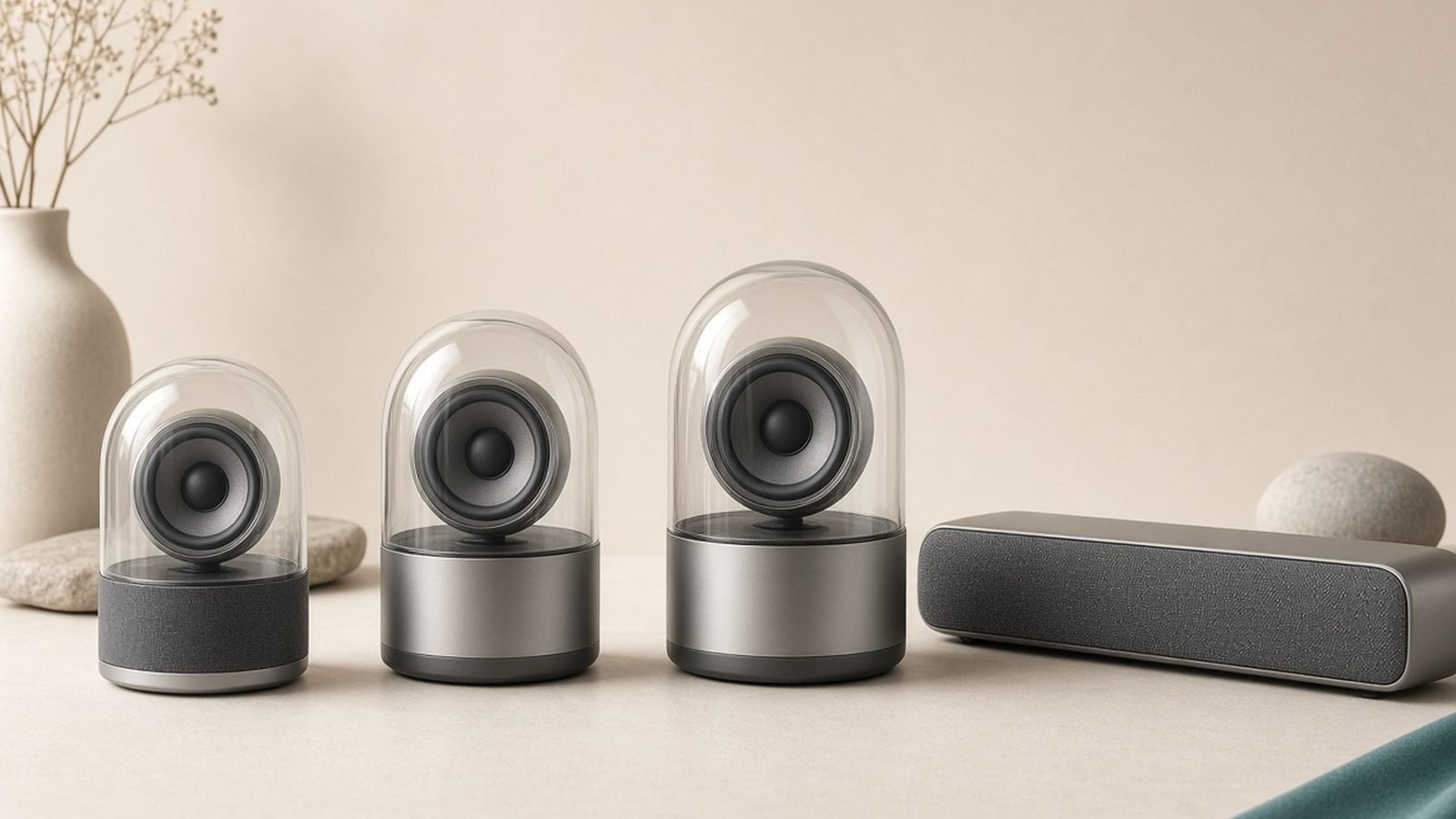
Harman Kardon Aura Studio 4 — around $349 / £299. The signature product: a transparent-domed wireless speaker with 360-degree sound and ambient lighting, as much a design object as an audio device, delivering warm, room-filling sound for casual listening. A distinctive alternative to conventional Best Smart Speakers for Music in 2026: Echo, HomePod, Sonos picks.
Harman Kardon Citation 300 — around $399 / £349. A premium wireless smart speaker with a fabric-wrapped design, multi-room streaming, and voice-assistant support, aimed at buyers who want an upscale-looking connected speaker for the home.
Harman Kardon Enchant 1300 — around $599 / £499. A wide soundbar with a built-in surround experience for TV audio, a design-led alternative to conventional bars. See our How to Set Up a Soundbar: HDMI ARC vs eARC vs Optical guide to get the most from it.
Harman Kardon Go + Play 3 — around $449 / £399. A large, handle-topped portable Bluetooth speaker with substantial output and battery life, a stylish premium alternative to the crowded field in our Best Bluetooth Speakers Under $100 (£90) in 2026 roundup (at a higher price point).
Harman Kardon Luna — around $229 / £199. A compact, elegant portable Bluetooth speaker with a refined look and pleasant sound, aimed at buyers who want a premium-feeling small speaker.
Harman Kardon Citation Bar — around $499 / £449. A soundbar in the Citation family with Atmos support and the option to build a wireless surround system with other Citation speakers.
Strengths
Striking, design-led aesthetics. This is the core reason to buy Harman Kardon. Products like the transparent-domed Aura Studio are genuine design statements that look far more distinctive than typical black-box speakers.
Warm, pleasant, room-filling sound. The house tuning is smooth and enjoyable, well suited to casual living-room listening, with satisfying bass and an easy, non-fatiguing balance.
Solid engineering backing. As part of Harman International (under Samsung), the brand draws on the deep audio engineering resources of a group that also owns JBL and AKG, so the sound quality is genuinely competent, not just style.
Good multi-room and TV options. The Citation and Enchant lines offer capable soundbars and connected speakers for buyers who want a coordinated, good-looking home-audio setup.
Weaknesses & criticisms
You pay a premium for design. Harman Kardon prices reflect its lifestyle positioning, and you can often get more raw sound-per-dollar from JBL (its own sibling brand) or value speaker makers. Much of the cost is in the look.
Software and ecosystem lag the leaders. The Citation smart-speaker app, voice-assistant integration, and multi-room ecosystem trail Sonos and the major platform players for polish, reliability, and breadth of features.
Narrow, fashion-led range. The lineup is smaller and more style-driven than serious hi-fi brands, with fewer options for enthusiasts who want passive speakers, separates, or precise, neutral sound.
Not an audiophile choice. The warm, pleasant tuning is enjoyable but not aimed at critical listening; buyers chasing detail, neutrality, or reference accuracy should look to dedicated hi-fi brands.
Reliability & support
Harman Kardon’s products are powered, connected devices — wireless speakers, soundbars, and headphones with amplification, batteries, and firmware — so their reliability profile is that of consumer electronics rather than simple passive speakers. In general the hardware is well-built for its lifestyle positioning, but the batteries in portable models and the firmware in connected speakers age like any electronics, and long-term smart-feature support depends on continued software updates.
Warranty coverage typically runs around one to two years depending on region and product. Being part of Harman International under Samsung means there is a large parent organization behind the brand, and customer support and service infrastructure are generally rated as adequate, benefiting from Samsung’s scale in many markets. The main considerations are the usual ones for connected audio: battery longevity in portables, app and firmware polish on smart speakers, and whether the premium price is worth it to you versus the more value-focused sibling brand JBL.
Who should buy Harman Kardon
Buy Harman Kardon if you want a beautiful, distinctive speaker that looks great in your home and delivers warm, enjoyable, room-filling sound for casual listening. It is the natural pick for design-conscious buyers, for those furnishing a stylish living space who want audio to be part of the décor, and for anyone drawn to the iconic transparent-domed Aura Studio look. For connected-speaker alternatives, compare with our Best Smart Speakers for Music in 2026: Echo, HomePod, Sonos guide.
Look elsewhere if you want the best value, the deepest and most reliable smart-speaker ecosystem, or audiophile-grade precision. In those cases, consider Sonos for ecosystem, JBL for value, or dedicated hi-fi brands like KEF and Polk for critical sound.
FAQ
Is Harman Kardon a good brand?
Yes. Harman Kardon is a respected heritage audio brand known for striking, design-led lifestyle speakers with warm, pleasant sound. Its main caveats are premium pricing for the design, a software ecosystem that lags Sonos, and a narrow, style-focused range.
Is Harman Kardon reliable?
Generally yes, with the usual caveats for connected electronics. Its speakers and soundbars are well-built, but batteries in portables and firmware in smart models age like any device, and warranties typically run one to two years. Being part of Harman International under Samsung gives it a large support organization.
Where is Harman Kardon from and who owns it?
Harman Kardon was founded in 1953 in the United States by Sidney Harman and Bernard Kardon. It is a brand within Harman International — which also owns JBL and AKG — and Harman International was acquired by Samsung in 2017, making it ultimately Samsung-owned.
What does Harman Kardon sound like?
Harman Kardon has a warm, smooth, room-filling house sound well suited to casual living-room listening. Fans love how pleasant and full it is; critics note it is not aimed at critical, neutral listening and prioritizes enjoyable warmth over reference accuracy.
Is Harman Kardon better than Bose?
It depends on priorities. Harman Kardon leans harder into distinctive design and warm sound, while Bose focuses on refined engineering, strong noise cancelling in headphones, and a polished ecosystem. Buyers who want a design statement lean Harman Kardon; those who want polished all-round performance often prefer Bose.
Is Harman Kardon the same as JBL?
Not the same, but related. Both are brands within Harman International (now owned by Samsung). JBL is the more mass-market, value-focused sibling, while Harman Kardon is positioned as the premium, design-led brand, and the two share engineering resources within the group.
Zen Tech Hub may earn a commission from links on this page, at no extra cost to you.