Polar is one of the oldest and most respected names in heart-rate training, and in 2026 it remains a specialist you buy for physiology, not lifestyle. The short verdict: if you’re an endurance athlete or coach who cares about accurate heart-rate data, recovery science, and structured training guidance, Polar is an excellent, focused choice — often better value than the obvious rival. The trade-offs are a smaller lineup, a smartwatch experience that trails the mainstream, and an app ecosystem that feels utilitarian next to Garmin or Apple.
Buy Polar if you train by heart rate and want a no-nonsense tool that gets the sports science right. Look elsewhere if you want a polished everyday smartwatch, a big third-party app store, or deep smart-home and notification features.
Company overview
Polar Electro is a privately held Finnish company founded in 1977 and headquartered in Kempele, Finland. It’s a genuine pioneer: Polar introduced the first wireless wearable heart-rate monitor in the early 1980s, and much of the chest-strap heart-rate technology the whole fitness industry now relies on traces back to its work. It remains family-owned and independent, which is unusual in a market dominated by large public companies and conglomerates.
Because Polar is privately owned and research-led rather than marketing-led, it has a quieter public profile than Garmin or Apple, but a strong reputation among coaches, sports scientists, and endurance athletes. Its identity is narrow and consistent: heart rate, training load, recovery, and the physiology of performance. That focus is both its strength and, commercially, its limitation.
What Polar makes
Polar’s 2026 lineup is deliberately compact and centered on training:
- Multisport and endurance watches — the flagship Vantage line and the rugged, outdoor-oriented Grit X series with longer battery and route navigation.
- Running and everyday sports watches — the Pacer and Pacer Pro for runners who want the essentials without flagship pricing, and the Ignite line for fitness and wellness.
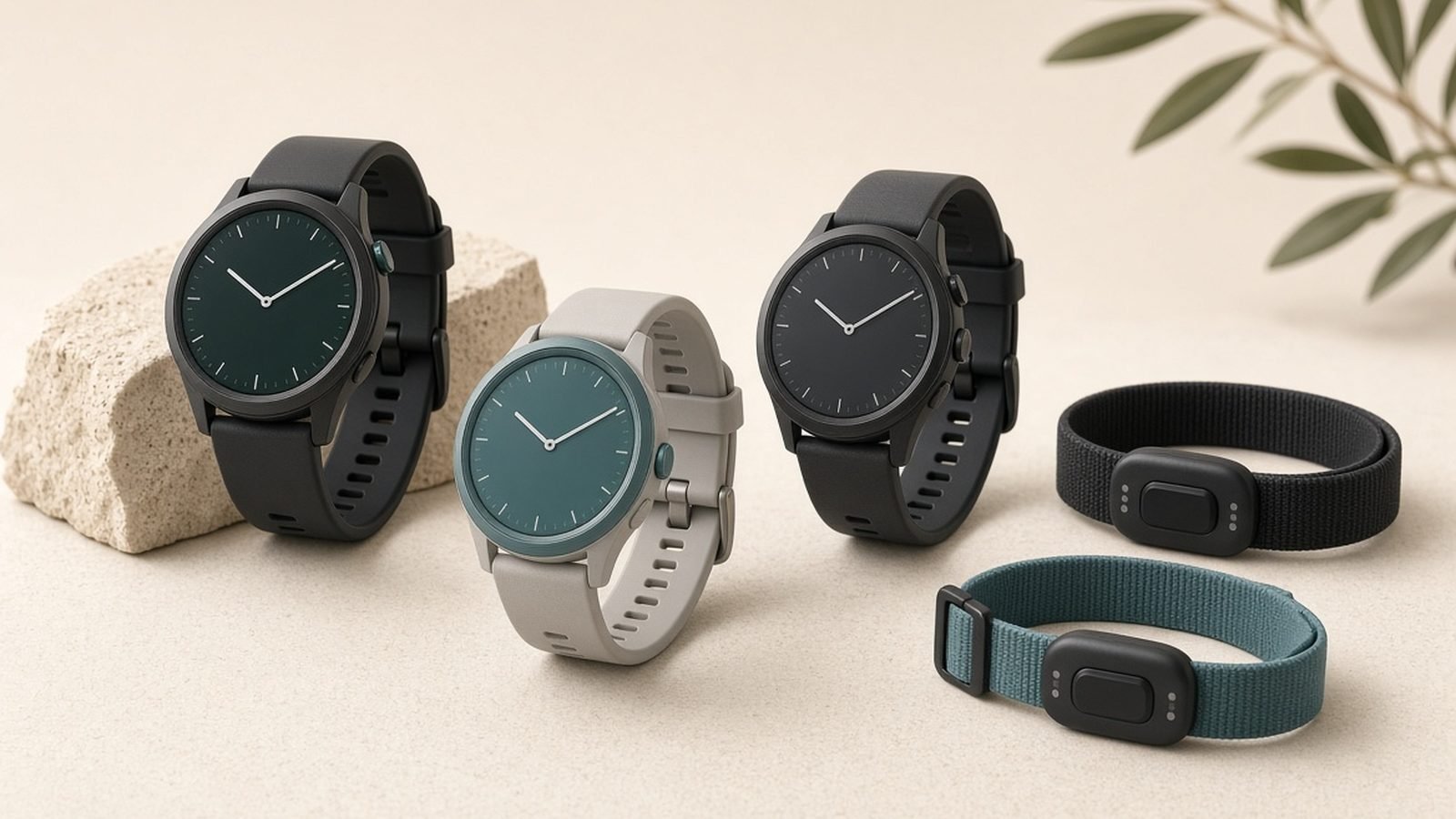
- Heart-rate sensors — the H10 chest strap (widely regarded as a gold-standard consumer HR sensor) and the Verity Sense optical armband, both popular even with people who use other brands’ watches.
- Fitness bands and recovery tools — simpler trackers plus software features like Nightly Recharge, Sleep Plus Stages, and the Training Load Pro system.
Everything syncs to Polar Flow, the company’s app and web platform, which is where its recovery and training-load analysis lives.
Standout Polar products in 2026
Polar Vantage V3 — around $599 / £519. The flagship multisport watch: AMOLED display, dual-frequency GPS, an ECG-capable sensor and SpO2, plus Polar’s deep training-load and recovery tools. It’s a serious rival to mid-to-upper Garmin models and features on our Best Running Watches 2026: Top Picks Compared & Ranked and Best Smartwatches 2026: 7 Top Picks for Every Budget guides for data-focused athletes.
Polar Grit X2 Pro — around $749 / £649. The outdoor and adventure flagship with sapphire glass, offline maps, and longer battery for hiking, trail running, and expeditions. The pick for endurance athletes who train off-road and want durability plus navigation.
Polar Pacer Pro — around $299 / £259. A lightweight, running-first watch with dual-band GPS and the core training metrics most runners actually use, at a far friendlier price. Our usual value recommendation for structured training on a budget, and a regular on our Best Fitness Trackers 2026: Bands That Beat Smartwatches shortlist.
Polar H10 chest strap — around $89 / £75. Frequently described as the most accurate consumer heart-rate sensor you can buy. It pairs over Bluetooth and ANT+ with almost anything — Peloton, Zwift, Garmin, Apple Watch — which is why it’s a favorite even among non-Polar users.
Polar Verity Sense — around $89 / £79. An optical armband HR sensor for people who dislike chest straps, with onboard memory and broad app compatibility. A strong second-best to the H10 for comfort-first training.
Strengths
Heart-rate and physiological accuracy. This is Polar’s core competency and reputation. Its chest straps set the benchmark, and its watches’ optical sensors and recovery algorithms are grounded in decades of sports-science research.
Training and recovery science. Training Load Pro, Nightly Recharge, and FitSpark deliver genuinely useful, coach-grade guidance on load and recovery rather than superficial “activity” scores. Serious athletes value the substance here.
Value versus the flagship rival. Polar frequently undercuts comparable Garmin watches while matching much of the core training functionality, making it a smart pick for data-first buyers who don’t need the widest feature set.
Sensor ecosystem and openness. The H10 and Verity Sense work with almost everything, and Polar’s platform is generally friendly to exporting data and pairing with third-party apps.
Weaknesses & criticisms
Smartwatch and app polish. As a general smartwatch, Polar trails Apple, Samsung, and even Garmin. Notifications, apps, contactless payments, and phone integration are limited or absent depending on the model, and the interface feels functional rather than refined.
Small ecosystem and app store. There’s no meaningful third-party app store comparable to Connect IQ, Wear OS, or watchOS, so you’re buying the watch for what it does out of the box, not for what you can add.
Polar Flow can feel dated. The Flow app and web platform are powerful for analysis but have drawn criticism for clunky design, occasional sync issues, and a learning curve that’s steep for casual users.
Narrow lineup and slower feature cadence. With a small catalog and a research-led pace, Polar sometimes lags on flashy features (advanced mapping, large touchscreens, ecosystem extras) that bigger rivals ship faster.
Reliability & support
Polar has a solid reliability reputation, helped by a simple, focused product range and mature core technology. The chest straps in particular are known for lasting years, and owner feedback on build quality is generally positive. Warranties are typically two years on the main device in many European markets and around one to two years elsewhere, which compares well with rivals — check your region.
The most common long-term complaints, based on aggregated user feedback, are optical heart-rate quirks during high-intensity or cold-weather workouts (a limitation of all wrist optical sensors, which is why Polar sells chest straps), occasional Flow sync hiccups, and firmware bugs fixed over time via updates. Polar’s customer support is generally regarded as competent and responsive, if smaller-scale than a giant like Apple. Overall this is a low-risk brand for reliability, with the standard caveat that any wearable’s battery capacity fades over years of heavy use.
Who should buy Polar
Buy Polar if you’re a runner, cyclist, triathlete, or fitness enthusiast who trains by heart rate and wants accurate physiological data and coach-grade recovery guidance without paying flagship-Garmin prices. The Vantage V3 suits data-focused multisport athletes, the Grit X2 Pro suits outdoor endurance, the Pacer Pro is the value runner’s pick, and the H10 strap is a smart add-on for anyone regardless of watch brand.
Look elsewhere if you want a do-everything everyday smartwatch with a slick app store, contactless payments everywhere, deep phone integration, and lifestyle features. In that case an Apple Watch, Samsung Galaxy Watch, or a higher-end Garmin will serve you better — see our Best Smartwatches 2026: 7 Top Picks for Every Budget guide.
FAQ
Is Polar a good brand?
Yes — for training and heart-rate accuracy specifically, Polar is one of the best in the business, with genuine sports-science pedigree and often better value than comparable rivals. It’s a weaker pick if you want a general-purpose smartwatch with a big app ecosystem.
Is Polar reliable?
Generally yes. The hardware, especially the chest straps, has a strong reputation for durability, and warranties are competitive (often two years in Europe). The main long-term caveats are optical HR quirks in tough conditions and battery capacity fading over years, both normal for wearables.
Where is Polar from and who owns it?
Polar Electro is a Finnish company founded in 1977 and headquartered in Kempele, Finland. It remains privately held and independent — it is not owned by a larger conglomerate, which is unusual in this market.
Is Polar better than Garmin?
For pure heart-rate accuracy, recovery science, and value, Polar is highly competitive and sometimes preferable. Garmin wins on lineup breadth, mapping, ecosystem, battery on some models, and third-party apps. Polar suits data-first buyers; Garmin suits those wanting the widest feature set. Our Best Running Watches 2026: Top Picks Compared & Ranked guide compares options by use case.
How accurate is Polar heart-rate tracking?
Very accurate, especially with the H10 chest strap, which is widely treated as a consumer gold standard. Wrist-based optical readings are good but, like all optical sensors, can wander during intervals or cold weather — pairing a strap solves that.
Do Polar watches need a subscription?
No. Polar’s training, recovery, and analysis features work without any mandatory subscription, and the Flow app and web platform are free. That’s a genuine cost advantage over rivals that gate some insights behind paid tiers.
Zen Tech Hub may earn a commission from links on this page, at no extra cost to you.