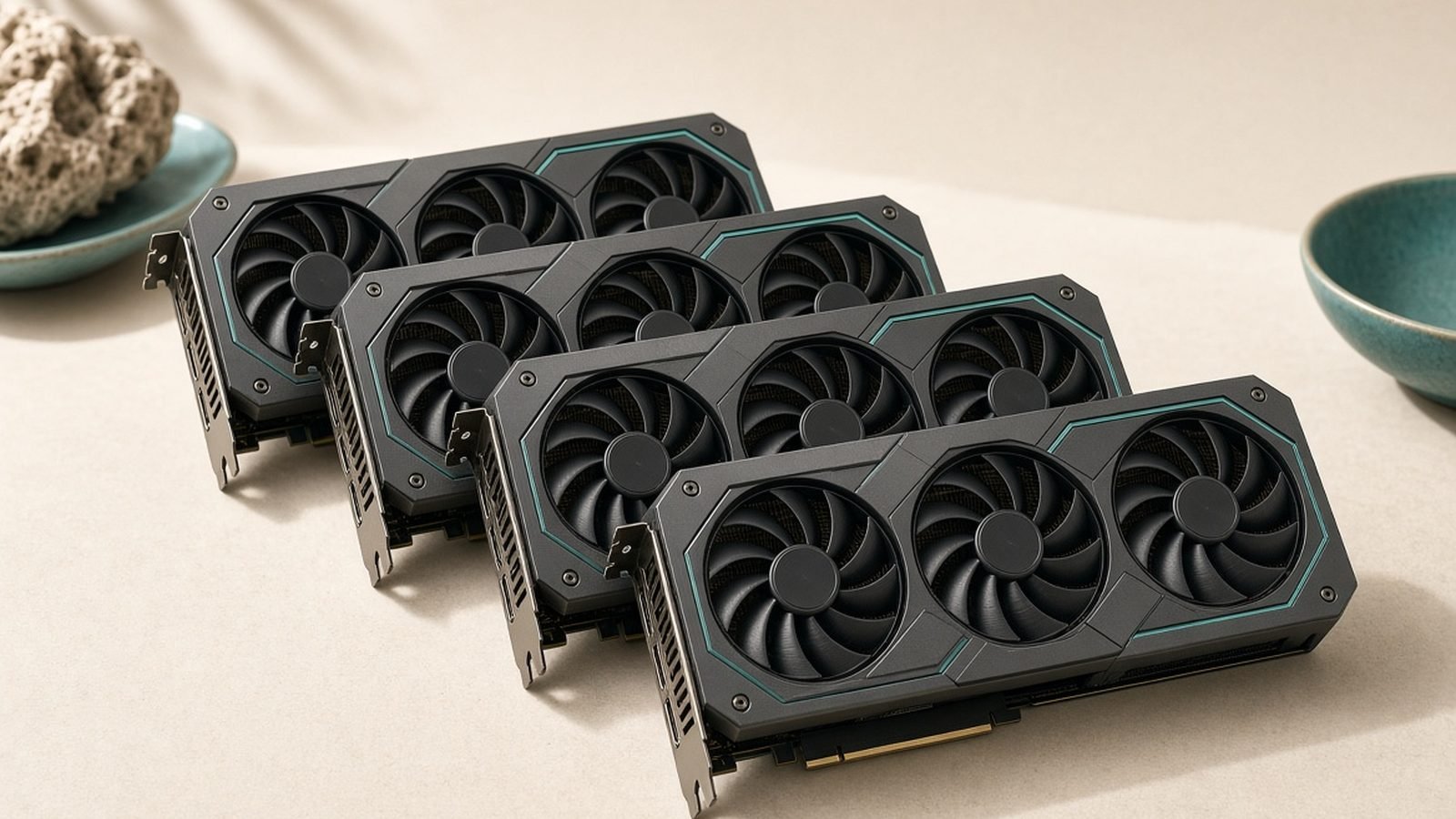
PowerColor is the AMD enthusiast’s other favorite — a dedicated Radeon board partner whose Red Devil cards have a cult following and whose Hellhound line is one of the best value picks in graphics. Like Sapphire, PowerColor makes only AMD cards, and it has spent years earning a reputation for aggressive designs, strong cooling, and prices that often undercut the competition. The short verdict: PowerColor offers some of the best value in the Radeon market, with capable coolers and characterful designs, but it’s AMD-only, its support network is smaller than the mega-brands, and its top Red Devil cards can run pricier than the value tiers suggest.
Buy PowerColor if you want a well-cooled Radeon card at a competitive price. Just know there’s no NVIDIA option, and support varies by region.
Company overview
PowerColor is the flagship brand of TUL Corporation, founded in 1997 and headquartered in Taipei, Taiwan. Like Sapphire, PowerColor is an exclusive AMD (formerly ATI) graphics-card partner — it does not make NVIDIA cards. For over two decades it has been one of the most consistent and respected Radeon board partners, sitting alongside Sapphire as the two brands AMD enthusiasts most often cross-shop.
TUL is a privately held company focused primarily on graphics cards, rather than a sprawling conglomerate. In plain terms, PowerColor’s reputation is that of a value-forward Radeon specialist with genuine enthusiast credibility: the Red Devil line is beloved for its bold designs and strong cooling, while the Hellhound and Reaper lines deliver excellent performance per dollar. It’s a brand that competes hard on price without cutting corners on the cooling that matters.
What PowerColor makes
PowerColor concentrates almost entirely on Radeon graphics cards, organized into clear tiers:
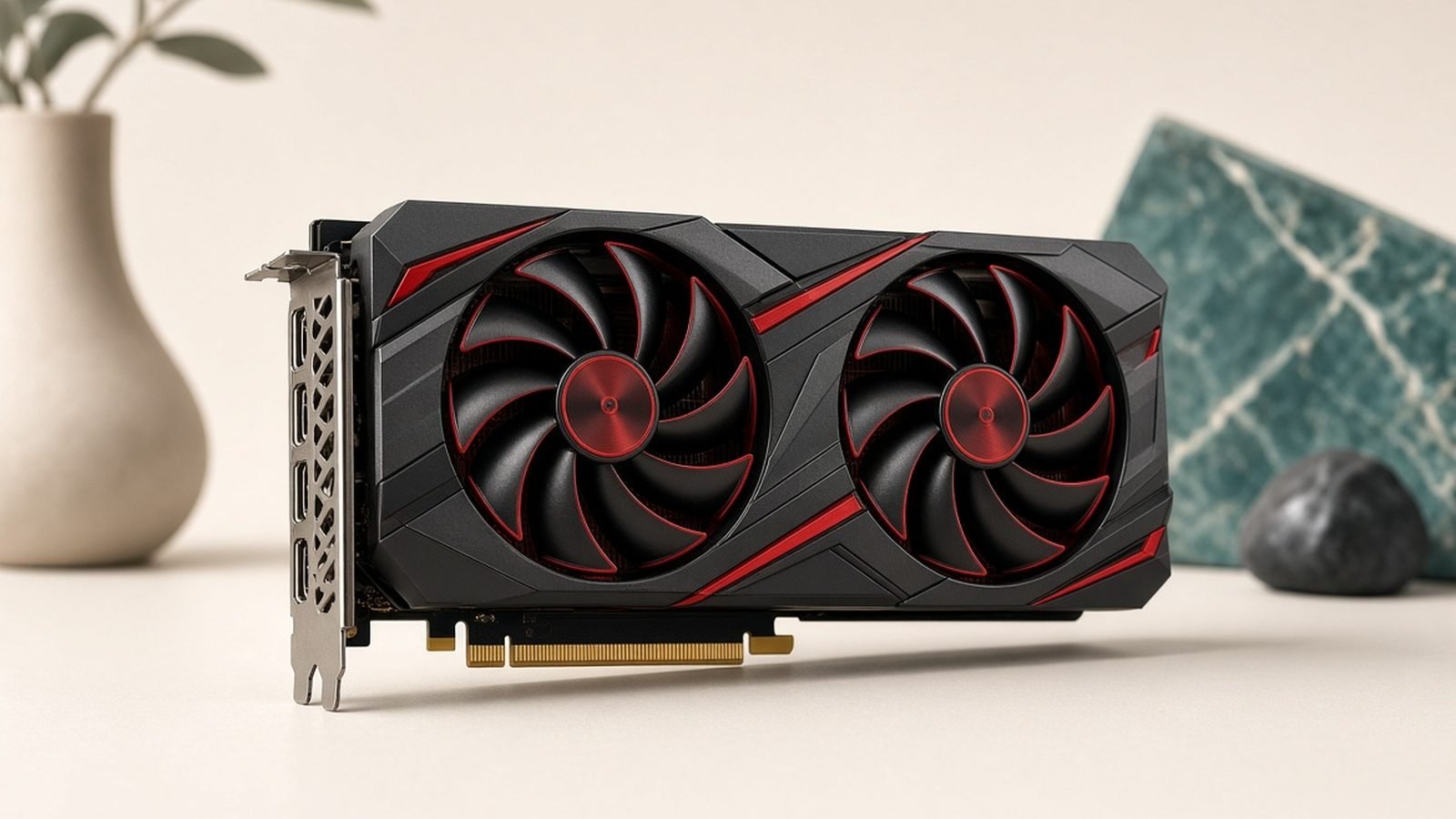
- Red Devil — the flagship line, with premium triple-fan coolers, robust power delivery, and aggressive styling.
- Hellhound — the value-enthusiast tier, offering strong cooling and quiet operation at a lower price than Red Devil.
- Reaper — the entry/mainstream tier for budget-focused builds and smaller cases.
- Liquid Devil / limited editions — occasional halo cards with liquid or hybrid cooling on top-end GPUs.
PowerColor doesn’t make motherboards, RAM, or peripherals in any significant way. It’s a graphics-card brand first and foremost, and that focus shows in how well-tuned its cooler designs are to each Radeon chip.
Standout PowerColor products in 2026
PowerColor Red Devil Radeon RX 9070 XT — around $690 / £640. The flagship RDNA 4 card with a large triple-fan cooler, strong VRMs, and the brand’s signature aggressive styling. A top-tier Radeon pick on our Best Graphics Cards 2026: GPUs for Every Budget guide and a direct rival to the cards in our Nvidia RTX 5080 Review 2026: The Sweet-Spot GPU?.
PowerColor Hellhound Radeon RX 9070 XT — around $610 / £570. The value star: quiet twin/triple-fan cooling and the same GPU performance for meaningfully less than the Red Devil. Frequently one of the best-value cards on our Best Graphics Card Under $500 for 1440p (2026) shortlist when on sale.
PowerColor Hellhound Radeon RX 9070 — around $590 / £550. The non-XT Hellhound, a superb 1440p option that balances price, cooling, and efficiency. See how it compares in our RTX 5070 vs RX 9070: Best 1440p GPU in 2026? matchup.
PowerColor Reaper Radeon RX 9060 XT — around $350 / £320. A compact, well-priced mainstream card for 1080p/1440p and smaller builds. Check the memory picture in our How Much VRAM Do You Need for Gaming in 2026? explainer.
PowerColor Red Devil Radeon RX 9070 — around $580 / £540. The flagship-cooled non-XT for buyers who want Red Devil build quality without the top-end price.
Strengths
Outstanding value. The Hellhound and Reaper lines are among the best price-to-performance options in the Radeon market, regularly undercutting rivals while keeping cooling quality high.
Strong cooling across the range. Even the mid-tier Hellhound cards run cool and quiet, and the Red Devil flagships have large, effective coolers with plenty of thermal headroom.
Characterful, enthusiast-friendly designs. The Red Devil styling has a loyal following, and PowerColor’s cards feel purpose-built for gamers rather than generic.
Deep AMD focus. As a dedicated Radeon partner, PowerColor’s designs are well-tuned to each GPU, and it’s one of only two or three brands AMD enthusiasts consistently trust.
Weaknesses & criticisms
AMD only. PowerColor makes no NVIDIA cards. If you want a GeForce RTX card, it isn’t an option, limiting the brand to Radeon buyers.
Smaller support network. PowerColor’s RMA and support footprint is smaller than mega-brands like ASUS or MSI, and the experience varies by region and distributor. North American support in particular has historically been less convenient.
Red Devil pricing creeps up. While the value tiers are excellent, the flagship Red Devil cards can approach or match pricier rivals, eroding some of the brand’s value advantage at the very top.
Availability and stock quirks. Popular cards can sell out at launch, and regional availability of specific tiers is inconsistent, so the model you want isn’t always in stock at MSRP.
Reliability & support
PowerColor cards are generally reliable, and the reason is the same as for its main rival: good cooling and solid build quality reduce long-term stress on the hardware. The Red Devil and Hellhound lines in particular have strong reputations for running cool and quiet, and long-term owner feedback is largely positive. For the hardware itself, PowerColor is a sound choice.
Support is where PowerColor is competent rather than exceptional. Warranties are typically handled through the retailer and regional distributors, with terms varying by market (commonly two to three years). The RMA experience depends heavily on your region — enthusiast communities rate the products highly but note that support responsiveness isn’t as consistent as the largest brands with dedicated global service networks. As always, buy from a reputable retailer, register your card, and keep your proof of purchase. For most owners, the cards are reliable enough that support rarely becomes an issue.
Who should buy PowerColor
Buy PowerColor if you want a Radeon card with strong cooling at a competitive price. The Hellhound line is one of the smartest value buys in the GPU market, and the Red Devil flagships give enthusiasts a bold, well-cooled top-tier option. If you’re building a value-conscious Radeon rig, PowerColor should be one of your first stops — see where its cards land on our Best Graphics Cards 2026: GPUs for Every Budget guide.
Look elsewhere if you want an NVIDIA GeForce card, since PowerColor doesn’t make them (start with our Nvidia RTX 5080 Review 2026: The Sweet-Spot GPU?). Buyers who need the most convenient global support network, or who want a brand with a broad ecosystem beyond graphics cards, may prefer larger rivals. But for value-focused Radeon buyers, PowerColor is hard to beat.
FAQ
Is PowerColor a good brand?
Yes — for Radeon graphics cards it’s one of the best value options. PowerColor’s Hellhound and Reaper lines deliver strong cooling and performance for the price, and the Red Devil flagships are well-built enthusiast cards. The main caveats are that it’s AMD-only and its support network is smaller than the mega-brands.
Is PowerColor reliable?
Yes. PowerColor cards are known for good cooling and solid build quality, which supports dependable long-term operation, and owner feedback for the Red Devil and Hellhound lines is generally positive. Support quality varies by region, but the hardware itself is reliable.
Where is PowerColor from and who owns it?
PowerColor is the flagship brand of TUL Corporation, founded in 1997 and headquartered in Taipei, Taiwan. It’s a privately held company and an exclusive AMD/ATI graphics-card partner, not part of a larger conglomerate.
What’s the difference between PowerColor Red Devil, Hellhound, and Reaper?
Red Devil is the flagship line with the biggest coolers, best VRMs, and aggressive styling. Hellhound is the value-enthusiast tier — strong, quiet cooling for less. Reaper is the entry/mainstream tier for budget and small-form-factor builds. Hellhound is usually the sweet spot for value.
Is PowerColor better than Sapphire?
Both are AMD-only specialists and both are well regarded. Sapphire’s Nitro+ is often seen as the premium cooling benchmark, while PowerColor tends to win on value with its Hellhound line and offers a strong flagship in the Red Devil. It’s frequently close — the better buy usually comes down to the specific model and price on the day.
Does PowerColor make NVIDIA cards?
No. PowerColor is an exclusive AMD partner and makes only Radeon graphics cards. For a GeForce RTX card you’ll need a different brand — see our Best Graphics Cards 2026: GPUs for Every Budget guide.
Zen Tech Hub may earn a commission from links on this page, at no extra cost to you.