Razer is the gaming-lifestyle brand — premium laptops, competitive peripherals, and a glowing-green aesthetic that’s become shorthand for PC gaming itself. In 2026 it remains a top name for gaming laptops and esports-grade mice and keyboards. The short verdict: Razer makes some of the best-looking, best-feeling gaming hardware you can buy, and its Blade laptops and DeathAdder/Viper mice are genuinely excellent. But you pay a steep premium, reliability and thermals have drawn persistent criticism, and the Synapse software plus battery-hungry designs are recurring pain points.
Buy Razer if you want premium build, competitive performance, and cohesive design, and you’re willing to pay for it. Look elsewhere if you want the best value, the coolest-running laptop, or gear that doesn’t lean on heavy companion software.
Company overview
Razer was founded in 2005 and is dual-headquartered in Irvine, California, and Singapore. It was publicly listed in Hong Kong before being taken private again in 2022 by its co-founder and CEO Min-Liang Tan and an investment group. Razer built its identity around competitive gaming and a distinctive brand: the triple-snake logo, the “for gamers, by gamers” slogan, and the signature Razer Green with Chroma RGB lighting.
Beyond hardware, Razer runs software and services — Synapse (device configuration and lighting), Cortex (game launcher and optimizer), and it has dabbled in fintech, fashion collaborations, and lifestyle products. Its core business, though, is premium gaming hardware, and its reputation lives and dies on the Blade laptops and its peripheral lineup.
What Razer makes
Razer’s 2026 consumer lineup centers on:
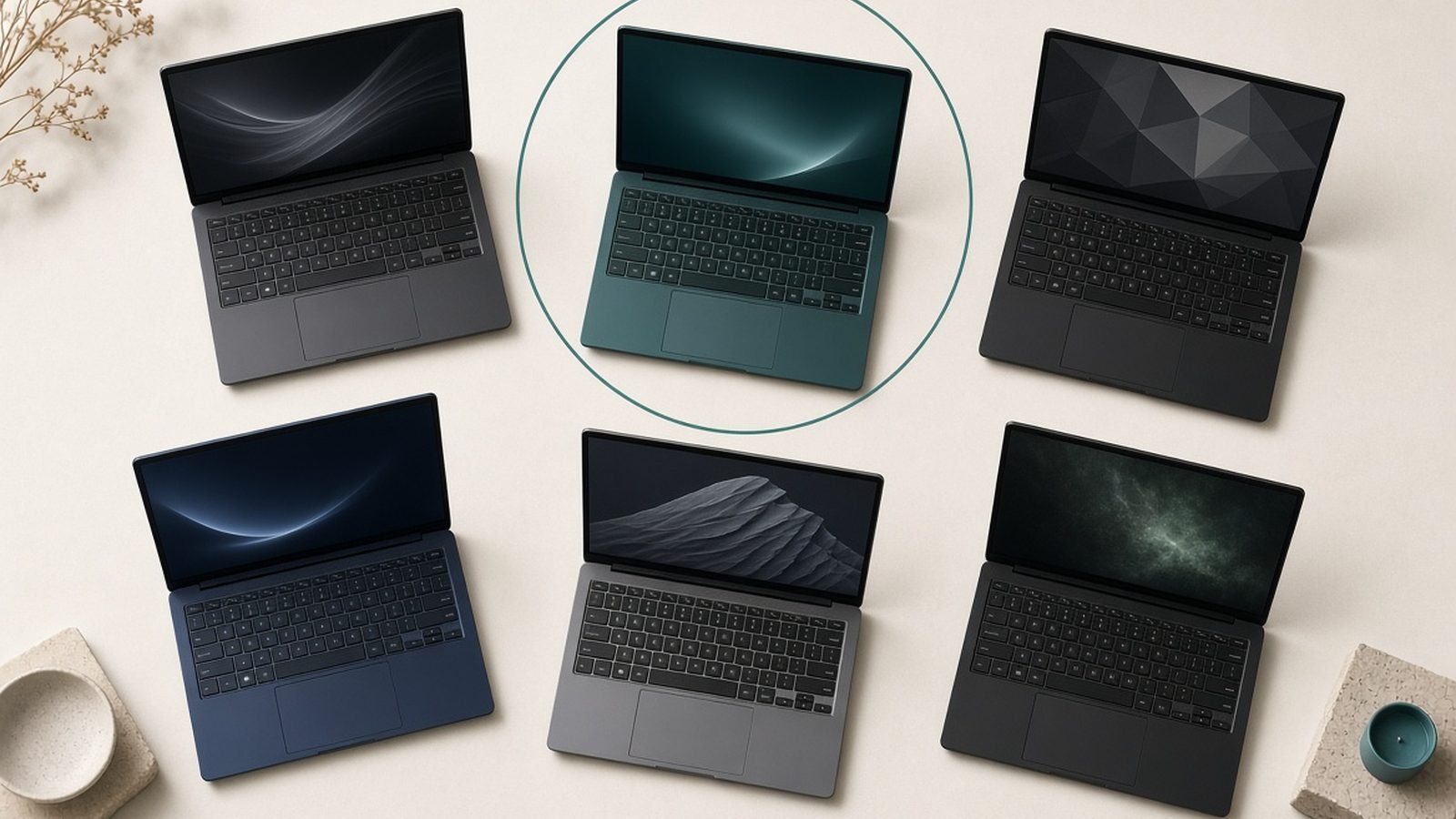
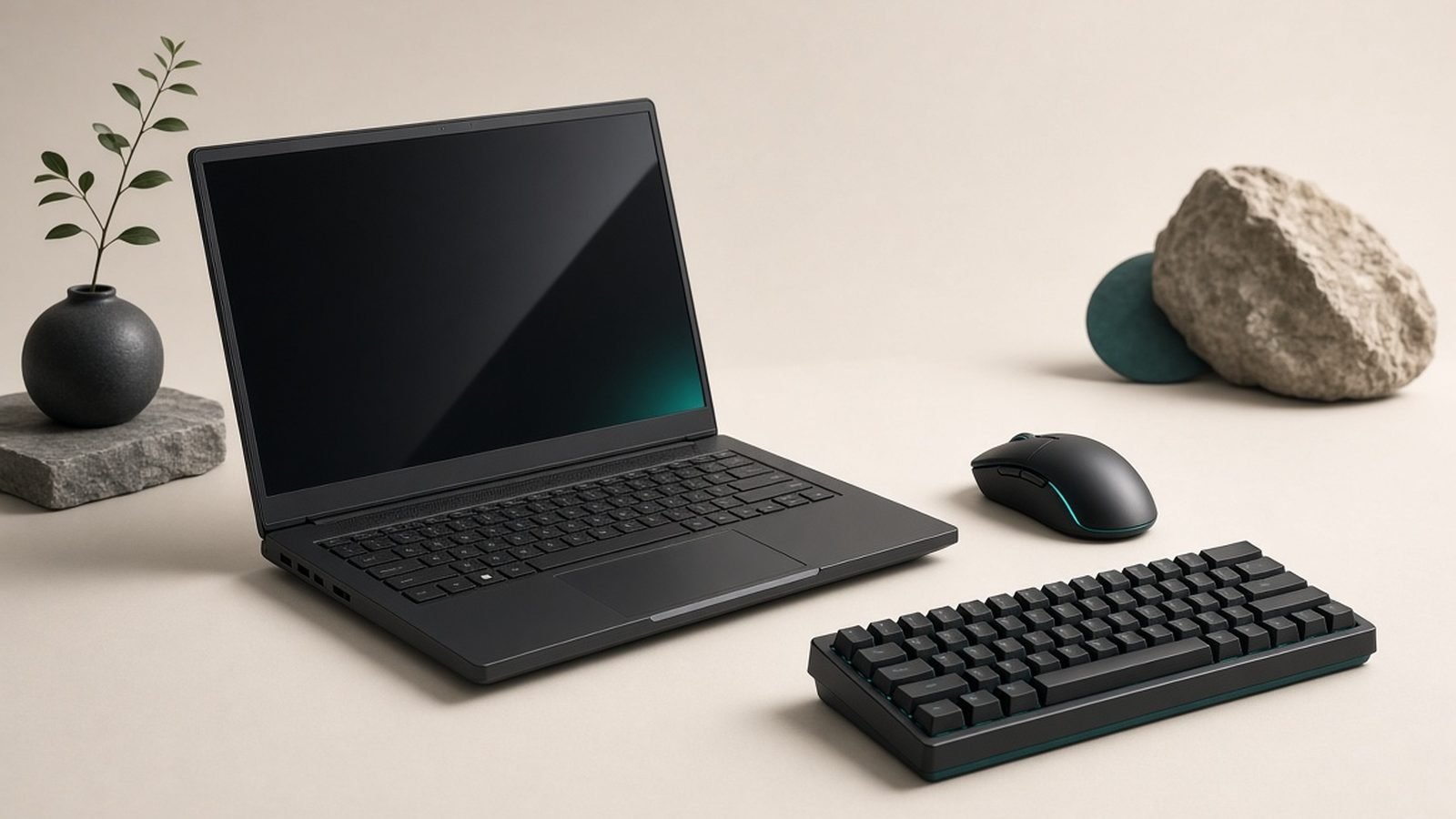
- Gaming laptops — the flagship Blade 16 and larger Blade 18, positioned as premium, thin-and-light gaming and creator machines, with the occasional smaller Blade for portability.
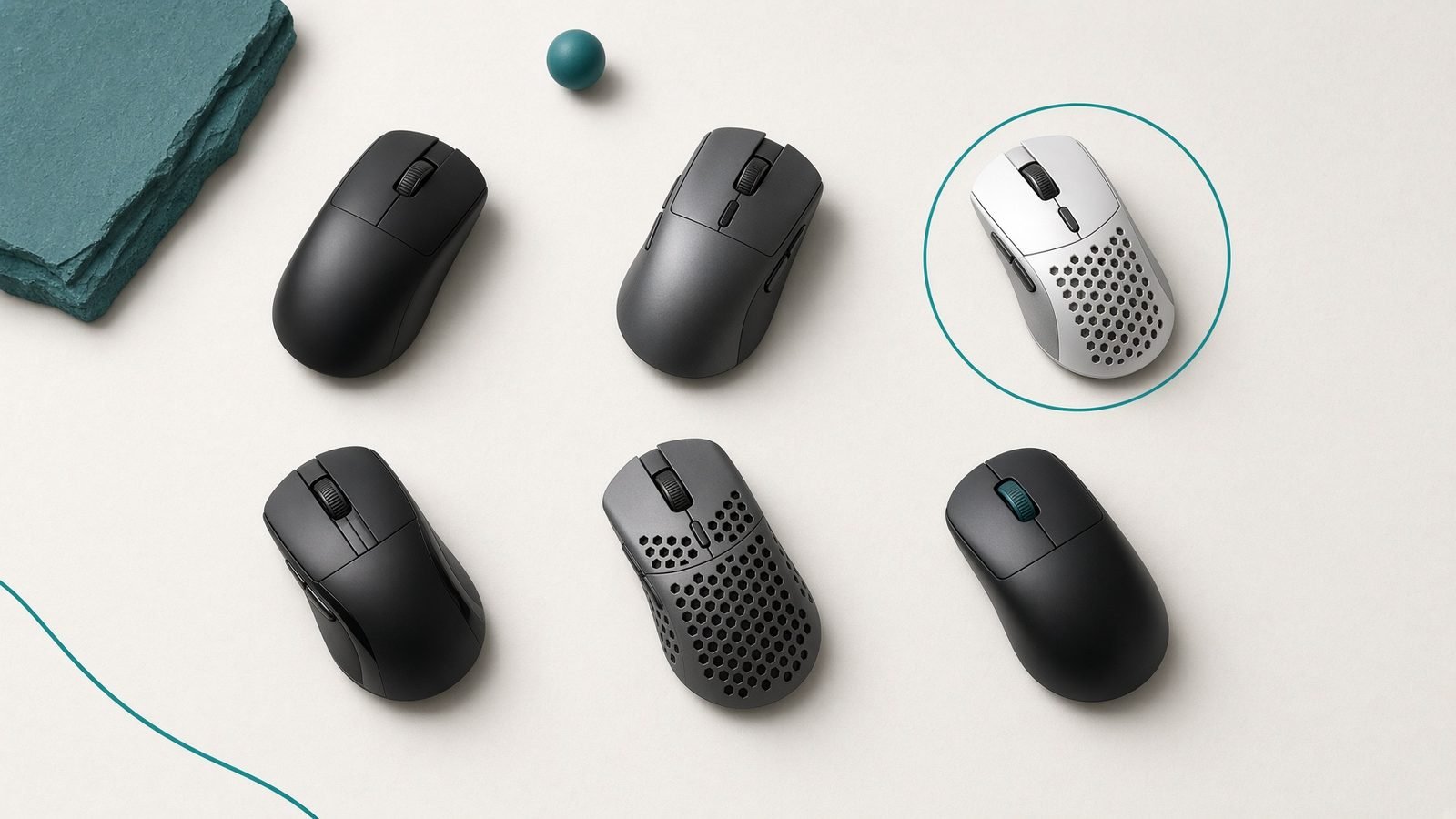
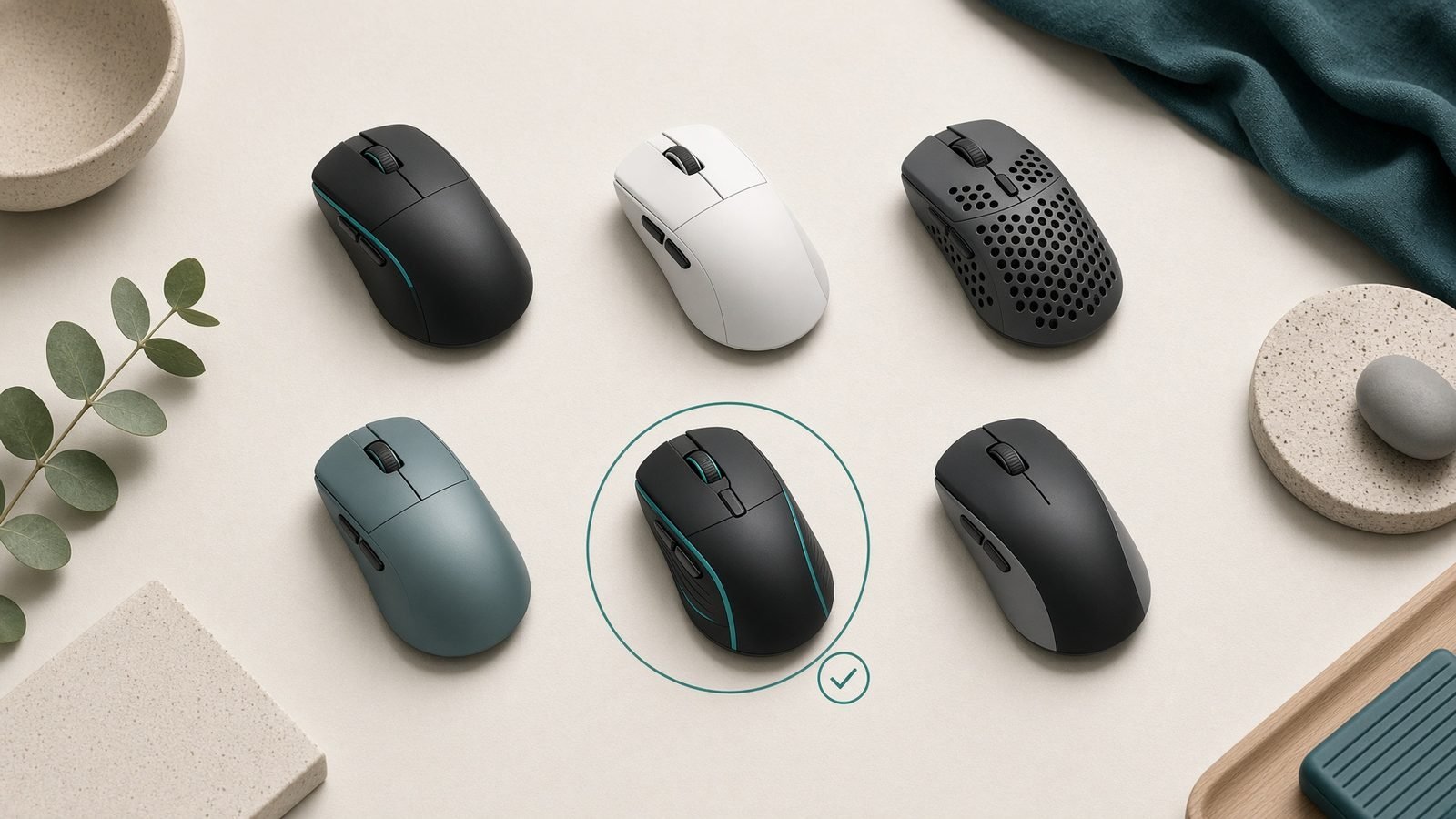
- Gaming mice — the DeathAdder V3 (ergonomic) and Viper V3 (ambidextrous) families, including HyperSpeed wireless and Pro esports variants.
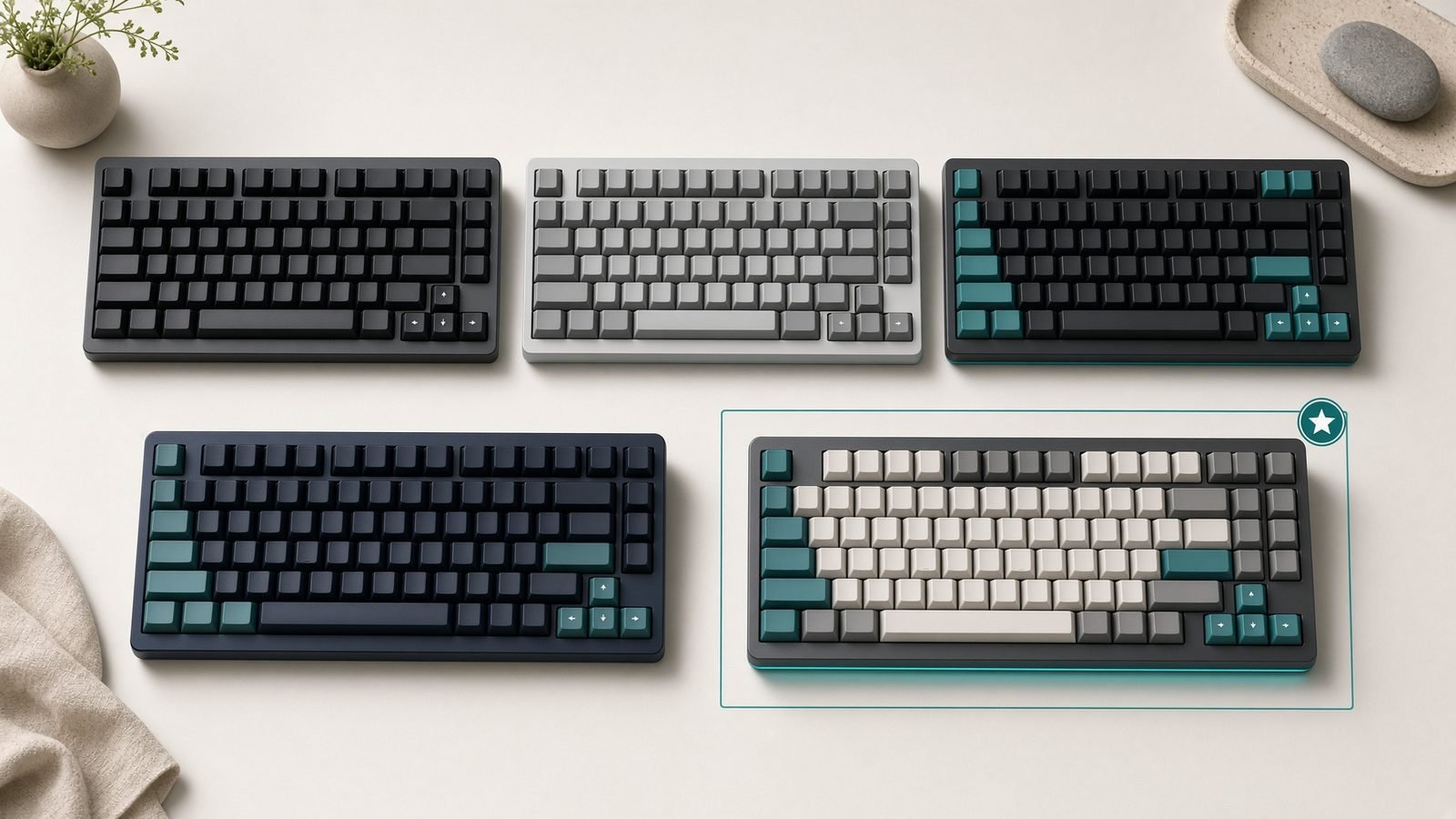
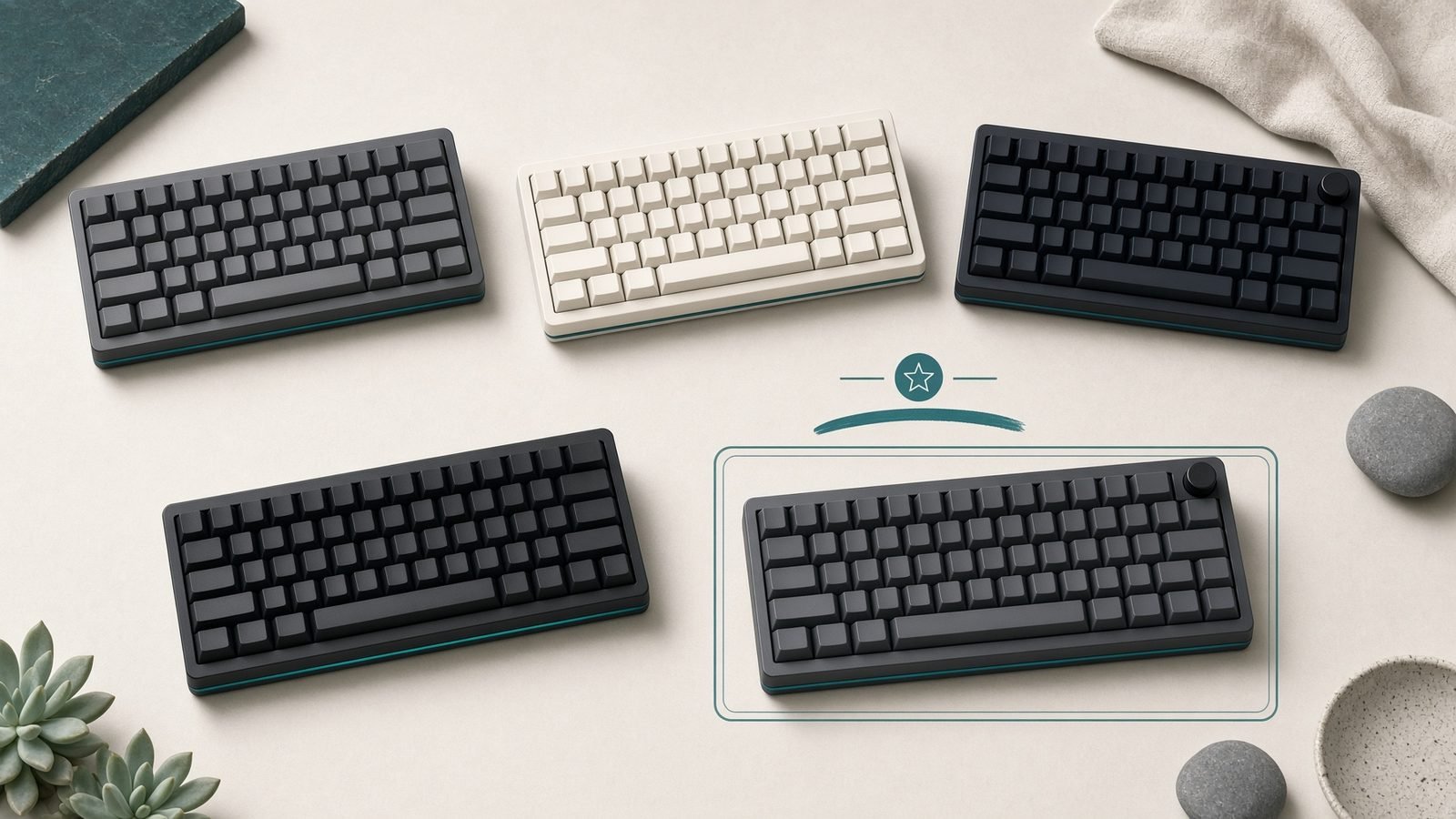
- Keyboards — the BlackWidow mechanical line, the low-profile DeathStalker, the Huntsman optical-switch series, and compact esports boards.
- Headsets and audio — the Kraken and BlackShark V2 headsets, the latter popular in competitive play, plus the Barracuda wireless line.
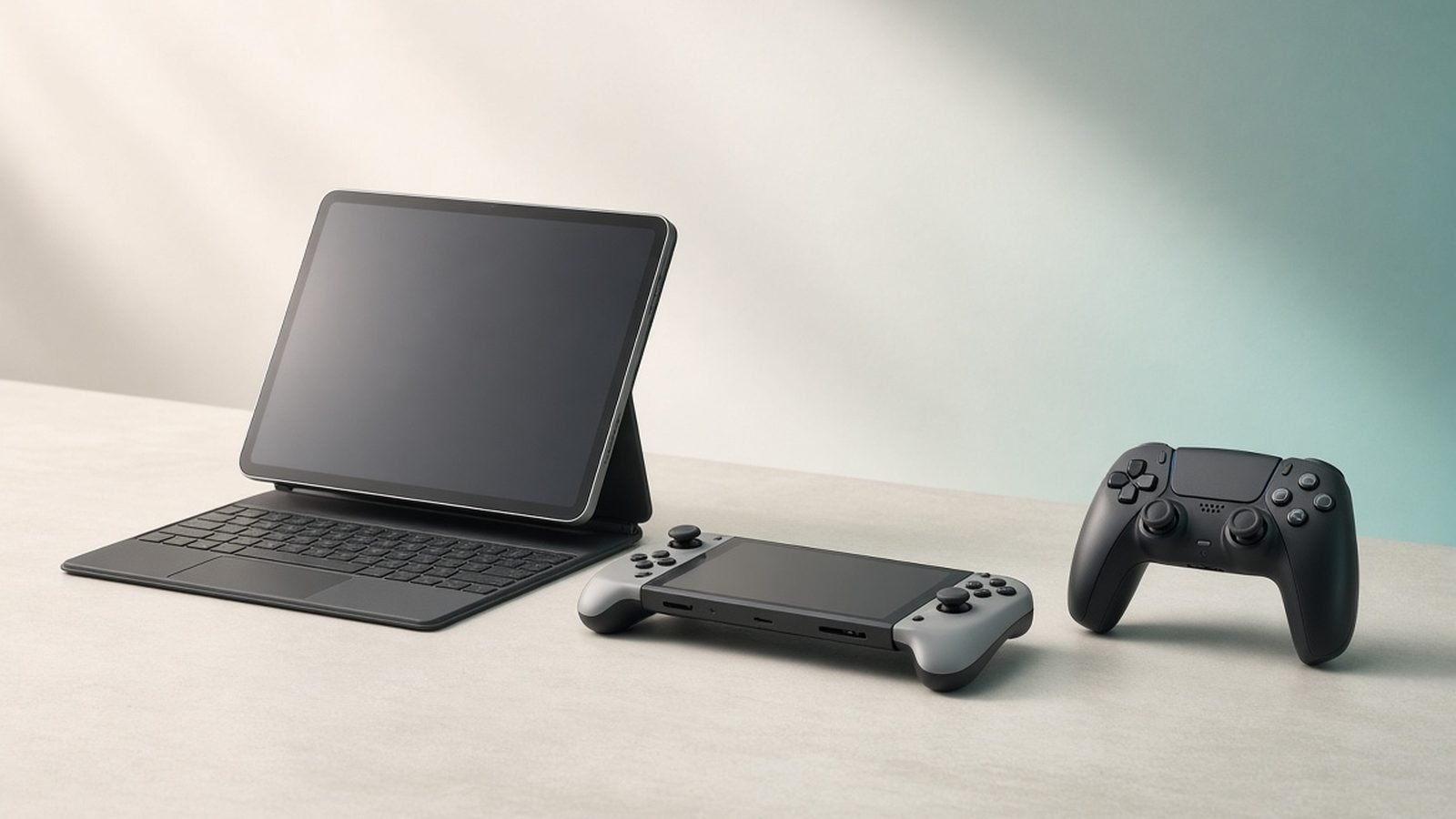
- Controllers and console gear — the Wolverine controllers and Kishi mobile-gaming grips.
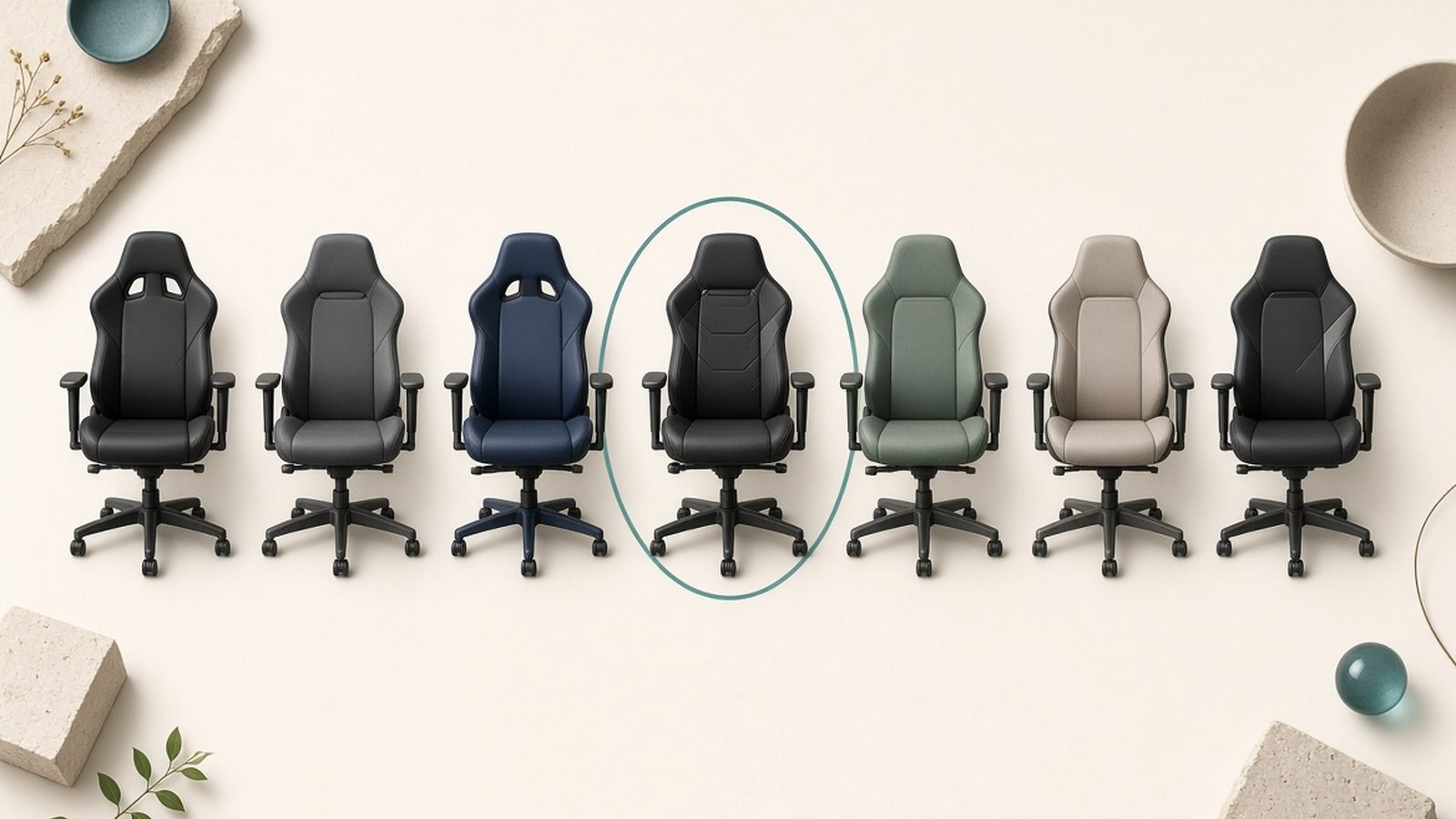
- Accessories and lifestyle — mouse mats, microphones (Seiren), webcams (Kiyo), streaming lighting, chairs, and Chroma-enabled desk gear.
Synapse ties the peripherals together for lighting sync, macros, and profiles.
Standout products in 2026
Razer Blade 16 — around $2,499+ / £2,499+. The flagship gaming laptop and Razer’s halo product: a CNC-milled aluminum chassis, high-refresh OLED display options, and current-generation GPUs in a remarkably thin body. It’s a regular on our Best Gaming Laptops 2026: RTX 50-Series Picks Ranked and Best Gaming Laptops 2026: RTX 50-Series Picks Ranked guides. It’s expensive and runs warm under load, but few Windows gaming laptops feel as premium.
Razer DeathAdder V3 Pro — around $149 / £149. The ergonomic wireless esports mouse that consistently lands on our Best Gaming Mice 2026: Lightweight & Wireless Winners shortlist. Lightweight, superb sensor, and a shape many players consider the gold standard for right-handed grips.
Razer Viper V3 Pro — around $159 / £159. The ambidextrous counterpart to the DeathAdder, favored by competitive players who prefer a symmetrical shape. Another fixture on our gaming-mouse recommendations.
Razer BlackWidow V4 — around $169 / £169. A full-featured mechanical gaming keyboard with Razer’s own switches, appearing on our Best Gaming Keyboards 2026: Speed & Feel guide for players who want a tactile, feature-rich board.
Razer BlackShark V2 (Pro) — around $199 / £199 for the wireless Pro. A competitive-focused headset praised for clear positional audio, and a common pick on our Best Gaming Headsets 2026: Top Picks Compared & Ranked list.
Razer Kishi V2 — around $99 / £99. A mobile-gaming controller grip that turns a phone into a handheld, popular with cloud-gaming and mobile players.
Strengths
Premium design and build. Razer’s hardware looks and feels expensive. The Blade’s aluminum unibody is one of the best-built Windows laptops, and the peripherals have a cohesive, high-quality aesthetic that competitors struggle to match.
Competitive performance. Razer’s top mice and headsets are genuinely esports-grade — excellent sensors, low latency HyperSpeed wireless, and shapes that pros actually use. This is not just marketing; the DeathAdder and Viper are among the best gaming mice made.
Cohesive ecosystem and Chroma. For buyers who want a matching, RGB-synced setup, Razer’s Chroma ecosystem is the most extensive, tying lighting across laptops, peripherals, and accessories.
Brand and resale strength. Razer is aspirational in gaming culture, and its products hold attention and reasonable resale value.
Weaknesses & criticisms
Price premium. Razer is expensive across the board. The Blade laptops in particular cost significantly more than similarly specced rivals, and you’re paying heavily for design and brand.
Thermals and battery on laptops. Thin chassis plus powerful components means the Blades run warm and can throttle under sustained load, and battery life is often mediocre for the price — recurring themes in reviews and owner reports.
Reliability reputation. Razer has a persistent reputation, fair or not, for reliability issues on some laptops and peripherals, and its warranty and RMA experience has drawn criticism over the years. It’s the most common knock against the brand.
Synapse software. Synapse is frequently criticized for being cloud-dependent, occasionally buggy, resource-heavy, and requiring an account and login just to configure hardware. Many users find it the weakest part of owning Razer gear. See our Razer Brand Profile 2026: Gaming Laptops, Mice & Keyboards comparison for how this stacks up against rivals.
Reliability & support
Razer’s reliability is its most-debated attribute. The peripherals — particularly the flagship mice and competitive headsets — generally hold up well and enjoy good long-term reputations. The laptops are where concerns concentrate: aggregated owner reports and reviews cite thermal stress, occasional component failures, and, historically, a mixed customer-support and RMA experience compared with larger laptop makers.
Warranties are standard for the category (commonly one year on laptops and peripherals in most markets, with regional variation). Razer has improved its support over time, but “premium price, average reliability” remains the central criticism, and it’s the main reason cautious buyers cross-shop mainstream laptop brands. The honest guidance: buy Razer peripherals with confidence, and buy a Blade knowing you’re paying a premium for design while accepting thermals and a reliability reputation that trails the best in the business.
Who should buy
Buy Razer if you want premium, competitive-grade gaming hardware with standout design and a cohesive RGB ecosystem, and your budget has room for the premium. The DeathAdder and Viper mice are easy recommendations for almost any gamer, and the Blade is a strong pick for people who want gaming power in a MacBook-like chassis and will pay for it.
Look elsewhere if value is your priority, if you need the coolest-running or longest-lasting laptop for the money, or if you want to avoid account-gated companion software. Budget-focused gamers will get more raw performance per dollar from other laptop brands and from Logitech or boutique peripheral makers — our Razer Brand Profile 2026: Gaming Laptops, Mice & Keyboards guide compares the peripheral side directly.
FAQ
Is Razer worth the money in 2026?
For the design, competitive performance, and ecosystem, yes — if you value those things and can afford the premium. Razer’s top mice and headsets are genuinely excellent, and the Blade laptops are beautifully built. If you prioritize value, cooler thermals, or better battery life, the premium is harder to justify.
Is Razer reliable?
Its peripherals are generally reliable, but its laptops have a mixed reputation, with recurring concerns about thermals and, historically, customer support. It’s the most common criticism of the brand. Buy peripherals with confidence; buy a Blade with eyes open about thermals and premium pricing.
What is Razer’s best product?
The DeathAdder V3 Pro and Viper V3 Pro mice are the standout products, widely considered among the best gaming mice available. The Blade 16 is the flagship laptop, and the BlackShark V2 is a favorite competitive headset.
Is Razer better than Logitech?
They emphasize different things. Razer leans into gaming design, laptops, and enthusiast aesthetics, while Logitech is broader, stronger in productivity, and generally seen as more reliable and value-conscious. For gaming peripherals they’re closely matched — see our Razer Brand Profile 2026: Gaming Laptops, Mice & Keyboards comparison.
Do I have to use Razer Synapse software?
You can use the hardware without it, but you need Synapse to customize lighting, macros, DPI, and profiles, and it requires an account. Many users find it the weakest part of the experience because it’s cloud-dependent and can be resource-heavy.
Are Razer Blade laptops good for work as well as gaming?
Yes — the Blade’s understated design, quality build, and strong CPUs and GPUs make it capable for creative work and general productivity, not just gaming. The trade-offs are price, warmth under sustained load, and battery life that’s average for the money.
Zen Tech Hub may earn a commission from links on this page, at no extra cost to you.