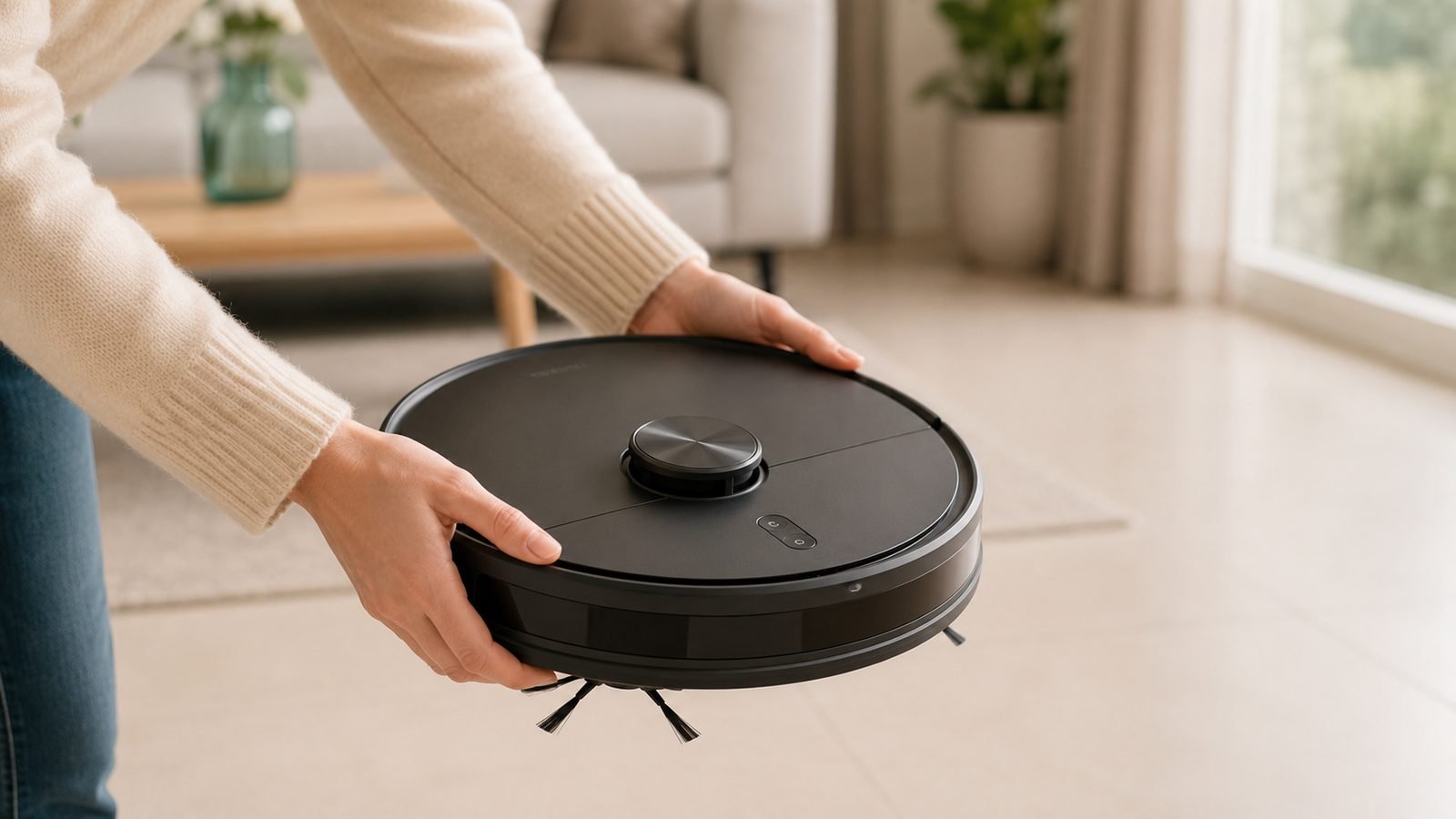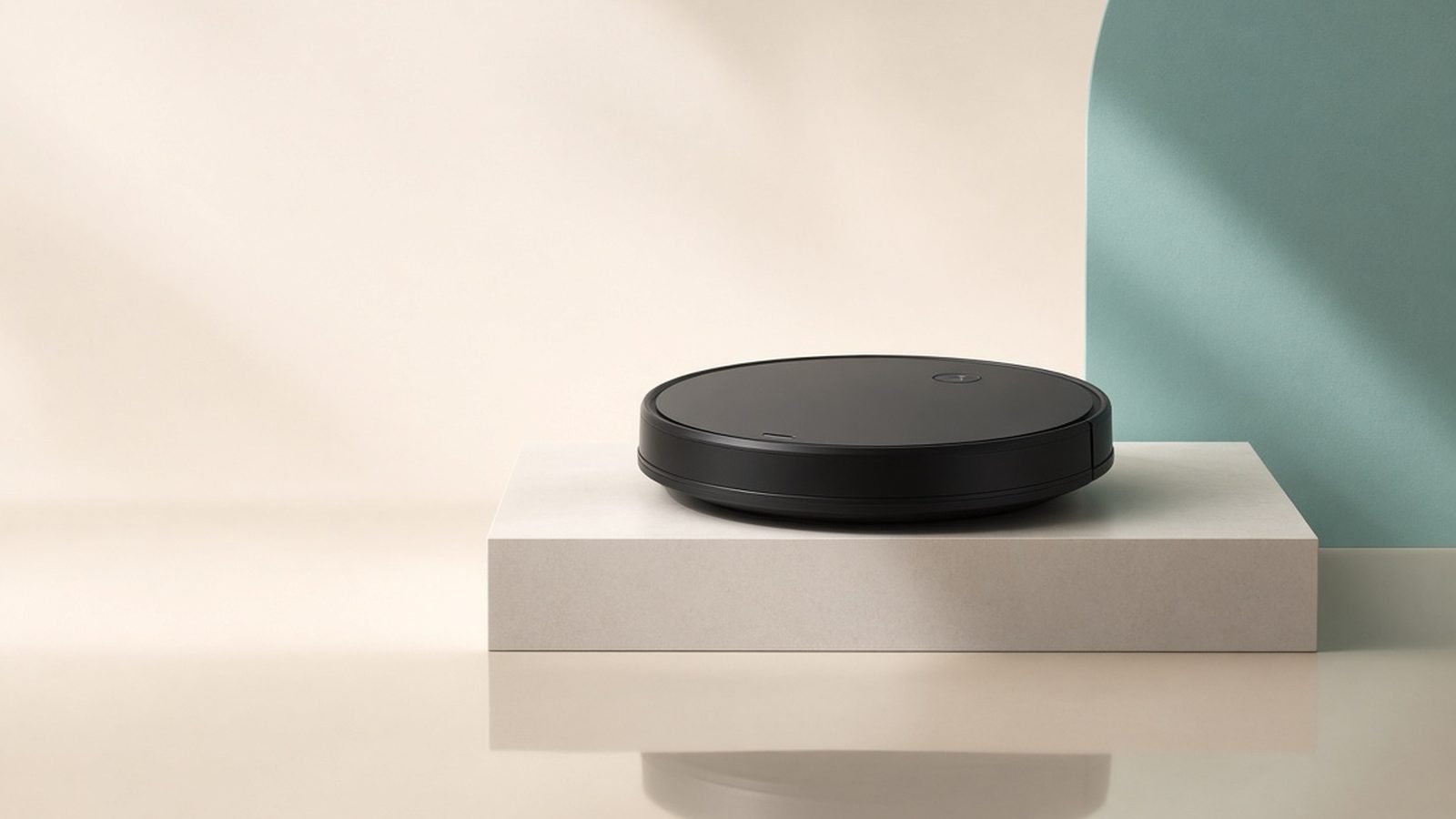
If you want the short version of this Roborock Saros 10 review: it is one of the two best all-round robot vacuums you can buy in 2026, and at its current street price of around $1,199 / £999 — down from a $1,599 launch — it finally makes sense for people who aren’t chasing bragging rights. Buy it if you have sealed hard floors you mop regularly and want the firmest, most confident mopping in Roborock’s range, plus a self-emptying, self-washing dock that you can genuinely ignore for weeks.
Our verdict up front: the Saros 10 is a superb flagship with one defining choice to make. It keeps a traditional retractable LiDAR turret and a pressing VibraRise 4.0 flat mop, where its sibling the Saros 10R swaps to a slimmer camera-and-solid-state navigation stack with dual spinning pads. If low furniture clearance matters more to you than mop pressure, the 10R is the better buy. If mopping performance on tile and sealed wood is your priority, the Saros 10 is the one. Both clean carpets brilliantly.
Rating: 4.5/5 — a near-flawless flagship held back only by price and a large dock.
Key specs: 22,000Pa suction · RetractSense retractable LiDAR · VibraRise 4.0 lift-and-press mopping · full self-empty / wash / hot-air-dry dock · ~$1,199 / £999 (mid-2026).
Roborock Saros 10 at a glance
| Roborock Saros 10 | |
|---|---|
| Price (mid-2026) | ~$1,199 / £999 (was $1,599) |
| Suction | 22,000Pa |
| Navigation | RetractSense retractable LiDAR + reactive obstacle AI |
| Mopping | VibraRise 4.0 flat mop, lifts 20mm, sonic vibration |
| Height | 7.98cm (3.14in) with turret retracted |
| Dock | Self-empty (2.5L bag), 80°C mop wash, hot-air dry, auto-refill |
| Threshold climbing | AdaptiLift chassis, up to ~4cm |
| Best for | Homes with lots of sealed hard floor to mop |
Check price: Roborock Saros 10
Price and where it sits in the 2026 lineup
The Saros 10 arrived in early 2025 at $1,599 in the US and around £1,399 in the UK. By mid-2026 it settles around $1,199 in the US and £999 in the UK during promotional windows, with occasional dips lower at Amazon and Roborock’s own store. That is still premium money, but it now undercuts the arm-equipped Saros Z70 by several hundred and lands close to the 10R.
Here is the map of the range, because Roborock’s naming is genuinely confusing. The Saros 10 is the retractable-LiDAR, pressing-mop flagship. The Saros 10R shares the same body and suction but uses StarSight solid-state navigation with no spinning turret, plus dual rotating mop pads. The Saros Z70 is a 10R with a robotic arm bolted on — we covered that separately in our Roborock Saros Z70 Review: The Robot Arm Vacuum in 2026. For most people the real decision is Saros 10 versus 10R, and mopping style is what splits them.
Check price: Roborock Saros 10
Design, navigation and that retractable turret
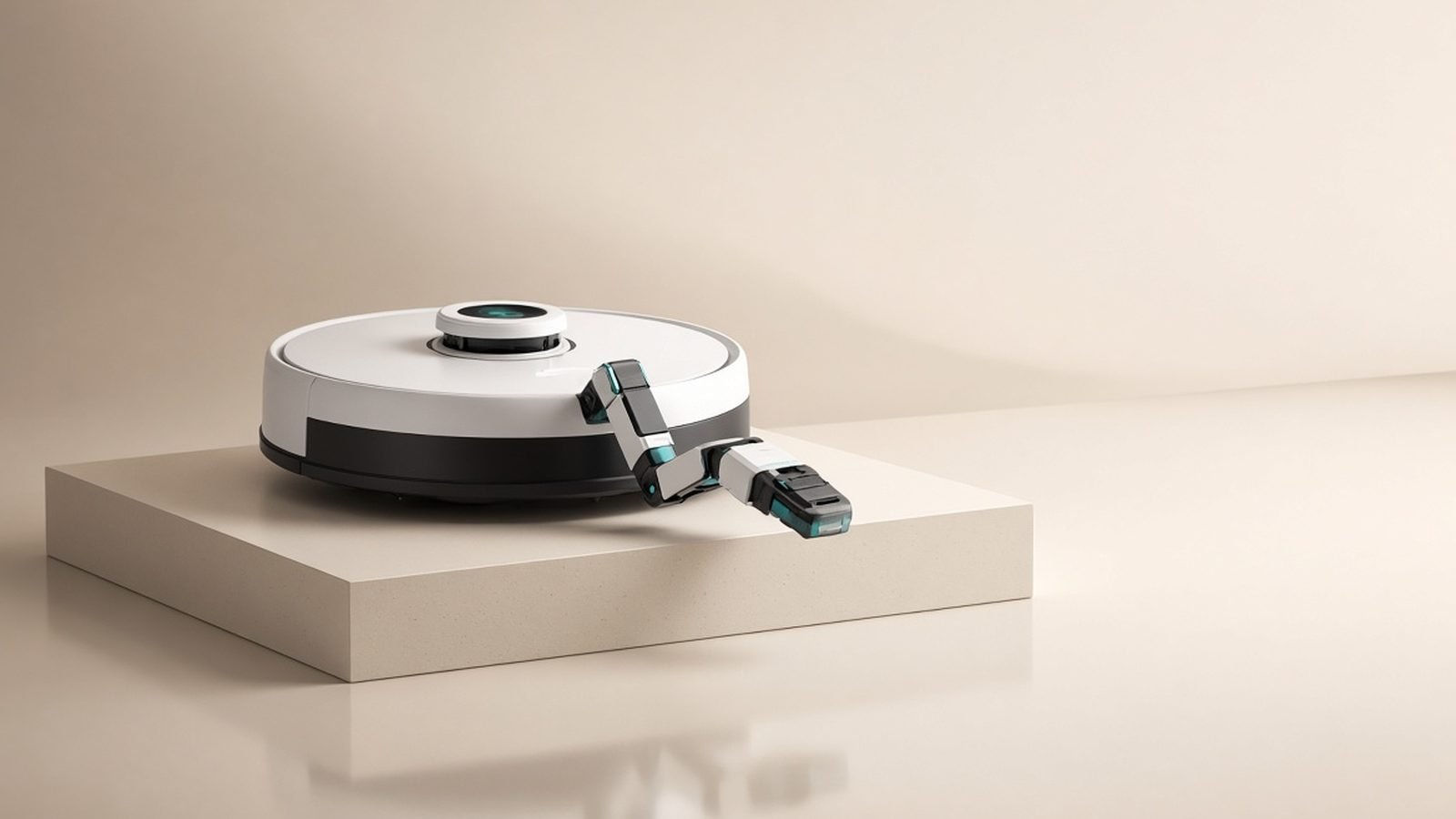
The Saros 10’s headline design trick is RetractSense: the LiDAR turret drops flush into the body when the robot meets a low obstacle, letting a machine that navigates with a spinning laser still squeeze under sofas and cabinets at 7.98cm (3.14 inches). That is the traditional-LiDAR answer to the low-clearance problem the 10R solves by ditching the turret entirely. In practice, based on aggregated owner reports, RetractSense works well but adds a moving part; the 10R’s turret-free body is inherently simpler and marginally slimmer in tight spots.
Navigation is otherwise excellent. Retractable LiDAR builds a fast, accurate whole-home map on the first run, and the reactive obstacle system — a combination of structured light and an AI camera — reliably steers around cables, shoes and, crucially for pet owners, waste. It recognizes a long list of common household objects and avoids them rather than plowing through. The AdaptiLift chassis raises the whole robot to climb thresholds up to about 4cm, which owners in older homes with chunky door bars consistently praise.
One honest note on the camera: like every advanced-AI flagship, the Saros 10 uses an onboard camera for obstacle recognition and supports remote viewing with an on-robot alert. Roborock states recognition runs on-device. If any camera indoors is a dealbreaker, this whole tier of robot isn’t for you.
Vacuuming performance: carpets, hard floors and pet hair
Strip the mop away and the Saros 10 is a top-tier vacuum. The 22,000Pa suction figure is marketing-grade like every Pascal number, but the results back it up: based on published specs and aggregated lab and owner reports, it clears fine debris such as sand and flour-type spills near-flawlessly on hard floors and ranks among the best robots on low and medium-pile carpet.
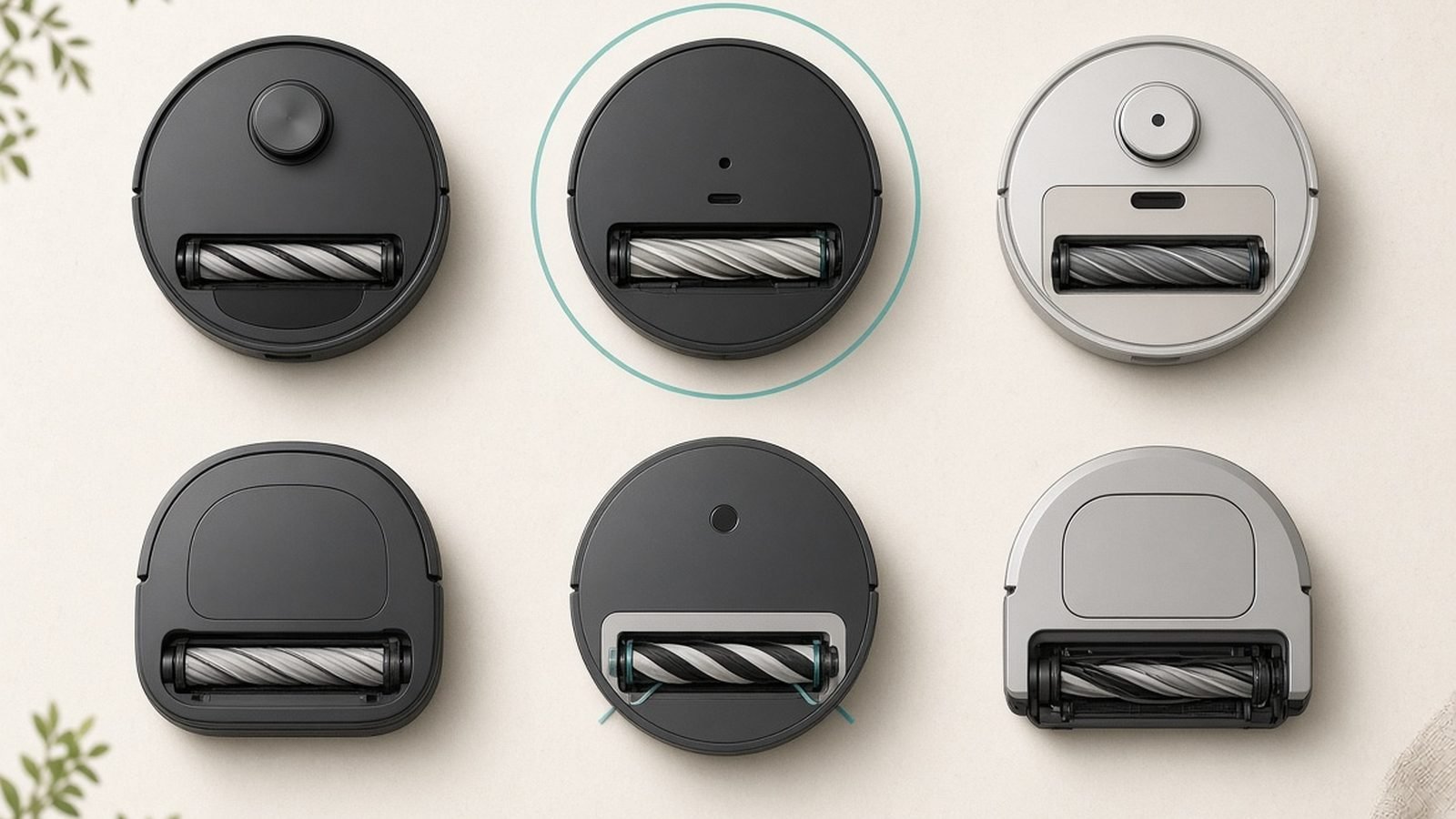
The dual anti-tangle rollers matter more than the headline suction. Split rubber brushes plus an arched, tangle-resistant side brush mean long hair wraps far less than on older Roborocks — a real win for households with shedding pets or long-haired occupants. Pet owners report strong dog and cat hair pickup with minimal brush maintenance, though heavy shedders should still expect a weekly roller check. If pet hair is your single biggest battle, weigh the field in our dedicated guide to the Best Robot Vacuum for Pet Hair in 2026: Which One Wins?.
Two limitations apply to the whole category, not just this robot. Deep-pile and shag carpet still defeats every robot vacuum — embedded grit needs an upright occasionally. And while edge cleaning is good thanks to the extending side brush, a thin line lingers in sharp corners.
Mopping: where the Saros 10 pulls ahead
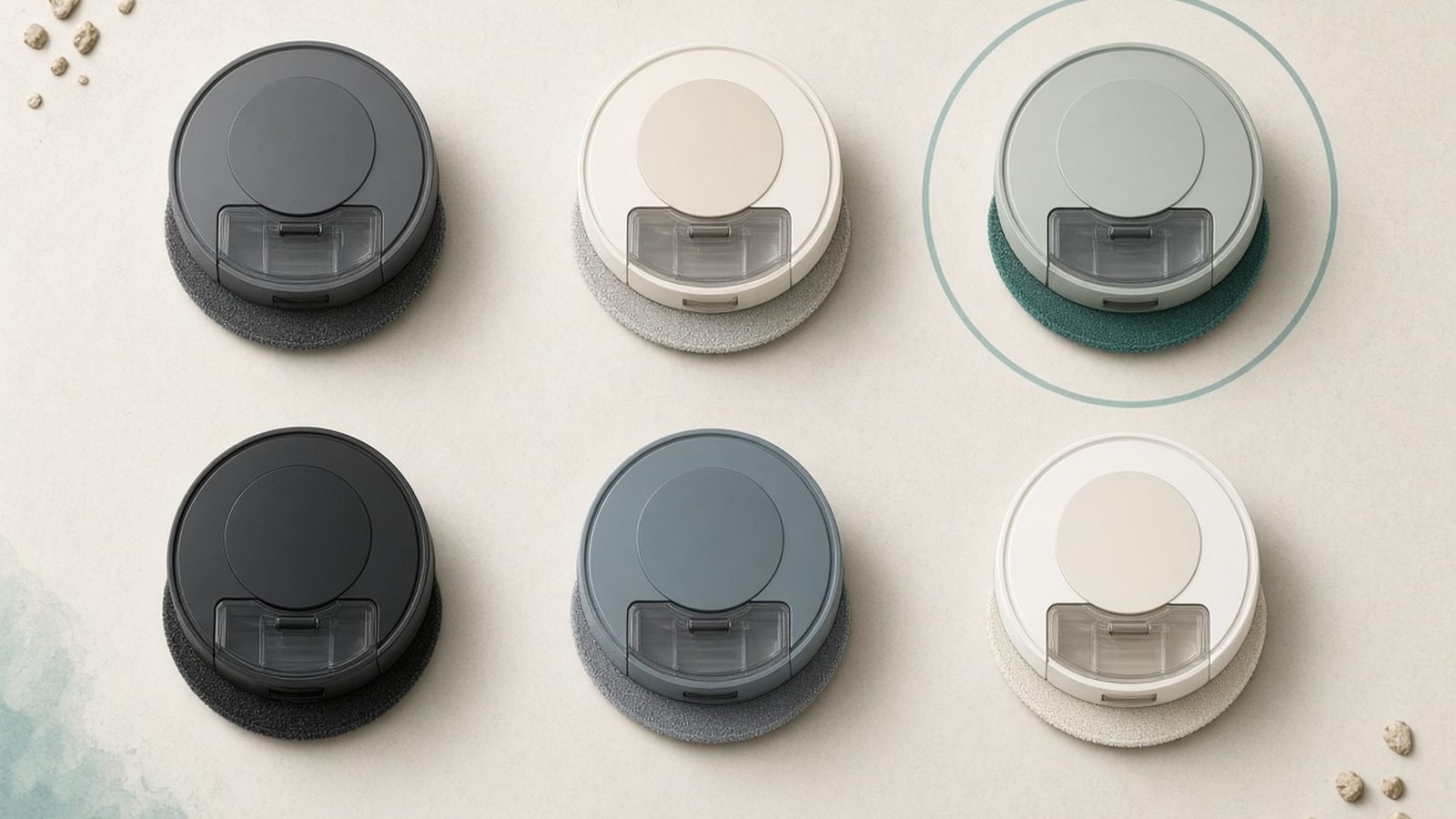
This is the Saros 10’s signature strength. VibraRise 4.0 uses a flat mop pad that presses down and vibrates at high frequency — a scrubbing motion rather than the passive drag of cheaper robots or the rotational buffing of spinning-pad designs. Aggregated owner and lab reports agree: for dried-on grime, footprints and sticky kitchen spills on sealed tile and hardwood, the pressing action digs in harder than the 10R’s dual spinning pads. If your floors are mostly hard and you actually rely on the robot to mop, this is the more capable mopper.
The mop lifts 20mm when the robot crosses onto carpet, so rugs stay dry, and you can set the robot to skip the mop entirely on carpet-only runs. It is very good maintenance mopping — not a substitute for a hands-and-knees scrub of a badly neglected floor. No robot mop is, and any that claims otherwise is overselling.
The trade-off versus spinning pads: a flat pad reaches edges slightly less aggressively than the 10R’s extending rotating pad, so skirting-board lines can need a second pass. You can trigger that per-zone in the app.
The dock and living-with-it costs
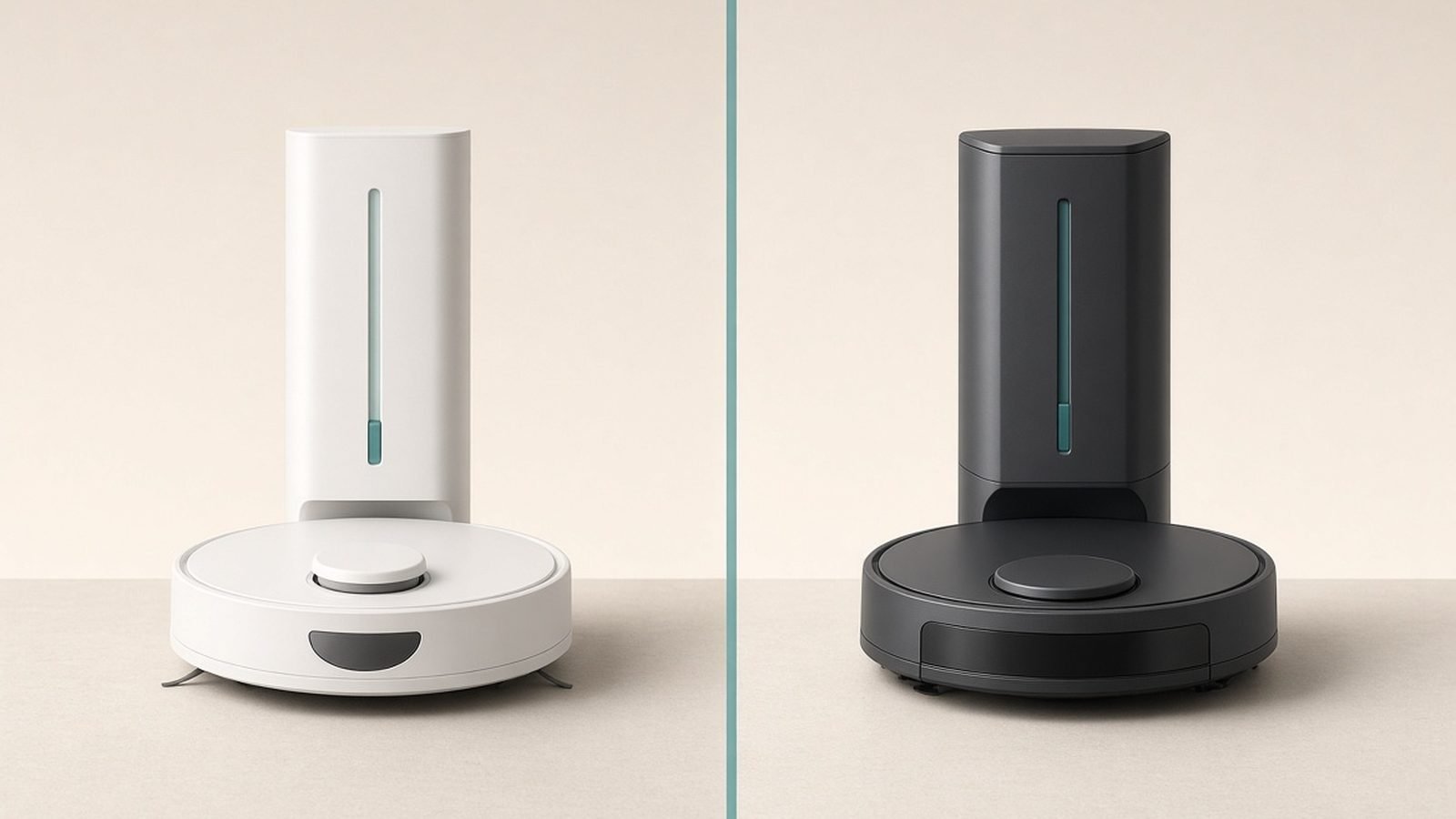
The dock is the full 2026 flagship suite: it empties the dustbin into a 2.5-litre bag (roughly seven weeks between changes for most homes), washes the mop with 80°C water, hot-air dries it so it doesn’t sour, refills the robot’s clean-water tank and dispenses cleaning solution. Owner sentiment on the dock is overwhelmingly positive — it is the part people say they’d miss most. The recurring gripe is size: it is roughly the footprint of a kitchen bin and wants clearance around it.
Budget honestly for consumables, because this is where robot ownership costs hide: dust bags (7–8 a year), mop pads (every 3–6 months), side brush, roller and filter annually-ish. Expect around $60–100 / £55–90 a year with official parts, less with third-party bags and pads, which owners report work fine. Roborock’s spare-part availability is excellent in both the US and UK — not a given with import brands.
Recharge-and-resume is reliable, so a large three-bed home completes on a single mission with the robot topping up as needed. If a robot ever refuses to find its way home, the causes are almost always fixable. Robot Vacuum Won't Return to Dock? 11 Fixes That Work
App and smart features
The Roborock app is the best in the business: fast mapping, room-by-room modes, no-go zones, per-room suction and water levels, and a SmartPlan auto mode that makes good decisions if you’d rather not fiddle. The learning curve is real — there are a lot of toggles — but you can ignore most of them. Voice control covers Alexa, Google, Siri Shortcuts and Roborock’s own “Hello Rocky.” Matter support has been expanding across the range; check current firmware if cross-platform control matters to you, and see our primer on What Is Matter? The Smart Home Standard Explained (2026) for what that unlocks.
If you’re cross-shopping the other big flagship brand before committing, our Roborock vs Dreame (2026): Which Robot Vacuum Brand Wins? comparison goes deep on navigation, mopping and app differences.
Alternatives worth a look
Roborock Saros 10R — the sibling. Same suction and dock, turret-free slim body, dual spinning mops. Choose it if furniture clearance and edge mopping matter more than mop pressure. Around $1,099 / £949.
Eufy X10 Pro Omni — the value alternative that does 90% of the job for a lot less. Read our full Eufy X10 Pro Omni Review 2026: Self-Emptying Value Pick; it’s the pick if the Saros 10’s price makes you wince.
Roborock Qrevo family — the previous generation, frequently discounted under $800 / £700, still an outstanding all-rounder if you don’t need the very latest navigation.
Pros:
- Best-in-Roborock mopping thanks to pressing VibraRise 4.0
- 22,000Pa suction with excellent carpet and pet-hair pickup
- Slim 7.98cm body via retractable turret, climbs 4cm thresholds
- Class-leading self-empty, self-wash, hot-air-dry dock
- The best app and obstacle avoidance in the category
Cons:
- Large dock that needs clearance around it
- Retractable turret adds a moving part the 10R doesn’t have
- Onboard camera won’t suit the camera-averse
- Still a premium price even after discounts
- Edge mopping slightly behind spinning-pad designs
Verdict
The Roborock Saros 10 is a genuinely excellent flagship robot vacuum and, at around $1,199 / £999 in 2026, a defensible one. Its pressing VibraRise mop is the best in Roborock’s range and the reason to choose it over the otherwise-similar 10R, so the decision comes down to a simple question: is aggressive mopping of hard floors your priority, or is squeezing under low furniture? If it’s mopping, buy this. If it’s clearance, buy the 10R. Either way you’re getting top-tier suction, superb navigation and a dock you can forget about — which is the whole point of spending flagship money.
Rating: 4.5/5
FAQ
Is the Roborock Saros 10 worth it in 2026?
Yes, for the right buyer. At around $1,199 / £999 it delivers flagship suction, the best mopping in Roborock’s line and a fully automated dock. It’s worth it if you have plenty of sealed hard floor to mop and want a robot you can ignore for weeks. If mopping isn’t a priority, cheaper models like the Eufy X10 Pro Omni get you most of the way for far less.
Saros 10 vs Saros 10R — which should I buy?
They share suction, body size and dock. The Saros 10 uses a retractable LiDAR turret and a pressing flat mop that scrubs harder; the 10R uses turret-free solid-state navigation and dual spinning pads that reach edges better and keep the body marginally simpler. Choose the 10 for mop power, the 10R for clearance and edge mopping.
How good is the Saros 10 at mopping?
Very good by robot standards. Its VibraRise 4.0 flat mop presses down and vibrates at high frequency, so it lifts dried footprints, coffee and light kitchen grime well in one pass. Stubborn dried-on spills still need a second pass, which you can trigger per-zone. The mop lifts 20mm on carpet so rugs stay dry.
How much does the Roborock Saros 10 cost in the UK?
UK pricing sits around £999 in mid-2026 during promotional windows at Roborock UK, Amazon UK and Currys, down from roughly £1,399 at launch. Prices fluctuate between promotions, so anything at or under £1,000 is a strong price. UK units carry a two-year warranty and full local spare-part support.
Does the Saros 10 handle pet hair well?
Yes. Its dual anti-tangle rollers and arched side brush resist hair wrap, and owners report strong dog and cat hair pickup on both floors and carpet. Heavy-shedding homes should still check the roller weekly. For a broader look at the strongest options, see our Best Robot Vacuum for Pet Hair in 2026: Which One Wins? guide.
Is the Saros 10’s camera a privacy risk?
It uses an onboard camera for obstacle recognition and supports remote viewing with an audible on-robot alert. Roborock states recognition processing happens on-device. That’s standard for this tier, but if any indoor camera is a dealbreaker for you, this class of robot isn’t the right fit.
Zen Tech Hub may earn a commission from links on this page, at no extra cost to you.