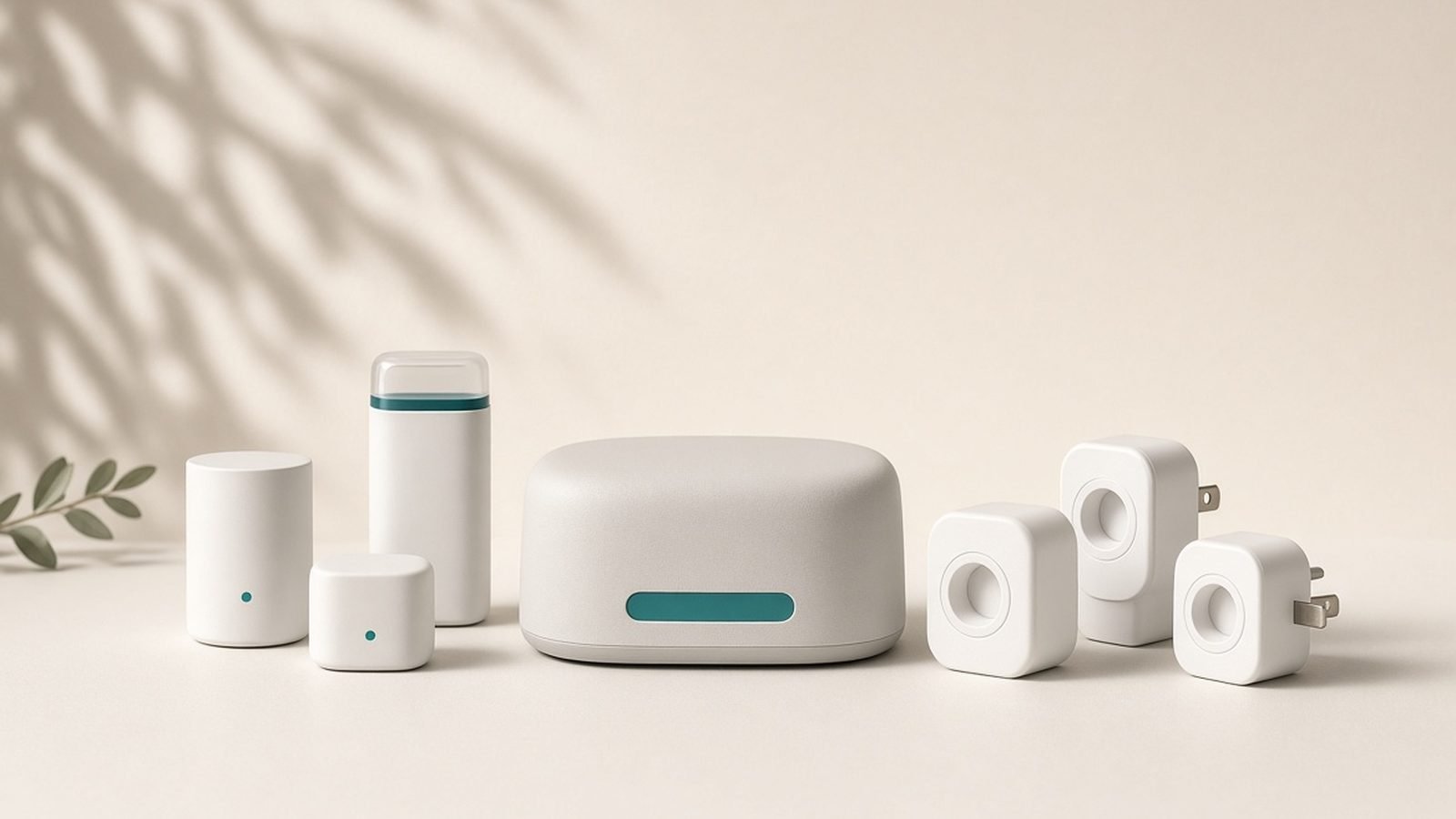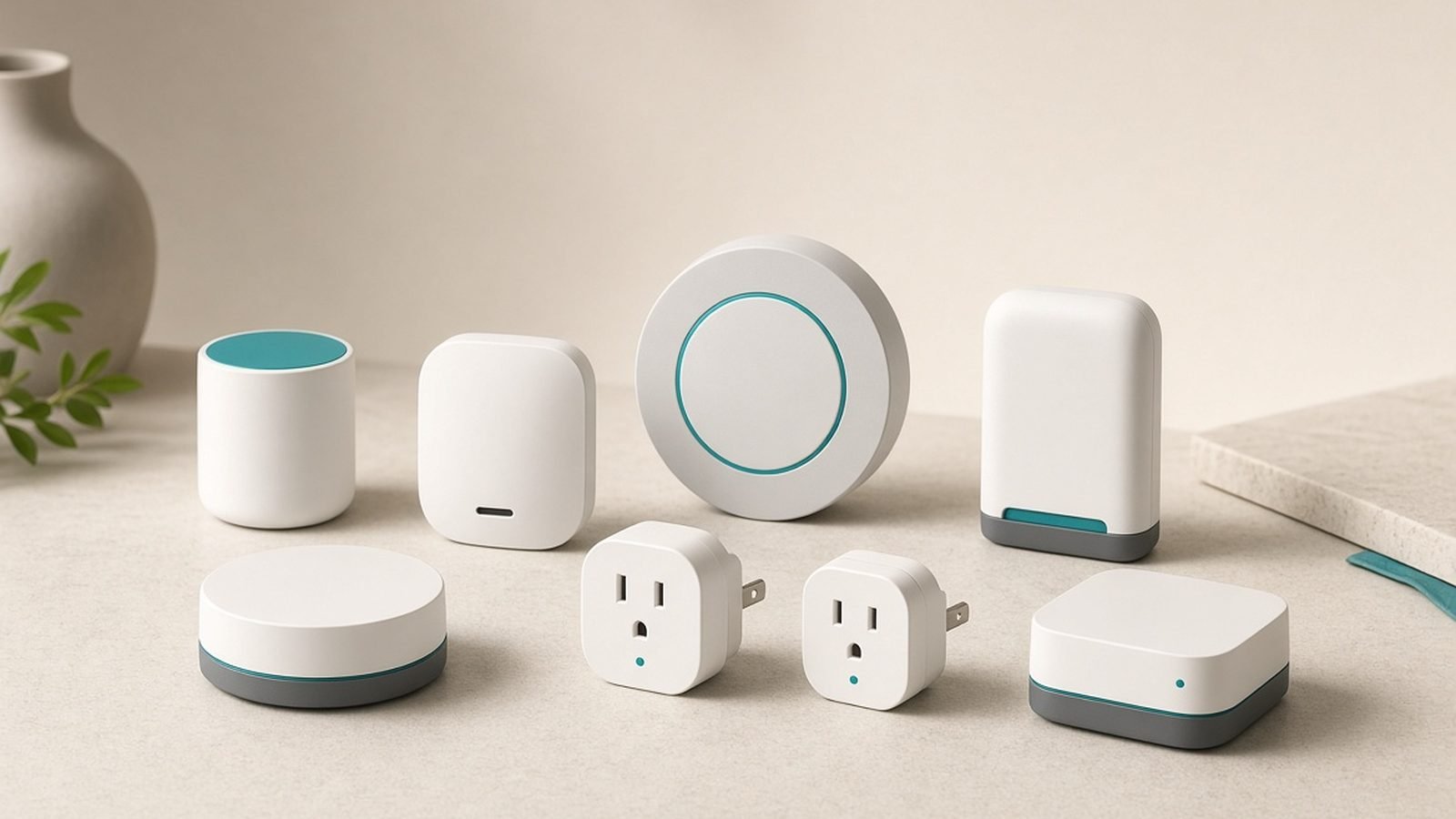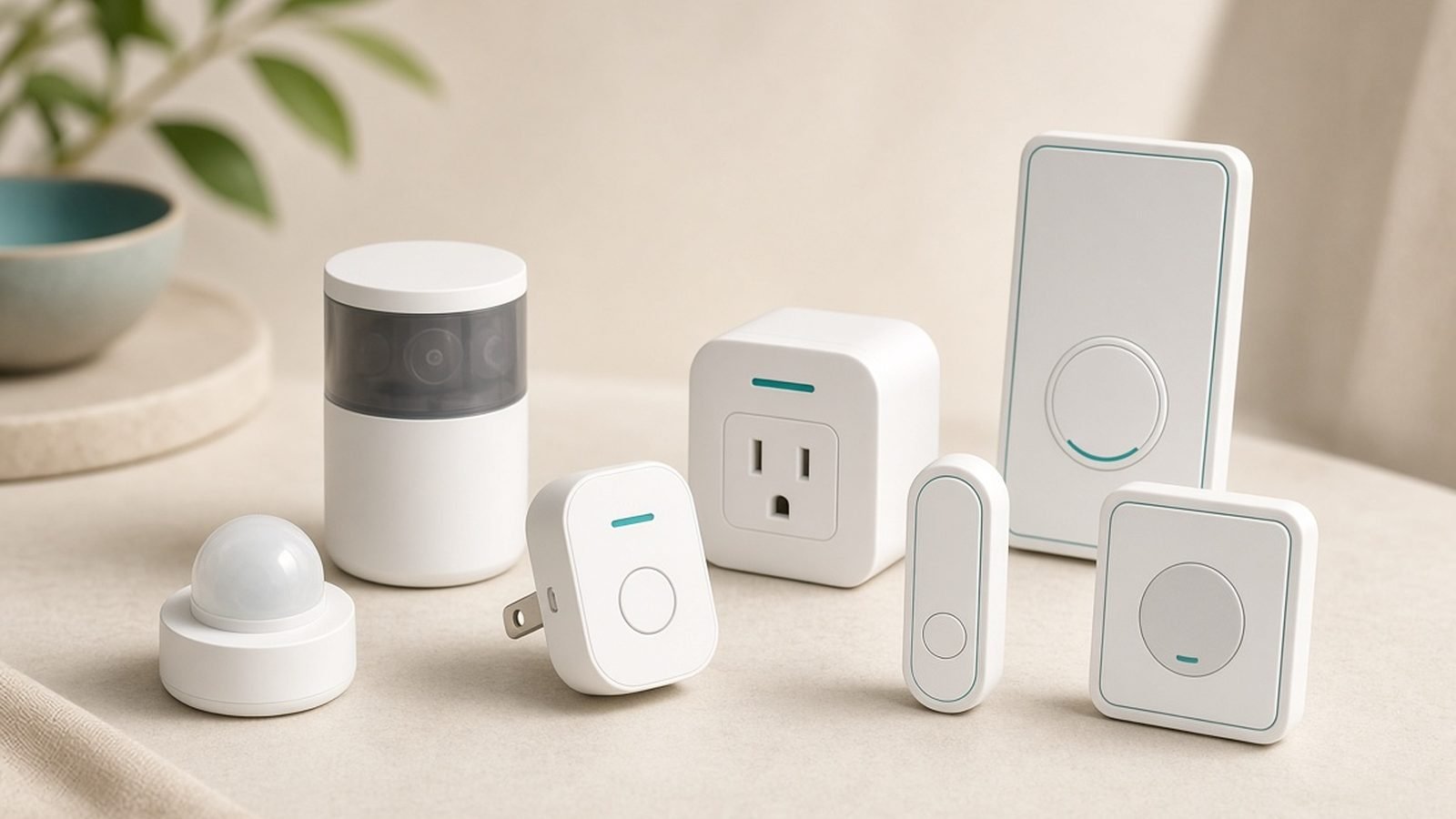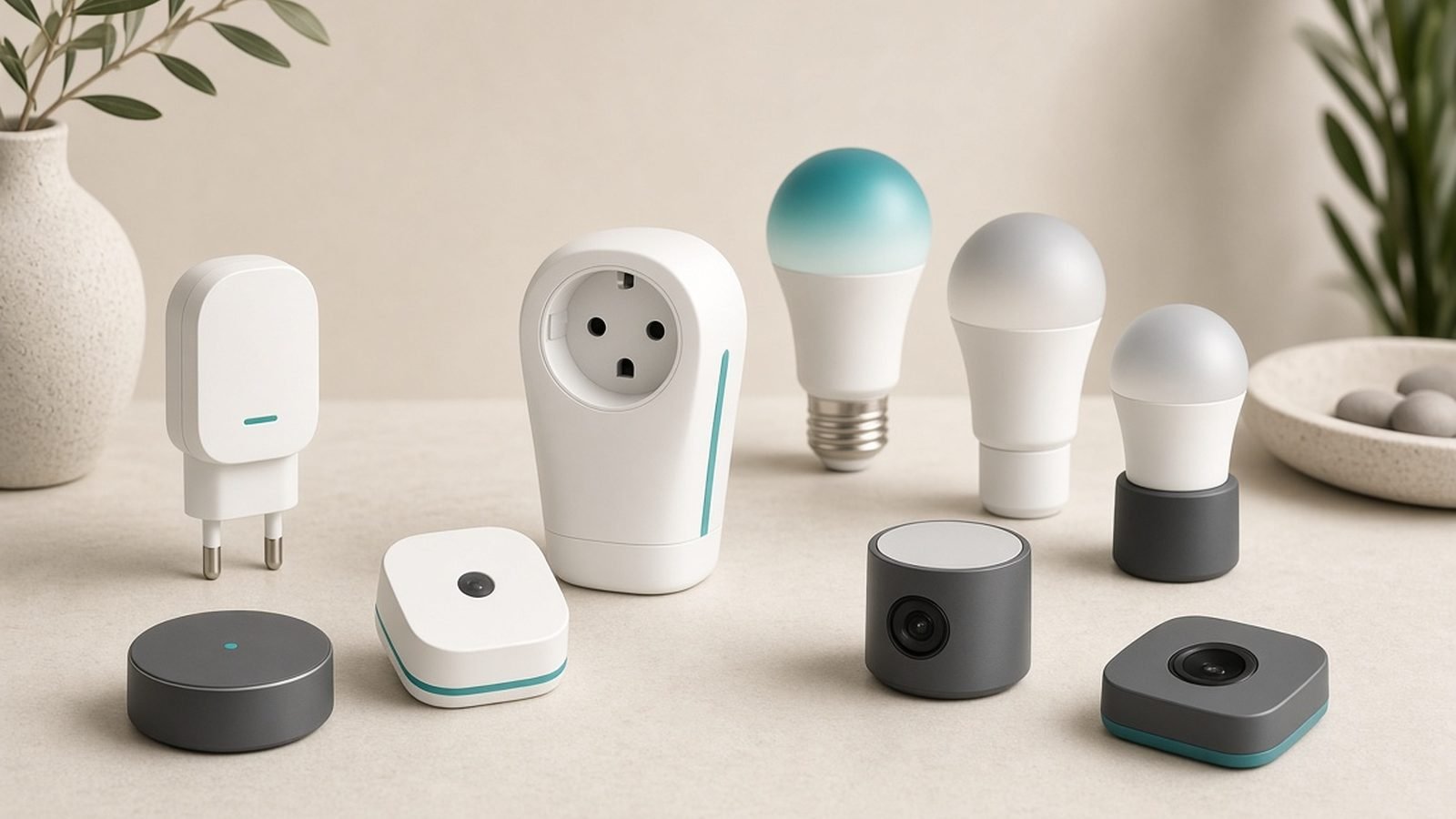
SONOFF is the tinkerer’s smart-home brand — cheap, flexible, and beloved by the DIY and Home Assistant crowd for hardware you can bend to your will. The short verdict: if you want inexpensive smart switches, relays and Zigbee gear that work through the eWeLink app or, better still, plug into a local system like Home Assistant, SONOFF offers unbeatable value and flexibility. The caveats are real: budget build, a cloud-dependent default app, uneven documentation, and support that assumes you’re comfortable troubleshooting yourself.
Buy SONOFF if you’re a hands-on smart-home builder who values low prices and local-control potential. Look elsewhere if you want a polished, plug-and-play experience with strong customer support and a refined app.
Company overview
SONOFF is a smart-home brand made by Itead (Itead Studio), a Chinese electronics company based in Shenzhen. Itead started life supplying development boards and modules to the maker and electronics-hobbyist community, and that DNA runs through everything SONOFF makes: the products are affordable, hackable and aimed as much at enthusiasts as at mainstream consumers.
That heritage is the key to understanding the brand. SONOFF isn’t trying to be a slick, premium ecosystem — it’s trying to be the versatile, low-cost building block for people who want to assemble their own smart home. Many of its devices can be flashed with third-party firmware like ESPHome or Tasmota, or paired with local platforms such as Home Assistant, which frees them from the cloud entirely. Out of the box, though, most SONOFF gear runs through Itead’s own eWeLink app and cloud, which works with Alexa and Google Home. Its reputation is therefore split: enthusiasts love it for flexibility and price, while mainstream reviewers note the rough edges in app polish, documentation and support. It competes with brands like Shelly and Tuya-based devices in the DIY-friendly value tier.
What SONOFF makes
SONOFF’s catalog is broad and skews toward switching and DIY control:
- Smart Wi-Fi switches and relays — the classic inline relays (like the BASIC and MINI) that add app control to almost any circuit or appliance.
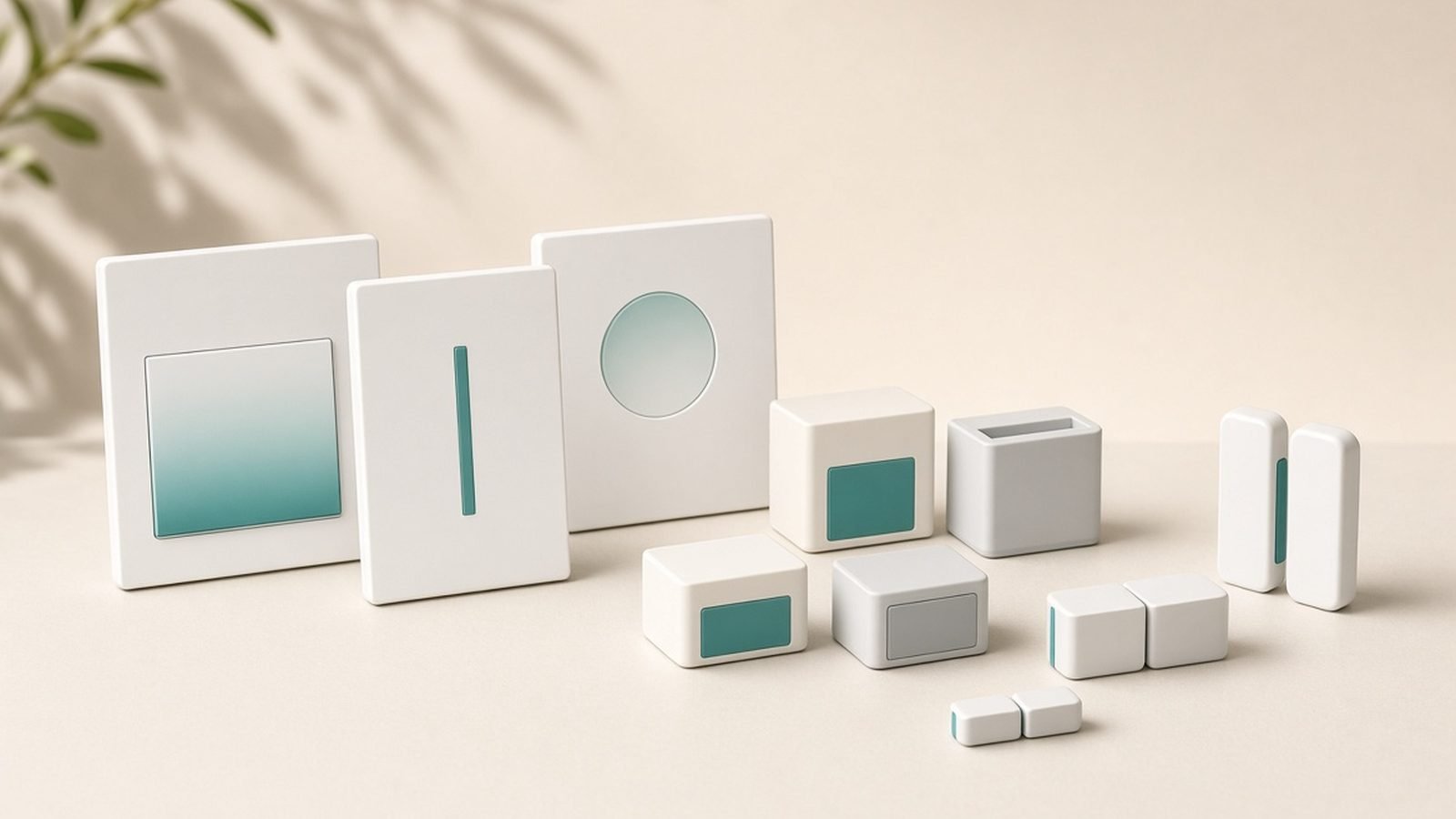
- In-wall and wall switches — smart light switches, including no-neutral and Zigbee options.
- Zigbee ecosystem — the ZBBridge/ZBDongle hubs, plus Zigbee switches, sensors and buttons for local mesh control.
- Smart plugs — Wi-Fi plugs, including energy-monitoring models.
- Sensors — motion, door/window, temperature and humidity sensors.
- Smart thermostats and valves — heating controls such as the TRVZB radiator valve.
- DIY and pro modules — DIN-rail relays, the POW power meters and boards aimed at electricians and hobbyists.
Standout SONOFF products in 2026
SONOFF MINI Smart Switch — around $12 / £11. A tiny inline Wi-Fi relay that hides behind an existing wall switch to make almost any light or appliance smart. It’s a staple of DIY builds and a common recommendation in our Best Smart Home Devices 2026: Where to Start guide for people who want to automate what they already own.
SONOFF Zigbee Bridge Pro / ZBDongle — around $25 / £24. The gateway to SONOFF’s local Zigbee ecosystem, and a favorite among Home Assistant users who pair the USB dongle with local software for cloud-free control of dozens of devices.
SONOFF S40 Smart Plug — around $13 / £12. An affordable Wi-Fi plug with energy monitoring on some models, a budget alternative to the picks in our Best Smart Plugs 2026: Cheapest Way Into Home Automation roundup for anyone building on a tight budget.
SONOFF TRVZB Zigbee Radiator Valve — around $35 / £32. A low-cost smart radiator valve that appeals to European buyers automating heating through a local hub rather than a pricey proprietary system.
SONOFF ZBMINI Zigbee Switch — around $11 / £10. A compact Zigbee relay, including no-neutral versions, that slots into local mesh setups for fast, reliable, hub-based control — the more dependable route than the Wi-Fi range.
Strengths
Exceptional value. SONOFF is among the cheapest ways to add smart switching, relays and sensors, so you can build out a large system for very little money.
Local-control potential. Many devices work with Home Assistant, and some can be flashed with ESPHome or Tasmota, letting advanced users cut the cloud out entirely — a rare and prized capability at this price.
Huge, flexible catalog. From inline relays to DIN-rail modules to Zigbee sensors, SONOFF covers niches most consumer brands ignore, which is why DIY builders love it.
A real Zigbee ecosystem. The Zigbee bridge, dongle and devices enable fast, local mesh control that’s far more reliable than the Wi-Fi range.
Works with the major assistants. Through eWeLink, devices integrate with Alexa and Google Home, so mainstream voice control is available even before any tinkering.
Weaknesses & criticisms
Budget build and rough edges. These are inexpensive devices, and it shows in materials, finish and the occasional fiddly setup. They’re built to a price, not to impress.
eWeLink cloud dependence by default. Out of the box, much of the experience relies on Itead’s eWeLink cloud, so remote control and automations can be affected by server issues — and privacy-minded users dislike the cloud requirement until they move to local control.
Documentation and app polish are uneven. The eWeLink app and official instructions can be confusing, and getting the most from SONOFF often means relying on community guides rather than the manufacturer.
Support assumes self-sufficiency. Help is online-only and geared toward a technical audience; there’s little hand-holding, which can frustrate mainstream buyers.
Electrical-safety caveats for relays. Inline relays involve wiring into live circuits. They should be installed by someone competent (or an electrician), and buyers should stick to properly certified models for their region.
Reliability & support
SONOFF’s reliability, like Sengled’s, depends on how you use it. Devices run through the eWeLink cloud inherit the usual risks: dependence on Itead’s servers for remote access and some automations, plus the occasional Wi-Fi dropout. Move the same hardware onto a local platform like Home Assistant — or use the Zigbee range with a local hub — and reliability improves dramatically, because control no longer routes through the internet. This is why the enthusiast community rates SONOFF far more highly than mainstream reviewers do: the people getting the best experience are running it locally.
Support reflects the brand’s maker roots. Itead provides warranties and handles help through online channels and its community, but there’s no premium, phone-based or contractor-facing support, and documentation quality is inconsistent. Firmware updates arrive through eWeLink, and the flashable nature of many devices means advanced users can update or replace firmware themselves. On safety, buyers should choose region-certified products and treat any inline relay wiring with appropriate care. The honest summary: SONOFF is a superb-value, highly flexible brand that rewards technical users willing to go local, and frustrates those expecting a refined, hand-held, cloud-optional-out-of-the-box experience.
Who should buy SONOFF
Buy SONOFF if you’re a hands-on smart-home builder who values low prices and flexibility, especially if you run — or plan to run — a local platform like Home Assistant. It’s ideal for enthusiasts automating existing fixtures with inline relays, tinkerers who want to flash custom firmware, and budget builders assembling a large Zigbee system cheaply. For the DIY crowd, few brands offer more capability per dollar.
Look elsewhere if you want a polished, plug-and-play experience with strong support and a refined app; a more mainstream brand from our Best Smart Plugs 2026: Cheapest Way Into Home Automation or Best Smart Home Devices 2026: Where to Start guides will suit you better. And if you’re not comfortable wiring inline relays into live circuits, choose plug-in devices or hire an electrician rather than tackling it yourself.
FAQ
Is SONOFF a good brand?
Yes, especially for DIY and Home Assistant users. SONOFF (made by Itead) offers cheap, flexible switches, relays and Zigbee gear with real local-control potential. The trade-offs are budget build, a cloud-dependent default app, uneven documentation and self-service-only support, which make it less suited to buyers who want a polished, hands-off experience.
Is SONOFF reliable?
It can be very reliable when run locally — through Home Assistant or its Zigbee hub — because control doesn’t depend on the internet. Devices left on the default eWeLink cloud are more exposed to server issues and Wi-Fi dropouts. The brand’s reputation is strongest among users who take the local route.
Where is SONOFF from and who makes it?
SONOFF is a smart-home brand made by Itead (Itead Studio), a Chinese electronics company based in Shenzhen. Itead began by supplying development boards to the electronics-hobbyist community, which is why SONOFF products are affordable and highly hackable.
Is SONOFF safe to use?
The devices are safe when you use region-certified models and install them correctly. The main caution is that inline relays are wired into live circuits and should be handled by someone competent or an electrician. On the software side, moving devices to local control reduces cloud-privacy concerns that some buyers have with the default eWeLink app.
Is SONOFF better than Shelly?
They target a similar DIY-friendly audience. Shelly is often praised for stronger local-control support and slightly more refined hardware, usually at a higher price. SONOFF is cheaper, has a broader catalog and is equally hackable, but leans more on its eWeLink cloud by default. For the lowest price and widest range, SONOFF appeals; for local-first polish, many enthusiasts prefer Shelly.
Zen Tech Hub may earn a commission from links on this page, at no extra cost to you.