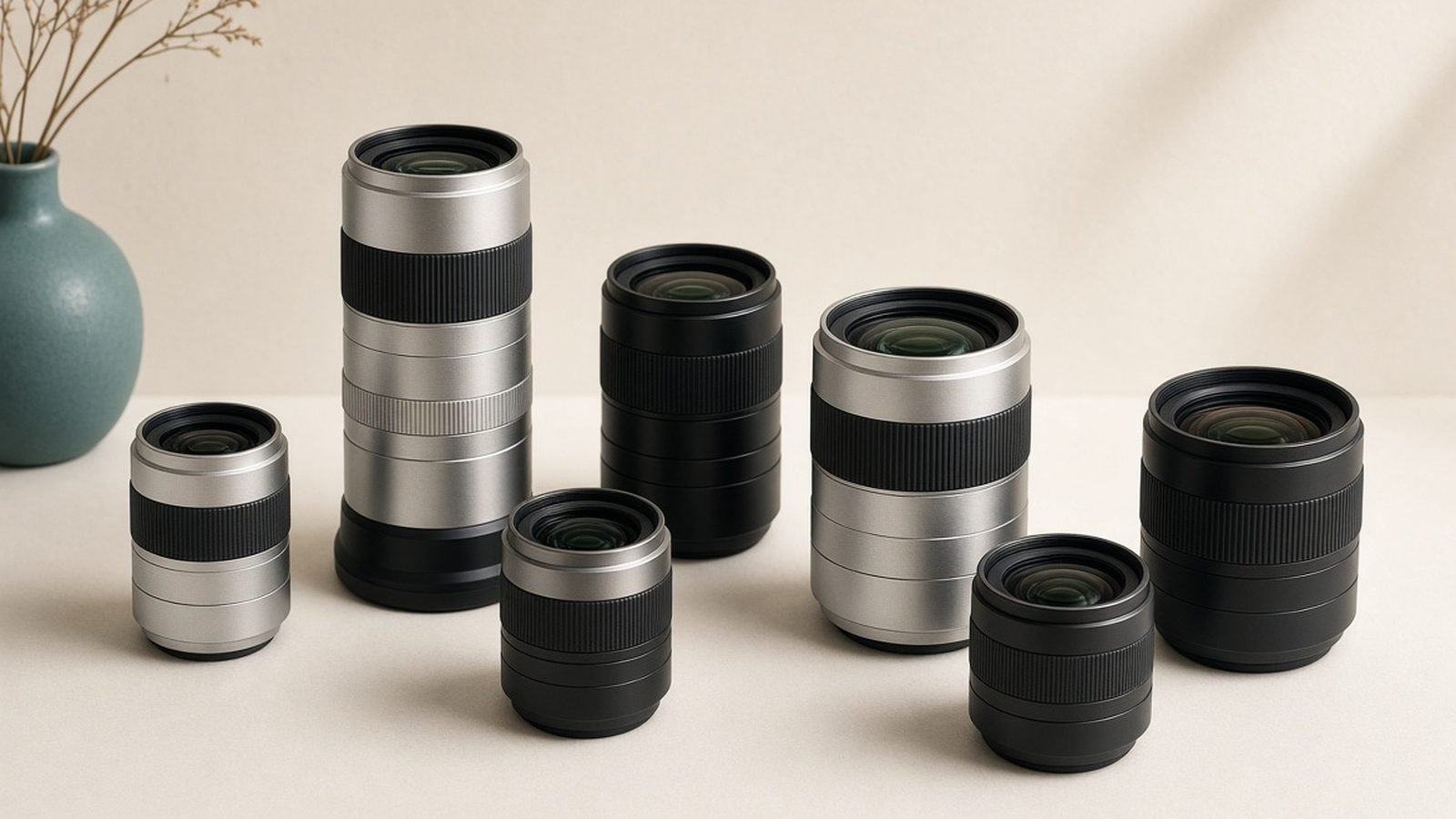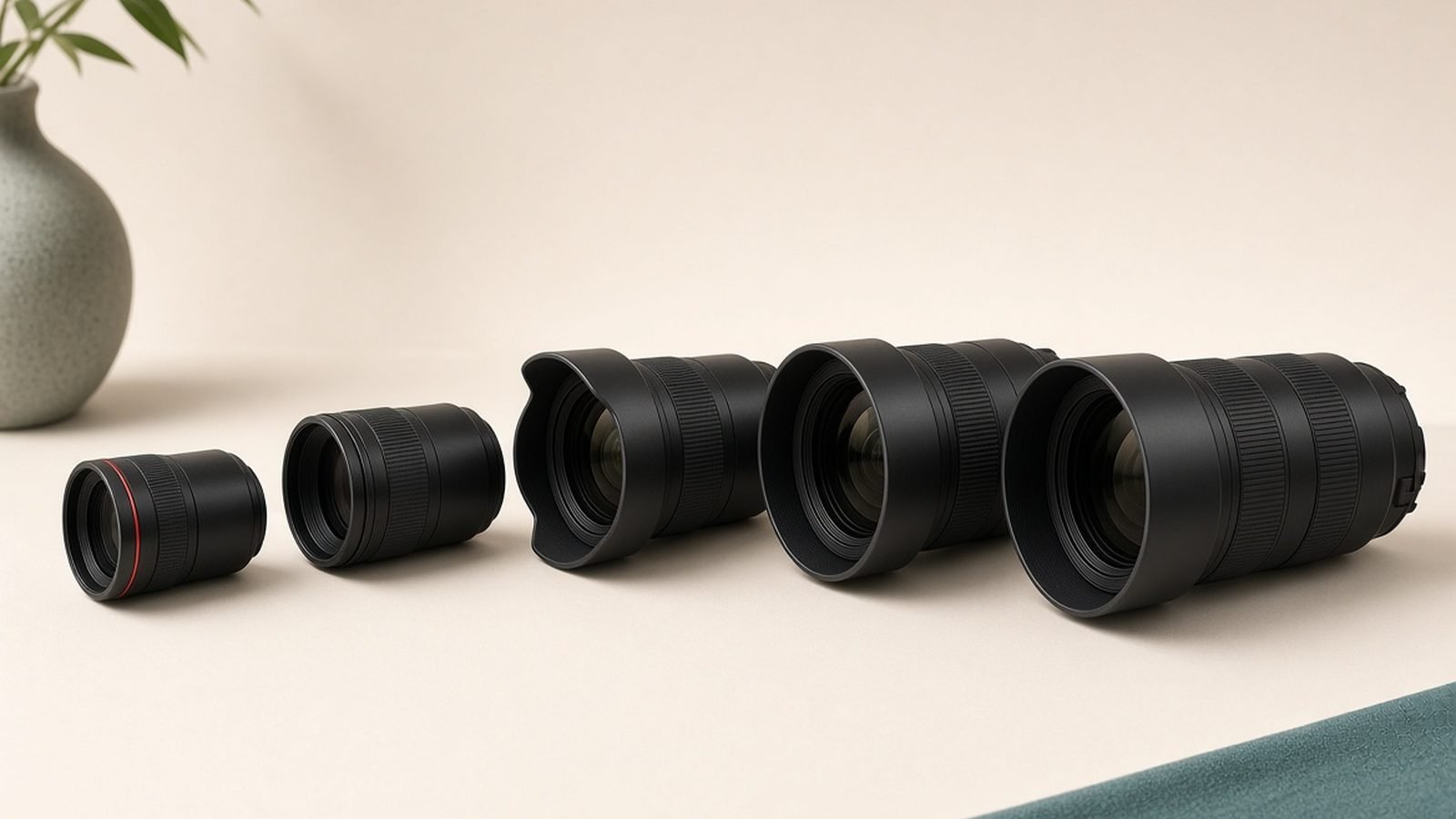
Tamron is the value specialist among third-party lens makers, and in 2026 it is one of the smartest ways to build a lightweight, affordable kit without giving up much image quality. Its compact f/2.8 zooms and all-in-one superzooms have become default recommendations for Sony and Nikon mirrorless shooters who want one versatile lens that punches above its price. The trade-offs are honest: Tamron’s optics can trail first-party glass on the last few percent of sharpness and autofocus polish, its lens naming is famously baffling, and mount availability is uneven. For photographers who value size, weight and price as much as ultimate performance, Tamron is hard to beat.
Verdict: The go-to brand for affordable, travel-friendly zooms. Best for enthusiasts and hybrid shooters who want great-value glass; the main caveats are slightly softer edges than premium optics, occasional autofocus quirks, and confusing product names.
Company overview
Tamron Co., Ltd. is a Japanese company founded in 1950 and headquartered in Saitama, north of Tokyo. It is publicly traded on the Tokyo Stock Exchange, and — importantly for how the brand is viewed — Sony is its single largest shareholder, holding a significant stake for many years. That relationship does not make Tamron a Sony subsidiary, but it helps explain why Tamron lenses for Sony’s E-mount are often so well tuned and released so quickly. Alongside its photographic lenses, Tamron is a major supplier of optics for automotive cameras, surveillance and industrial imaging, which gives it deep manufacturing scale.
In plain terms, Tamron’s reputation is that of the “value with a smart twist” lens maker. Where rivals chase outright optical supremacy, Tamron has carved out a niche building smaller, lighter, cheaper lenses with unusual and useful zoom ranges — the 28-75mm and 17-28mm f/2.8 zooms for Sony being the products that transformed its modern image. Enthusiasts and even professionals now buy Tamron deliberately, not as a compromise. The caveats that remain are practical: at the extremes Tamron glass can be a touch softer or slower to focus than first-party or premium third-party rivals, and its warranty and firmware support depend partly on the camera makers whose mounts it uses.
What Tamron makes
Tamron’s photographic range is built around versatile, value-oriented lenses:
- Fast f/2.8 zooms — compact standard, wide and telephoto zooms (such as the 28-75mm, 17-28mm and 70-180mm f/2.8) that deliver constant-aperture performance in unusually small bodies.
- All-in-one superzooms — wide-to-telephoto travel lenses (like the 28-200mm and 18-300mm) that cover a huge range in a single lens.
- Fast primes and specialty lenses — a smaller line of primes and macro lenses.
- Lenses for multiple mounts — most modern designs target Sony E and Nikon Z, with select support for Fujifilm X and, historically, DSLR mounts.
- Non-photographic optics — automotive, security and industrial lens modules that underpin the wider business.
The compact f/2.8 zooms and travel superzooms are the heart of the consumer appeal, and the main reason Tamron shows up in so many buying guides.
Standout Tamron products in 2026
The products that best define Tamron are its compact f/2.8 zooms for mirrorless, which feature heavily in our Best Mirrorless Cameras 2026: Full-Frame & APS-C lens recommendations. Based on published specs and reviews, the 28-75mm f/2.8 G2 remains one of the best value standard zooms you can buy for Sony or Nikon mirrorless — small, light, sharp and priced well below first-party equivalents.
Across the rest of the range:
- Tamron 28-75mm f/2.8 Di III VXD G2 — the standout standard zoom, a default first lens upgrade for full-frame mirrorless shooters and a mainstay of the Best Mirrorless Cameras 2026: Full-Frame & APS-C conversation.
- Tamron 17-28mm f/2.8 and 70-180mm f/2.8 — the wide and telephoto companions that complete a compact, affordable f/2.8 “holy trinity.”
- Tamron 28-200mm f/2.8-5.6 — a remarkable single-lens travel solution with a fast-ish wide end and huge reach.
- Tamron 18-300mm Di III-A VC — an APS-C all-in-one popular with beginners stepping up from a kit lens, a natural pairing for cameras in our Best Cameras for Beginners 2026: Easy & Affordable guide.
Here is the flagship zoom most mirrorless shooters consider first:
Strengths
Value for money. Tamron consistently undercuts first-party lenses, often by a wide margin, while delivering image quality that is more than good enough for most work. This is the brand’s core reason to exist.
Compact and lightweight designs. Tamron’s signature is fitting constant f/2.8 performance into unusually small, light lenses. For travel, hybrid shooting and all-day carry, that size advantage is a genuine feature, not a compromise.
Clever, useful zoom ranges. Rather than copy standard focal lengths, Tamron offers distinctive ranges — 17-28mm, 28-75mm, 28-200mm — that make packing lighter and shooting more flexible.
Strong Sony E-mount support. Thanks to its close relationship with Sony, Tamron’s E-mount lenses tend to be well tuned, quick to autofocus and released promptly, making it a favorite in the Sony ecosystem.
Good all-in-one options. For people who want a single do-everything lens, Tamron’s superzooms are among the best, covering a range that would otherwise need two or three lenses.
Weaknesses & criticisms
Not quite first-party optical polish. At the edges of the frame, wide open, or in demanding situations, Tamron lenses can trail premium first-party and top-tier third-party glass slightly on sharpness, contrast or aberration control. For most users this is invisible; pixel-peepers may notice.
Autofocus can lag on some bodies. As a third party, Tamron relies on licensed or reverse-engineered mount protocols, so autofocus speed and tracking can occasionally fall short of native lenses, particularly on the newest camera features or for fast action.
Confusing product names. Tamron’s model naming — long strings like “A063” plus alphabet-soup suffixes (Di III, VXD, VC, G2) — is notoriously hard to parse, making it easy to buy the wrong or older version by mistake.
Uneven mount availability. Modern Tamron design focuses heavily on Sony E and Nikon Z; support for Canon RF, Fujifilm X and other mirrorless mounts is thinner, so your camera may limit your choices.
Variable aperture on superzooms. The all-in-one travel lenses trade a constant aperture for reach, meaning they get slow at the long end — fine in good light, more limiting indoors or at dusk.
Reliability & support
Based on aggregated user feedback, Tamron lenses are generally reliable and hold up well to everyday use, with the modern mirrorless line earning a reputation for solid, consistent performance. Most complaints center on autofocus behavior on specific camera bodies or the softness of some copies at the extremes, rather than mechanical failure. Build quality is good for the price — largely engineered plastics with moisture-resistant seals on many models — though it generally feels a step below the metal heft of premium first-party glass.
Support depends partly on the camera makers whose mounts Tamron uses, but the company issues firmware updates via its Lens Utility software and USB connection, letting owners keep lenses current and adjust some settings themselves. Tamron offers a standard warranty (length varies by region and retailer), and its service reputation is reasonable, if not remarkable. Occasionally a camera firmware update can affect third-party lens behavior until Tamron responds, a risk common to all third-party glass. Net: Tamron lenses are dependable, well-supported value buys, provided you accept the usual third-party compatibility caveats.
Who should buy Tamron
Buy Tamron if you: want excellent image quality for less money, prioritize small size and light weight, shoot on Sony E or Nikon Z, or want a single versatile lens that covers a wide range. Its compact f/2.8 zooms are among the best value upgrades a mirrorless shooter can make, and its superzooms are ideal for travel and everyday flexibility.
Look elsewhere if you: need guaranteed cutting-edge autofocus for fast sports and wildlife, demand the absolute best corner-to-corner sharpness, or shoot on a mount Tamron barely supports. In those cases a first-party lens or a premium third-party option may serve better. Compare systems and glass in our Best Mirrorless Cameras 2026: Full-Frame & APS-C guide, and if you are just starting out, see Best Cameras for Beginners 2026: Easy & Affordable.
FAQ
Is Tamron a good brand?
Yes. Tamron is one of the leading third-party lens makers and specializes in compact, affordable lenses with clever zoom ranges. Its f/2.8 zooms and all-in-one superzooms are widely recommended, especially for Sony and Nikon mirrorless. The main caveats are slightly less optical polish than premium glass, occasional autofocus quirks, and confusing product names.
Is Tamron reliable?
Generally yes. Modern Tamron lenses are well-built for their price and consistent in daily use, with weather sealing on many models. The most common issues are autofocus behavior on specific bodies or copy-to-copy sharpness variation, not mechanical failure. Firmware updates via Tamron’s Lens Utility help keep lenses current.
Where is Tamron from and who owns it?
Tamron is a Japanese company founded in 1950 and headquartered in Saitama. It is publicly traded on the Tokyo Stock Exchange and is not owned by any single parent, though Sony is its largest shareholder — a relationship that helps explain Tamron’s strong support for Sony’s E-mount.
Is Tamron better than Sigma?
Neither is simply better; they emphasize different things. Tamron focuses on compact, lightweight, value-oriented zooms with distinctive ranges, while Sigma often prioritizes outright optical performance in larger, heavier bodies, especially its Art line. For travel and everyday carry, many prefer Tamron; for maximum sharpness in a prime, many prefer Sigma. Both are excellent value.
Are Tamron lenses good for beginners?
Yes. Tamron’s all-in-one superzooms like the 18-300mm are popular first upgrades from a kit lens, covering wide to telephoto in a single, affordable lens. Its 28-75mm f/2.8 is also a great step up for those who want better low-light and background blur. See our Best Cameras for Beginners 2026: Easy & Affordable guide for suitable bodies to pair them with.
Which camera mounts does Tamron support?
Tamron’s modern lenses focus mainly on Sony E and Nikon Z mirrorless, with select lenses for Fujifilm X and, historically, DSLR mounts. Support for Canon RF and other systems is more limited. Always confirm a specific lens is made for your camera’s mount before buying.
Zen Tech Hub may earn a commission from links on this page, at no extra cost to you.