Sigma is the third-party lens maker that grew up — in 2026 it is one of the best-value routes to professional-grade optics, and increasingly an interesting camera brand in its own right. Its Art, Sport and Contemporary lenses deliver image quality that rivals, and sometimes beats, far pricier first-party glass, usually for meaningfully less money. The trade-offs are real: autofocus and firmware can lag the camera maker’s own lenses on some bodies, its cameras are niche and unconventional, and mount availability shapes what you can buy. For photographers who pick the right lens for the right system, Sigma is superb value.
Verdict: The value benchmark for high-quality lenses and a bold, minimalist camera maker. Best for photographers who want pro optics for less; the main caveats are occasional autofocus/firmware gaps and quirky, niche cameras.
Company overview
Sigma Corporation is a Japanese company founded in 1961 and headquartered in Kawasaki, with its manufacturing famously concentrated at a single, highly regarded factory in Aizu, Fukushima. It is a privately held, family-run business — long led by the founding Yamaki family — which is unusual in the industry and shapes its engineering-first, no-outsourcing culture. Sigma is best known as the leading independent lens manufacturer, making optics for multiple camera mounts, and it also produces its own distinctive cameras and the Foveon sensor technology.
In plain terms, Sigma’s reputation has transformed over the last decade. Once seen as a budget alternative with inconsistent quality, its 2012 “Global Vision” reset — splitting lenses into Art, Sport and Contemporary lines — turned it into a maker of genuinely premium optics respected by professionals. Today it is credited with excellent image quality and value, a founding role in the shared L-mount alliance (with Leica and Panasonic), and a willingness to make unconventional cameras. The caveats that remain are practical: third-party lenses can trail first-party ones on autofocus tuning and firmware support for the latest bodies, and Sigma’s cameras are deliberately niche.
What Sigma makes
Sigma’s range splits between optics and its own cameras:
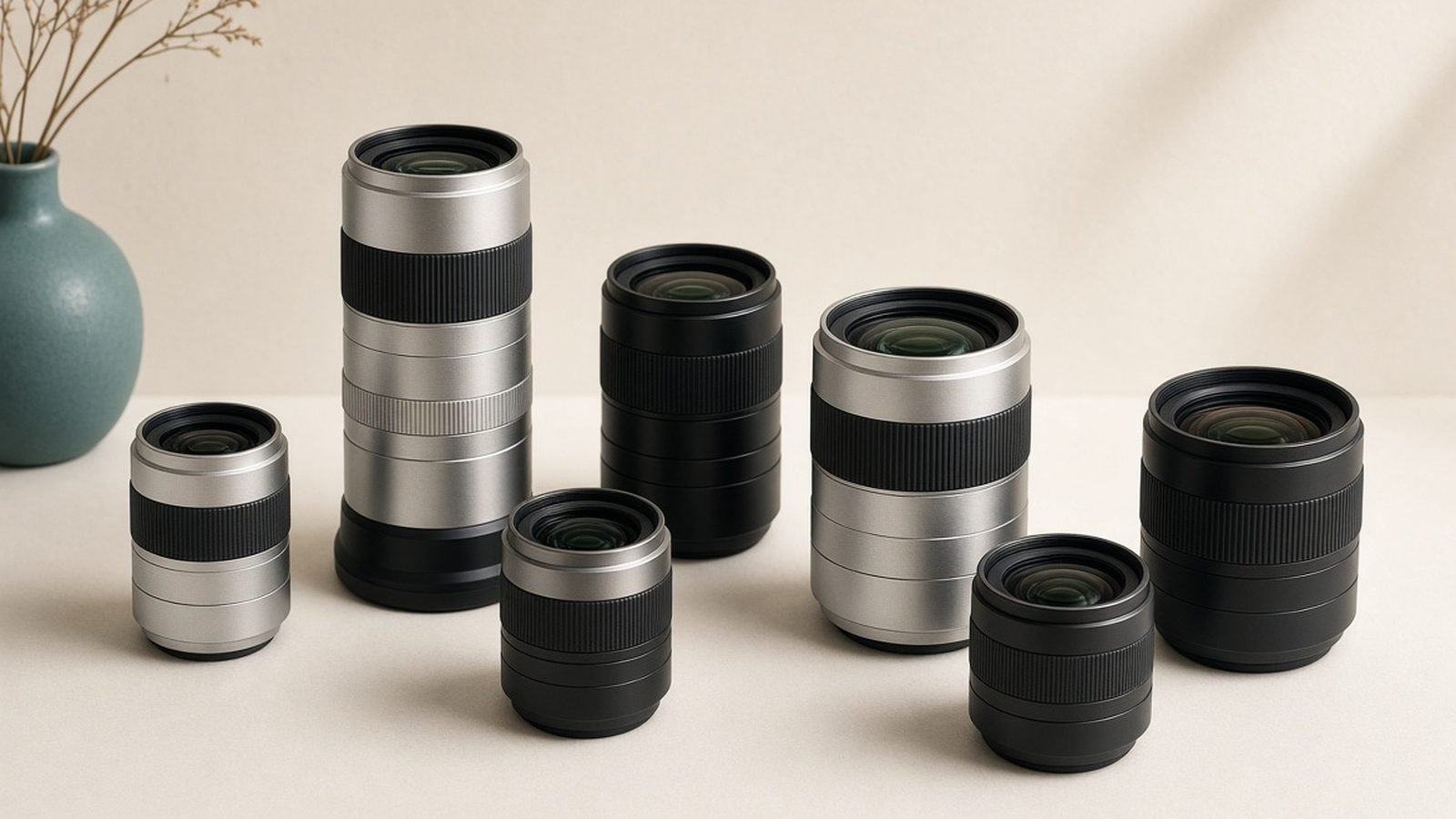
- Art lenses — high-performance primes and zooms optimized for image quality, hugely popular for portraits, landscapes and general work.
- Sport lenses — rugged telephotos and zooms built for wildlife and action, with weather sealing and fast autofocus.
- Contemporary lenses — compact, versatile, value-focused optics, including popular travel and all-in-one zooms.
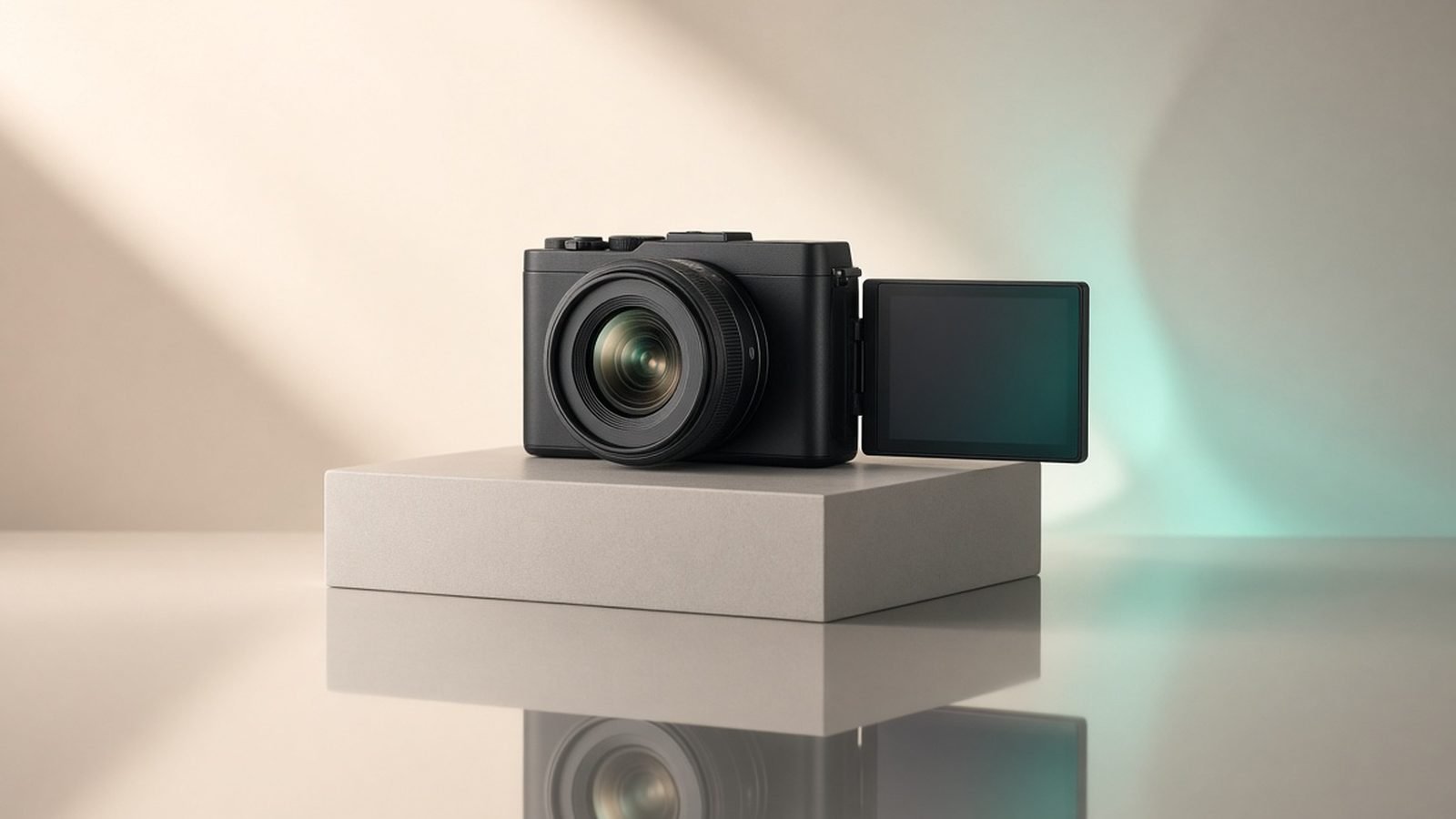
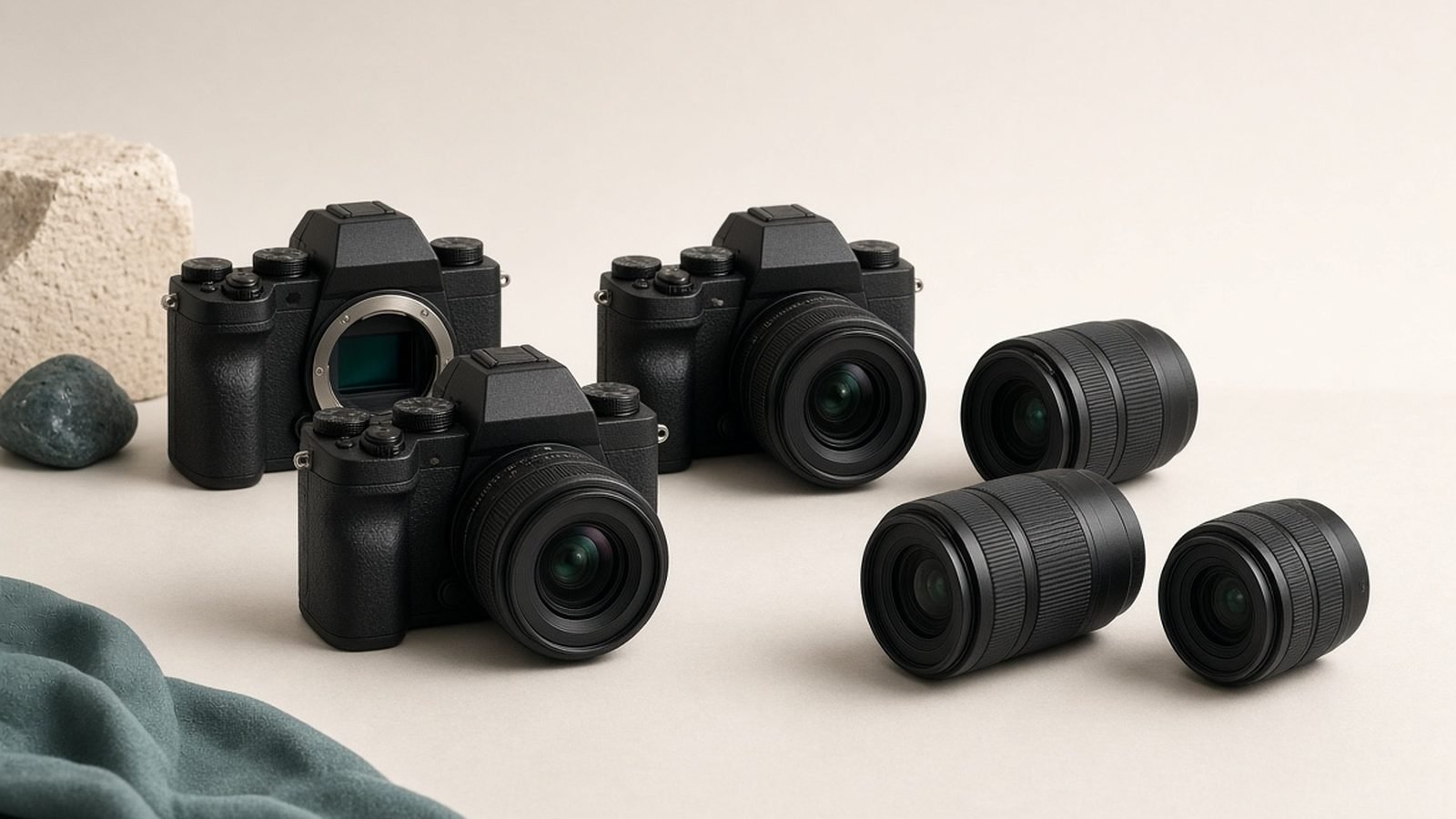
- Sigma cameras — the minimalist BF, the modular full-frame fp and fp L, and the Foveon-sensor lineage known for unique color rendering.
- Accessories and mount converters — teleconverters and adapters, including tools to use Sigma glass across systems.
The lenses are available for multiple mounts (L-mount, Sony E, Fujifilm X and others), which is central to the brand’s appeal and its limitations.
Standout Sigma products in 2026
The products that best represent Sigma are its Art-series lenses, which anchor much of our Best Mirrorless Cameras 2026: Full-Frame & APS-C lens recommendations. Based on published specs and reviews, fast Art primes like the 35mm and 50mm f/1.4, and versatile zooms like the 24-70mm f/2.8, deliver image quality competitive with first-party flagships at a lower price — making them among the most recommended upgrades for mirrorless shooters.
Across the rest of the range:
- Sigma BF — a strikingly minimalist, single-piece aluminum full-frame camera that distills shooting to essentials, a bold statement piece in the Best Mirrorless Cameras 2026: Full-Frame & APS-C conversation.
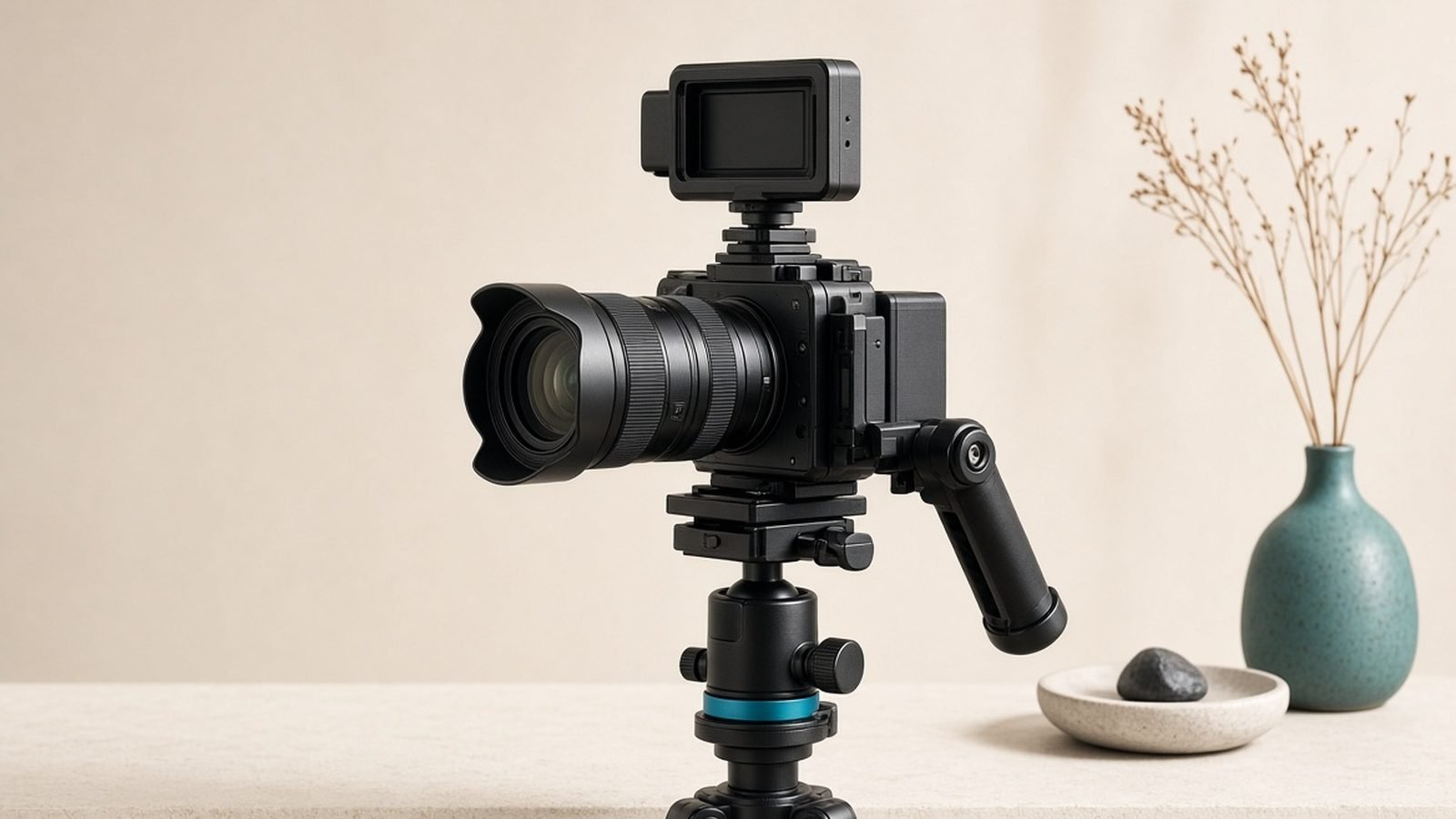
- Sigma fp / fp L — pocketable modular full-frame cameras popular with video creators for rigging and clean output, often paired with a Best Camera Gimbals 2026: Top Picks Compared & Ranked setup.
- Sport telephotos — weather-sealed wildlife and sports lenses that undercut first-party equivalents.
- Contemporary “i-series” primes — compact, beautifully built metal primes prized for travel and everyday carry.
Here is the flagship lens most mirrorless shooters consider first:
Strengths
Image quality for the money. Sigma’s Art lenses in particular deliver sharpness, contrast and rendering that rival first-party optics costing significantly more. This value is the brand’s central appeal.
Broad mount support. Sigma makes many lenses for several systems — L-mount, Sony E, Fujifilm X and others — giving photographers on different platforms access to the same well-regarded designs.
Build quality and engineering culture. Manufactured at a single Japanese factory with a strong engineering ethos, Sigma lenses feel solid and precise, and the brand’s quality consistency has risen dramatically since its Global Vision reset.
Distinctive, innovative cameras. The BF and fp show a willingness to challenge convention with minimalist, modular designs that appeal to photographers and video creators looking for something different.
L-mount alliance membership. As a co-founder of the L-mount alliance with Leica and Panasonic, Sigma helps sustain a shared, open lens mount — good for long-term flexibility.
Weaknesses & criticisms
Autofocus and firmware gaps. As a third party, Sigma reverse-engineers or licenses mount protocols, so its lenses can occasionally trail first-party glass on autofocus speed, tracking or compatibility with the newest camera features and firmware. Most lenses are excellent, but edge cases exist.
Size and weight of Art lenses. The optical performance of the Art line often comes in large, heavy bodies. Photographers prioritizing portability may find them cumbersome compared with more compact first-party or Contemporary options.
Niche, quirky cameras. Sigma’s own cameras are deliberately unconventional — the BF’s minimalism and the fp’s modularity, plus the slow, specialized Foveon workflow — which makes them poor all-rounders and unsuitable as a first or only camera for many users.
Mount availability limits. Not every Sigma lens is made for every mount, and support for some systems (historically Canon RF and Nikon Z mirrorless) has been limited, constraining choices depending on your camera.
Update dependence on camera makers. Because compatibility relies on other companies’ systems, a camera firmware update can occasionally affect third-party lens behavior until Sigma responds.
Reliability & support
Based on aggregated user feedback, Sigma lenses are generally reliable and well-built, with the modern Art, Sport and Contemporary lines earning a reputation for consistency that the older Sigma lacked. The most common complaints are the size and weight of the fastest Art lenses and, occasionally, autofocus behavior on specific camera bodies rather than mechanical failures. The cameras are dependable within their niche but demand a workflow — especially Foveon models — that not everyone will enjoy.
Support centers on Sigma’s USB dock and software, which let owners update lens firmware and fine-tune autofocus themselves — a genuinely useful feature that helps close compatibility gaps over time. Sigma offers a standard warranty, and its service reputation is solid, though as a third party it depends partly on camera makers for full compatibility, so responsiveness to new-body quirks matters. Firmware updates for lenses are reasonably regular. Net: modern Sigma glass is reliable and well-supported for the price, with self-service firmware tools a real advantage, provided you accept some third-party compatibility risk.
Who should buy Sigma
Buy Sigma if you: want professional-grade image quality without paying first-party flagship prices, shoot on a supported mount (especially L-mount, Sony E or Fujifilm X), and value optics over brand badging. Its Art lenses are among the best upgrades a mirrorless shooter can make, and its cameras suit creators drawn to minimalist or modular designs.
Look elsewhere if you: need guaranteed, cutting-edge autofocus and firmware parity with the very latest camera bodies, prioritize the smallest and lightest lenses, or want a conventional all-rounder camera — in which case a first-party lens or body may serve better. Compare systems and glass in our Best Mirrorless Cameras 2026: Full-Frame & APS-C guide, and see Best Camera Gimbals 2026: Top Picks Compared & Ranked if video rigging is central to your work.
FAQ
Is Sigma a good brand?
Yes. Sigma is the leading independent lens maker and, since its Global Vision reset, produces optics that rival first-party glass at lower prices. Its Art lenses are highly respected, and it makes distinctive cameras too. The main caveats are occasional third-party autofocus or firmware gaps and the niche nature of its own cameras.
Is Sigma reliable?
Generally yes. Modern Sigma lenses are well-built and consistent, made at a single Japanese factory with a strong engineering culture. The most common issues are the weight of the fastest Art lenses and occasional autofocus quirks on specific bodies, not mechanical failure. Sigma’s USB dock lets owners update firmware and tune autofocus themselves.
Where is Sigma from and who owns it?
Sigma Corporation is a Japanese company founded in 1961 and headquartered in Kawasaki, with manufacturing concentrated at its Aizu factory in Fukushima. It is a privately held, family-run business led by the founding Yamaki family, and a co-founder of the L-mount alliance alongside Leica and Panasonic.
Are Sigma lenses as good as first-party lenses?
Often yes on image quality, sometimes at a fraction of the price — Sigma’s Art line in particular competes with flagship optics. The trade-off is that third-party lenses can occasionally lag on autofocus tuning, tracking or compatibility with the newest camera features. For most shooting, well-chosen Sigma glass is an excellent value.
Are Sigma cameras worth buying?
For the right person. The minimalist BF and modular fp are distinctive, capable full-frame cameras loved by photographers and video creators who want something unconventional. The Foveon-sensor models offer unique color at the cost of a slow, specialized workflow. They are poor all-rounders, so they suit a deliberate second camera more than a first.
Which mounts does Sigma support?
Sigma makes lenses for several systems, most notably the L-mount (shared with Leica and Panasonic), Sony E and Fujifilm X, among others. Availability varies by lens and by mount, and support for some mirrorless mounts has historically been limited, so confirm a specific lens is offered for your camera before buying.
Zen Tech Hub may earn a commission from links on this page, at no extra cost to you.