Aqara is the value champion of serious, sensor-driven smart homes — the brand power users reach for when they want cheap, reliable Zigbee sensors, locks and switches that plug straight into Apple Home or Matter. In 2026 it offers arguably the best price-to-capability ratio in the category. The short verdict: if you want to automate a home with motion, presence, contact and leak sensors without paying premium prices, Aqara is outstanding — provided you accept that most of it needs an Aqara hub and that the app and regional server setup can be confusing.
Buy Aqara if you want an affordable, local-leaning, HomeKit- and Matter-friendly sensor and automation platform. Look elsewhere if you refuse to run a hub, want the simplest possible plug-and-play experience, or need a single-vendor, no-config system.
Company overview
Aqara is a smart-home brand of Lumi United Technology, a Shenzhen, China-based company founded in 2016. Aqara grew up inside the Xiaomi ecosystem — Xiaomi is an investor and early partner, and many Aqara devices originally launched through Xiaomi’s Mi Home platform — but Aqara has since built its own app, hubs and standalone identity, positioning itself as the more premium, more HomeKit-focused sibling.
Its reputation among enthusiasts is strong and specific: Aqara is the brand you recommend to someone who wants to build a genuinely automated home cheaply. Its Zigbee sensors are inexpensive, reliable and battery-efficient, and its hubs bridge those devices into Apple Home, Alexa, Google Home and increasingly Matter. The FP2 millimeter-wave presence sensor in particular earned Aqara real respect for bringing advanced presence detection to a mainstream price.
The criticisms are just as specific. Aqara’s app is powerful but not the most polished, the split between Mainland China and global servers has historically confused buyers, and the reliance on hubs plus occasional Matter limitations mean it rewards tinkerers more than it does the plug-and-play crowd.
What Aqara makes
Aqara covers the automation backbone of a smart home more than the lighting:
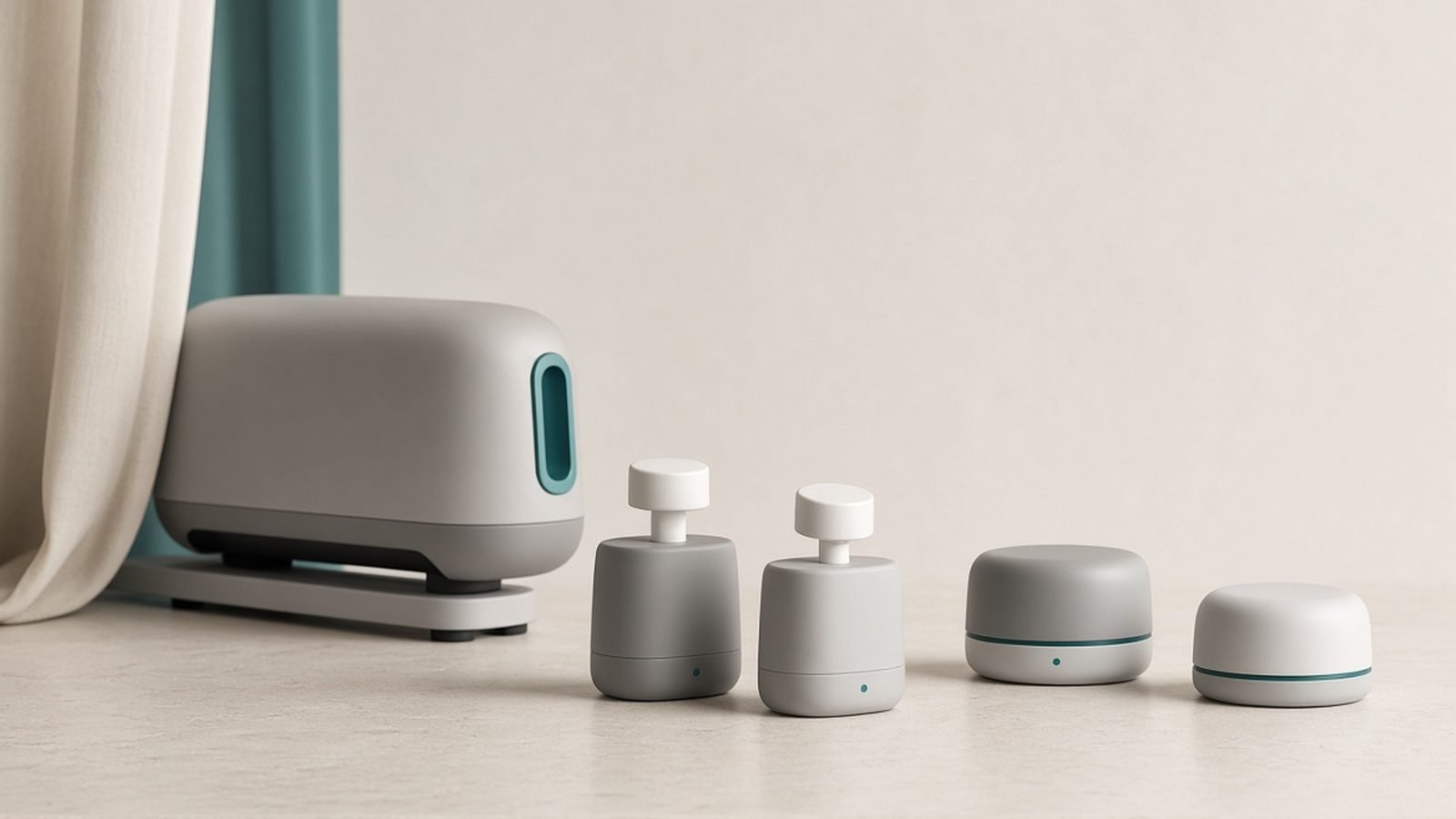
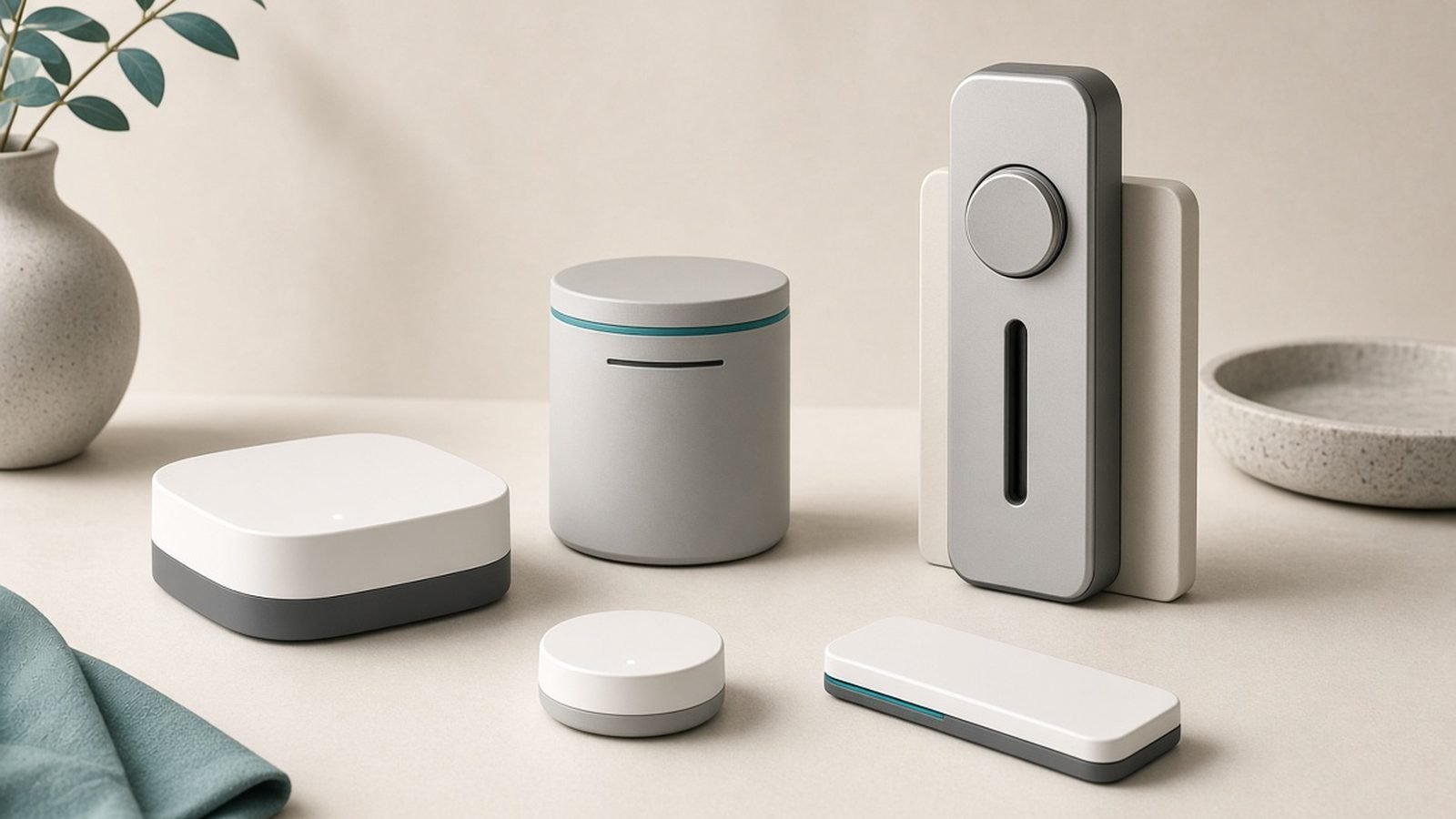
- Hubs — Zigbee/Thread hubs (such as the Hub M2, M3 and smaller models) that bridge Aqara devices into HomeKit, Alexa, Google and Matter.
- Sensors — a deep catalog: motion, door/window contact, temperature/humidity, water-leak, vibration and light sensors, plus the FP2 mmWave presence sensor.
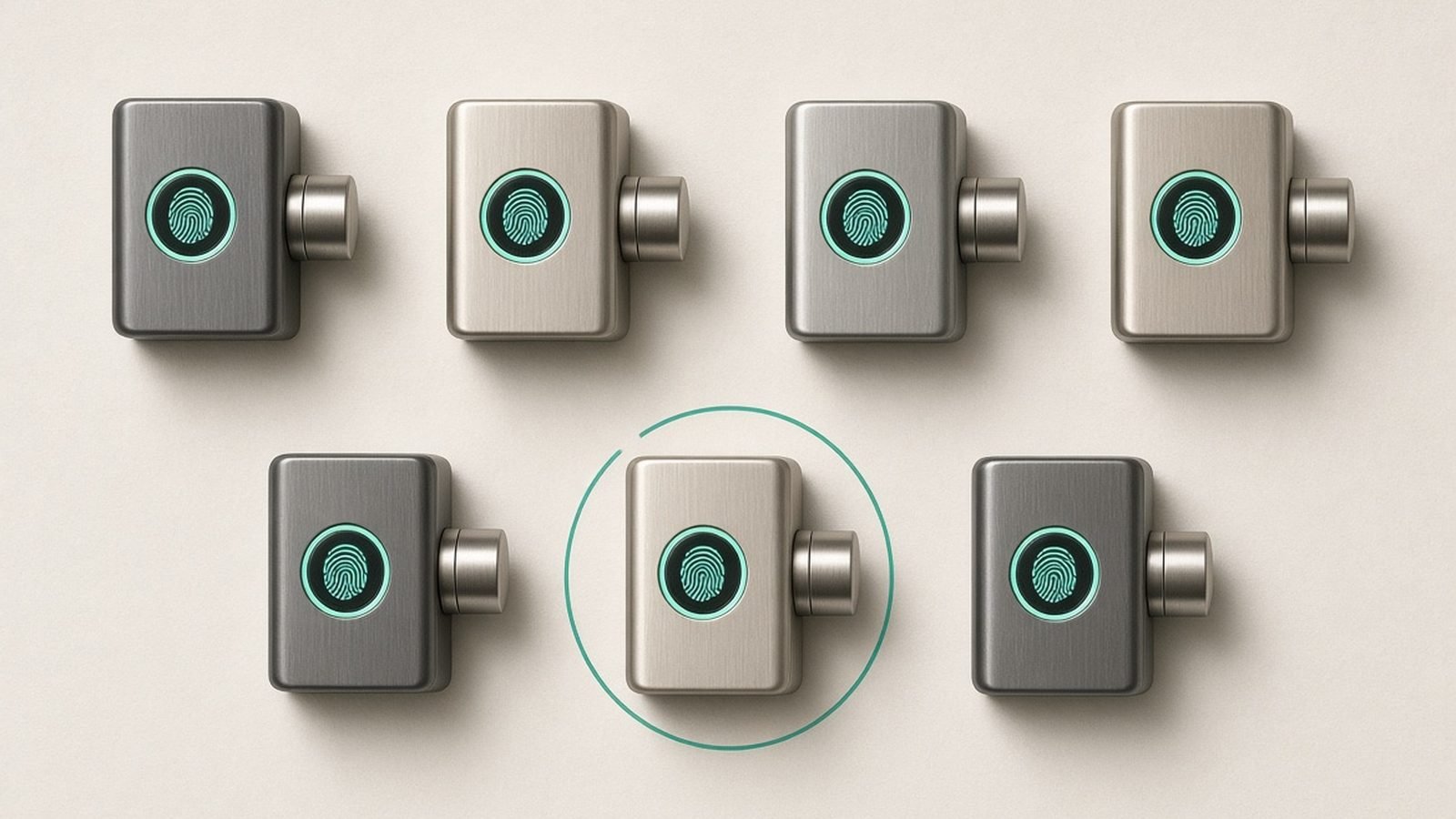
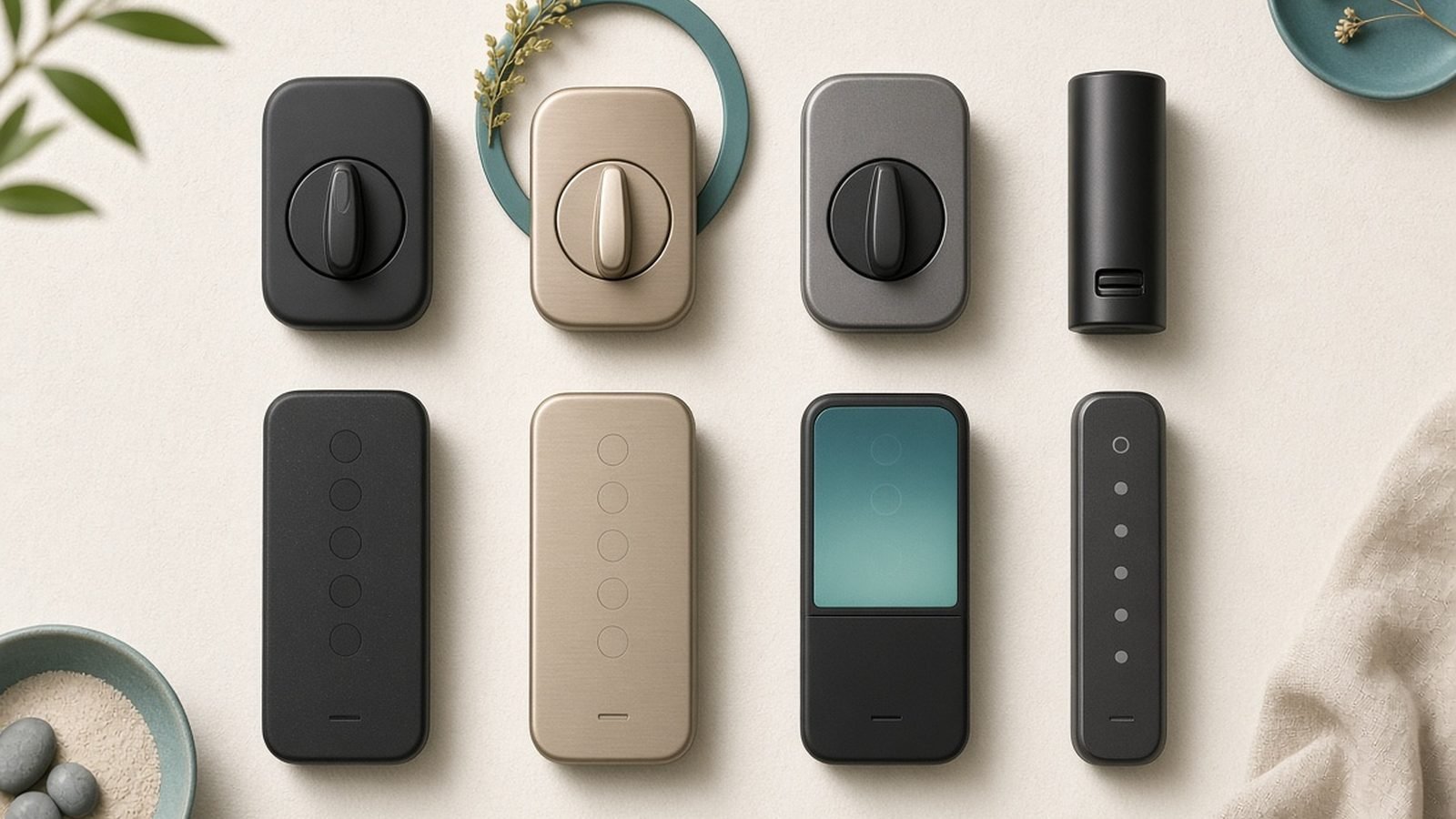
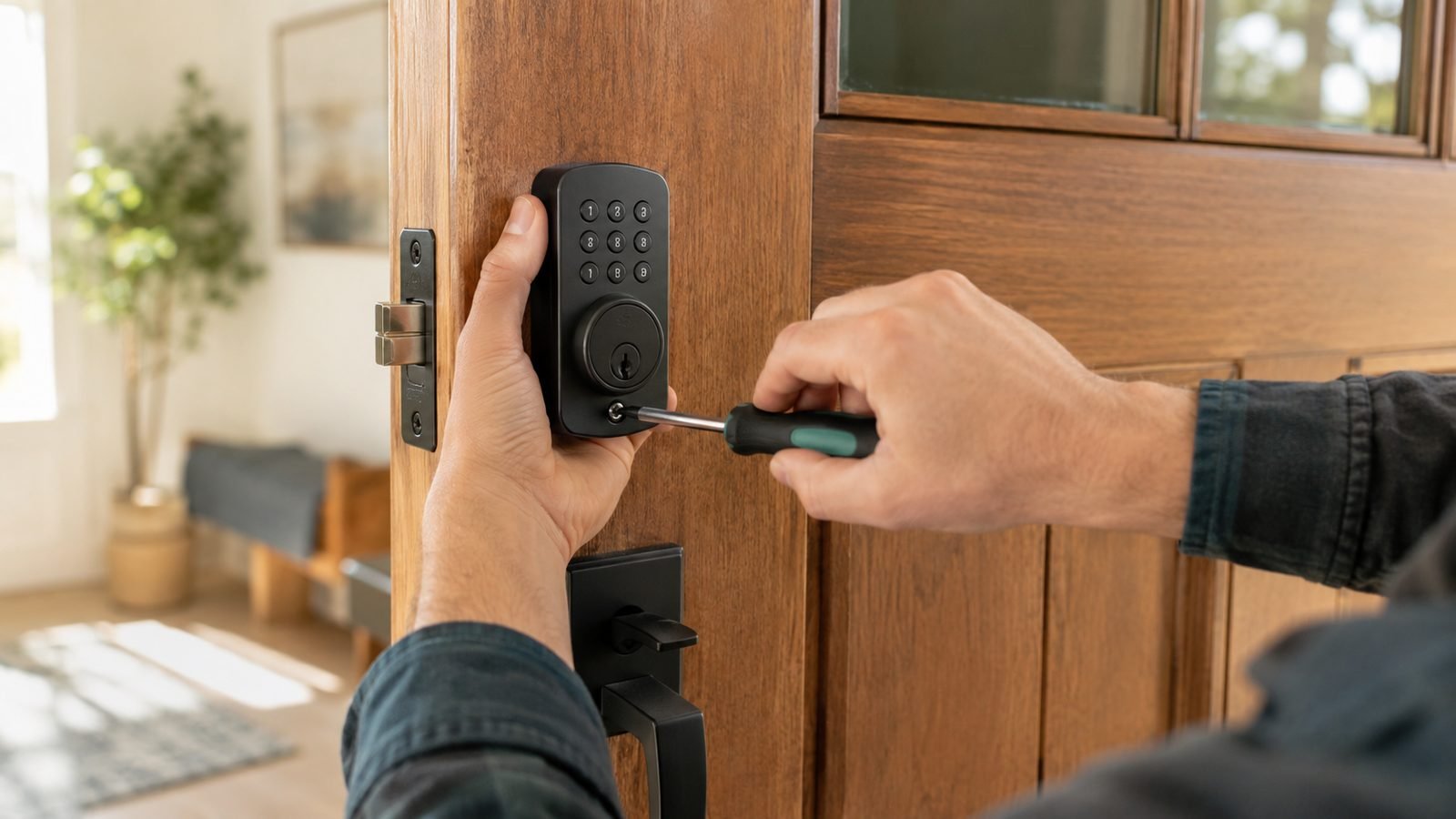
- Smart locks — retrofit and full-replacement deadbolt locks (the U-series) with fingerprint, keypad and app entry, covered in our Best Smart Locks 2026: Keyless Entry Compared & Ranked guide.
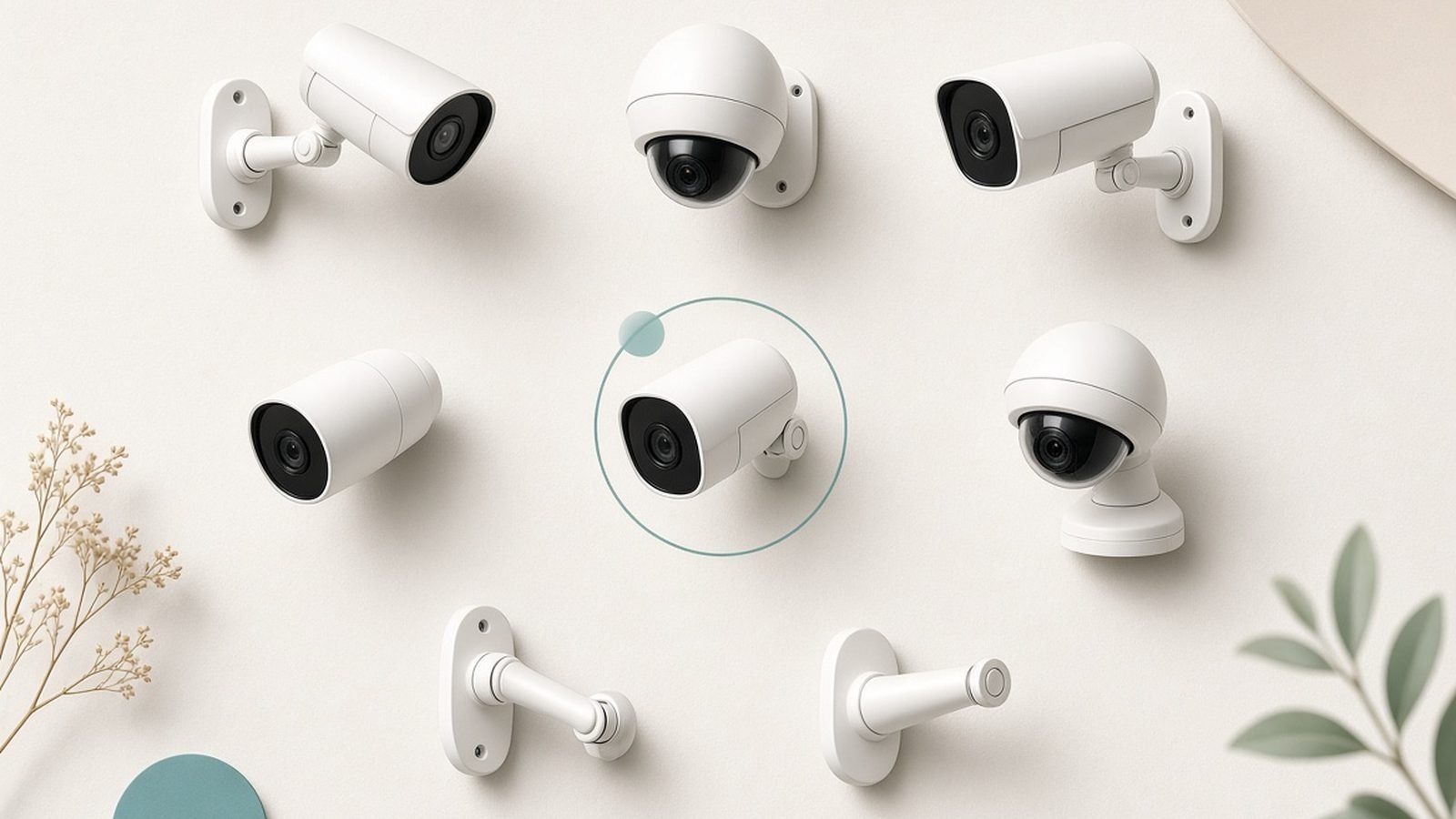
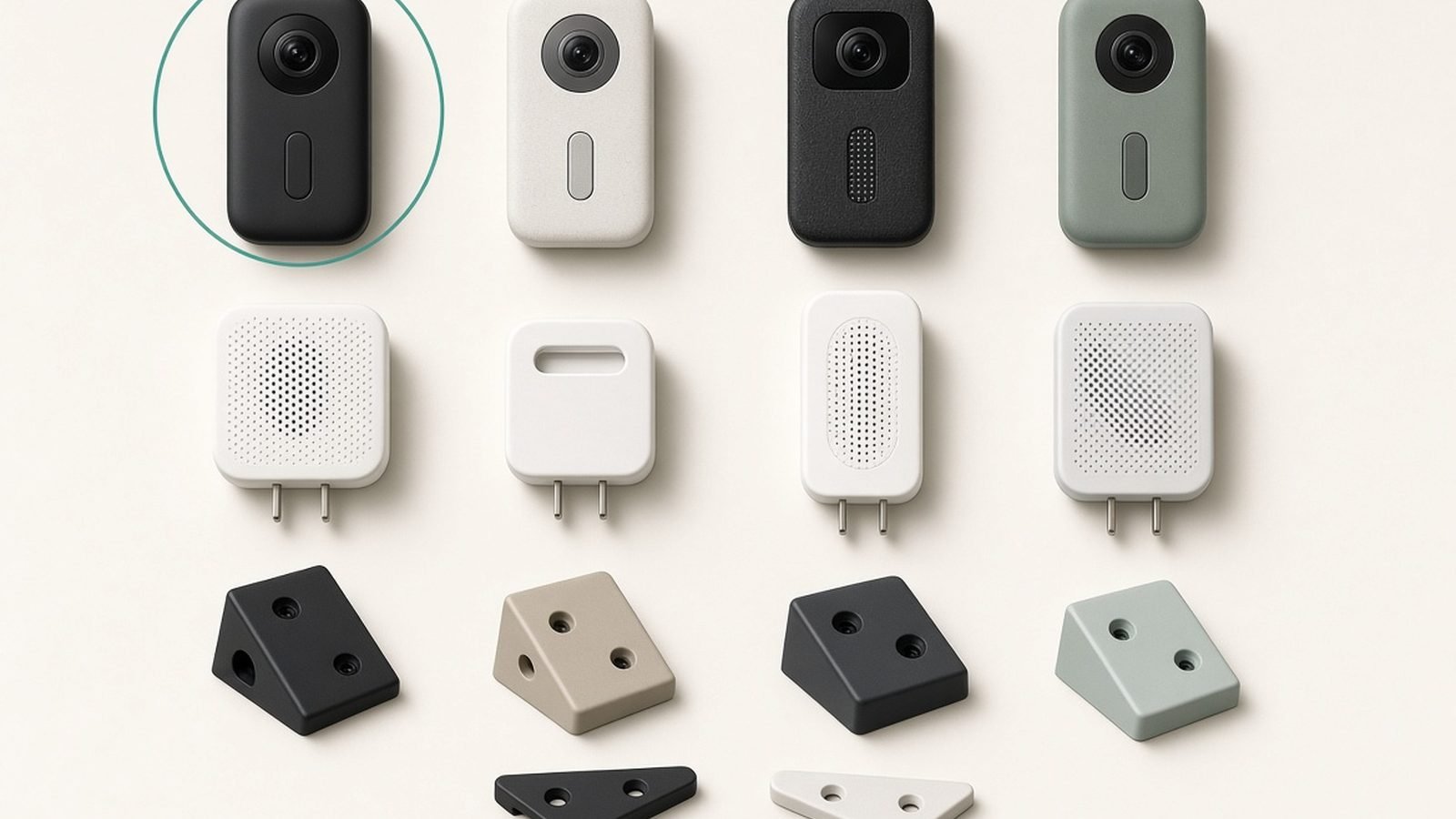
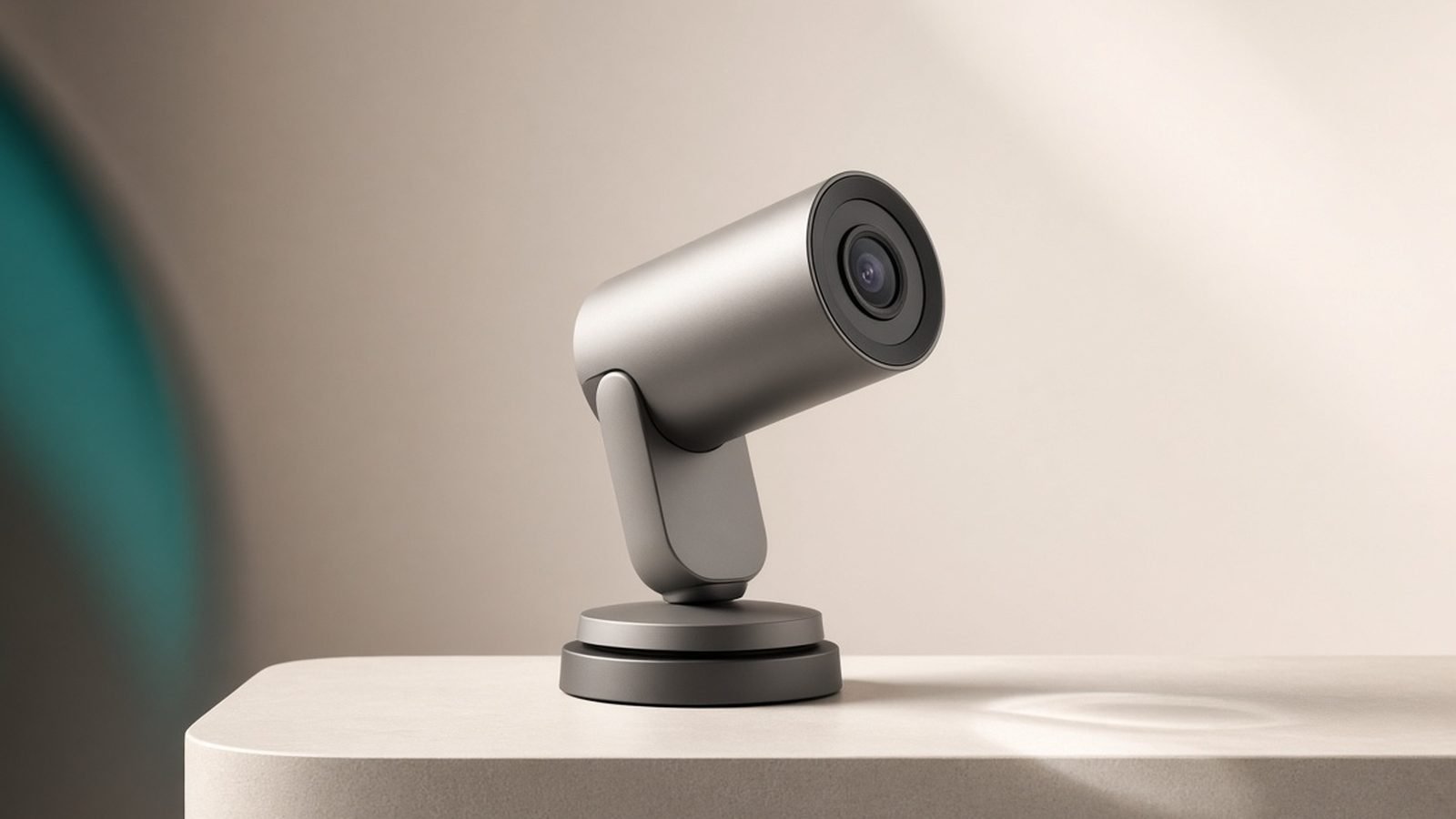
- Cameras — indoor and hub-camera hybrids like the Camera Hub G5 Pro, which double as a Zigbee hub.
- Switches and controls — wireless scene buttons, wall switches, cube controllers and dimmers.
- Plugs and power — smart plugs and relays for controlling appliances, relevant to our Best Smart Plugs 2026: Cheapest Way Into Home Automation coverage.
- Motorized shades and curtains — curtain drivers and roller-shade motors for window automation.
Standout Aqara products in 2026
Aqara Hub M3 — around $130 / £120. The flagship hub: a Zigbee 3.0 coordinator with Thread border-router support and a Matter bridge, plus local automation storage so routines keep running without the cloud. It’s the backbone that makes the cheap sensors so useful, and the reason Aqara punches above its price.
Aqara Presence Sensor FP2 — around $83 / £70. A millimeter-wave presence sensor that detects whether a room is genuinely occupied — even someone sitting still — and can track multiple zones. It brought high-end presence detection to a mainstream price and is a favorite for reliable “is anyone actually here” automations.
Aqara Smart Lock U200 / U-series — around $190 / £180. A retrofit-friendly smart lock with fingerprint, keypad, NFC and app unlocking, with Matter and Apple Home key support on select models. A strong, affordable entry on our Best Smart Locks 2026: Keyless Entry Compared & Ranked shortlist.
Aqara Camera Hub G5 Pro — around $170 / £160. A weather-capable camera that also acts as a Zigbee hub, with local AI detection and HomeKit Secure Video support. We cover it in depth in our dedicated review; it’s a smart pick if you want a camera and hub in one box.
Aqara Motion Sensor P2 and contact/leak sensors — around $20–$30 / £18–£28 each. The cheap, dependable building blocks of an automated home. Long battery life, small size and Zigbee reliability make them the reason so many people choose Aqara in the first place.
Strengths
Exceptional value for automation. Aqara’s sensors cost a fraction of premium rivals while delivering reliable, long-battery-life performance. Building a genuinely automated home is cheaper here than almost anywhere.
Local Zigbee with broad platform bridging. Devices run on local Zigbee through an Aqara hub, which bridges them into HomeKit, Alexa, Google Home and Matter — combining local reliability with wide compatibility.
Deep sensor catalog. Few brands match Aqara’s breadth of motion, presence, contact, leak, vibration and environmental sensors, all on one platform.
Standout FP2 presence sensing. The FP2 brought mmWave presence detection mainstream, enabling far more reliable occupancy automations than old-style PIR motion sensors.
Local automation storage. Higher-end hubs can store and run automations locally, so key routines keep working even if the internet or cloud is down.
Weaknesses & criticisms
Most things need a hub. The affordable sensors are Zigbee, so they require an Aqara hub to function. That’s great for reliability but means you can’t just buy one sensor and go — the hub is a prerequisite.
Confusing regional servers. The historical split between Mainland China and global server regions, and occasional device-region mismatches, has confused and frustrated buyers, sometimes stranding devices on the wrong server.
App is powerful but not polished. The Aqara Home app is capable but can feel cluttered and unintuitive next to slicker rivals, and setup of advanced automations has a learning curve.
Matter support has limits. Bridging via Matter doesn’t always expose every device feature; some capabilities only work fully inside the Aqara app or specific ecosystems, so cross-platform behavior can be inconsistent.
Support and firmware are uneven. As a fast-moving, catalog-heavy brand, Aqara’s customer support and firmware polish can be hit-or-miss compared with the biggest names.
Reliability & support
Aqara’s core hardware reliability is genuinely good, and that’s a big part of its appeal. The Zigbee sensors are known for long battery life — often a year or more — and dependable, low-latency triggering, and the hubs are stable once configured. For the price, the reliability of the sensor lineup is a standout, which is why Aqara has such a loyal following among home-automation enthusiasts.
The friction is around software and setup rather than the devices failing. The app has a learning curve, the regional-server situation has historically caused confusion, and Matter bridging occasionally hides features or behaves inconsistently across platforms. Warranty is typically a limited one-to-two-year term depending on region and retailer, and support quality varies — active community forums often solve problems faster than official channels. The fair summary: Aqara hardware is reliable and superb value, but it rewards buyers willing to learn its app and hub model, and it’s less forgiving for someone who wants a zero-configuration experience.
Who should buy Aqara
Buy Aqara if you want to build a real, sensor-driven automated home on a budget, and you’re comfortable running a hub and doing a little configuration. It’s ideal for Apple Home users who want affordable HomeKit-compatible sensors, for anyone experimenting with presence-based automations via the FP2, and for tinkerers who value local Zigbee reliability with Matter bridging. Its locks and cameras are strong, well-priced entries too — see our Best Smart Locks 2026: Keyless Entry Compared & Ranked guide for how the U-series stacks up.
Look elsewhere if you want the absolute simplest, no-hub, plug-and-play setup, or if a confusing app and occasional regional-server quirks would sour the experience. For retrofit gadgets you can add without a hub, compare Aqara against SwitchBot, and for controllable outlets check the range in our Best Smart Plugs 2026: Cheapest Way Into Home Automation roundup.
FAQ
Is Aqara a good brand?
Yes — it’s one of the best-value smart-home brands, especially for sensors, hubs, locks and automation. Its Zigbee devices are reliable and cheap, and they bridge into HomeKit, Alexa, Google and Matter. The main drawbacks are the hub requirement, a busy app, and occasional regional-server confusion rather than any doubt about hardware quality.
Is Aqara reliable?
The hardware is reliable, with dependable Zigbee sensors and long battery life that enthusiasts consistently praise. Reliability complaints usually stem from software and setup — the app’s learning curve and past server-region confusion — not from the devices themselves failing. Once configured correctly, an Aqara system is stable.
Where is Aqara from and who owns it?
Aqara is a brand of Lumi United Technology, a company based in Shenzhen, China, founded in 2016. It grew up within the Xiaomi ecosystem — Xiaomi is an investor and early partner — but Aqara now runs its own app, hubs and product line as a distinct, more HomeKit-focused brand.
Does Aqara need a hub?
Mostly, yes. The affordable sensors, switches and many other devices use Zigbee and require an Aqara hub to connect. A few newer devices support Matter or Wi-Fi directly, but the classic, best-value Aqara experience is built around running one of its hubs, which then bridges everything to your chosen platform.
Does Aqara work with Apple HomeKit and Matter?
Yes. Bridging through an Aqara hub, devices work with Apple Home, Alexa, Google Home and, increasingly, Matter. Aqara is one of the more HomeKit-friendly affordable brands. Note that Matter bridging doesn’t always expose every device feature, so some advanced functions only work fully inside the Aqara app.
Is Aqara or SwitchBot better?
They overlap but differ in approach. Aqara excels at cheap, reliable Zigbee sensors and a deep automation catalog that leans on a hub, while SwitchBot specializes in clever retrofit gadgets — button pushers, curtain motors and locks — that add smarts without rewiring. Automation-heavy homes tend to favor Aqara; renters and quick-fix buyers often prefer SwitchBot.
Zen Tech Hub may earn a commission from links on this page, at no extra cost to you.