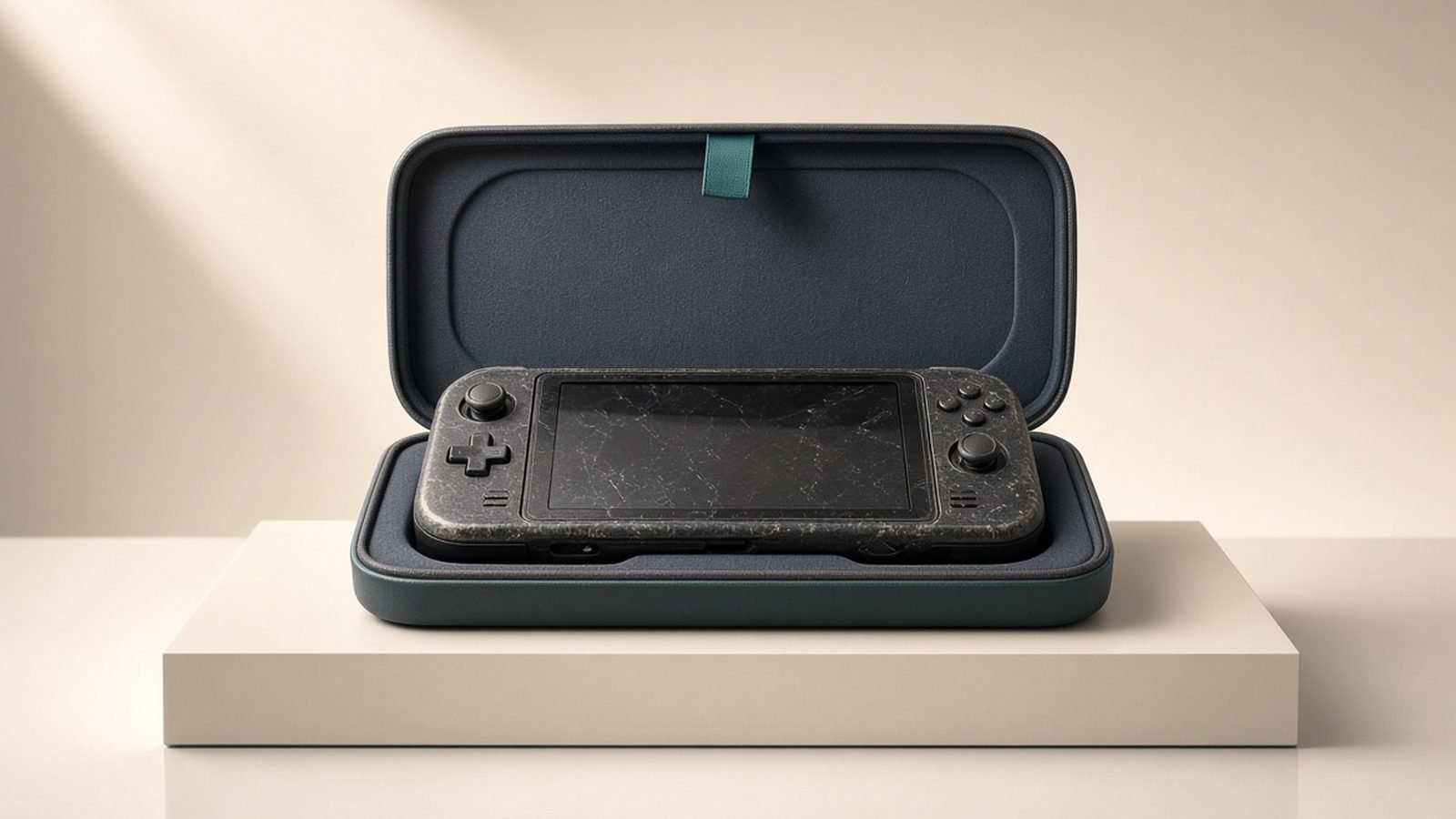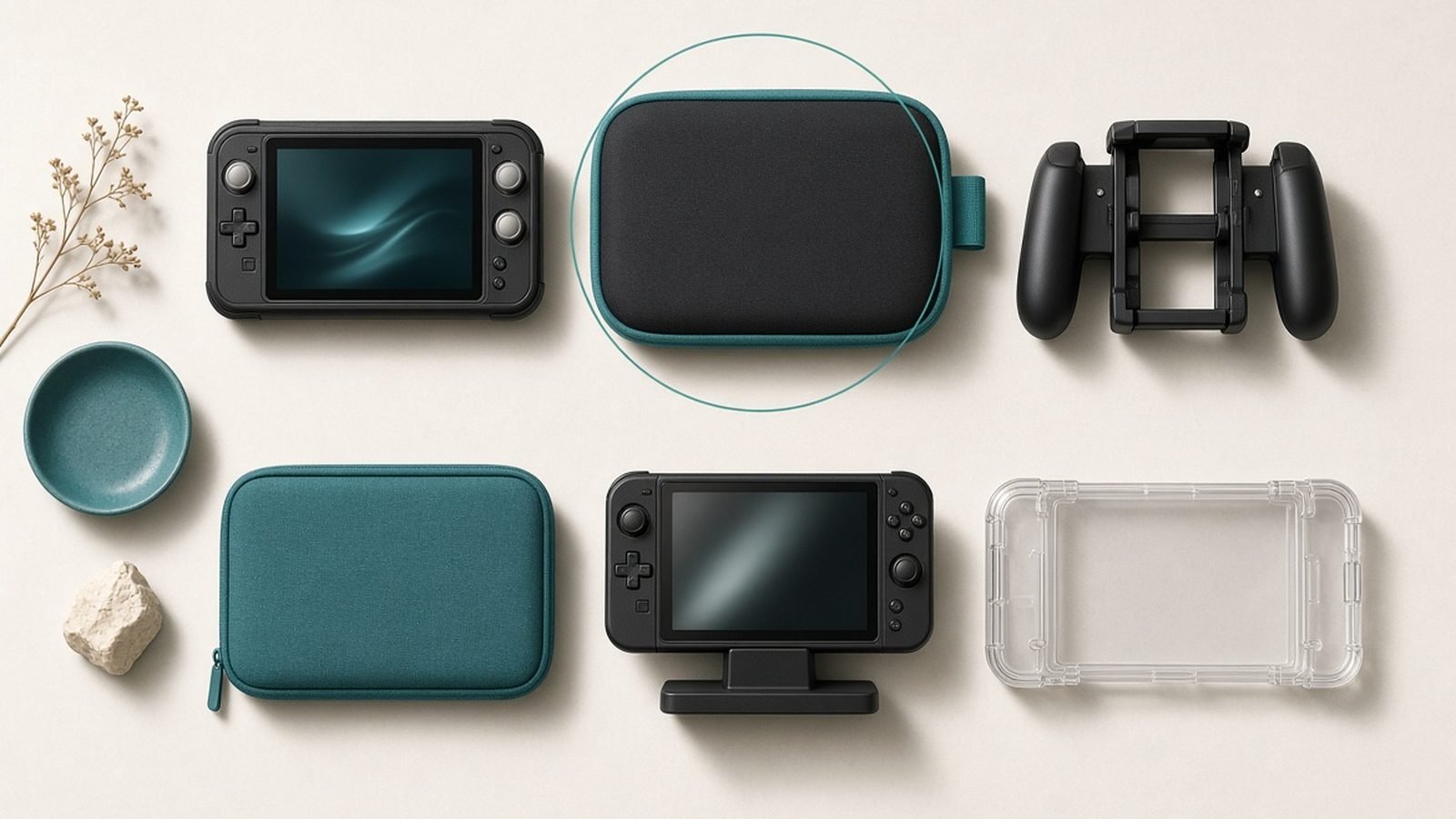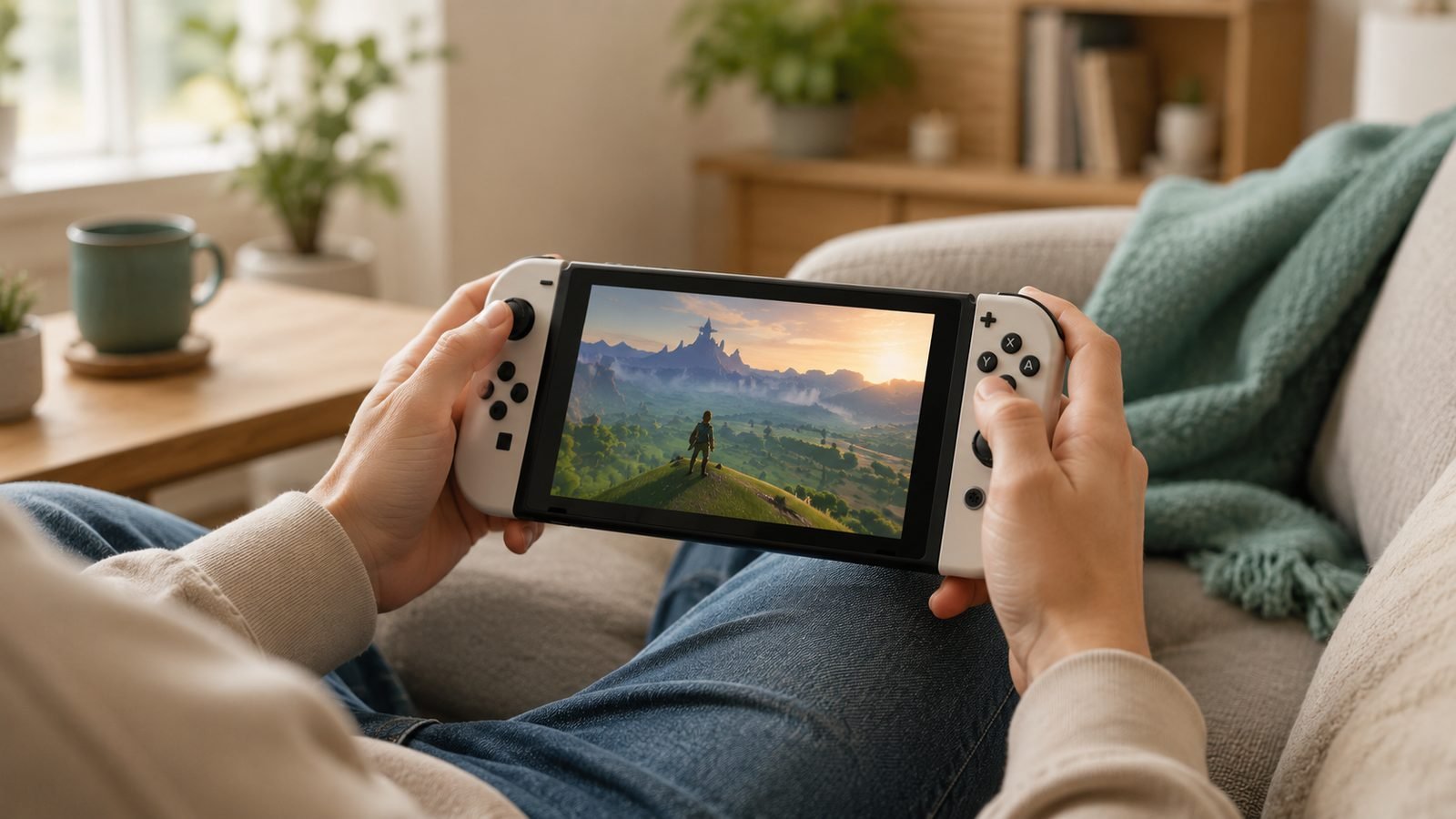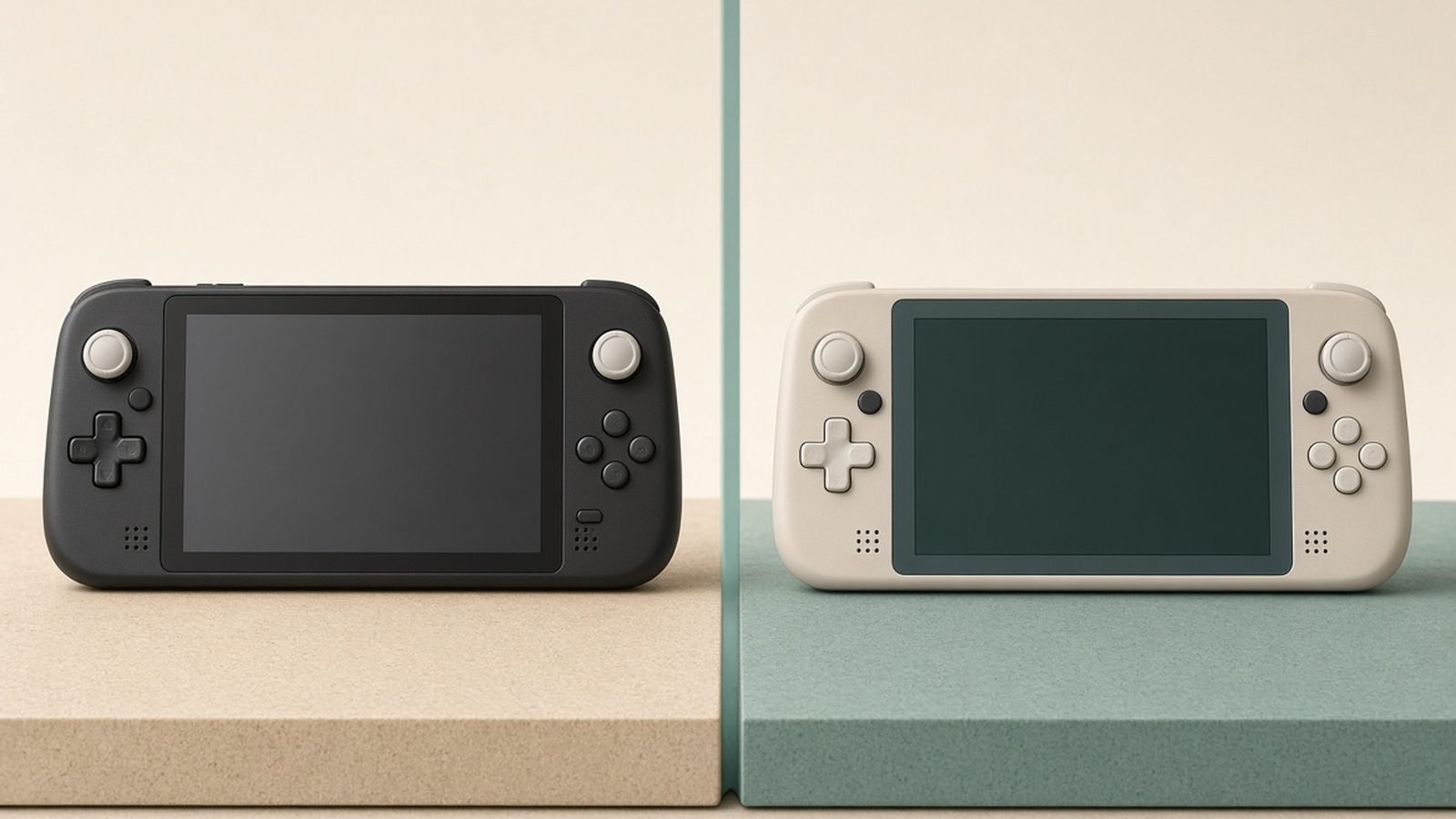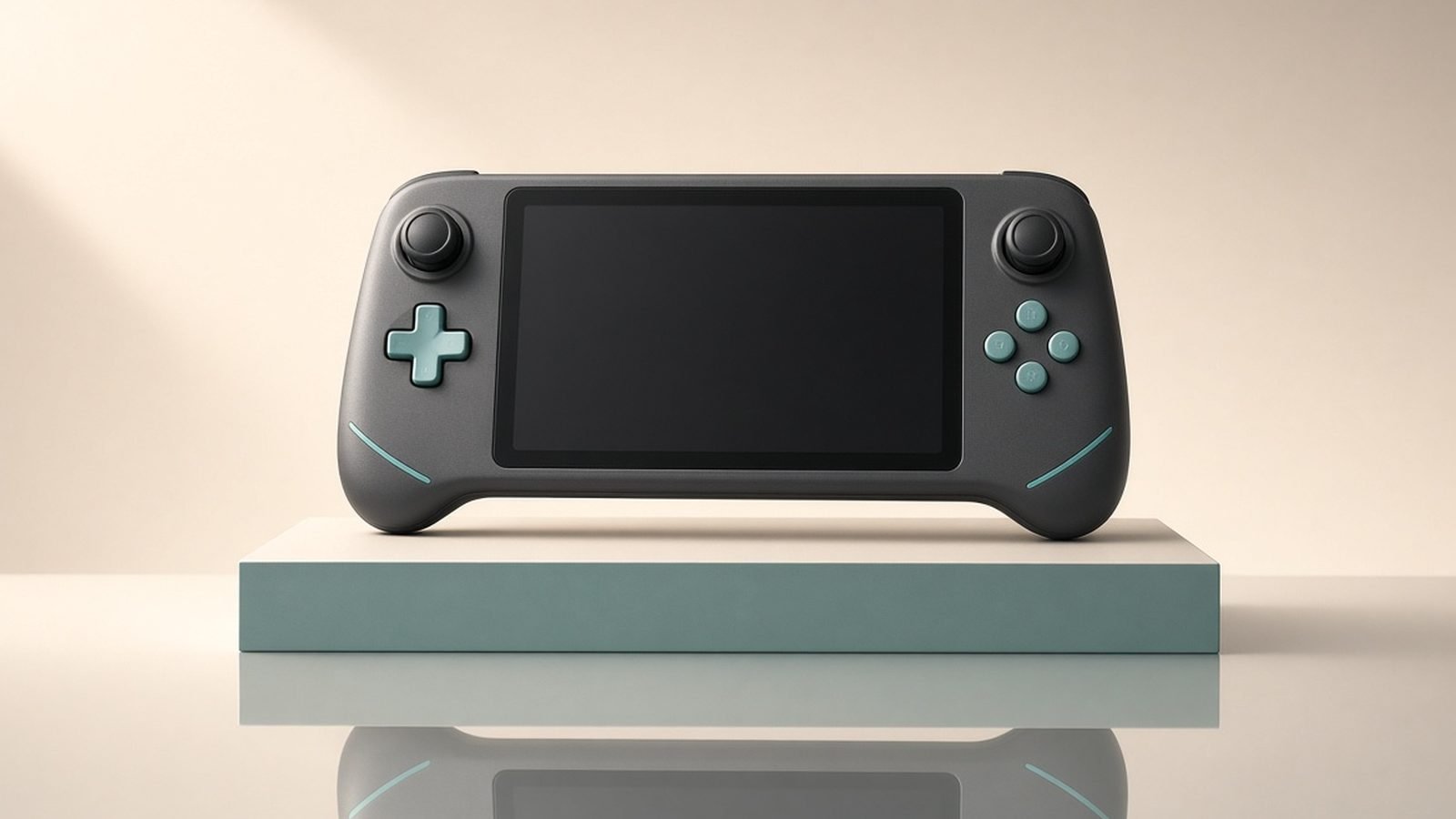
The Nintendo Switch 2 is the proper generational upgrade the original never quite got, and for most Nintendo fans it is worth buying — with eyes open about the price. At around $449 / £395 for the console, it delivers a bigger, sharper 7.9-inch 1080p 120Hz screen, a large leap in horsepower, 4K output when docked, and clever new mouse-style Joy-Con. It plays the vast majority of your old Switch games too. What holds it back from a blanket recommendation is cost: the console is pricier than the original was, and Nintendo’s first-party games and some accessories now sit at higher price points. If you love Nintendo’s exclusives and want them running well, it is an easy yes. If you were hoping for a cheap incremental bump, adjust expectations.
We have not run our own lab bench. This review is expert analysis built from Nintendo’s published specs, current pricing, and aggregated owner feedback.
Nintendo Switch 2 at a glance
7.9in 1080p 120Hz LCD (HDR, VRR) | custom Nvidia processor | 256GB storage | up to 4K docked | magnetic mouse-capable Joy-Con | ~$449 / £395
Pros:
- Big, sharp 7.9in 1080p 120Hz screen with HDR and VRR
- Major performance jump over the original Switch
- 4K output when docked to a TV
- Backward compatible with most Switch games
- Inventive mouse-mode Joy-Con
Cons:
- Higher console and first-party game prices
- Still an LCD, not OLED
- Battery life is average under load
- Uses pricier microSD Express cards for expansion
Design and screen
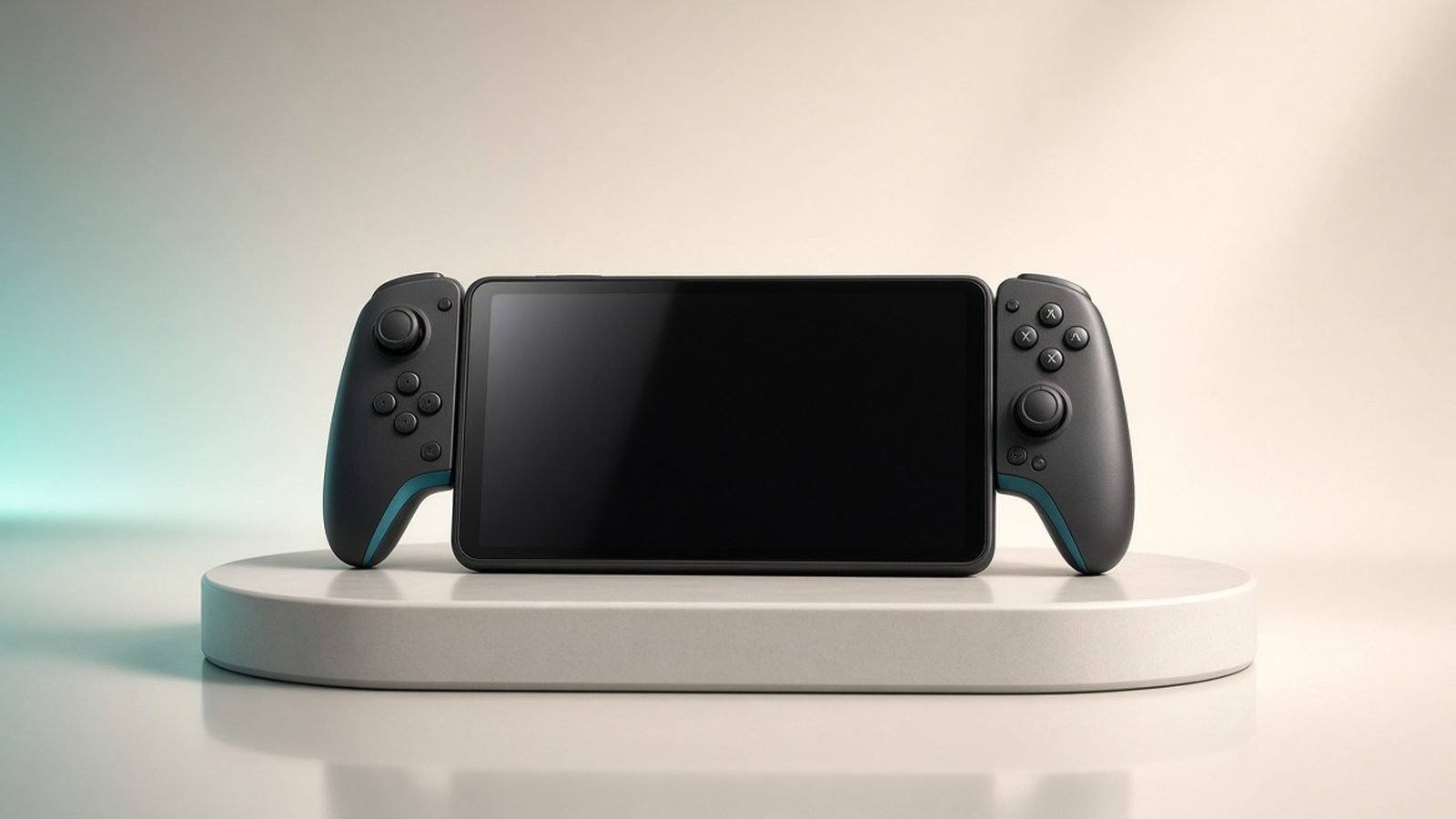
The Switch 2 is bigger and more grown-up than the original. The 7.9-inch screen dominates the front, and the whole device feels sturdier, with a more substantial kickstand and redesigned Joy-Con that attach magnetically rather than sliding on rails. Owner reports praise the improved build and the more secure controller attachment, a common gripe on the original.
The screen is the everyday star. At 1080p, 120Hz, with HDR and variable refresh rate support, it is a huge step up from the original Switch’s 720p 60Hz LCD — sharper, smoother, and more vivid. The one caveat enthusiasts will note: it is still an LCD, not OLED, so it cannot match the deep blacks of a Switch OLED or a Steam Deck OLED. In a bright, high-refresh LCD, though, most people will be very happy.
The new Joy-Con have a genuinely novel trick: each can be used as a mouse, sliding on a flat surface for games that support pointer control. It sounds gimmicky, but for strategy games, shooters, and certain genres it is a real, useful addition rather than a novelty — one of the more forward-thinking ideas in the design.
Performance and features
The performance jump is the headline. The original Switch, running aging Nvidia hardware, struggled with demanding ports and often ran them at low resolutions and frame rates. The Switch 2’s custom Nvidia processor changes that: it handles far more demanding games, supports DLSS-style upscaling, and outputs up to 4K when docked to a TV. Games that were impossible or badly compromised on the original are now viable.
Backward compatibility is a major strength. The vast majority of the original Switch library plays on the Switch 2, and many titles benefit from improved load times and steadier performance, with some getting dedicated enhancement updates. That protects an enormous existing game collection, which matters a lot when you are asking someone to upgrade.
Storage uses faster microSD Express cards rather than standard microSD, which improves speed but costs more per gigabyte — budget for that if you plan to install a lot of games. Battery life is average: lighter games last a reasonable while, but demanding titles pushing the new hardware drain it faster, roughly in line with what you would expect from a more powerful portable.
Value
At around $449 / £395 the Switch 2 costs more than the original launched at, and the broader price picture has moved up too: several first-party games and some accessories sit at higher price points than fans are used to. For a Nintendo audience accustomed to relatively stable pricing, that is the sticking point, and it is fair to weigh it.
What you get for the money is a real generational leap, full backward compatibility, and access to Nintendo’s exclusives — Mario, Zelda, and the rest — which exist nowhere else. That exclusivity is the whole value argument. You are not really cross-shopping raw specs; you are buying a platform for games you cannot play any other way, now running properly. Judged on that, the price is justifiable even if it is not cheap.
Switch 2 vs the alternatives
The Switch 2 is not really a rival to PC handhelds — it is a different proposition. A Best Gaming Handhelds 2026: Steam Deck & Rivals pick like the Steam Deck OLED plays a huge PC library with total flexibility; the Switch 2 plays Nintendo’s exclusives in a simpler, more polished console package. Many people who care about games end up owning both, because they do different jobs.
If you are choosing between consoles, the PS5 Pro Review 2026: Worth the Upgrade? covers the living-room-first, maximum-fidelity option, while the Switch 2 owns portability and first-party exclusives. And whichever platform you land on, a good Best Game Controllers 2026: PC, Xbox & PlayStation pick and a solid Best Gaming Headsets 2026: Top Picks Compared & Ranked round out the setup.
Verdict
The Nintendo Switch 2 is the sequel the original deserved: a bigger, sharper 1080p 120Hz screen, a genuine leap in horsepower, 4K docked output, inventive mouse Joy-Con, and backward compatibility that protects your existing library. It is a confident, well-built console that finally lets demanding games run the way they should on Nintendo hardware.
Buy it if you love Nintendo’s exclusives and want them running at their best, and you can accept the higher console and game pricing. Temper expectations if you were hoping for a budget refresh or an OLED screen. For the Nintendo faithful — which is most of its audience — it is worth the upgrade, and the best portable Nintendo has ever made.
FAQ
Is the Nintendo Switch 2 worth it in 2026?
For Nintendo fans, yes. The bigger 1080p 120Hz screen, major performance jump, 4K docked output, and backward compatibility make it a real generational upgrade, and the exclusives remain unavailable anywhere else. The main hesitation is price: the console and several first-party games cost more than fans are used to. If you value Nintendo’s games and want them running well, it is an easy recommendation.
Nintendo Switch 2 vs the original Switch — what is different?
The Switch 2 has a larger 7.9in 1080p 120Hz screen (versus 720p 60Hz), a far more powerful custom Nvidia processor, up to 4K output when docked, HDR and VRR support, magnetically attaching Joy-Con with a new mouse mode, and 256GB of storage. It also plays most original Switch games, often with better load times and performance. It is a full generational leap, not a minor refresh.
How is the Nintendo Switch 2 battery life?
Average, and dependent on the game. Lighter titles last a reasonable stretch, but demanding games that push the more powerful hardware drain the battery faster — roughly what you would expect from a stronger portable. It is broadly comparable to other capable handhelds under load, so plan to charge during long sessions with graphically heavy games.
Does the Nintendo Switch 2 play my old Switch games?
Yes, the vast majority of the original Switch library is backward compatible, and many titles benefit from faster load times and steadier performance on the new hardware, with some receiving dedicated enhancement updates. That backward compatibility protects your existing collection and is one of the console’s biggest strengths, making the upgrade far easier to justify.
Switch 2 vs Steam Deck — which should I get?
They serve different purposes. The Switch 2 plays Nintendo’s exclusive games in a simple, polished console package; the Steam Deck plays a huge PC library with total flexibility but more complexity. If you want Mario and Zelda, only the Switch 2 delivers them. If you want the freedom of a PC library on the go, the Deck is the tool. Many enthusiasts own both.
Zen Tech Hub may earn a commission from links on this page, at no extra cost to you.