Nintendo is the most distinctive brand in gaming — the company behind Mario, Zelda, Pokémon, and a century of playing-card-to-console reinvention. In 2026, with the Switch 2 established as its flagship, Nintendo remains the default recommendation for families, portable-first players, and anyone who values first-party games above raw horsepower. The short verdict: Nintendo makes the best exclusive games in the industry and hardware that’s charming and genuinely portable, but you accept weaker specs, a dated online service, aggressive pricing on games that rarely drop, and a company culture that’s famously slow and controlling.
Buy Nintendo if you want a console for the whole household, the best handheld-console hybrid, and games you literally cannot play anywhere else. Look elsewhere if you want cutting-edge graphics, cheap game deals, or a modern online and account experience.
Company overview
Nintendo Co., Ltd. is headquartered in Kyoto, Japan, and was founded in 1889 — originally as a maker of hanafuda playing cards. It’s a publicly traded, independent Japanese company (not owned by any larger conglomerate), which is unusual in an industry increasingly consolidated under Microsoft, Sony, and Tencent. Its US arm, Nintendo of America, is based in Redmond, Washington.
Nintendo’s reputation is built on two pillars: iconic, tightly polished first-party games, and a habit of doing things its own way rather than chasing the spec race. That independence is its greatest strength and its most frequent frustration. The brand is beloved for creativity and family-friendliness, and criticized for being conservative, litigious about fan projects, and slow to modernize services other platforms nailed years ago. Few brands inspire as much loyalty — or as much eye-rolling over the same recurring gripes.
What Nintendo makes
Nintendo’s 2026 business centers on:
- Consoles and handhelds — the Switch 2 hybrid console is the flagship, alongside the still-supported original Switch family (Switch, Switch OLED, Switch Lite).
- First-party games — the crown jewels: Mario, The Legend of Zelda, Pokémon (via The Pokémon Company), Mario Kart, Splatoon, Animal Crossing, Metroid, and more.
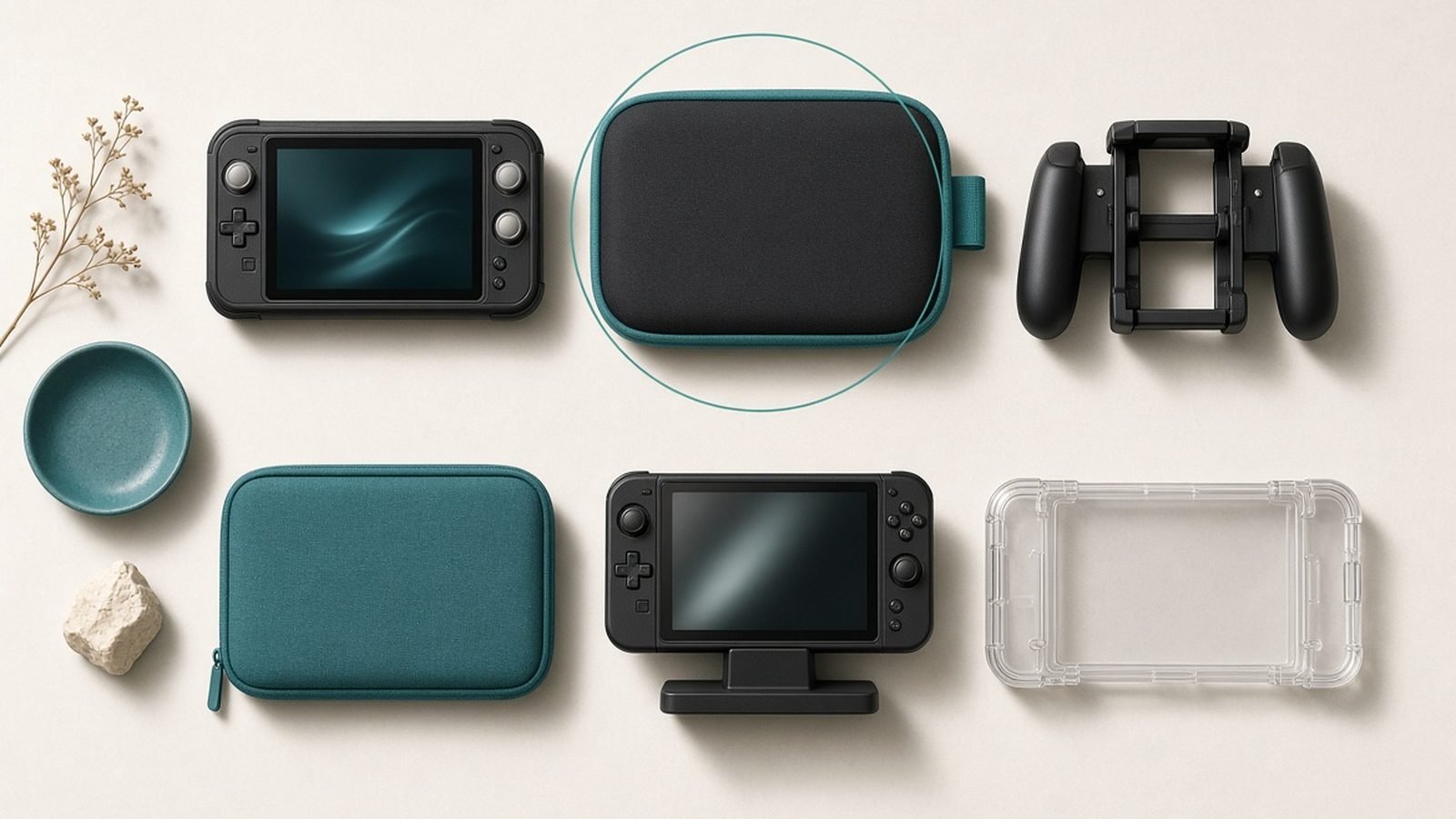
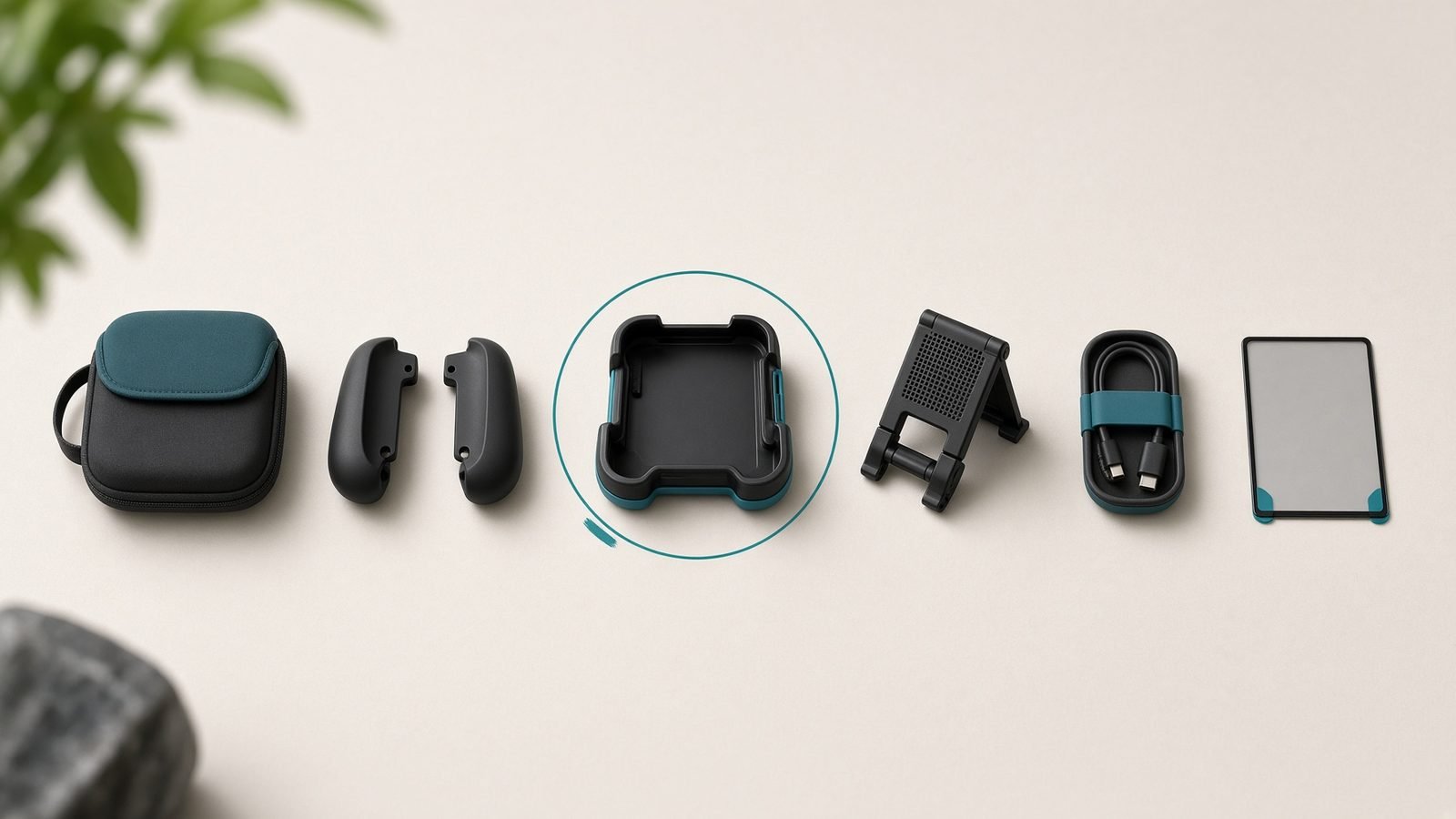
- Accessories — Joy-Con 2 controllers, the Pro Controller, Amiibo figures, carrying cases, and charging docks.
- Services — Nintendo Switch Online (online play, cloud saves, retro game libraries) and the paid Expansion Pack tier.
- Media and licensing — theme-park attractions, the Mario and Zelda film ventures, and extensive character licensing.
The hardware exists largely to deliver the software; Nintendo’s platforms live and die on their exclusive games.
Standout Nintendo products in 2026
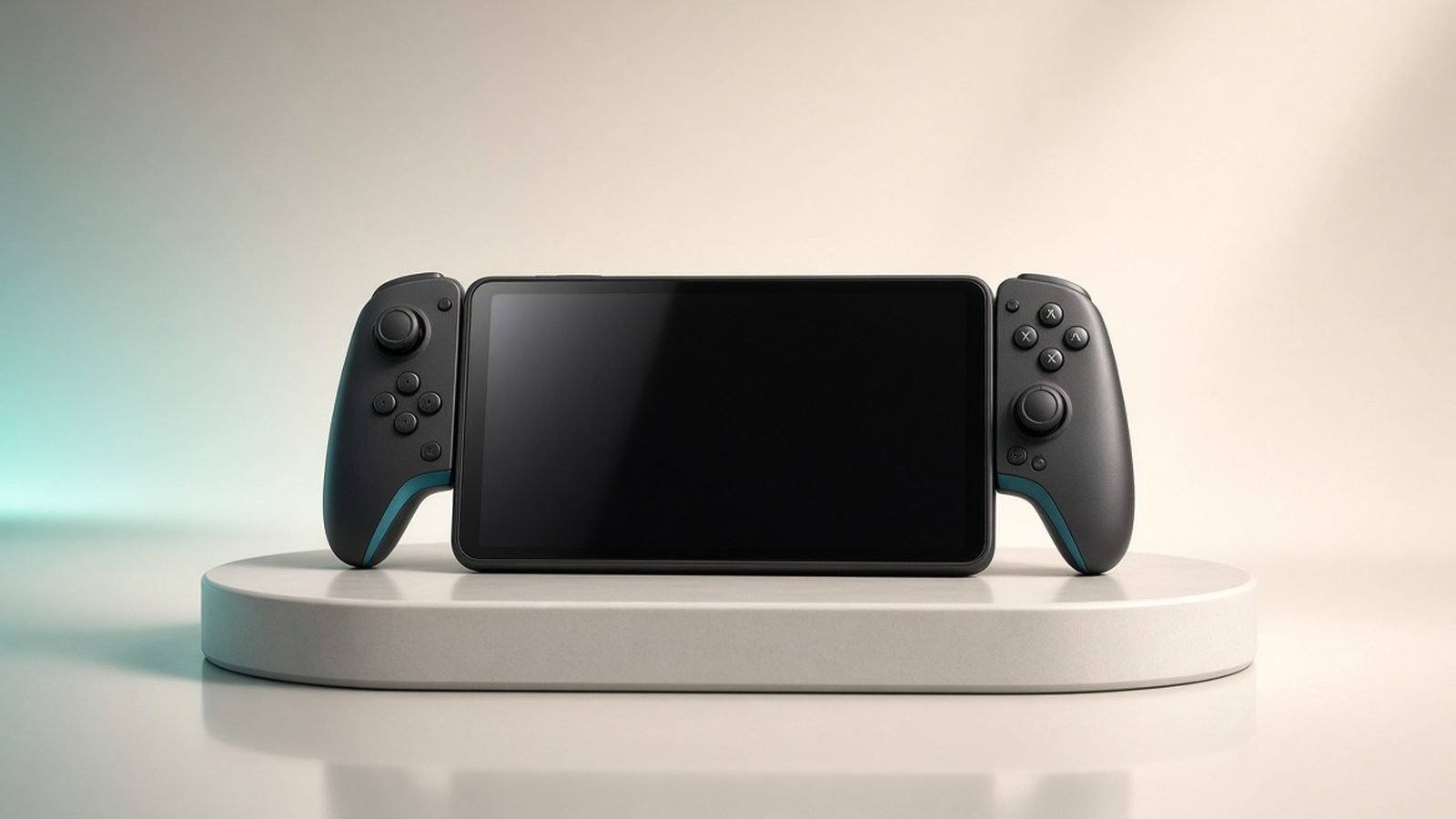
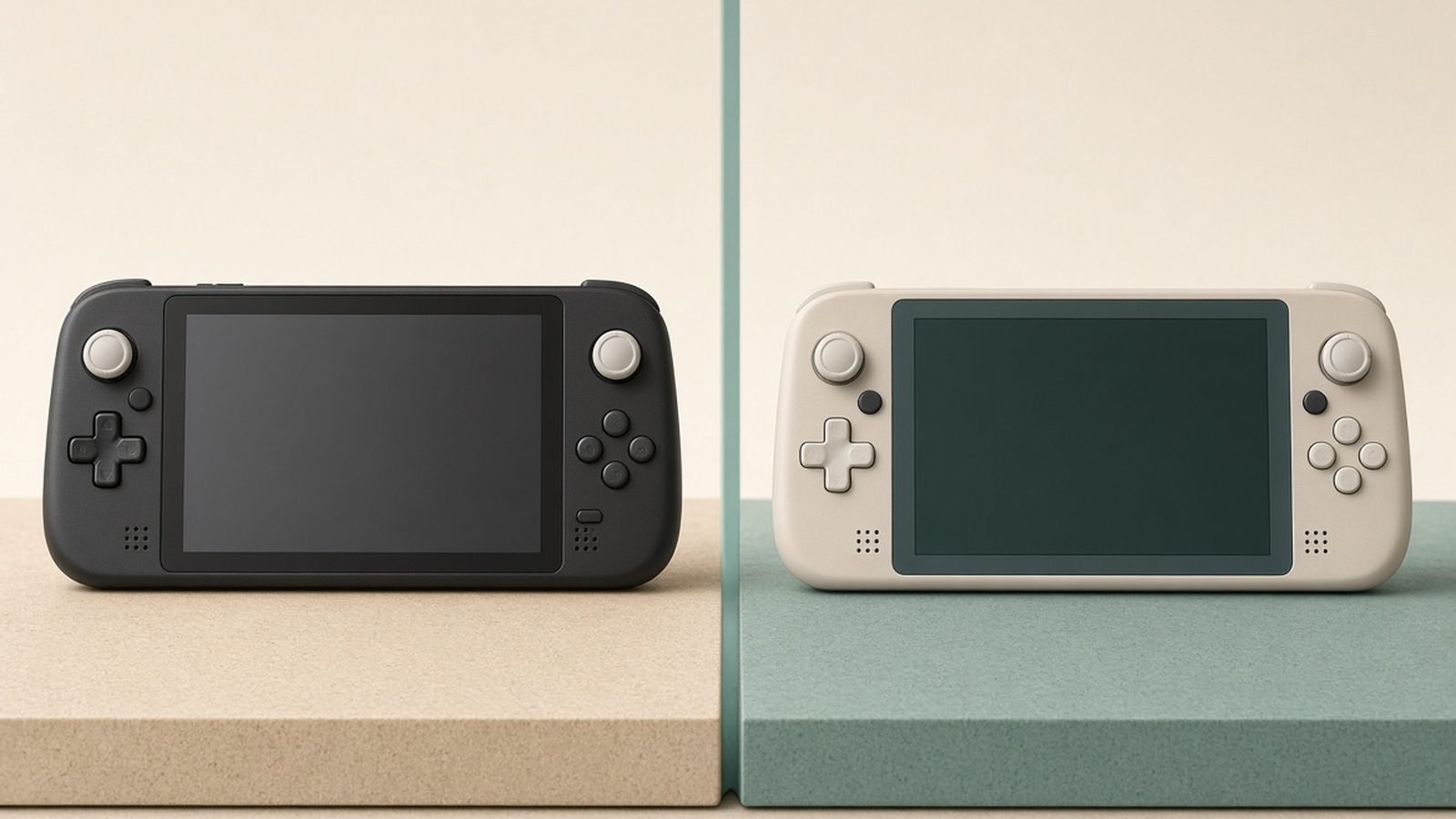
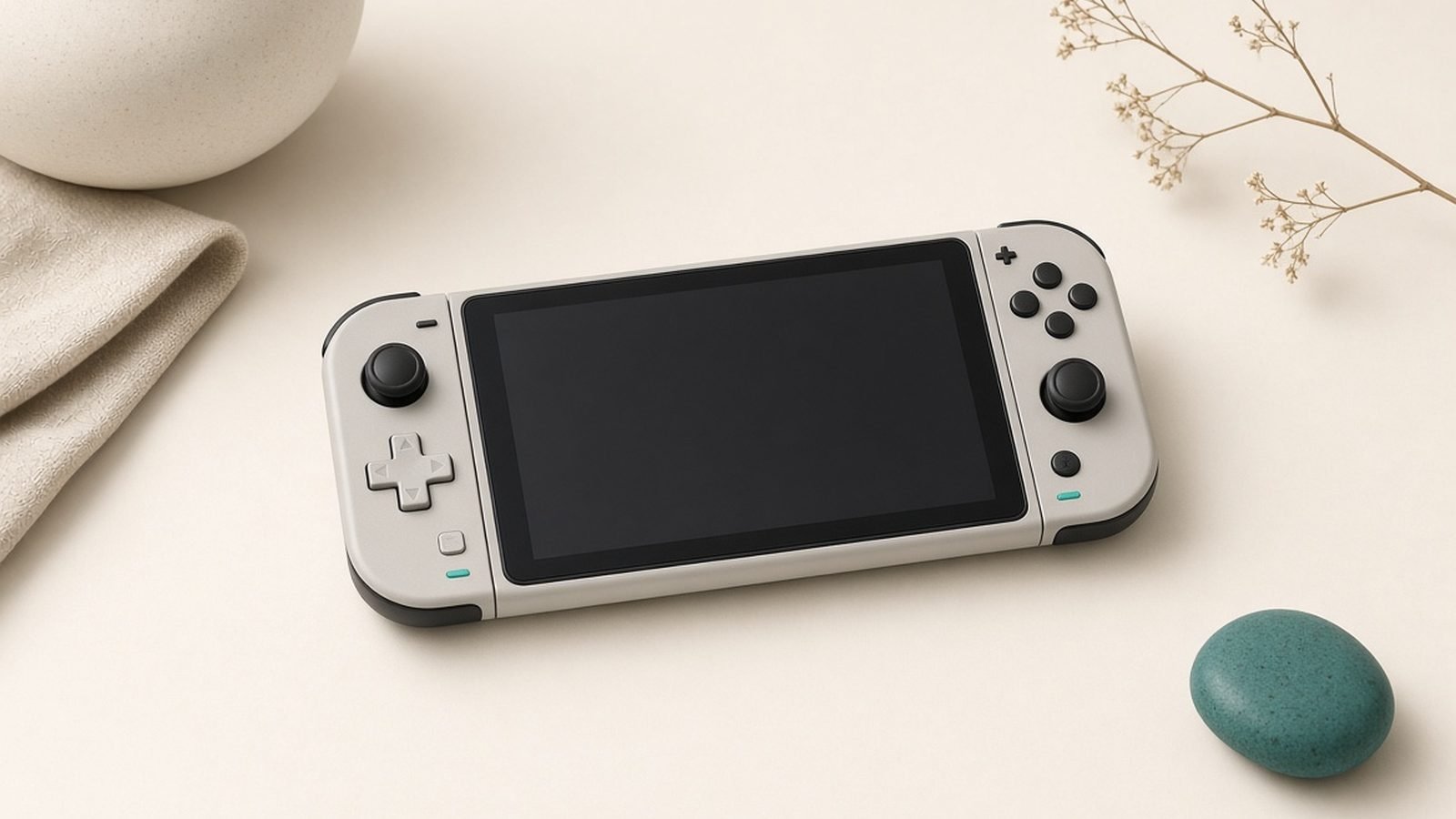
Nintendo Switch 2 — around $449 / £395. The flagship: a meaningfully more powerful hybrid than the original, with a larger display, improved Joy-Con 2 controllers, upgraded docked output, and full backward compatibility with most Switch games. It’s the centerpiece of the current lineup and the console most buyers should start with. Read our full Nintendo Switch 2 Review 2026: Worth the Upgrade? for the deep dive, and see where it lands among the best portables in Best Gaming Handhelds 2026: Steam Deck & Rivals.
Nintendo Switch OLED — around $349 / £309. The best version of the original console, with a vivid 7-inch OLED screen. Still a strong, cheaper entry point for buyers who mainly want the enormous existing Switch library.
Nintendo Switch Lite — around $199 / £199. A compact, handheld-only model for portable-first players and younger kids. No TV output, but the lightest and cheapest way into the ecosystem.
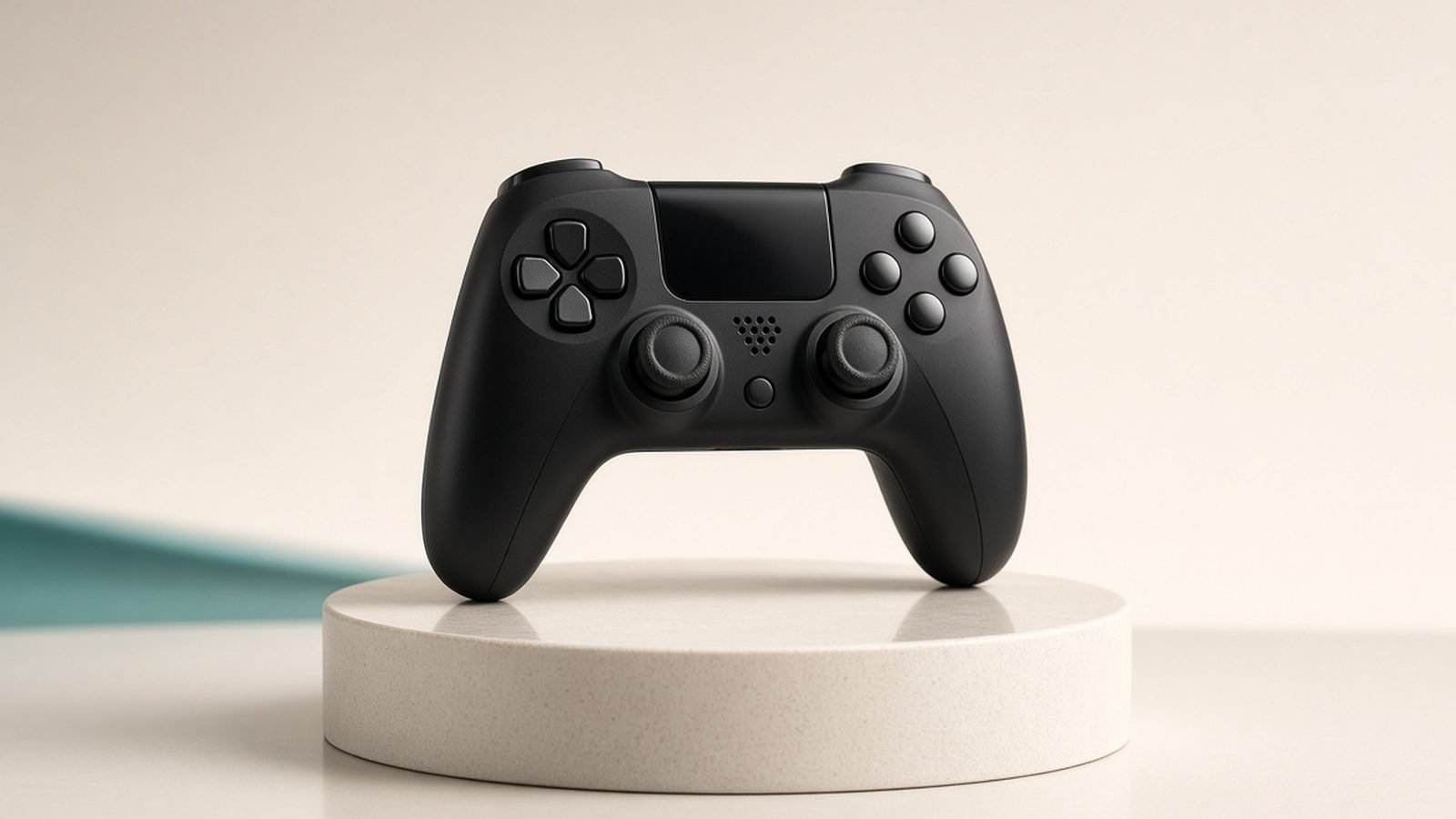
Joy-Con 2 and Switch 2 Pro Controller — around $89 / £75 (Pro). The redesigned controllers for Switch 2, with the Pro Controller remaining the comfortable choice for long sessions and docked play. If you’re cross-shopping gamepads, our Best Game Controllers 2026: PC, Xbox & PlayStation guide covers how they compare.
Nintendo Switch Online + Expansion Pack — around $49.99 / £34.99 per year (individual). The subscription for online play, cloud saves, and libraries of retro NES, SNES, N64, and Game Boy titles. Useful but widely seen as thin value next to rival services.
Strengths
Unmatched first-party games. This is the whole argument. Mario Kart, Zelda, Mario, Metroid, and Splatoon are consistently among the best-reviewed, most polished games released each year, and they exist nowhere else. No competitor matches Nintendo’s hit rate on exclusives.
Genuine portability and family appeal. The Switch formula — one device that’s a home console and a handheld — remains the most flexible design in gaming, and it’s the easiest console to recommend for kids, couples, and shared living rooms.
Approachable, durable hardware. Nintendo hardware is simple to use, well suited to children, and generally rugged. The plug-and-play nature and long software support keep older consoles relevant for years.
Strong resale and long-tail value. First-party Nintendo games rarely discount deeply and hold their value on the used market better than almost any other publisher’s titles.
Weaknesses & criticisms
Underpowered hardware. Even the Switch 2 trails PlayStation and Xbox — and gaming PCs — on raw graphics and performance. Third-party AAA games often arrive downgraded, delayed, or not at all.
Games rarely go on sale. Nintendo’s “evergreen pricing” means first-party titles can still cost near full price years after launch. Bargain hunters find far better deals on other platforms.
Dated online and account systems. Nintendo Switch Online lags rival services in features and reliability, voice chat and party systems have historically been awkward, and the account and eShop experience feels a generation behind.
Conservative and controlling culture. Nintendo is famously slow to adopt modern conveniences and notoriously aggressive toward fan games, emulation, and content creators — a recurring source of goodwill damage.
Joy-Con drift history. The original Joy-Con became infamous for analog-stick “drift.” Nintendo has redesigned the sticks for Switch 2, but the reputation lingers and long-term durability is still being proven.
Reliability & support
Nintendo hardware is generally reliable and built to survive family use, and the company’s consoles enjoy long support lifespans. The glaring exception in recent memory was Joy-Con drift on the original Switch, which generated widespread complaints and, in several regions, regulatory scrutiny and free-repair programs. The Switch 2’s Joy-Con 2 controllers use a revised stick design intended to address it, and early reports are encouraging, though the long-term track record is still forming.
Warranty terms are standard for the category — typically one year on hardware, with regional variation — and Nintendo’s repair service is competent, if not fast. Where the brand draws the most support-related criticism isn’t physical repairs but its digital ecosystem: account recovery, purchase portability, and the online service all feel dated. The honest summary: the boxes themselves hold up well and last for years, but the surrounding software services are the weakest part of owning Nintendo, and the Joy-Con drift saga remains the cautionary tale buyers remember.
Who should buy Nintendo
Buy Nintendo if you want the best exclusive games in the industry, a console that works equally well docked or on a train, and a system that’s ideal for families and shared households. For most people, Nintendo is best owned alongside a PlayStation, Xbox, or gaming PC rather than as their only machine — it’s the platform you buy for the games no one else has.
Look elsewhere as your primary system if you want cutting-edge graphics, the deepest third-party library, frequent game discounts, or a modern online and account experience. Spec-focused players and bargain hunters will be happier with a PlayStation, Xbox, or PC as their main platform.
FAQ
Is Nintendo a good brand?
Yes — for what it does, Nintendo is exceptional. Its first-party games are the best in the business, its hardware is charming and family-friendly, and the Switch formula is genuinely convenient. The caveats are real, though: underpowered hardware, games that rarely discount, and dated online services. It’s a great brand you buy for its games, not its specs.
Is Nintendo reliable?
Broadly yes. Nintendo consoles are durable and well suited to heavy family use, and they’re supported for years. The notable blemish was Joy-Con drift on the original Switch, which Nintendo has redesigned around for Switch 2. Physical hardware holds up well; the digital services are the shakier part.
Where is Nintendo from and who owns it?
Nintendo is a Japanese company headquartered in Kyoto, founded in 1889. It’s independent and publicly traded — not owned by a larger conglomerate — which is why it can keep doing things its own way. Its North American operations are based in Redmond, Washington.
Is the Nintendo Switch 2 worth buying in 2026?
For most players, yes. The Switch 2 is a meaningful upgrade over the original, plays most existing Switch games, and gives you access to Nintendo’s exclusives on more capable hardware. Owners of a Switch OLED who are happy with the library can wait, but it’s the right entry point for newcomers — see our Nintendo Switch 2 Review 2026: Worth the Upgrade?.
Is Nintendo Switch Online worth it?
It’s necessary for online multiplayer and cloud saves, and the retro game libraries are a nice bonus, so most active players end up subscribing. That said, it’s widely viewed as thin value compared with rival services, and the Expansion Pack tier is a harder sell unless you specifically want the N64-era and DLC content.
Is Nintendo better than PlayStation?
They serve different needs. Nintendo wins on exclusive games, portability, and family appeal; PlayStation wins on raw power, cinematic third-party support, and a modern online experience. Many gamers own both. If you can only pick one and you value graphics and third-party breadth, PlayStation; if you value unique first-party games and portability, Nintendo.
Zen Tech Hub may earn a commission from links on this page, at no extra cost to you.