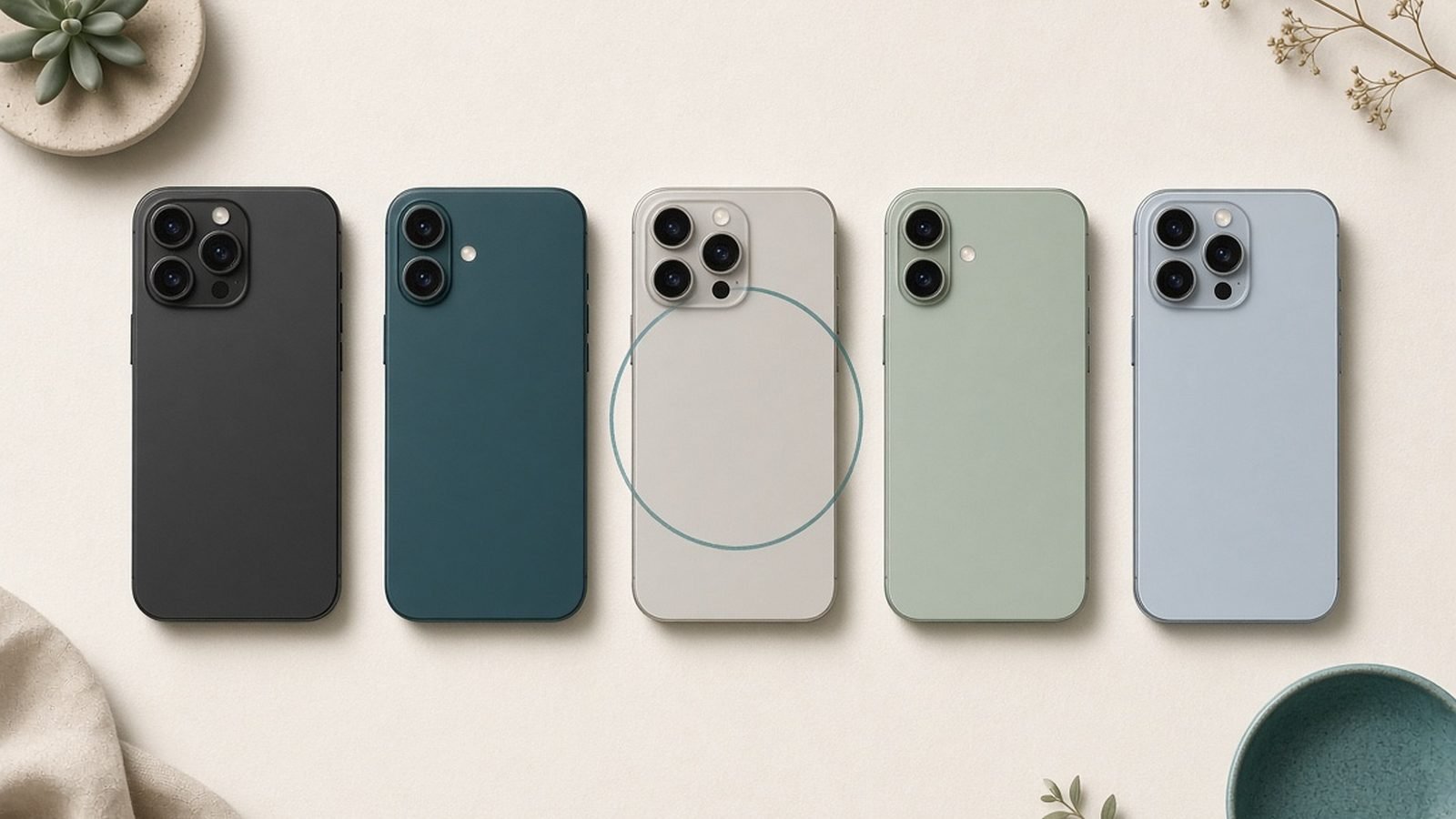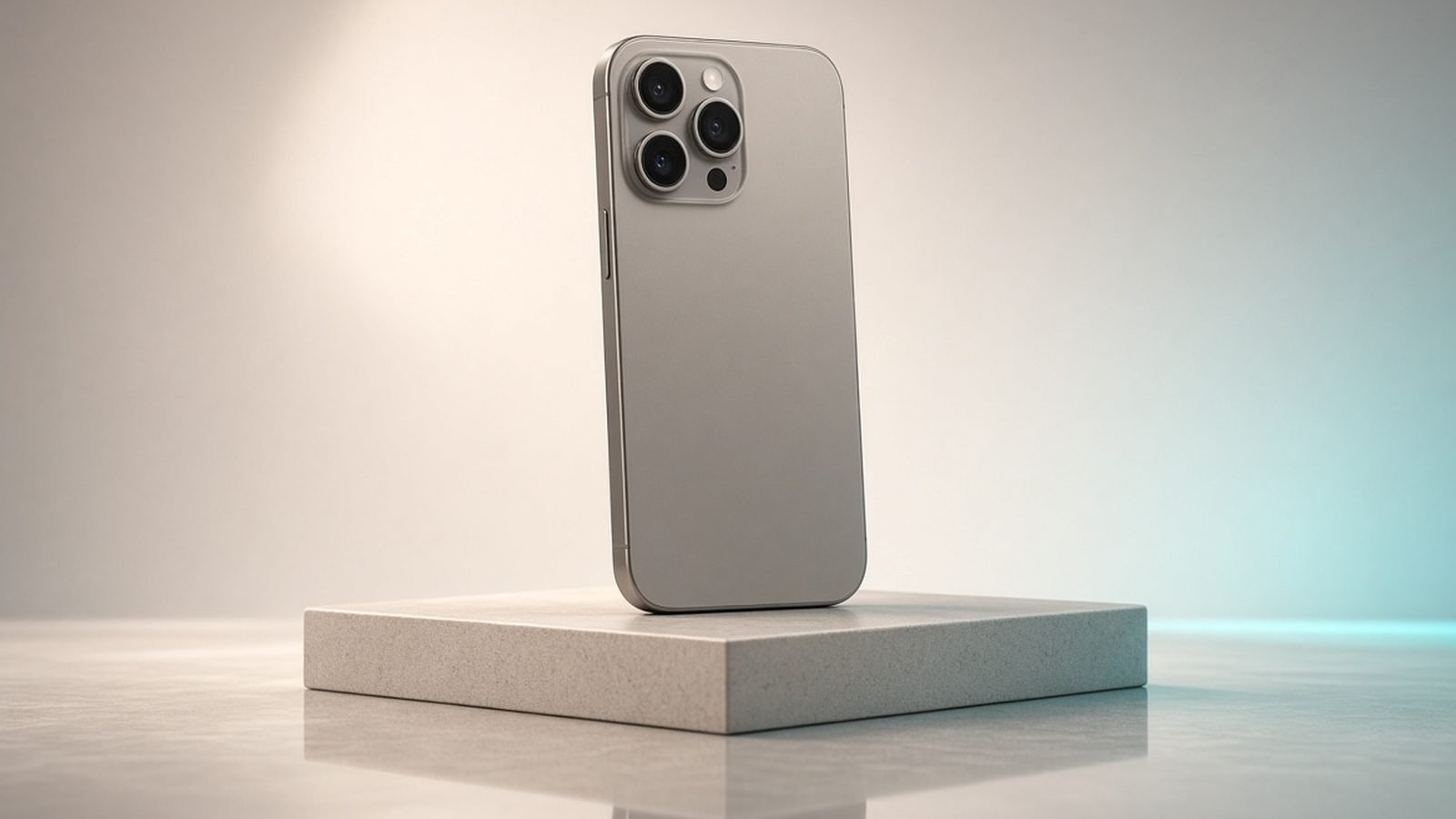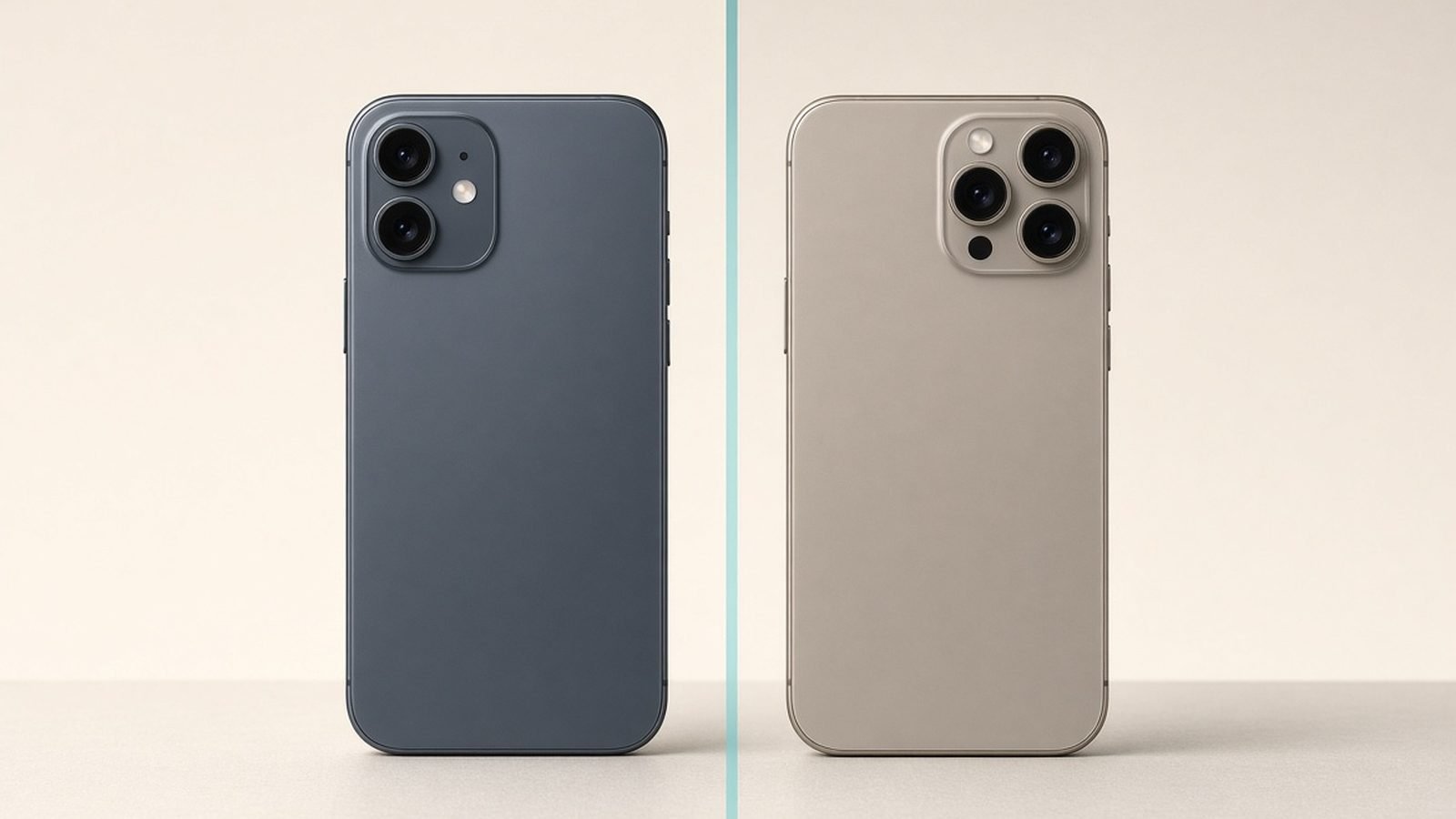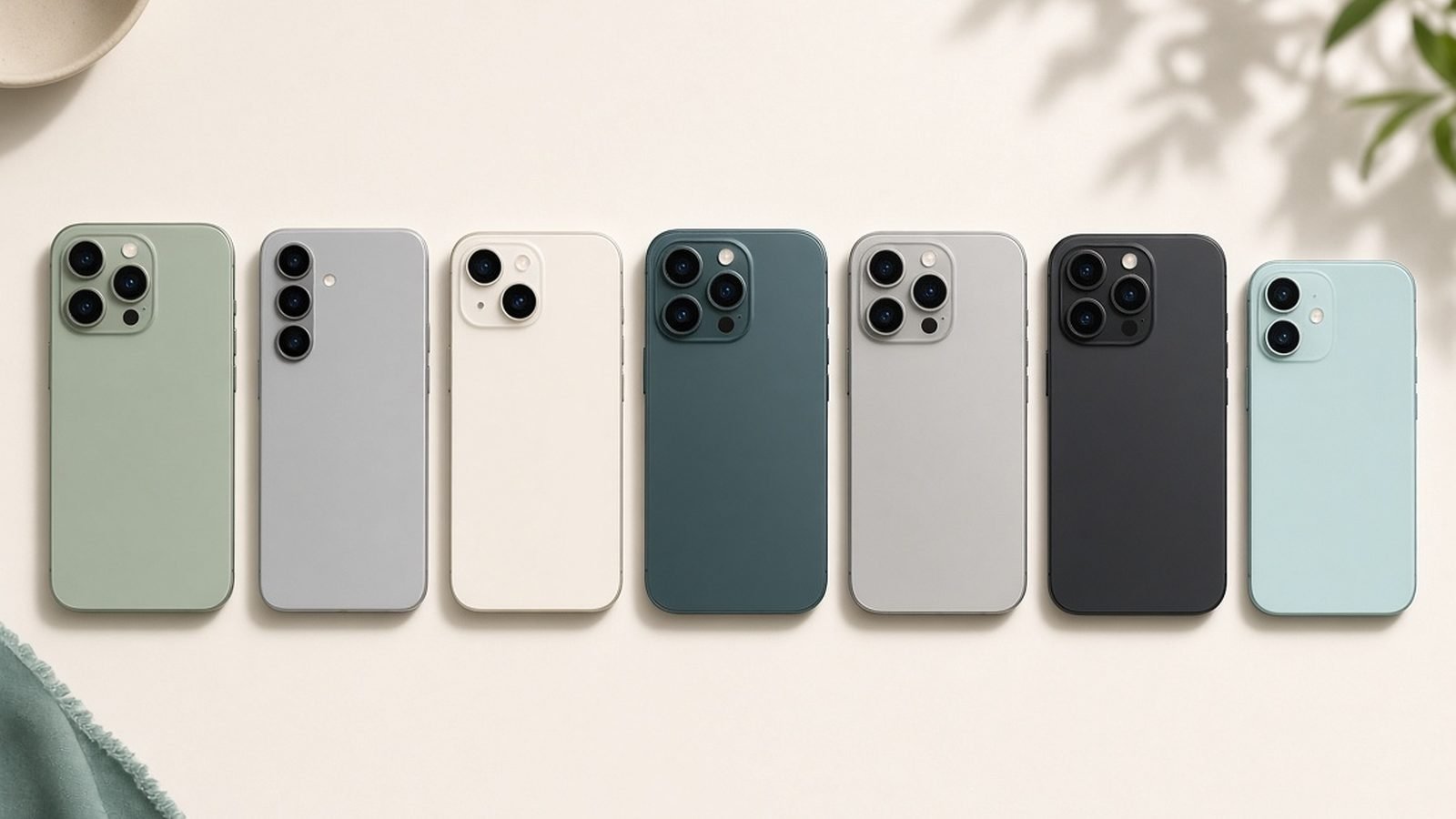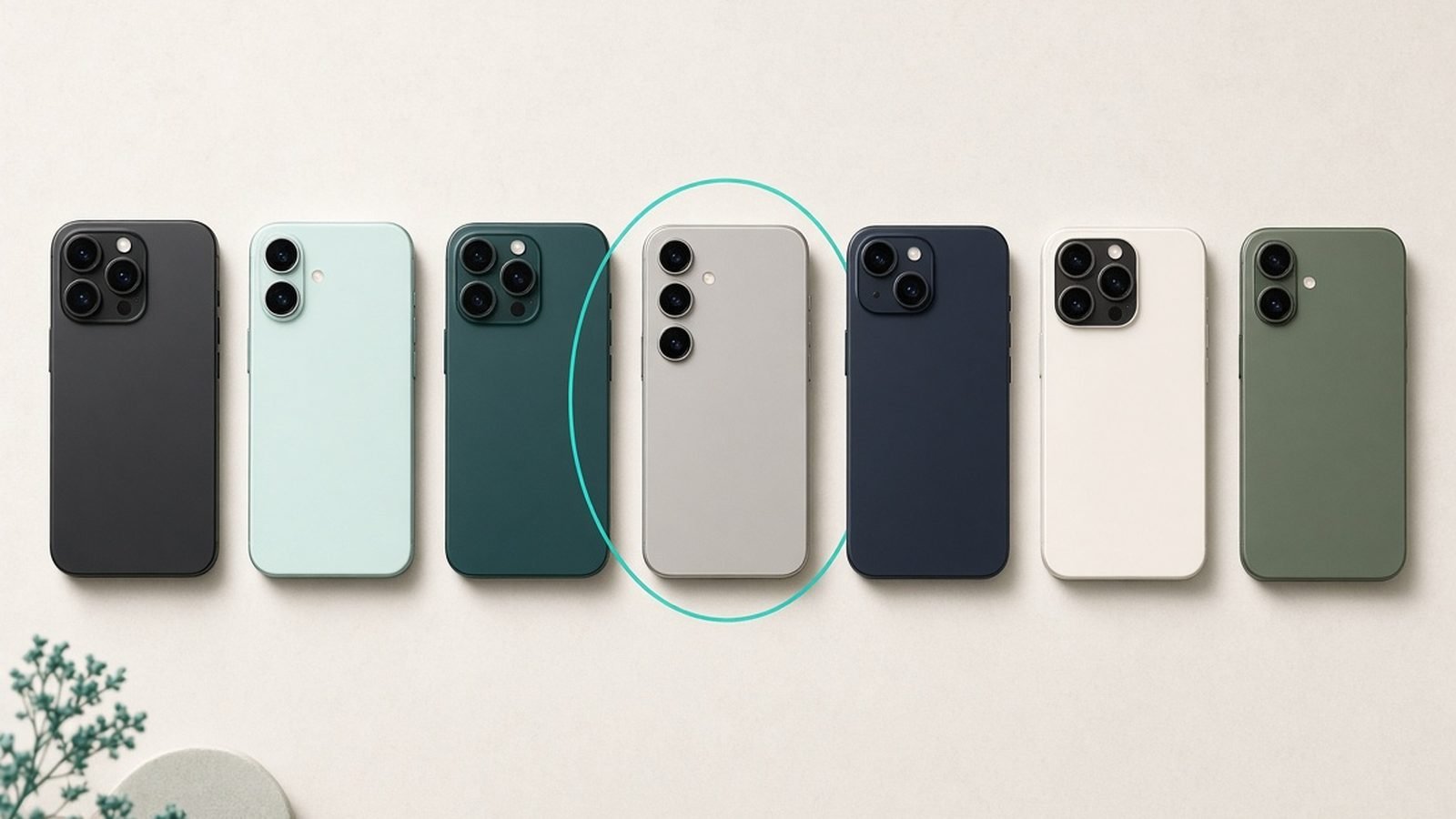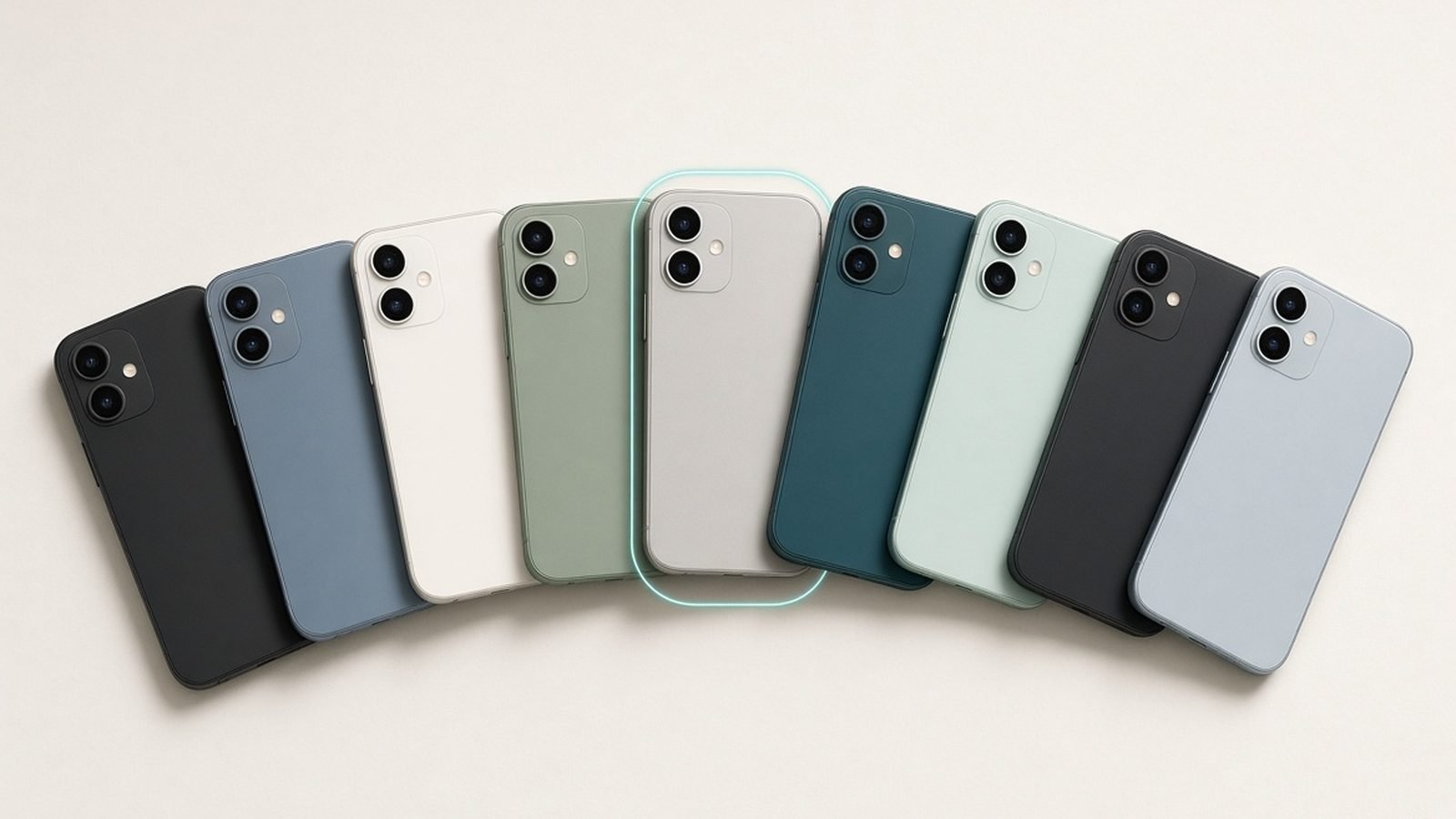
The best compact phone in 2026 is the iPhone 17 — at 6.3 inches with a fast A19 chip, a great camera and the year’s best one-handed balance of size and capability, it’s the small phone most people should buy. On Android, the Samsung Galaxy S26 and Google Pixel 10 are the standout compact flagships, and the Pixel 10a is the pick if you want small and cheap.
True pocket-sized phones have all but disappeared, so “compact” in 2026 means roughly 6.1 to 6.3 inches — usable in one hand without stretching, but still a modern flagship. This guide ranks five small phones worth buying, each with clear trade-offs. For the wider market, see Best Smartphones 2026: Top Picks for Every Budget; for Android specifically, Best Android Phones 2026: Flagship to Budget.
Best compact phone 2026 at a glance
| Pick | Phone | Screen | Best for | Price (US / UK) |
|---|---|---|---|---|
| Best overall | iPhone 17 | 6.3” | Most people, iOS | around $799 / £799 |
| Best small Pro | iPhone 17 Pro | 6.3” | Small + top specs | around $1,099 / £1,099 |
| Best Android | Galaxy S26 | 6.2” | One-handed Android | around $799 / £799 |
| Best small camera | Pixel 10 | 6.3” | Photography, small size | around $799 / £799 |
| Best budget compact | Pixel 10a | 6.1” | Small and cheap | around $499 / £449 |
How we picked
Our rankings are based on published specifications, manufacturer documentation, US and UK pricing and aggregated owner feedback — not on benchmarks we didn’t run. For compact phones we weight one-handed usability (size and weight), then how little you sacrifice to get it: performance, camera, display and, critically, battery life, which is the hardest thing to fit in a small body. We flag those compromises honestly. No manufacturer influences these picks.
Best overall: Apple iPhone 17
A19 chip, 6.3-inch 120Hz OLED, dual 48MP camera — around $799 / £799
The iPhone 17 is the best compact phone of 2026 because it asks for almost no compromise. At 6.3 inches it’s genuinely usable in one hand, yet it packs the fast A19 chip, a very good dual-camera system, and — new this year — a 120Hz display on the base model. Small no longer means second-rate.
Crucially, its battery life is good despite the compact body, and it slots into iOS with the longest software support of any phone here. For someone who wants a smaller phone without giving up flagship capability or years of updates, nothing else strikes the balance as well.
The trade-offs are minor: no telephoto lens (the Pro adds one), and it’s still a touch larger than the truly tiny phones of years past. But as the small phone we’d recommend to the most people, it’s the clear winner.
Pros:
- Genuinely one-handed at 6.3 inches
- Fast A19 chip and new 120Hz display
- Good battery life for a compact phone
- Longest software support of any phone here
Cons:
- No telephoto lens
- Larger than classic “mini” phones
- Base storage fills fast for heavy shooters
Who it’s for: Most people who want a smaller, capable phone with long support — especially iOS users.
Best small Pro: Apple iPhone 17 Pro
A19 Pro chip, 6.3-inch 120Hz OLED, triple 48MP camera — around $1,099 / £1,099
If you want the smallest phone that’s also the most powerful, the iPhone 17 Pro is it. It shares the standard iPhone 17’s compact 6.3-inch footprint but adds the fastest chip in any phone, a triple 48MP camera with a proper telephoto, titanium build and the best video capture available — all in a body you can still use one-handed.
This is the rare compact phone with zero performance or camera compromise. You get flagship zoom, pro video modes and years of headroom, without stepping up to a giant Pro Max. For power users who refuse to carry a big phone, it’s the answer.
The catches are price and weight: it’s the most expensive phone here, and the titanium build makes it heavier in the hand than the standard iPhone 17 despite the same screen size. If you want maximum capability in a small phone and budget isn’t the constraint, it’s unmatched. See our iPhone 17 Pro Review 2026: Apple's Best Yet?.
Pros:
- Most powerful phone available, in a compact body
- Triple 48MP camera with telephoto and best-in-class video
- One-handed 6.3-inch size with no spec compromise
- Longest software support and strong resale value
Cons:
- Most expensive phone in this guide
- Heavier than the standard iPhone 17
- Overkill for casual users
Who it’s for: Power users who want top-tier specs and camera without carrying a large phone.
Best Android: Samsung Galaxy S26
Snapdragon 8 Elite Gen 2, 6.2-inch 120Hz OLED, triple camera — around $799 / £799
The Galaxy S26 is the best compact Android flagship of 2026. At 6.2 inches it’s the smallest phone here and the most comfortable one-handed, yet it runs the same fast Snapdragon 8 Elite Gen 2 as Samsung’s giant Ultra, carries a very good triple camera, and gets seven years of updates.
It’s a proper flagship shrunk down: bright 120Hz OLED, the full One UI and Galaxy AI experience, and a genuinely pocketable size. For Android users who are tired of oversized phones but won’t sacrifice power or support, it’s the standout.
The compromise, as ever with small phones, is battery: the S26’s smaller cell is good rather than great, and heavy days may need a top-up. It also drops the Ultra’s S Pen and long zoom. But as a compact Android flagship, it’s the one to beat.
Pros:
- Smallest and most one-handed phone here
- Flagship Snapdragon chip and clean 120Hz display
- Seven years of updates
- Full Galaxy AI features
Cons:
- Smaller battery — good, not great endurance
- No S Pen and less zoom than the Ultra
- Charging trails Chinese rivals
Who it’s for: Android users who want a genuinely compact flagship with long software support.
Best small camera: Google Pixel 10
Tensor G5, 6.3-inch 120Hz OLED, dual camera — around $799 / £799
If your priority is a great camera in a small phone, the Pixel 10 is the pick. It brings Google’s reliable point-and-shoot photography — the same tap-once-and-get-a-keeper magic as the Pro — into a compact, one-hand-friendly 6.3-inch body, for the same $799 / £799 as its rivals.
Beyond the camera, it’s the cleanest, most helpful Android experience going, with seven years of updates and Google’s best AI features. The display is bright and the size is comfortable. For photographers who don’t want a big phone, it hits a sweet spot none of the others match.
The trade-offs: it drops the Pro’s dedicated telephoto (digital zoom only), Tensor G5 trails Apple and Qualcomm on raw speed, and charging is slow. If you shoot more than you game, none of that will bother you. More camera picks in Best Camera Phones 2026: For Photos & Video.
Pros:
- Reliable Pixel camera in a compact body
- Cleanest Android and seven years of updates
- Bright display and comfortable size
- Google’s best AI features
Cons:
- No telephoto — digital zoom only
- Tensor G5 trails on raw performance
- Slow charging
Who it’s for: Photography-first buyers who want Pixel image quality in a small, clean-software phone.
Best budget compact: Google Pixel 10a
Tensor-class chip, 6.1-inch OLED, dual camera, 7 years of updates — around $499 / £449
The Pixel 10a is the pick when you want small and cheap. At 6.1 inches it’s the most pocketable phone here, and at around $499 / £449 it’s by far the most affordable — yet it still packs a flagship-class camera and the same seven-year update promise as Google’s pricier phones.
It’s compact, light, easy to use one-handed, and takes photos that look startlingly close to the flagship Pixels in good light. For anyone who wants a genuinely small phone without spending flagship money, it’s the obvious choice.
The compromises match its price: a plastic body, a dimmer 60Hz-class display than the flagships, slower charging and less performance headroom. But the core experience — small size, great camera, long support — is exactly what a budget compact phone should deliver. More options in Best Budget Smartphones 2026: Under $400 / £400.
Pros:
- Smallest and cheapest phone here
- Flagship-class camera in good light
- Seven years of updates
- Light and comfortable one-handed
Cons:
- Plastic build and dimmer, lower-refresh display
- Slower charging and less performance headroom
- Battery is adequate, not outstanding
Who it’s for: Budget buyers who specifically want a small phone with a great camera and long support.
How to choose a compact phone
The small-phone market forces a few specific decisions:
- How small is small enough? The Pixel 10a (6.1”) and Galaxy S26 (6.2”) are the most one-handed; the 6.3-inch iPhones and Pixel 10 are slightly larger but still comfortable. Handle one if you can.
- Battery is the compromise. Small bodies mean smaller batteries. If endurance matters most, the iPhone 17 manages best of the compact group; heavy users may still want a top-up.
- iOS or Android? The iPhone 17 leads the category overall, but the Galaxy S26 and Pixel 10 are excellent compact Android flagships with seven-year support.
- Camera priority. For the best small camera, the Pixel 10 or iPhone 17 Pro; see Best Camera Phones 2026: For Photos & Video to weigh them properly.
FAQ
What is the best compact phone in 2026?
The iPhone 17 — at 6.3 inches it’s genuinely one-handed, with a fast A19 chip, a new 120Hz display, a good dual camera and the longest software support of any phone here. On Android, the Galaxy S26 (6.2”) and Pixel 10 (6.3”) are the best compact flagships.
What is the best small Android phone in 2026?
The Samsung Galaxy S26 at around $799 / £799. At 6.2 inches it’s the smallest phone in this guide, runs a flagship Snapdragon chip, and gets seven years of updates. The Pixel 10 is the alternative if you want the best small camera.
Are there any truly tiny phones left in 2026?
Not really — the pocket-sized “mini” era has ended. The smallest current flagships are around 6.1 to 6.2 inches (the Pixel 10a and Galaxy S26), which are usable one-handed but larger than the tiny phones of the past. Manufacturers moved on because bigger screens and batteries sell better.
Which compact phone has the best battery life?
Among compact phones, the iPhone 17 manages battery best relative to its size, comfortably lasting a normal day. Small bodies inherently limit battery capacity, so heavy users of any compact phone may need a midday top-up. If endurance is your top priority, a larger phone will always do better.
What is the best small phone with a good camera?
The Google Pixel 10 (6.3”) for point-and-shoot photography, or the iPhone 17 Pro (6.3”) if you also want telephoto zoom and the best video in a compact body. Both deliver flagship camera quality without a large footprint. See our Best Camera Phones 2026: For Photos & Video guide for the full ranking.
Should I buy a compact phone or a larger one?
Buy compact if one-handed comfort and pocketability matter more to you than screen real estate and battery life. Buy larger if you watch a lot of video, game, or want maximum endurance and zoom. The compact phones here give up the least they ever have, but a bigger phone still wins on battery and media.
Zen Tech Hub may earn a commission from links on this page, at no extra cost to you.