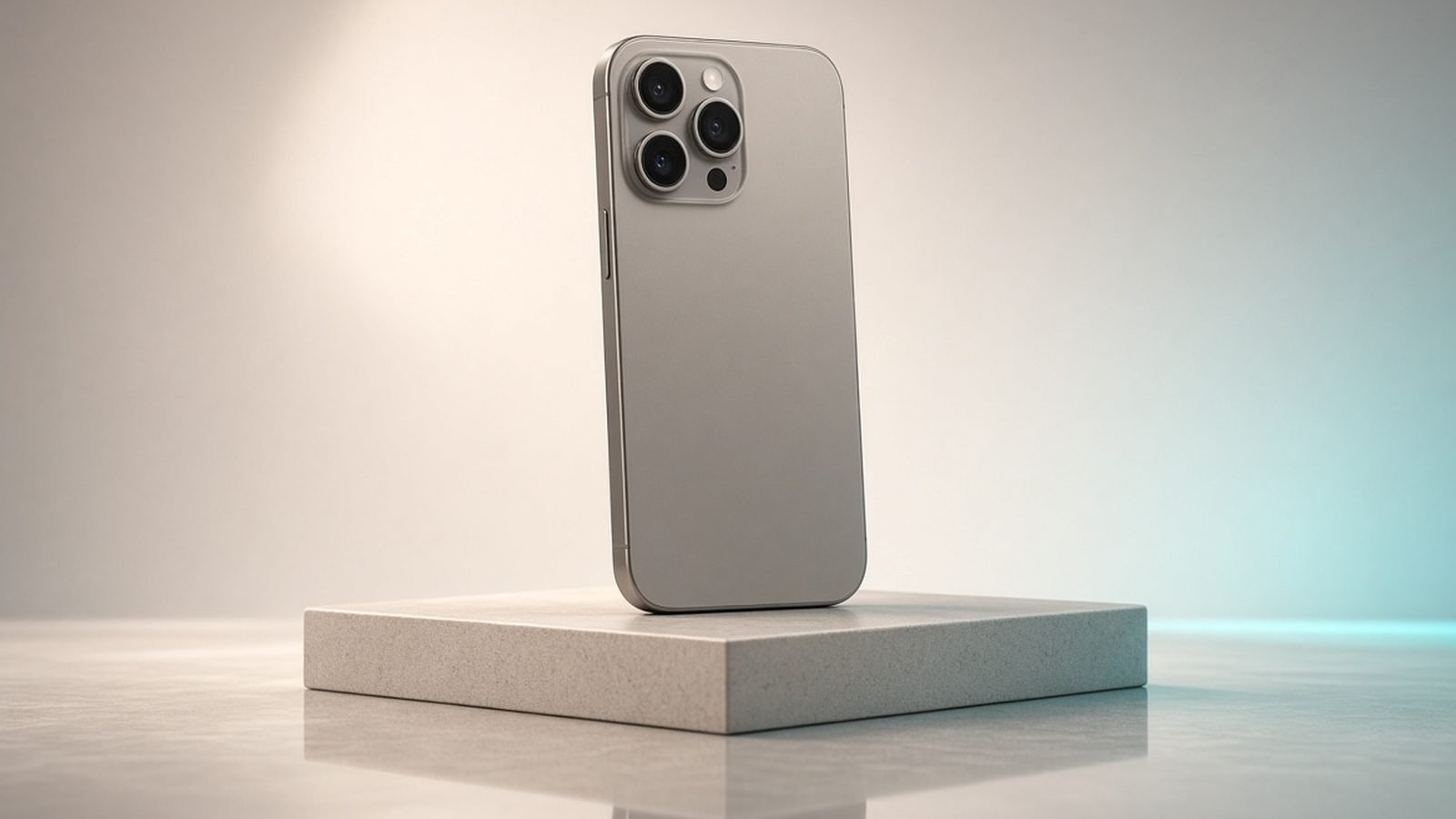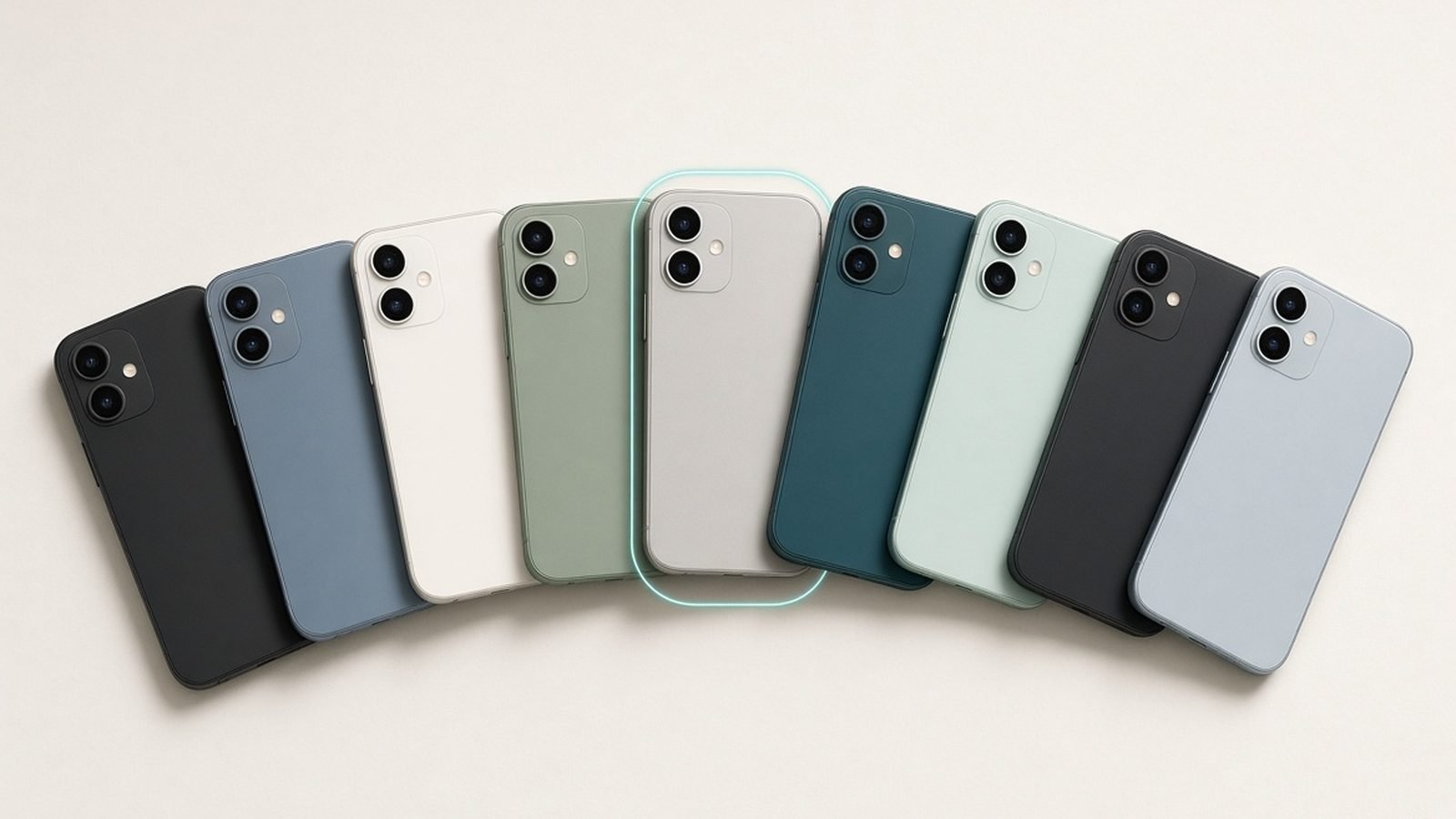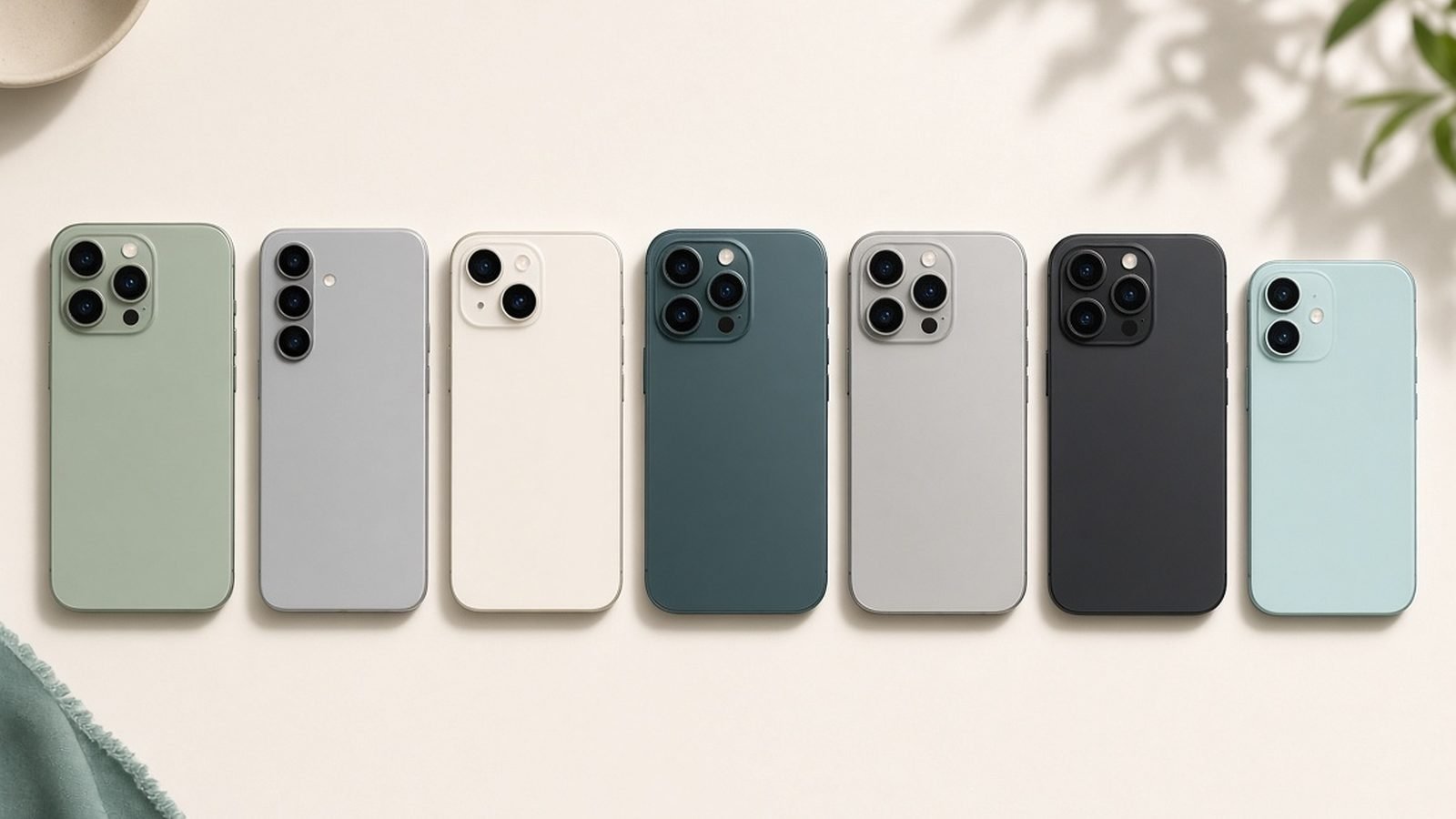
Camera-phone rankings usually reward the best photo a phone can take. This one rewards the most likely one. The metric that decides the order below is consistency — how often a phone hands you a keeper from a single tap in backlight, mixed indoor light or a dim restaurant — because that is what determines whether you actually come away with the shot, and it is where computational processing now counts for more than raw hardware. Weigh video, zoom reach and low-light behaviour alongside it and the best camera phone for you may not be the one at the top of the list: six phones are ranked here across flagship, compact and budget, each with the specific thing it does better than the others and the trade-off that comes with it.
This guide ranks six phones for photography and video in 2026, each with clear notes on its strengths, its weak spots, and who it suits. A word on honesty up front: these rankings come from published camera specs, sample analysis and aggregated owner feedback — not from lab charts we didn’t produce. For a general buying guide, see Best Smartphones 2026: Top Picks for Every Budget; for Android-only picks, see Best Android Phones 2026: Flagship to Budget.
Best camera phone 2026 at a glance
| Pick | Phone | Best for | Price (US / UK) |
|---|---|---|---|
| Best overall | Pixel 10 Pro | Point-and-shoot reliability | around $999 / £999 |
| Best for video | iPhone 17 Pro | Video, stabilisation | around $1,099 / £1,099 |
| Best zoom | Galaxy S26 Ultra | Zoom range, versatility | around $1,299 / £1,249 |
| Best value | iPhone 17 | Everyday photos | around $799 / £799 |
| Best compact camera | Pixel 10 | Camera in a small phone | around $799 / £799 |
| Best budget camera | Pixel 10a | Great photos, low price | around $499 / £449 |
How we picked
Zen Tech Hub camera rankings are based on published sensor and lens specifications, manufacturer documentation, analysis of publicly available sample images and video, and aggregated owner feedback across US and UK retailers. We do not fabricate lab scores or claim controlled testing we didn’t perform. We weight consistency (how often you get a good shot), video quality, zoom flexibility and low-light performance. Where owner consensus differs from marketing, we note it. No manufacturer influences these rankings.
Best overall: Google Pixel 10 Pro
Triple 50MP-class camera (main, ultrawide, 5x telephoto), Tensor G5 — around $999 / £999
The Pixel 10 Pro is the camera phone we’d recommend to almost anyone, because it wins the metric that matters most for real life: reliability. Google’s computational photography turns tricky scenes — backlight, mixed indoor lighting, moving kids, dim restaurants — into good photos with a single tap, more consistently than any rival. You don’t fuss with modes; you just get the shot.
Its strengths are point-and-shoot accuracy, superb HDR, class-leading auto white balance, and the most useful editing tools on any phone (Magic Editor, Best Take, Add Me). The 5x telephoto is sharp, and the ultrawide is strong. Portrait mode is the most natural-looking of the group.
Where it trails: video is very good but a clear step behind the iPhone, and zoom beyond 10x can’t match the Galaxy Ultra’s dual-telephoto reach. Tensor also processes a touch slower than Apple or Qualcomm. For stills-first shooters, none of that outweighs the sheer hit rate. See our Google Pixel 10 Pro Review 2026: Smartest Camera Phone.
Pros:
- Most reliable point-and-shoot photos of any phone
- Best HDR, white balance and computational editing tools
- Sharp 5x telephoto and strong ultrawide
- Most natural portrait mode
Cons:
- Video trails the iPhone 17 Pro
- Less zoom reach than the Galaxy S26 Ultra
- Slower image processing than Apple or Qualcomm
Who it’s for: Anyone who wants the highest hit rate on everyday photos with the least effort.
Best for video: Apple iPhone 17 Pro
Triple 48MP camera, A19 Pro, best-in-class video pipeline — around $1,099 / £1,099
If you shoot video, buy the iPhone 17 Pro — nothing else is close. Apple’s stabilisation, dynamic range, audio capture and, crucially, editing flexibility set the standard, and the 2026 model widens the lead with sharper low-light footage and improved pro modes. From casual clips to log-graded footage for editing, it’s the phone videographers and creators reach for.
The 2026 story for stills is that the iPhone finally competes at the top. All three lenses are now 48MP, including a much-improved tetraprism telephoto, and Apple’s colour science has moved away from the over-processed look, landing it as a genuine top-two stills camera. Its consistency and natural rendering are excellent.
The trade-offs: it’s the priciest of the top three, and for pure point-and-shoot stills the Pixel still edges it on hit rate in the hardest scenes. But as an all-rounder that leads on video and now competes on photos, it’s the best hybrid camera phone. Full detail in our iPhone 17 Pro Review 2026: Apple's Best Yet?.
Pros:
- Best video quality, stabilisation and editing on any phone
- Now a top-two stills camera with the 48MP triple system
- Natural colour and excellent consistency
- Class-leading for creators and hybrid shooters
Cons:
- Most expensive way to get the best video
- Pixel still edges it on point-and-shoot stills in hard light
- Heavy
Who it’s for: Video-first shooters, creators and anyone who wants the best hybrid photo-and-video phone.
Best zoom: Samsung Galaxy S26 Ultra
200MP main + dual telephoto (3x and 5x periscope) + ultrawide — around $1,299 / £1,249
For reach, nothing beats the Galaxy S26 Ultra. Its 200MP main sensor and two dedicated telephoto lenses — a 3x and a 5x periscope — give it the most flexible zoom range of any mainstream phone, usable from portraits to distant stages and wildlife. At 3x, 5x and 10x it produces genuinely sharp results, and even higher digital zooms hold up better than rivals thanks to that huge main sensor.
Beyond zoom, it’s a versatile all-rounder: excellent detail in good light, a strong ultrawide, capable video, and Samsung’s most complete camera app with abundant pro controls. If you like to shoot tight, or you want one phone that covers every focal length, this is it.
The catches: Samsung’s processing can look punchier and more saturated than the Pixel’s more natural rendering, and video, while good, trails the iPhone. It’s also the biggest and priciest phone here. For zoom-hungry shooters, the reach justifies it. See our Samsung Galaxy S26 Ultra Review 2026: Android's Best.
Pros:
- Most flexible zoom range of any phone (dual telephoto)
- Huge 200MP sensor and strong detail in good light
- Versatile across every focal length
- Deep manual/pro camera controls
Cons:
- Processing can look punchier/more saturated than the Pixel
- Video trails the iPhone 17 Pro
- Big, heavy and expensive
Who it’s for: Zoom lovers and versatility seekers who want every focal length in one phone.
Best value: Apple iPhone 17
Dual 48MP camera, A19 chip — around $799 / £799
You don’t need a Pro to get a great camera. The standard iPhone 17’s dual 48MP system covers the shots most people actually take — main and ultrawide — with the same excellent colour, HDR and video quality that make iPhones so dependable. For $300 less than the Pro, it’s the value camera pick.
Photos are consistent and natural, video is excellent (still better than most Android phones), and the point-and-shoot experience is effortless. For anyone who mostly shoots at 1x and occasionally goes wide, this is all the camera they need.
What you give up is the telephoto lens and the Pro’s best pro-video modes and low-light polish. If you rarely zoom optically, you won’t miss them. For a smaller Android alternative with a great camera, look at the Pixel 10 below.
Pros:
- Excellent everyday photos and video for $300 less than the Pro
- Same dependable colour and HDR as the Pro
- Effortless point-and-shoot experience
- Lighter than the Pro
Cons:
- No telephoto lens
- Misses the Pro’s best video modes and low-light polish
- Base storage fills fast for heavy shooters
Who it’s for: Buyers who want a genuinely great camera for everyday shots without paying for Pro zoom and video.
Best compact camera phone: Google Pixel 10
Dual camera (main + ultrawide), Tensor G5, 6.3-inch body — around $799 / £799
Want the Pixel camera magic in a smaller, cheaper phone? The standard Pixel 10 delivers most of the Pro’s photographic strengths — the same reliable point-and-shoot processing, the same excellent HDR and editing tools — in a more compact, one-hand-friendly body for $200 less.
It keeps Google’s headline advantage: you tap once and get a great photo in tricky light. Portraits look natural, colours are true, and the ultrawide is solid. For everyday photography it’s nearly indistinguishable from the Pro.
The main compromise is the loss of the Pro’s dedicated 5x telephoto — the Pixel 10 relies on digital zoom, which is fine at short reach but can’t match the Pro or the Galaxy Ultra further out. If you rarely zoom, it’s the smart-value camera phone. For more small phones, see Best Compact Phones 2026: Great Small Smartphones.
Pros:
- Pixel’s reliable point-and-shoot camera in a compact body
- Excellent HDR, colour and editing tools
- $200 cheaper than the Pixel 10 Pro
- Natural portraits and strong ultrawide
Cons:
- No dedicated telephoto — digital zoom only
- Less low-light headroom than the Pro
- Tensor processes slower than Apple/Qualcomm
Who it’s for: Photographers who want Pixel image quality in a smaller, cheaper phone and rarely need long zoom.
Best budget camera phone: Google Pixel 10a
Dual camera, Tensor-class chip, 6.1-inch OLED — around $499 / £449
The Pixel 10a proves you don’t need to spend $1,000 for great photos. It runs Google’s camera pipeline, so in good light its images look startlingly close to the flagship Pixels — easily the best photos you can get under $500 / £450. For casual photographers on a budget, it’s a genuine bargain.
You get the same reliable auto processing, true colours and natural portraits, plus Google’s editing tools. In daylight and decent indoor light, most people couldn’t tell its photos from a Pixel 10 Pro’s.
The compromises show in harder conditions: low-light shots are noisier, there’s no telephoto, and the slower chip means a slight lag when processing bursts. But for the price, the image quality is unmatched. More budget options in our Best Budget Smartphones 2026: Under $400 / £400 guide.
Pros:
- Best photos under $500 thanks to Google’s pipeline
- Reliable auto processing and natural colour
- Google’s editing tools included
- Compact and easy to hold
Cons:
- Noisier low-light shots than the flagships
- No telephoto lens
- Slower burst processing
Who it’s for: Budget buyers who want the best possible camera without spending flagship money.
How to choose a camera phone
Match the phone to how you actually shoot:
- Point-and-shoot reliability: The Pixel 10 Pro (or cheaper Pixel 10 / 10a) gives the highest hit rate with the least effort. This is what most people want.
- Video and creation: The iPhone 17 Pro is the clear pick — nothing matches its stabilisation and editing flexibility.
- Zoom and versatility: The Galaxy S26 Ultra’s dual telephoto reaches furthest and covers every focal length.
- Budget: The Pixel 10a delivers 80% of the flagship photo experience in good light for half the price.
- Size: If you want a great camera in a small phone, the Pixel 10 or iPhone 17 are the picks — see Best Compact Phones 2026: Great Small Smartphones.
FAQ
What is the best camera phone in 2026?
For most people, the Google Pixel 10 Pro — it takes the most reliable point-and-shoot photos of any phone. The iPhone 17 Pro is best for video, and the Galaxy S26 Ultra offers the most zoom range. Choose based on whether you prioritise everyday stills, video or zoom.
Is the Pixel 10 Pro or iPhone 17 Pro better for photos?
The Pixel 10 Pro edges it for point-and-shoot stills, with the highest hit rate in tricky light and the most natural processing. The iPhone 17 Pro is now a very close second on photos and clearly ahead on video. For pure photography, take the Pixel; for a photo-and-video hybrid, take the iPhone.
What phone has the best zoom in 2026?
The Samsung Galaxy S26 Ultra, thanks to its dual telephoto setup (3x and 5x periscope) plus a 200MP main sensor. It stays sharp at 3x, 5x and 10x and holds up at higher digital zooms better than any rival. It’s the clear pick for anyone who shoots distant subjects.
What is the best camera phone for video in 2026?
The iPhone 17 Pro, by a wide margin. Its stabilisation, dynamic range, audio capture and editing flexibility lead the market, and it supports pro log formats for serious creators. No Android phone matches its overall video pipeline.
What is the best budget camera phone in 2026?
The Google Pixel 10a at around $499 / £449. It uses Google’s camera pipeline, so in good light its photos look close to the flagship Pixels — easily the best image quality under $500. Low-light and zoom are its weak points.
Do more megapixels mean a better phone camera?
No. Sensor size, lens quality, and especially image processing matter far more than raw megapixel count. The Pixel 10 Pro uses relatively modest resolution sensors yet outshoots the 200MP Galaxy Ultra on point-and-shoot reliability, because Google’s processing is superb. Judge by results, not spec-sheet numbers.
Zen Tech Hub may earn a commission from links on this page, at no extra cost to you.