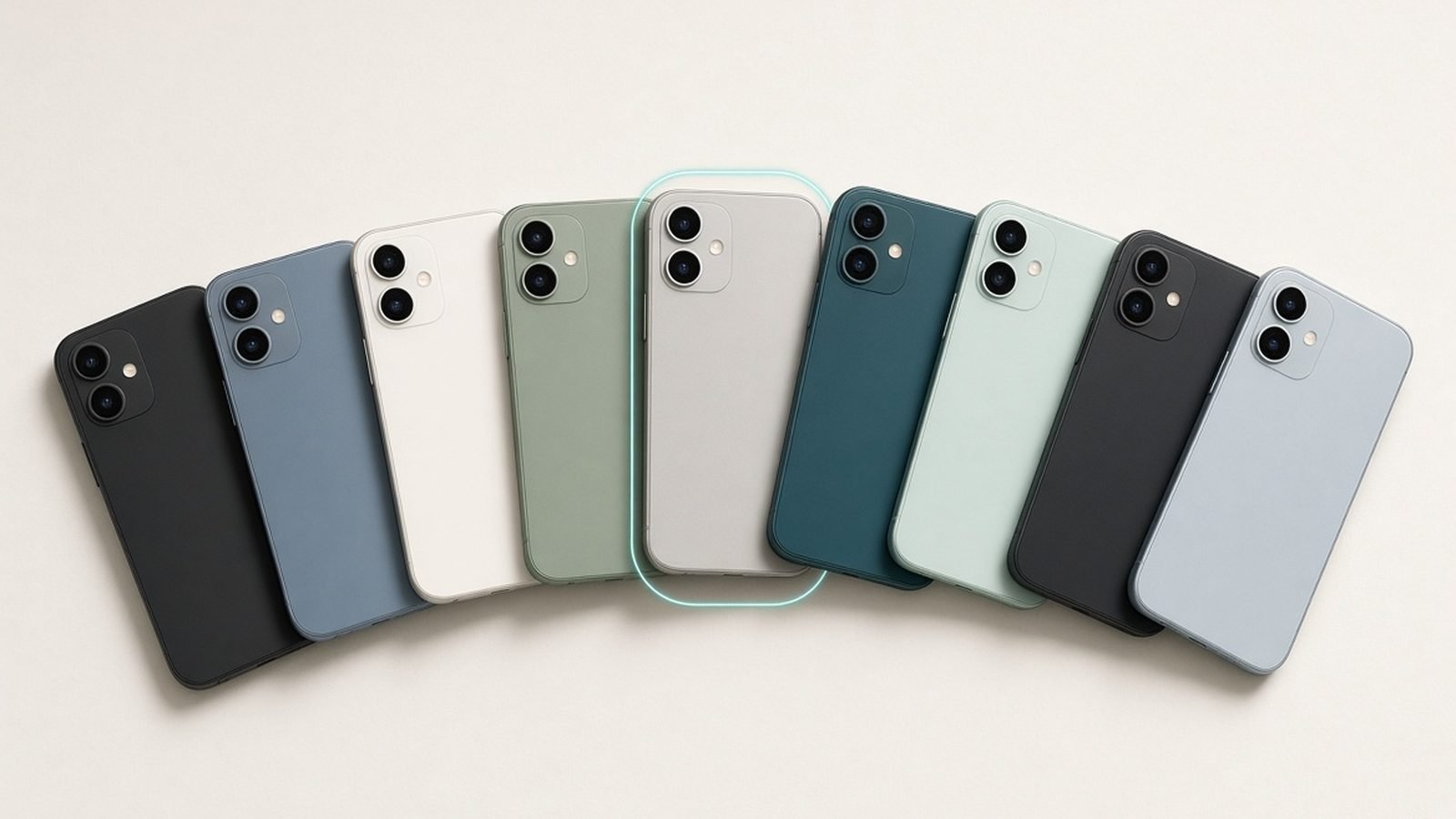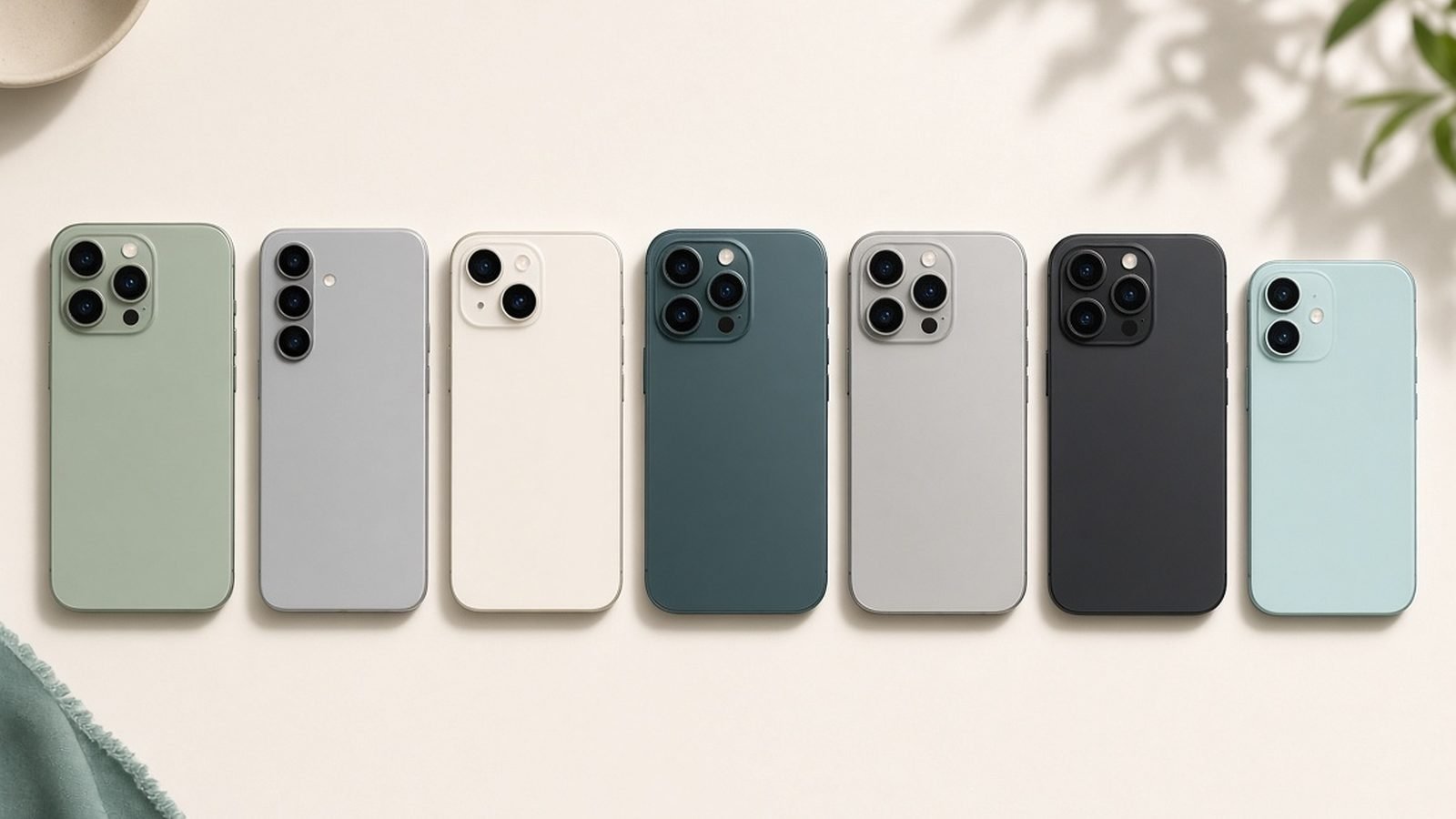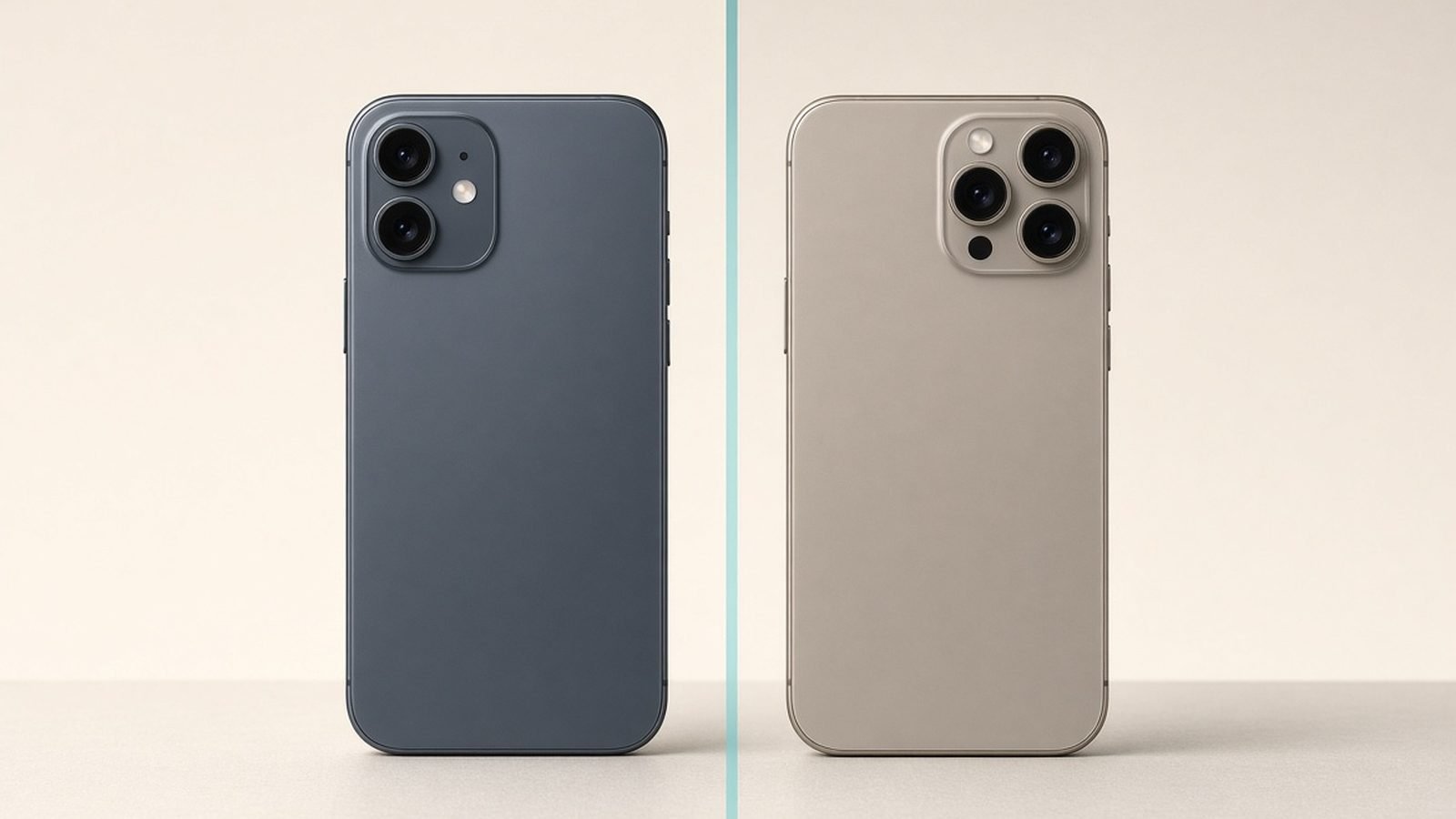
The honest answer to iPhone vs Android in 2026 is that there’s no wrong choice — pick iPhone for a seamless, low-maintenance experience that works flawlessly with other Apple devices, and pick Android for more choice, customisation, value and hardware variety. Both platforms are mature, secure and capable of anything a phone should do. The right pick depends on what you already own and how much you like to tinker.
If most of your household uses Macs, iPads, AirPods and Apple Watches, an iPhone slots in effortlessly and you’ll rarely think about it again. If you want to choose from dozens of phones at every price, customise how your phone works, or get the most hardware for your money, Android is the more flexible world. This guide compares the two platforms across the factors that actually change your day-to-day experience.
iPhone vs Android at a glance
| Factor | iPhone (iOS) | Android | Winner |
|---|---|---|---|
| Ease of use | Simple, consistent | Flexible, varies by brand | iPhone |
| Customisation | Limited but improving | Extensive | Android |
| Hardware choice | A few models | Hundreds, all price points | Android |
| Ecosystem | Best-in-class (Apple devices) | Strong (Google services) | iPhone |
| AI features | Apple Intelligence | Gemini / Galaxy AI | Split |
| Video recording | Class-leading | Excellent (Samsung, Pixel) | iPhone |
| Value at low/mid range | Limited | Outstanding | Android |
| Software updates | ~7 years, all at once | ~7 years on flagships | Tie (flagships) |
| Privacy defaults | Strong, on-device focus | Strong on Pixel; varies | iPhone (defaults) |
- Choose iPhone if: you value simplicity, tight integration with Apple devices, best-in-class video and strong resale value.
- Choose Android if: you want customisation, hardware choice, better value, or specific features like a stylus or long zoom.
- Either way you win: both platforms are secure, fast and well-supported on current flagships.
For specific phones, our Best Smartphones 2026: Top Picks for Every Budget roundup ranks the best of both platforms, and our iPhone 17 Pro Review 2026: Apple's Best Yet?, Samsung Galaxy S26 Ultra Review 2026: Android's Best and Google Pixel 10 Pro Review 2026: Smartest Camera Phone cover the leading flagships in depth.
Ease of use and setup
The iPhone’s biggest strength is that it just works. iOS is consistent across every model, updates arrive for all supported phones at once, and there’s very little to configure or maintain. For people who want a phone that fades into the background — and for less tech-savvy family members — the iPhone is the lower-friction choice.
Android is more variable because it’s made by many companies. A Pixel offers a clean, Apple-like simplicity; a Samsung Galaxy is feature-dense and more customisable; a budget phone from another brand may look and behave quite differently. This range is a strength if you want choice, but it means the “Android experience” depends heavily on which phone you buy.
Verdict: iPhone for consistency and simplicity, Android for choosing your own experience.
Customisation and flexibility
This is Android’s home turf. You can change launchers, set default apps for browsing and messaging, resize and place widgets freely, sideload apps outside the store, and tweak system behaviour to a degree iOS doesn’t allow. For people who like to make a phone truly theirs, Android is liberating.
iOS has loosened up — customisable home screens, widgets, a more flexible lock screen, tinted icons and (in some regions) alternative app stores — but it’s still more locked down by design. Apple trades flexibility for consistency and security, which many people prefer. If you never want to fiddle with settings, that trade is a feature.
Verdict: Android for deep customisation, iPhone for curated consistency.
Ecosystem and continuity
If you own other Apple products, the iPhone is hard to beat. iMessage, FaceTime, AirDrop, Handoff, Universal Clipboard, AirPods auto-switching and Apple Watch integration create a genuinely seamless web across devices. Leaving the iPhone means giving up some of that glue, which is why Apple’s ecosystem is so sticky.
Android’s ecosystem is built around Google services — Gmail, Drive, Photos, Maps — which work superbly and, crucially, across both platforms. Samsung has its own device continuity (Galaxy Buds, Watch, tablets, DeX), and cross-brand Android continuity is improving. But nothing matches Apple’s device-to-device polish if you’re all-in on Apple hardware.
The practical question is where your other devices live. If you use a Windows PC, Google’s cross-platform services actually integrate more smoothly with Android than an iPhone does — your photos, files and messages follow you regardless of which computer you’re on. If you use a Mac, the iPhone’s advantage compounds: features like answering calls on your laptop, copying text on one device and pasting on another, and unlocking your Mac with your Watch all work with zero setup. Be honest about which camp you’re in before you decide, because the ecosystem lock-in is real in both directions.
Verdict: iPhone for Apple-device continuity, Android for platform-agnostic Google services.
Cameras and AI
At the top end, both platforms take superb photos, so this comes down to specifics. iPhones lead on video — Apple’s recording pipeline is the benchmark creators rely on. Google’s Pixel leads on computational photography and point-and-shoot reliability, while Samsung’s Galaxy Ultra leads on zoom range and versatility.
On AI, it’s a genuine split. Apple Intelligence adds on-device writing tools, summarisation and a smarter Siri with a strong privacy focus. Android’s Gemini (on Pixel) and Galaxy AI (on Samsung) are more feature-rich right now, with live translation, generative photo editing and deeper assistant integration. If cutting-edge AI features matter most, Android currently offers more; if you want AI woven quietly and privately into the OS, Apple’s approach appeals.
The pace of change here is worth factoring in. Google ships new AI capabilities to Pixels through frequent Feature Drops, so an Android phone often gains meaningful new tricks mid-life. Apple tends to bundle larger AI updates into its annual iOS releases, which arrive across every supported iPhone at once but less frequently. Neither approach is strictly better — Android moves faster and more experimentally, while Apple’s is slower and more polished when it lands. If you enjoy having the newest features early, that leans Android; if you’d rather features arrive fully baked, that leans Apple.
Verdict: iPhone for video and private AI, Android for camera range and richer AI features today.
Price and hardware choice
Android wins decisively on value and variety. There are outstanding Android phones at every price — genuinely good sub-$300 / £300 devices, strong mid-rangers, and flagships that often undercut Apple. You can also find niche form factors Apple doesn’t make, like foldables (see our Best Smartphones 2026: Top Picks for Every Budget context for where those fit) and phones with a stylus or extreme zoom.
Apple’s line-up is smaller and starts higher, though the iPhone holds its resale value better, which lowers the real cost if you upgrade regularly. If you want the most phone for the least money, or a specific form factor, Android is the answer. If you want a narrow, dependable range and strong resale, Apple’s approach works.
Verdict: Android for value and variety, iPhone for resale value and a simpler line-up.
Privacy and security
Both platforms are secure when kept updated, and both now offer strong privacy controls. Apple has made privacy a core marketing pillar, with on-device processing, App Tracking Transparency and tight defaults that limit data sharing out of the box — a real advantage for people who don’t want to manage settings.
Android’s privacy has improved substantially, and a Pixel running stock Android with Google’s security features is highly secure and private. The caveat is variability: privacy and update behaviour depend on the manufacturer, so a cheap phone from a lesser-known brand may not match a Pixel or Galaxy. On current flagships from Google and Samsung, the real-world gap is small.
Verdict: iPhone for the strongest defaults, Android for strong privacy on well-chosen flagships.
Which should you choose?
There’s no universal winner — the right platform depends on you.
Choose iPhone if you want simplicity, seamless integration with other Apple devices, the best video recording and strong resale value. It’s ideal for people who’d rather not think about their phone, for families already using Apple products, and for creators who film a lot.
Choose Android if you want customisation, hardware choice, better value or specific features like a stylus, extreme zoom or a foldable design. It’s ideal for tinkerers, value seekers, photography enthusiasts who want reach, and anyone who prefers Google’s services. The Pixel 10 Pro vs Galaxy S26 Ultra 2026: Best Android? comparison helps you pick between the two best Android flagships.
Still torn between the very top phones? Our iPhone 17 Pro vs Galaxy S26 Ultra 2026: Which Wins? head-to-head weighs the leading iOS and Android flagships directly.
FAQ
Is iPhone or Android better in 2026?
Neither is universally better — it depends on your priorities. The iPhone is simpler, integrates best with other Apple devices and leads on video. Android offers more customisation, hardware choice and value, plus features like styluses and foldables. Pick the iPhone for a low-maintenance, ecosystem-friendly experience; pick Android for flexibility and getting more for your money.
Should I switch from iPhone to Android?
Switch if you want more customisation, a wider choice of hardware, better value or specific features Apple doesn’t offer. Stay with iPhone if you rely on iMessage, FaceTime and tight integration with a Mac, iPad or Apple Watch. Migration tools move most of your data across, but you’ll lose some Apple-only services, so weigh how much you use them before switching.
Which platform is more secure and private?
Both are secure when updated, and both offer strong privacy controls. The iPhone has the strongest privacy defaults out of the box, with heavy on-device processing and tight tracking limits. A Google Pixel running stock Android is also highly private and secure. The main difference is consistency — Apple’s approach is uniform, while Android privacy varies by manufacturer.
Do Android phones get updates as long as iPhones?
On flagships, yes. Google and Samsung now provide around seven years of OS and security updates on their top phones, matching Apple’s typical support window. The difference is breadth: Apple supports its entire (smaller) line-up for years, while Android’s longest support is concentrated on premium models. Budget and older Android phones often receive fewer updates.
Is Android better value than iPhone?
Generally, yes — especially at the low and mid range. Android offers genuinely good phones at every price, often undercutting Apple, and includes form factors Apple doesn’t make. However, iPhones hold their resale value better, which lowers the real cost over time if you upgrade regularly. For upfront value and choice, Android wins; for resale, Apple does.
Can I keep my number and data when switching platforms?
Yes. Your phone number transfers with your SIM or eSIM regardless of platform. Both Apple and Google provide migration tools that move contacts, photos, calendars and most app data. The main friction points are iMessage (deregister your number when leaving iPhone) and platform-locked purchases or subscriptions, which may not carry over. Cloud-based data like email and photos moves easily.
Zen Tech Hub may earn a commission from links on this page, at no extra cost to you.