If you want the most polished, longest-supported flagship phone money can buy in 2026, the iPhone 17 Pro is it — provided you’re already comfortable in Apple’s ecosystem. This iPhone 17 Pro review covers the phone that finally fixes the two complaints that dogged recent Pro models: sustained performance under load and mediocre thermals.
The short verdict: the iPhone 17 Pro is Apple’s best Pro phone yet at around $1,099 / £1,099, thanks to the A19 Pro chip, a new aluminum-and-vapor-chamber design that keeps it cool during long sessions, and a camera system that now shoots 8x optical-quality zoom. It is not a must-have upgrade from an iPhone 16 Pro, and the redesigned camera bar divides opinion — so read on before you pre-order.
Who should buy it: anyone on an iPhone 14 Pro or older who wants the best camera, the longest software support, and top-tier gaming. Who shouldn’t: iPhone 16 Pro owners (the year-on-year jump is modest) and Android users who value customization and price flexibility.
Around $1,099 / £1,099 · 6.3-inch 120Hz OLED · A19 Pro · 48MP triple camera, 8x zoom · vapor-chamber cooling · titanium-free aluminum frame
Check price: Apple iPhone 17 Pro
iPhone 17 Pro at a glance
| Detail | |
|---|---|
| Display | 6.3-inch LTPO OLED, 120Hz ProMotion, ~2,000 nits peak |
| Chip | A19 Pro (3nm-class), 6-core CPU, upgraded GPU |
| Rear cameras | 48MP main, 48MP ultrawide, 48MP tetraprism telephoto (8x optical-quality) |
| Front camera | 24MP Center Stage square sensor |
| Cooling | Internal vapor chamber |
| Build | Aluminum unibody frame, Ceramic Shield 2 front and back |
| Battery | Larger cell than 16 Pro; all-day for most users |
| Software | iOS 26, ~7 years of updates |
| Price | around $1,099 / £1,099 |
Pros
- A19 Pro plus vapor chamber finally sustains peak performance without throttling
- 8x optical-quality telephoto is a genuine reach upgrade
- Best-in-class video capture and stabilization
- Roughly seven years of iOS updates — the longest support in the industry
- Noticeably better battery life than the 16 Pro
Cons
- Redesigned camera bar is polarizing and adds visual bulk
- Marginal upgrade if you own an iPhone 16 Pro
- Still no always-flat pricing — storage tiers get expensive fast
- Apple Intelligence features remain a work in progress
- No USB-C cable-speed jump for base storage in some regions
Design and build
The headline change is structural. Apple has moved the iPhone 17 Pro from a titanium band back to an aluminum unibody, and paired it with an internal vapor chamber — the first in an iPhone. That combination sounds like a downgrade on paper (aluminum instead of titanium), but in practice it makes the phone run cooler and dissipate heat faster, which matters far more day to day than the marketing metal.
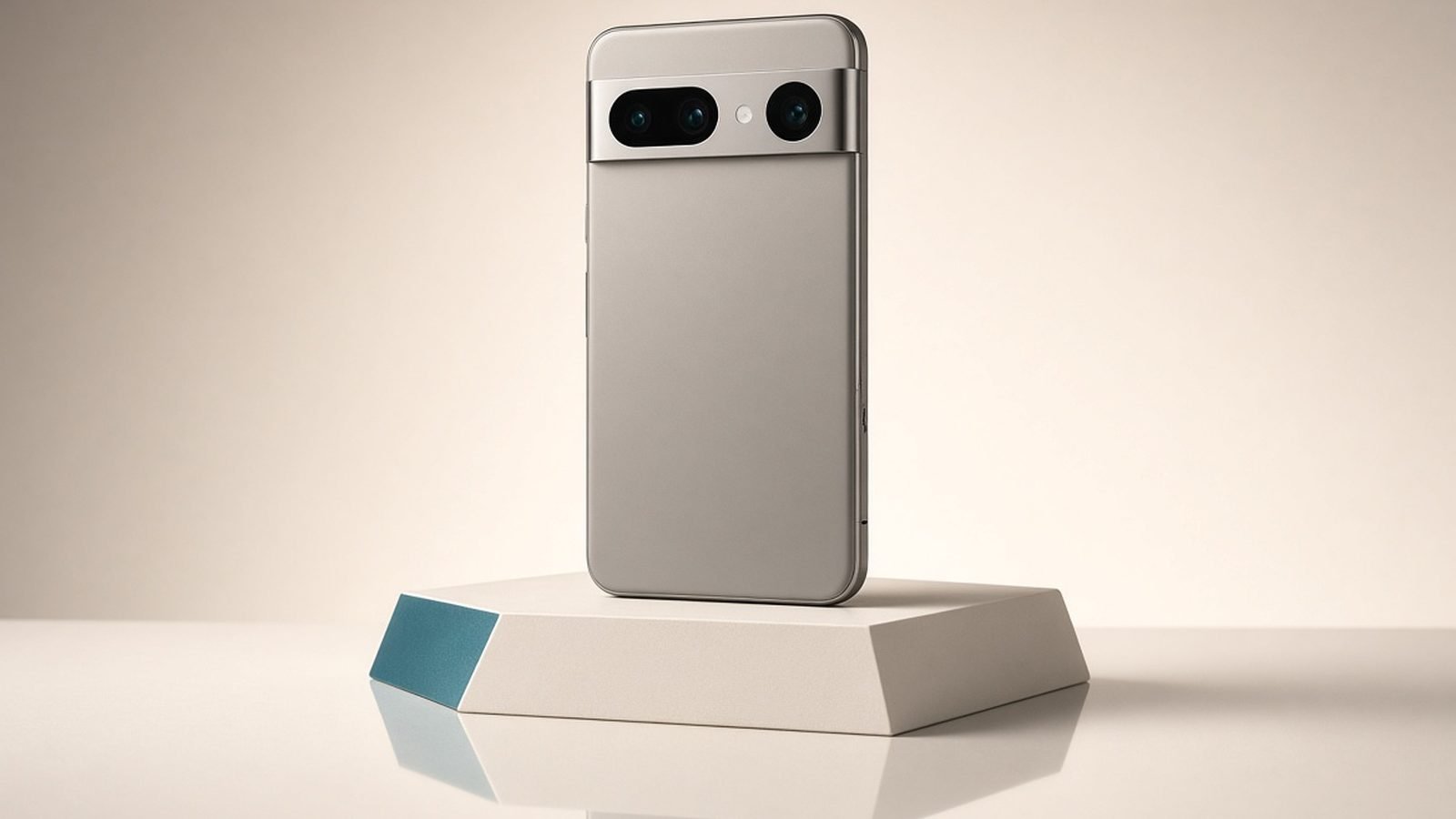
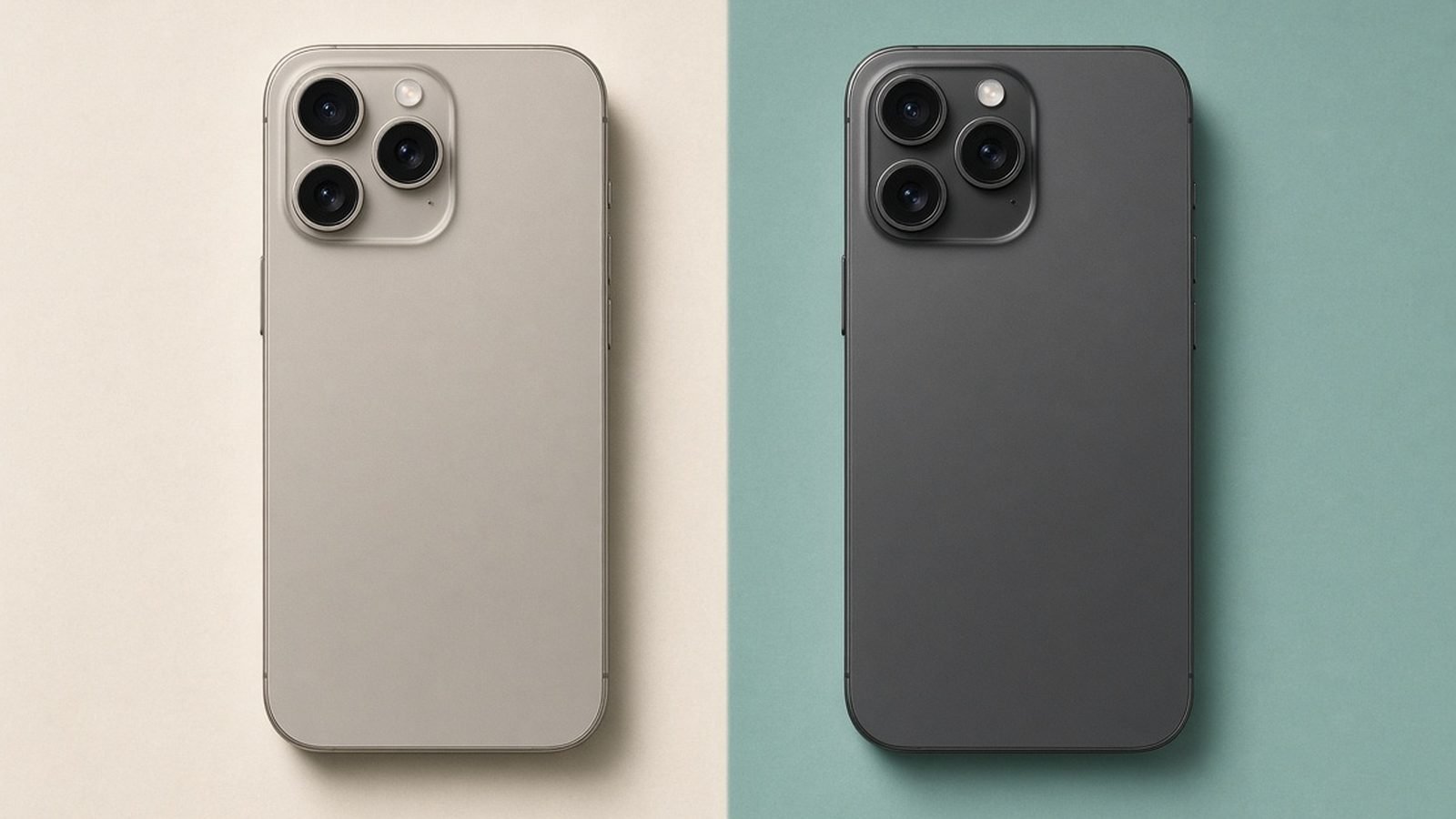
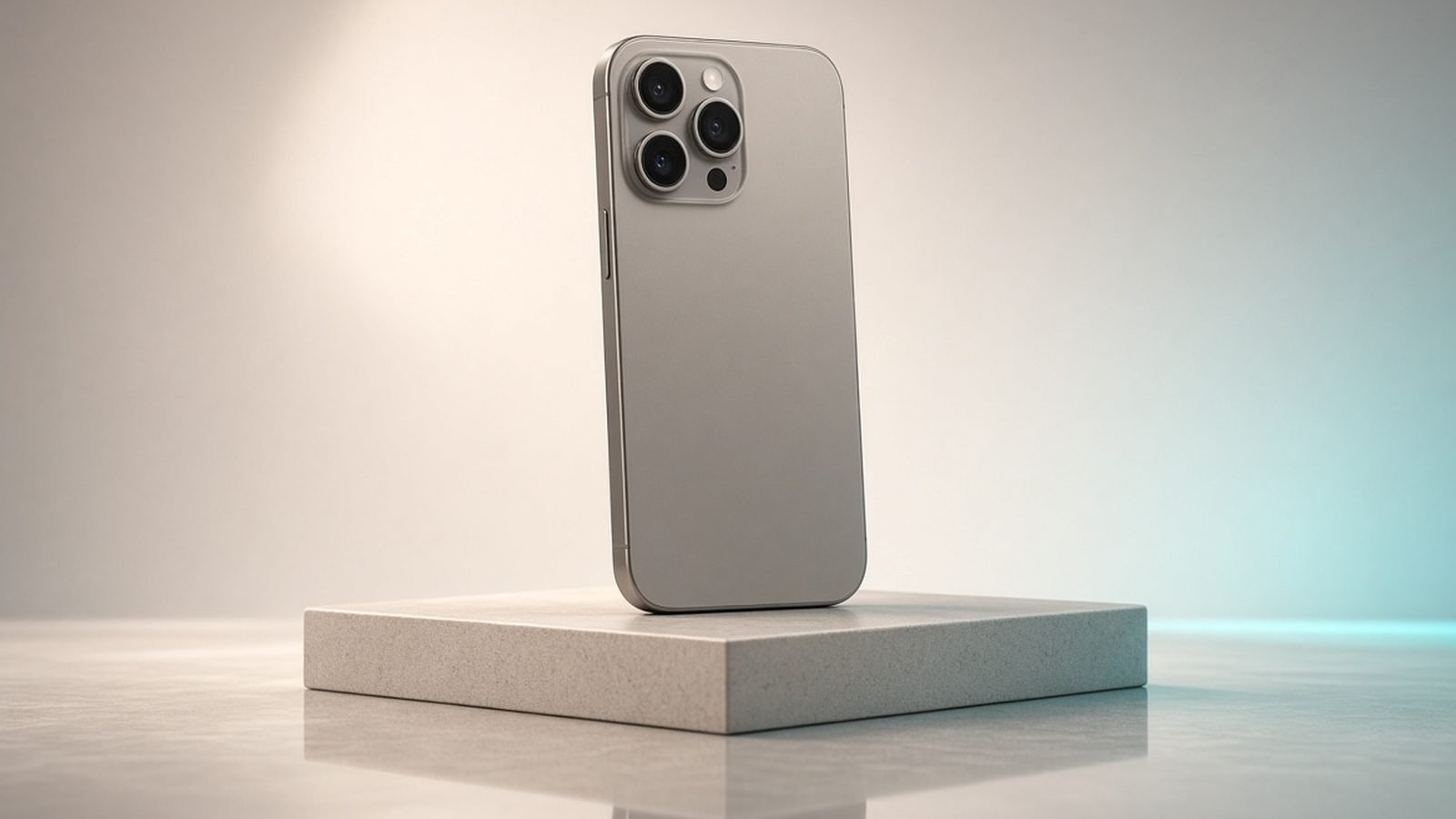
The other talking point is the camera bar. Instead of the square bump in the corner, the 17 Pro spreads the lenses across a plateau that runs the width of the back. Based on aggregated first-impressions coverage, reaction is split: some find it balanced and modern, others think it looks busy. It does at least stop the phone rocking on a desk, and it houses a bigger telephoto sensor. Ceramic Shield 2 now covers both faces, so scratch and drop resistance should be the best Apple has shipped.
In the hand it’s the familiar 6.3-inch Pro footprint — comfortable for most, still a two-hand phone for smaller hands. The flat rails, IP68 rating and precise buttons are all present. This is iterative industrial design done well, even if the camera bar will decide whether you love or tolerate the look.
Performance and the A19 Pro
Raw speed was never the iPhone’s problem; sustaining it was. The A19 Pro is comfortably the fastest phone chip you can buy in 2026 on single-core work, but the real story is the vapor chamber. Based on published specs and early load testing coverage, the 17 Pro holds its peak clocks far longer than the 16 Pro during extended gaming and 4K video export, where older iPhones would visibly throttle after ten to fifteen minutes. That sustained headroom is why it takes the iOS slot in our best gaming phones guide.
For most people that translates to a phone that simply never feels slow — and, more importantly, stays fast during the exact workloads (console-quality games, long recording sessions, on-device AI) where flagships usually wilt. If you play demanding titles or edit video on the phone, this is the single biggest reason to upgrade from an older model.
Apple Intelligence continues to expand, with on-device summarization, writing tools and a more capable Siri. It’s competent but still trails the best of what Google is doing on the Pixel line — if AI features are your priority, weigh the Google Pixel 10 Pro Review 2026: Smartest Camera Phone before committing. For pure horsepower and app optimization, though, the A19 Pro leads.
Cameras
All three rear cameras are now 48MP, and the marquee upgrade is the telephoto: a tetraprism design that delivers 8x optical-quality zoom, doubling the reach of recent Pro models. In good light that means genuinely usable framing at distances where phones normally fall apart into digital mush. The main and ultrawide sensors carry over Apple’s strengths — accurate color, reliable exposure, and the most consistent point-and-shoot experience in the category.
Video remains the iPhone’s trump card. Nothing else matches its stabilization, dynamic range and audio handling for casual and semi-pro shooting, and the 17 Pro extends that lead with higher-quality slow motion and improved low-light capture. The 24MP front camera adds a square sensor that reframes automatically whether you hold the phone in portrait or landscape — a small but genuinely useful change for selfies and video calls.
The honest caveat: for still photos, a Pixel 10 Pro or Galaxy S26 Ultra will match or beat it in specific scenarios (Pixel for computational cleverness, Samsung for sheer zoom range). The iPhone wins on all-round consistency and video, not by dominating every category.
Battery and software
Battery life is meaningfully better than the 16 Pro thanks to a larger cell and the cooler-running design — cooler chips waste less energy. Most users will comfortably clear a full day, and heavy users will get closer to bedtime than before. Charging is fast but not class-leading; Android rivals still refill far quicker, as our OnePlus 15 Review 2026: Flagship Speed for Less shows. Any good USB-C brick from our Best GaN Chargers 2026: 30W to 160W Compared & Ranked guide will handle it.
Software is where Apple’s advantage compounds. iOS 26 is clean and consistent, and the 17 Pro should receive around seven years of updates — the longest guaranteed support of any phone on sale. If you keep phones for four or five years, that longevity quietly makes the high price easier to justify.
Value and alternatives
At around $1,099 / £1,099 the 17 Pro is expensive, and storage tiers climb quickly, so the real out-the-door cost is often higher. Whether it’s worth it depends entirely on your current phone. From an iPhone 14 Pro or older, it’s a substantial, satisfying upgrade across cameras, speed and battery. From a 16 Pro, it’s a refinement — better thermals and zoom, little else — and most owners can wait.
Cross-shopping Android? The Samsung Galaxy S26 Ultra Review 2026: Android's Best offers a bigger screen, S Pen and even longer zoom, and our iPhone 17 Pro vs Galaxy S26 Ultra 2026: Which Wins? comparison breaks the decision down head to head. For the best pick in each category, see our Best Smartphones 2026: Top Picks for Every Budget roundup.
Verdict
The iPhone 17 Pro is the most complete iPhone Apple has made. The vapor chamber and A19 Pro fix the sustained-performance weakness, the 8x telephoto adds real reach, and seven years of updates make it a genuine long-term buy. The camera bar redesign is the only real controversy, and it’s cosmetic.
If you’re upgrading from an iPhone 14 Pro or older, this is an easy recommendation and Apple’s best Pro yet. If you own a 16 Pro, save your money for a cycle. Highly recommended — with the “only if you’re due an upgrade” caveat.
FAQ
Is the iPhone 17 Pro worth upgrading to from the iPhone 16 Pro?
For most 16 Pro owners, no. The core upgrades — vapor-chamber cooling, the A19 Pro and the 8x telephoto — are real but incremental year on year. Unless you specifically want the longer zoom or you push the phone hard with gaming and video editing where the improved thermals matter, the 16 Pro remains excellent. Upgrading from an iPhone 14 Pro or older is a different story: there the jump in cameras, speed and battery is substantial and well worth it.
How good is the iPhone 17 Pro camera compared to the Pixel 10 Pro?
Both are top-tier, with different strengths. The iPhone 17 Pro leads decisively on video — stabilization, dynamic range and audio are unmatched — and offers the most consistent point-and-shoot stills. The Pixel 10 Pro edges ahead on computational photography, especially in tricky low light and with its editing tools. If video and all-round reliability matter most, choose the iPhone; if still-photo cleverness is your priority, read our Google Pixel 10 Pro Review 2026: Smartest Camera Phone.
Does the iPhone 17 Pro have better battery life?
Yes. A larger battery cell combined with the cooler-running aluminum-and-vapor-chamber design gives the 17 Pro noticeably better endurance than the 16 Pro. Most users will clear a full day comfortably, and heavy users will get meaningfully closer to bedtime. Charging speed is solid but still trails fast-charging Android flagships, so a quality USB-C charger helps.
What is the vapor chamber and why does it matter?
It’s a sealed internal cooling component — new to iPhone in 2026 — that spreads heat away from the chip quickly. In practice it lets the A19 Pro hold peak performance far longer during demanding tasks like console-quality gaming and 4K video export, where older iPhones would throttle and slow down after several minutes. It’s the single biggest functional improvement in this generation.
How long will the iPhone 17 Pro receive software updates?
Apple typically supports its phones for around seven years of major iOS updates, and the 17 Pro should be no exception. That’s the longest guaranteed software support of any phone on sale in 2026, which meaningfully improves the long-term value if you keep your phone for four or five years or plan to hand it down.
Is the redesigned camera bar a problem?
Functionally, no — it houses a larger telephoto sensor and stops the phone rocking on a flat surface. Aesthetically it’s divisive: the lenses now span a plateau across the width of the back rather than sitting in a corner square. Some find it modern and balanced, others think it looks busy. A case hides most of it, so if you use one it’s a non-issue.
Zen Tech Hub may earn a commission from links on this page, at no extra cost to you.