The short answer of this LG C5 OLED review: the television has not changed, but the sum has. With LG’s newer C6 on store shelves, what the C5 saves you depends on the country. Newegg listed the 65-inch at $1,499.99 on 4 October 2026 against $1,699.99 for the C6, while PriceSpy’s cheapest UK listings were £1,299 against £1,800. Either way you get a class-leading gaming stack and a picture that satisfies all but the most demanding home-cinema perfectionists. If you want a superb OLED and don’t need the very latest model, it is still the first set to price up, and in Britain the saving is large enough to settle the matter.
Key spec: 65-inch evo WOLED panel, ~1,000 nits peak, 4x HDMI 2.1, 4K/144Hz, webOS 25 — $1,499.99 at Newegg / from £1,299 on PriceSpy UK (4 October 2026).
Below we break down price, picture, gaming, sound, and how the C5 stacks up against the C6 and Samsung’s QD-OLED rivals, based on published specs, LG’s documentation, and aggregated owner feedback rather than fresh lab measurements of our own.
LG C5 OLED at a glance
Pros:
- Near-perfect black levels and infinite contrast typical of LG’s evo OLED
- Complete gaming stack: 4x HDMI 2.1, 4K/144Hz, VRR, ALLM, Dolby Vision gaming
- Fast, tidy webOS 25 with multi-year update promise
- About £500 cheaper than the C6 in UK listings (4 October 2026), though only $200 cheaper in the US
Cons:
- Average built-in speakers — a soundbar is close to mandatory
- No ATSC 3.0 tuner on US models
- Peak brightness trails the C6 and Samsung QD-OLED sets
Design and setup
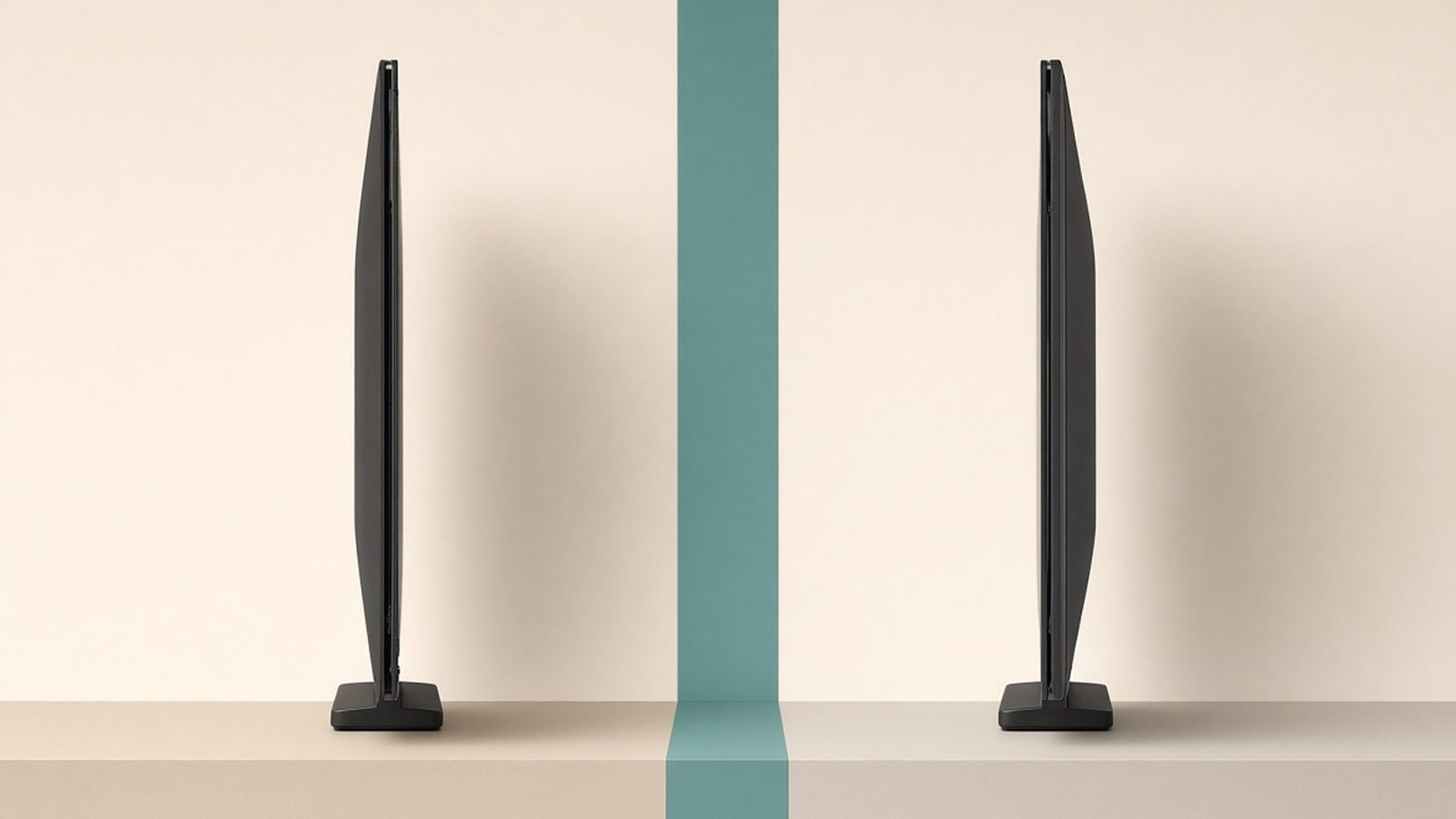
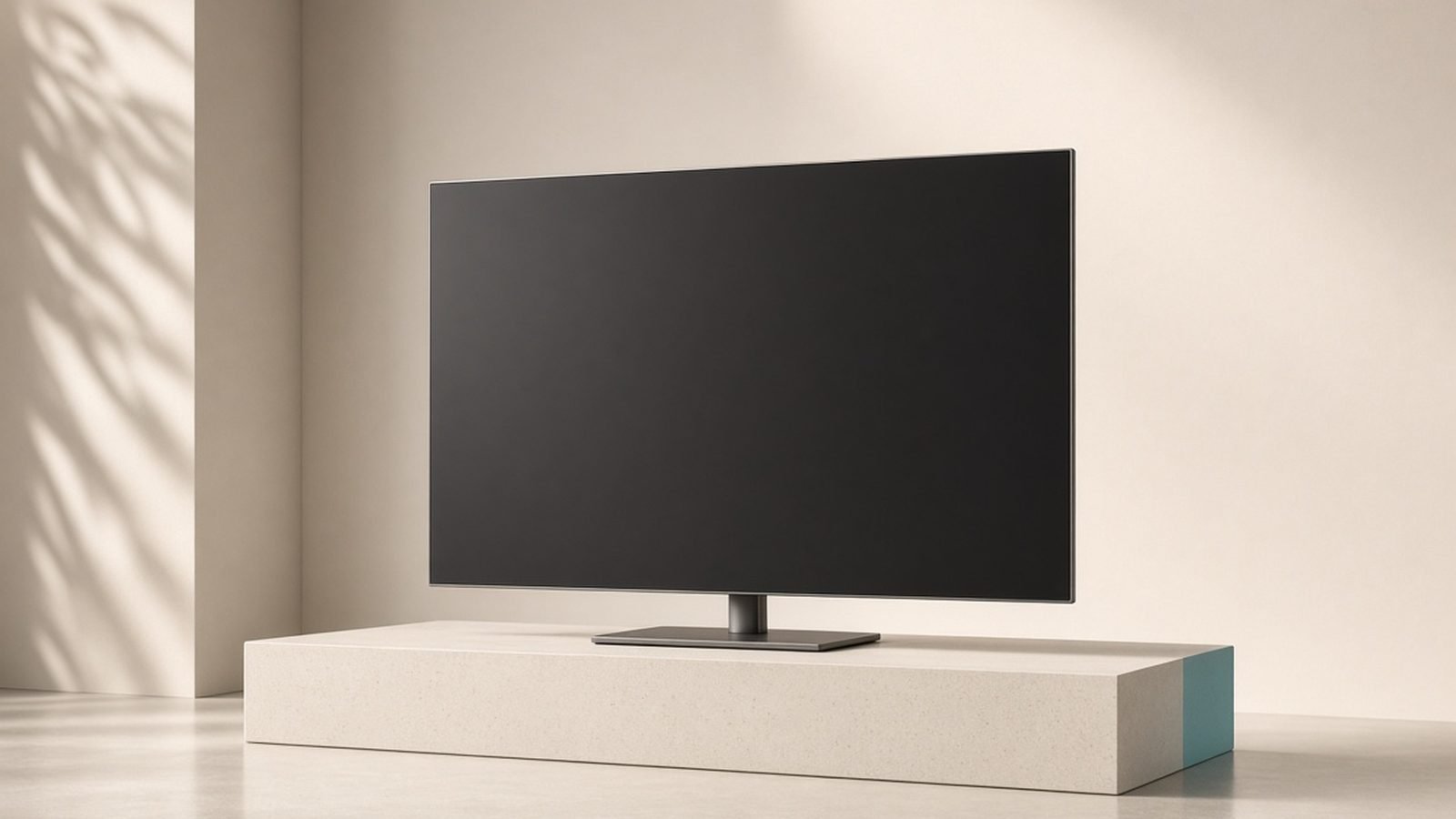
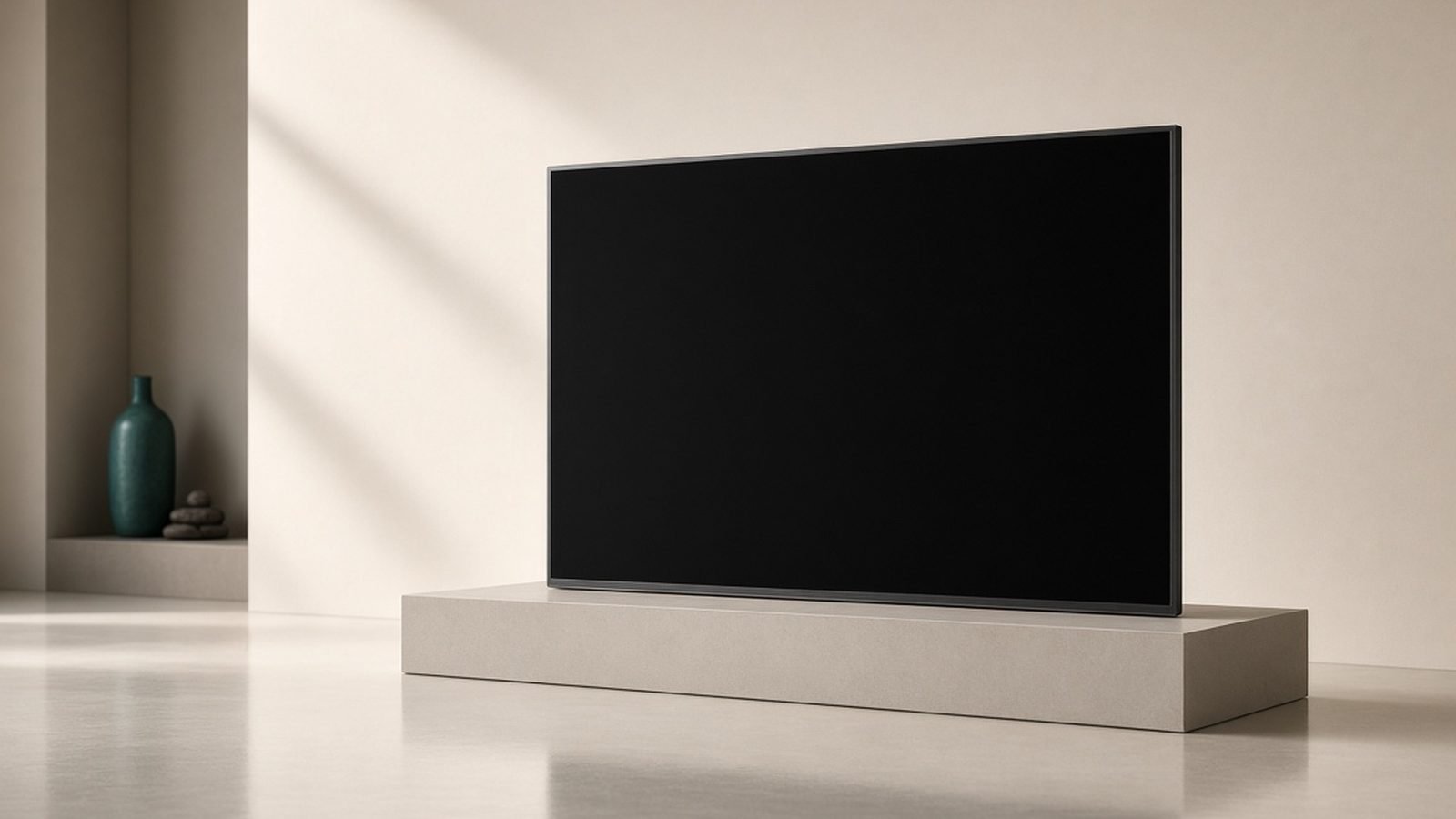
Nothing radical here, and that is fine. The C5 keeps LG’s slim-panel, understated design: a thin bezel and a low-profile central pedestal that fits most furniture without a huge footprint. The upper half of the panel is wafer-thin, while the lower quarter thickens to house the electronics and connections. It looks premium without shouting about it.
Setup is genuinely quick. Owner reports consistently praise the guided webOS onboarding and the Magic Remote’s point-and-click cursor, which is faster than d-pad navigation once you adjust. If you plan to wall-mount, note the standard VESA pattern and budget for a soundbar mount at the same time — more on sound shortly.
Picture quality: movies, sport and daytime viewing
The reason you buy an OLED is the picture, and the C5 delivers. Per-pixel light control gives you true blacks, infinite contrast and zero backlight blooming. Letterbox bars vanish into the bezel, starfields look genuinely deep, and there is none of the haloing around bright objects that even good mini-LED sets show.
The lg oled evo c5 panel adds a brightness-boosting layer over standard WOLED, so it handles daytime viewing and HDR highlights far better than older OLED sets. On the question of lg c5 brightness nits: LG’s evo panels in this class push into roughly the 1,000-nit range on small HDR highlight windows. That is bright enough for a sunlit living room, if not quite the eye-searing peaks of the step-up G-series or a top mini-LED. Motion on sport is clean, and the 2025 processor upscales HD broadcast and streaming reliably without looking over-processed.
For the best results out of the box, a few Filmmaker Mode and light-sensor tweaks are worth making on day one. As with any OLED, sensible viewing habits keep the panel healthy over the years. If you are weighing OLED against other panel types before you commit, our OLED vs QLED 2026: Which TV Tech Is Better? explainer covers the trade-offs in plain English.
Gaming: 4x HDMI 2.1, 144Hz, VRR
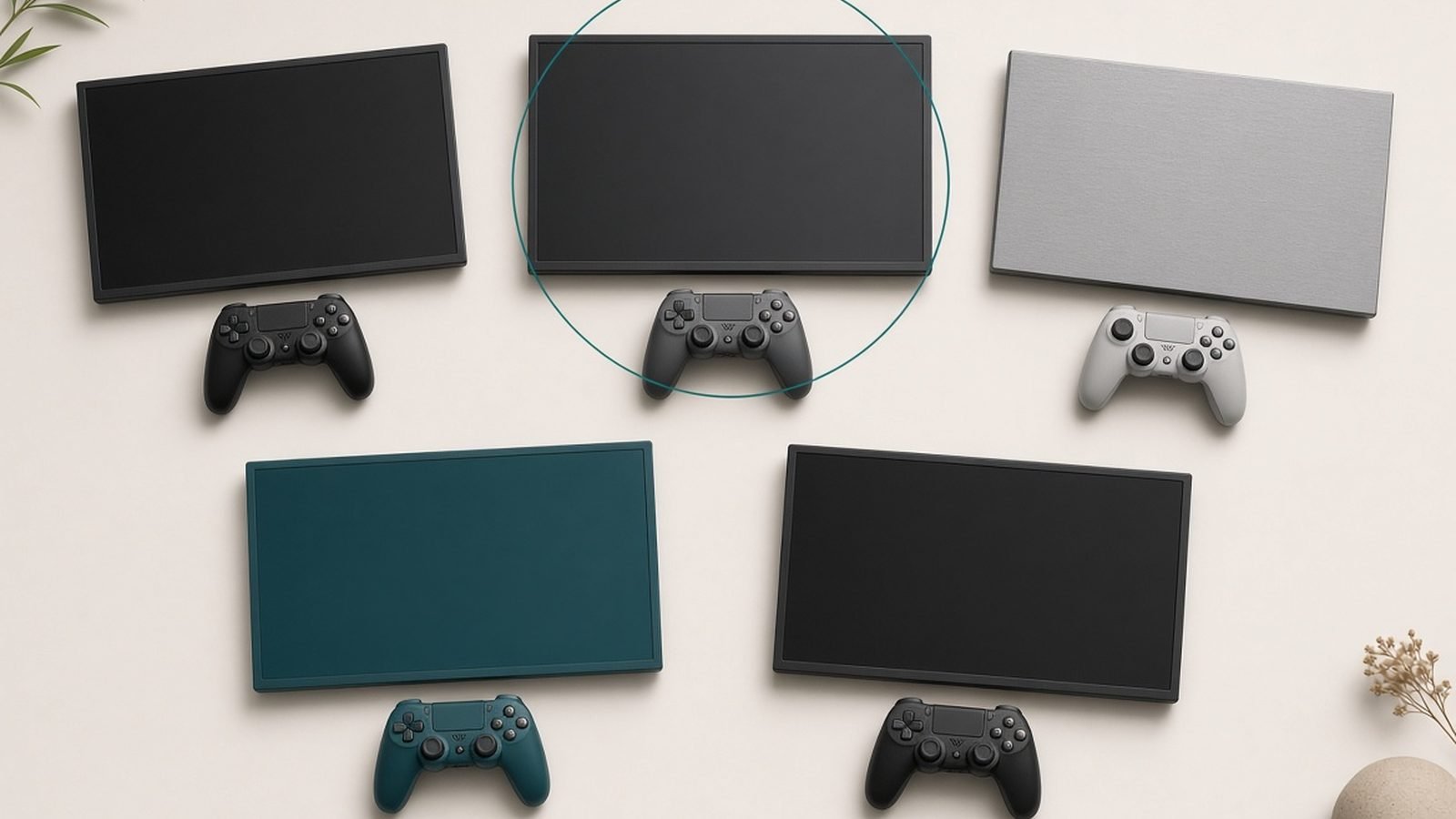
This is where the C5 still embarrasses TVs costing far more. All four HDMI ports are full 2.1, so you can run a PS5, an Xbox Series X, a 144Hz gaming PC and a soundbar without ever swapping cables — a genuine rarity even in 2026.
The lg c5 gaming 144hz highlights: 4K at up to 144Hz, VRR (including FreeSync Premium and G-Sync compatibility), ALLM, and near-instant input lag in Game Optimizer mode. Based on owner reports, response feels immediate and the near-instant OLED pixel response eliminates the smearing you get on lesser LCD panels. Dolby Vision gaming support and the Game Optimizer dashboard round out a package that remains, spec for spec, about as complete as console and PC gaming demand.
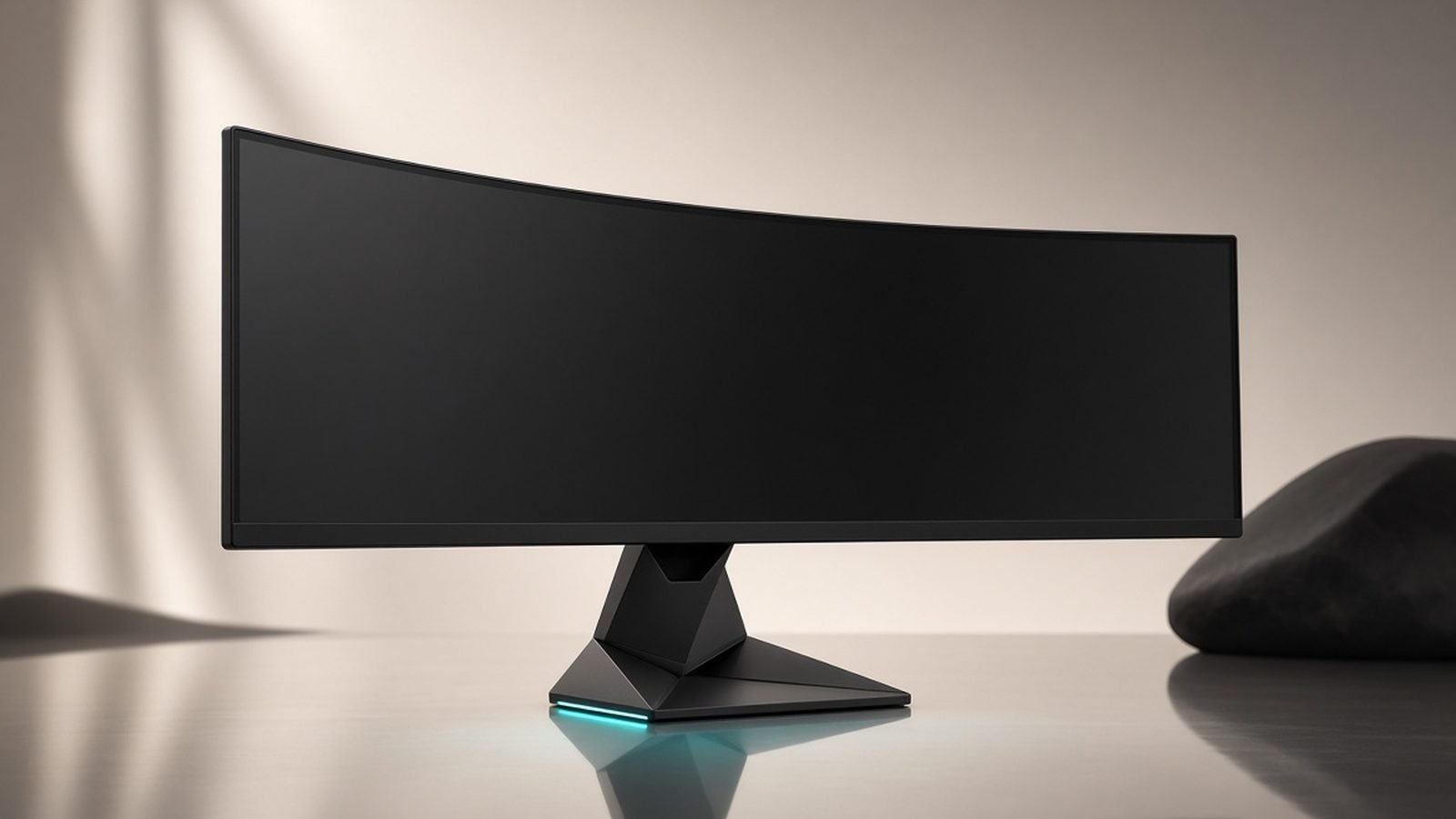
If you are the kind of buyer who would otherwise pair a great TV with a fast desktop display, it is worth knowing the C5 doubles as a huge big-screen gaming monitor. For a proper desk setup, though, see our picks in Best Gaming Monitors 2026: OLED, 4K & High Refresh.
webOS 25 and the ads question
webOS 25 is fast, responsive and logically laid out, with quick-launch tiles and a decent voice search. LG also promises multi-year webOS feature updates, so the platform should stay current well beyond your first year of ownership.
The honest caveat: LG’s home screen carries sponsored content and ad placements, and some owners find them intrusive. You can minimise them by disabling “Home promotions” and personalised ads in settings, but you cannot remove them entirely. It is the one area where the software feels more commercial than it should — an increasingly common complaint across every major TV brand, not just LG.
What’s missing: ATSC 3.0 and sound
Two honest gaps. First, US models ship without an ATSC 3.0 (NextGen TV) tuner, so over-the-air 4K broadcast is off the table. For cord-cutters relying on an antenna this matters; for streamers it is irrelevant. UK buyers get the usual Freeview Play tuners and are not affected by the ATSC issue at all.
Second, sound. The built-in speakers are merely average — fine for news and casual viewing, thin on bass and cinematic weight. For a set this good, pairing a soundbar is not really optional. Budget for one alongside the TV and the C5 transforms from good to genuinely cinematic.
Value and alternatives
The C5’s value case now depends on where you buy. US vs UK: on 4 October 2026 PriceSpy’s cheapest UK listing for the 65-inch C5 was £1,299 against £1,800 for the C6, so in Britain it still offers roughly 90% of the newer C6 experience for about £500 less. In the US, Newegg listed the C5 at $1,499.99 and the C6 at $1,699.99. The C6 brings a brighter panel, a smarter processor and small AI-driven picture gains — a real, visible step up in a bright room — and a $200 premium for that is far easier to justify than the gap of several hundred dollars this review was first written around.
The main rival is Samsung’s QD-OLED line, which counters with punchier colour volume but drops Dolby Vision support, a meaningful trade for movie fans. We cover the flagship in our Samsung S95F OLED Review 2026: QD-OLED Flagship, and if you want to see how the C5 fits among every panel we rate, it appears in both Best OLED TVs 2026: Picture-Quality Kings and the wider Best TVs 2026: OLED, Mini-LED & Budget Picks Compared roundup.
| Model | Panel / tier | Peak brightness | Gaming | Approx. price (65”) | Best for |
|---|---|---|---|---|---|
| LG C5 | evo WOLED (2025) | ~1,000 nits | 4x HDMI 2.1, 144Hz | $1,499.99 / from £1,299 | Best value, most clearly in the UK |
| LG C6 | evo WOLED (2026) | ~10-15% higher | 4x HDMI 2.1, 165Hz | $1,699.99 / from £1,800 | Latest tech, bright rooms |
| Samsung S95F | QD-OLED (2025) | Very high | 4x HDMI 2.1, 165Hz | $2,319 / no 65-inch UK listing found | Colour, brightness, no DV |
Prices: Newegg US listings and PriceSpy UK lowest listed prices for 65-inch models, read 4 October 2026. PriceSpy showed the S95F at 55 and 77 inches but no 65-inch listing, so no UK figure is given for it.
Verdict
So is the LG C5 worth it in 2026? For most buyers, yes, and in the UK it is the value pick of the year: a proven, brilliant OLED with a gaming spec that still leads the field and a picture that will satisfy all but the most demanding home-cinema perfectionists. Buy it if you want the best picture-per-pound in 2026 and plan to add a soundbar.
In the UK, step up to the C6 only if you watch in a bright room and specifically want the newest processor and extra brightness. In the US, where the C6 was $200 more on 4 October 2026, that step is much easier to take. Move to Samsung’s QD-OLED if colour vibrancy matters more to you than Dolby Vision. But for a do-everything living-room TV at a sensible price, the C5 remains an easy recommendation — just check the gap to the C6 on the day you buy.
FAQ
Is the LG C5 worth buying now that the C6 is out?
Yes, though how strongly depends on the gap. On 4 October 2026 the 65-inch C5 was listed from £1,299 in the UK against £1,800 for the C6, and at $1,499.99 in the US against $1,699.99. You lose a little peak brightness and the newest processor but keep four HDMI 2.1 ports and an excellent OLED picture. In the UK it is the smarter purchase; in the US the $200 gap makes the C6 worth pricing up too.
How bright is the LG C5 in nits?
LG’s evo OLED panel in the C5 pushes into roughly the 1,000-nit range on small HDR highlight windows, based on published specs. That is bright enough for a typical living room with some daylight, though it trails the newer C6 and Samsung’s QD-OLED sets. In a very sunny room, a brighter mini-LED or the G-series may suit you better.
Does the LG C5 have ATSC 3.0?
No. US models ship without an ATSC 3.0 (NextGen TV) tuner, so you cannot receive 4K over-the-air broadcasts via antenna. If you stream everything, this will not affect you at all. UK models use standard Freeview Play tuners and are not impacted by the ATSC standard.
Is the LG C5 good for gaming?
Very. It has four full HDMI 2.1 ports, 4K at up to 144Hz, VRR (FreeSync and G-Sync compatible), ALLM and Dolby Vision gaming. Based on owner reports, input lag is minimal and OLED response is effectively instant. For PS5, Xbox Series X and PC players it remains one of the best-value gaming TVs available.
Do I need a soundbar with the LG C5?
Practically, yes. The built-in speakers are fine for news and casual viewing but lack bass and cinematic weight. For a TV with a picture this good, a soundbar is a near-essential pairing. Budget for one alongside the set and the overall experience improves dramatically.
LG C5 or a QD-OLED like the Samsung S95F?
Choose the C5 for Dolby Vision, the best value, and a slightly warmer, film-accurate look out of the box. Choose a QD-OLED if you want the highest colour volume and peak brightness and do not mind losing Dolby Vision. Our Samsung S95F OLED Review 2026: QD-OLED Flagship goes deeper on that trade.
Zen Tech Hub may earn a commission from links on this page, at no extra cost to you.