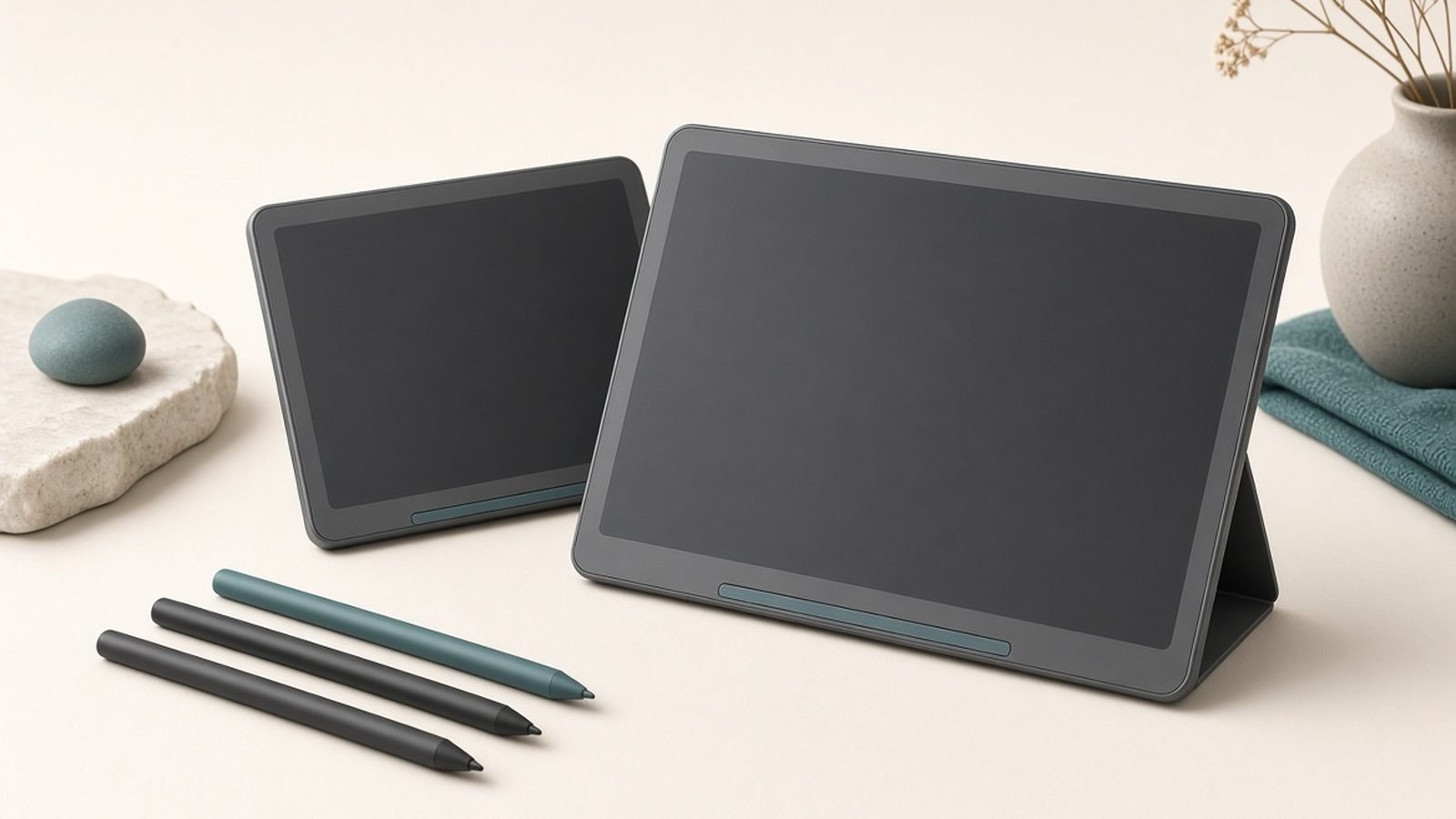
Huion is the other half of the budget drawing-tablet story, and in 2026 it goes toe-to-toe with XPPen to offer big, capable pen displays and tablets at prices that make Wacom look expensive. Its Kamvas pen displays in particular have earned a strong following among illustrators who don’t want to pay flagship money. Verdict: buy Huion if you want a large, laminated, feature-packed drawing tablet or pen display on a budget and you can live with slightly less polished software and more variable support than the market leader — for students, hobbyists, and value-focused pros, it’s one of the best deals in creative tech. The premium Wacom experience it isn’t, but the gap keeps narrowing.
As with any budget-leaning brand, the caveats sit in software and after-sales service rather than the hardware itself. This profile lays out both sides honestly.
Company overview
Huion (Shenzhen Huion Animation Technology) is a Chinese company founded in 2011 and headquartered in Shenzhen. It specializes almost entirely in pen tablets, pen displays, and related input hardware, and over the past decade it has grown into one of the top two challengers to Wacom’s long dominance.
Huion’s playbook mirrors its rival XPPen: offer the visible specs that matter to artists — large laminated screens, full-laminated glass to reduce parallax, high pressure sensitivity, wide color gamut — at aggressive prices. It has invested notably in its battery-free PenTech pen technology and in driver improvements, and it’s an active sponsor of online art communities. Its reputation in plain terms: excellent hardware value and a genuinely good drawing experience, with software and customer-support consistency that still trail Wacom. Among budget-conscious digital artists, Huion and XPPen are the two names that come up most.
What Huion makes
Huion’s consumer range covers:
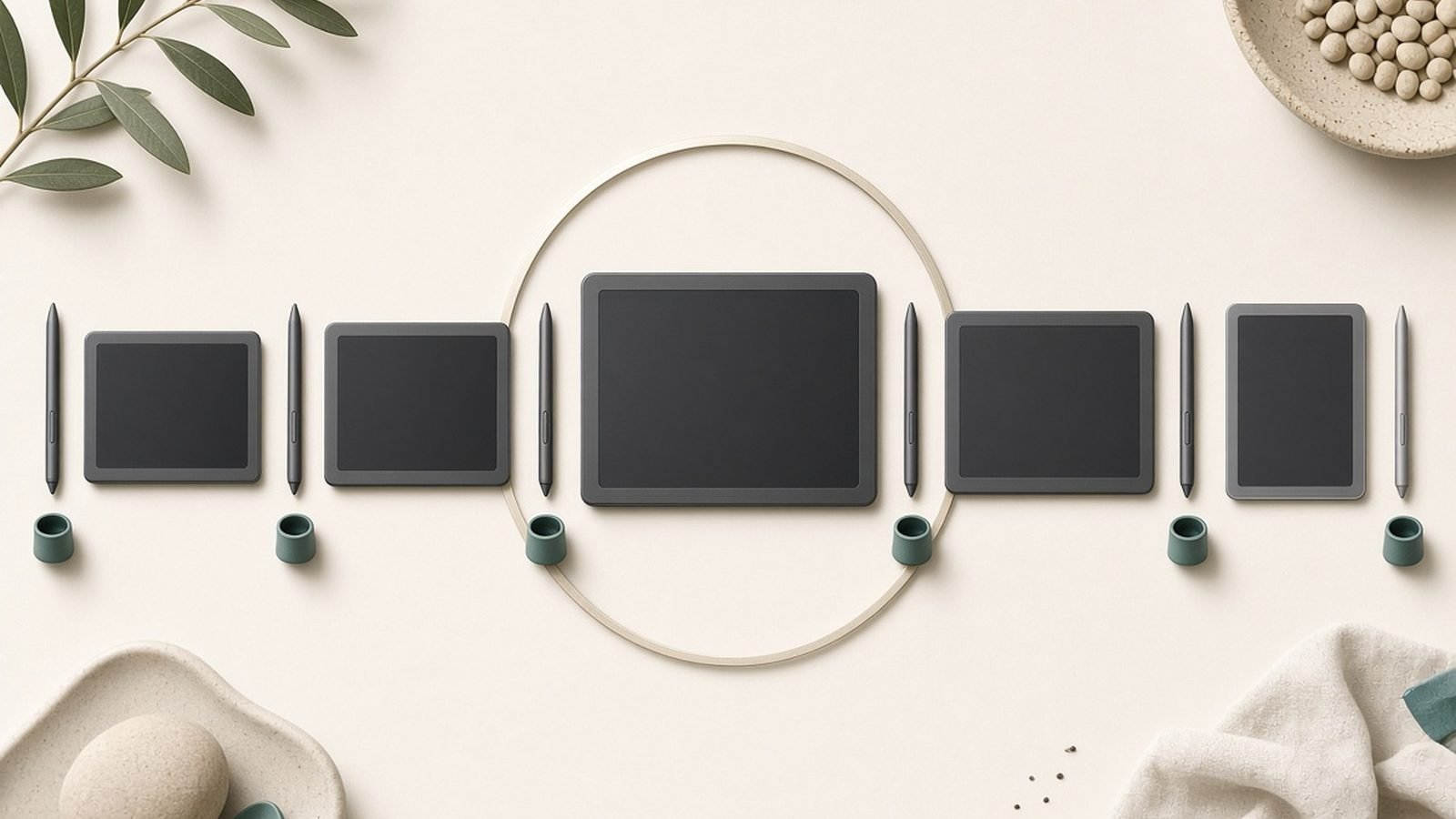
- Pen displays (Kamvas / Kamvas Pro): Screens you draw directly on, from compact 12–13-inch models to large studio panels, with the Pro line adding better color, full lamination, and etched glass.
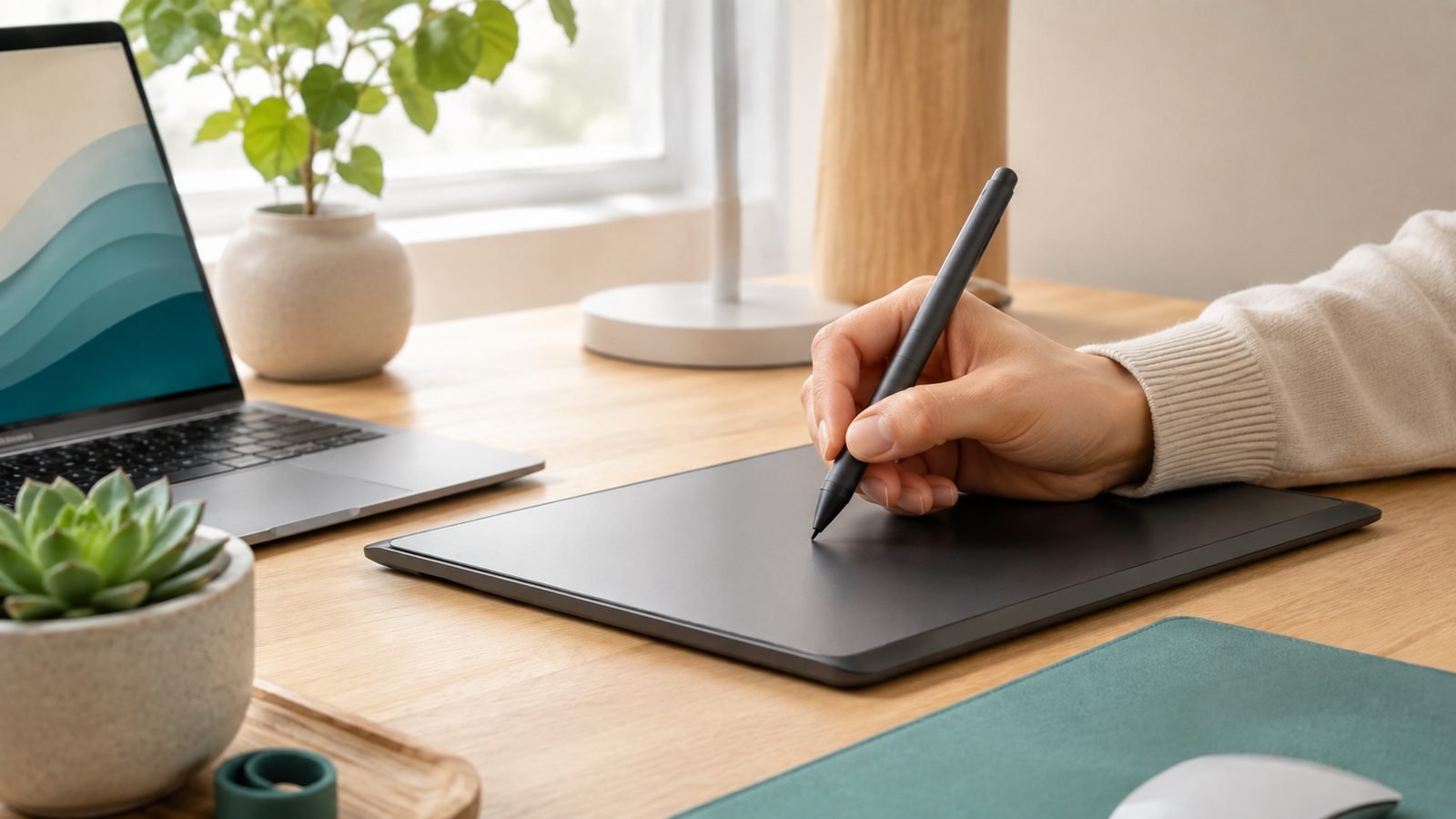
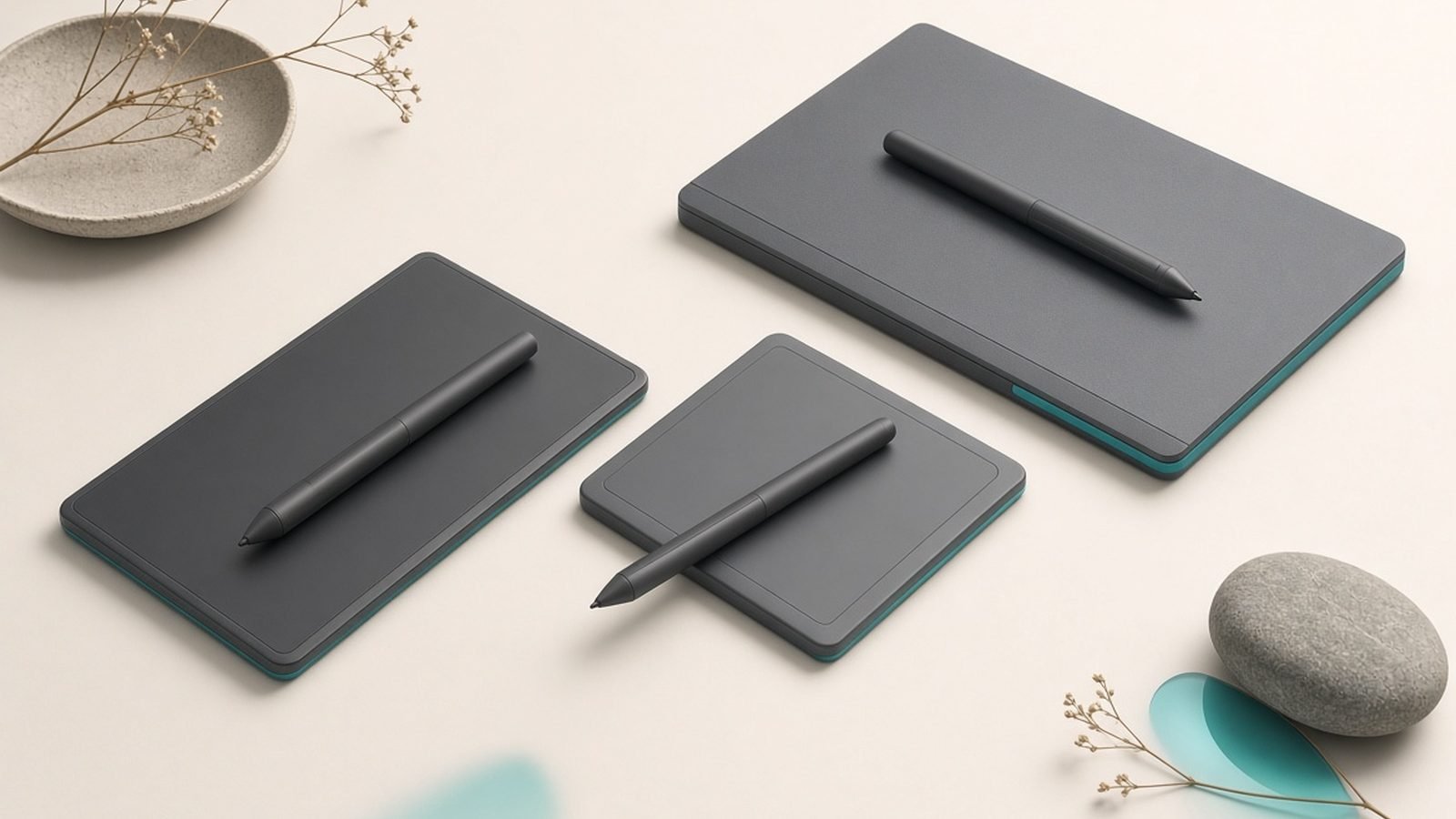
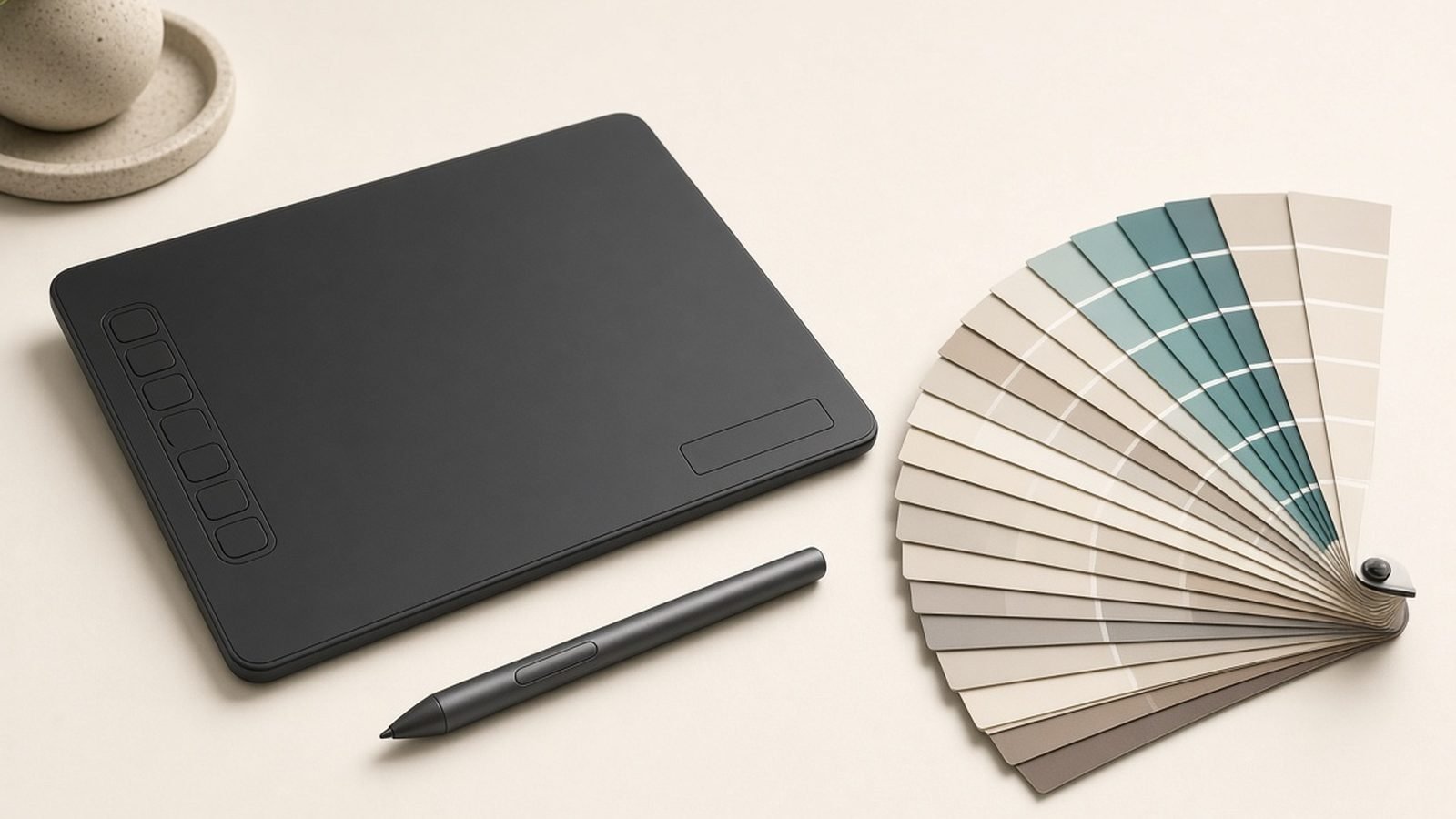
- Pen tablets (Inspiroy / H-series): Screenless tablets for drawing while watching your monitor — the affordable way in, popular with beginners and animators.
- Standalone/Android device (Kamvas Slate): A portable drawing tablet for working without a computer.
- Styluses: Battery-free PenTech pens with high pressure sensitivity and tilt support.
- Accessories: Adjustable stands, gloves, shortcut remotes (Keydial), and replacement nibs.
- Light pads and tracing tools: A smaller line for traditional artists and crafters.
Standout Huion products in 2026
Huion Kamvas Pro 16 (4K) — around $529 / £489. A large, fully laminated 4K pen display with strong color coverage and the battery-free PenTech 4 pen, at a price well under a comparable Wacom Cintiq. It’s a regular value pick on our Best Drawing Tablets for Beginners 2026 (From $40) guide and a clear showcase of what Huion does well.
Huion Kamvas 13 (Gen 3) — around $259 / £239. An affordable, portable pen display that’s one of the easiest ways to start drawing directly on a screen, and a common first upgrade from a screenless tablet.
Huion Inspiroy Dial 2 — around $99 / £89. A well-equipped screenless pen tablet with dual dials and a large active area — a lot of tablet for under a hundred, ideal for retouchers, animators, and beginners.
Huion Inspiroy 2 (S/M) — around $45 / £39. A budget entry tablet that makes digital art accessible for very little, perfect for testing whether a tablet suits your workflow.
Huion Kamvas Slate — around $399 / £369. A standalone Android drawing tablet aimed at people who want to sketch on the go without a computer; worth comparing with iPad-style options in our Best Tablets for Students 2026: Notes & Study roundup.
For most people, the best-value Huion buy is a mid-size Kamvas pen display or an Inspiroy Dial tablet, depending on whether you want to draw on a screen or a surface.
Strengths
Outstanding value. Huion delivers large, laminated, high-resolution screens and capable tablets for far less than Wacom, which is the whole reason to buy the brand.
Good pens and drawing feel. The battery-free PenTech pens offer high pressure sensitivity, tilt, and low activation force, and owners generally rate the feel as very good for the price.
Full lamination on more models. Huion has pushed fully laminated, low-parallax glass down to relatively affordable price points, which noticeably improves the drawing experience.
Broad, well-segmented range. From sub-$50 tablets to large studio displays and standalone Android devices, there’s a Huion for nearly every budget and workflow.
Frequent bundles and sales. Stands, gloves, and extra nibs are often included, and regular promotions push the value even further.
Weaknesses & criticisms
Driver and software quirks. Huion’s drivers are functional but less polished than Wacom’s, with occasional pressure-curve, calibration, or multi-monitor issues that need troubleshooting, and app compatibility isn’t always as seamless.
Variable customer support. Warranty and RMA experiences differ by region — some smooth, some slow — so support consistency doesn’t always match the strong hardware value.
Lower resale value. Huion gear depreciates faster than Wacom, partly offsetting the low upfront cost if you plan to resell later.
Less professional cachet. Studios still standardize on Wacom, so Huion carries less weight in professional settings and is sometimes an afterthought in app testing.
Occasional QC variance. As with many budget-focused brands, owner reports include the odd dead pixel, uneven backlight, or early failure — not common, but worth buying from a retailer with easy returns.
Reliability & support
Huion hardware is generally reliable for the money, and its pen displays and tablets stand up well to everyday hobbyist and semi-professional use. The battery-free pen removes a common wear point, and screens and nibs tend to last. As with its rivals, most complaints center on software — driver conflicts, the occasional reinstall to restore pressure sensitivity, or calibration drift on some displays — rather than outright hardware failure. There’s some quality-control variance, so the occasional dead pixel or backlight issue shows up in reviews.
Warranties typically run around one year and vary by region and retailer. Support consistency is the main caveat: many buyers report smooth replacements, while others describe slower responses or shipping friction, especially outside major markets. Purchasing from Amazon or an authorized local seller makes returns and warranty claims much easier. Overall, Huion is dependable enough for most users and an excellent value, but it doesn’t yet match Wacom’s reputation for effortless long-term support — a consideration if the tablet is central to paid work.
Who should buy Huion
Buy Huion if you want maximum drawing hardware for your budget — a large, laminated Kamvas pen display or a well-equipped Inspiroy tablet at a price that undercuts Wacom by a wide margin. It’s an excellent fit for students, hobbyists, and cost-conscious professionals who are comfortable with occasional driver housekeeping and don’t need the market leader’s polish or resale value.
Look elsewhere if you need the most refined pen feel, bulletproof app compatibility, and the strongest support and resale — that remains Wacom’s domain. And weigh Huion against XPPen, its near-identical rival, where the decision often comes down to the specific model on sale. Our Best Drawing Tablets for Beginners 2026 (From $40) guide ranks the current field, and students deciding between a dedicated tablet and a do-everything device should also read Best Tablets for Students 2026: Notes & Study.
FAQ
Is Huion a good brand?
Yes. Huion makes capable, affordable drawing tablets and pen displays with good battery-free pens and a wide range of sizes, offering some of the best value in creative tech. The trade-offs are less polished software, more variable customer support, and lower resale value than Wacom.
Is Huion reliable?
Generally yes. The hardware holds up well for hobbyist and semi-professional use, and the battery-free pen removes a common failure point. Most complaints involve driver quirks or support consistency rather than hardware breaking, though there’s some QC variance — buy from a retailer with easy returns.
Where is Huion from and who owns it?
Huion is a Chinese company, Shenzhen Huion Animation Technology, founded in 2011 and based in Shenzhen. It specializes in pen input hardware and is one of the two leading challengers to Wacom.
Is Huion better than Wacom?
Huion wins clearly on price and often matches Wacom on raw specs like screen size, resolution, and lamination. Wacom wins on pen feel, software polish, app compatibility, build quality, and resale value. Budget buyers usually choose Huion; professionals who need reliability and support often stay with Wacom.
Huion vs XPPen — which is better?
They’re direct competitors with very similar pricing and value, and both are good. The choice usually comes down to the specific model on sale, the exact features you want, and regional support and stock. Compare the current standout models in our Best Drawing Tablets for Beginners 2026 (From $40) guide.
Do Huion pens need charging?
No. Huion’s modern PenTech pens are battery-free, drawing power wirelessly from the tablet. There’s nothing to charge and no risk of the pen dying mid-session, which helps make the drawing experience so competitive for the price.
Zen Tech Hub may earn a commission from links on this page, at no extra cost to you.