Lutron is the quiet gold standard of smart lighting control, and in 2026 it remains the brand professionals reach for when they want switches and dimmers that simply never fail. The short verdict: if you want to automate the lights you already have — real wall dimmers, switches and shades that respond instantly and keep working for a decade — Lutron’s Caséta and RadioRA systems are the most reliable choice on the market, provided you can accept premium prices and an approach that controls fixtures rather than replacing your bulbs.
Buy Lutron if reliability and a proper in-wall installation matter more than flashy color effects or the lowest sticker price. Look elsewhere if you specifically want cheap color-changing bulbs, resent buying a separate hub, or expect a modern, feature-rich app to rival the bulb-based ecosystems.
Company overview
Lutron Electronics is an American company headquartered in Coopersburg, Pennsylvania. It is privately held and family-owned, founded in 1961 by physicist Joel Spira, who is credited with inventing the first solid-state electronic dimmer — the innovation that essentially created the modern lighting-control industry. That heritage is central to how the brand is perceived: Lutron is not a smart-home startup that pivoted into lighting, it is a lighting-controls company that has been refining dimmers and switches for more than six decades.
Because it stays private, Lutron doesn’t chase quarterly hype cycles the way consumer-electronics brands do, and its reputation among electricians, custom installers and reviewers is consistently excellent. Its wireless products run on a proprietary radio protocol called Clear Connect, which operates in a less-congested frequency band than Wi-Fi or Zigbee and is a big reason its gear feels so dependable. The trade-off is that Lutron is a comparatively closed ecosystem — you buy into its hub and its protocol rather than an open standard, though Matter support has slowly been arriving on parts of the range.
What Lutron makes
Lutron spans everything from a single dimmer to whole-building lighting control:
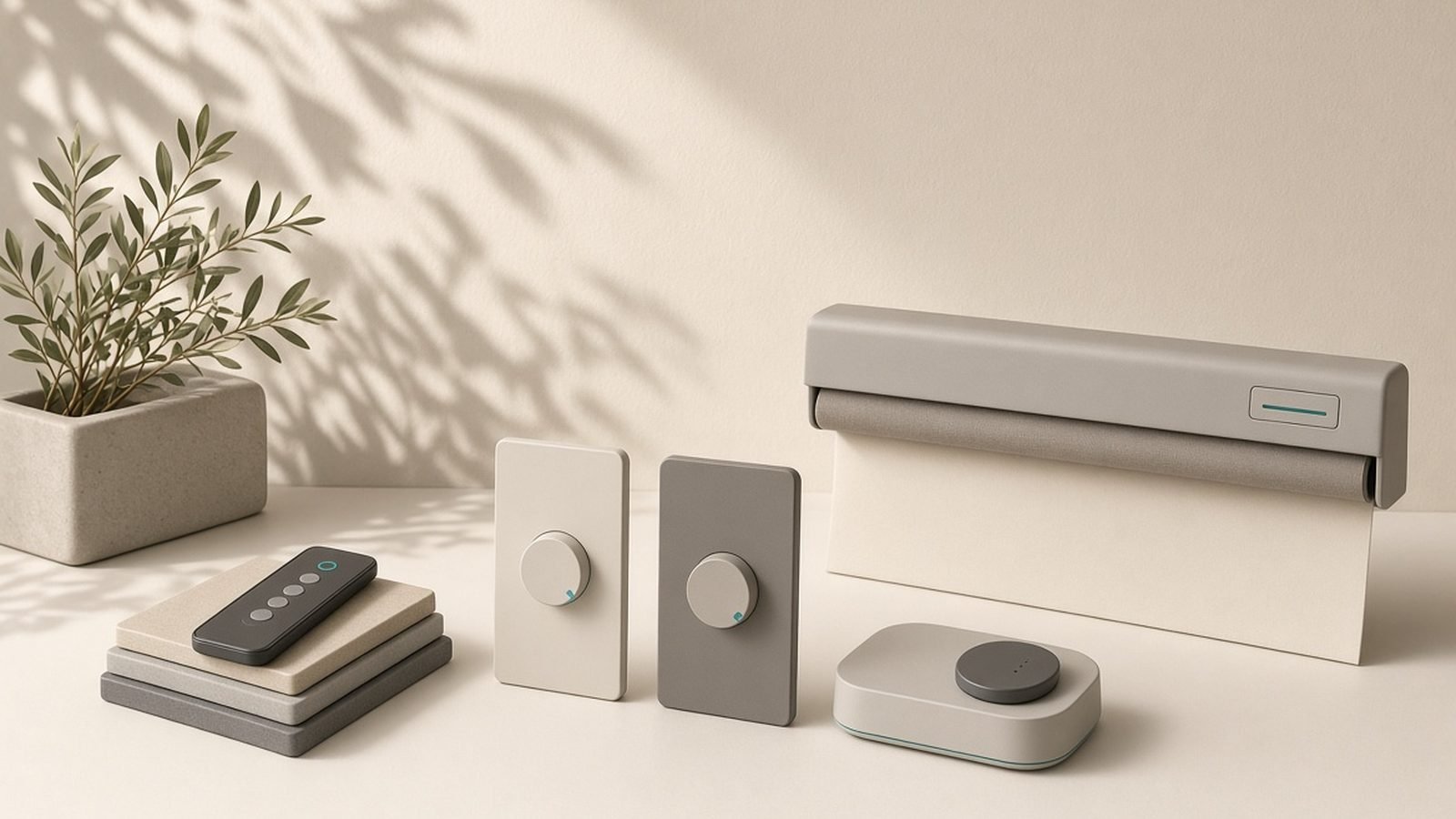
- Caséta — its flagship consumer smart-lighting system: in-wall dimmers and switches, plug-in modules, the Pico remote, and the Smart Hub that anchors it.
- RadioRA 3 — the higher-end residential system for larger homes, with more capacity, keypads and professional installation.
- Pico remotes — battery-free-feeling, long-lasting wireless remotes that many owners rate as the best part of the system.
- Smart shades — the Serena and Sivoia motorized roller, honeycomb and wood-blind shades, including battery-powered options.
- Fan and outlet control — smart fan-speed controllers and plug-in lamp/appliance modules.
- Sensors — occupancy, vacancy and daylight sensors for automated on/off control.
- Commercial systems — Quantum, Athena and other architectural-grade lighting and shading platforms.
Standout Lutron products in 2026
Lutron Caséta Smart Dimmer Switch — around $60 / £60 (plus hub). The product that defines the brand for most buyers. It replaces an existing wall dimmer, controls the bulbs already in the fixture, and responds instantly and reliably through the Caséta hub. It’s a mainstay of our Best Smart Home Devices 2026: Where to Start roundup for anyone who wants automation without swapping every bulb.
Lutron Caséta Smart Hub — around $80 / £80. The Clear Connect bridge that makes the whole system fast and dependable, and connects it to Alexa, Google Home and Apple Home. Unglamorous but essential, and the main reason Caséta feels more solid than Wi-Fi-only switches.
Lutron Pico Remote — around $20 / £20. A tiny wireless remote you can stick anywhere or hold in your hand. Its battery lasts for years, and it’s frequently the accessory owners rave about most because it makes controlling scenes genuinely effortless.
Lutron Serena Smart Shades — around $350 / £330 and up. Quiet, reliable motorized shades that integrate directly into the same app and automations as the lights. Expensive, but among the most trusted smart shades you can buy.
Lutron RadioRA 3 — professionally quoted. The step-up system for larger homes that need more devices, keypads and integration than Caséta supports. Installed by pros, it’s aimed at whole-home projects rather than DIY.
Strengths
Best-in-class reliability. This is the headline. Lutron’s Clear Connect radio and mature hardware make its switches and dimmers famously dependable — they respond instantly and keep working year after year, which is exactly why installers trust the brand.
It controls fixtures, not just bulbs. Because Lutron replaces your dimmers and switches, every bulb in the fixture is automated and the wall control still works normally. That’s a cleaner, more spouse-friendly result than smart bulbs that break if someone flips the switch.
Excellent remotes and shades. The Pico remote and Serena shades are genuinely best-in-class accessories that extend the system well beyond simple on/off.
Broad platform support. Caséta works with Alexa, Google Home, Apple Home, Ring, Sonos and more, so it slots neatly into most existing setups.
Long-term support. Lutron keeps hardware working for years and doesn’t abandon systems, matching its professional, install-once reputation.
Weaknesses & criticisms
It is expensive. You pay a clear premium over Wi-Fi switches, and you also need the hub before anything works, so the entry cost is higher than it first appears.
Not for color lovers. Lutron controls existing bulbs; it does not make color-changing RGB smart bulbs. If you want millions of colors, this is the wrong brand and you’ll want a bulb ecosystem instead.
The app is functional, not fancy. Lutron’s app is stable and reliable but plain, and it lacks the dynamic scenes and visual polish of bulb-focused rivals. It’s built for dependability rather than delight.
A relatively closed ecosystem. Clear Connect is proprietary. Matter support has been rolling out but has historically lagged, so you’re largely buying into Lutron’s own world rather than an open standard.
Neutral-wire and dimmer-compatibility caveats. Some installs require checking wiring and bulb compatibility, and certain older or budget LED bulbs can flicker on dimmers — worth verifying before you buy.
Reliability & support
Reliability is Lutron’s entire reputation, and it is well earned. Clear Connect operates in a quieter radio band than the crowded 2.4GHz Wi-Fi spectrum, so commands land instantly and devices rarely drop off. Owners routinely report switches running flawlessly for years, and the professional-install market — which has no patience for callbacks — overwhelmingly favors the brand for exactly that reason. Build quality on the physical dimmers and switches is excellent, matching the company’s decades of hardware experience.
Warranty terms are generous by category standards, and Lutron’s US-based customer support is frequently praised as knowledgeable and responsive — a notable contrast with the app-only support of many budget rivals. Firmware updates are conservative and low-drama; Lutron doesn’t chase constant feature churn, which means fewer surprises and fewer broken updates. The honest summary: you pay more upfront for a system that behaves like an appliance rather than a gadget, and the payoff is lighting control you can genuinely forget about.
Who should buy Lutron
Buy Lutron if you want the most reliable smart lighting control available and you’d rather automate real switches, dimmers and shades than swap out every bulb. It’s the right choice for homeowners doing a proper setup, anyone who wants instant, dependable response, and buyers who value US support and long-term stability. If lighting is the part of your smart home you never want to troubleshoot again, Lutron is the brand.
Look elsewhere if you want color-changing bulbs, the lowest possible price, or a hub-free Wi-Fi setup. For colored accent lighting, a bulb ecosystem on our Best Smart Light Bulbs 2026: Philips Hue & Alternatives guide will suit you better, and renters who can’t rewire switches may prefer plug-in options from our Best Smart Plugs 2026: Cheapest Way Into Home Automation list.
FAQ
Is Lutron a good brand?
Yes — it’s widely regarded as the best in smart lighting control. Lutron has more than 60 years of dimmer and switch expertise, and its Caséta and RadioRA systems are prized by installers and reviewers for near-flawless reliability. The main reasons not to buy are price and the fact that it controls fixtures rather than offering color bulbs.
Is Lutron reliable?
Extremely. Reliability is Lutron’s defining trait: its Clear Connect radio protocol runs in an uncongested band, so switches respond instantly and rarely drop offline. Professional installers favor the brand precisely because it doesn’t generate callbacks, and owners report switches working for a decade or more.
Where is Lutron from and who owns it?
Lutron Electronics is an American company based in Coopersburg, Pennsylvania. It is privately held and family-owned, founded in 1961 by Joel Spira, the inventor of the solid-state dimmer. It has never been a public company, which is part of why it takes a long-term, reliability-first approach.
What’s the difference between Lutron Caséta and RadioRA?
Caséta is the mainstream DIY-friendly system for typical homes, with a simple hub and a solid but limited device count. RadioRA 3 is the higher-end system for larger homes, supporting more devices, keypads and integrations, and is usually professionally installed. Both use Lutron’s Clear Connect radio.
Is Lutron better than Philips Hue?
They solve different problems. Lutron controls the switches and dimmers for the bulbs you already own and is the more reliable, more “installed” solution. Philips Hue replaces bulbs and adds millions of colors and dynamic effects. For dependable whole-home control, Lutron wins; for color and light shows, Hue does. Many enthusiasts use both together.
Zen Tech Hub may earn a commission from links on this page, at no extra cost to you.