Philips Hue, made by the Dutch lighting giant Signify, is the most polished and reliable smart-lighting system you can buy, and in 2026 it remains the brand to beat. The short verdict: if you want colored and white smart lights that just work, respond instantly, and slot into any smart-home platform, Hue is the safe default — as long as you can stomach the premium prices and the fact that the best features still lean on the Hue Bridge and, increasingly, a mandatory account.
Buy Hue if you value rock-solid reliability, a mature app, and the widest catalog of fixtures anywhere. Look elsewhere if you want the cheapest possible bulbs, refuse to run a hub, or resent being pushed toward cloud logins and paid camera subscriptions for what used to be simple local lighting.
Company overview
Philips Hue is a product line, not a company. The brand behind it is Signify, headquartered in Eindhoven, the Netherlands. Signify was spun out of Royal Philips as “Philips Lighting” in 2016, floated on Euronext Amsterdam (ticker LIGHT), and renamed itself Signify in 2018. It still licenses the Philips brand for its consumer bulbs, which is why the boxes say Philips even though Philips the electronics company no longer runs the business.
Signify is one of the largest lighting companies in the world, with roots going back more than a century of Philips lighting history. That heritage matters for smart-home buyers: Hue is not a crowdfunded startup that might vanish, and it has kept its original 2012-era Bridge ecosystem backward-compatible for well over a decade. Its reputation among enthusiasts and reviewers is consistently the gold standard for reliability, even as cheaper Wi-Fi rivals have chipped away at its value proposition.
Signify also owns WiZ, its budget Wi-Fi smart-lighting brand, and runs Interact for commercial and connected lighting. Hue sits at the premium end of that structure.
What Signify makes
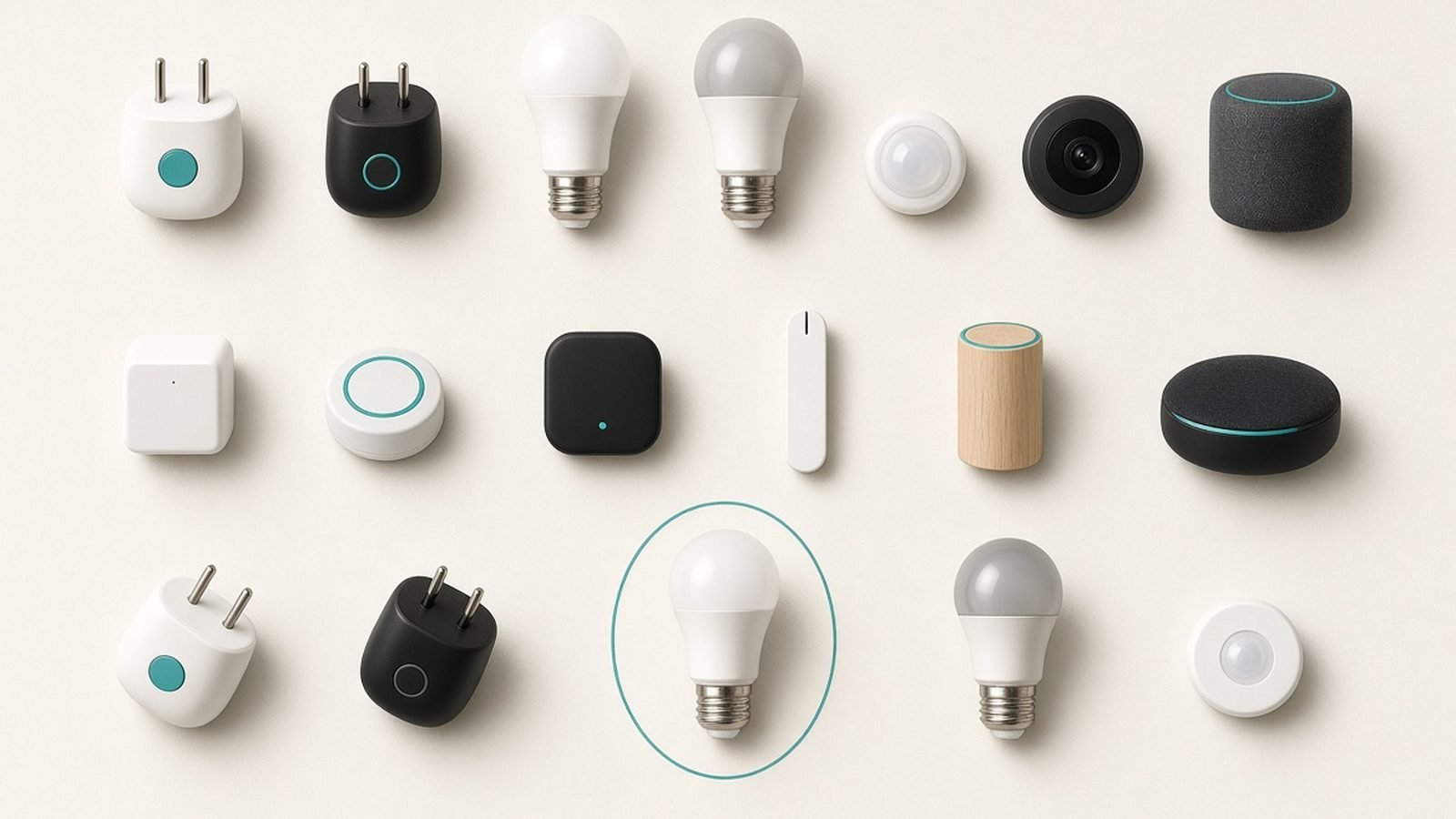
Under the Philips Hue brand, Signify covers nearly every smart-lighting niche:
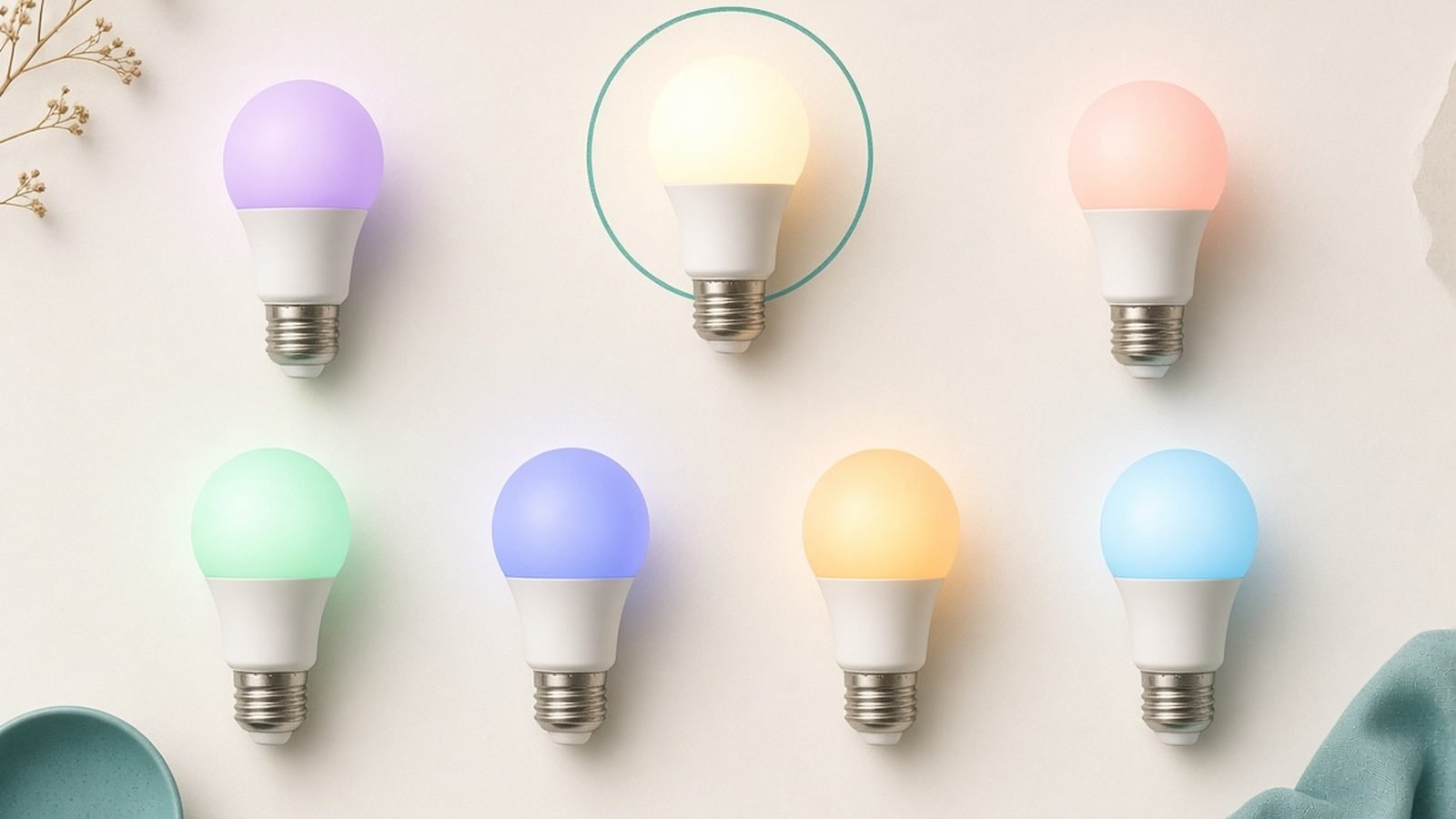
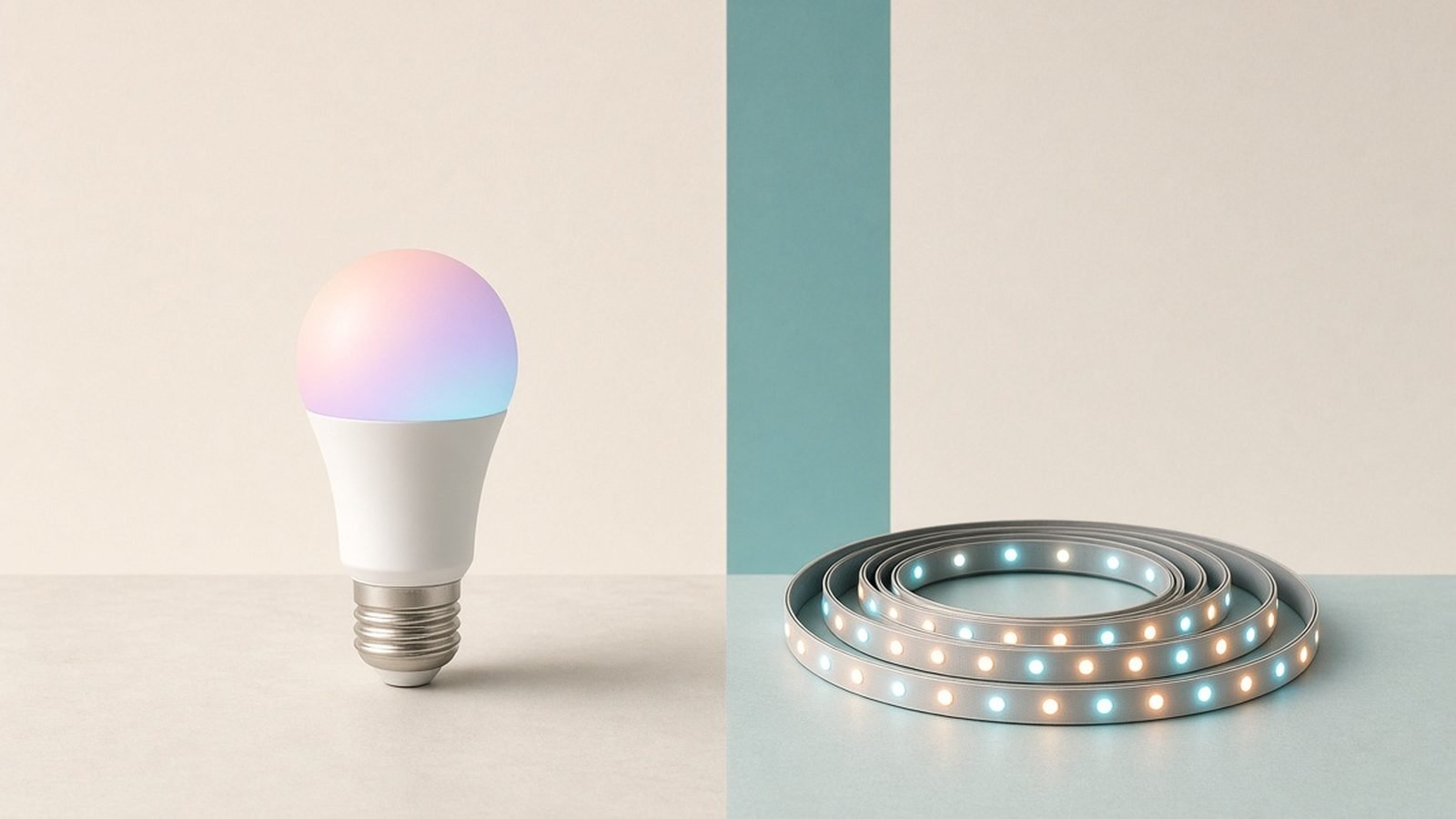
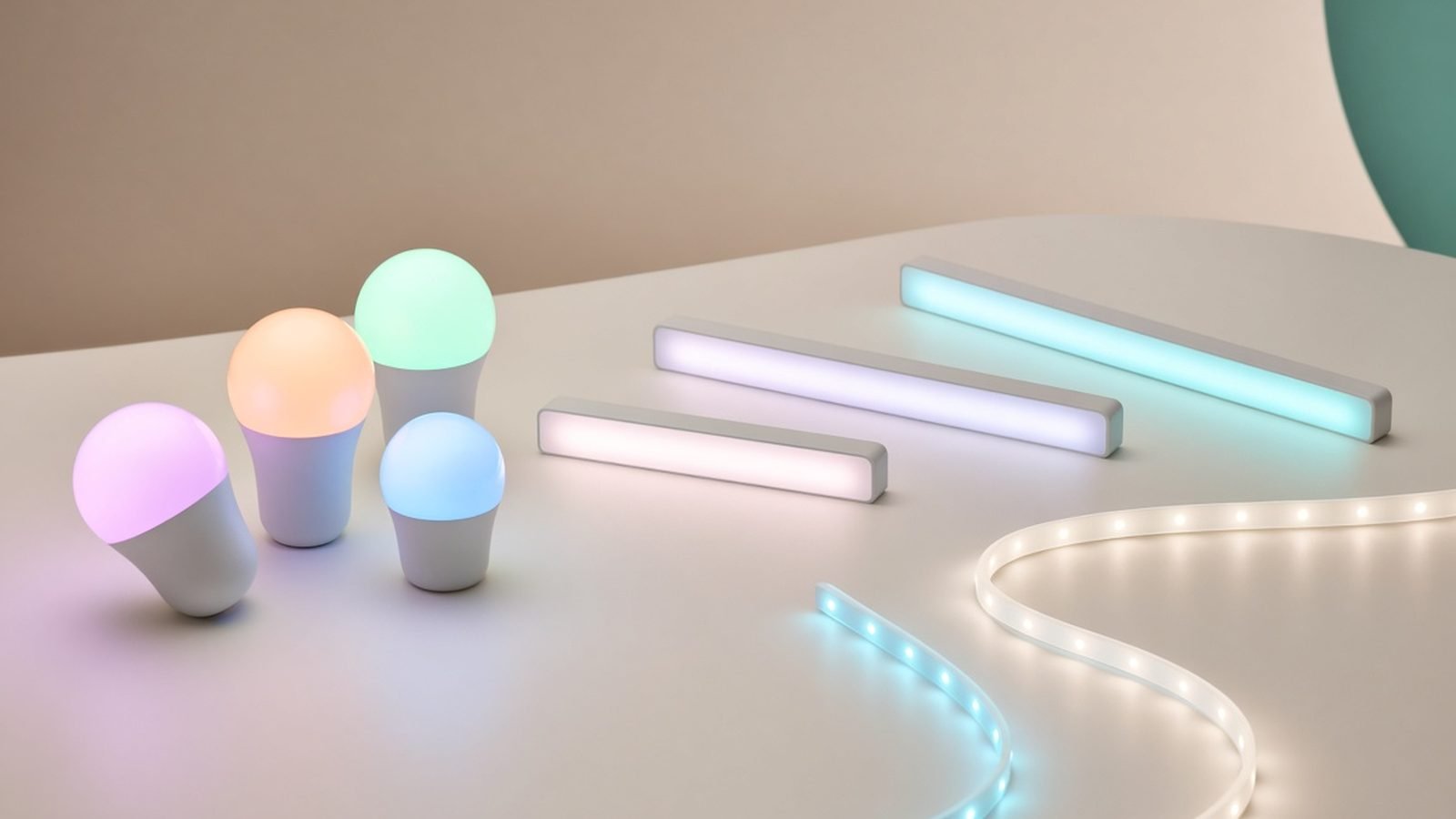
- Smart bulbs — White, White Ambiance (tunable white), and White & Color Ambiance bulbs in most common fittings (A19/A21, E27/B22, GU10, candle, filament).
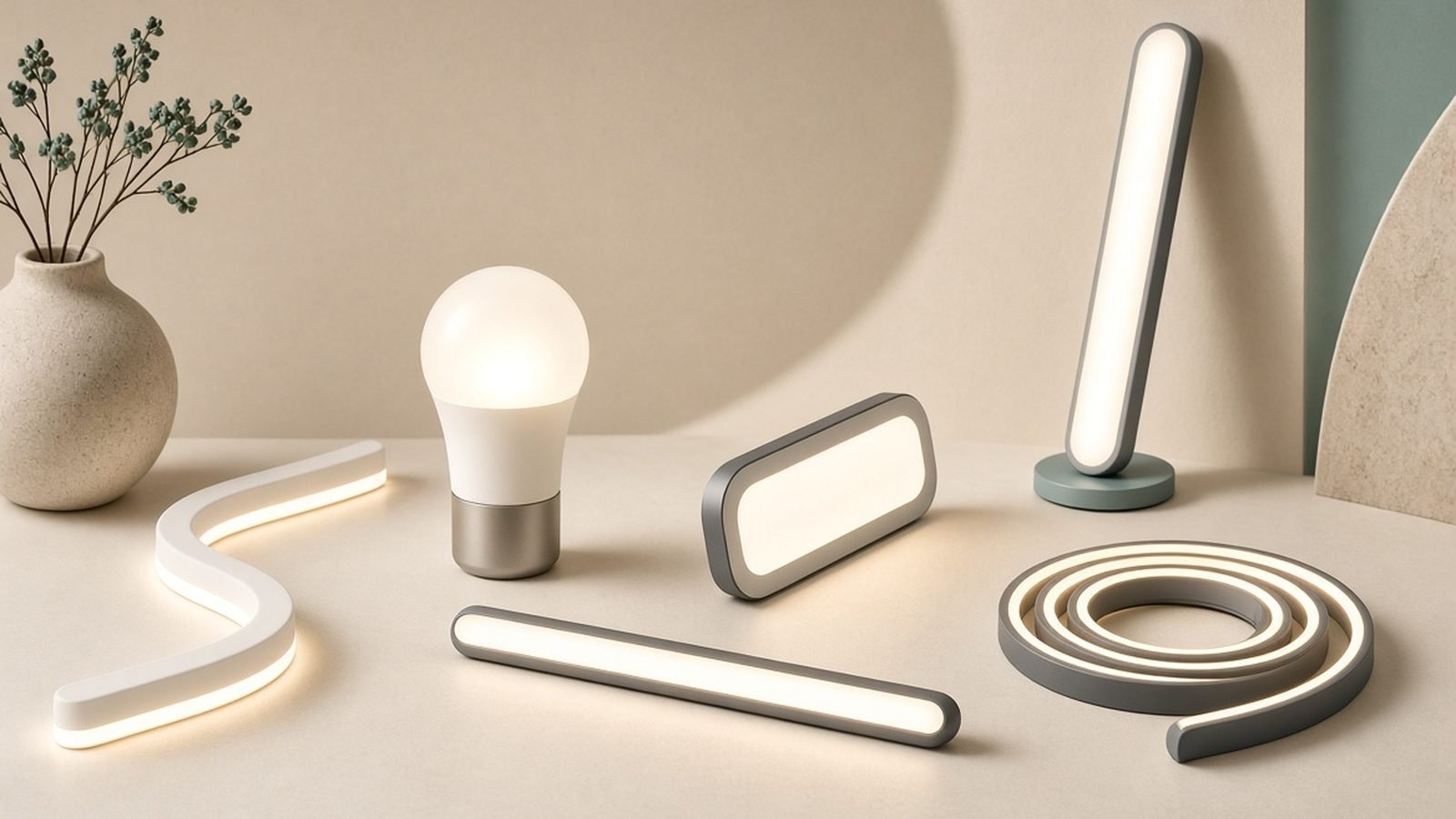
- Light strips — the Hue Lightstrip and the Play Gradient strips designed to sync color along their length behind TVs and under counters.
- The Hue Bridge — the Zigbee hub that anchors the system, enabling local control, faster response, and features like Entertainment sync.
- Lamps and fixtures — Hue Go portable lamp, Play light bars, Signe floor and table lamps, plus ceiling and pendant fixtures.
- Outdoor lighting — Lily spotlights, Calla bollards, string lights and the seasonal Festavia strings.
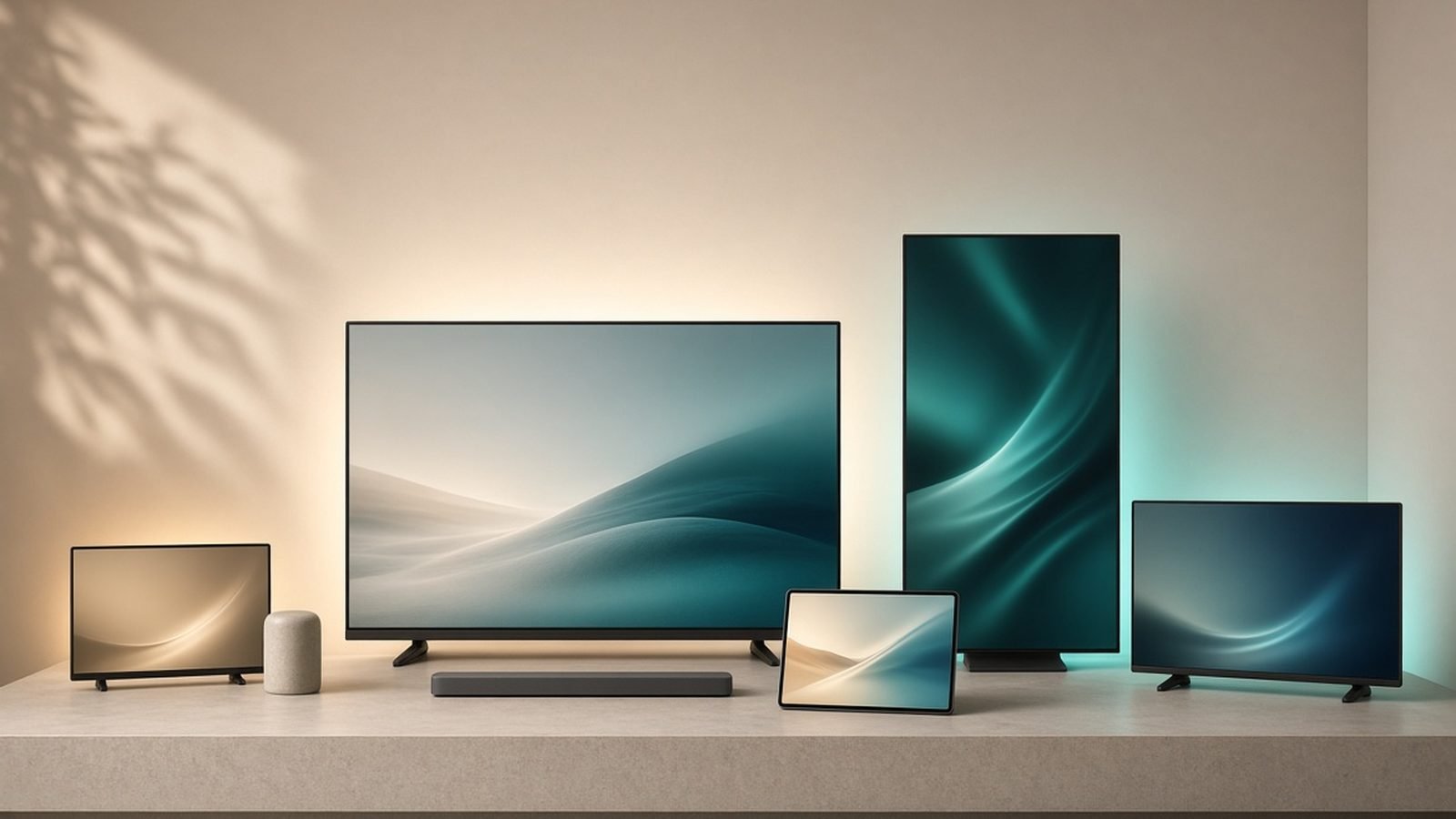
- Sync and entertainment — the Hue Sync TV app and the Hue Play HDMI Sync Box that mirror on-screen color to your lights.
- Hue Secure — cameras, contact sensors and a security layer bolted onto the Hue app, plus motion sensors and the Tap dial and smart button controls.
Standout Signify products in 2026
Philips Hue White & Color Ambiance bulb — around $49 / £49 each. The product that defines the brand: 16 million colors, tunable whites, near-instant response through the Bridge, and years-long reliability. It headlines our Best Smart Light Bulbs 2026: Philips Hue & Alternatives guide and is the benchmark every rival is measured against.
Philips Hue Bridge — around $59 / £49. The unglamorous but essential hub. It offloads control from Wi-Fi to Zigbee, unlocks Entertainment sync, and is the single biggest reason Hue feels faster and more dependable than Wi-Fi-only competitors.
Hue Play Gradient Lightstrip — around $239 / £210. A TV-backlight strip that blends multiple colors at once, and the centerpiece of a Hue Sync setup. It is genuinely impressive for movies and gaming, though you need the Sync Box or Sync TV app to drive it.
Philips Hue Festavia string lights — around $159 / £150. Addressable, individually controllable string lights for trees, mantels and patios. A seasonal favorite that shows off the color engine.
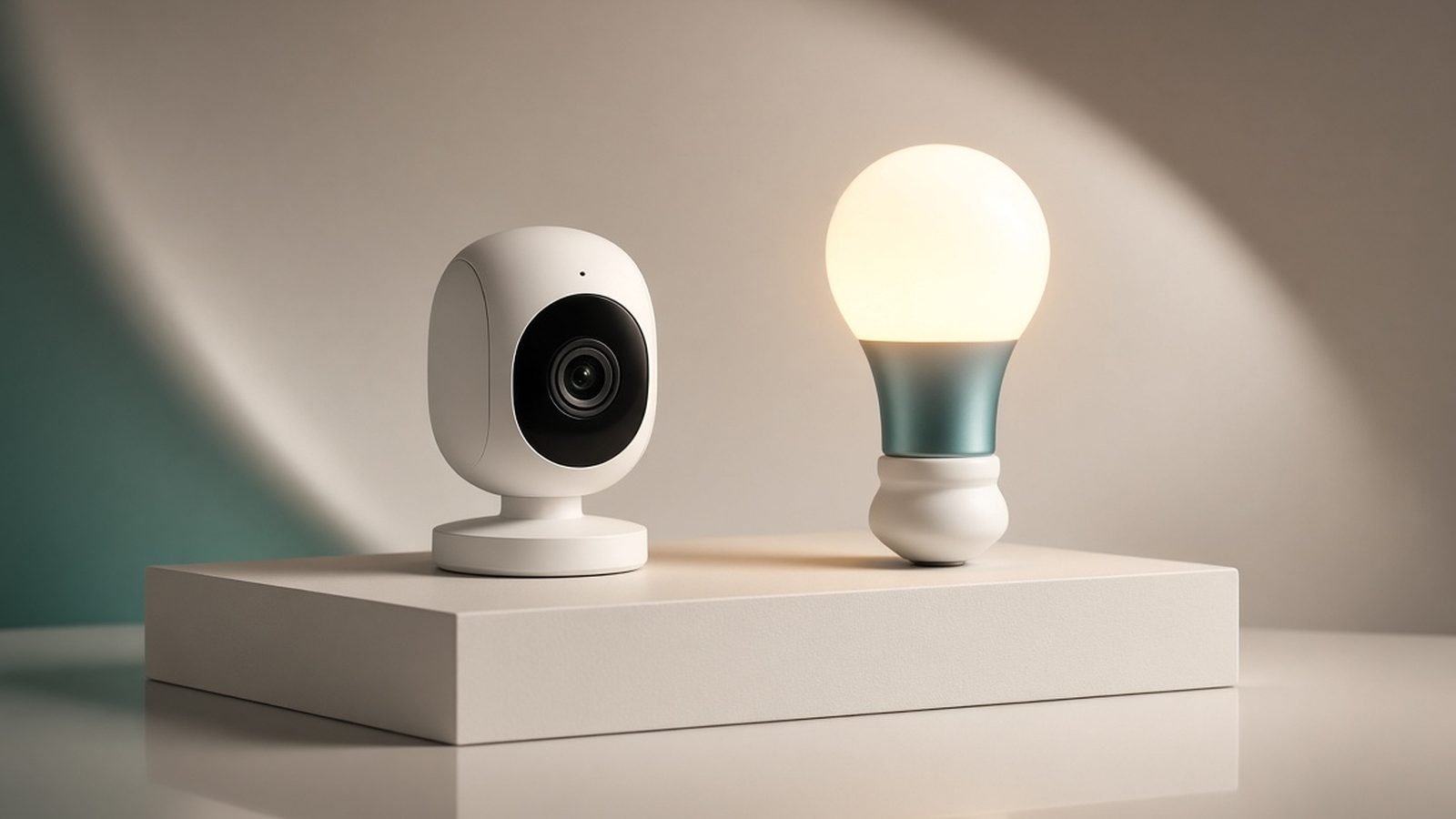
Philips Hue Secure camera — around $199 / £180. Signify’s move into home security, integrated into the Hue app so lights and cameras work together. Capable, but it introduces a subscription model that long-time Hue owners aren’t used to — more on that below and in our Best Philips Hue Alternatives in 2026: Cheaper Smart Bulbs comparison.
Strengths
Best-in-class reliability. This is the headline. Hue bulbs reconnect after power cuts, respond instantly, and rarely drop off the network. For most owners the system is genuinely set-and-forget in a way cheap Wi-Fi bulbs are not.
Mature app and ecosystem. The Hue app is stable and full-featured, with scenes, schedules, automations and dynamic scenes. It works with Alexa, Google Home, Apple Home and, increasingly, Matter.
Widest catalog anywhere. No rival matches Hue’s breadth of fittings, lamps, outdoor gear and accessories, so you can light an entire home consistently on one platform.
Zigbee + Bridge architecture. Running on Zigbee rather than clogging your Wi-Fi keeps response times fast and the network stable even with dozens of bulbs.
Long-term support. Signify keeps old hardware working and pushes regular firmware updates — a decade of Bridge compatibility is rare in this category.
Weaknesses & criticisms
It is expensive. Hue commands a hefty premium. Kitting out a whole house costs far more than with Wi-Fi rivals, and starter kits with the Bridge add up fast.
The forced-account controversy. In 2023 Signify began requiring a Hue account and cloud login even for people who only wanted local control, a change that angered long-time users who valued Hue’s local-first design. It remains a sore point.
Best features still need the Bridge. Hue Bluetooth-only control exists but is limited; Entertainment sync, robust automations and full remote access really want the Bridge, so the “cheap starter bulb” pitch is a little misleading.
Creeping subscriptions. Hue Secure introduces paid cloud video plans to a brand that built its name on one-time hardware purchases. It’s optional, but it signals a direction some buyers dislike.
Sync hardware costs extra. The impressive TV color-sync experience needs the pricey Play HDMI Sync Box or a compatible TV running the Sync app on top of the lights themselves.
Reliability & support
Hue’s hardware reliability is its single strongest selling point. Bulbs routinely last for years, hold their calibration, and recover gracefully from outages. The Zigbee mesh is robust, and the Bridge has proven remarkably durable across generations. Warranty is a standard limited term — typically two years in the EU/UK and one to two years in the US depending on product — and Signify generally honors it without drama.
Software support is where Signify has drawn criticism rather than praise. The app itself is stable, but the direction of travel — mandatory accounts, cloud logins and subscription add-ons — has frustrated the privacy-minded local-control crowd that Hue originally courted. Firmware updates are frequent and usually smooth, and the company has avoided any Sonos-style app catastrophe. Customer support is generally rated as competent if not exceptional. The honest summary: you are paying a premium for lighting that genuinely does not let you down, while accepting that Signify is nudging the platform toward more cloud dependence over time.
Who should buy Signify
Buy Philips Hue if you want the most reliable, best-supported smart lighting available and you’re willing to pay for it. It’s the right choice for people building a whole-home system, anyone who wants colored lighting that responds instantly, and buyers who value a mature app and broad third-party platform support. If lighting is the part of your smart home you never want to think about again, this is the brand.
Look elsewhere if budget is the priority — our Best Philips Hue Alternatives in 2026: Cheaper Smart Bulbs guide covers Govee, WiZ and others that cost far less — or if you specifically want a fully local, no-account, no-hub setup. For a single accent light or a renter’s temporary fix, cheaper Wi-Fi bulbs on our Best Smart Light Bulbs 2026: Philips Hue & Alternatives list may serve you better.
FAQ
Is Philips Hue a good brand?
Yes — it’s widely considered the best in smart lighting. Signify has a decade-plus track record of reliable hardware, a mature app, and the broadest product catalog in the category. The main reasons not to buy are price and a gradual push toward cloud accounts and subscriptions, not any doubt about quality.
Is Philips Hue reliable?
Very. Reliability is Hue’s defining strength: bulbs respond instantly through the Bridge, reconnect after power cuts, and typically last for years. The Zigbee mesh is stable even at scale, which is exactly why reviewers keep recommending Hue despite cheaper alternatives.
Where is Philips Hue from and who owns it?
Philips Hue is made by Signify, a Dutch company headquartered in Eindhoven, the Netherlands. Signify was spun out of Royal Philips in 2016 and renamed from Philips Lighting in 2018. It licenses the Philips brand for its bulbs but is a separate, publicly listed company (Euronext: LIGHT).
Do I really need the Hue Bridge?
For the full experience, effectively yes. Hue bulbs can run over Bluetooth for basic control, but the Bridge unlocks fast Zigbee response, reliable automations, remote access and Entertainment sync. Most serious Hue setups use the Bridge, and it’s the main reason the system feels faster than Wi-Fi rivals.
Does Philips Hue require a subscription?
Core lighting does not — bulbs, strips and scenes are all one-time purchases with no recurring fee. Subscriptions only appear if you add Hue Secure cameras and want cloud video history. Signify does now require a free Hue account for cloud features, which is a separate and controversial change.
Is Philips Hue worth it compared to Govee?
Hue is more reliable, better supported and has a broader catalog, while Govee is far cheaper and flashier for the money. If you want dependable everyday lighting, Hue wins; if you want maximum color effects on a budget, Govee is compelling. Our Best Philips Hue Alternatives in 2026: Cheaper Smart Bulbs guide breaks the trade-offs down in detail.
Zen Tech Hub may earn a commission from links on this page, at no extra cost to you.