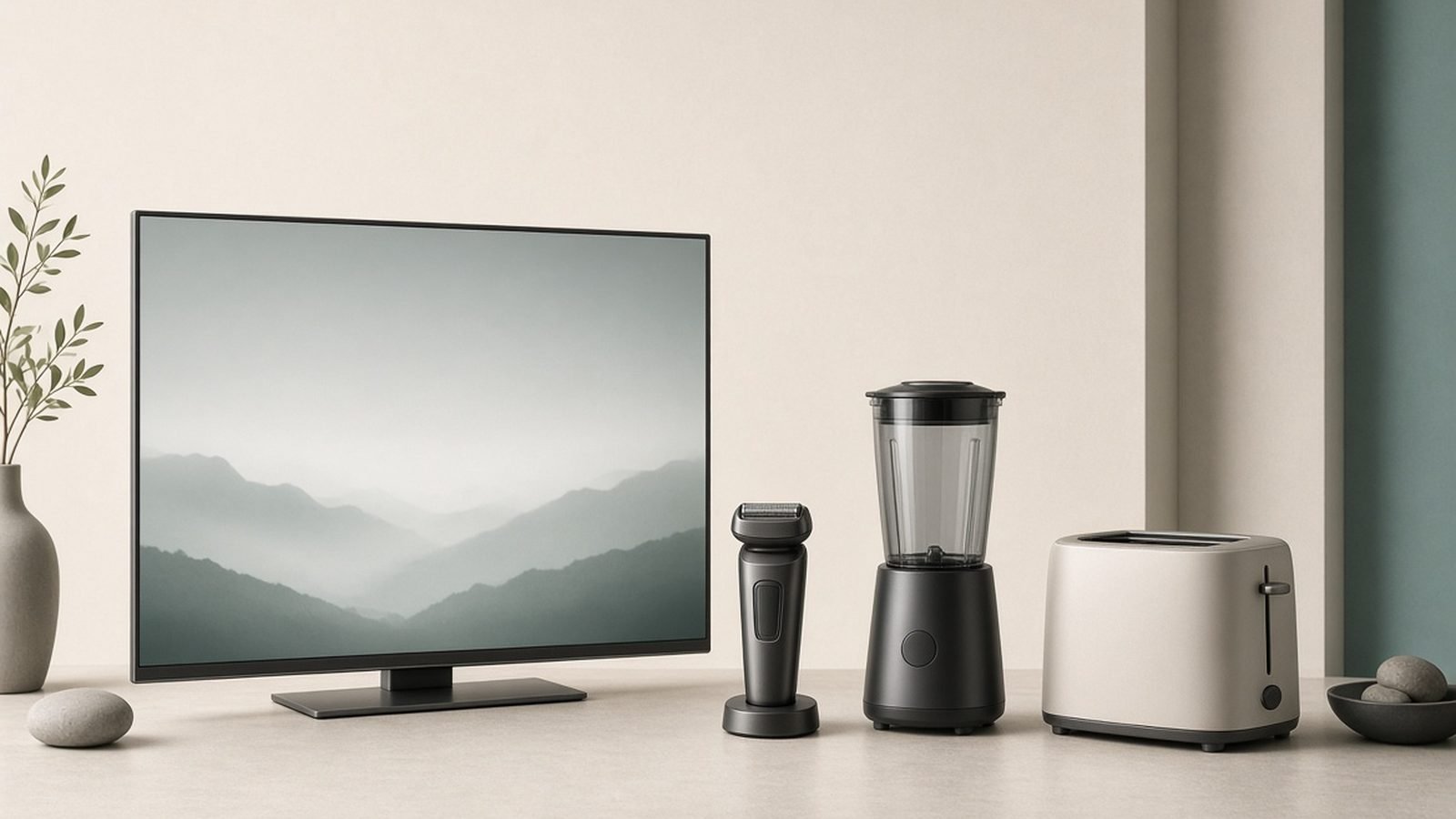
Panasonic rarely shouts, and that is precisely why it is underrated. This is a company founded in 1918 that today supplies EV battery cells to Tesla, yet its consumer reputation rests on quiet competence: OLED TVs calibrated to the reference standards film purists prize, Lumix cameras that creators adopt without being marketed at, and everyday gear — batteries, kitchen appliances, personal care — with a well-earned reputation for simply lasting. The asterisk on all of it is geography. Panasonic spent years out of the US TV market and has only recently returned, so an American buyer faces thinner choice and support than a shopper in Europe or Japan; check what is actually sold and supported in your region before falling for the spec sheet.
Panasonic rarely shouts, which is why it is underrated. This profile covers what the brand does exceptionally well and the practical regional gaps to know before you buy.
Company overview
Panasonic is a Japanese multinational headquartered in Kadoma, Osaka. Founded in 1918 by Konosuke Matsushita (the company was long known as Matsushita Electric before adopting the Panasonic name globally in 2008), it is one of the oldest and largest electronics firms in the world. Today it operates as Panasonic Holdings, a sprawling group spanning consumer electronics, automotive systems, industrial components, and batteries — Panasonic is a major supplier of EV battery cells, including for Tesla.
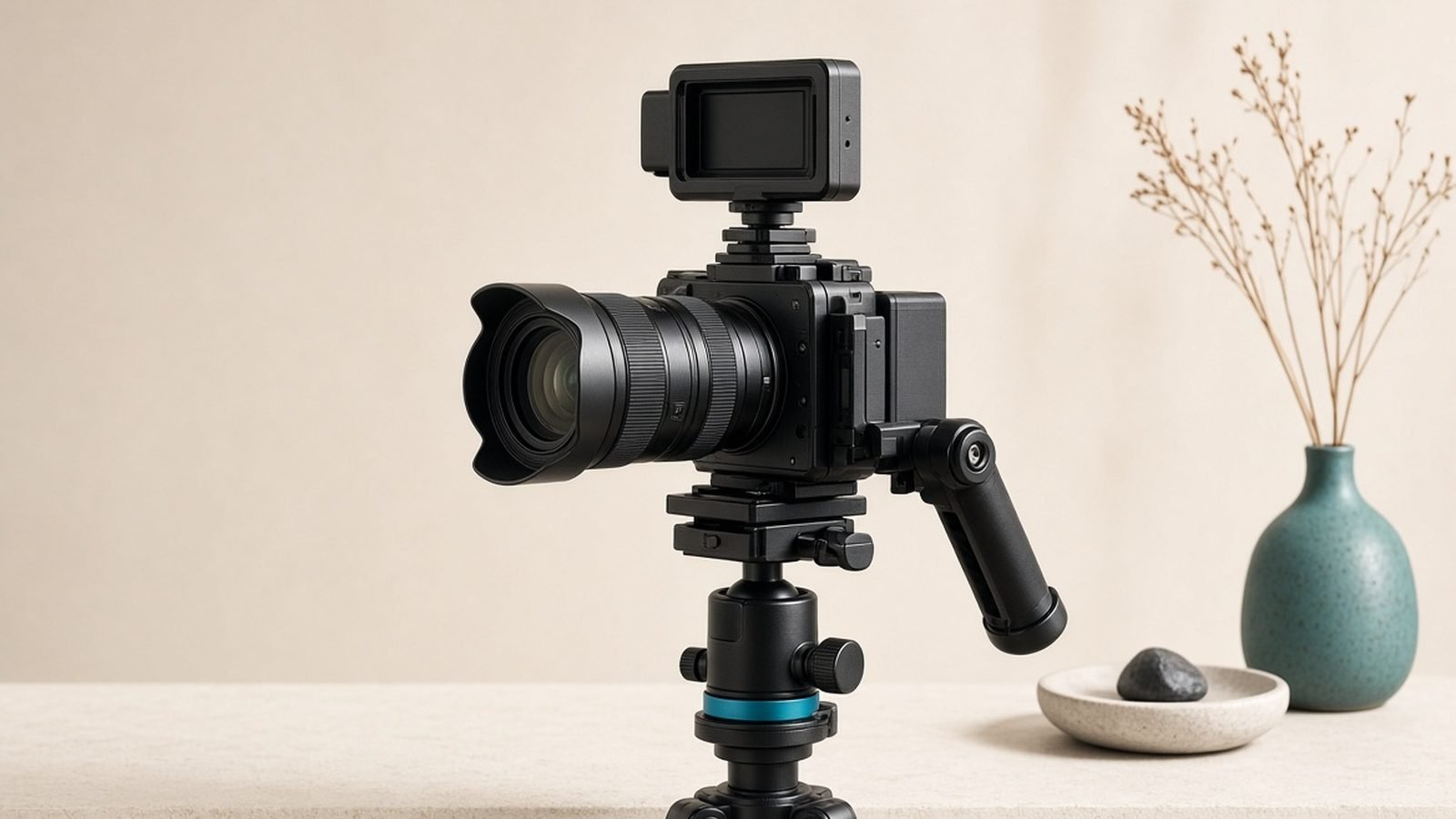
The brand’s reputation is built on engineering discipline and reliability rather than flash. In TVs, Panasonic is revered among enthusiasts and colorists: its high-end OLEDs are frequently used as mastering and reference displays, and Hollywood professionals have historically favored Panasonic plasma and OLED panels for accuracy. In cameras, the Lumix line (especially the S-series full-frame and GH-series Micro Four Thirds bodies) has a devoted following among videographers.
A key regional note: Panasonic withdrew from selling TVs in the United States for several years and returned to the US TV market only recently. As a result, its consumer presence is strongest in Europe, the UK, Japan, and much of Asia, and comparatively limited in North America.
What Panasonic makes
Panasonic’s consumer catalog is wide and skews toward quality staples:
- Televisions: Premium OLED TVs (the flagship line, often reference-calibrated) and mid-range LED/LCD sets. Strongest presence in Europe and Asia.
- Cameras: Lumix mirrorless cameras — full-frame S-series and Micro Four Thirds G/GH-series — plus lenses. A favorite among hybrid photo/video creators.
- Home audio & home theater: Blu-ray and 4K UHD players (among the best still made), soundbars, and hi-fi under the Technics brand, which Panasonic owns.
- Personal care & kitchen: Shavers and grooming, rice cookers, microwaves (including the well-regarded “cubie”/inverter models), and bread makers.
- Batteries & everyday electronics: Eneloop rechargeable batteries (a category benchmark), cordless phones, and a broad range of household electronics.
- Industrial & automotive: EV battery cells, avionics, and B2B systems — not consumer-facing but a big part of the company.
For a tech buyer, Panasonic means TVs, Lumix cameras, disc players, Technics audio, and dependable everyday gear.
Standout Panasonic products in 2026
Panasonic flagship OLED TVs. Panasonic’s top OLEDs pair a high-brightness (“Master OLED”/micro-lens-array-class) panel with the company’s renowned HCX processor and factory calibration to reference standards. Picture accuracy, tone mapping, and color are among the best in the business — which is why these sets appear in our Best OLED TVs 2026: Picture-Quality Kings roundup and our broader Best TVs 2026: OLED, Mini-LED & Budget Picks Compared guide.
Panasonic Lumix S-series (full-frame mirrorless). The S5-series in particular is a standout hybrid camera, beloved for its video features, color science, and value against Sony and Canon rivals. The GH-series remains a workhorse for run-and-gun video shooters.
Panasonic 4K UHD Blu-ray players. As many brands abandon physical media, Panasonic keeps making some of the best 4K disc players available, with excellent HDR handling — the natural partner for a reference OLED and a home-theater setup.
Technics audio (turntables and hi-fi). Under its Technics brand, Panasonic makes the legendary SL-1200 turntable and a respected range of headphones, earbuds, and hi-fi separates for serious listeners.
Eneloop rechargeable batteries. Humble but genuinely class-leading — Eneloop cells hold charge for years and are the default recommendation for anyone using AA/AAA rechargeables.
Strengths
Reference-grade picture accuracy. Panasonic’s OLED TVs are calibrated to professional standards and are among the most accurate consumer displays you can buy, making them a top pick for film lovers who want the director’s intent.
Elite processing and tone mapping. The HCX processor delivers refined upscaling, motion, and HDR handling that rivals or beats anything from Sony and LG at the high end.
Outstanding cameras for video creators. Lumix bodies punch above their price for hybrid shooting, with strong color science, good value, and a loyal creator community.
Reliability and build quality. Across cameras, players, batteries, and appliances, Panasonic has a deserved reputation for durable, well-engineered products that last.
Depth in dying categories. Panasonic still invests in things others are abandoning — excellent 4K Blu-ray players and Technics hi-fi — which makes it a haven for enthusiasts.
Weaknesses & criticisms
Limited US availability and support. The biggest practical downside. After years away, Panasonic’s US TV lineup is thin and its retail and service footprint is smaller than Samsung, LG, Sony, or even Hisense and TCL. American buyers have fewer models, fewer stockists, and less certain long-term support.
Premium pricing at the top end. Panasonic’s flagship OLEDs are priced with the best — often around the level of premium LG and Sony sets, sometimes higher — so the brand competes on quality, not value, in TVs.
Smaller smart-TV app and gaming ecosystem. Depending on region, Panasonic uses its My Home Screen platform or Amazon Fire TV. Historically its gaming feature support (HDMI 2.1, high refresh, VRR) lagged rivals, and while recent flagships have caught up, mid-range sets can still fall short for serious gamers.
Uneven mid-range TVs. The magic is concentrated in the flagship OLEDs. Panasonic’s cheaper LCD sets are competent but not standout, and are easily matched on value by Hisense or TCL.
Fragmented brand presence. Because Panasonic spans everything from EV batteries to shavers, its consumer identity is diffuse, and some product lines are region-locked, which makes cross-border buying and support confusing.
Reliability & support
Panasonic’s reliability reputation is one of its greatest assets. Its cameras, disc players, Eneloop batteries, and kitchen and grooming appliances are widely regarded as durable and dependable, and its OLED TVs are built to a high standard. If longevity matters, Panasonic is a reassuring choice.
Support quality, however, is heavily region-dependent. In Europe, the UK, and Japan, Panasonic has an established service and retail network and buyers are well looked after. In the US, the recently rebuilt TV presence means a thinner support footprint — check warranty terms, authorized service centers, and parts availability for your specific product before buying, especially for a large TV. Warranties are typically one year on electronics in the US and one to two years in the UK/EU under consumer law, with cameras and some products carrying separate terms.
Software support for TVs varies by platform and region; Fire TV models inherit Amazon’s update cadence, while Panasonic’s own platform receives more modest updates. As always, buy the specific well-reviewed model and confirm regional support rather than assuming a uniform global experience.
Who should buy Panasonic
Buy Panasonic if you value accuracy, engineering, and longevity over flash — and especially if you live where the brand is well distributed (Europe, the UK, Japan, much of Asia). Its OLED TVs are a dream for film purists, its Lumix cameras are excellent for video-focused creators, and its Blu-ray players and Technics audio serve enthusiasts other brands have abandoned. Everyday Panasonic gear, from Eneloop batteries to shavers, is a safe, durable buy anywhere.
Look elsewhere if you are a US buyer who wants the widest TV selection and the most robust local support (Samsung, LG, and Sony are safer there), if you want the most gaming features per dollar (compare Hisense and TCL, and see Best Gaming TVs for PS5 & Xbox 2026: 120Hz Top Picks), or if value rather than reference quality is your priority — budget shoppers will do better with the sets in our Best Budget TVs 2026: Great Picture for Less guide.
FAQ
Is Panasonic a good brand?
Yes — it is one of the most respected electronics brands in the world for engineering, accuracy, and reliability. Its OLED TVs, Lumix cameras, disc players, and everyday electronics are excellent. The main caveat is regional availability, particularly a thinner presence in the US.
Is Panasonic reliable?
Very. Panasonic has a long-standing reputation for durable, well-built products across cameras, batteries, disc players, and appliances, and its TVs are made to a high standard. Reliability is one of the brand’s core strengths.
Where is Panasonic from and who owns it?
Panasonic is a Japanese company headquartered in Osaka, founded in 1918 (originally Matsushita Electric). It operates as the publicly traded Panasonic Holdings and is a major global maker of electronics and EV battery cells.
Are Panasonic OLED TVs as good as Sony and LG?
At the high end, yes — Panasonic’s flagship OLEDs match or beat Sony and LG on accuracy and processing and are prized as reference displays. The difference is availability and gaming-feature breadth rather than picture quality. See our Best OLED TVs 2026: Picture-Quality Kings roundup.
Did Panasonic stop selling TVs in the US?
For several years, yes — Panasonic withdrew from the US TV market and returned only recently. That is why US selection and support are thinner than in Europe or Asia. Confirm local availability and service before buying in North America.
Are Panasonic Lumix cameras good for video?
Yes. Lumix S-series and GH-series bodies are longtime favorites among video creators for their features, color science, and value, and they remain a strong alternative to Sony, Canon, and Nikon for hybrid shooters.
Zen Tech Hub may earn a commission from links on this page, at no extra cost to you.