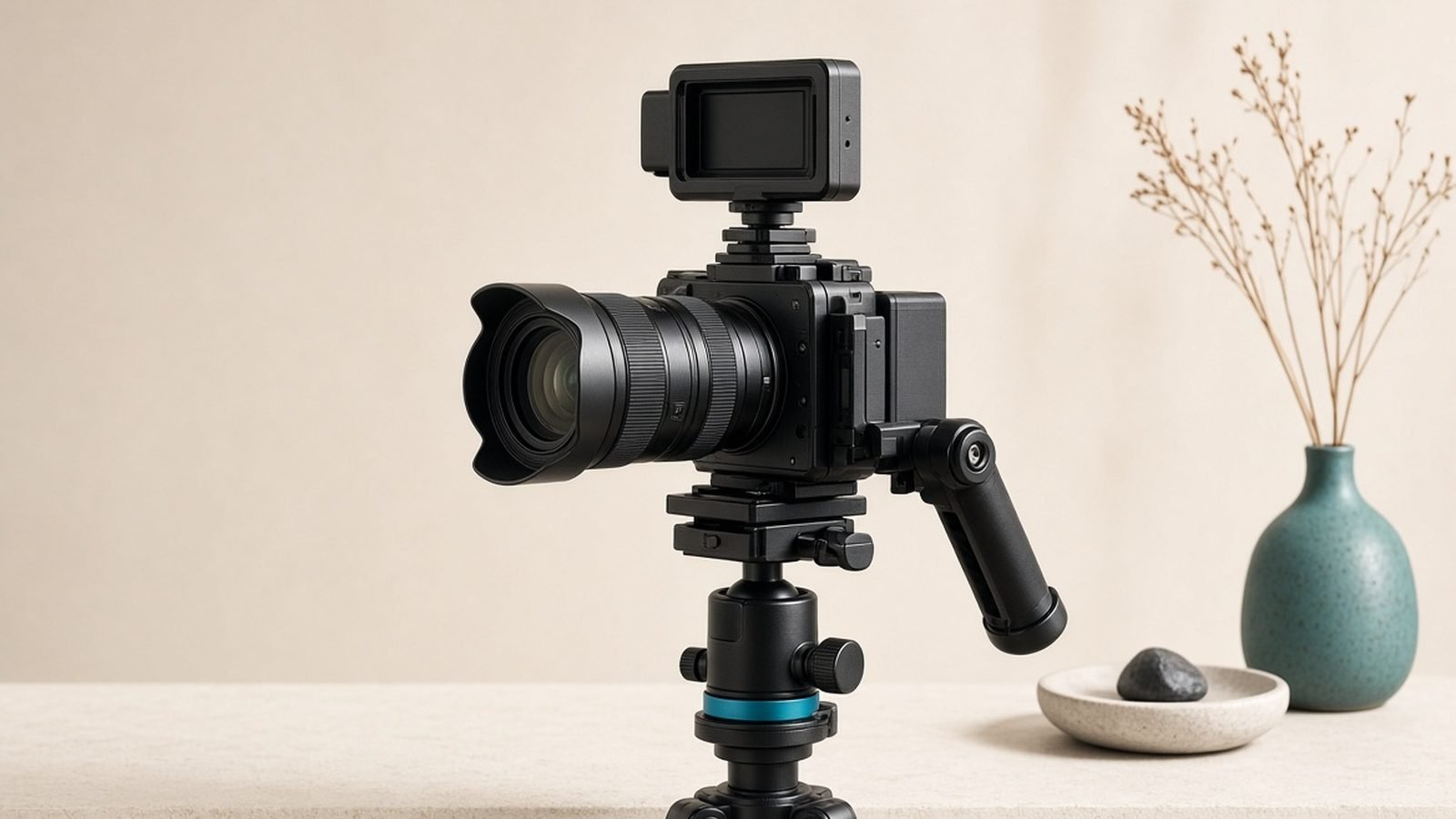
Panasonic Lumix is the camera brand video creators keep coming back to, and in 2026 it offers some of the best value in hybrid cameras — bodies that treat stills and video as equal citizens. Lumix full-frame S-series and Micro Four Thirds G-series cameras deliver excellent video features (unlimited recording, strong codecs, great stabilization) at prices that undercut rivals, and the switch to a modern phase-detect autofocus system has finally fixed the brand’s biggest historic weakness. The remaining caveats: Micro Four Thirds’ smaller sensor limits low-light and shallow-depth-of-field potential, the native L-mount lens range depends partly on partners, and Lumix has a smaller mindshare and service presence than Canon, Sony or Nikon.
Verdict: The best-value hybrid brand for video-leaning creators, especially on a budget. Caveats are a smaller sensor on MFT bodies and lower brand ubiquity.
Company overview
Lumix is the camera brand of Panasonic, a Japanese electronics giant headquartered in Osaka, founded in 1918. Panasonic (formerly Matsushita) is a huge, publicly traded conglomerate spanning batteries, appliances, automotive systems and electronics, so — importantly — cameras are a small part of a very large, stable company. That means Lumix is well-funded and unlikely to disappear, but also that it competes for internal attention against much bigger divisions.
Lumix’s reputation in plain terms: a video-first, engineer-led camera brand that consistently delivers strong feature sets at aggressive prices. It co-founded the L-mount alliance with Leica and Sigma, giving its full-frame cameras a shared lens ecosystem, and it remains the leading force (alongside OM System) behind the compact Micro Four Thirds format. Historically its Achilles’ heel was contrast-detect autofocus that trailed rivals for video subject tracking; the move to phase-detect AF in recent S-series bodies has largely resolved this and reset perceptions of the brand.
What Panasonic Lumix makes
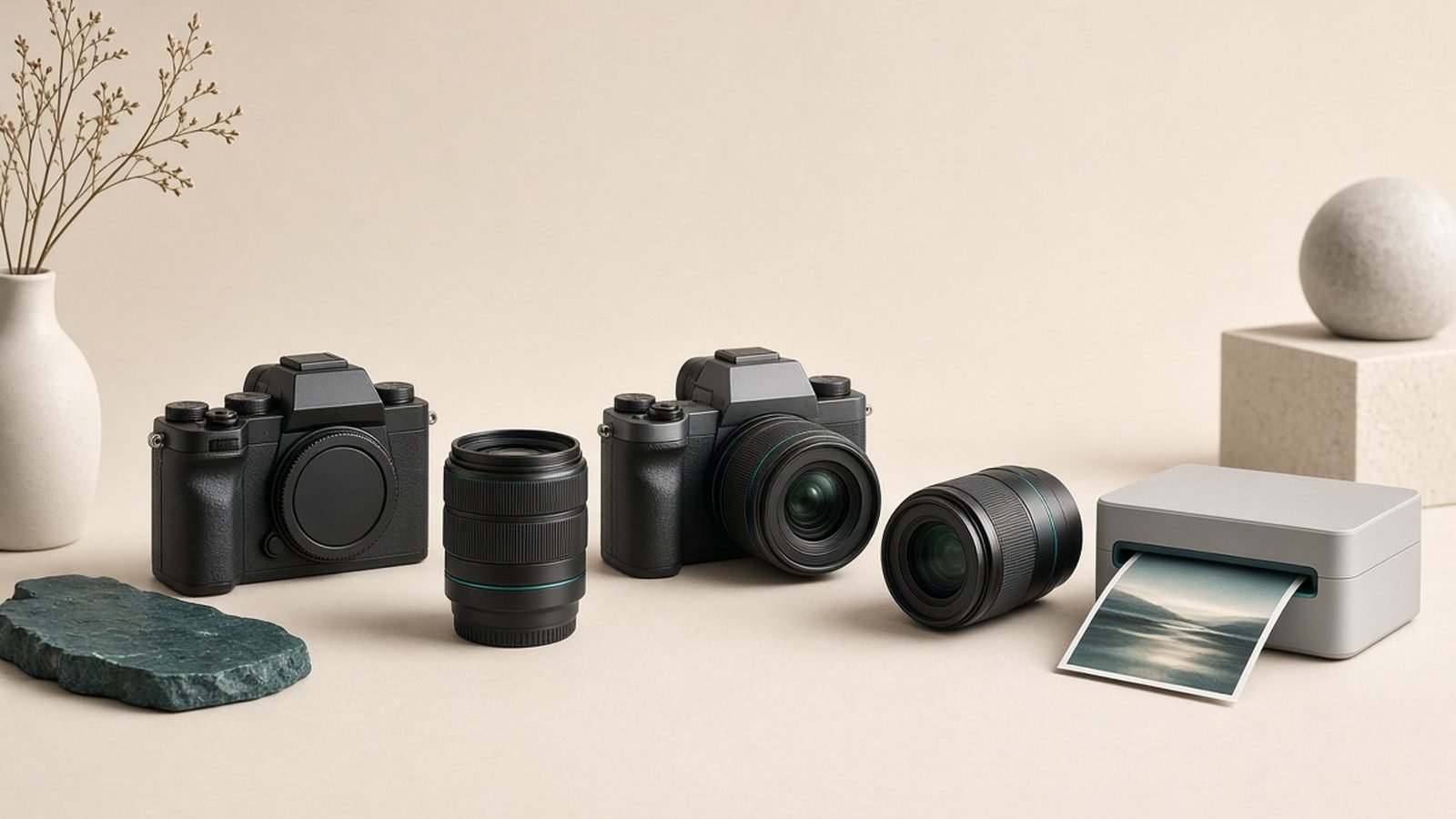
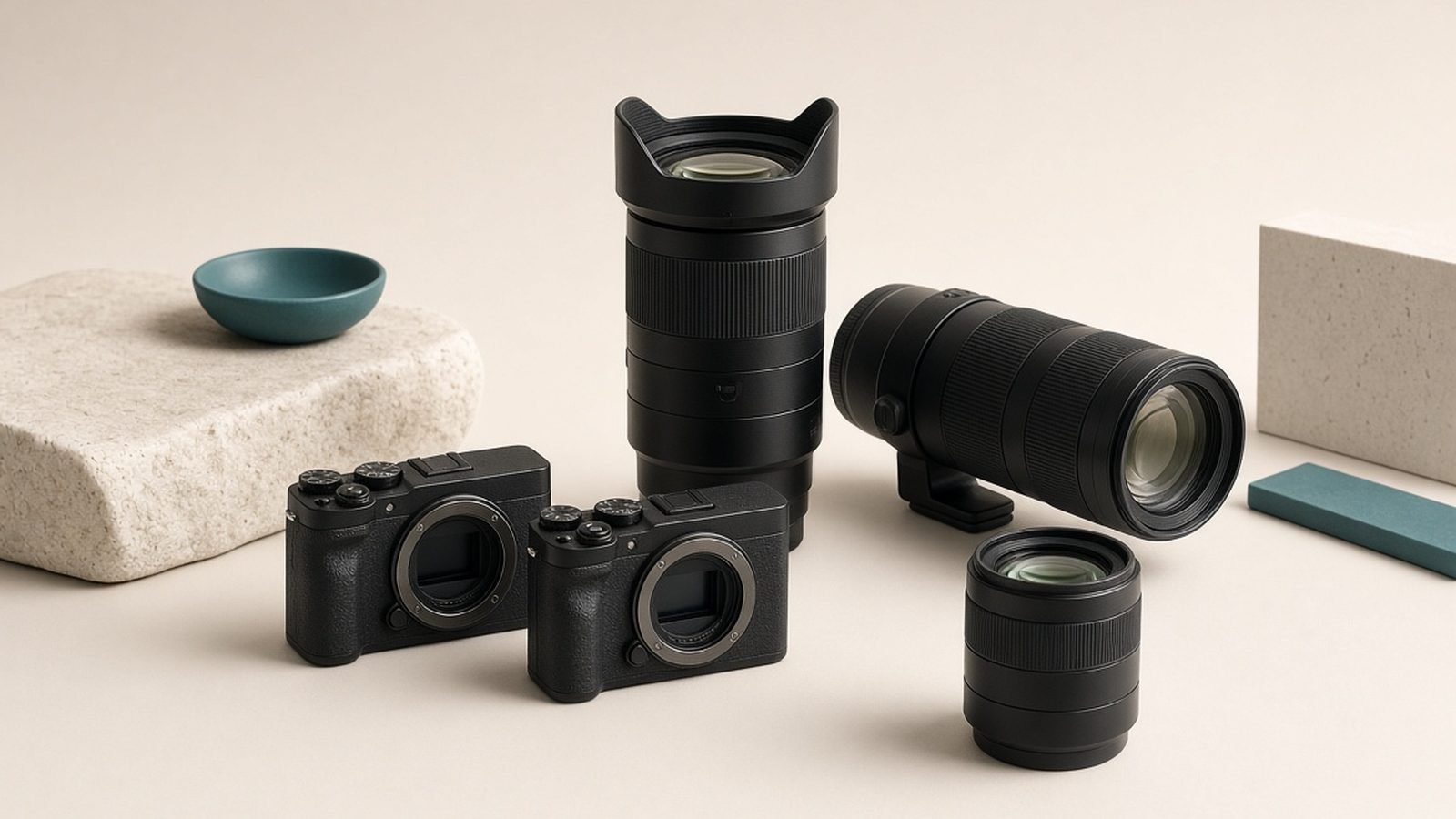
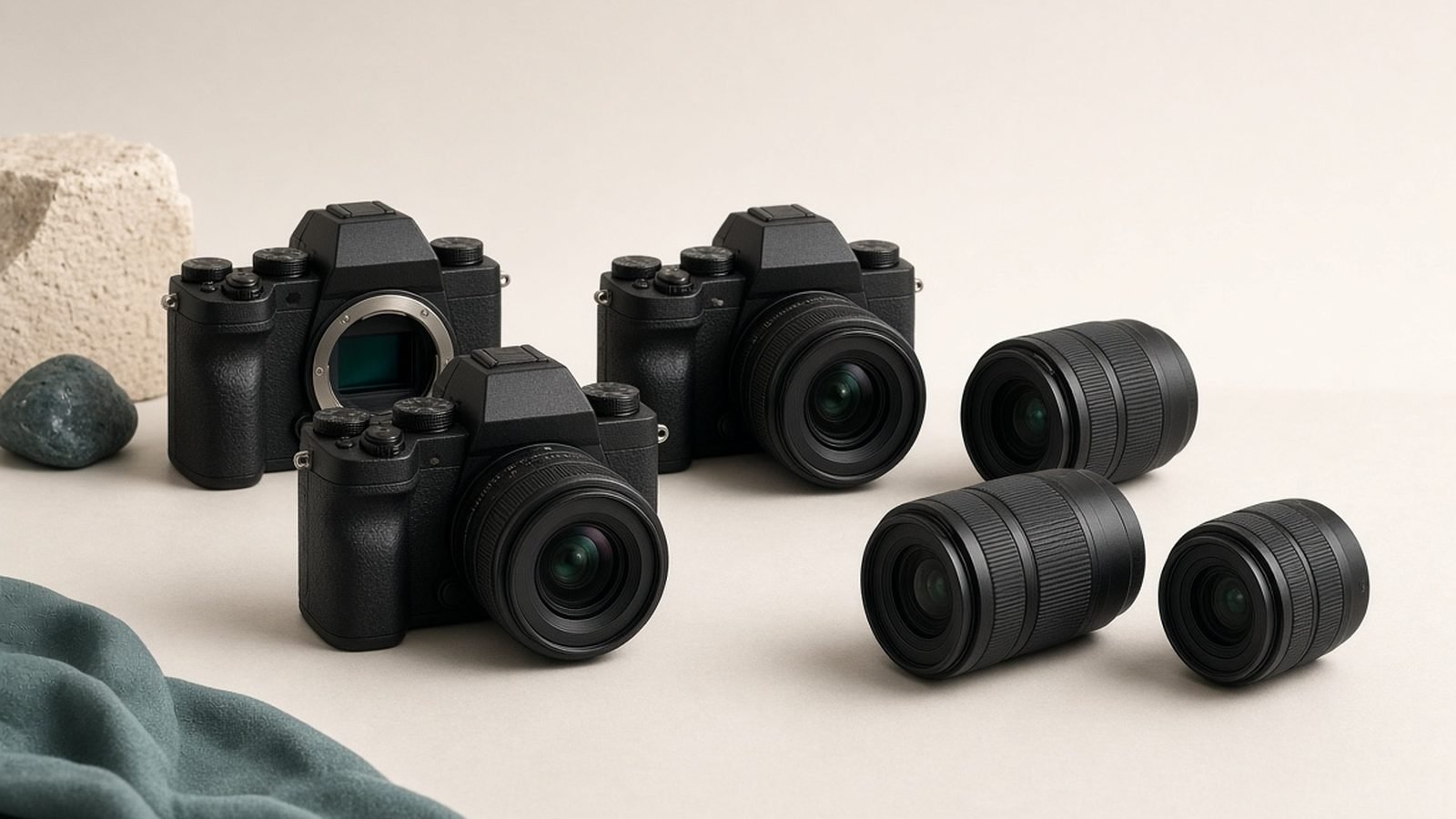
The Lumix camera range splits into two systems plus compacts:
- Lumix S-series (full-frame, L-mount) — hybrid mirrorless bodies aimed at photo and video creators, sharing lenses with Leica and Sigma.
- Lumix G-series (Micro Four Thirds) — smaller-sensor mirrorless cameras prized for compact size, stabilization and video, including the video-centric GH line.
- L-mount and MFT lenses — native Lumix glass plus L-mount lenses from Sigma and Leica, and a vast Micro Four Thirds catalog shared with OM System.
- Lumix compacts and bridge cameras — including the well-regarded LX and FZ lines.
- Broadcast and cinema — professional video gear that shares DNA with the consumer hybrids.
The unifying theme is video-forward hybrid design: Lumix cameras are built to shoot serious video without treating it as an afterthought.
Standout Panasonic Lumix products in 2026
The camera that best represents Lumix is the Lumix S5 IIX, a full-frame hybrid that features across our Best Mirrorless Cameras 2026: Full-Frame & APS-C coverage. Based on published specs and reviewer consensus, its phase-detect autofocus, extensive internal and external recording options, in-body stabilization and aggressive price make it one of the best value propositions for hybrid shooters and independent filmmakers.
Across the rest of the range:
- Lumix S9 — a compact, creator-focused full-frame body with real-time film-style color presets, featured in Best Vlogging Cameras 2026: Creators' Picks.
- Lumix GH7 — the flagship Micro Four Thirds video camera, a staple for run-and-gun and documentary shooters.
- Lumix G100 / G100D — a small, affordable Micro Four Thirds body aimed at beginners and vloggers, appearing in Best Cameras for Beginners 2026: Easy & Affordable.
- Lumix S1 II — a higher-end full-frame hybrid for demanding photo-and-video work.
For creators wanting the most video capability per dollar, the S5 IIX is the pick:
Strengths
Video features and value. Lumix consistently offers class-leading video specs — high bitrates, multiple codecs, unlimited recording, waveforms and V-Log — at prices below Sony and Canon equivalents. It is the value champion for hybrid shooters.
Excellent in-body stabilization. Panasonic’s IBIS is among the best in the industry, enabling smooth handheld video and sharp low-shutter stills, especially strong on Micro Four Thirds bodies.
A now-competitive autofocus system. The switch to phase-detect AF on recent S-series cameras fixed the brand’s biggest historic weakness, bringing reliable subject tracking for both stills and video.
Two complementary systems. Full-frame L-mount for quality and low light, Micro Four Thirds for compactness and reach — with an L-mount alliance (Leica, Sigma) that broadens lens choice.
Creator-friendly color and tools. Recent bodies include real-time LUTs and film-style presets, plus mature color science that appeals to video creators who want a finished look.
Weaknesses & criticisms
Micro Four Thirds sensor limits. The smaller MFT sensor is more compact and stabilized but gives up low-light performance and shallow-depth-of-field control versus full frame and APS-C. It is a deliberate trade-off, not a flaw, but it is a real ceiling.
Legacy autofocus reputation. Even though phase-detect AF fixed the problem, the brand’s older contrast-detect bodies earned a reputation for hunting in video that still lingers and affects perception.
Smaller lens ecosystem for full frame. Native L-mount Lumix lenses are fewer than Sony’s or Canon’s; buyers lean on Sigma and Leica to fill gaps, which is good but adds cost and complexity.
Lower brand ubiquity and resale. Lumix has less mindshare than the big three, which can mean weaker resale value and fewer local accessories, rentals and used bodies.
Smaller service and support footprint. Panasonic’s camera-specific service network is less extensive than Canon’s or Nikon’s in many regions.
Reliability & support
Based on aggregated user feedback, Lumix cameras are well-built and dependable, with the higher-end S and GH bodies offering solid weather sealing and robust construction aimed at working video shooters. Panasonic has a good record of firmware support, frequently adding features, codecs and autofocus improvements to existing bodies after launch — the video-focused GH and S lines in particular have received substantial post-release updates.
Support is competent but depends on region. Panasonic offers a standard manufacturer warranty (typically one year, varying by market, with paid extensions) and repair service, but because it is a smaller camera player, service turnaround and local availability are less consistent than the big two. The most common owner concerns are the smaller lens ecosystem and the sensor-size trade-off on MFT rather than hardware failure. For creators who value features and value-for-money, Lumix reliability is not a sticking point; the friction is ecosystem breadth and service reach.
Who should buy Panasonic Lumix
Buy Lumix if you: are a video-first or hybrid creator who wants the most recording capability, stabilization and features per dollar; a filmmaker on a budget; or someone who values compact, highly stabilized kits (Micro Four Thirds) for travel and run-and-gun. The S5 IIX in particular is a standout value.
Look elsewhere if you: need the absolute best autofocus for fast sports and wildlife or the deepest native lens catalog (Sony leads), want maximum low-light and shallow depth of field on a budget (full-frame Canon/Nikon/Sony), or prioritize brand ubiquity, resale and local service. Compare the field in our Best Mirrorless Cameras 2026: Full-Frame & APS-C guide.
FAQ
Is Panasonic Lumix a good brand?
Yes. Lumix makes some of the best-value hybrid cameras available, with class-leading video features, excellent stabilization and — since the switch to phase-detect autofocus — competitive AF. The main caveats are the smaller Micro Four Thirds sensor on some bodies and a smaller lens ecosystem and service footprint than the big three.
Is Lumix reliable?
Yes. Lumix bodies are well-built, the higher-end models are weather-sealed for professional use, and Panasonic has a strong record of firmware updates that keep cameras current. Reliability complaints are uncommon; the bigger trade-offs are ecosystem breadth and regional service reach.
Where is Panasonic from and who owns it?
Lumix is the camera brand of Panasonic, a large Japanese electronics corporation headquartered in Osaka, founded in 1918. Panasonic is independently owned and publicly traded, and cameras are one small division within a much larger, financially stable conglomerate.
Is Lumix better than Sony?
For video value, Lumix is often better — more recording features and stabilization for less money. Sony leads on autofocus, low-light full-frame performance and the breadth of its native lens ecosystem. Many hybrid creators weigh price against those factors; see our Best Mirrorless Cameras 2026: Full-Frame & APS-C guide.
What is the difference between Lumix full-frame and Micro Four Thirds?
Lumix S-series cameras use large full-frame sensors for better low-light and shallow depth of field, sharing the L-mount with Leica and Sigma. Lumix G-series uses smaller Micro Four Thirds sensors for compact, highly stabilized bodies and lenses. Choose full frame for image quality, MFT for size and reach.
Did Lumix fix its autofocus problems?
Largely, yes. Panasonic’s older cameras used contrast-detect autofocus that could hunt during video, which hurt the brand’s reputation. Recent S-series bodies use phase-detect autofocus with reliable subject tracking, closing the gap with rivals for both stills and video.
Zen Tech Hub may earn a commission from links on this page, at no extra cost to you.