If you want an e-reader that reads almost any file format, keeps you out of Amazon’s walled garden, and adds extras Kindles skip — physical page buttons, audio, expandable storage — PocketBook is one of the most open, flexible brands you can buy in 2026. It is the natural pick for readers with big EPUB libraries or a dislike of ecosystem lock-in. Verdict: buy PocketBook if format freedom and hardware features matter more than polish, and you already source your own books — but expect clunkier, slower software than a Kindle or Kobo, a smaller built-in store, and patchier availability, especially in the US.
PocketBook trades a slick ecosystem for openness. This profile covers who that trade suits and who it doesn’t.
Company overview
PocketBook is a consumer e-reader brand run by PocketBook International, registered in Lugano, Switzerland, with development roots in Eastern Europe. It has been making e-ink readers since around 2008 and is one of the longest-standing alternatives to Amazon’s Kindle and Rakuten’s Kobo, with its strongest presence in Europe.
PocketBook’s reputation is built on openness rather than ecosystem. Where Kindle steers you toward Amazon’s store and Kobo toward its own, PocketBook leans into broad file-format support, no mandatory account or store lock-in, and hardware extras that enthusiasts value. That makes it a favorite among readers who manage their own libraries — but it is a smaller, less-polished operation than its giant rivals, and its software and store don’t match theirs for smoothness or breadth.
What PocketBook makes
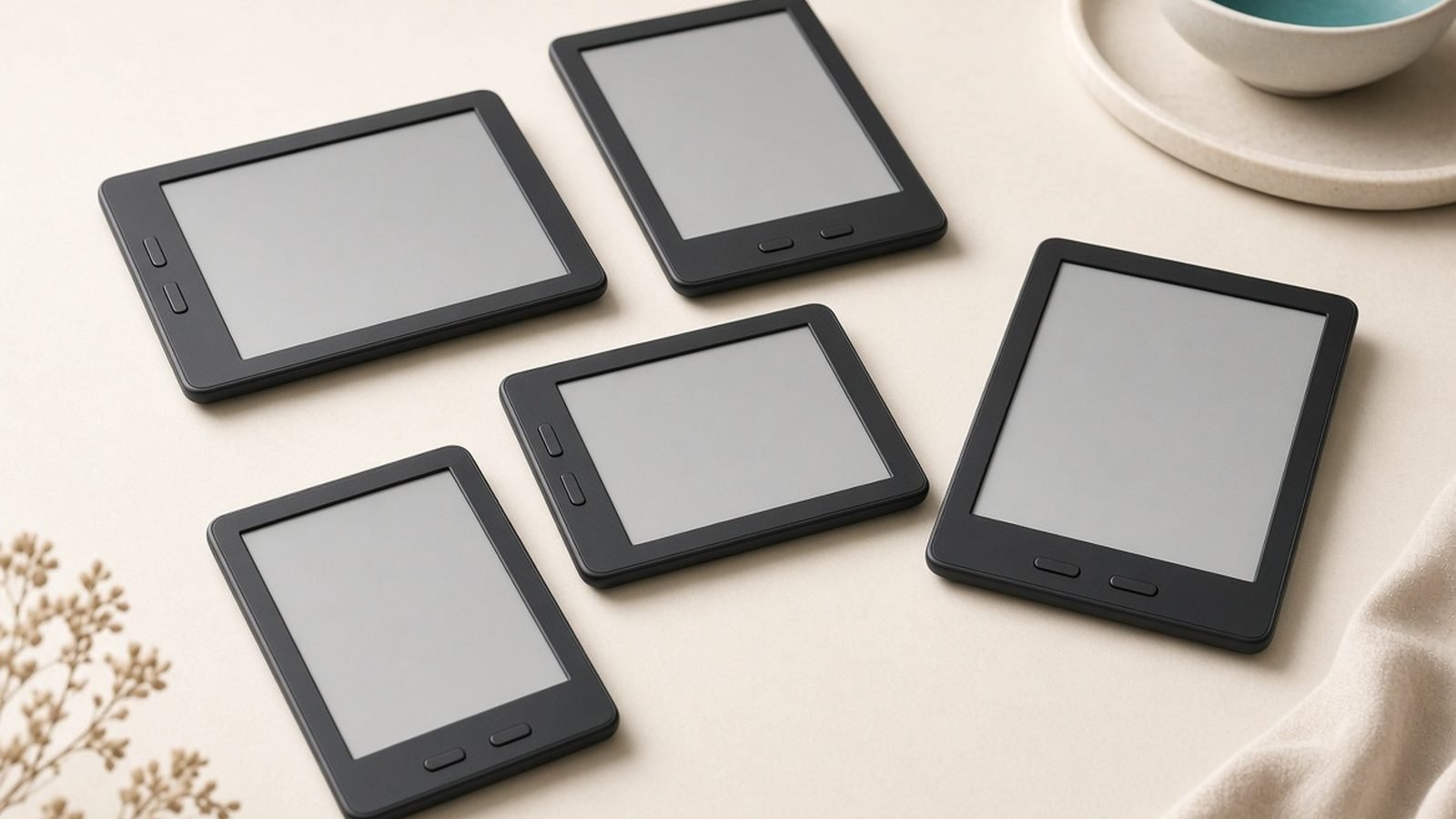
PocketBook’s range is focused on e-ink reading devices:
- Standard e-readers: Compact models like the Verse and Verse Pro, aimed at everyday reading at accessible prices.
- Premium e-readers: The Era and Era Color, adding faster hardware, audio support, and in some cases color e-ink.
- Large-screen readers: The InkPad line with bigger displays for PDFs, comics, and textbooks.
- Color e-ink models: Devices using Kaleido color e-ink for comics, magazines, and illustrated content.
- Audio-capable readers: Several PocketBook devices include a speaker or Bluetooth for audiobooks and text-to-speech — a feature Kindles largely omit.
- Accessories: Cases, covers, and reading lights tailored to its devices.
Standout PocketBook products in 2026
PocketBook Era. The mainstream flagship — a comfortable mid-size reader with physical page-turn buttons, audio support, generous storage, and broad format handling, often around $199 / £179. It is a regular recommendation in our Best E-Readers 2026: Kindle & Kobo Picks Compared (US & UK) guide for readers who want an open alternative to Kindle.
PocketBook InkPad. For readers who want a larger screen for PDFs, comics, or textbooks, the InkPad line delivers more real estate than a standard Kindle or Kobo, appearing in our large-format reading coverage.
PocketBook Era Color / color models. PocketBook’s color e-ink readers give comic and magazine fans an option beyond the mainstream, and they factor into the color-versus-mono debate we lay out in E-Ink vs LCD for Reading: Eyes, Battery & Sunlight Explained.
PocketBook Verse. The entry-level Verse and Verse Pro are compact, affordable readers for people who mainly want format freedom without spending much.
For most buyers, the Era is the standout — it captures what makes PocketBook worth choosing: openness plus hardware features the big brands leave out.
Strengths
Outstanding format support. PocketBook natively reads a long list of formats — EPUB, PDF, MOBI, FB2, and many more — often without conversion, which is its single biggest advantage over Kindle’s more restrictive approach.
No ecosystem lock-in. There’s no mandatory store or account funneling you toward one bookseller. You can sideload your own library freely and shop wherever you like, appealing to readers who own a lot of DRM-free EPUBs.
Hardware extras rivals skip. Physical page-turn buttons, audio/Bluetooth for audiobooks and text-to-speech, and expandable storage on some models are features Kindles typically lack.
A range of screen sizes. From compact Verse readers to large InkPad models, PocketBook covers PDF and comic readers better than the narrower mainstream lineups.
Genuine independence. For buyers who specifically want to avoid Amazon, PocketBook is one of the few established, long-running alternatives.
Weaknesses & criticisms
Sluggish, clunky software. The most common criticism. PocketBook’s interface and page-rendering can feel slower and less refined than a Kindle or Kobo, with occasional lag and a dated look.
A smaller, weaker store. PocketBook’s built-in bookstore is far less comprehensive than Amazon’s or Kobo’s, so the experience shines mainly when you bring your own files rather than buy in-device.
Patchy availability. PocketBook is easy to find in Europe but harder to buy and support in the US and some other regions, where Kindle and Kobo dominate shelves.
Infrequent software polish. Updates and refinement arrive more slowly than from the better-resourced giants, so rough edges can linger.
Less seamless syncing. Whispersync-style cross-device reading and library management are not as slick as Amazon’s or Kobo’s tightly integrated ecosystems.
Reliability & support
PocketBook’s hardware is generally solid and its devices tend to last, with e-ink’s inherent durability and long battery life working in their favor. The bigger reliability question is software: buyers should expect a less polished, occasionally laggy experience rather than frequent failures. Standard warranty is typically two years in Europe (in line with regional consumer law), which is a point in its favor, though shorter elsewhere.
Support reflects PocketBook’s size — competent but not as extensive or fast as Amazon’s near-instant Kindle assistance, and stronger in its core European markets than in regions where it has a thin footprint. For readers who manage their own libraries and value openness, PocketBook is a dependable long-term choice; for those wanting hand-holding and a frictionless store, the mainstream brands are safer.
Who should buy PocketBook
Buy PocketBook if you already have a large EPUB or PDF library, want to avoid Amazon lock-in, and value hardware features like page buttons, audio, and expandable storage. It is ideal for self-sufficient readers who source their own books and want maximum format freedom — see where it lands in Best E-Readers 2026: Kindle & Kobo Picks Compared (US & UK).
Look elsewhere if you want the smoothest software and the biggest, easiest bookstore (Kindle or Kobo suit you better — compare in Kindle Paperwhite vs Kobo Libra Colour: Which to Buy in 2026), if you’re in a region where PocketBook is hard to buy and support, or if you’d rather buy books in a couple of taps than manage your own files.
FAQ
Is PocketBook a good brand?
Yes, for the right reader. PocketBook makes open, format-friendly e-readers with hardware features Kindles skip and no ecosystem lock-in. It’s a strong pick if you manage your own library, but its software is clunkier and its store smaller than Kindle’s or Kobo’s.
Is PocketBook reliable?
The hardware is generally reliable and long-lasting, with good battery life and (in Europe) a two-year warranty. The main caveat is software polish rather than durability — expect a slower, less refined interface than the mainstream brands rather than frequent hardware faults.
Where is PocketBook from and who owns it?
PocketBook is run by PocketBook International, registered in Lugano, Switzerland, with development roots in Eastern Europe. It has made e-readers since around 2008 and is strongest in the European market.
PocketBook vs Kindle — which is better?
Kindle wins on software polish, store size, and ecosystem convenience. PocketBook wins on format freedom, avoiding Amazon lock-in, and hardware extras like page buttons and audio. Choose Kindle for a frictionless store experience, PocketBook if you bring your own library. See Best E-Readers 2026: Kindle & Kobo Picks Compared (US & UK).
PocketBook vs Kobo?
Both are more open than Kindle and support EPUB well. Kobo offers slicker software, tighter library integration (including OverDrive), and better availability; PocketBook offers even broader format support and more hardware options like larger screens and expandable storage. Compare the mainstream side in Kindle Paperwhite vs Kobo Libra Colour: Which to Buy in 2026.
Does PocketBook support EPUB and library books?
Yes — PocketBook natively supports EPUB and many other formats, which is a core strength, and you can sideload files freely. Library and DRM handling depends on the source and format; for a sense of moving your own files onto a reader, our How to Transfer ePub Books to a Kobo (USB, Calibre & Cloud) walkthrough covers the general EPUB workflow.
Zen Tech Hub may earn a commission from links on this page, at no extra cost to you.