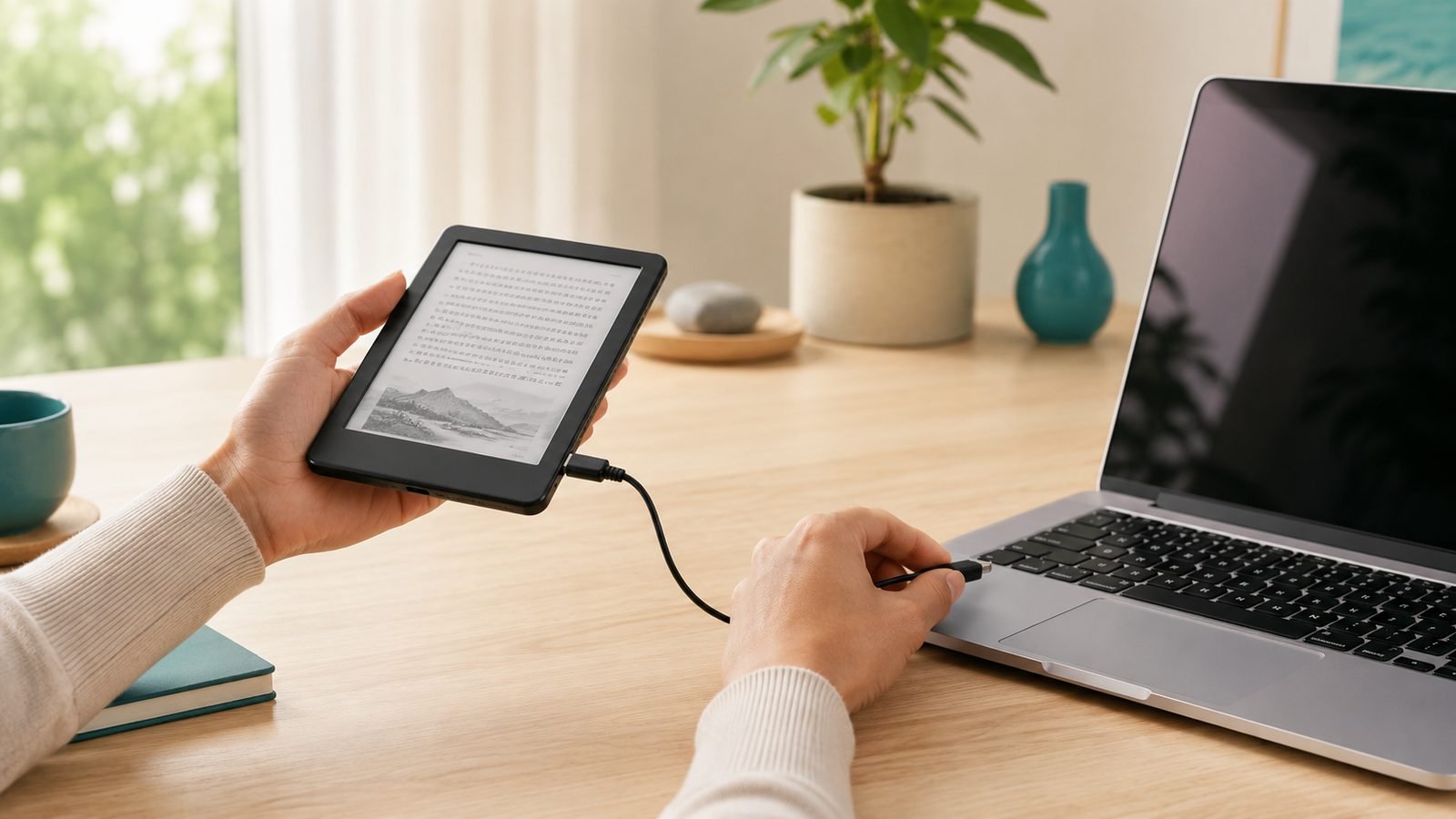
Choosing between Kobo and Kindle is less a hardware decision than a decision about where your books are allowed to live, and that is the useful way to read this page. Kobo’s case rests on openness: it reads the standard ePub format, so books bought outside its own shop work normally, and it builds public-library borrowing into the device instead of treating it as a workaround. Rakuten has owned the Toronto company since 2012 and has kept its focus unusually narrow — e-readers and reading, with no advertising on the lock screen. The costs of that independence are concrete rather than abstract: a smaller first-party bookstore than Amazon’s, hardware availability that varies sharply by country, and an audiobook story that does not match Kindle’s. Below: what Kobo makes, which models matter in 2026, and the criticisms that come up most often.
Verdict: The best mainstream Kindle alternative, especially for library users and ePub buyers. Best for readers who want openness and no ads; less compelling if you’re deep in Amazon’s book and audiobook ecosystem.
Company overview
Kobo was founded in 2009 in Toronto, Canada, and since 2012 has been owned by the Japanese e-commerce giant Rakuten. It is often referred to as Rakuten Kobo, and it operates as Rakuten’s global e-reading arm, selling e-readers, e-books and audiobooks in many countries. It remains headquartered in Toronto while benefiting from Rakuten’s scale and resources.
Kobo’s reputation among dedicated readers is excellent. It is seen as the reader-friendly, more open counterpart to Amazon’s Kindle — supporting the standard ePub format, integrating public-library borrowing directly, and keeping its devices free of lock-screen ads. In several markets it partners with local booksellers (for example, it has long powered the e-reading offerings of various independent and national retailers), which cements its image as the choice for people who want an alternative to Amazon’s walled garden.
What Kobo makes
Kobo’s focus is narrow and reading-first:
- E Ink e-readers — a full range from compact, affordable models to large premium devices, including waterproof designs and stylus-enabled note-takers.
- Color E Ink readers — devices using color E Ink panels for comics, book covers, highlights and illustrated content.
- E-reader/notebook hybrids — the Elipsa and Sage lines that add stylus note-taking to a large E Ink screen.
- Digital bookstore and services — the Kobo Store for e-books and audiobooks, plus Kobo Plus, a subscription for unlimited reading and listening in supported regions.
- Reading app — free Kobo apps for phones and tablets that sync with its devices.
Standout Kobo products in 2026
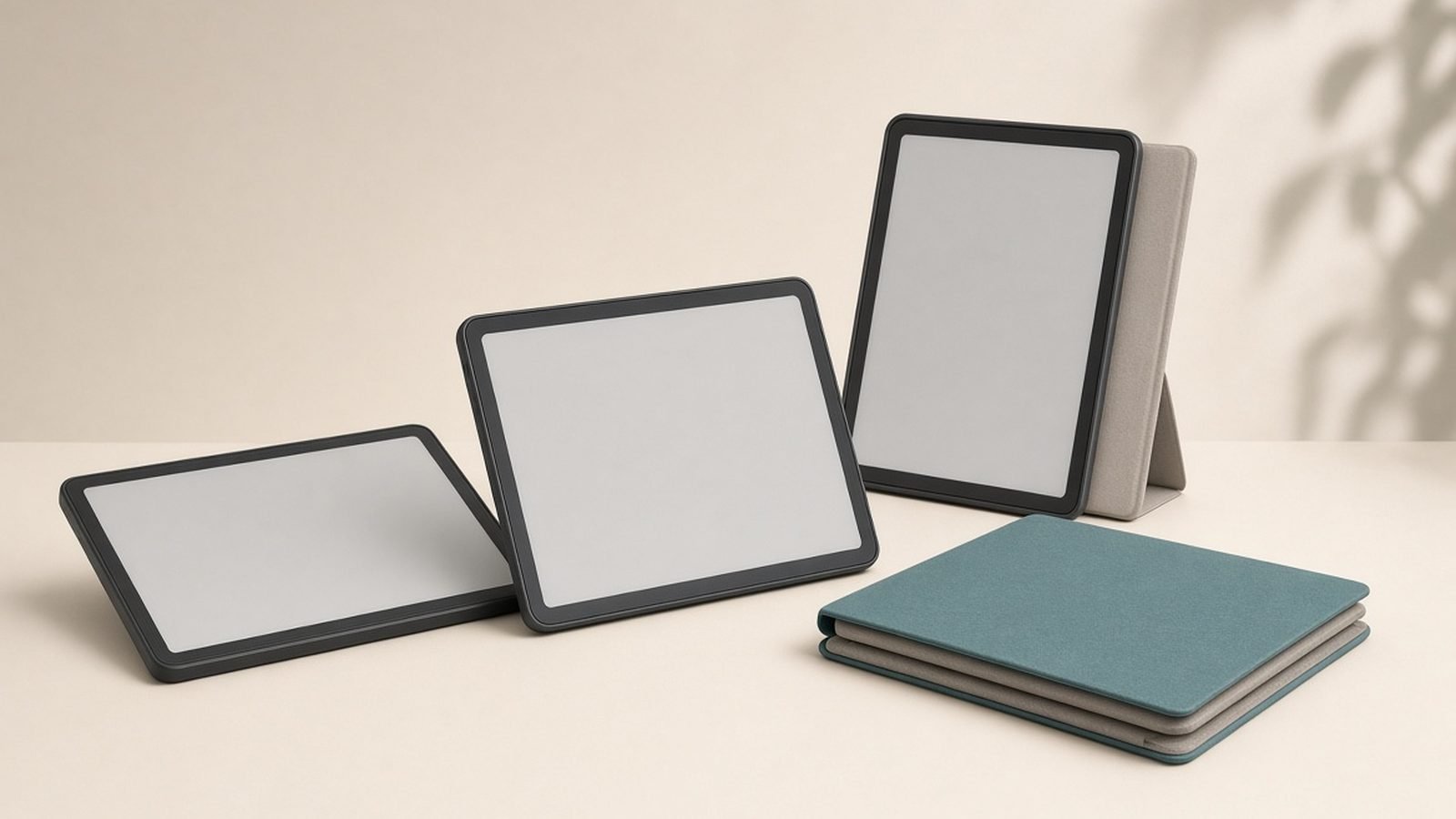
Kobo’s e-readers are the whole story, and they anchor our Best E-Readers 2026: Kindle & Kobo Picks Compared (US & UK) coverage as the leading Kindle alternatives. Based on published specs and reviews, the current line spans a genuinely useful range — pocketable readers, larger premium models with physical page-turn buttons, and color E Ink devices — all with the same open, ad-free software and direct library integration.
The key models:
- Kobo Clara series — the compact, affordable pick, now including a color E Ink option; a natural comparison against entry Kindles.
- Kobo Libra series — mid-range readers with ergonomic page-turn buttons and waterproofing, a favorite among enthusiasts. See our Kobo Libra Colour review for the current model.
- Kobo Sage and Elipsa — larger devices that add stylus note-taking, competing with premium writing tablets. The Elipsa 2E is the library-friendly pick in our best e-ink tablets for note-taking guide.
- Kobo Plus — the subscription service for readers who want an all-you-can-read model in supported countries.
For most readers, a Kobo Libra or Clara is the sweet spot:
Strengths
Open format support. Kobo natively supports ePub, the standard open e-book format, so you can buy books from many stores and read them without conversion — a major advantage over Kindle’s more closed approach.
Built-in library borrowing. In supported regions, Kobo integrates public-library lending (via OverDrive/Libby) directly into the device, letting you borrow and read library e-books without leaving the reader. For heavy library users this is a standout feature.
No ads, clean software. Kobo devices don’t show lock-screen advertisements, and the reading software is well-regarded for typography controls, statistics and a distraction-free experience.
Strong hardware range. From compact to large, waterproof to stylus-enabled, and now color E Ink, Kobo covers most reader needs with well-built devices that reviewers rate highly.
Independent-friendly. Because it isn’t Amazon, Kobo lets you keep your reading outside a single ecosystem, and it partners with various booksellers, appealing to readers who value choice.
Weaknesses & criticisms
Smaller bookstore. Amazon’s Kindle Store is larger and often has more aggressive pricing and exclusives. Some titles, deals and series are easier to find — or cheaper — on Kindle.
Availability varies by country. Kobo hardware and store features (including library integration and Kobo Plus) are not equally available everywhere, and in some markets Kobo has a thinner retail and support presence than Amazon.
Audiobook ecosystem is weaker. Kobo sells audiobooks, but Amazon’s Audible integration and catalog are more mature, and Kobo audiobooks are less seamlessly tied into its e-readers.
Not immune to Amazon’s pull. For buyers already invested in Kindle purchases and Audible, switching means leaving a library behind, and Kobo can’t erase that lock-in.
Occasional software quirks. Aggregated feedback notes occasional sync or update hiccups, as with most e-readers, though nothing that undermines the core experience.
Reliability & support
Based on aggregated user feedback, Kobo e-readers are well-built and reliable, with waterproofing on many models and battery life measured in weeks. E Ink devices are inherently long-lived — few moving parts, low power draw — and Kobo’s hardware quality is generally rated on par with Kindle. Reported issues tend to be minor software or sync quirks rather than hardware failures, and they’re usually resolved with updates.
On support, Kobo benefits from Rakuten’s backing and offers standard manufacturer warranty coverage (typically one year), with customer service that most users find adequate. The main caveats are geographic: service, store depth, library integration and features like Kobo Plus are strongest in Kobo’s core markets and thinner elsewhere, so buyers should confirm what’s available in their country. Software support is solid — Kobo pushes regular firmware updates that add features and fixes across its device range. Overall, Kobo’s reliability and support are strong for a reading-focused brand, with the biggest variable being regional availability rather than device quality.
Who should buy Kobo
Buy Kobo if you: buy e-books from stores other than Amazon, borrow heavily from public libraries, want an ad-free reading experience, or want color E Ink and stylus options in an open ecosystem. It’s the top pick for independent-minded readers.
Look elsewhere if you: are already deeply invested in Kindle books and Audible, want the largest bookstore and most aggressive pricing, or live in a region where Kobo’s store and features are limited. In those cases a Kindle from our Best E-Readers 2026: Kindle & Kobo Picks Compared (US & UK) guide may fit better.
FAQ
Is Kobo a good brand?
Yes. Kobo makes premium, well-built e-readers with open ePub support, built-in library borrowing and an ad-free experience, making it the leading alternative to Kindle. Its weaknesses are a smaller bookstore than Amazon’s, a weaker audiobook ecosystem, and availability of hardware and features that varies by country.
Is Kobo reliable?
Yes. Kobo e-readers are durable and long-lived, with many models waterproof and battery life measured in weeks. Reported problems are usually minor software or sync quirks fixed by updates rather than hardware failures, and build quality is rated on par with Kindle.
Where is Kobo from and who owns it?
Kobo was founded in 2009 in Toronto, Canada, and is owned by the Japanese e-commerce company Rakuten (which acquired it in 2012). It’s often called Rakuten Kobo and remains headquartered in Toronto as Rakuten’s global e-reading business.
Kobo vs Kindle: which is better?
It depends on how you read. Kobo is better for open ePub support, direct public-library borrowing and an ad-free experience, making it ideal for readers who buy from multiple stores. Kindle is better if you want the largest bookstore, tight Audible audiobook integration, and Amazon’s ecosystem. Library users and ePub buyers usually prefer Kobo; Amazon loyalists usually prefer Kindle.
Can you borrow library books on a Kobo?
Yes, in supported regions Kobo integrates public-library lending (through OverDrive/Libby) directly into the device, so you can browse, borrow and read library e-books without a computer. This is one of Kobo’s standout advantages over Kindle, though availability depends on your country and library.
Does Kobo have color e-readers?
Yes. Kobo offers models with color E Ink panels — including color versions of its Clara and Libra lines — which display book covers, highlights, comics and illustrated content in color while keeping the paper-like, low-power E Ink reading experience.
Zen Tech Hub may earn a commission from links on this page, at no extra cost to you.