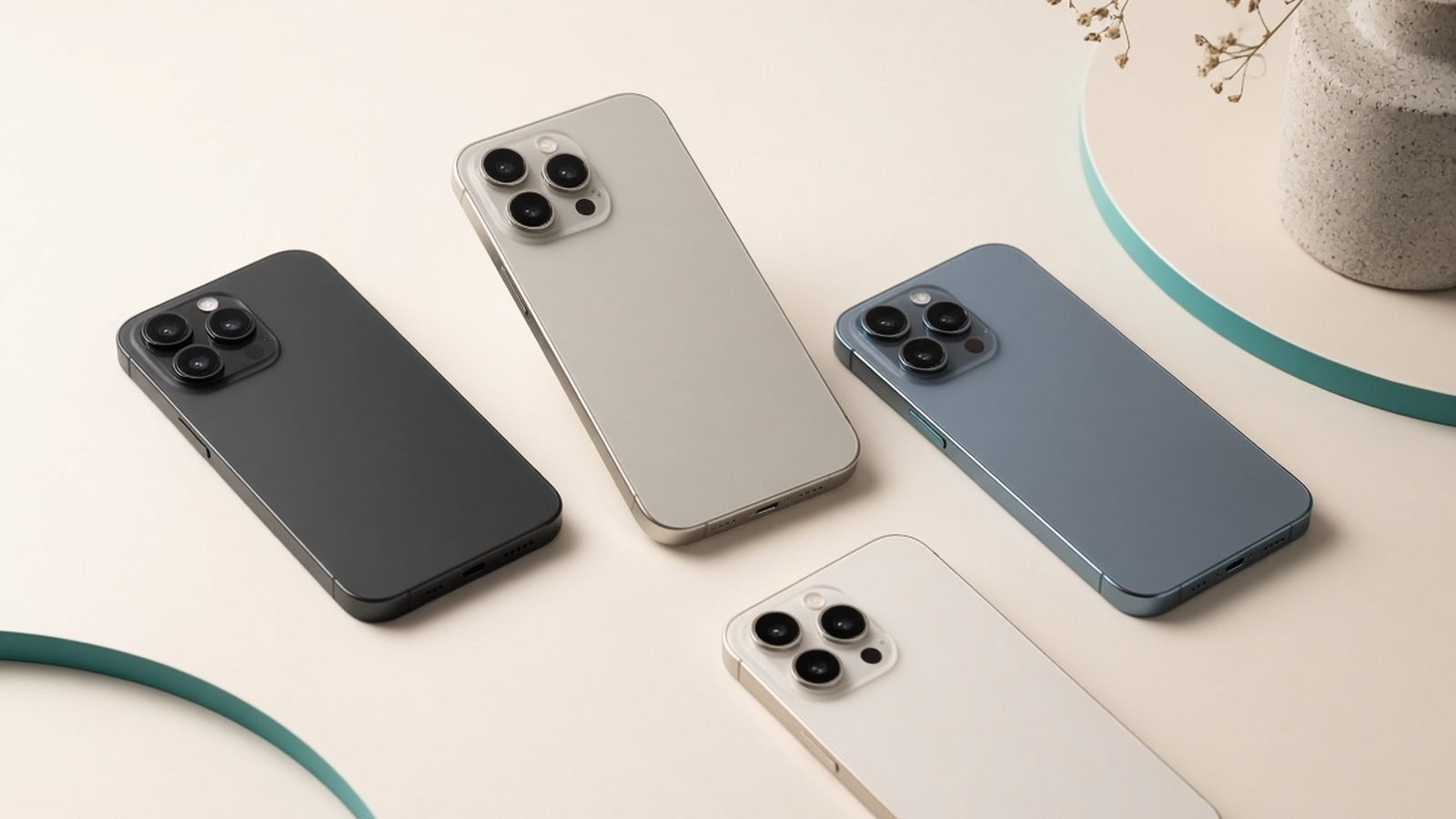
Vivo is a heavyweight of the global smartphone market that most Western buyers barely know, and in 2026 its X-series flagships are among the best camera phones you can buy — full stop. With a serious Zeiss imaging partnership, huge sensors and gimbal-grade stabilization, Vivo has built a genuine reputation as a photography brand, while its V-series mid-rangers push cameras and slim design down to lower prices. For buyers in Asia, India, Europe and other markets where Vivo operates, its top phones are a real alternative to Samsung and OPPO. The catches are familiar for a BBK brand: no official US presence, a Funtouch OS/OriginOS software layer that can feel heavy, and update policies that trail the leaders.
Verdict: A camera-first premium brand whose X-series flagships genuinely rival the best. Best for photography enthusiasts in markets where Vivo sells; weaker on software cleanliness, updates and US availability.
Company overview
Vivo is a Chinese electronics company founded in 2009 and headquartered in Dongguan, Guangdong. Like OPPO and OnePlus, it is a core brand of the BBK Electronics group, one of the largest smartphone conglomerates in the world. That shared ownership means Vivo, OPPO, OnePlus and Realme often draw on related supply chains and engineering, though each maintains its own identity — and Vivo’s identity is firmly built around cameras.
In plain terms, Vivo’s reputation is “elite imaging and strong displays, limited by software and Western reach.” It is a market leader in China and India and a major player across Southeast Asia and parts of Europe, but it does not officially sell in the United States. Its X-series flagships, developed with Zeiss, are consistently praised by reviewers as top-tier camera phones, while its V and Y lines drive enormous mainstream volume in emerging markets.
What Vivo makes
Vivo is a full-range phone and ecosystem brand:
- X-series flagships — the camera-focused premium line, co-engineered with Zeiss, including “Pro” and periscope-telephoto models.
- X Fold foldables — book-style folding flagships with flagship cameras, positioned against Samsung and OPPO.
- V-series — stylish upper-mid-range phones emphasizing slim design and portrait/selfie cameras.
- Y-series — high-volume budget and entry phones with big batteries for mainstream markets.
- iQOO (sister brand) — performance/gaming-focused phones sold under a separate Vivo-owned label in some markets.
- Audio and accessories — earbuds, fast chargers and companion gear.
The software layer is Funtouch OS (and OriginOS in China), a feature-rich Android skin that is more heavily customized than stock.
Standout Vivo products in 2026
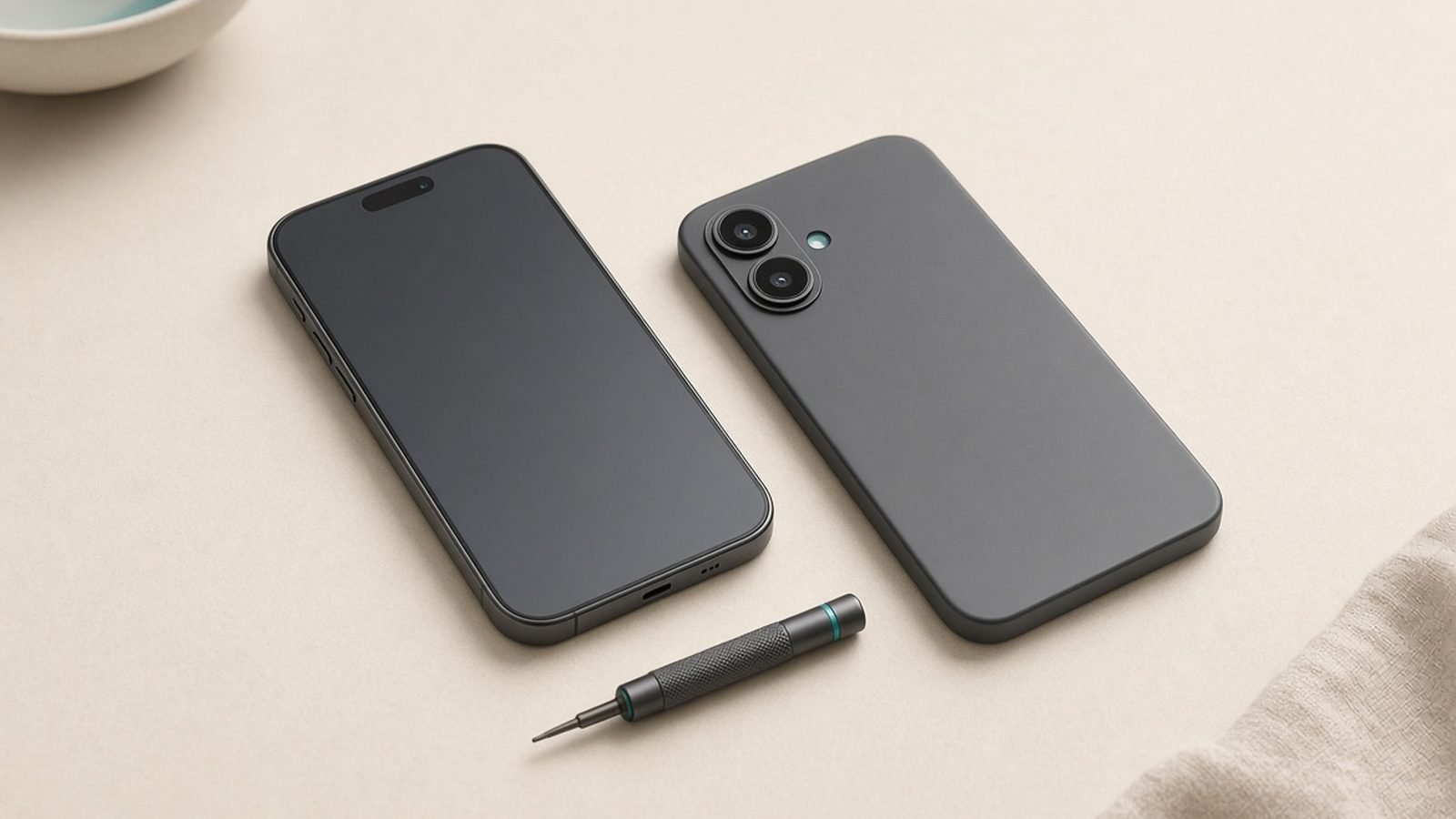
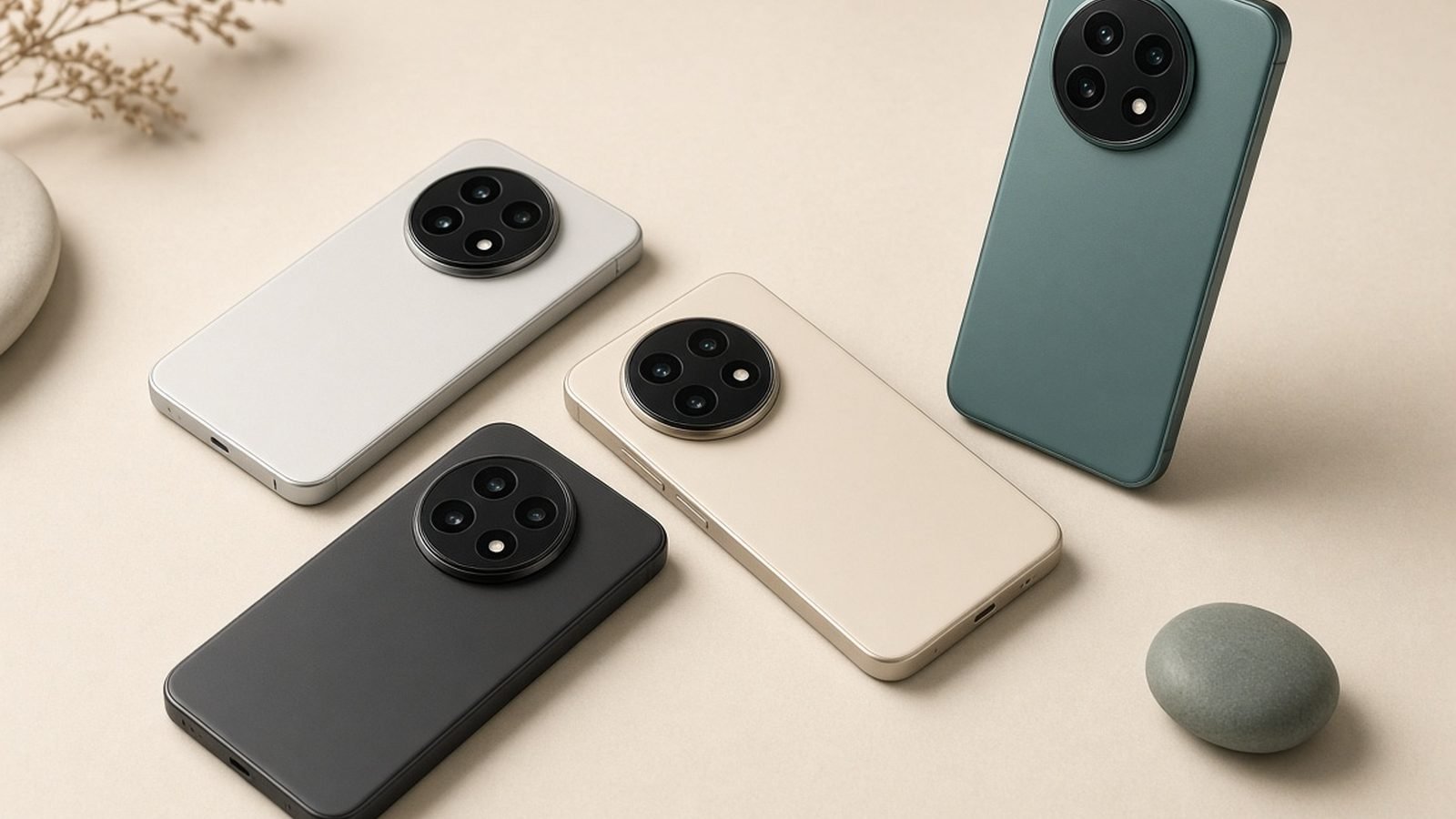
The headline device is the Vivo X-series flagship (X Pro / X Ultra), a regular reference point in our Best Android Phones 2026: Flagship to Budget discussions and one of the strongest camera phones on the market. Based on published specs, it pairs a top flagship chip, a bright high-refresh LTPO OLED, a large battery with fast wired and wireless charging, and a Zeiss-tuned camera system with a very large main sensor and a long periscope telephoto. For photography, it competes directly with the best from Samsung, OPPO and Google.
The line-up worth knowing in 2026:
- Vivo X Fold — a camera-first book-style foldable, a genuine rival to Samsung’s Galaxy Z Fold for buyers cross-shopping folding phones.
- Vivo V-series — slim, selfie- and portrait-focused mid-rangers that appear when readers of our Best Smartphones 2026: Top Picks for Every Budget guide want style and cameras without flagship prices.
- Vivo Y-series — big-battery budget phones worth a look alongside our Best Budget Smartphones 2026: Under $400 / £400 recommendations.
- iQOO flagships — performance-focused phones for gamers, sold under Vivo’s sister brand in select markets.
If you want the camera flagship, start here:
Strengths
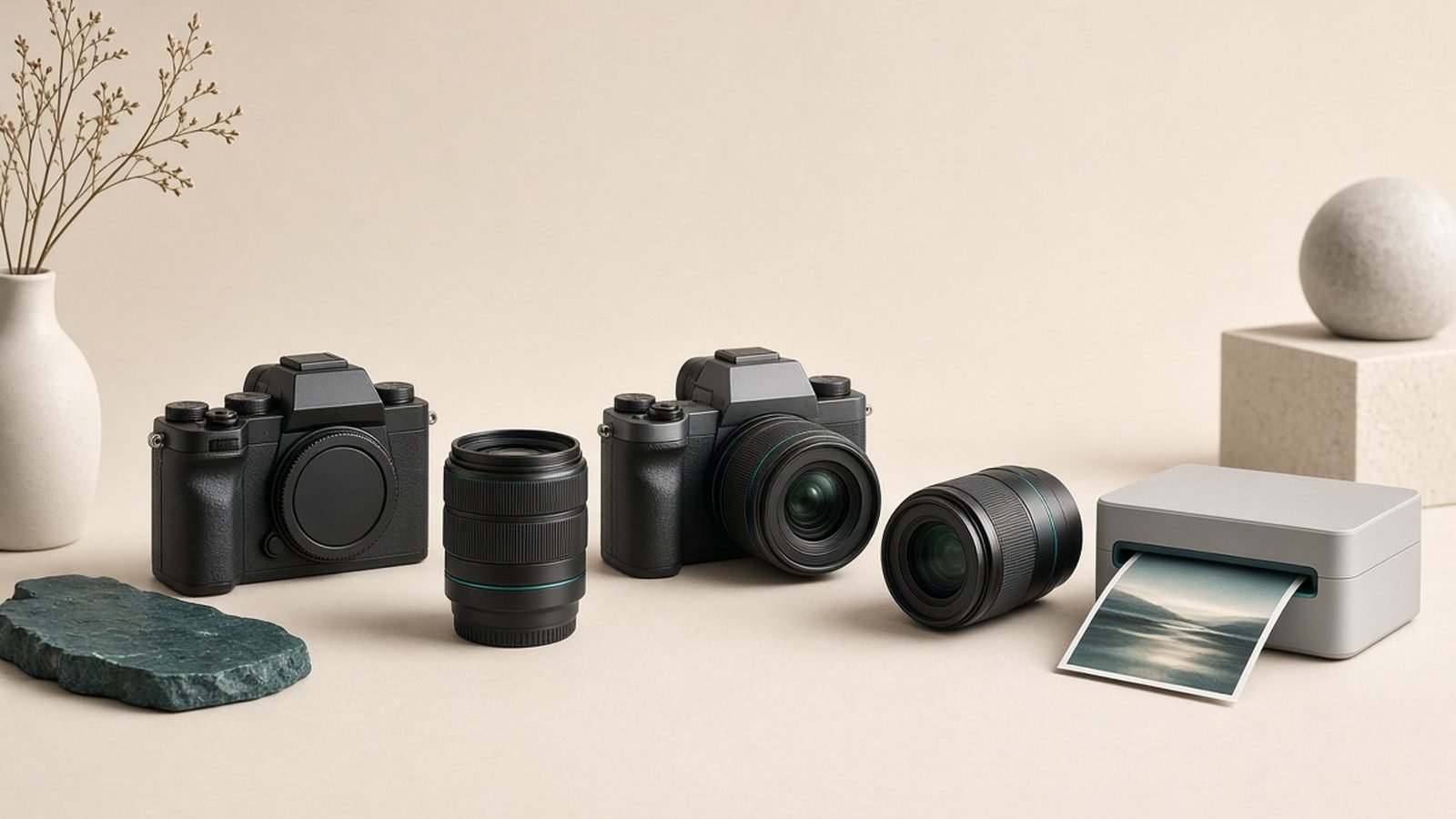
Cameras. This is Vivo’s defining strength. The Zeiss partnership, large main sensors, strong periscope telephotos and gimbal-style stabilization make the X-series among the very best camera phones you can buy, with especially good portrait and low-light results.
Displays. Vivo consistently ships excellent bright, high-refresh LTPO OLED panels on its flagships, matching the best in the market.
Design and build. Vivo flagships are well-made and often striking, with premium finishes and slim foldables that compete on refinement.
Charging and battery. Fast wired and wireless charging plus large batteries give Vivo phones strong real-world endurance and quick top-ups.
Global value. Across the V and Y lines, Vivo offers a lot of camera and screen for the money, which is why it sells in such volume across Asia and India.
Weaknesses & criticisms
Funtouch OS software. Vivo’s biggest criticism is its software layer, which is heavier than stock Android and, in some regions and lower-tier models, ships with preloaded apps and recommendation content. It is customizable but less clean and, historically, has drawn complaints about occasional bloat.
No US availability. Vivo does not officially sell phones in the United States, so American buyers can’t easily obtain official sales, warranty or software support.
Update policy lags the leaders. Vivo has improved its update commitments, but based on published policies it generally trails Samsung and Google’s up-to-seven-year promises, particularly on mid-range and budget models.
Uneven global rollout. Vivo’s best flagships and features sometimes launch in China and select markets first, with slower or partial availability elsewhere, which can frustrate buyers outside its core regions.
Brand awareness and resale. Outside its strongholds, weaker brand recognition can mean lower resale value and thinner accessory ecosystems than Samsung or Apple.
Reliability & support
Based on aggregated user feedback, Vivo hardware is generally reliable and well-built, with premium materials and water resistance on its flagships. As with its BBK siblings, the most common long-term complaints are about software — Funtouch OS bloat and aggressive background-app management — rather than hardware failures.
Warranty is typically the standard one- to two-year manufacturer coverage depending on region, and support is strongest in Vivo’s core markets (China, India, Southeast Asia and parts of Europe), where service centers and parts are widely available. Because Vivo belongs to the BBK group, component and service infrastructure tends to be solid in regions where OPPO and OnePlus also operate. In markets where Vivo doesn’t officially sell — most importantly the US — official support is effectively unavailable.
For update longevity, confirm the exact commitment on the specific model, as X-series flagships receive considerably more support than Y-series budget phones.
Who should buy Vivo
Buy Vivo if you want: one of the best camera phones on the market, an excellent display, strong build quality and fast charging — and you live in a market where Vivo officially operates. It is ideal for photography enthusiasts, portrait shooters, and buyers seeking a premium Samsung or OPPO alternative with imaging as the headline.
Look elsewhere if you want: clean, ad-free software, official US availability and support, or the longest guaranteed update windows. US buyers and minimalist-software fans should look at the picks in our Best Smartphones 2026: Top Picks for Every Budget guide instead.
FAQ
Is Vivo a good brand in 2026?
Yes, especially for cameras. In the markets where it operates, Vivo makes some of the best camera phones you can buy, backed by a Zeiss partnership, along with excellent displays and strong build quality. Its main drawbacks are heavier Funtouch OS software, a shorter update promise than the leaders, and no official US presence.
Is Vivo reliable?
Generally yes. Vivo’s hardware is well-built, and its flagships include premium materials and water resistance. Most long-term complaints are about software behavior — bloat and background-app management — rather than hardware failures, so reliability is one of the brand’s stronger points.
Where is Vivo from and who owns it?
Vivo is a Chinese company founded in 2009 and headquartered in Dongguan, Guangdong. It is part of the BBK Electronics group, the same conglomerate behind OPPO, OnePlus, Realme and iQOO, which makes it one of the largest phone makers in the world.
Is Vivo sold in the US?
No. Vivo does not officially sell phones in the United States, so American buyers can’t easily get official sales, warranty or software support. It operates widely across China, India, Southeast Asia and parts of Europe instead.
Is Vivo better than OPPO?
They are close BBK siblings with different emphases. Vivo tends to lead on flagship cameras, especially portraits and telephoto, thanks to its Zeiss work; OPPO often matches it and adds slightly cleaner design language and equally fast charging. Camera-first buyers lean Vivo; either is a strong choice in their shared markets.
What is Funtouch OS like?
Funtouch OS is Vivo’s Android skin — feature-rich and customizable, with lots of gestures and options. The trade-off is that it is heavier than stock Android and, in some regions, ships with preloaded apps and recommendation content, which some users find intrusive.
Zen Tech Hub may earn a commission from links on this page, at no extra cost to you.