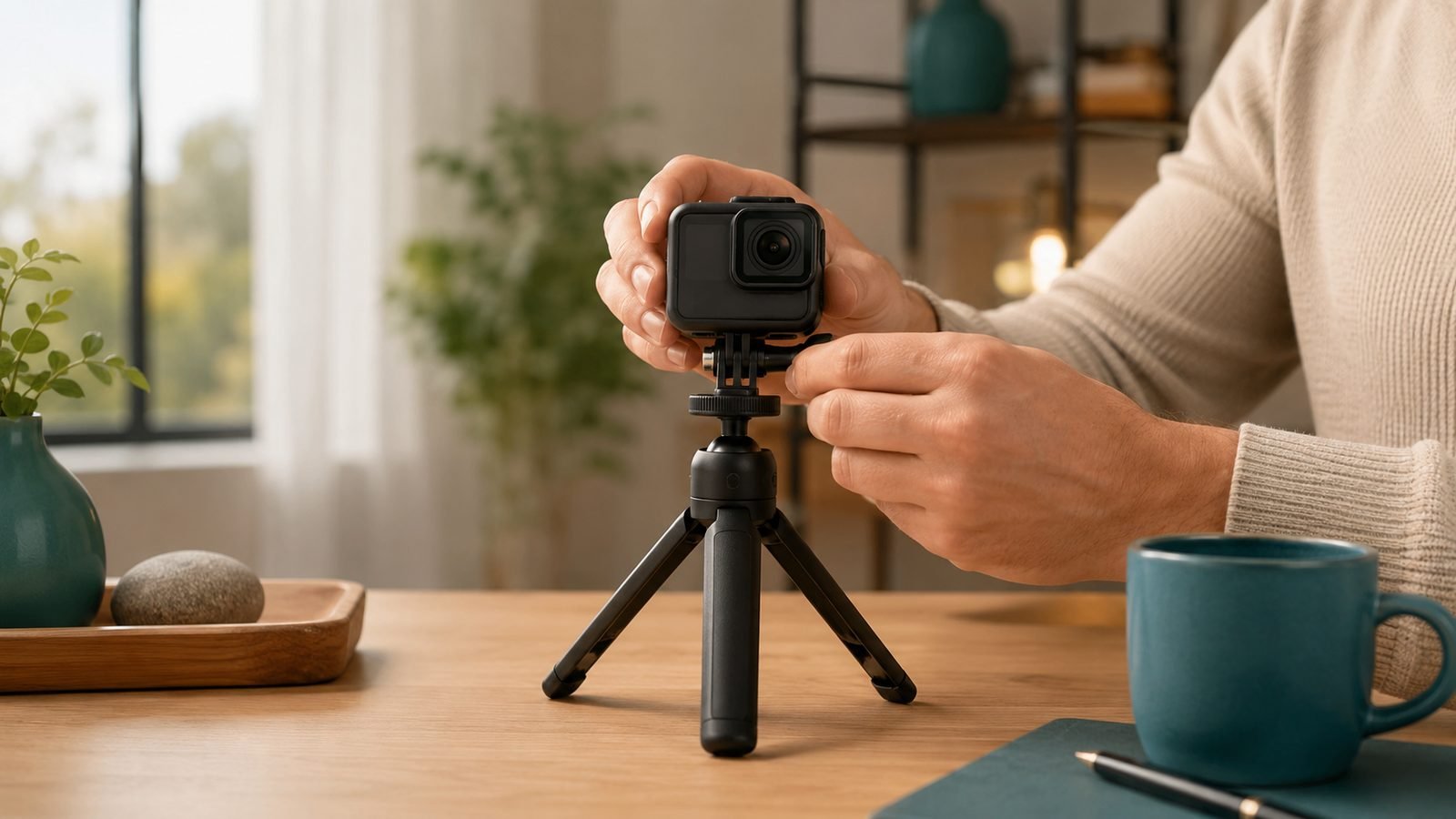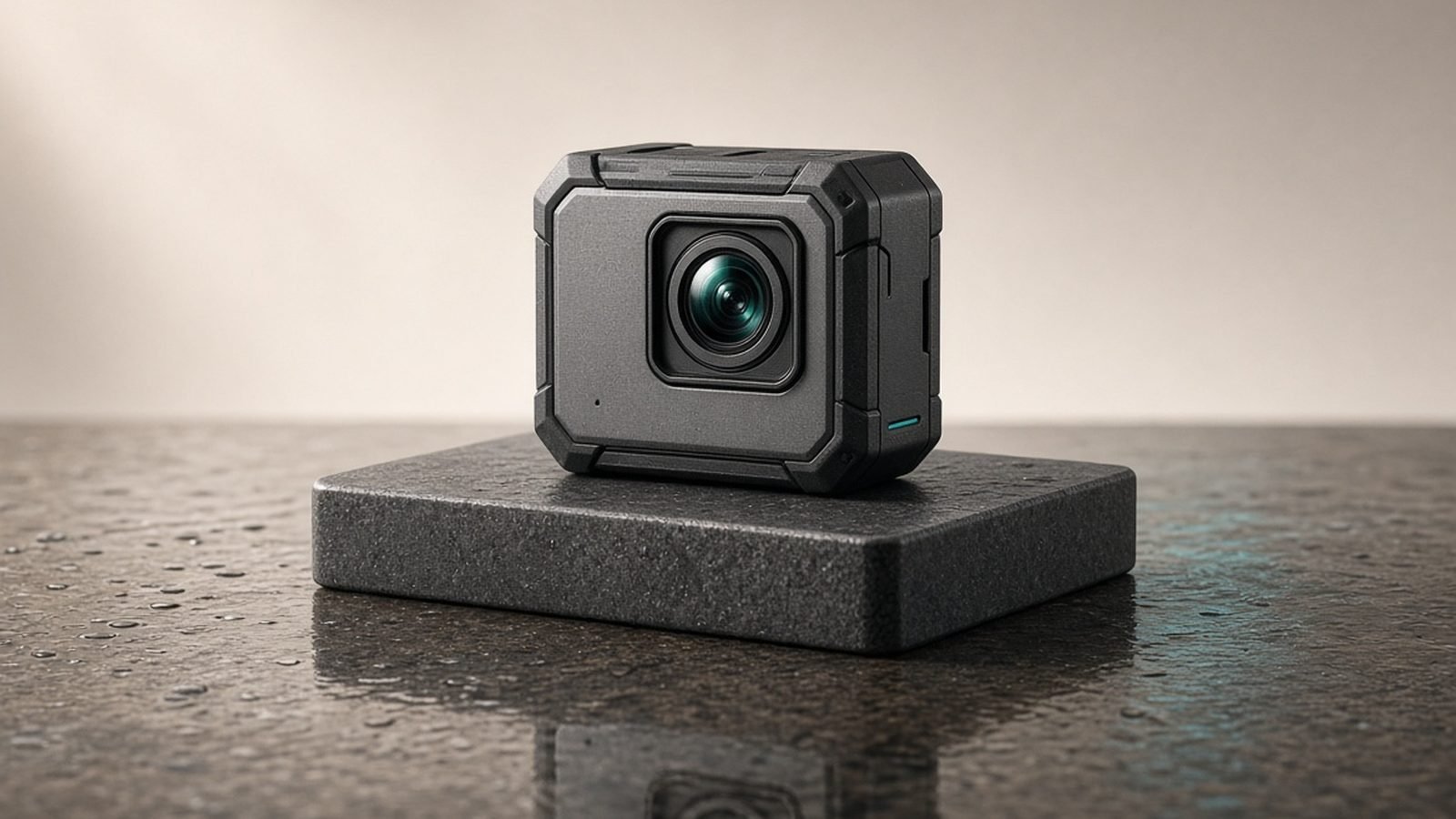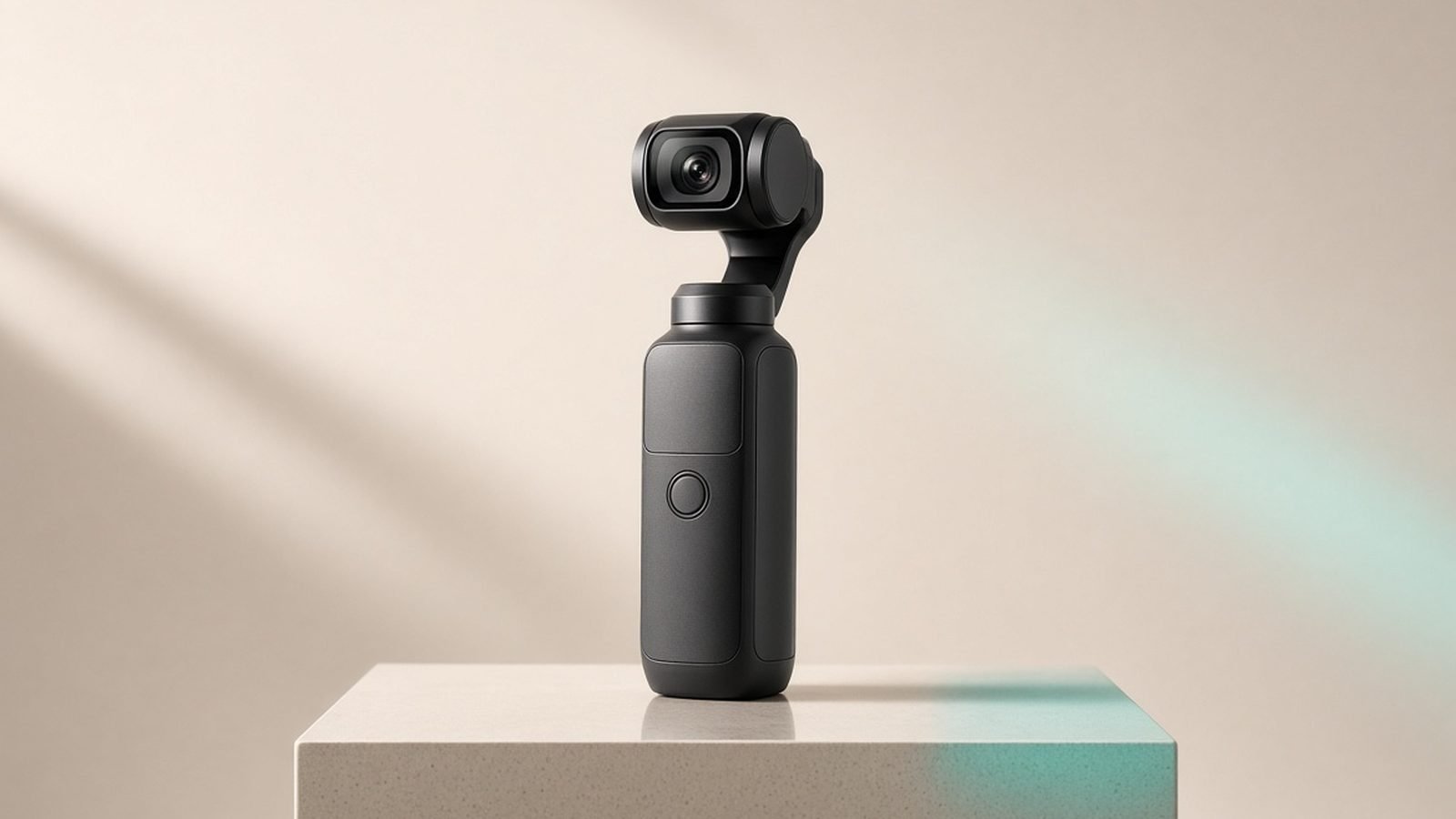
2026 verdict: Nearly three years after launch, this DJI Osmo Pocket 3 review lands on the same conclusion most creators keep reaching. It is still the most complete grab-and-go vlogging camera you can buy, and with street prices now hovering around $419-$429 / £519, it is better value than ever. The combination of a 1-inch sensor and a true mechanical gimbal in a device that slips into a jacket pocket has no direct rival. If you want polished handheld video without editing, colour grading or a rig, this is the one to beat.
That said, it is not flawless, and 2026 adds a new wrinkle: DJI’s smaller Osmo Nano and persistent Pocket 4 rumours. Below we break down where the Pocket 3 shines, where it frustrates, and exactly who should buy it.
Osmo Pocket 3 at a Glance
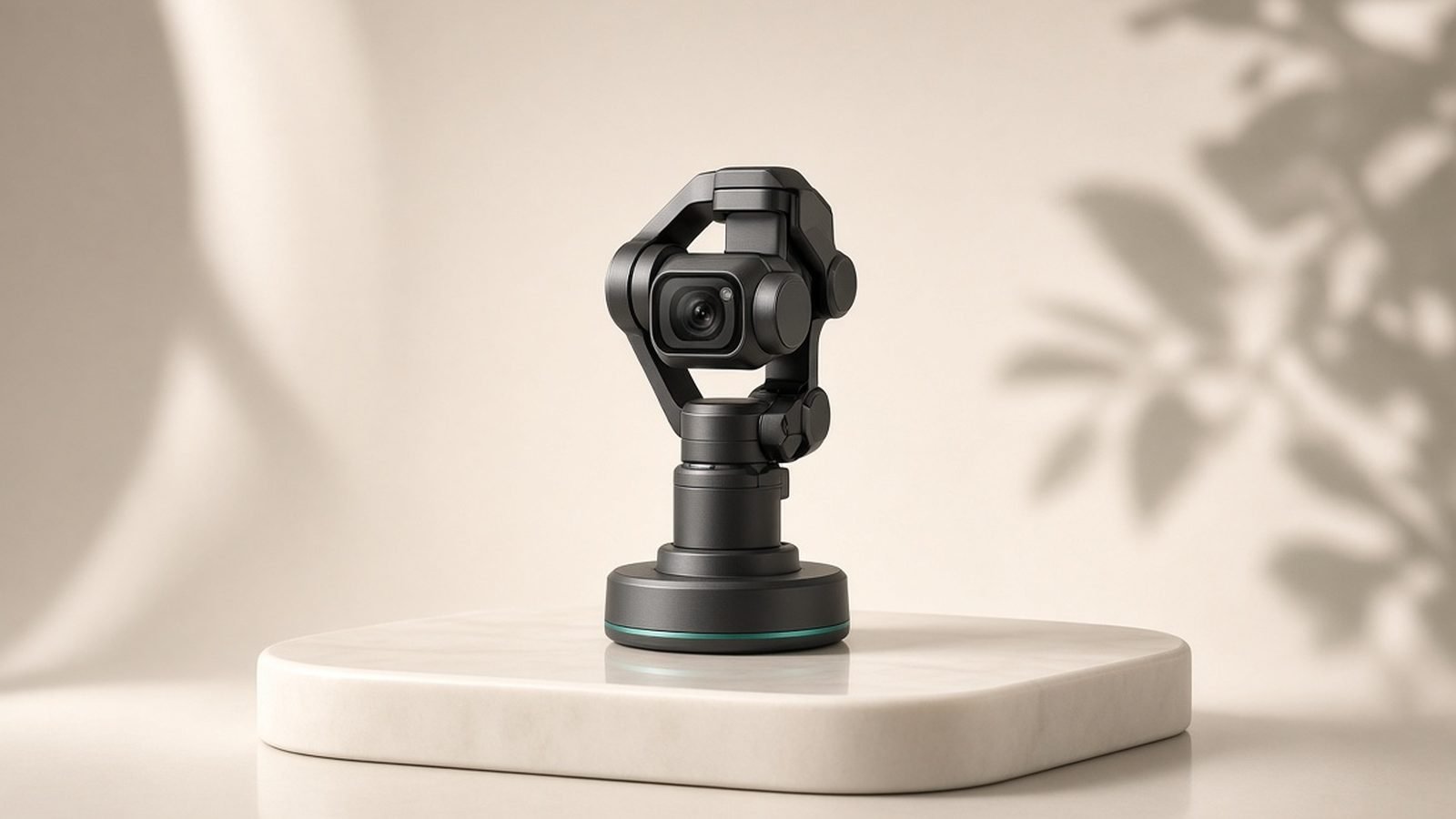
The Pocket 3 pairs a comparatively large 1-inch CMOS sensor with a 3-axis mechanical gimbal and a 2-inch rotating touchscreen. Flip the screen vertical and it switches to portrait mode automatically, which is the single feature that made it a TikTok and Reels favourite.
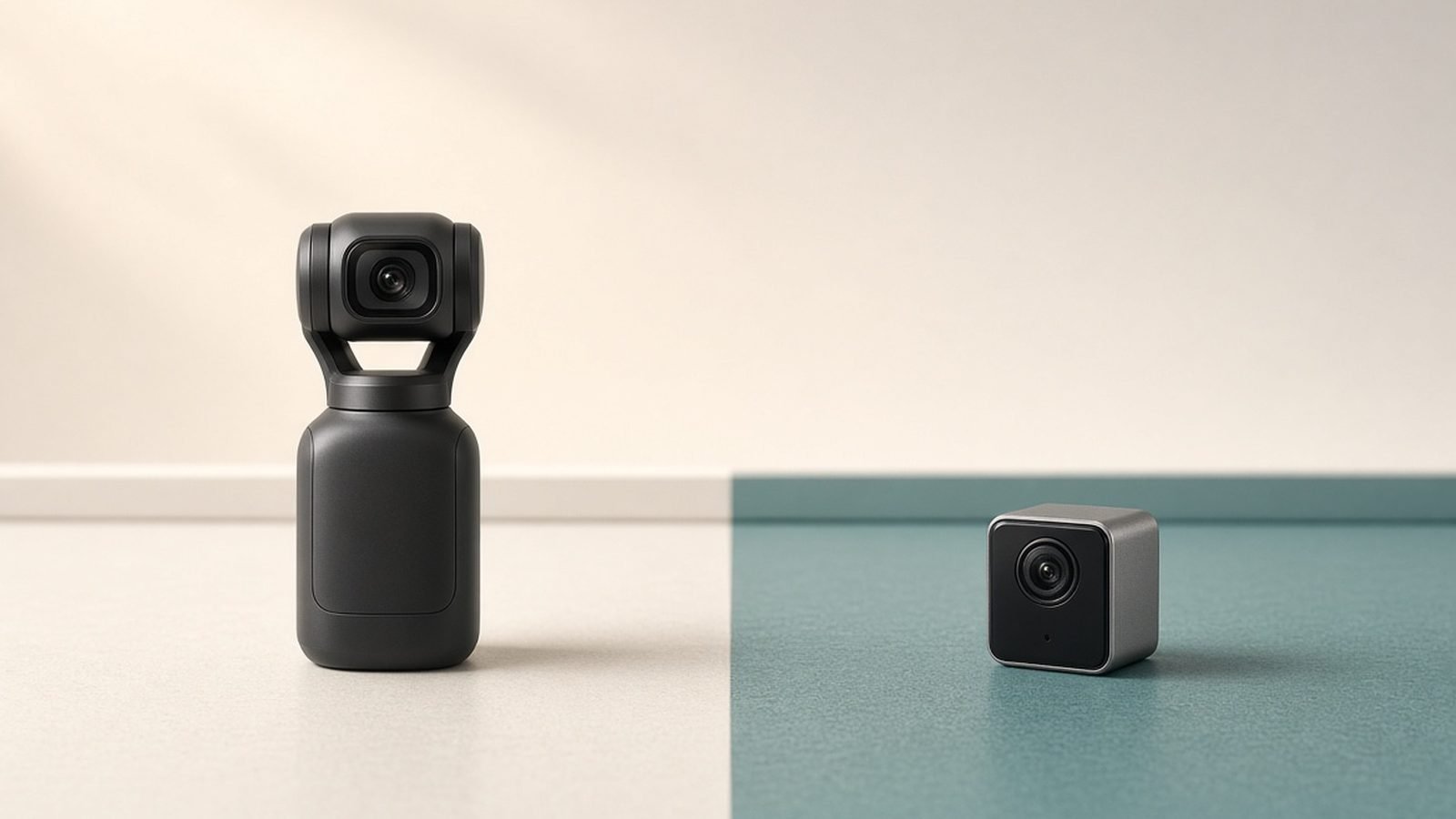
Here is how it stacks up against the two cameras most people cross-shop it with.
| Feature | DJI Osmo Pocket 3 | GoPro Hero (latest) | DJI Osmo Nano |
|---|---|---|---|
| Sensor | 1-inch CMOS | ~1/1.9-inch | ~1/1.3-inch |
| Stabilisation | Mechanical 3-axis gimbal | Electronic (HyperSmooth) | Electronic |
| Max video | 4K/120fps | 5.3K/60fps | 4K/60fps |
| Screen | 2-inch rotating touchscreen | Front + rear screens | Minimal / app-based |
| Best for | Talking-head vlogging, low light | Action, waterproof, POV | Ultra-portable POV clips |
| Street price | ~$419-$429 / £519 | ~$399 / £399 | ~$369 / £329 |
The headline takeaway: the Pocket 3’s mechanical gimbal and big sensor make it the strongest choice for people vlogging themselves, while a GoPro remains better for rugged, waterproof action.
Design and Handling
The Pocket 3 is roughly the size of a chunky pen and weighs about 179g. That pocketability is the whole point. You can pull it out, power on, and be recording stabilised footage in a few seconds, which is something no mirrorless setup or gimbal-plus-phone combo can match.
The rotating touchscreen is the standout design decision. It doubles as the power switch and the orientation toggle, and it is bright enough to frame yourself outdoors. Controls are gesture and touch driven, which feels intuitive after an afternoon but can be fiddly with cold or gloved hands.
The honest weak point, echoed consistently in owner reports, is the exposed gimbal. It is delicate. Drop the Pocket 3 or knock the gimbal head and you risk an expensive repair. DJI supplies a hard case, and using it is not optional if you want this camera to last.
Image and Video Quality
This is where the Pocket 3 justifies its price. The 1-inch sensor is dramatically larger than what sits inside a phone or most action cameras, and it shows in two places: low light and depth. Evening streets, dim restaurants and indoor rooms look clean where smaller sensors turn to mush. You also get genuine subject separation and a natural, slightly cinematic look straight out of camera.
Among the DJI Osmo Pocket 3 specs that matter for creators: 4K recording up to 120fps for smooth slow motion, a fast f/2.0 lens, and 10-bit D-Log M colour for anyone who wants grading headroom. For most vloggers, the standard colour profile is punchy and usable with zero editing, which is exactly the appeal.
It is not a stills camera first, and rolling shutter can appear on fast pans, but for video the results genuinely look a tier above phone footage.
Stabilisation and Tracking
The mechanical gimbal is the reason to choose the Pocket 3 over almost anything else. Because stabilisation is physical rather than software-cropped, you keep your full field of view and get smooth motion even while walking. Electronic stabilisation on a GoPro is excellent, but it crops in and can look slightly artificial by comparison.
Tracking is the other quiet superpower. ActiveTrack locks onto a face and physically rotates the gimbal to keep you centred, so solo creators can set the camera down, step back, and stay in frame. In our research this face tracking is the feature owners rave about most for the Osmo Pocket 3 for vlogging, cooking demos and piece-to-camera work where no operator is available.
Audio and Accessories
Built-in mics are fine for scratch audio but nothing special. The upgrade that transforms the camera is DJI’s Mic Mini, which pairs natively without a receiver dongle taking up the port. Clip on the transmitter and you get clean, wireless lavalier-quality sound that instantly lifts production value. If you buy one accessory, buy this.
Other worthwhile Osmo Pocket 3 accessories include the wide-angle lens adapter for tighter spaces, ND filters for bright daylight, and spare batteries. The Creator Combo bundles a handle-battery, wide lens and case, and for most buyers it is better value than piecing kit together later.
Pros
1-inch sensor delivers genuinely low-light-capable, cinematic footage
Mechanical gimbal gives smooth stabilisation with no crop
Excellent face tracking for solo creators
Rotating screen with instant portrait mode
Native Mic Mini pairing for clean audio
Cons
Exposed gimbal is fragile and repairs are costly
Premium price, and accessories add up fast
Not waterproof or rugged like a GoPro
Fixed lens limits framing flexibility
Battery Life
Battery life is respectable rather than exceptional. Owners report roughly 90 minutes to two hours of 4K recording per charge depending on frame rate and screen use, and the camera charges quickly over USB-C. The Creator Combo’s battery handle roughly doubles endurance and adds grip, which is why we recommend it for anyone filming a full day out. For long shoots, a power bank in your pocket removes the anxiety entirely.
Who Should Buy It (and Who Shouldn’t)
Buy it if you are a solo vlogger, traveller, or social creator who wants professional-looking handheld video with zero rig and minimal editing. The Pocket 3 is close to a point-and-shoot for cinematic footage, and the tracking makes it ideal for talking to camera on your own. It is also a superb second camera for creators who already shoot mirrorless but want something instant.
Skip it if you need waterproofing, extreme durability, or POV mounting on helmets and bikes, where a GoPro wins outright. If you want interchangeable lenses and full manual stills control, a compact mirrorless body suits you better. And if you mostly shoot quick POV clips and prize the smallest possible size, the newer Osmo Nano is worth a look.
For the wider field, see our guide to the Best Vlogging Camera Under $500 in 2026 and, if you are weighing DJI’s own line-up, our DJI Osmo Pocket 3 vs Osmo Nano: Which to Buy? comparison. Creators who want more control should read Best Mirrorless Camera for Vlogging in 2026.
Price and Where to Buy
At launch the Pocket 3 carried a $519 MSRP, but in 2026 the standard kit regularly sells for around $419-$429 / £519, with the Creator Combo commanding a premium. It has hit record-low pricing during recent sale events, so patient buyers can do well around major shopping dates.
So, is the Osmo Pocket 3 worth it? At current street prices, yes, comfortably. The value equation improved as it aged: you are buying a mature, well-supported camera at a discount rather than an early-adopter tax. The one reason to hesitate is timing, given ongoing Pocket 4 speculation. But no successor has been confirmed at the time of writing, and the Pocket 3 remains outstanding today.
For more creator gear picks, visit our Cameras & Creator Gear.
FAQ
Is the DJI Osmo Pocket 3 still worth buying in 2026?
Yes. At a street price of roughly $419-$429 / £519 it is cheaper than at launch, and no rival matches its blend of a 1-inch sensor and mechanical gimbal in a pocket body. Unless a confirmed Pocket 4 appears with must-have upgrades, it remains the best all-round vlogging camera for solo creators.
Osmo Pocket 3 vs GoPro: which is better for vlogging?
For talking-to-camera vlogging, the Pocket 3 wins thanks to its larger sensor, mechanical stabilisation and face tracking. A GoPro is the better choice for waterproof, rugged, helmet-mounted action footage. Many creators own both, but if you must pick one for lifestyle and travel vlogs, choose the Pocket 3.
Do I need extra accessories for the Osmo Pocket 3?
The camera works out of the box, but the DJI Mic Mini is the one accessory we consider essential, since clean wireless audio dramatically lifts your videos. A hard case protects the fragile gimbal, and ND filters help in bright light. The Creator Combo bundles the most useful extras at better value.
How long does the Osmo Pocket 3 battery last?
Owner reports suggest roughly 90 minutes to two hours of 4K recording per charge, depending on frame rate and screen use. It charges quickly over USB-C. For all-day filming, the Creator Combo’s battery handle roughly doubles runtime, or you can top up from a pocket power bank between clips.
Is the Osmo Pocket 3 good in low light?
Yes, notably so for its size. The 1-inch sensor and f/2.0 lens gather far more light than a phone or typical action camera, keeping evening and indoor footage clean and detailed. It is one of the main reasons creators choose it over smaller-sensor rivals for real-world, mixed-lighting shooting.
Zen Tech Hub may earn a commission from links on this page, at no extra cost to you.