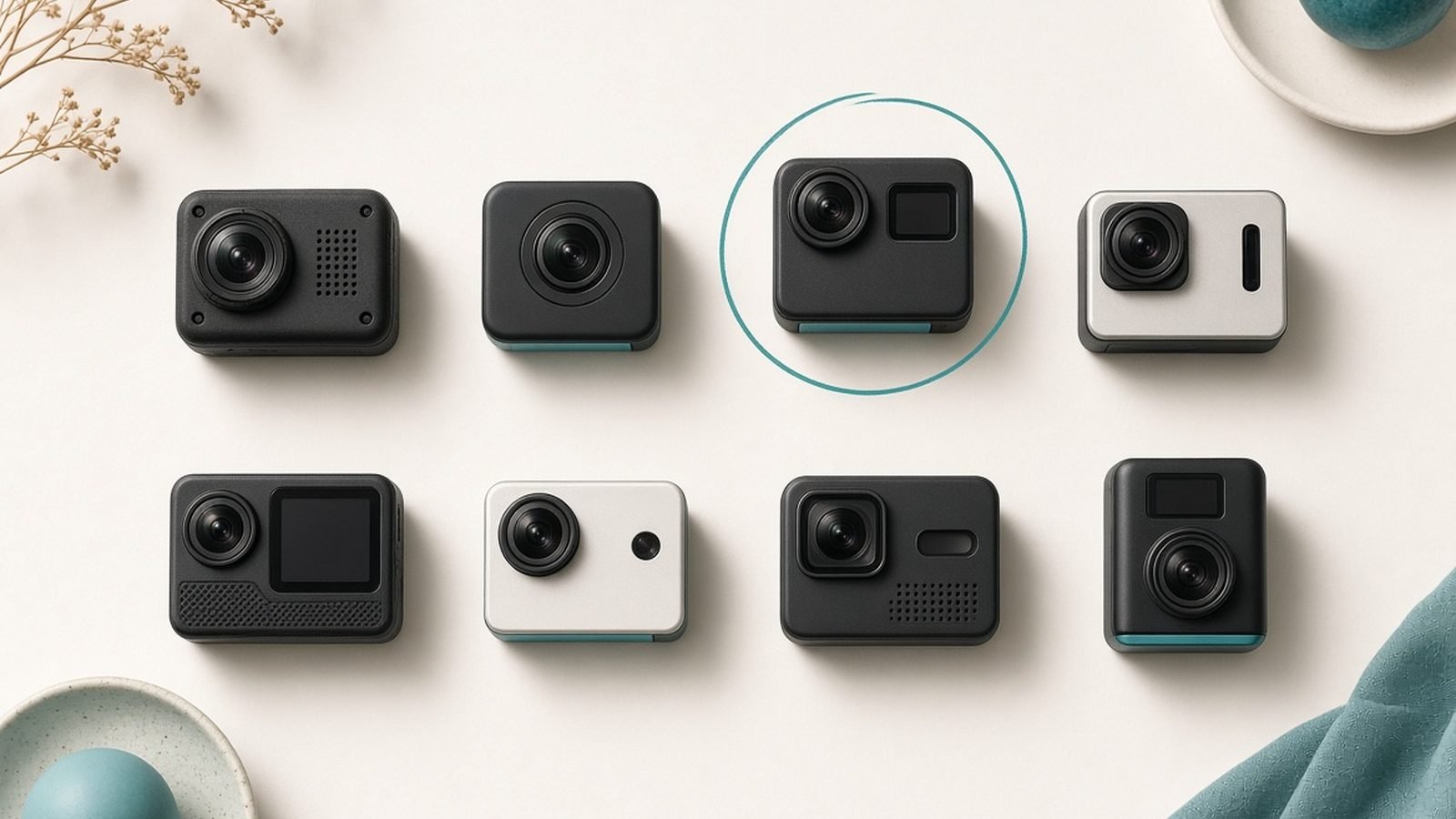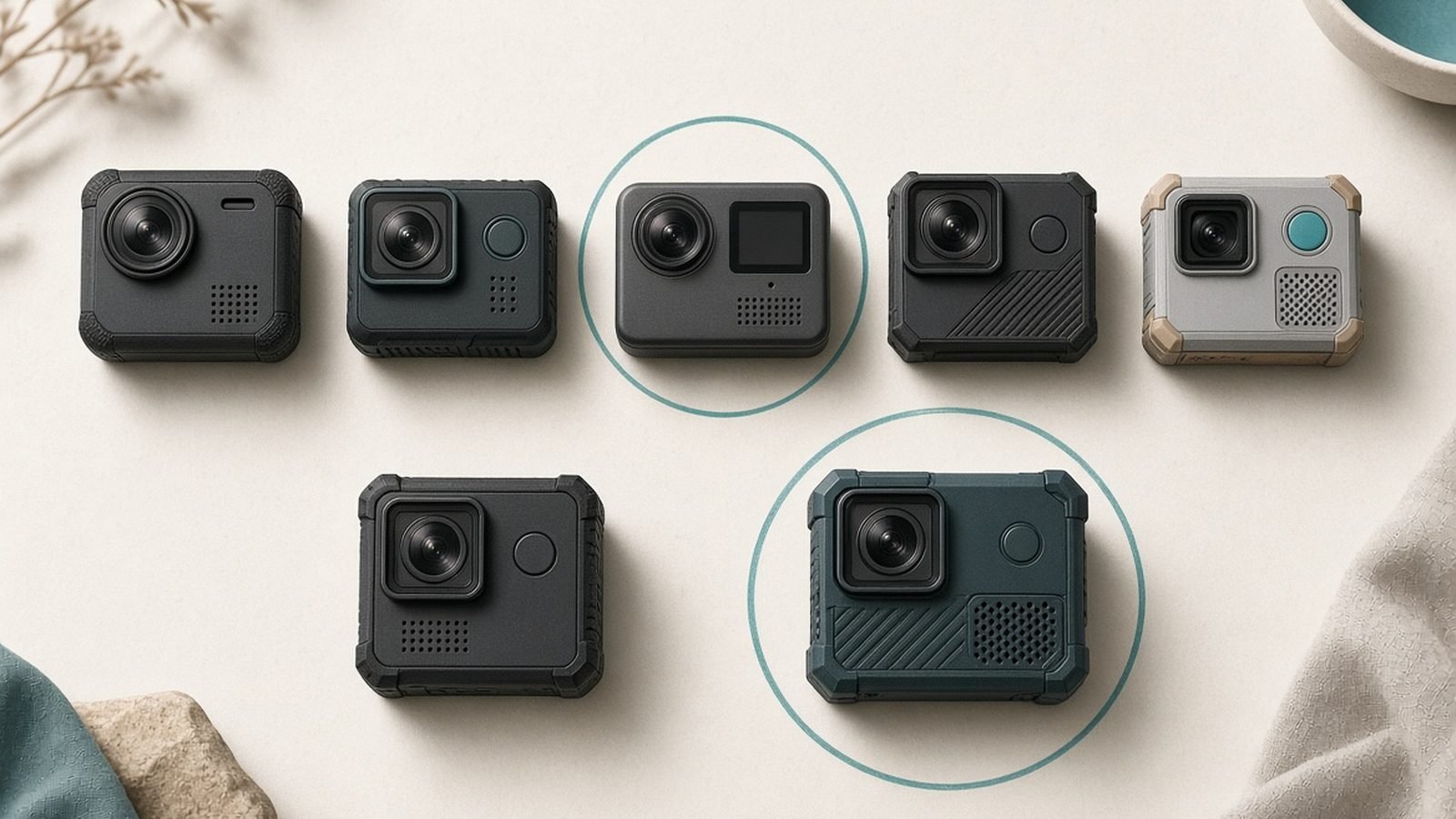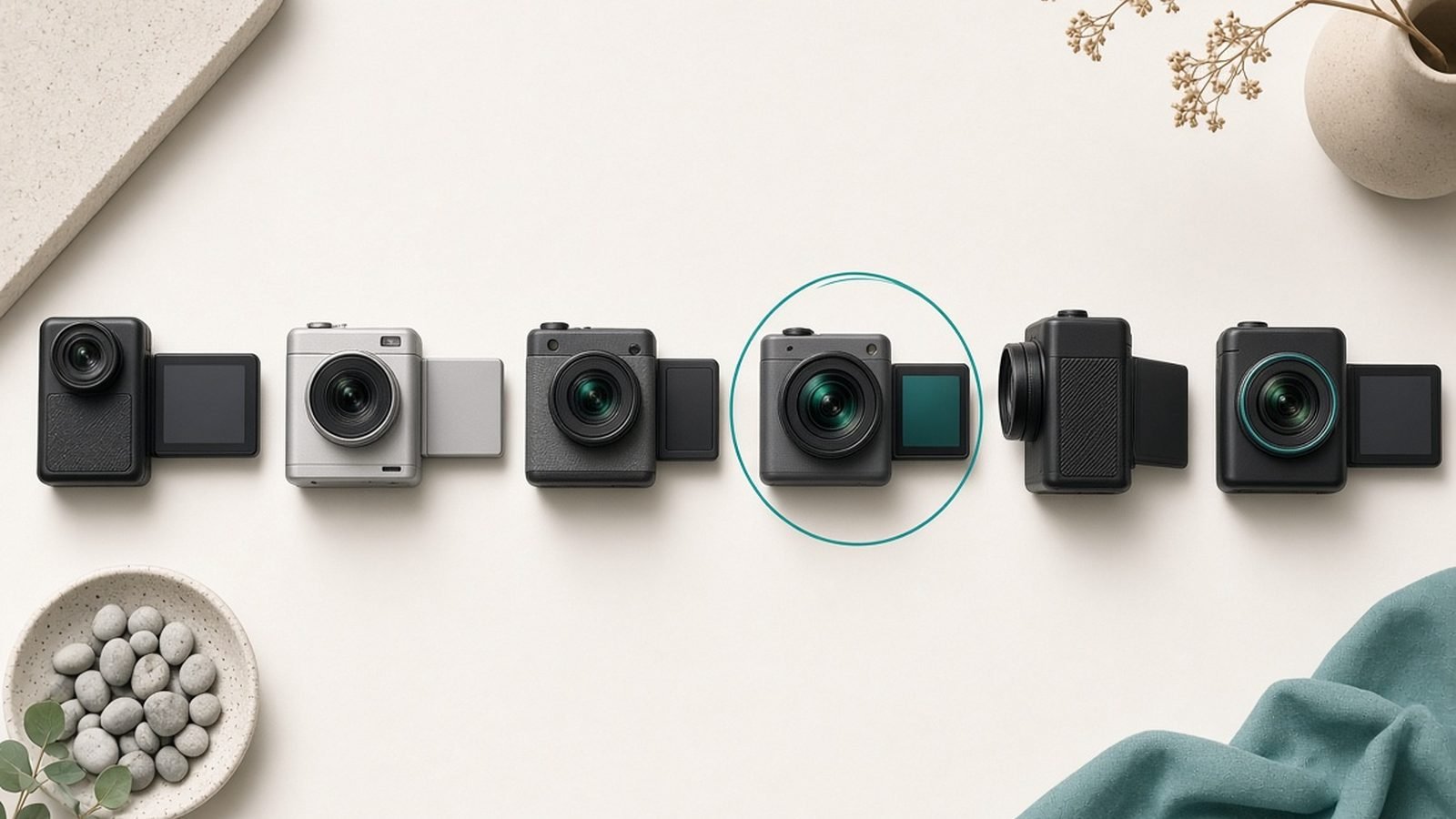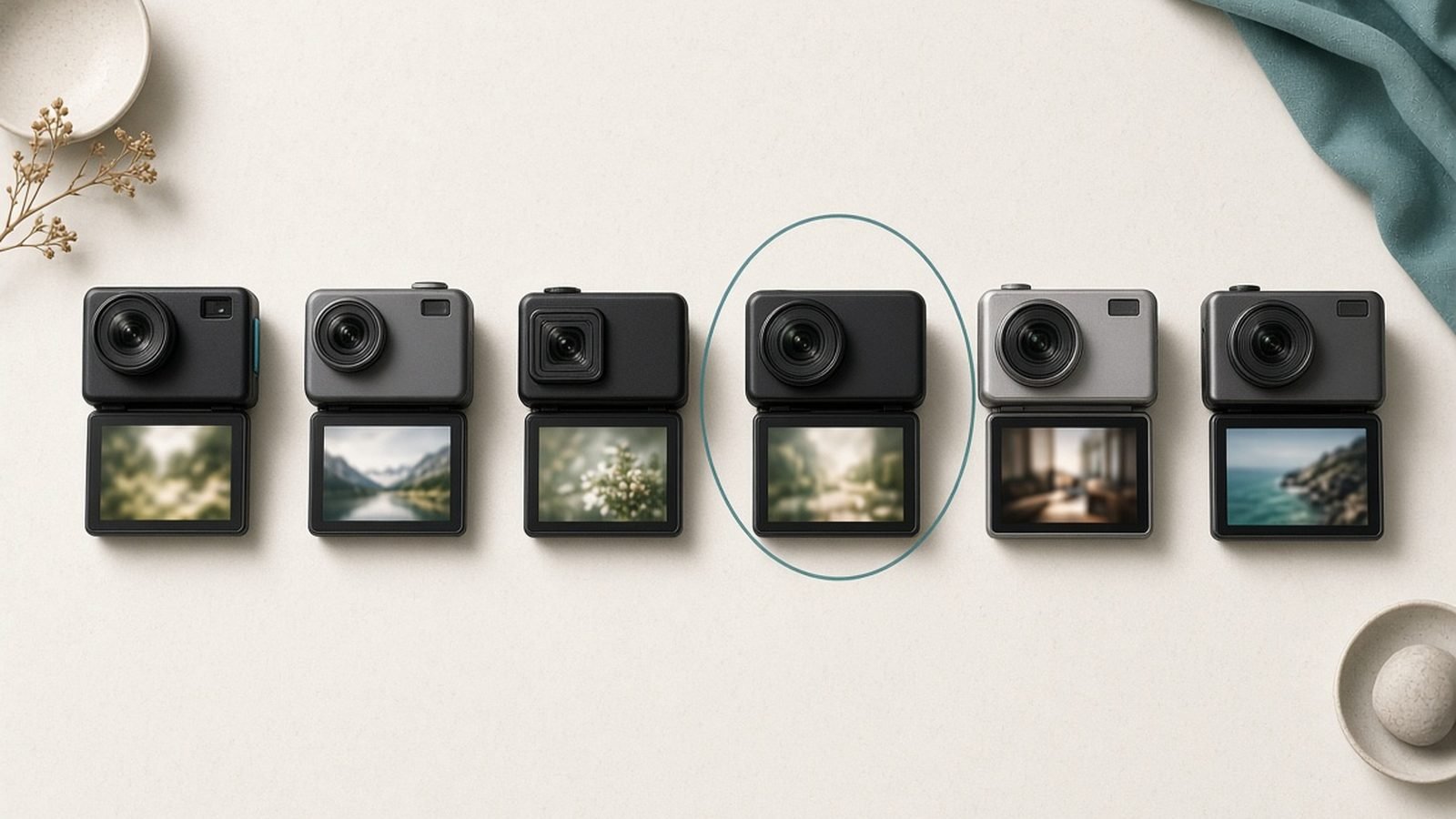
GoPro is still the name that defined the action camera, and in 2026 it remains one of the best choices for rugged, wearable, mountable video — especially if you already own its enormous accessory ecosystem. Its Hero line delivers excellent stabilization, genuine waterproofing and a mount system nothing else matches for breadth. The catch is that GoPro no longer has the category to itself: DJI and Insta360 push it hard on features and value, and GoPro leans heavily on a subscription that colors the whole ownership experience. Buy it for the ecosystem and reliability, not because it is automatically the best spec sheet.
Verdict: The action-camera benchmark for mounts, ruggedness and stabilization. Best for athletes and adventurers invested in its accessories; the main caveats are aggressive subscription pricing and stiff competition from DJI and Insta360.
Company overview
GoPro was founded in 2002 by Nicholas Woodman in San Mateo, California, originally selling a wrist strap for a 35mm film camera aimed at surfers. It essentially created the modern action-camera category, went public in 2014, and became a cultural shorthand for point-of-view adventure footage. The company remains US-headquartered and publicly traded, and it is not owned by a larger group — it operates as an independent brand, which matters because it has weathered several tough years of shrinking hardware margins and layoffs.
GoPro’s reputation in plain terms: a beloved, trusted name for durable POV cameras with the deepest mounting ecosystem in the business, but a company under real competitive and financial pressure. It has pivoted toward a subscription-and-services model to stabilize revenue, and it has broadened into a 360 camera and, more recently, other rugged-lifestyle products. For most buyers the question is not whether GoPro is credible — it clearly is — but whether it still offers the best value against fast-moving rivals.
What GoPro makes
GoPro’s range is narrower and more focused than DJI’s, centered on wearable and mountable capture:
- Hero action cameras — the flagship line of compact, waterproof, stabilized cameras, from the top-end Black models down to more affordable entries.
- Max and 360 cameras — spherical cameras for immersive and reframed footage, competing with Insta360.
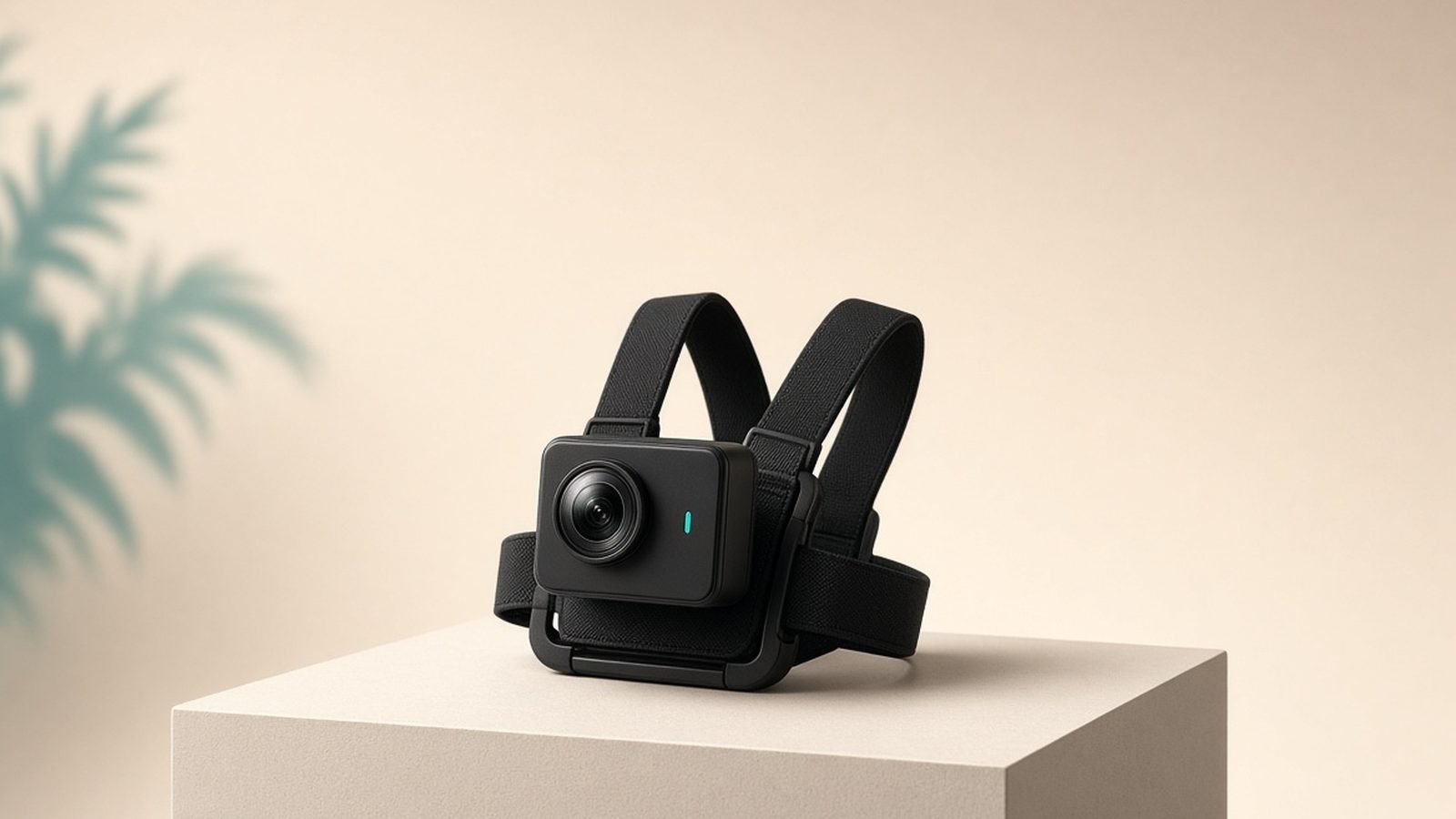
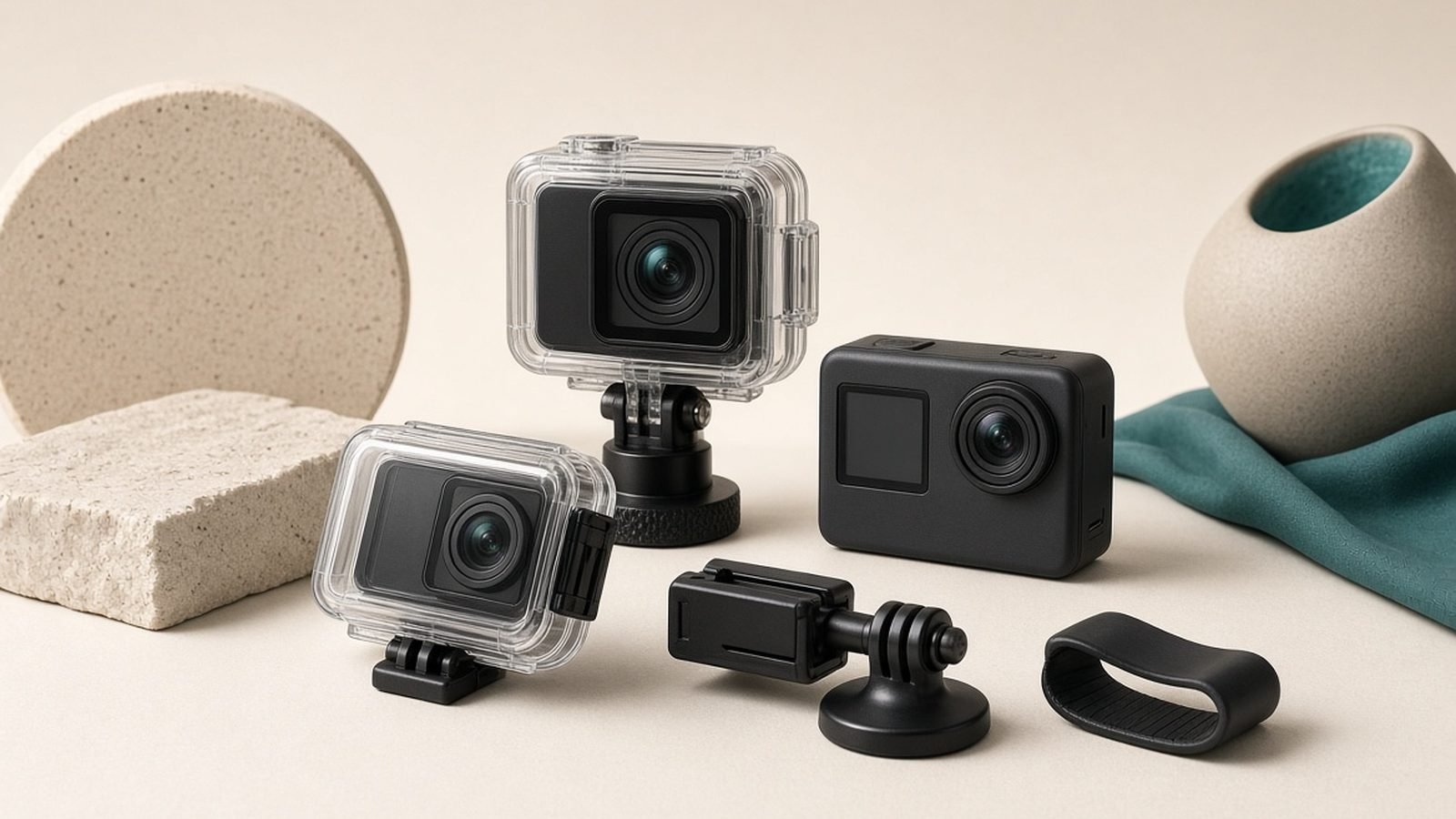
- Mounts and accessories — an unmatched catalog of chest harnesses, helmet mounts, clamps, poles, dive housings and adhesive mounts, all sharing GoPro’s fork-and-thumbscrew standard.
- Quik app and GoPro subscription — cloud backup, auto-editing, discounted camera replacement and unlimited storage bundled into a paid service.
- Accessory cameras and lights — smaller rugged capture devices and lighting aimed at creators.
The common thread is capture you can strap to a body, bike, board or drone and forget about.
Standout GoPro products in 2026
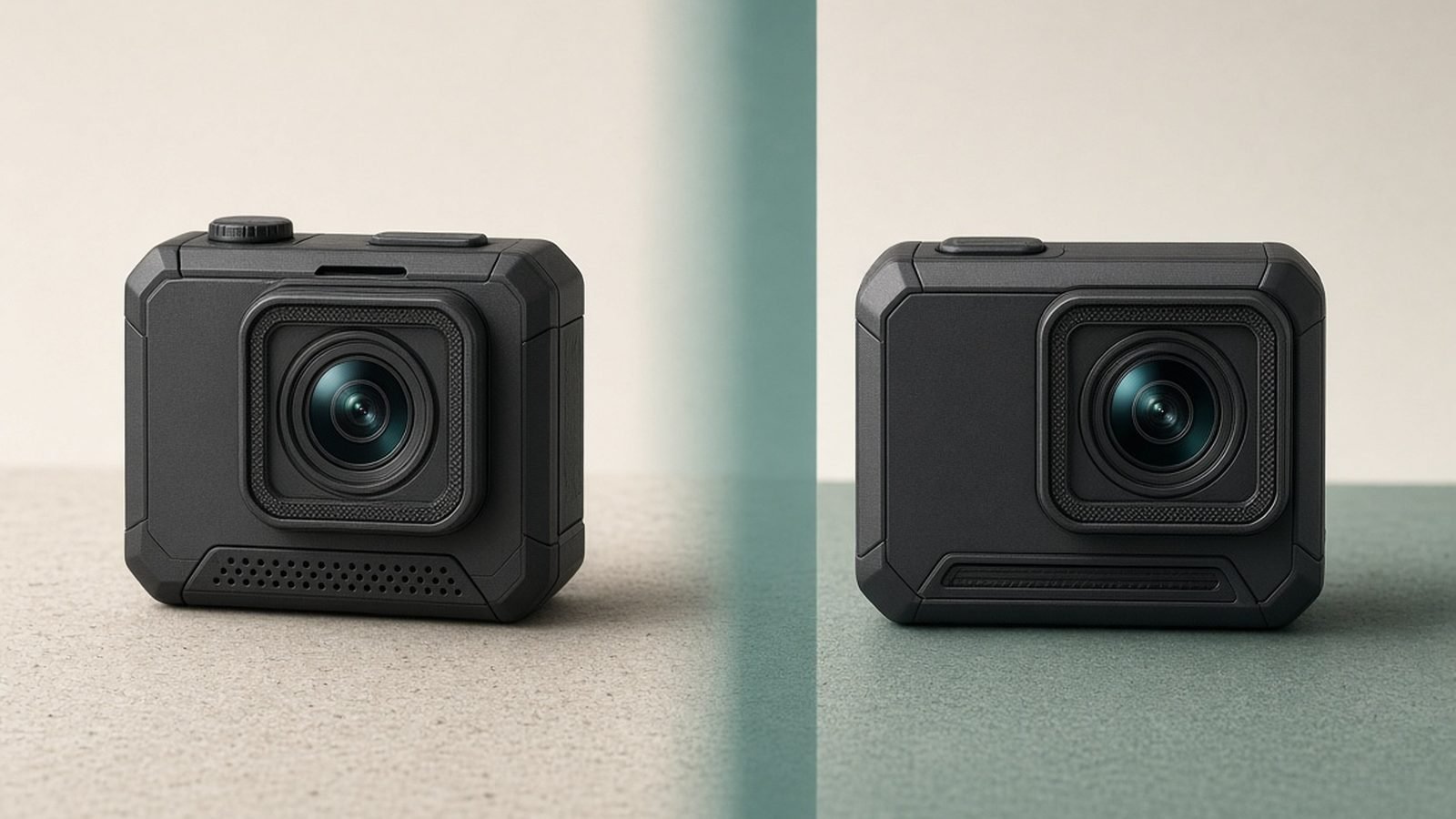
The product that best represents GoPro today is the Hero 13 Black, the flagship that anchors our Best Action Cameras 2026: GoPro, DJI & Insta360 coverage. Based on published specs, it pairs strong low-light performance, excellent HyperSmooth stabilization and a swappable-lens system with the ruggedness and waterproofing GoPro is known for, making it the default pick for many action shooters.
Across the rest of the range:
- Hero (standard and mid-tier models) — more affordable entries that still deliver the core GoPro experience for casual adventurers and are frequent value picks in Best Action Cameras 2026: GoPro, DJI & Insta360.
- GoPro Max / 360 line — spherical capture and reframing for creators who want to shoot everything and choose the angle later, a natural comparison point against Insta360 in Best Camera Gimbals 2026: Top Picks Compared & Ranked workflows and 360 roundups.
- Volumetric mounting kits — the chest, helmet and pole accessories that make GoPro uniquely versatile for sports.
- Quik subscription — the software layer that ties footage management together and lowers replacement costs.
Here is the flagship most buyers should start with:
Strengths
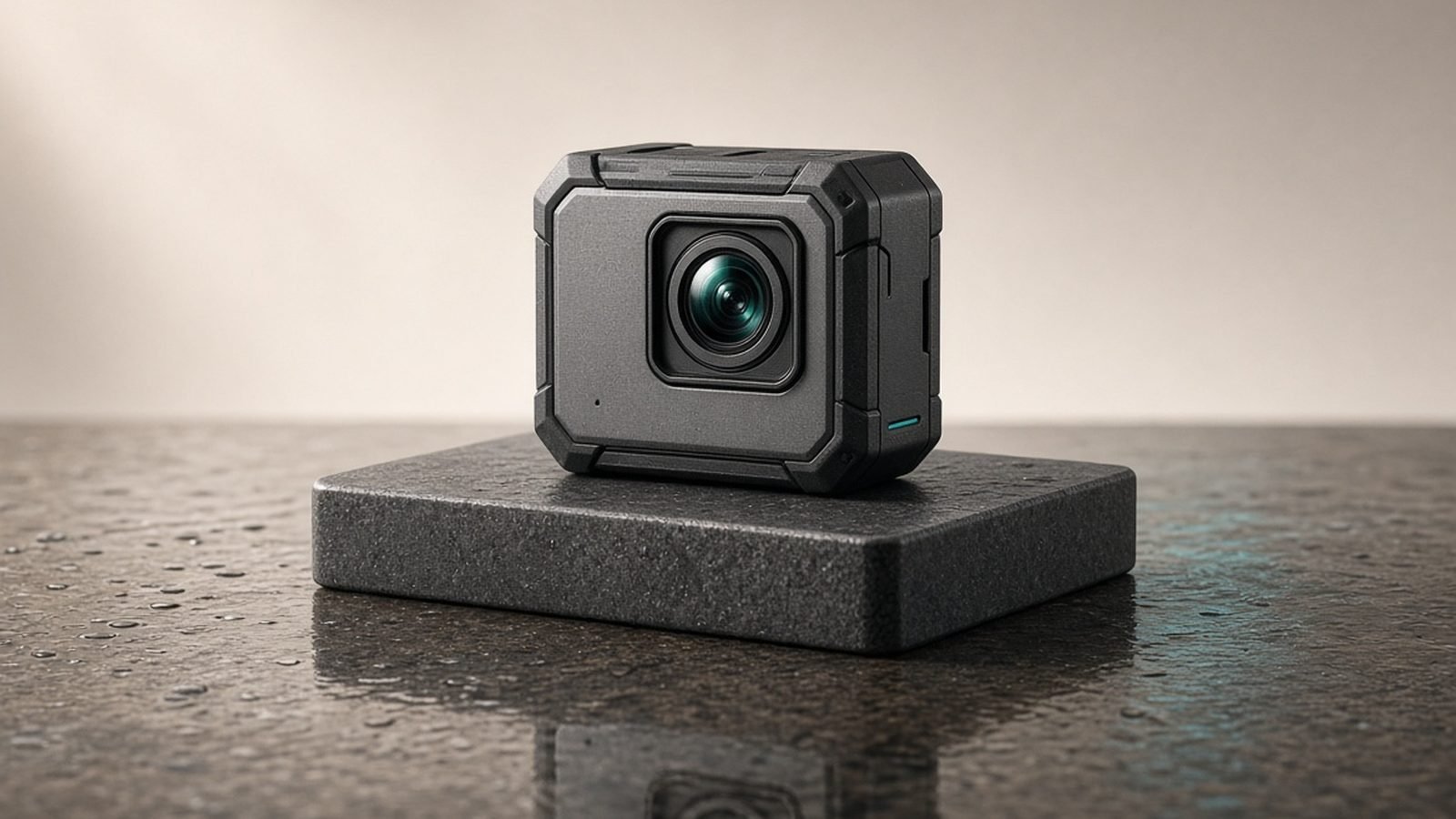
Ruggedness and waterproofing. GoPro cameras are built to be dropped, submerged and mounted in harsh conditions. Core Hero models are waterproof without a housing to useful depths, and the build quality inspires confidence in the field.
The mounting ecosystem. This is GoPro’s real moat. No competitor matches the sheer number of first- and third-party mounts, and the fork-and-thumbscrew standard has become the industry default. If you already own GoPro mounts, staying in the family is genuinely convenient.
Stabilization. HyperSmooth is consistently among the best electronic stabilization available, turning shaky handheld and helmet footage into usable, smooth video with horizon leveling.
Compact, purpose-built design. GoPros do one thing extremely well: wearable POV capture. The form factor, touchscreens and voice control are refined by two decades of iteration.
Brand trust and resale. As the category’s originator, GoPro enjoys strong name recognition, wide retail availability and a healthy used market.
Weaknesses & criticisms
Subscription reliance. GoPro’s pricing and value proposition are built around its subscription. The best camera prices often assume you subscribe, and features like cloud backup, discounted replacement and the fullest Quik experience live behind it. Some owners feel nudged toward a recurring cost they did not expect.
Intense competition. DJI’s Osmo Action line and Insta360’s cameras frequently match or beat GoPro on low-light, battery life, magnetic mounting or price. GoPro is no longer the automatic best-in-class choice, and on pure specs it sometimes trails.
Battery life and heat. Long, high-resolution recording can drain batteries quickly and, in some conditions, cause thermal shutdowns — a recurring complaint across action cameras but one GoPro is not immune to.
Financial and strategic pressure. GoPro has had well-documented difficult years, with layoffs and shrinking hardware margins. That does not make current cameras bad, but it is a fair consideration for long-term ecosystem confidence.
Iterative rather than revolutionary updates. Several recent generations have delivered modest year-over-year gains, leading some reviewers to question whether upgrades are worth it for existing owners.
Reliability & support
Based on aggregated user feedback, GoPro hardware is generally durable and reliable in exactly the punishing conditions it is designed for — mud, water, cold and impacts. The most common hardware complaints center on battery longevity, occasional overheating during extended 4K/5K capture, and touchscreen responsiveness in wet or gloved conditions rather than outright failures.
Support is a more mixed picture. GoPro offers a standard limited warranty, and its subscription includes discounted no-questions-asked camera replacement, which many owners consider the single best reason to subscribe — a cracked or flooded camera can be swapped affordably. Outside the subscription, warranty and repair experiences vary, and some users report friction with customer service and return timelines. Firmware updates arrive regularly and generally improve stability and add features, though occasional updates have introduced bugs later patched. Net: reliable in the field, with a support experience that is strongest for subscribers.
Who should buy GoPro
Buy GoPro if you: are an athlete, diver, cyclist, skier or adventurer who needs a rugged, waterproof, highly mountable camera, especially if you already own GoPro mounts and accessories. It is also a strong pick if the subscription’s cheap replacement plan appeals to you given how hard action cameras get used.
Look elsewhere if you: want the best possible low-light or battery performance for the money, dislike subscription-linked pricing, or shoot a lot of 360 or handheld vlog content — where DJI and Insta360 may fit better. Compare current options in our Best Action Cameras 2026: GoPro, DJI & Insta360 guide before deciding, and consider Best Camera Gimbals 2026: Top Picks Compared & Ranked if smooth handheld video, not ruggedness, is your priority.
FAQ
Is GoPro a good brand?
Yes. GoPro remains one of the best action-camera brands, with excellent stabilization, genuine ruggedness and the deepest mounting ecosystem in the category. The main caveats are its subscription-linked pricing and strong competition from DJI and Insta360, which mean it is no longer automatically the best value on specs alone.
Is GoPro reliable?
Generally yes. GoPro cameras are built for abuse and hold up well to water, dust and impacts. The most common complaints are battery life and occasional overheating during long high-resolution recording rather than build failures. The subscription’s discounted replacement plan further reduces the cost of a damaged unit.
Where is GoPro from and who owns it?
GoPro is a US company founded in 2002 by Nicholas Woodman and headquartered in San Mateo, California. It is publicly traded and independent — not owned by a larger conglomerate — which is part of why its subscription-and-services strategy matters to the brand’s stability.
Is the GoPro subscription worth it?
For heavy users, often yes. The subscription bundles cloud backup, the fullest Quik editing experience, unlimited storage and, most valuably, discounted camera replacement if you damage your GoPro. If you rarely crash your camera or prefer to avoid recurring costs, you can skip it — but note that the best advertised camera prices frequently assume you subscribe.
Is GoPro better than DJI or Insta360?
It depends on your use. GoPro wins on mount ecosystem, ruggedness pedigree and horizon-lock stabilization. DJI’s Osmo Action often competes on low-light and value, and Insta360 leads for 360 and reframed footage. Compare current models side by side in our Best Action Cameras 2026: GoPro, DJI & Insta360 guide to match a camera to your activity.
How long do GoPro cameras last?
With reasonable care, a GoPro can last many years of hard use; the main wear points are batteries, which degrade over time and are inexpensive to replace, and lens covers, which can scratch but are swappable on newer models. Keeping firmware updated and drying the camera after water use extends its life.
Zen Tech Hub may earn a commission from links on this page, at no extra cost to you.