If you want one camera for smooth, cinematic handheld video that fits in a jacket pocket, this DJI Osmo Pocket 4 review gets to the point: it is the best pocket gimbal camera you can buy in 2026, and for solo vloggers, travellers and talking-head creators it is an easier recommendation than any action camera. The combination of a large sensor, a true motorised 3-axis gimbal and reliable subject tracking produces footage that looks like it came off a much bigger rig. It is not cheap at around $549 / £519, but nothing else does this job as well.
We have not run this camera through a formal lab. This review is built from DJI’s published specs and documentation plus a broad read of owner feedback and creator reports gathered through mid-2026. Here is the honest picture, pros and cons included.
DJI Osmo Pocket 4 at a glance
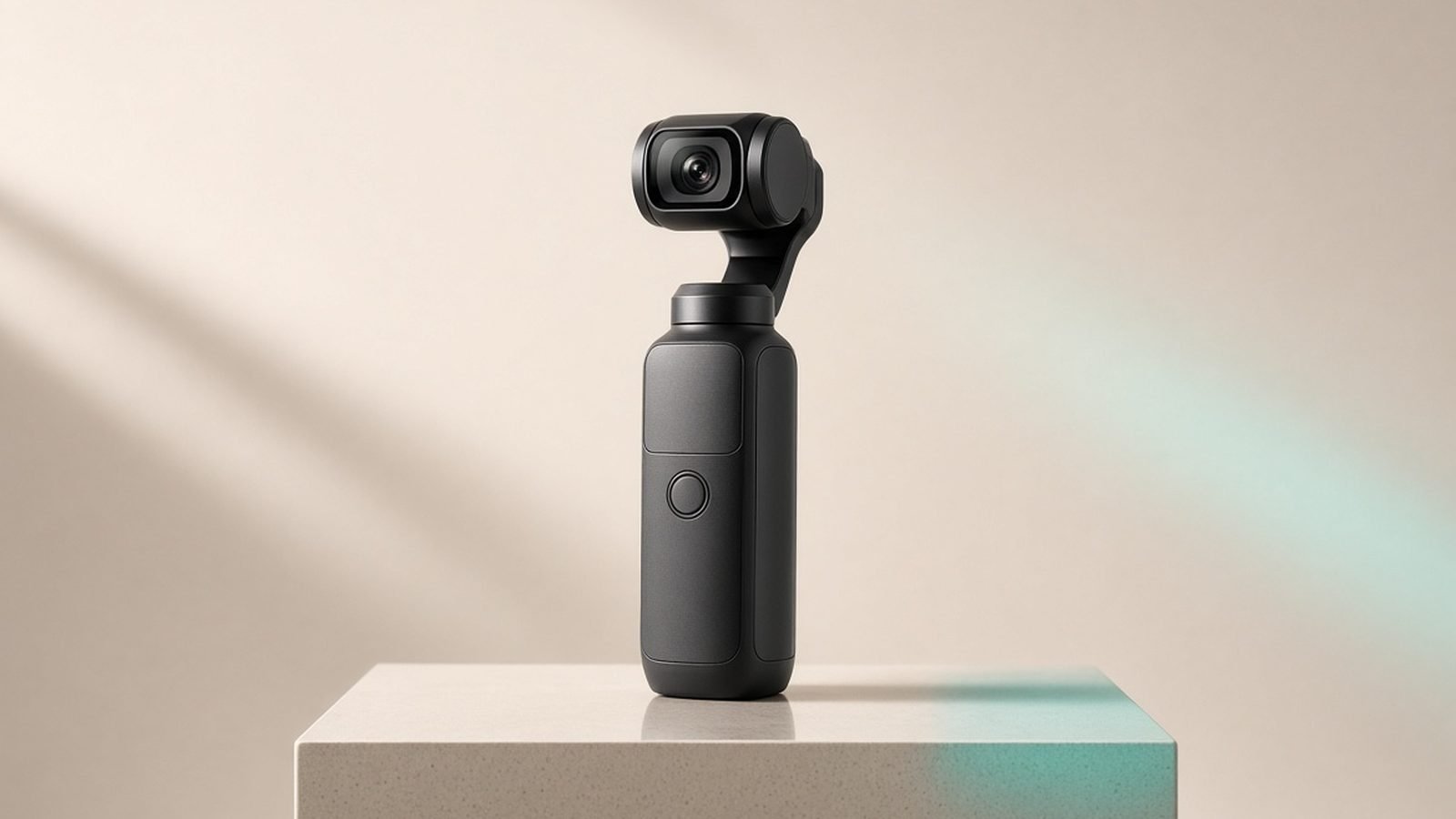
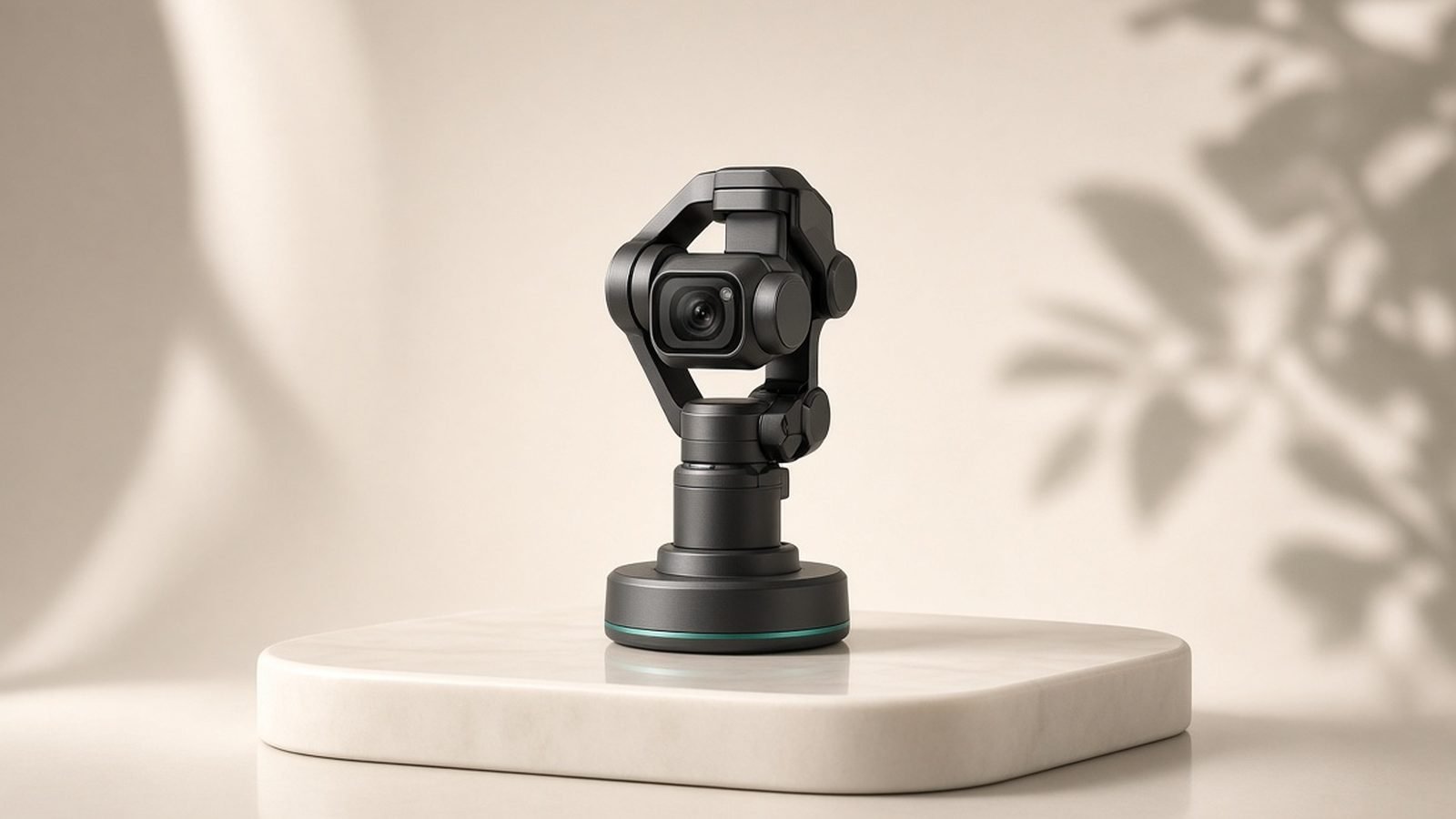
The Osmo Pocket 4 is a pocket-sized vlogging camera built around a motorised 3-axis gimbal. Unlike an action camera, which uses electronic stabilisation, the Pocket 4 physically moves the camera to cancel out shake, which is why its footage looks so smooth and keeps subjects locked in frame. It is aimed at vloggers, travel creators, event shooters and anyone who wants professional-looking handheld video without carrying a separate gimbal.
The headline improvements this generation are a larger, brighter screen, refinements to the 1-inch-class sensor for better low light, faster ActiveTrack subject tracking, and improved battery life. The core appeal, a real gimbal in a pocketable body, carries over.
| Spec | DJI Osmo Pocket 4 |
|---|---|
| Sensor | 1-inch-class CMOS |
| Video | 4K up to 120fps |
| Stabilisation | Motorised 3-axis mechanical gimbal |
| Screen | Large tilting touchscreen |
| Tracking | ActiveTrack (face + subject) |
| Audio | Built-in mics + DJI Mic wireless support |
| Price | around $549 / £519 |
Pros:
- True 3-axis mechanical gimbal, unmatched smoothness
- Large 1-inch-class sensor for strong low light
- Excellent ActiveTrack keeps you in frame solo
- Seamless DJI Mic wireless audio integration
Cons:
- Not waterproof or rugged like an action camera
- Pricey once you add the mic and accessories
Design and build
The Pocket 4 is genuinely pocketable: a slim wand a little larger than a chunky pen, with the gimbal and camera head on top and a tilting touchscreen on the front. The bigger, brighter screen this generation makes framing yourself far easier, and the whole thing weighs almost nothing in a bag or coat pocket.
The gimbal is the heart of the design. Three motors physically counter every wobble of your hand, so walking footage looks like it is floating and pans are glass-smooth. This is a fundamentally different and better approach to stabilisation than the electronic smoothing in an action camera, and it is why the Pocket line has such a loyal following among vloggers.
The important build caveat: unlike a GoPro, the Pocket 4 is not waterproof and the exposed gimbal is more delicate than a sealed action-cam brick. You would not throw it in a river or strap it to a mountain bike. It is a precision creative tool, not a crash camera, and it wants a case in your bag.
Performance and features
Image quality is the standout. The 1-inch-class sensor is much larger than what sits inside a typical action camera, and it shows: cleaner low light, more natural depth, and a pleasing background separation that gives clips a premium look. For a camera this size, the footage is remarkable, and it is comfortably better in dim rooms and at dusk than the GoPro Hero 14; see the GoPro Hero 14 Review 2026: Still the Action King? for that side of the comparison.
ActiveTrack is the other killer feature. Set it to follow your face and the gimbal physically rotates to keep you centred as you move, walk or set the camera down for a piece to camera. For solo creators with no crew, that is transformational. Combined with 4K up to 120fps for slow motion, it covers everything from vlogs to b-roll.
Audio integration deserves special mention. The Pocket 4 pairs seamlessly with DJI’s wireless mic system, so you can capture clean, close-up voice without a cable, and there are built-in mics for casual use. Clean audio is half of good video; if you want to go further, read How to Get Better Audio for YouTube Videos and consider one of the Best USB Microphones in 2026 for Streaming and Podcasting for your desk edits and voiceovers.
Battery life is improved and comfortable for a day of intermittent shooting, and the camera charges quickly over USB-C.
Shooting modes and workflow
The Pocket 4’s gimbal enables creative moves that a fixed camera cannot. A rotate-to-vertical mode flips the framing for native Reels, Shorts and TikTok without cropping, spin and glide transitions let you build dynamic hand-off shots, and the gimbal’s motion controls make smooth pans and reveals effortless. For creators who want their travel and vlog footage to feel intentional rather than handheld, these modes do a lot of the work.
The screen and controls are designed for solo use. You can drag on the touchscreen to reposition the gimbal, switch modes without menu-diving, and use gesture control to trigger tracking or start recording from across a room, which is genuinely useful when you are on the other side of the camera. The workflow to offload footage over USB-C or the DJI app is quick, and the files are standard formats that drop straight into any editor.
One practical note from owner reports: because the gimbal is motorised and precise, it rewards a moment of care when powering on and stowing it. Let it initialise on a level surface, and use the included case or the gimbal lock when it goes in your bag. Treated as the precision instrument it is, it stays reliable for years.
Value and pricing
At around $549 / £519, the Pocket 4 is not an impulse buy, and the true cost is higher once you add the wireless mic, spare storage and a case. But look at what it replaces: a mirrorless camera plus a separate gimbal plus a wireless mic would cost several times as much and fill a bag. For run-and-gun vlogging, the Pocket 4 delivers most of that look in one hand.
The value question that matters is Pocket 4 versus the discounted Pocket 3. If you find a Pocket 3 significantly cheaper and do not need the newer sensor tuning, faster tracking or bigger screen, it remains an excellent camera and the smarter spend. For a first purchase at full price, the Pocket 4 is the one to get.
Alternatives
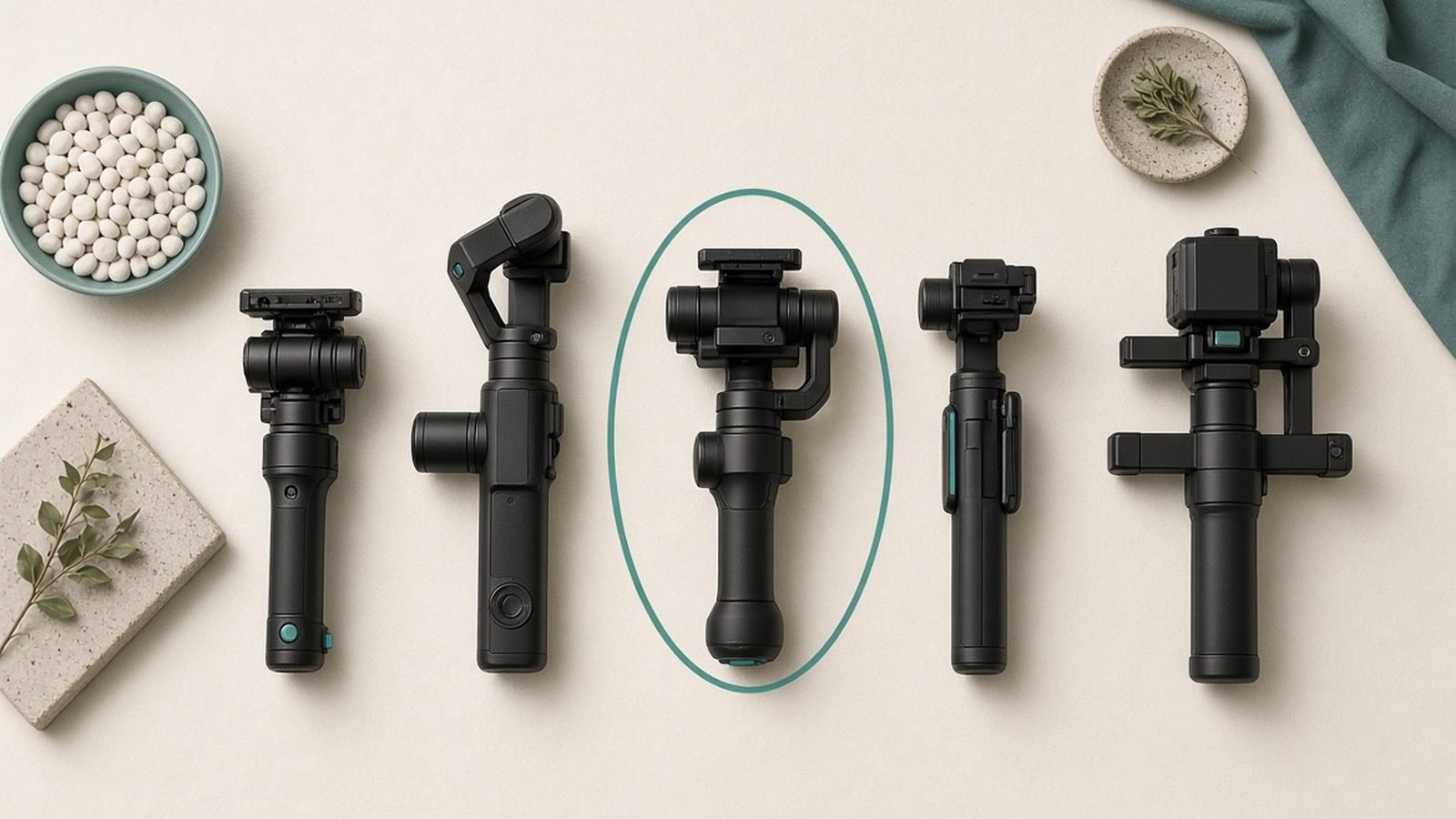
DJI Osmo Pocket 3 — the previous generation, often discounted, and still superb. The best value alternative if the newest features do not sway you. See our DJI Osmo Pocket 3 Review: Still the Best Vlog Camera?.
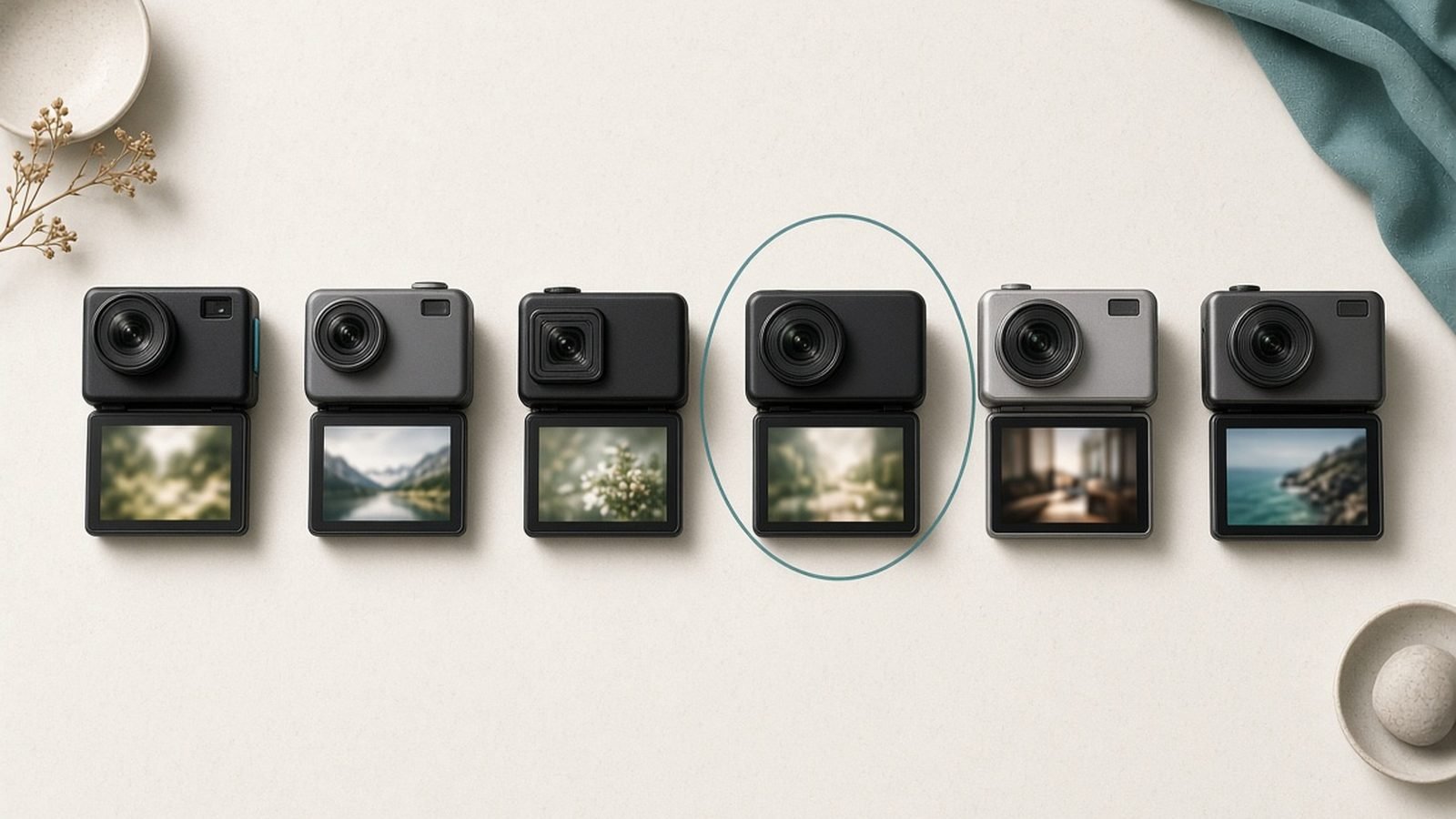
GoPro Hero 14 Black — the opposite tool. Waterproof, rugged and better for helmet-mounted action, but with a smaller sensor and electronic stabilisation rather than a true gimbal. Read the GoPro Hero 14 Review 2026: Still the Action King?.
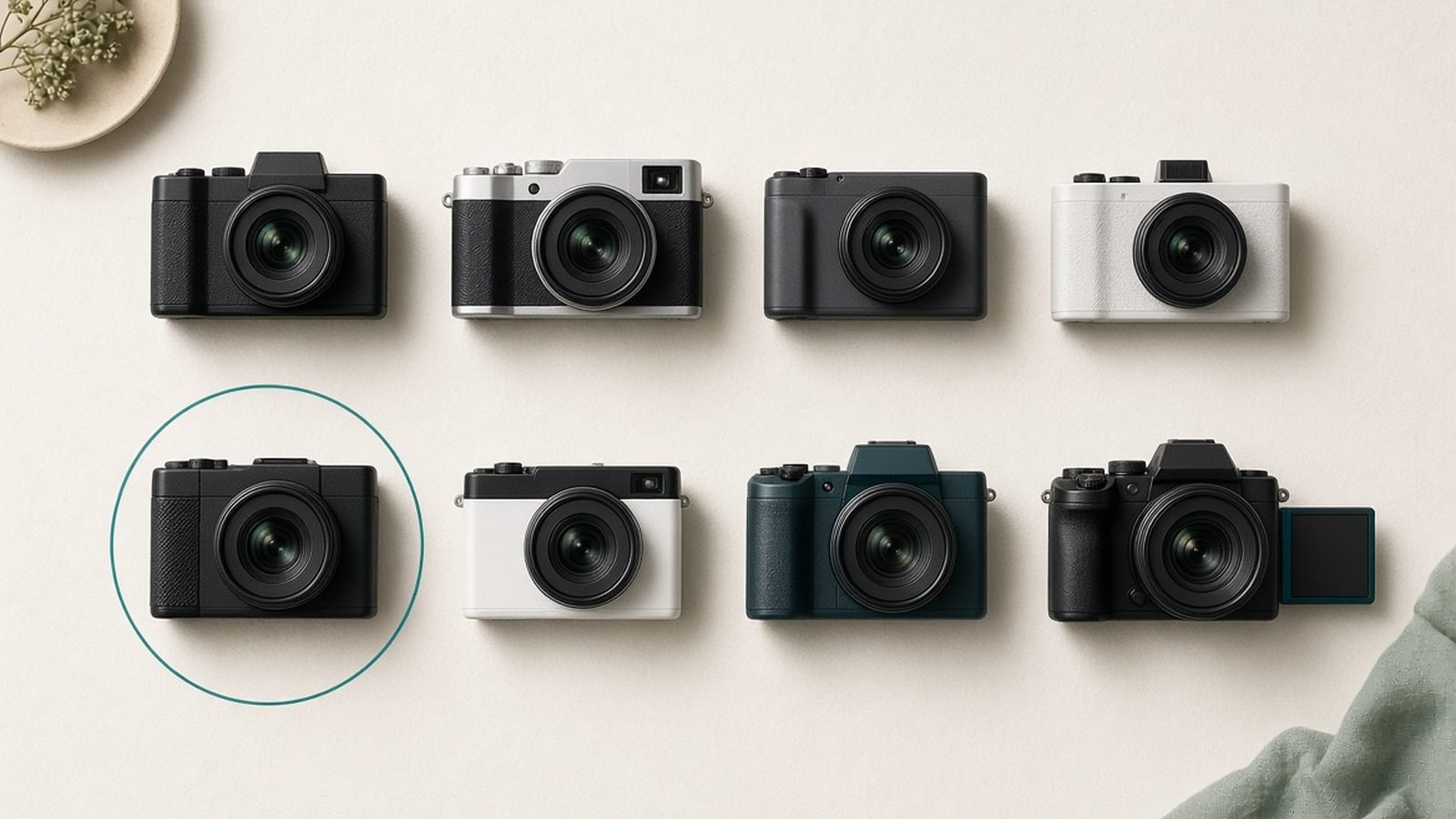
A mirrorless vlogging camera — if you want interchangeable lenses and the very best image quality and do not mind more bulk, a dedicated body wins. Our Best Vlogging Cameras 2026: Creators' Picks guide covers those, and beginners should start with Best Cameras for Beginners 2026: Easy & Affordable.
Verdict
The DJI Osmo Pocket 4 is the best pocket gimbal camera of 2026 and the single most convenient way to shoot smooth, professional-looking handheld video. The large sensor, real mechanical gimbal and excellent ActiveTrack make it a near-perfect solo creator’s tool, and the seamless wireless mic support closes the loop on audio. The trade-offs are honest: it is not rugged or waterproof, and the full kit is not cheap.
If you vlog, travel or shoot talking-head content and want one small camera that punches far above its size, buy it. If your shooting is fast, wet or high-impact, an action camera is the better tool.
FAQ
Is the DJI Osmo Pocket 4 worth it in 2026?
For vloggers, travel creators and solo talking-head shooters, yes. At around $549 / £519 you get a large 1-inch-class sensor, a true 3-axis mechanical gimbal and reliable face tracking in a genuinely pocketable body. Nothing else combines that image quality and smoothness at this size. The main caveat is that it is not rugged or waterproof.
Should I buy the Pocket 4 or the Pocket 3?
Buy the Pocket 4 for the newer sensor tuning, faster ActiveTrack and larger screen. But the Pocket 3 remains excellent and is often discounted; if you find it significantly cheaper and do not need the latest refinements, it is the smarter spend. Both share the same core gimbal magic.
Is the Osmo Pocket 4 better than a GoPro for vlogging?
For handheld talking-head and travel vlogging, yes. Its larger sensor, mechanical gimbal and face tracking beat an action camera for that look. But a GoPro Hero 14 is waterproof, rugged and better for helmet-mounted action. They are different tools; many creators own both. Compare in the GoPro Hero 14 Review 2026: Still the Action King?.
Is the Pocket 4 waterproof?
No. Unlike a GoPro, the Osmo Pocket 4 is not waterproof and its exposed gimbal is more delicate than a sealed action-cam body. Keep it away from water and give it a case in your bag. If you need a camera for swimming or watersports, choose an action camera instead.
How good is the audio on the Osmo Pocket 4?
The built-in mics are fine for casual clips, but the real strength is seamless pairing with DJI’s wireless mic system for clean, close-up voice with no cable. That makes it excellent for vlogging. To get the most from your sound, read How to Get Better Audio for YouTube Videos.
Can the Osmo Pocket 4 track me automatically while I film alone?
Yes. ActiveTrack physically rotates the gimbal to keep your face or a chosen subject centred as you move, or when you set the camera down for a piece to camera. For solo creators with no one behind the camera, it is one of the Pocket 4’s most useful features.
Zen Tech Hub may earn a commission from links on this page, at no extra cost to you.