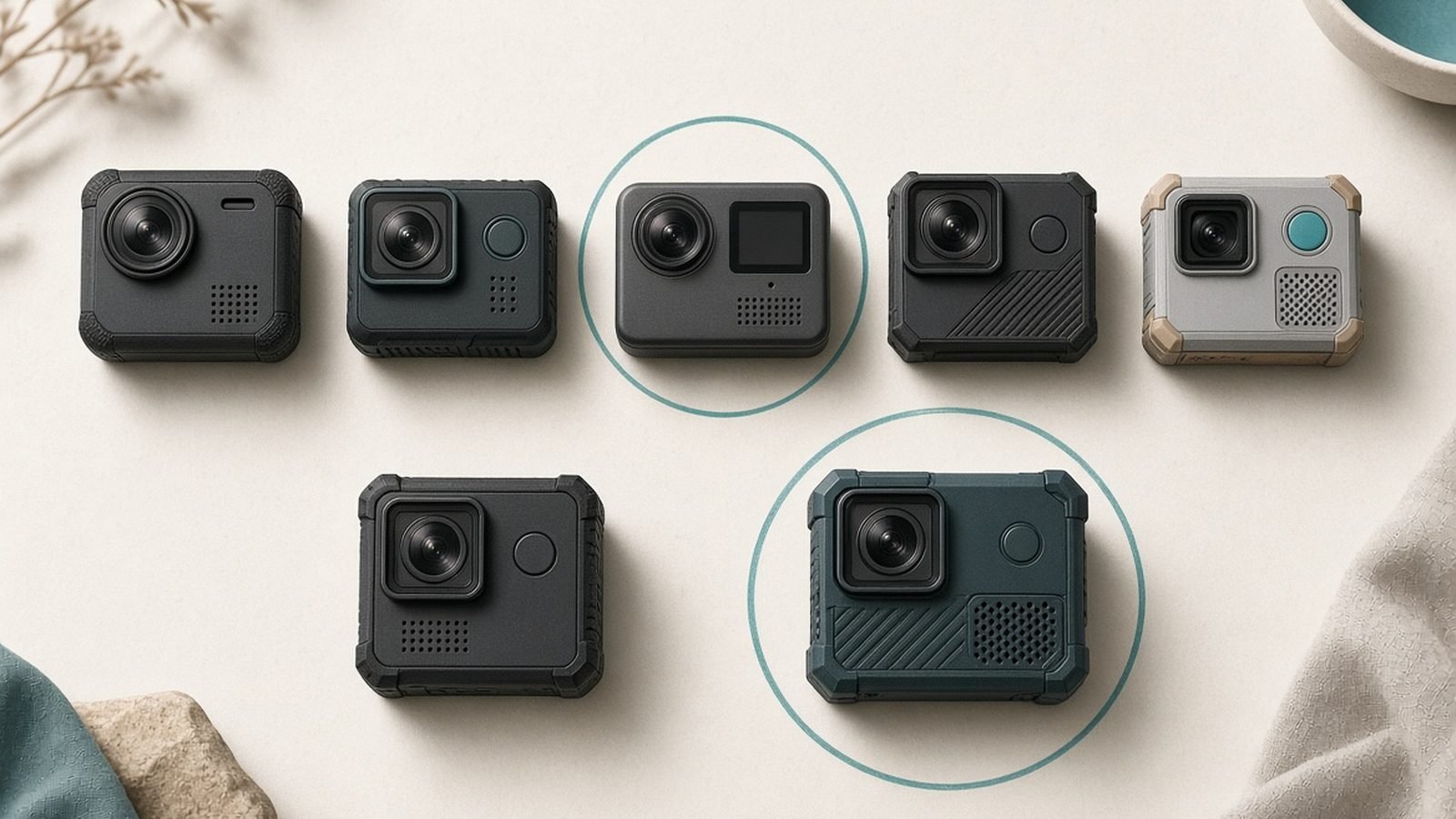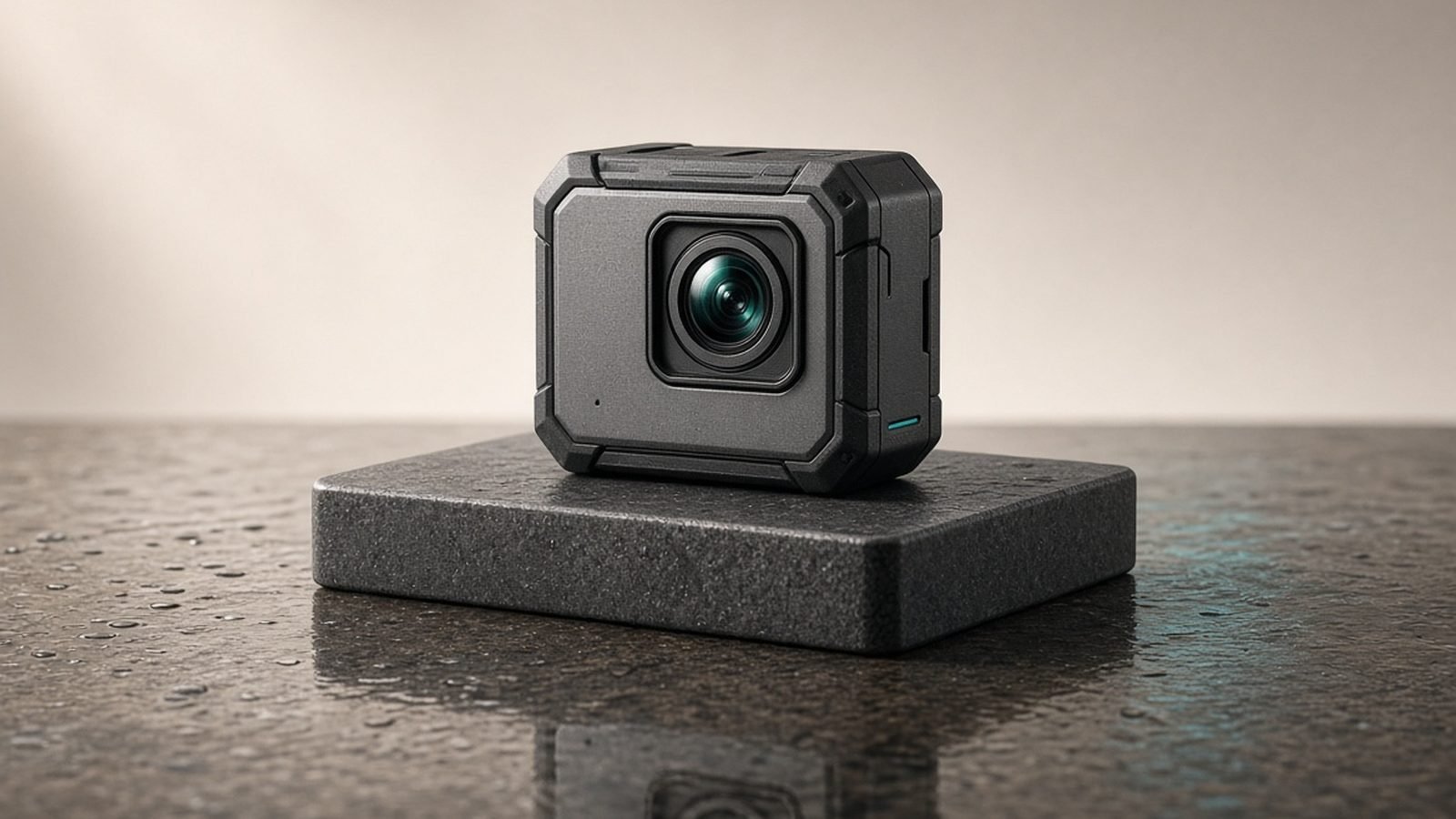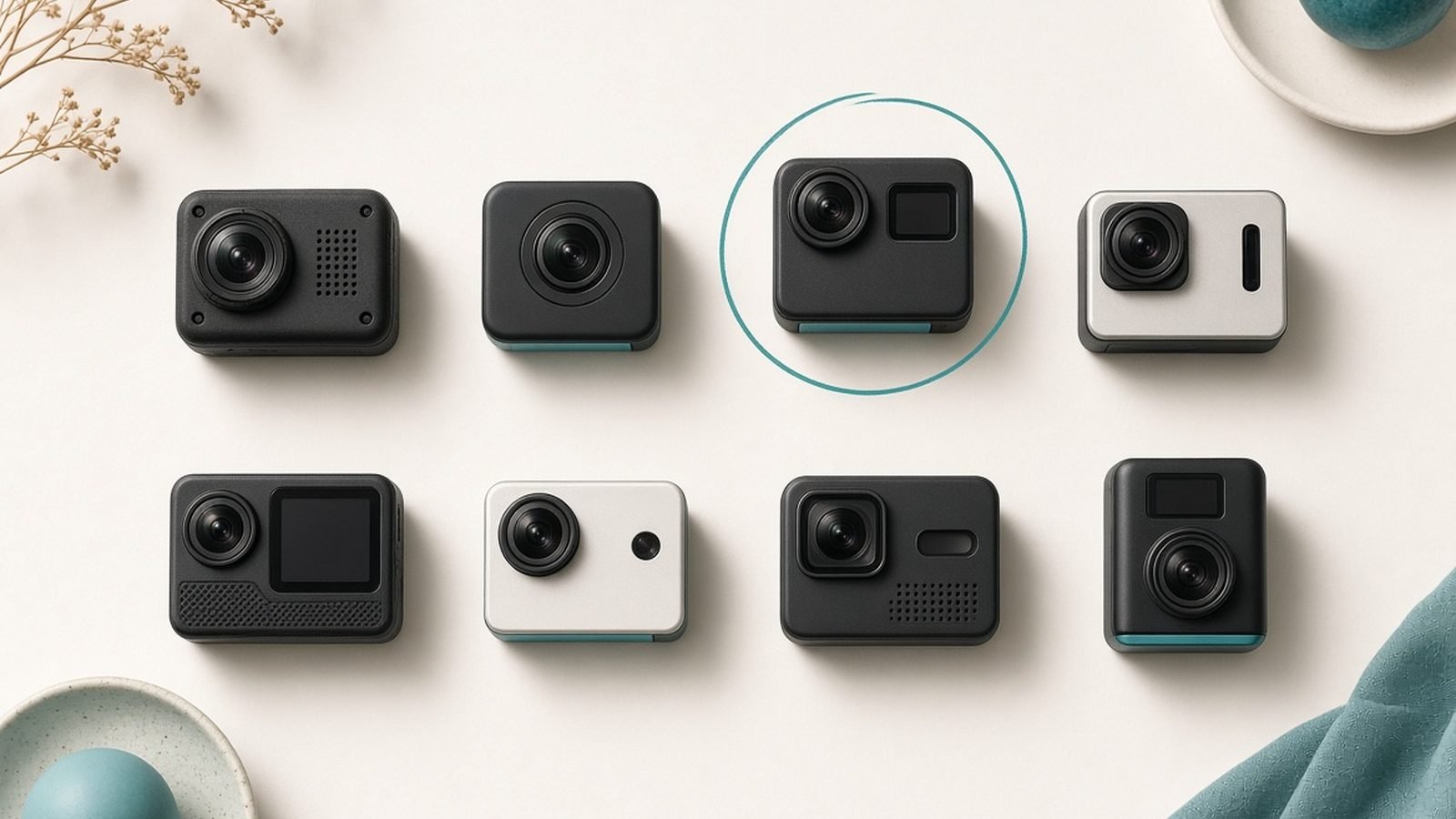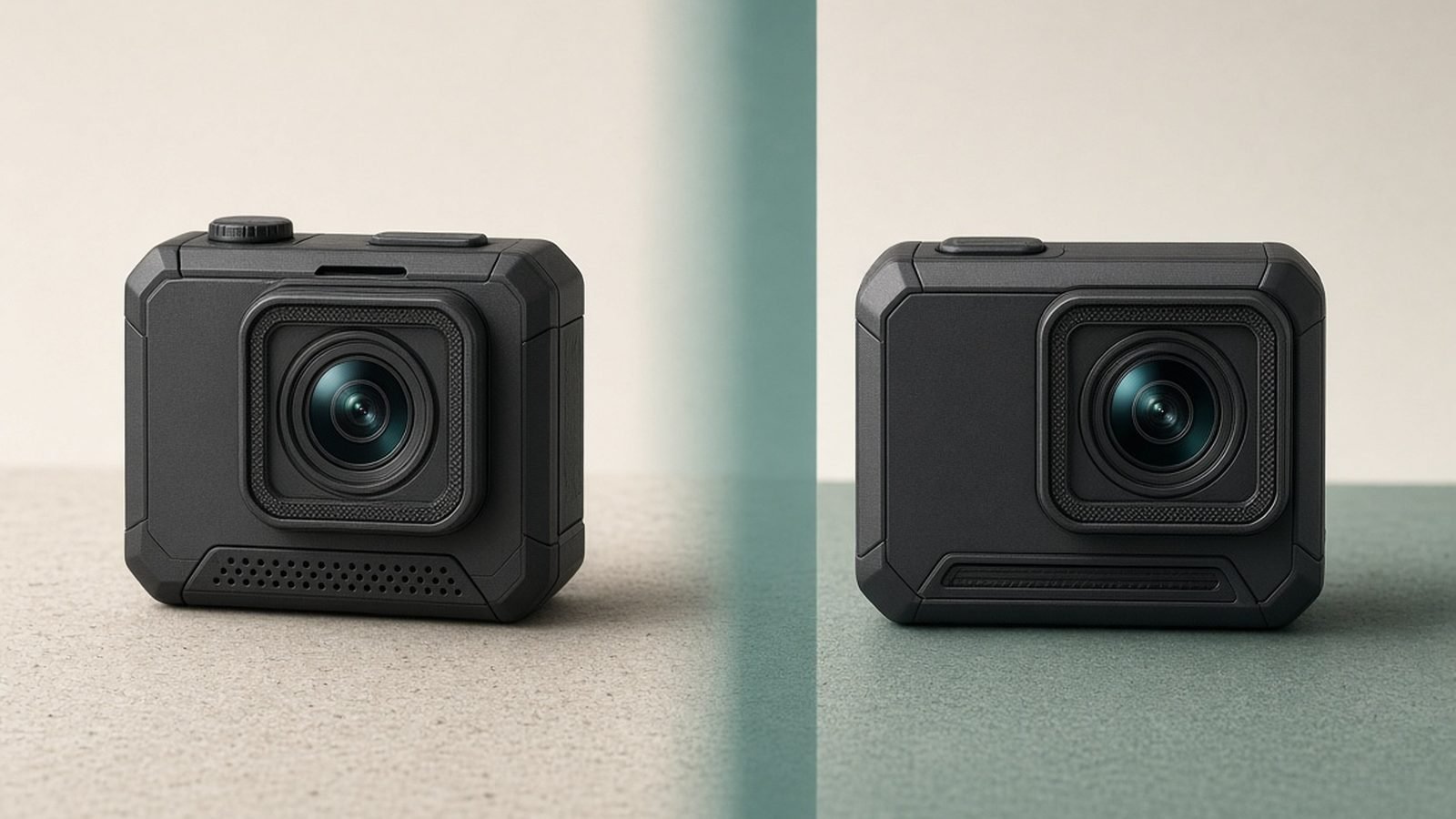
If you are stuck on GoPro HERO 13 vs DJI Osmo Action 6, the short answer is that these two cameras cost roughly the same and win in different places. The GoPro takes stabilisation, the mount ecosystem and swappable lenses. The DJI takes low light, macro and cooler running. Pick based on what you actually shoot, not the spec sheet.
Both land at around $399, so this is a genuine head-to-head with no price excuse either way. Below is a scannable verdict table, then a section-by-section breakdown of where each camera pulls ahead, plus who should buy which.
Quick Verdict
| GoPro HERO13 Black | DJI Osmo Action 6 | |
|---|---|---|
| Price (approx) | $399 / £399 | $399 / £369 |
| Best for | Stabilisation, mounts, POV sport | Low light, macro, vlogging |
| Sensor | 1/1.9-inch | Larger 1/1.1-inch square |
| Waterproof (no case) | 10m | 20m |
| Stabilisation | HyperSmooth (class-leading) | RockSteady (excellent) |
| Low light | Trails the DJI | Wins clearly |
| Running temperature | Runs warmer | Runs cooler |
| Mounts | Huge ecosystem + folding fingers | Fast magnetic, smaller ecosystem |
| Swappable lenses | Yes (HB mods) | No |
Bottom line: buy the HERO13 for the steadiest footage and the widest accessory range; buy the Osmo Action 6 for cleaner night clips, close-up macro and a camera that stays cool. In our research the two split the wins almost evenly, so the “right” one is genuinely down to your use case.
Price and What’s in the Box
At list price these are twins in the US: both around $399. In the UK the Osmo Action 6 is a little cheaper at about £369 against the HERO13’s £399, so DJI has a small edge for British buyers before you add anything.
Where it gets interesting is the bundle. GoPro pushes a Creator Edition and frequently ties the sharpest price to a GoPro subscription, which also covers cloud backup and damage replacement. DJI’s standard combos tend to throw in an extra battery, the multifunction case and a spare mount, which is arguably better day-one value if you dislike subscriptions.
Check the live price before you commit. Both brands run heavy launch-window and seasonal discounts, and the “cheapest” camera flips depending on the week and the bundle.
Design and Handling
Both cameras are the classic rugged, pocket-sized action-cam shape with front and rear touchscreens, so you can frame a piece to camera and monitor at the same time. Handling differences are small but real.
The Osmo Action 6 is waterproof to 20m without a case versus 10m on the HERO13, so divers and snorkellers get more headroom. Its square sensor also makes vertical clips for TikTok, Reels and Shorts cleaner, because you are cropping less to get a 9:16 frame.
The HERO13 counters with the mount ecosystem. Its folding-finger mounts fit thousands of GoPro accessories built over more than a decade, and this generation adds magnetic latch mounts too. If you already own GoPro gear, that lock-in is a genuine reason to stay.
Video Quality and Low Light
This is the clearest split in the whole osmo action 6 vs hero 13 debate. Both shoot up to 5.3K, both produce punchy, sharp daylight footage, and in good light most viewers could not tell the clips apart.
Turn the lights down and the DJI pulls ahead. The Osmo Action 6 uses a larger 1/1.1-inch sensor with a variable aperture, and based on owner reports and aggregated hands-on impressions it is the cleaner camera once the sun drops. If osmo action 6 low light performance is on your list, evening street footage, dim interiors, sunrise and sunset, the DJI is the safer pick.
The DJI also wins on close-ups. Its macro capability lets you get sharp detail shots much nearer the subject than the GoPro manages, which matters for food, product and nature clips.
The HERO13’s ace is its swappable HB lens system. Add the Ultra Wide, Macro or Anamorphic lens mods and you change the look in a way the fixed-lens DJI simply cannot. For creators who want optical flexibility, that is a strong counter-argument.
Stabilisation Head-to-Head
GoPro’s HyperSmooth remains the reference point for hero 13 stabilisation, and this generation is no exception. Across owner reports it consistently delivers the most locked-off, gimbal-like footage when you are running, mountain biking or riding rough trails, with horizon lock that holds through hard motion.
DJI’s RockSteady is excellent and, for most walking, vlogging and general handheld use, you would struggle to fault it. The gap only really shows in high-impact sport, where GoPro’s edge in the roughest conditions is the deciding factor.
If your footage is mostly you talking to camera, travel B-roll or steady handheld work, treat stabilisation as a tie. If you strap a camera to a helmet or handlebars and hit hard terrain, the HERO13 is the one to beat.
Battery and Overheating
Heat is where the two cameras diverge most, and it is worth taking seriously if you shoot long clips. In our research, and across aggregated owner feedback, the HERO13 runs warmer and is more likely to throttle or stop during extended high-resolution recording in warm conditions. If you are prone to that, our GoPro Overheating? Why It Happens and How to Fix It guide covers the practical fixes.
The Osmo Action 6 runs cooler and generally handles long takes with fewer heat interruptions, and its battery endurance in real-world use is competitive-to-better. For locked-off interviews, time-lapses or long POV sessions in summer heat, that thermal headroom is a meaningful advantage.
Neither camera is a disaster, and both hit their rated runtimes in normal use. But if “record and forget” reliability matters more than raw stabilisation, this round goes to DJI.
Ecosystem and Accessories
This is GoPro’s home turf. More than a decade of first- and third-party mounts, cages, handles, chesties and mods means whatever weird angle you want, someone makes a GoPro mount for it. For sport and adventure shooters, that range is hard to overstate.
DJI’s magnetic quick-release is faster and friendlier in the moment, click on, click off, no fiddly folding fingers, but the total accessory catalogue is smaller. It covers the essentials well; it just does not match GoPro’s sheer breadth.
Software is close. Both apps handle transfers, edits and framing reliably, with GoPro’s Quik and DJI’s Mimo trading blows on auto-edit features. Neither app should swing your decision.
Which Should You Buy?
Here is the honest split on gopro or dji.
Buy the GoPro HERO13 Black if you shoot fast, rough sport, want the steadiest possible footage, value the huge mount ecosystem, or want swappable lenses to change your look. It is the specialist’s action camera. Just plan around the heat on long clips.
Pros: class-leading stabilisation; largest accessory ecosystem; swappable HB lenses; magnetic + folding mounts. Cons: runs warmer; trails the DJI in low light; UK price is higher.
Buy the DJI Osmo Action 6 if you shoot in mixed or low light, want macro close-ups, record long takes, or just want a cooler-running, slightly cheaper camera in the UK. It is the more versatile all-rounder for everyday creators.
Pros: best-in-class low light; strong macro; runs cool; 20m waterproof; fast magnetic mounts; cheaper in the UK. Cons: smaller accessory range; no swappable lenses; stabilisation just behind GoPro in extreme sport.
For a deeper look at the GoPro on its own, see our GoPro HERO13 Black Review 2026: Worth It?. If you are new to the category entirely, start with Best Action Camera for Beginners 2026, and browse everything else in the Cameras & Creator Gear.
FAQ
Is the DJI Osmo Action 6 better than the GoPro HERO 13? Neither is outright better; they win in different areas. The Osmo Action 6 is better for low light, macro and cool running, while the HERO13 wins on stabilisation, mounts and swappable lenses. At the same price, the best action camera 2026 for you depends on whether you prioritise steady sport footage or clean night clips.
Which has better low light, HERO 13 or Osmo Action 6? The Osmo Action 6. Its larger 1/1.1-inch sensor and variable aperture consistently produce cleaner footage as light drops, based on owner reports and aggregated hands-on impressions. If evening, indoor or sunrise-to-sunset shooting is a priority, the DJI is the safer choice in this gopro vs dji action camera match-up.
Does the GoPro HERO 13 overheat? It can run warm and may throttle during long high-resolution recording in hot conditions, more so than the cooler-running Osmo Action 6. It is manageable with airflow, lower frame rates and firmware updates. Our overheating guide walks through the practical fixes if you plan long takes.
Which has better stabilisation? The HERO13. GoPro’s HyperSmooth is the reference for action-cam stabilisation and holds up best in rough, high-impact sport. DJI’s RockSteady is excellent for everyday handheld, walking and vlogging, so for most creators the two are effectively tied and the gap only shows at the extremes.
Are the mounts compatible between GoPro and DJI? Not natively. GoPro uses its folding-finger system plus new magnetic latches, while DJI uses its own magnetic quick-release. Adapters exist that bridge the two, so you can often reuse GoPro accessories on the DJI, but expect to buy a small adapter rather than getting drop-in compatibility.
Zen Tech Hub may earn a commission from links on this page, at no extra cost to you.